
How to Layer Tops for Cold Weather Without Bulk
This guide is for those who want to master layering for cold weather without the awkward bulk. Discover how to style breathable base layers, smart mid layers, and insulating outerwear, all while keeping your silhouette sharp. We’ll cover everything from the 3-layer rule to materials like merino wool and silk, and point you toward ideal pieces for every layer.
A Fashion-Forward Strategy: Cold-Weather Layering, Reinvented
When temperatures plummet, the instinct is to pile on. But warmth doesn’t have to mean puffed-up silhouettes. The trick is building warmth through technique and thoughtful material choices, not bulk.
The 3-Layer Rule: A Cold Weather Game Changer
Let’s start with the core layering concepts. The foundation of warmth without weight is the 3-layer rule, consisting of:
- Base Layer – the piece closest to your skin, responsible for moisture wicking and regulating body temperature.
- Mid Layer – traps heat and adds insulation.
- Outer Layer – acts as a protective shell against the elements.
This system not only traps heat efficiently but allows you to move comfortably through different environments without compromising on style.
“It’s not how much you wear. It’s what you wear and how you wear it.”
Step 1: Base Layer — Where Comfort Meets Performance
Your base layer should be thin but powerful. The goal here is moisture wicking, not warmth — that comes later.
Popular options include:
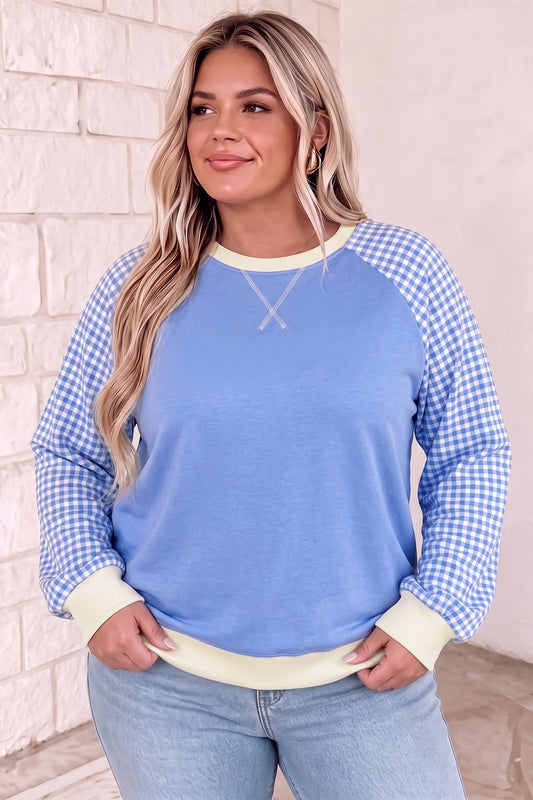
- Long-sleeved t-shirts
- Fitted turtlenecks
- Thermal tops
- Lightweight vests
Look for fabrics like silk, cotton/polyester blends, or merino wool — each offers breathable fabric performance. These help keep you dry while preventing that clammy chill.
Explore a curated range of base-worthy long sleeve tops that strike the right balance between function and elegance.
Step 2: Mid Layer — The Power of Warmth Without Puff
Here’s where the magic happens. Your mid layer adds insulation — and personality. Choose styles that trap heat without appearing bulky.
Perfect picks include:
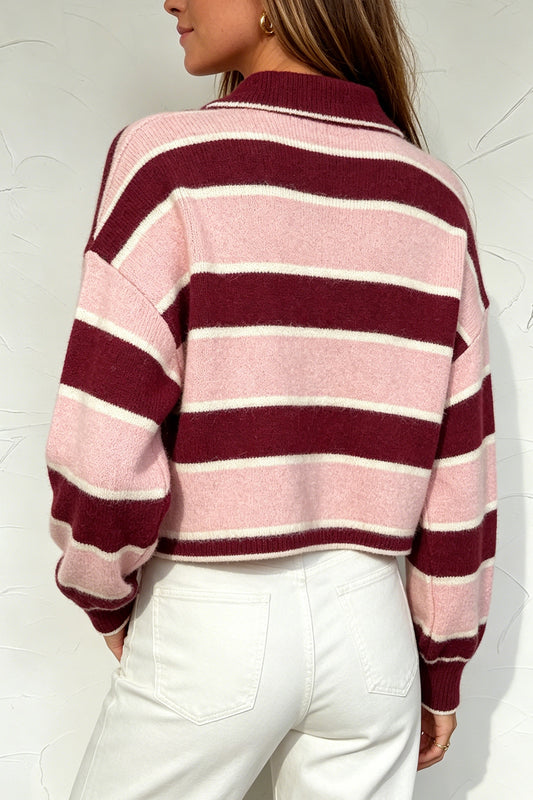
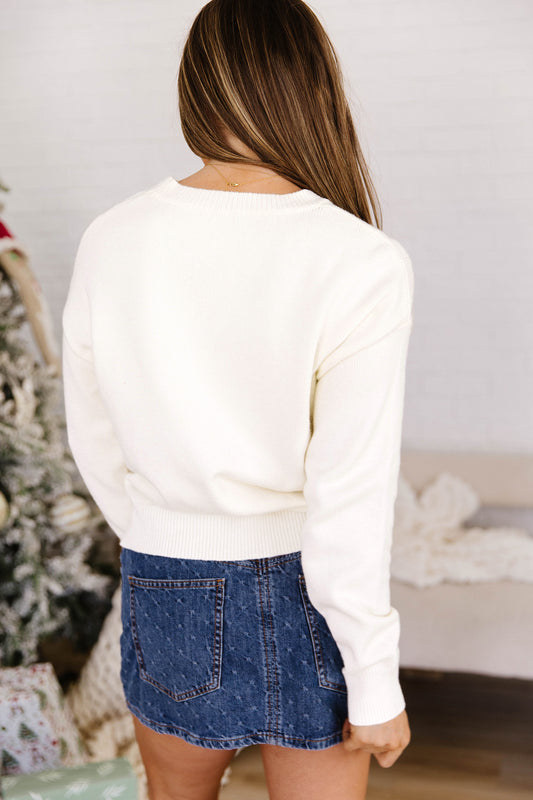
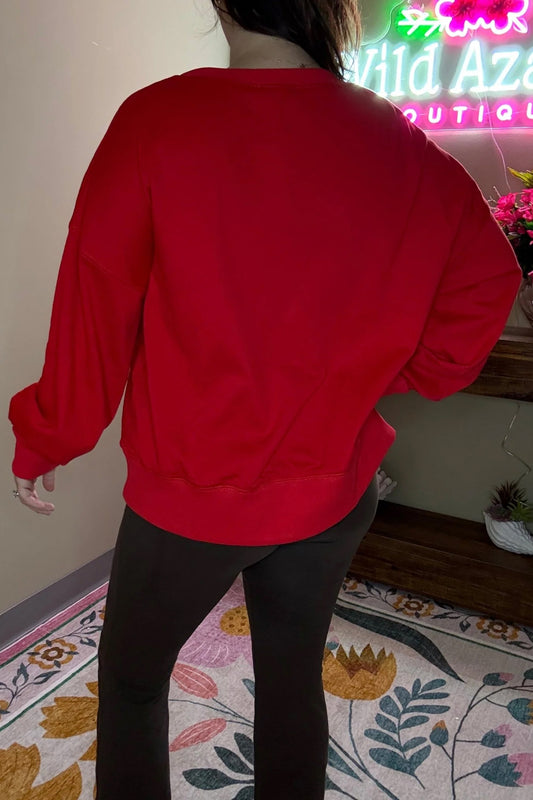
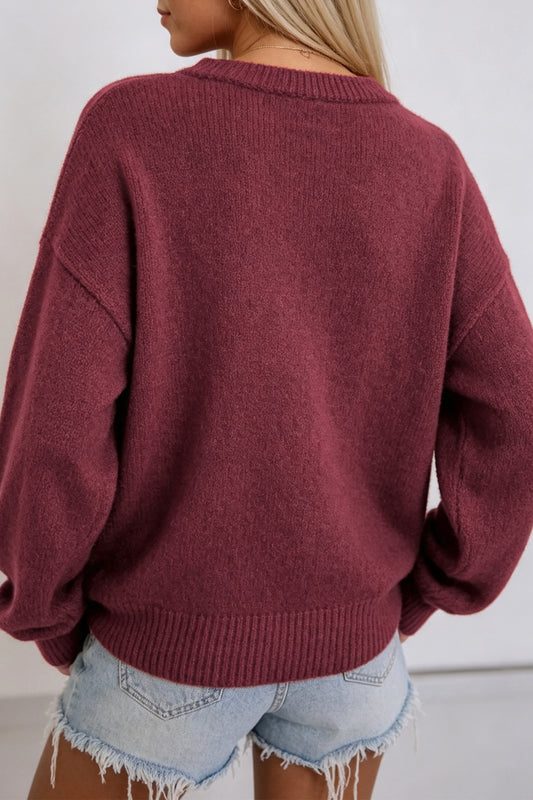
- Sweaters or jumpers
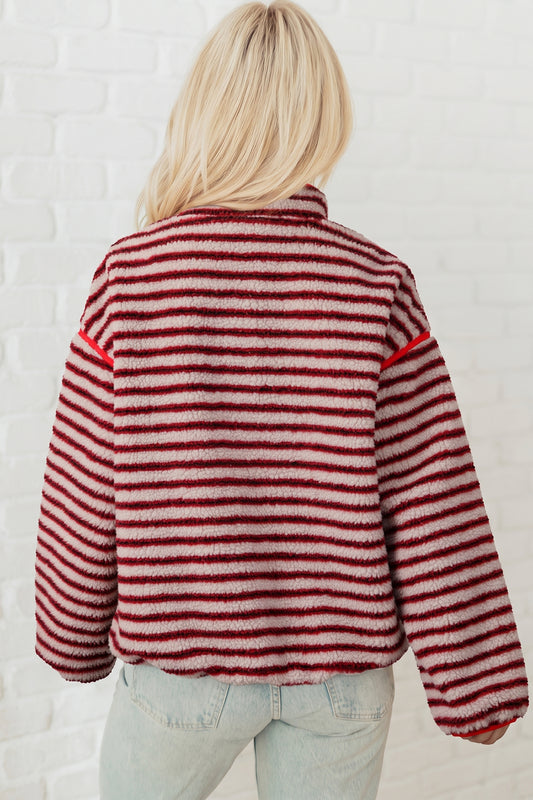
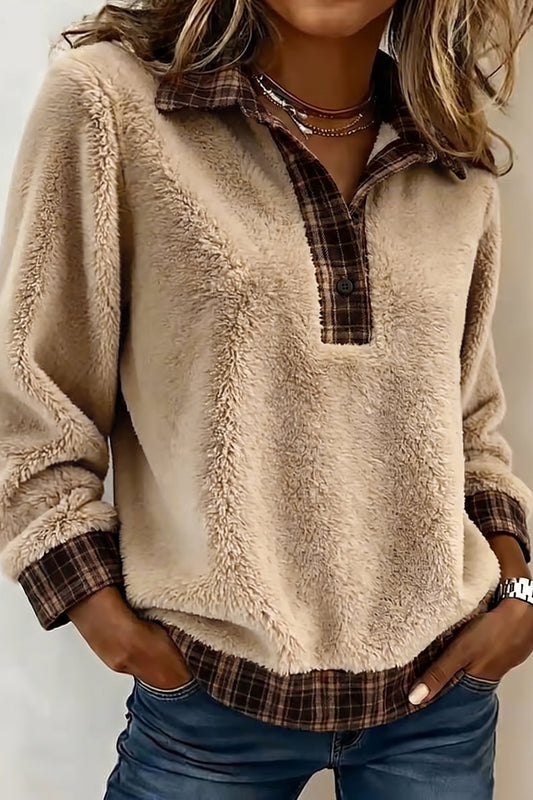
- Fleece pullovers
- Cardigans
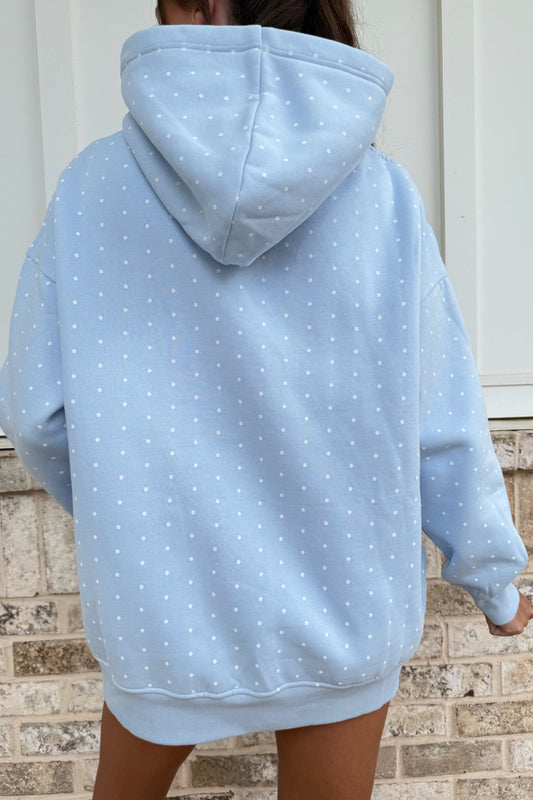
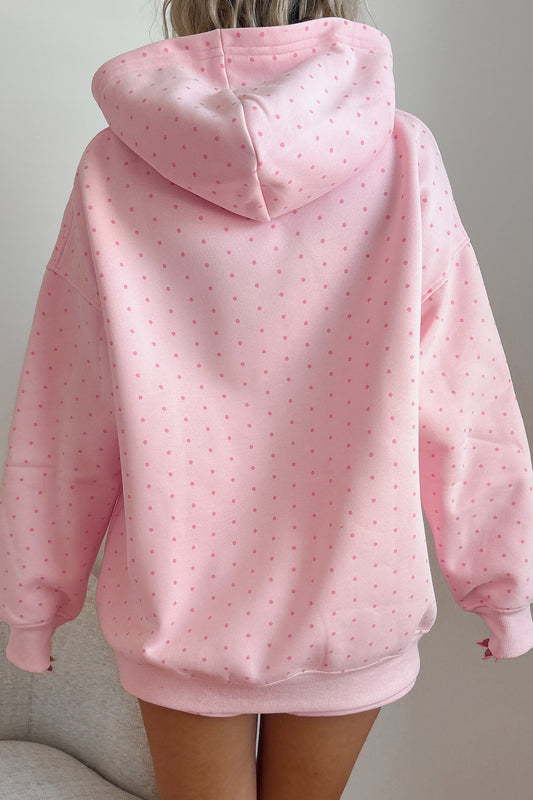
- Light hoodies
You’ll want fine, thin layers that contour rather than bulk. This is your chance to layer on visual texture, maybe even try contrast textures for added dimension.
If you're after layers that work hard and look chic, browse the fresh edits in our outerwear collection.
Step 3: Outer Layer — Shield in Style
Your outer layer is the visible armor — it blocks out wind, rain, and snow, while elevating your entire look. But not all outerwear is created equal.
What should you look for?
- Waterproof / windproof materials
- Insulated outerwear with lightweight fill
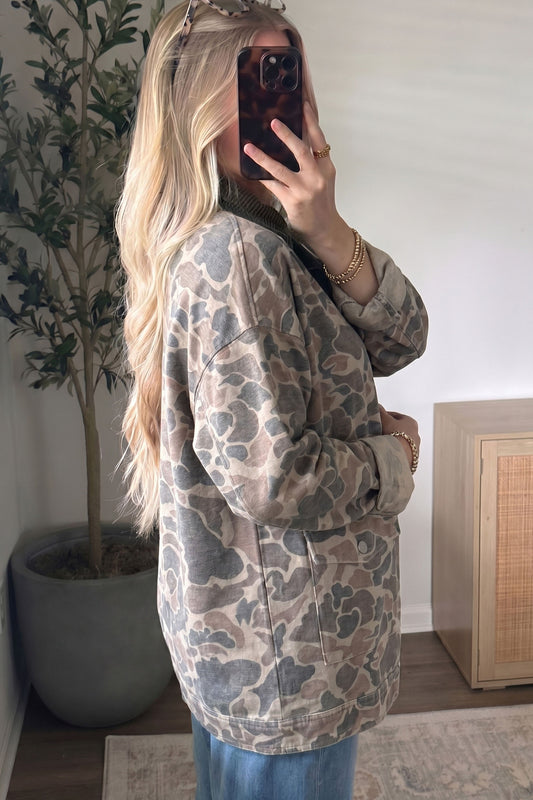
- Roomy outer layer over fitted inner layers
- Structured pieces that maintain a tailored shape
Whether it’s a minimalist waterproof jacket, a heritage-inspired parka, or a sleek coat, aim for a balance between practicality and polish. Explore tailored options in our elevated coat collection — ideal for layering without compromise.
For those particularly bitter days, a puffer jacket might be your best bet. Today’s designs offer insulating properties with a surprisingly comfortable fit, using advanced materials that resist bulk.
Rethinking Fit: How to Layer Without Looking Layered
One of the most misunderstood elements of cold-weather dressing is fit. Many assume that layering means oversized everything. In reality, it’s about strategic structure.
“Stylish layering is like architecture — every level supports the next.”
Here are some key styling principles:
- Start fitted, finish structured: Slim base layers topped with tailored outerwear create a clean visual silhouette.
- Stick with lightweight layers that stack seamlessly.
- Don’t be afraid to tuck in a mid-layer or belt your outerwear — it reclaims your waistline.
- Use contrast textures to create interest and depth.
To truly pull off this look, consider investing in a versatile piece from our jackets collection — structured enough to polish, relaxed enough to layer.
Fabric Matters: Feel the Warmth, Skip the Bulk
When building warmth into your winter wardrobe, materials make the difference. Choosing the right fabric means you can wear less while staying warmer.
Top fabric performers include:
- Merino wool – lightweight and insulating
- Silk – excellent for base layers thanks to its heat retention and sleekness
- Performance blends – smart layering systems often rely on cotton/polyester blends
- Breathable fabrics – regulate heat without suffocating your skin
These aren’t just practical; they elevate your tactile experience — cozy, breathable, and incredibly soft. For a great mix of function and feel, head over to our refined selection of blazers — many of which can double as warming mid-layers.
Don’t Forget the Add-Ons: Accessories That Work Overtime
If you’ve ever felt that chill around your neck or hands despite your top-notch layering, you already know this truth: accessories are functional essentials, not just extras.
For full-body warmth, integrate:
- Scarves – especially in insulating knits or breathable blends
- Hats or beanies – reduce heat loss from your head
- Gloves – opt for thermal-lined but slim-fitting options
- Neck gaiters – a smart, close-fitting alternative to scarves
- Wool socks and insulated footwear – complete warmth starts at the extremities
The key is to choose accessories that trap heat efficiently while maintaining a comfortable fit. Use them to bring in pops of color or texture contrast to break up a monochrome outfit. For cold-weather staples designed to elevate your look and extend your warmth, our seasonal outerwear edit is a great place to start.
A Smart Layering System for Real Life
Let’s bring it all together with a thermal layering strategy you can follow day to day — from errands to evenings out.
- Start with a breathable base layer like a fitted turtleneck or thermal tee.
- Add a mid layer that insulates and adds dimension (cardigans, jumpers, or hoodies work well).
- Top it off with an outer shell that cuts wind, seals warmth, and adds structure.
- Accessorize wisely — hats, scarves, and gloves aren’t afterthoughts, they’re your final layer of armor.
- Keep the look intentional — prioritize proportion, fit, and comfort so each layer enhances the other.
Final Thoughts: Style Meets Strategy
Layering for cold weather doesn’t mean choosing between warmth and style. With the right fabrics, thoughtful structure, and a bit of wardrobe planning, you can move comfortably through winter without ever feeling like the Michelin Man.
Whether you're building your look from the base layer up or shopping for a protective shell that adds polish without weight, every choice matters. This winter, let smart layering lead the way — not the bulk.
Before you step out, browse our most functional and flattering cold-weather must-haves in the coats collection — your new winter layering ally awaits.
Frequently Asked Questions
1. Can I layer with short-sleeve tops in winter?
Yes — if used strategically. A fitted short-sleeve t-shirt can work as a base layer underneath warmer garments. The key is ensuring the fabric is moisture wicking and the outer layers provide sufficient warmth.
2. Is it better to size up for layering?
Not always. If your layers are designed well and made from lightweight fabrics, you can stick to your usual size. Only consider sizing up for outer layers that are meant to go over multiple pieces, like a coat or jacket.
3. How can I layer under fitted clothing without ruining the silhouette?
Choose fine, thin layers and prioritize performance fabrics like silk or merino wool that insulate without adding volume. Avoid bulky textures and opt for layering pieces that sit flat against the body.
4. What’s the best way to layer for office or business attire?
Layer with breathable base layers (like a turtleneck or thermal tee), a structured mid layer (such as a fine-knit sweater), and a tailored blazer or coat. Choose neutral tones for mix-and-match flexibility.
5. How do I stay warm if I sweat a lot in winter clothes?
Go for moisture-wicking base layers that pull sweat away from the skin. Breathable fabrics and ventilation-friendly styles prevent overheating while keeping you dry and warm.
6. What’s a stylish way to layer for a night out in winter?
Layer a thermal top under a dressier blouse or knit, and finish with a statement outerwear piece like a belted coat or cropped puffer jacket. Accessorize with a sleek scarf or beanie to complete the look.
7. Should I always wear three layers?
Not necessarily. The 3-layer rule is a guide, not a requirement. On milder days, two layers might suffice if you're using high-performance fabrics. Adjust based on temperature and activity.
8. Can fleece be stylish or is it just functional?
Absolutely! Fleece has evolved — it now comes in fitted, cropped, or panelled styles that work well as mid layers or even outerwear when styled right. Look for elevated cuts and neutral tones.
9. How do I keep my neck warm without a bulky scarf?
Opt for neck gaiters or thin wool scarves that wrap snugly without adding volume. These options are both efficient and minimalist.
10. What should I avoid when layering in cold weather?
Avoid oversized layers on top of oversized layers — it creates unnecessary bulk. Also steer clear of heavy fabrics stacked together; they can restrict movement and compromise warmth due to lack of ventilation.