
How Often Should You Wash Jeans? A Stylist’s Advice
Jeans are a wardrobe staple, but washing them too often can ruin their color, shape, and longevity. In this guide, you'll discover how often you should really wash your jeans, the signs to look for before throwing them in the wash, and expert tips to extend their life. Whether you're wearing classic denim, raw jeans, or trendy cuts, this advice will help you care for them like a pro.
Denim Discipline: Less Washing, More Wearing
If you're unsure about how frequently to wash your jeans, the answer might surprise you — less is more. Frequent washing leads to color fading, fabric thinning, and a reduced denim lifespan. Instead, follow this stylist-backed principle: wash jeans infrequently, and only when they really need it.
So, when exactly should you wash them? Experts agree it’s ideal to wash after 5–10 wears, or sooner only if you notice:
- Visible dirt or stains
- A noticeable odor
- Loss of fit due to stretching
If none of these apply, keep wearing. This conservative approach isn’t laziness—it’s maintenance.
“The less you wash, the longer your jeans will last, keeping both your wallet and the planet a little happier.”
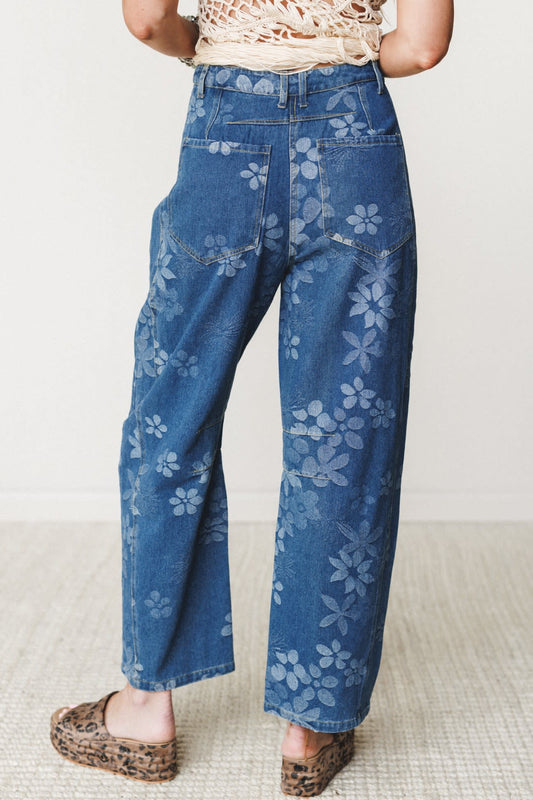
You can find a wide variety of durable, stylish options in the HannaBanna jeans collection, ideal for day-to-day wear with smart care in mind.
Spot Cleaning: Your Denim’s First Line of Defense
Rather than tossing your jeans in the machine after every wear, try spot cleaning. It’s perfect for:
- Food splashes
- Makeup marks
- Surface dust
Use a damp cloth and mild detergent, dabbing gently on the affected area. This method keeps the rest of the fabric untouched, preserving color and avoiding unnecessary wear on clean areas.
When full washing is necessary, prep your jeans right:
- Turn them inside out
- Wash in cold water on a gentle cycle
- Always use a mild, bleach-free detergent
- Wash with similar colours only
This helps preserve color and prevents fading—especially critical for deep indigo shades or vibrant styles like those in the HannaBanna bottoms collection.
Freshen Up Without the Wash
You’ve worn your jeans a few times. They don’t smell. They’re not visibly dirty. Still, they feel… worn. Instead of heading for the washing machine, try alternative freshening methods that keep your denim crisp and clean without degrading the fabric.
Here’s what you can do:
- Hang outside for fresh air – A few hours outdoors can naturally eliminate mild odors.
- Fabric freshener sprays – These can refresh between washes without the need for water.
- Steam treatment – Use a handheld steamer to kill bacteria and smooth creases.
- Freezer method? The idea of putting jeans in the freezer to kill bacteria is widely debated. While it may reduce odor temporarily, it doesn’t replace actual cleaning. This denim cleaning myth is best used with caution.
By minimizing full washes and refreshing jeans between wears, you're actively promoting denim longevity and reducing environmental strain.
The Raw Truth About Raw Denim
Not all jeans are created equal—and none more unique than raw denim. Unwashed and untreated, raw jeans demand a different kind of care. If you’re wearing raw denim, you’ll want to wear before washing—sometimes up to 6 months or more.
This extended break-in period helps the jeans mold to your body and develop custom fades. When it is finally time to wash:
- Follow the cold wash rule
- Skip the dryer and air-dry
- Use minimal detergent
Raw denim care is truly an art, and understanding this can help you enjoy your pair for years.
“Think of your raw denim as a canvas. The longer you hold off washing, the more beautiful the painting becomes.”
This care philosophy is ideal for those embracing minimalism, craftsmanship, or seeking fade resistance that tells a personal story.
What You’re Doing Wrong with Jean Laundry
Too many people make the same laundry mistakes with jeans that ruin them far too early. Let’s break them down:
- Tumble drying – The heat warps fibers and shrinks the fit.
- Hot water washing – Speeds up fading and damages fabric integrity.
- Using strong detergents or bleach – These eat away at the fibers and dull the finish.
The result? Jeans that look tired after just a few washes.
To fix this, develop a denim care routine that respects the fabric: cold washes, short cycles, and proper air-drying. Whether you’re rocking slim fits or wide-leg silhouettes, the principle holds.
Style, Fit, and Lifestyle: Tailoring Your Wash Schedule
How often you wash your jeans also depends on how you wear them. If they’re part of your casual rotation, you can stretch the time between washes. But if you wear them during hot commutes, long workdays, or physical activity, the washing frequency naturally increases.
Consider these factors:
- Jean fit and fabric type – Stretch denim may lose shape faster than rigid cotton, requiring more frequent care.
- Climate and season – Summer sweat may warrant earlier washing, while winter outfits protect denim from grime.
- Activity level – The more active your day, the more sweat and odor your jeans will pick up.
Build your routine around your lifestyle rather than a strict rulebook.
Sustainability Begins in Your Laundry Room
Caring for your jeans properly isn’t just good for your wardrobe—it’s also a small but impactful way to reduce your environmental footprint.
- Washing less saves water and energy
- Air-drying avoids unnecessary electricity use
- Cold water washing reduces carbon emissions
- Denim that lasts longer leads to fewer purchases
It’s all part of jean washing for sustainability, a growing awareness among fashion-conscious consumers who understand that better care equals better outcomes—for both style and the planet.
At HannaBanna, our focus on quality craftsmanship aligns with these sustainable care practices. We design our denim for lasting wear and provide styles that hold their shape and color over time—meaning fewer washes and fewer replacements.
Final Thoughts: Let Denim Live
To recap: Your jeans don’t need as much washing as you think. Let odor, stains, and feel guide your decision, not habit. Try spot cleaning, airing out, and using gentle care when a full wash is needed. Respect your jeans, and they’ll reward you with years of reliable, stylish wear.
Whether you're slipping into sleek skinnies or breezy wide-legs from our jeans collection, a little care goes a long way. Build a thoughtful denim care routine that fits your lifestyle and values—and you’ll never look at your laundry basket the same way again.
FAQ: Your Denim Washing Questions Answered
1. Can washing jeans too infrequently cause hygiene issues?
If your jeans are visibly dirty, stained, or have a noticeable odor, it's time to wash them. However, if they're worn casually and aren’t exposed to sweat or grime, there's no hygienic issue with spacing out washes.
2. Is it okay to wear jeans multiple days in a row?
Yes, it’s perfectly fine to wear jeans for several days in a row, especially if you're not sweating heavily or exposing them to dirt. Rotate them if you can to let them air out between wears.
3. Should I wash new jeans before wearing them?
It depends. Some jeans, especially raw denim, should not be washed before the first wear to allow the fabric to mold to your body. However, if you’re concerned about dye transfer or skin sensitivity, a single cold rinse might be appropriate.
4. How can I prevent jeans from bleeding dye onto other clothes?
Always wash jeans separately the first few times and turn them inside out. Stick to cold water and avoid mixing them with light-colored fabrics to prevent dye transfer.
5. What’s the best way to store jeans between wears?
Hang them in a well-ventilated area or fold them neatly. Avoid tossing them in a pile, as this can trap moisture and cause creases or odor.
6. Can I iron jeans?
Yes, but it’s rarely necessary. If you do, use a low to medium heat setting, and iron the jeans inside out to protect the surface. A steamer is often a better choice.
7. Is fabric softener bad for jeans?
Yes. Fabric softener can break down denim fibers over time and reduce fabric integrity. It can also dull the natural texture and look of the jeans.
8. Do black jeans require different washing care than blue jeans?
Black jeans tend to fade faster, so extra caution is needed. Wash in cold water, use a color-preserving detergent, and always air-dry to maintain their dark hue.
9. What’s better: hand washing or machine washing jeans?
Hand washing is gentler and ideal for preserving color and shape. But if you use a machine, select a delicate cycle, cold water, and minimal spin.
10. How can I revive old, faded jeans?
Use a denim dye product to refresh the color, or lean into the worn look with intentional fading. Pairing with fresh basics or outerwear can also give your jeans a second life.