
Can You Shrink Jeans That Are Too Big? Yes—Here’s How
Looking for a solution to jeans that feel a size too big? You're in the right place. This article reveals everything you need to know about shrinking denim at home—safely and effectively. Whether you're working with high-quality raw denim or jeans with a bit of stretch, there are several proven methods to help you achieve a better fit. From boiling jeans to hot water washing and even wearing them in the tub, you'll learn the best techniques, when to use them, and what precautions to take to maintain the integrity of your favorite pair.
Here's what you'll get from this article:
- An overview of the best shrinkage techniques using heat and water.
- Insight into how different types of denim fabric react to these methods.
- A breakdown of tools you'll need—dryers, irons, and yes, even stovetops.
- Advice on shaping jeans for a custom fit and when to consider tailoring.
- Smart tips to avoid damage, fading, and uneven shrinkage.
- Internal links to explore on-trend denim options perfect for your wardrobe.
Let’s begin with why jeans lose their fit—and how to take control of it.
Understanding the Nature of Denim
Denim isn’t just denim. It varies widely in structure, weight, and fiber blend. Knowing your jeans is the first step in shrinking them effectively.
Cotton content is king. Jeans made from 100% cotton tend to shrink more than those blended with elastane or spandex.
These stretch fibers are designed to resist shrinkage and hold shape over time. That’s great when you want consistency, but tricky when you're trying to reduce the size. In contrast, raw denim—a staple in high-end fashion—is famously responsive to shrinking because it hasn’t been pre-treated.
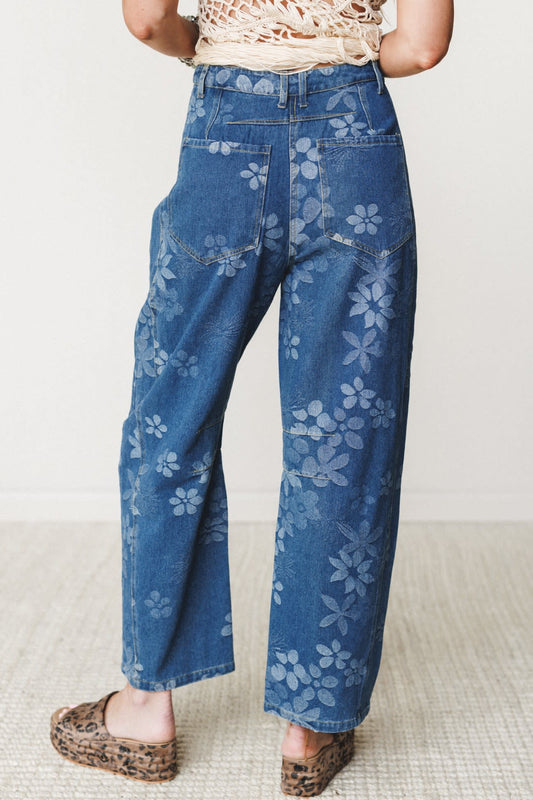
For more relaxed fits that may need adjusting, check out our bottoms collection that includes wide-leg, slouchy, and oversized styles.
Shrinkage Methods That Actually Work
When people ask if shrinking jeans is even possible, the answer is a definite yes. But not all methods are equal. Some work best on the waist, others more on the length, and some offer a more sculpted effect overall.
1. The Classic Hot Wash & Dry Method
The go-to method for a reason.
How to do it:
- Turn your jeans inside out (this helps protect color vibrancy).
- Wash in hot water on a full cycle.
- Transfer immediately to a high-heat tumble dryer.
This method is ideal for general shrinkage—especially for slightly oversized jeans. However, it’s worth noting that this can lead to uneven length shrinkage vs. waist reduction, depending on the fabric’s composition.
2. Boiling Your Jeans
For a bit more intensity, boiling jeans is a powerful approach.
Steps:
- Fill a large pot with water and bring it to a rolling boil.
- Submerge jeans fully for 20–30 minutes.
- Remove, let cool slightly, then transfer to a dryer on high heat.
This is especially effective on 100% cotton jeans, as cotton fibers relax and tighten when exposed to prolonged heat.
Boiling helps increase the shrink percentage, often up to 4%, and works particularly well for raw denim.
3. Bathtub Soak — For a Custom Fit
Looking for a mold to body technique? This method helps the jeans shrink to your exact form.
How it works:
- Wear your jeans into a warm (not scalding) bath and sit for 15–20 minutes.
- Stay in the jeans until they begin to dry.
- Once damp, walk around or do light stretches so they contour to your body shape.
This process supports a custom fit, especially useful for waist shrinkage or tightening high-stress areas like knees and hips.
This method is a bit more labor-intensive, but it offers a more sculpted result than basic wash-and-dry cycles.
Spot Shrinking: Ironing for Targeted Results
Sometimes, only certain parts of your jeans feel too roomy—like the waistband, knees, or seat. That’s where spot shrinking with an iron becomes a precise and effective solution.
Here’s how to do it:
- Lightly dampen the area you want to shrink using a spray bottle or cloth.
- Lay your jeans flat on an ironing board.
- Use a hot iron (no steam) and press down firmly over the damp fabric.
- Hold each press for about 10 seconds before moving to the next section.
This technique is especially useful for high-stress areas that have stretched out over time. It avoids altering the overall shape while focusing shrinkage exactly where needed.
Consider this a great option when you want control, especially if your jeans have decorative elements or distressing you don’t want to distort.
What Heat Really Does to Denim
Regardless of the technique—boiling, washing, or ironing—the secret sauce in all of it is heat.
Heat is the key agent that causes the cotton fibers in denim to contract. This is known as the cotton relaxation effect, and it’s what makes shrinking jeans possible in the first place. The hotter the application (and the longer the exposure), the greater the shrink.
But here’s the catch: too much heat can degrade fabric over time.
That’s why it's essential to limit how often you apply extreme heat. Frequent high-temp washes will eventually fade dyes, weaken the fibers, and compromise your denim’s lifespan.
When to Choose Tailoring Over DIY
Not every pair of jeans can—or should—be shrunk at home. There are cases when the better choice is to leave it to the pros.
Tailoring is worth considering when:
- The jeans contain high levels of spandex or elastane, which resist shrinkage.
- The desired adjustment is significant (over one full size).
- You want a long-term alteration that doesn’t rely on constant maintenance.
While DIY methods work well for subtle tweaks, tailoring delivers precision and permanence. It’s also great for modifying leg width, tapering the ankle, or refining the seat.
If you’ve tried at-home methods and still want a more secure fit, professional alterations can reshape your jeans without sacrificing quality. For those seeking an already tailored silhouette, browse our fitted styles that require no post-purchase adjustments.
Know the Limits: What Not to Do
As tempting as it may be to throw jeans into a boiling pot every weekend, there are smart limitations to observe.
Here’s what to avoid:
- Frequent washing and drying: leads to early breakdown of fibers.
- High heat on stretch denim: can warp the material and compromise fit.
- Drying in direct sunlight: increases fading and uneven shrinkage.
- Skipping the inside-out step: accelerates wear on outer fabric and dye.
Being gentle with your denim ensures a longer, more stylish life—even when you’re trying to shrink it down.
Caring for Your Jeans After Shrinking
Once you’ve achieved the fit you’re after, your job isn’t quite done. Maintaining that fit—and protecting the quality of the fabric—means shifting your denim care routine.
Here’s how to preserve your new fit:
- Wash less often: Over-washing breaks down fibers and leads to further loosening or unwanted shrinking.
- Use cold water going forward: This prevents additional shrinkage while keeping the color intact.
- Air dry when possible: Swap the tumble dryer for a flat surface or hanger dry method.
- Spot clean between full washes: Great for preserving structure, especially around the waistband and thighs.
Pro tip: If you've used the bathtub method for a body-contouring fit, avoid machine washing for at least two weeks to help the jeans "set" to your shape.
What’s the Ideal Shrink Percentage?
If you're wondering how much shrinkage is actually possible—without destroying your jeans—the answer usually falls between 3–4% in overall reduction. That might not sound like much, but for the right pair of jeans, it can make a big difference in how they sit on your waist, hips, and legs.
For raw denim, expect slightly more dramatic results, especially after the first shrink cycle. That’s why many raw denim enthusiasts choose styles labeled shrink-to-fit™, which are designed to shrink down significantly after the first wash.
Want to skip the trial-and-error and find pieces already made to hug your frame? Explore our editorially curated collection of bottoms, where you'll find styles with thoughtful design and clean silhouettes.
Final Thoughts: It’s All About Controlled Shrinkage
So—Can You Shrink Jeans That Are Too Big? Yes—Here’s How has been thoroughly answered. But more than just a yes or no, what really matters is how you go about it.
To recap:
- Use heat strategically—whether through washing, boiling, or spot ironing.
- Know your denim type—because cotton behaves differently than stretch blends.
- Tailoring is a smart alternative when DIY options fall short.
- And finally, protect the shape you’ve worked to create by adopting a more conscious denim care routine.
Shrinking jeans is as much art as science. And whether you're going after a slightly tighter waistband or a full-on custom fit, you now have the tools—and the know-how—to do it right.
Frequently Asked Questions
1. Will shrinking jeans make them look smaller or tighter?
Shrinking jeans generally makes them fit more snugly, especially around the waist and thighs. However, it doesn’t necessarily alter the style or silhouette—so a loose or wide-leg cut will still appear oversized, just slightly more fitted.
2. Can you shrink jeans without a dryer?
Yes, you can use methods like boiling water, bathtub soaking, or spot ironing. Air drying after these methods will still yield some shrinkage, though not as much as using a high-heat dryer.
3. Do black or dyed jeans shrink differently than blue denim?
Darker or heavily dyed jeans can shrink the same way as blue denim, but they’re more prone to visible fading. Always turn them inside out and wash them alone to avoid color transfer.
4. Can ripped or distressed jeans be shrunk safely?
Yes, but with caution. Exposing distressed jeans to heat may further damage already weakened areas. Consider spot shrinking or tailoring to avoid tearing.
5. Is it possible to shrink just the waistband without affecting the legs?
Yes. Use a spray bottle and iron to dampen and heat the waistband only. You can also stitch small darts into the waistband or use waistband cinchers for a non-permanent solution.
6. Can I shrink jeans more than once?
You can, but with diminishing returns. Most jeans only shrink significantly during the first round of heat treatment. Repeated attempts can cause wear and may not yield noticeable differences.
7. Will pre-shrunk jeans shrink again?
Pre-shrunk jeans may shrink slightly—usually up to 1–2%—if exposed to high heat. However, they won’t shrink as much as raw or untreated denim.
8. Are there fabric-specific shrink methods for stretch jeans?
Yes. For stretch denim containing elastane or spandex, use moderate heat and shorter cycles, as high heat can warp synthetic fibers. Avoid boiling methods for stretch denim.
9. Do jeans shrink in width and length equally?
Not usually. Length shrinkage is more common than width, especially when using hot water or dryers. That’s why methods like bathtub soaking help mold jeans for a better full-body fit.
10. What should I do if my jeans over-shrink?
If you’ve shrunk your jeans too much:
- Soak them in lukewarm water with a bit of fabric softener.
- Stretch them manually while damp, especially at the waist or hips.
- Wear them slightly damp to help relax the fibers again.