
Country Style for City Women: How to Borrow Without Costuming
Country style works beautifully in a city when it looks borrowed rather than adopted wholesale. Think of it as a styling vocabulary: a waxed jacket over clean denim, a romantic blouse with tailored trousers, a country dress grounded by contemporary footwear, or a touch of tweed against something decidedly simple.
The quickest way to get it right is this:
- Choose one or two country signals: tweed, quilting, checks, corduroy, a floral print, waxed outerwear or substantial leather.
- Add a city counterweight: crisp denim, tailoring, a plain T-shirt, loafers, trainers or a streamlined bag.
- Keep the palette grounded in olive, camel, cream, chocolate brown, burgundy, grey, tobacco or forest green.
- Mix textures, but resist piling on motifs.
- Let proportions feel current. A traditional fabric can look entirely modern when the silhouette does.
- Above all, avoid making every garment tell the same story.
The rule worth remembering: country style in the city is most convincing when the reference is recognisable but the outfit isn't literal.
That distinction—between influence and imitation—is where modern country style gets interesting.
The Countryside Is the Reference, Not the Dress Code
There is an easy trap with heritage dressing. You find a tweed jacket you love. Then come the checked shirt, riding-style boots, leather belt, quilted layer and perhaps a hat. Individually, every piece works. Together, they can begin to look less like personal style and more like wardrobe department.
For a city woman, the better approach is editing.
Take the rural charm of British country style—the practical materials, muted landscape colours, substantial knitwear and familiar heritage patterns—and introduce it to an urban lifestyle. Instead of recreating a countryside outfit, extract the element that made you notice it in the first place.
Maybe that's texture.
Maybe it's the slightly romantic quality of a collared blouse.
Maybe it's a sturdy piece of outerwear that makes an otherwise ordinary outfit feel considered.
This is why browsing women's country outerwear doesn't have to result in a head-to-toe country look. The jacket can be the entire reference.
Underneath it? Straight jeans, a fine knit and trainers.
Done.
The same principle applies to women's country tops. A piece with a rustic or heritage inflection can sit comfortably beside things that have no country connotations whatsoever. In fact, that contrast is usually what makes it look stylish.
Use the three-part formula
A useful way to build these outfits is:
- Country signal — tweed, waxed cotton, Fair Isle, checks, corduroy, quilting, leather, suede or a countryside-inspired print.
- City counterweight — denim, tailored trousers, a clean T-shirt, loafers, trainers, sleek leather or a sharp blazer.
- Restraint — a limited colour palette, contemporary proportions and enough visual breathing room for the heritage element to stand alone.
You don't need all three categories to shout. Quite the opposite.
If the outerwear is unmistakably heritage, everything underneath can become quieter. If a checked midi skirt is doing the talking, a pared-back knit and modern footwear can bring it back into the city.
That push and pull is the foundation of country-meets-city dressing.
What Actually Makes Something Feel “Country”?
Country style is broader than wax jackets and tweed.
Its character comes from a combination of material, pattern, colour, practicality and nostalgia. A garment doesn't necessarily need a recognisable country silhouette if one of those other signals is strong enough.
Texture does much of the work
Traditional country clothing tends to favour materials that look as though they could withstand actual life: wool, cotton, linen, leather, suede, corduroy and waxed cotton. Even when you're nowhere near a muddy field, these natural fabrics bring depth to an outfit.
That is useful in a city wardrobe because texture can replace decoration.
Consider:
- a wool jumper with smooth tailored trousers;
- corduroy against a crisp cotton shirt;
- suede boots with dark denim;
- a quilted jacket over a fine-gauge knit;
- tweed beside a plain jersey T-shirt;
- linen softened by substantial leather.
This kind of texture mixing creates a country reference without needing pheasants, riding motifs or an entire catalogue of traditional British patterns.
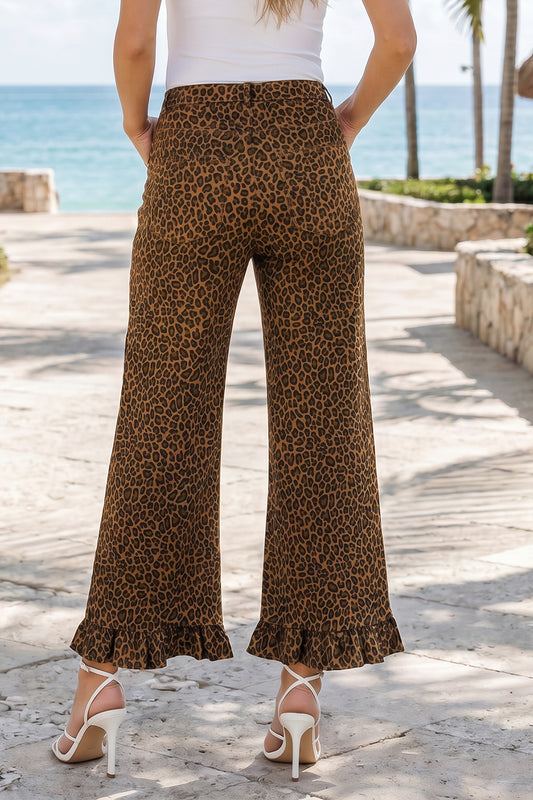
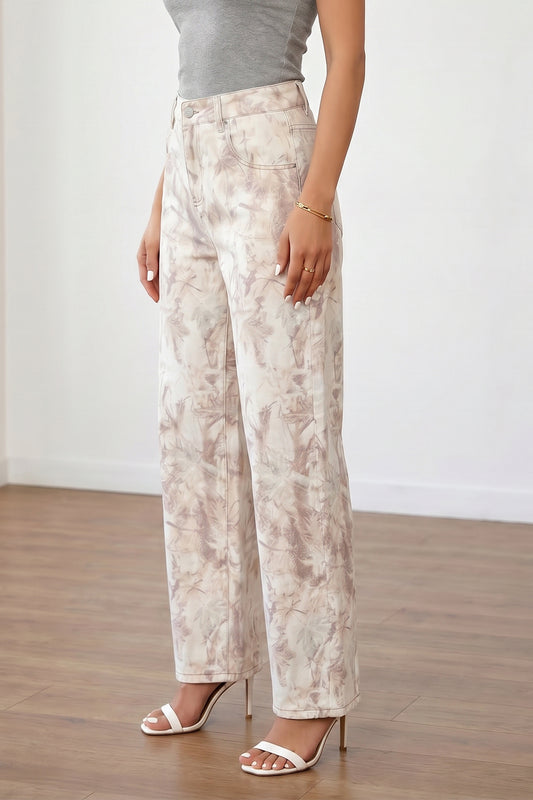
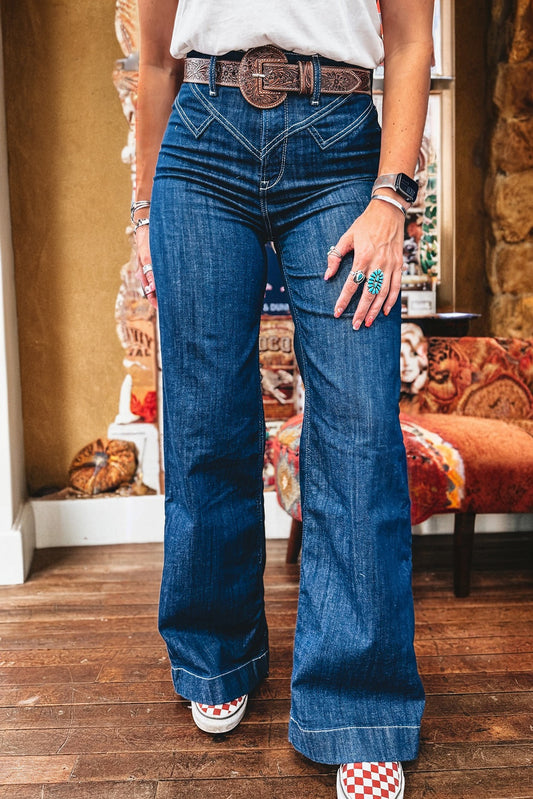
And it works particularly well with country-style bottoms for women, where the bottom half can provide the texture or silhouette while the upper half remains clean and contemporary.
When the fabric already says “heritage”, the rest of the outfit doesn't have to.
That is one of the easiest ways to avoid looking costume-y.
The One-Heritage-Piece Rule
If you're uncertain where tasteful country chic ends and costume begins, start here: wear one obviously heritage piece at a time.
Not forever. Just until your eye becomes accustomed to balancing the aesthetic.
A waxed jacket with jeans, for instance, feels relaxed and believable. Add a Fair Isle jumper, checked trousers, riding boots and a baker-boy cap and the message becomes much louder.
Similarly, a tweed blazer can be excellent with:
- a white T-shirt;
- barrel or straight-leg jeans;
- a simple leather bag;
- loafers or clean trainers.
Here the tweed supplies the heritage style, while the silhouette and supporting pieces belong firmly to contemporary city dressing.
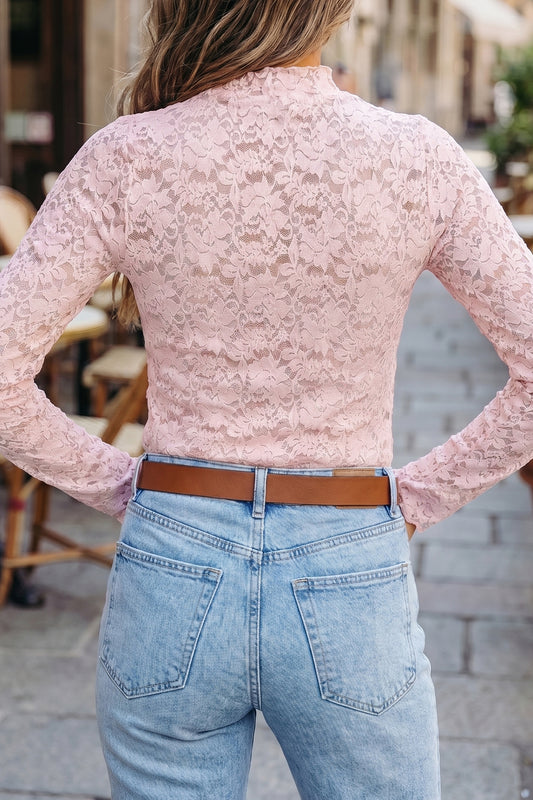
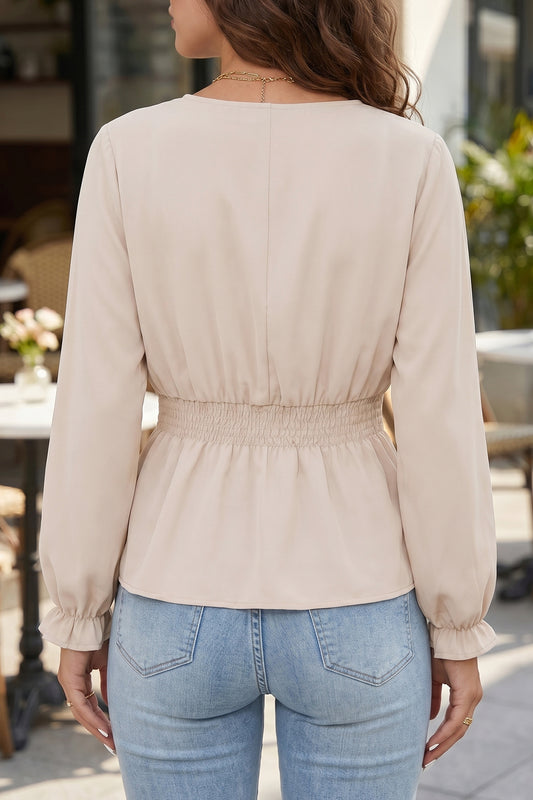
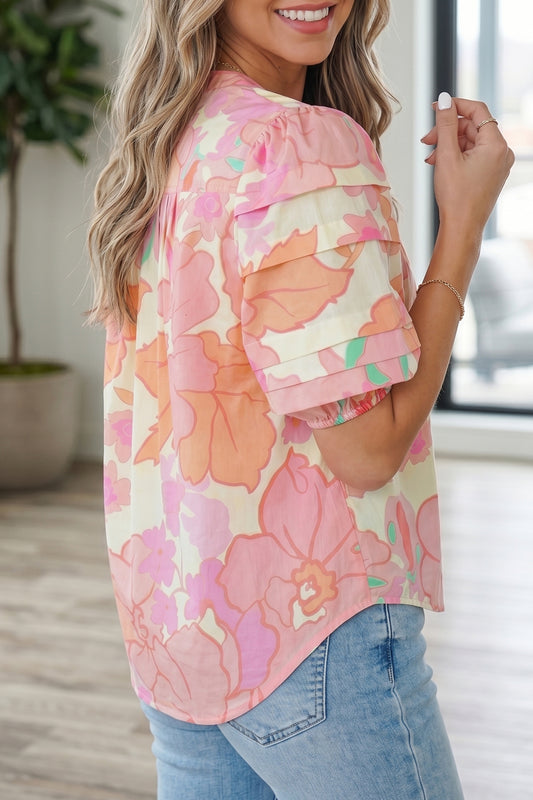
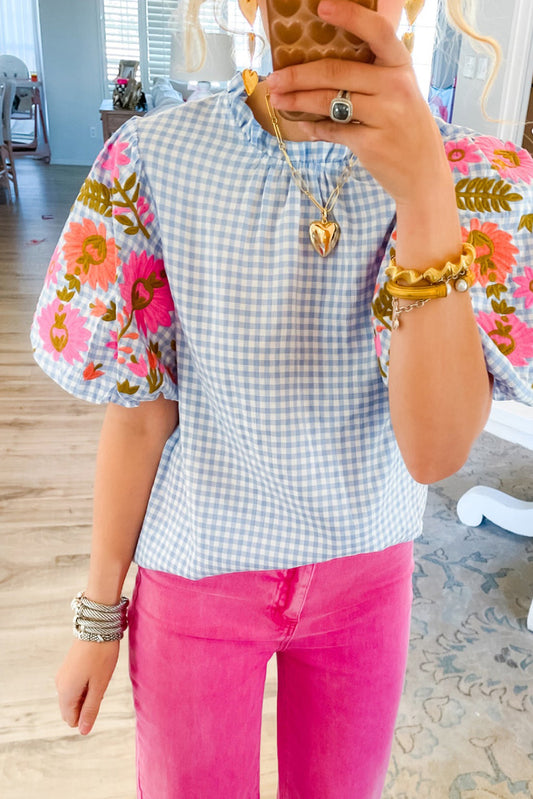
The technique works with softer clothes too. Look at women's country blouses and shirts through the same lens. A romantic blouse, subtle check, gingham shirt or more traditional collar becomes much less literal when paired with shaped denim, minimal jewellery and modern footwear.
This is understated heritage rather than a themed outfit.
And understated doesn't mean boring. It simply gives the interesting piece room to be interesting.
Heritage Patterns: Choose a Lead, Not a Choir
Checks, plaid, houndstooth, herringbone, gingham, Fair Isle and argyle all belong naturally in the wider language of countryside style. The danger isn't wearing them. It's making them compete.
For everyday city-friendly country dressing, designate one pattern as the lead.
A houndstooth blazer might sit over solid colours. A gingham blouse can meet plain denim. A checked skirt can be surrounded by warm neutrals. Fair Isle knitwear already carries plenty of visual information, so it rarely needs another traditional pattern beside it.
More experienced pattern mixers can certainly break this rule, but there should still be some relationship between the pieces—usually scale, colour or both.
For example:
Small check + larger check + repeated brown tone = intentional.
Plaid + Fair Isle + herringbone + unrelated colours = much harder to control.
This is where a limited colour palette earns its keep.
Borrow the Landscape Colours
Country style has an advantage over many fashion aesthetics: its traditional palette is remarkably wearable.
Forest green. Olive. Khaki. Camel. Cream. Grey. Deep brown. Burgundy. Rust. Tobacco. Tan.
These shades don't demand a country setting to make sense. They work on a train platform, in a café, at the office and through a wet Saturday in town. They also mix easily with the black, navy, white and denim already present in many wardrobes.
Try an earthy colour palette before buying anything particularly “country”. You may discover that colour alone gives you enough of the mood.
For instance:
| Country element | City counterweight | Result |
|---|---|---|
| Olive quilted jacket | Dark straight-leg jeans | Practical, understated |
| Burgundy knit | Tailored charcoal trousers | Heritage colour, urban shape |
| Camel outerwear | White T-shirt + denim | Clean and timeless |
| Chocolate-brown suede | Black tailored separates | Rustic texture, polished finish |
| Forest-green blouse | Contemporary jeans | Soft country reference |
| Cream cable knit | Sleek trousers + loafers | Classic without becoming literal |
This is also why country style can be surprisingly sophisticated. The earthy tones do much of the aesthetic work before a single heritage pattern enters the picture.
Dresses Need Contrast Too
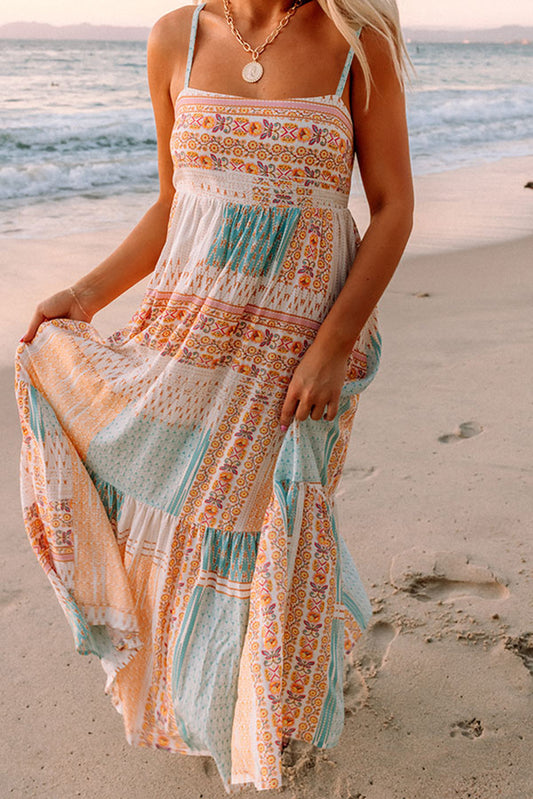
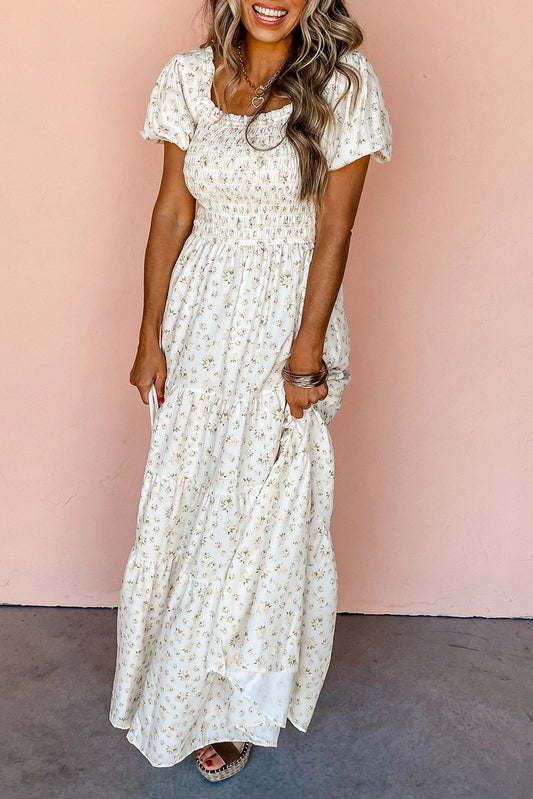
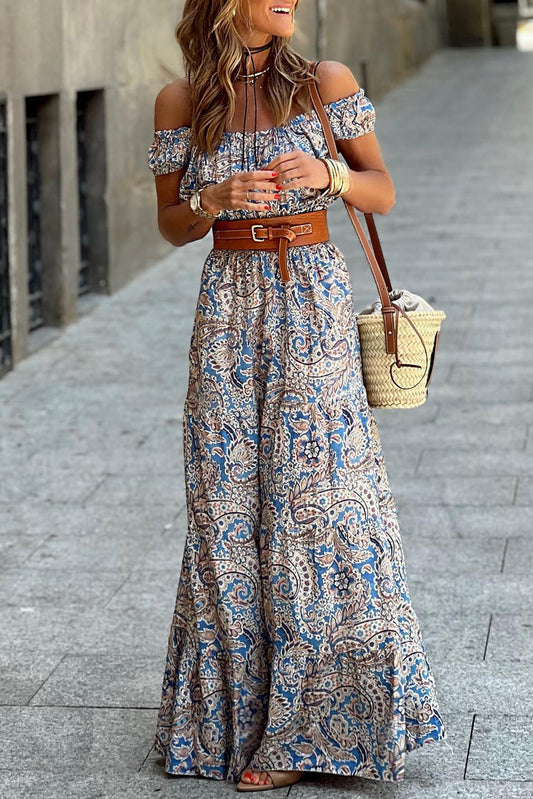
A floral or printed dress is one of the easiest entrances into pastoral style—and one of the easiest pieces to push too far.
The difference often comes down to what surrounds it.
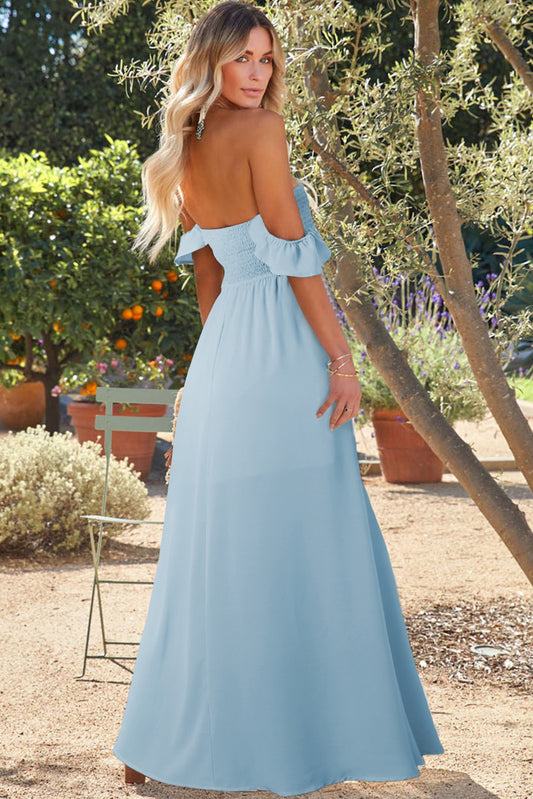
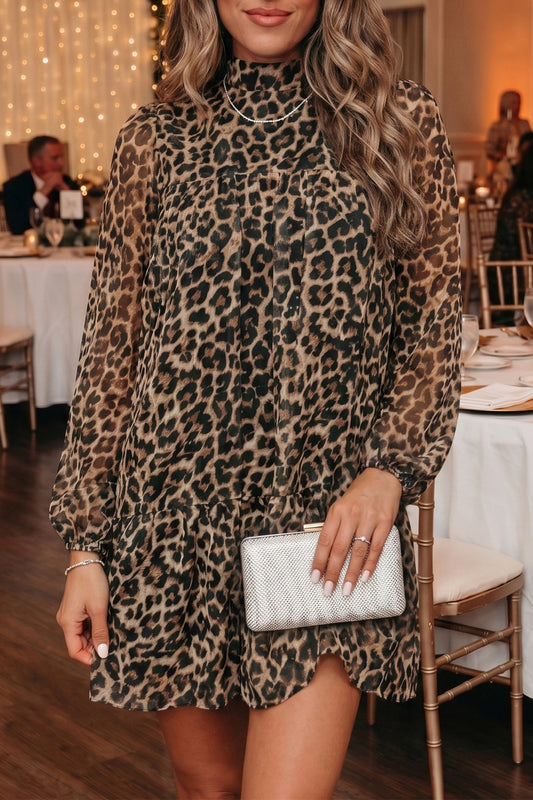
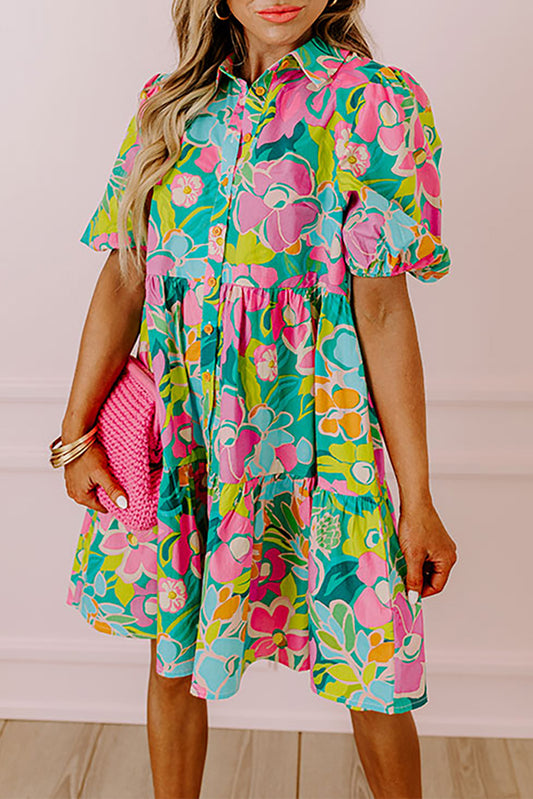
When looking at women's country dresses, imagine each dress outside the context of an entirely rural outfit. Instead, give it something sharper or simpler.
A feminine midi dress might work with:
- a structured wool coat and ankle boots;
- an oversized jacket and trainers;
- a clean trench coat and leather loafers;
- a cardigan with sleek rather than overtly rustic accessories;
- sturdy boots balanced by a simple contemporary bag.
This is high-low dressing in a slightly different form. You're not necessarily mixing expensive and inexpensive pieces; you're mixing romantic and pragmatic, traditional and modern, soft and structured.
The resulting tension is exactly what prevents the outfit from becoming fancy dress.
And it reveals the bigger point about country style for city women: you don't have to dilute the country piece itself. You modernise what you put around it.
The Secret Is Usually in the Silhouette
Fabric may whisper “country”, but silhouette decides whether an outfit feels current.
This is an important distinction.
A tweed jacket with a very traditional cut, checked trousers, a fitted shirt and riding-style boots can read as a complete heritage look. Change just one element—perhaps swap the trousers for relaxed denim or replace the boots with loafers—and suddenly the outfit feels less literal.
Modern proportions are enormously useful when borrowing from British country style.
Think:
- an oversized jacket over a slim, simple base;
- chunky knitwear with a fluid midi skirt;
- a fitted blouse with wider or barrel-shaped jeans;
- a long wool coat over cropped trousers;
- a romantic country-inspired top tucked into contemporary denim;
- a quilted jacket with straight-leg trousers and sleek leather footwear.
None of these combinations rejects heritage dressing. They simply change its context.
This is why proportion play deserves as much attention as pattern and colour. Something recognisably traditional can feel surprisingly fresh when its companion pieces have contemporary shapes.
Don't modernise everything
There is a temptation to make every country piece “edgy” so it will work in the city. You don't need to.
Sometimes the traditional quality is precisely what makes a garment appealing.
Keep the cable knit chunky.
Let the blouse be romantic.
Let corduroy look like corduroy.
Let a tweed jacket have texture.
Then introduce modern contrast elsewhere.
That contrast is more interesting than trying to disguise the heritage influence completely.
Country Style When the Weather Isn't Cooperating
Much of the familiar country-style vocabulary is naturally autumnal: wool, tweed, waxed cotton, chunky knits, substantial boots and deep earthy tones.
But country influence doesn't have to disappear when the weather warms up.
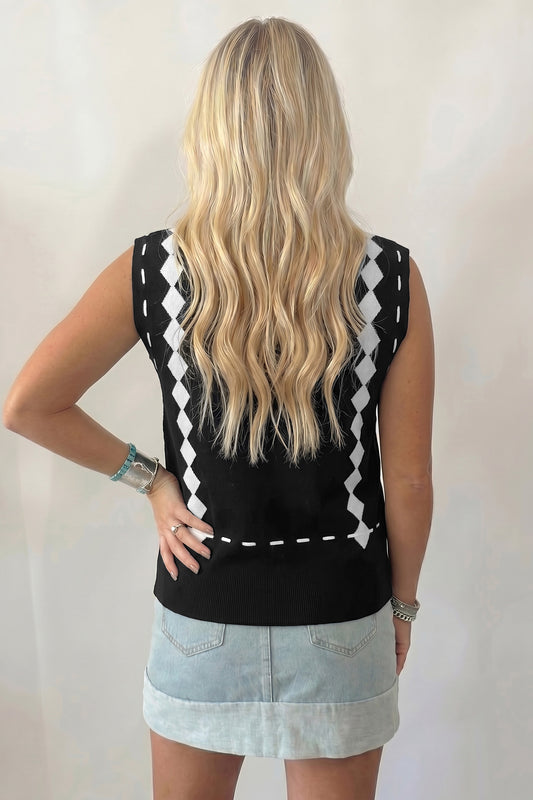
The same aesthetic can become lighter through cotton, linen, softer prints and simpler layers. A sleeveless country-inspired top, for example, can carry the mood through colour, print or detailing without the visual weight of winter knitwear. Pieces such as women's country tank tops can be treated as warm-weather building blocks rather than components of a themed outfit.
Pair one with denim and a leather belt.
Add tailored trousers and loafers.
Wear it beneath an open linen shirt.
Or place a lightweight jacket over it when the temperature drops after sunset.
The underlying principle remains unchanged: country signal + city counterweight + restraint.
A country-inspired wardrobe can move through the seasons
Spring lends itself to trench coats, lightweight knitwear, gingham, denim, ankle boots and softer greens.
Summer is the territory of cotton, linen, floral dresses, sleeveless tops, basket textures and tan leather—used selectively.
Autumn is when corduroy, suede, tweed, checks, quilted outerwear, burgundy and rust come into their own.
Winter gives you wool coats, chunky knitwear, Fair Isle, sturdy boots, scarves and thoughtful layering.
The aesthetic changes weight rather than identity.
That makes modern country style far more versatile than its stereotype suggests.
How to Wear a Waxed Jacket Without Looking as Though You're Off to Inspect the Estate
The wax jacket may be the ultimate piece of heritage outerwear.
It is practical. Recognisable. Weather-friendly. Unfussy. And because it carries such strong associations with rural clothing, it needs remarkably little help.
In a city, that's good news.
Wear a waxed jacket over:
- straight jeans, a white T-shirt and loafers;
- tailored trousers, a fine knit and trainers;
- a simple midi dress with ankle boots;
- dark denim, a crisp shirt and a clean leather bag;
- a sweatshirt, shaped jeans and understated footwear.
Notice what isn't required: another obvious country motif.
No checked scarf is compulsory. No riding boots are necessary. No flat cap needs to materialise simply because the jacket has arrived.
The stronger the heritage signal, the quieter its supporting cast can be.
The same thinking applies to a barn coat, shooting-inspired jacket, quilted jacket or waxed cotton overcoat.
Treat it as outerwear first and an aesthetic reference second.
That small mental shift prevents a lot of over-styling.
Tweed Has Left the Country
Tweed deserves similar treatment.
Its texture is unmistakably connected with heritage fashion, but the fabric itself is not the problem when an outfit feels costume-like. Usually, it's the accumulation of other traditional signals around it.
A tweed blazer with contemporary jeans? Easy.
A tweed jacket over a plain knit and tailored trousers? Polished.
Tweed with a short skirt, tights and loafers? More collegiate, perhaps, but still urban.
Tweed with checks, Fair Isle, riding boots, a heritage bag and a traditional hat?
Now we're telling a very specific story.
There is nothing inherently wrong with that story if it's the one you want to tell. But if your aim is quiet heritage, subtracting a couple of those signals will generally make the outfit feel more natural.
Try the “remove one” test
Once you're dressed, look at the explicitly country-influenced elements.
If there are four, remove one.
Then look again.
If there are still three competing for attention, consider removing another.
You aren't aiming for minimalism for minimalism's sake. You're looking for a focal point.
This technique is especially useful when you're experimenting with countrycore, equestrian-inspired style or British heritage fashion, where the visual vocabulary can become very recognisable very quickly.
Knitwear Is the Easiest Gateway
If waxed outerwear and tweed still feel like too much of a commitment, start with knitwear.
A cable-knit sweater doesn't require explanation. Neither does a cardigan, chunky cashmere knit or wool jumper. These pieces already live comfortably in urban wardrobes, which means they can introduce rural texture without making the entire outfit feel countryside-specific.
Fair Isle and argyle are more noticeable, but even those become easy to handle when the rest of the outfit is simple.
Try:
Cable knit + jeans + loafers
or:
Fair Isle jumper + plain midi skirt + ankle boots
or:
Chunky cardigan + T-shirt + tailored trousers + trainers
The formula sounds almost too straightforward. That's precisely why it works.
Country style often becomes more sophisticated as you remove the urge to prove that you're wearing country style.
Boots: Where Practicality Can Become Costume Very Quickly
Boots are another strong country signal, particularly knee-high leather boots, sturdy ankle boots, hiking-inspired styles and anything resembling a traditional riding boot.
The city solution isn't to avoid them.
It's to change what happens above them.
Knee-high boots beneath a streamlined midi skirt can look elegant rather than equestrian. Chunky hiking-style boots against a feminine dress create useful tension. Suede ankle boots with straight denim feel familiar and relaxed.
Even riding-influenced boots can work beautifully when there is no other overt equestrian reference in the outfit.
The distinction is subtle but important:
Wear the boot. Don't build a character around the boot.
The same principle applies to accessories.
A checked scarf can be enough.
A leather tote can be enough.
A woven bag can be enough.
A wide-brim hat can certainly be enough.
You don't have to collect every possible supporting player.
The City Counterweight Matters More Than You Think
So far we've talked a lot about country signals. But the other half of the equation deserves equal attention.
Your city counterweights are the pieces that stop heritage elements from becoming literal.
They don't need to be avant-garde. In fact, ordinary wardrobe staples are often better:
- a white or black T-shirt;
- straight or barrel jeans;
- tailored black, navy or charcoal trousers;
- a crisp shirt;
- a simple blazer;
- clean trainers;
- loafers;
- an uncomplicated leather bag;
- a streamlined wool coat.
These pieces create visual neutrality.
Imagine a romantic blouse with corduroy trousers and knee-high boots. It has quite a strong countryside aesthetic.
Now put the same blouse with dark barrel jeans and loafers.
The blouse hasn't changed.
Its meaning has.
That is the central trick behind countryside-to-city dressing.
The High-Low Principle Isn't Really About Price
Fashion often uses “high-low” to describe combining expensive and inexpensive clothing. Here, it is more useful to think of it as a contrast in character.
Combine:
polished + rustic
feminine + practical
traditional + contemporary
structured + soft
refined + rugged
heritage + minimal
A soft floral midi dress beneath an oversized utility jacket works because the pieces pull in different directions.
A crisp shirt with corduroy trousers works for a similar reason.
So does chunky knitwear with sleek leather.
Or a quilted jacket with sharply tailored trousers.
This creates what might be called rustic-luxe, although the outfit doesn't need to be luxurious at all. The effect comes from contrast rather than price.
And contrast makes an outfit feel styled instead of assembled from a category.
When Pattern Mixing Works
The advice to restrain heritage patterns doesn't mean pattern mixing is forbidden.
Far from it.
Checks and stripes can coexist. Herringbone and a small-scale print can work. Even Fair Isle can sit alongside another pattern if the relationship feels deliberate.
The trick is to give the eye somewhere to rest.
Three useful controls are:
- Scale: pair a small pattern with a larger one rather than two equally busy prints.
- Colour: repeat at least one shade across both patterns.
- Space: put a solid-coloured garment between competing motifs when possible.
For example, a subtly checked coat can sit over a striped top when plain denim separates the visual information.
A herringbone blazer might work with a delicate printed blouse when both share cream or brown.
Pattern coordination should feel discovered rather than engineered.
If you're staring in the mirror trying to persuade yourself that four heritage patterns somehow “talk to each other”, they may simply be arguing.
Country Doesn't Have to Mean Brown
Earthy tones are foundational to the countryside aesthetic, but they shouldn't become a prison.
Olive, camel, cream, tobacco, tan, chocolate brown, burgundy, forest green and rust are useful because they harmonise so easily. They also evoke landscape and natural materials without requiring an obvious country motif.
But you can interrupt them.
Try forest green with crisp white.
Burgundy with washed denim.
Camel with black.
Chocolate brown with pale blue.
Olive with cream and a flash of red.
Rust with charcoal grey.
The city component often becomes clearer when one colour feels sharper or cleaner than the traditional country palette around it.
Tonal dressing works too. Several shades of brown, for instance, can look exceptionally polished when the textures differ: wool against leather, suede against cotton, knitwear against sleek tailoring.
The important thing is to avoid interpreting “country colours” as a requirement to dress entirely in the shades of an October hedgerow.
Accessories Should Suggest, Not Explain
Accessories are where otherwise restrained outfits sometimes lose their nerve.
You've created a great look: tweed blazer, T-shirt, jeans, loafers.
Then you add the checked scarf.
Then the leather satchel.
Then the baker-boy cap.
Then perhaps another rustic detail, just in case nobody got the message.
They got the message.
With heritage dressing, accessories are best used as punctuation rather than exposition.
A leather belt can introduce warmth.
A structured bag can sharpen soft knitwear.
A scarf can bring in a subtle pattern.
A woven or basket bag can give a summer outfit pastoral texture.
A headscarf can shift a simple dress towards vintage country charm.
But the accessory doesn't have to confirm what every other garment is already saying.
This is the difference between styling a reference and illustrating a theme.
And for country style in the city, the reference is almost always more compelling.
The Anti-Costume Check: Five Questions Before You Leave
There is no mathematical point at which country chic suddenly becomes costume. Personal style is too fluid for that.
But when an outfit feels nearly right, a few questions can expose what's bothering you.
1. How many pieces are saying “country”?
Count them.
A waxed jacket, Fair Isle jumper, checked skirt, riding boots and heritage hat are five separate signals. You might love the combination—and if you do, wear it—but it is undeniably more literal.
If subtlety is the goal, let one or two pieces carry the idea.
2. Is there anything unmistakably modern?
This doesn't mean futuristic.
Modern footwear, shaped jeans, an oversized silhouette, a minimal bag or beautifully cut tailored trousers may be all you need.
One contemporary element can change the context of several traditional ones.
3. Are you wearing the clothes, or the character?
This is perhaps the most useful question of all.
If adding a garment makes you feel as though you now need the appropriate hat, boot, bag and coat to accompany it, stop.
There is no supporting cast requirement.
4. Is the colour palette doing too much?
Earthy tones are wonderful, but olive + camel + rust + burgundy + chocolate brown + forest green can become overwhelmingly thematic when they're all competing in one outfit.
Try three dominant colours rather than six.
5. Could you remove one thing?
Take off the most obviously themed accessory and look again.
Often, that's it.
The outfit suddenly feels effortless.
Seven Country-to-City Outfit Formulas That Just Work
Theory is useful. Getting dressed at 7:40 on a Tuesday morning is another matter.
So here are some repeatable formulas.
1. The Waxed Jacket Formula
Waxed jacket + plain knit or T-shirt + straight jeans + loafers/trainers
This may be the simplest example of country clothing in the city.
The jacket provides heritage character. Denim creates familiarity. Contemporary footwear keeps everything relaxed.
For colder weather, add knitwear rather than another heritage motif.
2. The Romantic Blouse Formula
Collared or printed blouse + tailored trousers + leather belt + loafers
Here, the country influence is softer.
The blouse can carry a floral print, gingham, a pie-crust collar or another romantic detail, while the trousers keep the silhouette polished.
Swap tailored trousers for high-waisted denim when you want something more casual.
3. The Modern Tweed Formula
Tweed blazer + T-shirt + shaped jeans + simple leather bag
Tweed doesn't need to be treated reverently.
A plain tee takes away some of its formality, while barrel jeans or another contemporary denim shape prevent the outfit from drifting towards traditional tailoring.
Add trainers for greater contrast or loafers when you want a smarter finish.
4. The Country Dress Formula
Floral or printed midi dress + oversized jacket + ankle boots
A romantic dress already supplies plenty of pastoral charm.
The oversized outer layer disrupts that sweetness and changes the proportions. Keep the boots relatively simple and avoid adding every rustic accessory you own.
5. The Knitwear Formula
Cable knit + midi skirt + modern footwear + streamlined bag
Texture does the heavy lifting here.
The skirt might be pleated, plain or softly printed. Loafers make the combination smarter; trainers pull it further towards casual city dressing.
6. The Corduroy Formula
Corduroy trousers + crisp shirt + blazer + clean trainers
Corduroy brings warmth and tactile interest without screaming “country”.
The shirt and blazer sharpen it. Trainers stop the combination feeling overly formal.
It is heritage style by suggestion rather than declaration.
7. The Quiet-Heritage Formula
Earthy knit + dark denim + suede ankle boots + wool coat
No checks.
No tweed.
No waxed cotton.
No obvious countryside print.
And yet the mixture of wool, suede, denim and earthy tones still creates a subtle rural influence.
This is proof that country style is as much about texture and atmosphere as recognisable garments.
What to Buy First If You're New to Country Style
Don't rebuild your wardrobe.
That is probably the least useful thing you could do.
Instead, look at what you already wear and identify where a country-influenced piece could enter naturally.
If you live in jeans and T-shirts, start with outerwear.
If you wear tailoring constantly, experiment with a textured blouse, knit or corduroy.
If dresses dominate your wardrobe, try changing the footwear and layering rather than changing the dresses themselves.
A sensible first capsule might contain:
- one textured or heritage-inspired jacket;
- one substantial knit;
- one romantic or subtly patterned blouse;
- one pair of straight or contemporary jeans;
- one pair of tailored trousers;
- one versatile midi dress;
- one pair of ankle boots or loafers;
- one simple leather bag.
Notice that only a few of these pieces need to be explicitly “country”.
That's deliberate.
Your existing wardrobe supplies the urban balance.
Don't Buy the Costume All at Once
Aesthetic shopping can be dangerous.
You discover a look you like and suddenly every purchase has to belong to it.
Within a fortnight, you're staring at six versions of the same lifestyle.
Instead, build slowly.
A good country-inspired wardrobe should still work when its pieces are separated.
Before buying something, ask:
Would I wear this with three things I already own that aren't country-style pieces?
If the answer is yes, you probably have something versatile.
If the garment only seems to work once you've purchased the matching boots, appropriate jacket and thematically compatible bag, reconsider.
This matters because good wardrobe staples shouldn't require you to build a new wardrobe around them.
Smart Casual Is Country Style's Natural City Habitat
Country clothing and smart-casual dressing get along remarkably well.
Both appreciate practicality.
Both make room for texture.
Both can tolerate a little imperfection.
And neither requires everything to match precisely.
This makes the smart-casual wardrobe an excellent bridge between countryside and city.
Consider a tweed blazer with jeans.
A blouse with tailored trousers.
A wool jumper over a shirt.
A midi skirt with boots.
A quilted jacket over clean basics.
Each combination feels put together without appearing ceremonial.
For offices with relaxed dress codes, this balance can be particularly useful. Heritage texture brings personality to otherwise familiar workwear, while tailoring prevents rustic pieces from feeling too weekend-specific.
The Difference Between “Rustic” and “Unpolished”
Rustic style isn't the same thing as looking unfinished.
Natural fabrics wrinkle. Suede develops character. Leather softens. Wool has texture. Waxed cotton can crease and mark.
That's part of their appeal.
But those tactile qualities work best when balanced with some intention elsewhere.
If the jacket is rugged, perhaps the trousers are sharply cut.
If the knit is oversized and chunky, perhaps the bag is structured.
If the linen shirt is relaxed, perhaps the leather footwear is polished.
This is another form of texture contrast.
Rugged + rugged + rugged can become visually heavy.
Rugged + refined creates tension.
And tension is usually more interesting.
How Much Equestrian Influence Is Too Much?
Equestrian-inspired style overlaps heavily with British country fashion: riding boots, fitted jackets, leather, quilting, neat shirts and earthy colours all inhabit the same visual world.
Borrowing one of those elements is easy.
The difficulty comes when several appear together.
Knee-high riding-style boots with slim trousers and a fitted heritage jacket create a very specific equestrian silhouette. Add a scarf and traditional hat and there is little ambiguity left.
Again, that isn't inherently bad.
But if you want the reference rather than the full aesthetic, interrupt it.
Wear the boots with a fluid midi skirt.
Put the fitted jacket over loose jeans.
Use quilting with trainers.
Take something traditionally associated with one silhouette and place it in another.
That is how familiar clothing acquires a different personality.
What About Countrycore?
Countrycore takes the romantic side of countryside style and turns up the volume.
Florals, soft dresses, pastoral references, gingham, nostalgic knitwear and natural textures can all appear within it. At its most stylised, countrycore deliberately creates a fantasy.
For city dressing, you can borrow from that fantasy without reproducing it.
Take the floral dress, but lose the basket and romantic shoe.
Take the gingham, but put it with dark denim.
Take the cardigan, but add tailored trousers.
Take the pastoral print, but cover part of it with a modern jacket.
This is where less literal styling becomes especially useful.
You aren't rejecting the aesthetic. You're editing it to suit your actual surroundings.
The Best Country Style Looks Slightly Accidental
This may sound contradictory after so much discussion about intentional styling, but the finished outfit shouldn't look as though it required a diagram.
Great country-in-the-city style often feels as though the pieces simply happened to meet.
An old-looking wool jacket with perfect jeans.
A romantic blouse beneath a practical coat.
A chunky knit with beautifully cut trousers.
A floral dress and trainers.
Nothing matches too perfectly.
Nothing explains itself.
Nothing looks as though it arrived as a coordinated set labelled COUNTRY.
That slight irregularity creates personality.
It also makes room for clothes acquired at different times, worn in different ways and mixed according to mood rather than formula.
A Note on “Timeless” Style
Heritage fashion is often described as timeless, but that word can be misleading.
Tweed may endure.
Checks endure.
Wool, leather, denim and corduroy endure.
But the way we wear them changes.
The same tweed blazer can look dated or contemporary depending on its proportions and what surrounds it. Knee-high boots disappear and return. Jeans widen, narrow, rise and fall. Coats grow oversized and then become neater again.
So don't chase timelessness by freezing an outfit in one particular interpretation of British country style.
Instead, invest in the elements that genuinely last—good texture, wearable colour, practical materials—and allow the styling to evolve.
That's a much more useful definition of timeless.
A Quick Guide to Getting the Balance Right
When you're standing in front of the mirror wondering whether an outfit has crossed the line, use this shorthand:
| If you're wearing... | Try adding... | Rather than automatically adding... |
|---|---|---|
| Tweed jacket | Jeans or a plain T-shirt | More checks |
| Waxed jacket | Tailored trousers or trainers | Riding boots + heritage hat |
| Fair Isle knit | Plain skirt or denim | Another traditional pattern |
| Floral country dress | Modern jacket or loafers | Basket + scarf + rustic boots |
| Corduroy trousers | Crisp shirt | Tweed everywhere else |
| Knee-high boots | Minimal midi skirt | Full equestrian styling |
| Quilted jacket | Clean basics | Multiple countryside motifs |
| Checked skirt | Solid knit | Checked outerwear |
| Romantic blouse | Barrel jeans | Head-to-toe vintage styling |
| Chunky cardigan | Tailored trousers | Rustic accessories from head to toe |
The right-hand column isn't forbidden.
Fashion shouldn't be governed by prohibition.
It's simply the column most likely to turn a subtle reference into an overt theme.
When Breaking Every Rule Works
There is, of course, an exception to all of this.
Sometimes you want the full look.
You want the tweed with the checks. The Fair Isle. The riding boots. The enormous coat. The hat.
Wear it.
Personal style gets dull when every choice is filtered through fear of being “too much”.
The distinction is knowing whether the effect is intentional.
If you love maximal heritage dressing, there is no obligation to tone it down simply because you're in a city. The advice in this guide is for the woman who wants the character of country style without feeling dressed for a role.
Once you know how to create restraint, you're also better equipped to abandon it deliberately.
That's when breaking the rules becomes style rather than accident.
The Country-Style Wardrobe You Actually Need
The strongest wardrobe isn't a perfect pastoral capsule.
It's a normal wardrobe with texture.
A practical coat.
A wonderful knit.
Denim you genuinely like wearing.
A blouse with some personality.
A dress that works with several kinds of footwear.
Trousers that make a chunky jumper look sharper.
Leather or suede that improves rather than deteriorates as it ages.
Perhaps some checks.
Perhaps some tweed.
Perhaps a waxed jacket.
But importantly, not every piece needs to qualify as country clothing.
That's what makes the country pieces useful.
They have something to contrast against.
Country Style for City Women: Borrow the Codes, Keep Yourself
The appeal of country style isn't difficult to understand.
There is warmth in it.
Texture.
Practicality.
A certain British eccentricity.
Clothes made from wool, cotton, linen, leather, suede and corduroy feel substantial in a world increasingly filled with things designed to be replaced. Heritage patterns bring familiarity. Earthy tones are easy to live with. A good coat or knit can make getting dressed remarkably straightforward.
But none of this requires pretending your pavement is a country lane.
The most successful approach is to borrow the codes rather than the costume.
Take the tweed, but wear it with denim.
Take the waxed jacket, but add trainers.
Take the romantic blouse, but sharpen it with tailoring.
Take the Fair Isle knit, but give it space.
Take the boots, but leave the rest of the equestrian wardrobe behind.
Take olive, burgundy, camel, chocolate brown and forest green—and mix them with the colours you already wear.
Above all, keep some contrast.
Country signal + city counterweight + restraint.
That's the formula.
Not because every outfit needs rules, but because those three ideas create enough tension for heritage clothing to feel alive rather than preserved.
Modern country style doesn't require you to look as though you're heading somewhere rural. It doesn't demand a fictional lifestyle, a carefully coordinated uniform or an entire wardrobe bought around an aesthetic.
It can simply mean a beautiful textured jacket on the Underground.
A cable knit at a coffee shop.
A floral dress under an oversized coat.
Tweed with your favourite jeans.
Mud-free boots on very urban pavement.
And perhaps that's the best way to borrow from the country in the first place: keep the texture, practicality, romance and heritage—and let the city change the rest.
Frequently Asked Questions About Country Style for City Women
1. Can country style look elegant enough for a city evening out?
Absolutely. The key is to choose the more refined parts of the country-style vocabulary rather than its most practical ones. A fitted tweed blazer, silk or softly draped blouse, dark midi dress, fine knitwear, suede ankle boots or polished leather loafers can all carry a subtle heritage influence into the evening.
Keep the silhouette clean and accessories restrained. Deep brown, burgundy, forest green, cream and black can also make rustic textures feel more sophisticated after dark.
2. Can I wear country style if I prefer a minimalist wardrobe?
Country style and minimalism can work surprisingly well together.
Rather than focusing on obvious heritage patterns, use texture and material: a wool coat, cable-knit sweater, suede footwear, corduroy trousers or a beautifully simple leather bag. Stick to a limited colour palette and allow one tactile piece to create interest.
The result is closer to quiet heritage than traditional country chic—subtle, practical and particularly easy to integrate into an existing capsule wardrobe.
3. Does country style work for petite women?
Yes. Petite women don't need to avoid chunky knits, longer coats or country-inspired outerwear, but proportion becomes especially important.
Try defining some part of the silhouette rather than allowing every piece to be oversized. A substantial jacket can work with straighter trousers; a chunky jumper can be partially tucked into high-waisted denim; knee-high boots can work particularly well when the hemline above them is considered.
The objective isn't to make yourself look taller at all costs. It's to prevent several visually heavy pieces from overwhelming one another.
4. How can I make country style work for a curvier figure?
Start with the shapes you already know make you feel good, then introduce country style through fabric, colour, print and individual garments rather than assuming you need a prescribed silhouette.
A defined-waist dress can gain a heritage mood through a floral or checked print. Tailored trousers can be paired with a textured knit. An open jacket can create a strong vertical line while still introducing quilting, tweed or an earthy colour.
Country style isn't one body shape or one cut of clothing. Its vocabulary—wool, denim, leather, checks, florals, knitwear and earthy tones—can be adapted to the silhouettes you prefer.
5. Can country style be worn to the office?
Yes, particularly in smart-casual workplaces.
Choose the polished end of heritage dressing: tweed blazers, fine knitwear, subtle checks, collared blouses, tailored trousers, midi skirts and understated leather footwear. A limited palette of camel, cream, grey, navy, chocolate brown or burgundy can make the overall look feel professional.
For more formal offices, keep the country reference to one element—perhaps texture, pattern or colour—rather than combining several rustic pieces.
6. How do I wear country style in a city without looking old-fashioned?
Separate heritage fabric from heritage styling.
Tweed, corduroy, Fair Isle, checks and cable knit aren't inherently dated. They begin to feel old-fashioned when several traditional shapes, accessories and styling conventions appear together.
Pair heritage fabrics with contemporary silhouettes: shaped denim, relaxed tailoring, oversized outerwear, simple T-shirts, streamlined bags or modern footwear. You retain the richness and character of the traditional material while changing the context around it.
7. What jewellery works best with modern country style?
Country-inspired outfits generally benefit from jewellery that complements their texture rather than competing with it.
Simple gold or silver pieces, small hoops, understated chains, signet-style rings and restrained vintage-inspired jewellery can all work. With chunky knitwear or heavily textured tweed, cleaner jewellery often creates the best balance.
If the clothing is very simple, however, a more distinctive vintage-style brooch, pendant or statement ring can become the heritage accent itself.
8. Can I combine country style with other fashion aesthetics?
Yes—and doing so can make country clothing feel much more personal.
Country style can blend with minimalism through clean silhouettes and neutral colours; with preppy style through loafers, shirts, knitwear and checks; with bohemian dressing through florals, suede and relaxed fabrics; or with classic tailoring through tweed, wool and structured outerwear.
The trick is not to represent every identifying feature of both aesthetics simultaneously. Find the overlap, then let one aesthetic lead while the other supplies an accent.
9. What is the difference between country chic, countrycore and British heritage style?
The terms overlap, but they usually emphasise different parts of the countryside aesthetic.
Country chic tends to describe a polished, wearable interpretation of rural-inspired clothing: boots, knitwear, dresses, practical jackets and earthy colours styled for everyday life.
Countrycore leans further into romanticised countryside imagery, often embracing florals, gingham, nostalgic shapes, soft knitwear and a more deliberately pastoral mood.
British heritage style is broader and often more traditional, drawing heavily on fabrics, patterns and garments such as tweed, herringbone, checks, waxed outerwear, wool and substantial leather.
Modern city dressing can borrow from all three without committing completely to any one of them.
10. How can I tell whether a country-style piece will have long-term value in my wardrobe?
Ignore the aesthetic label for a moment and ask whether you would still want the garment if “country style” stopped trending tomorrow.
Look at fit, fabric, versatility and compatibility with what you already own. Can you imagine at least three genuinely different outfits around it? Can it be worn with pieces outside the country aesthetic? Does the colour work with your existing wardrobe? Is the material appropriate for how you'll actually use it?
A good heritage-inspired purchase shouldn't depend on the rest of your wardrobe becoming more country.
The best pieces—whether a textured jacket, wool jumper, versatile dress or well-cut pair of trousers—continue working long after the styling mood that first attracted you to them has changed.