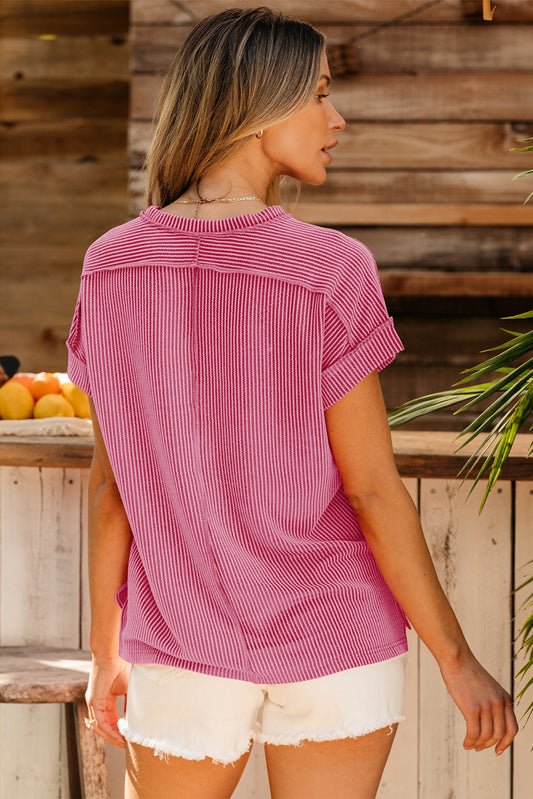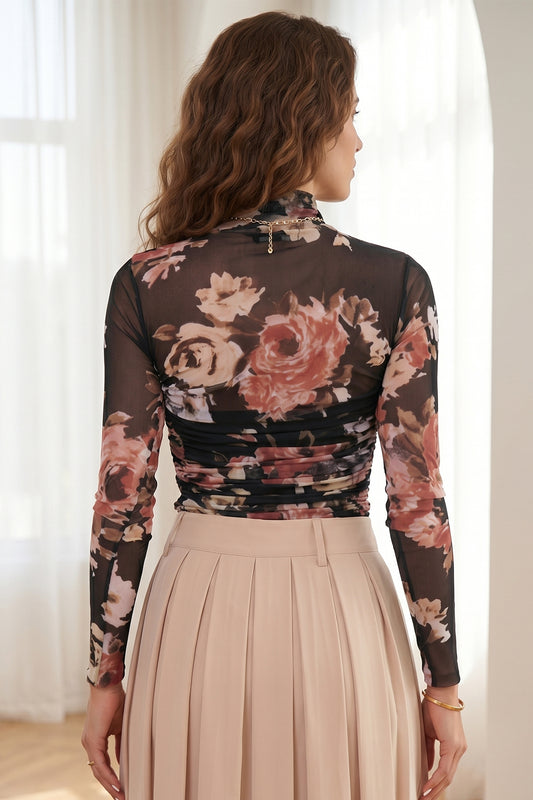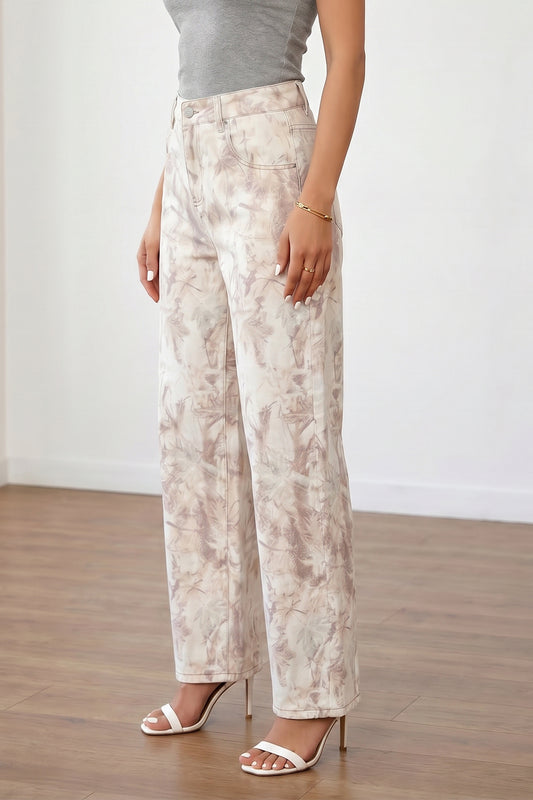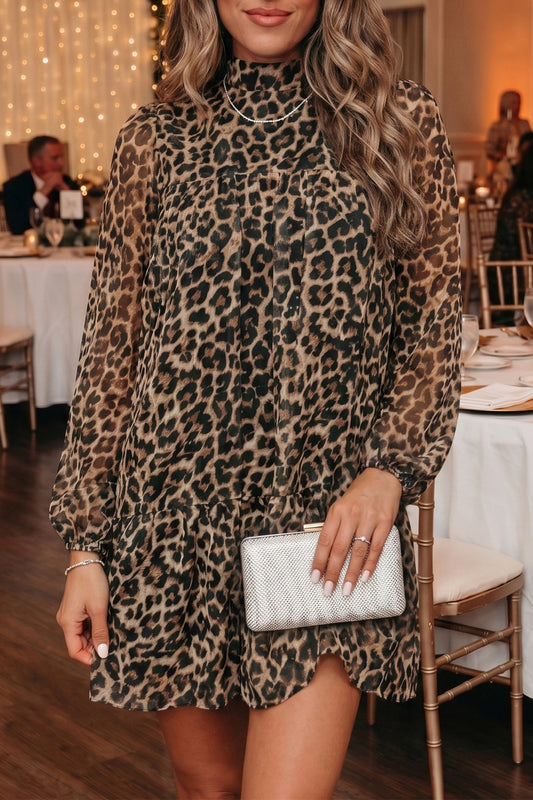

The 5 Pieces Every Woman in Her 50s Should Own
If you want a wardrobe that feels polished without becoming predictable, start with five hardworking foundations: a beautifully cut blazer, great jeans or trousers, quality knitwear or a classic shirt, comfortable polished shoes, and one signature finishing piece. The goal isn't to suddenly dress according to a rulebook because you've reached your 50s. Quite the opposite. It's to own fewer pieces that fit beautifully, combine easily and make getting dressed feel instinctive.
For a wardrobe refresh, concentrate on:
- Fit first. A flattering silhouette matters more than the size printed on the label.
- Versatility second. Look for pieces that can move between relaxed days, work, lunch, dinner and weekends.
- Quality over quantity. Good fabric, good drape and thoughtful construction tend to earn their place through repeat wear.
- A useful neutral palette. Navy, black, cream, camel and charcoal make mixing pieces simple without making a wardrobe boring.
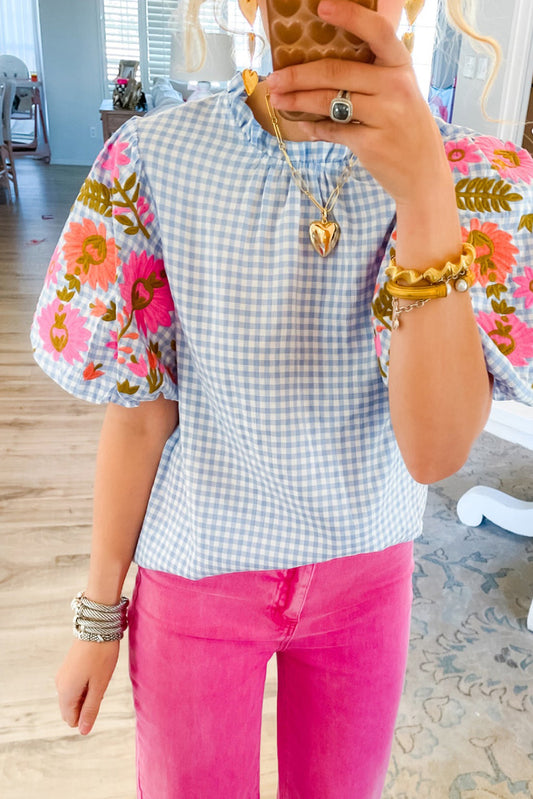
- Personality. Classic wardrobe staples are the foundation, not the finished outfit. Colour, print, jewellery and accessories are where you enter the picture.
That is the real idea behind a capsule wardrobe over 50: not a tiny beige uniform, but a collection of clothes you genuinely want to wear.
The best wardrobe essentials aren't the pieces that attract the most attention on the hanger. They're the ones that quietly make everything else in your wardrobe easier to wear.
Style in Your 50s Isn't About Dressing "Your Age"
There is something liberating about reaching a point where you've worn enough clothes to know that not every trend deserves wardrobe space.
You probably know the difference between a dress that looks wonderful in theory and one you actually reach for. You know which necklines you instinctively favour, whether stiff fabrics annoy you, whether you live in trousers or would happily wear a dress seven days a week. That knowledge is useful.
So while searches for women over 50 fashion, mature women's style and "how to dress in your 50s" often lead to lists of rules, we'd rather begin somewhere else.
Begin with you.
Good style over 50 should respond to your body as it is now, your day-to-day life and your personal taste. "Age-appropriate fashion" needn't mean hiding yourself beneath conservative clothes. It can simply mean having enough confidence to recognise what works and enough self-assurance to leave behind what doesn't.
Perhaps that's a fluid midi dress with trainers. Perhaps it's dark denim, a soft knit and a fabulous coat. Perhaps you feel most like yourself in colour and print rather than neutral minimalism.
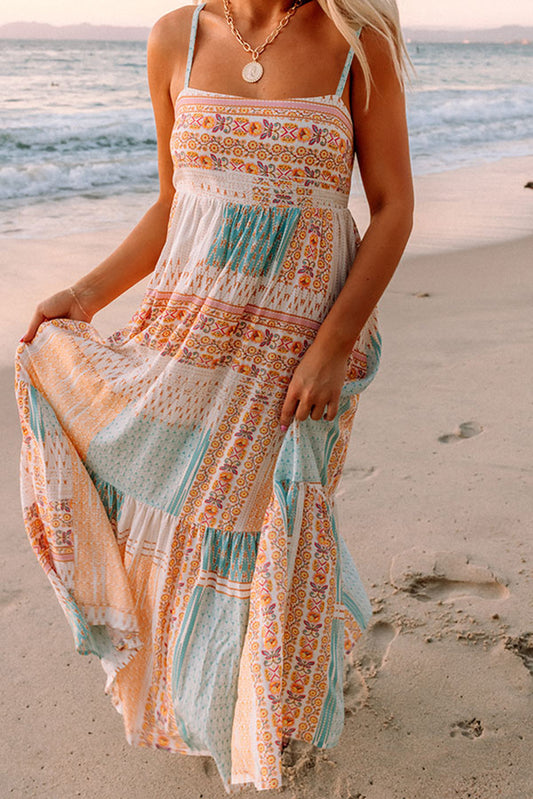
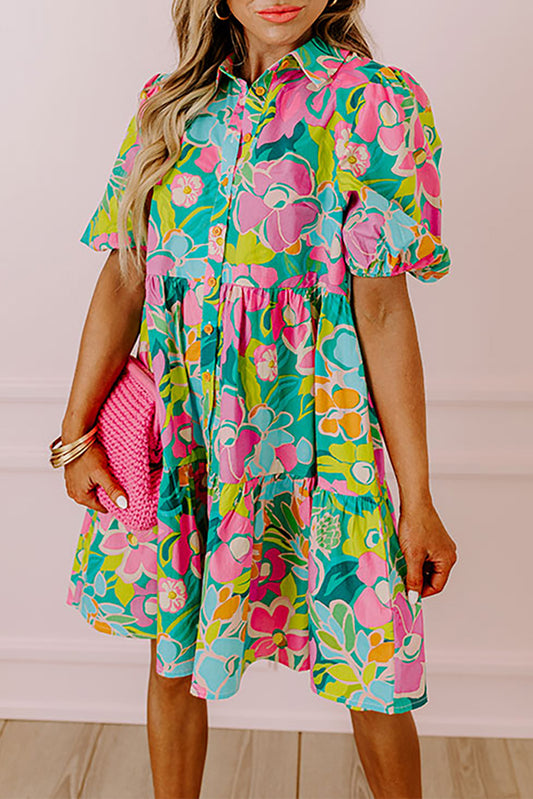
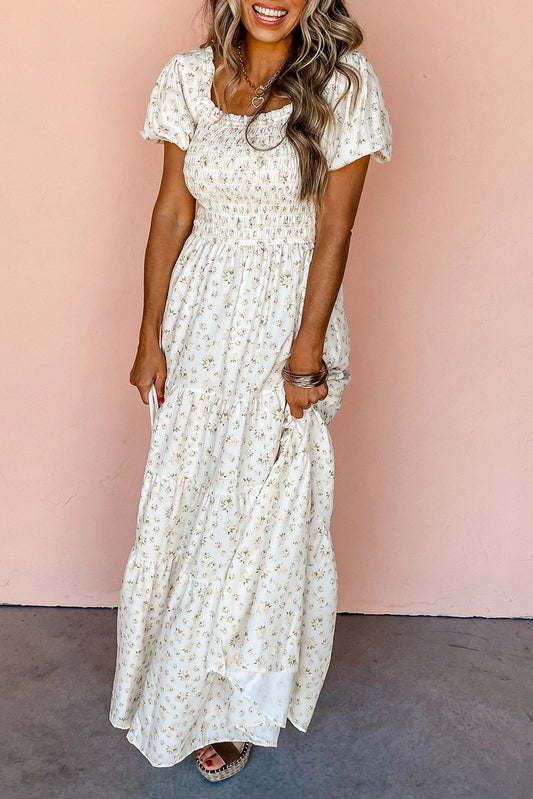
Our dresses are a good example of why a wardrobe doesn't have to choose between practicality and personality. A versatile dress can be relaxed with flats in the daytime, layered under outerwear when the temperature drops and dressed up later with jewellery or a stronger shoe.
Timeless doesn't have to mean plain.
That distinction matters when you're building a timeless wardrobe. The objective isn't to freeze your style at a particular age. It's to create a reliable wardrobe foundation and then give yourself room to play.
What Makes a Piece Worth Owning?
Before getting to the five pieces themselves, it helps to define "essential."
A wardrobe essential isn't something every woman is obliged to own. If you hate blazers, there is little point buying one simply because a fashion checklist says you should. Your equivalent might be a softly structured cardigan jacket or another piece of outerwear.
Instead, genuine wardrobe staples for women over 50 tend to share a handful of characteristics.
| Look for | Why it matters |
|---|---|
| A flattering fit | Clothes should work with your proportions rather than require constant adjusting. |
| Comfort | If something pinches, pulls or restricts you, it is unlikely to become a wardrobe workhorse. |
| Versatility | The strongest pieces can create several outfits rather than one specific look. |
| Good drape | Fabric that falls well can transform even a very simple silhouette. |
| Easy coordination | Pieces should work with clothes you already own. |
| Personality | A functional wardrobe still needs to feel unmistakably yours. |
| Repeat-wear potential | Cost per wear matters far more than how exciting something seems on purchase day. |
Think of these pieces as elevated basics. They form the framework for interchangeable outfits and easy outfit formulas, whether you're creating a minimalist wardrobe over 50 or simply trying to make an overflowing wardrobe more useful.
And importantly, you don't need to buy all five at once.
Take stock first. You may already have four of them. The missing ingredient might simply be a better pair of trousers or the layer that finally connects half your existing wardrobe.
1. A Beautifully Cut Blazer
Few pieces can change the character of an outfit as quickly as a blazer.
Jeans and a T-shirt? Add a blazer and suddenly the outfit feels deliberate. A flowing dress? A structured layer introduces contrast. Simple trousers and a knit? A blazer can take the combination from comfortable to polished in seconds.
That's why a structured blazer earns the first position on this list.
The important word, however, is not blazer. It's fit.
A beautifully cut blazer should sit cleanly across the shoulders, allow comfortable movement through the arms and skim rather than fight your shape. Buttoned or unbuttoned, it should create a line you like.
You don't necessarily need sharp corporate tailoring, either. Depending on your personal style, your ideal version might be:
- A classic single-breasted blazer in navy or black.
- A softly tailored jacket with less rigid structure.
- A longer-line blazer worn over straight-leg trousers.
- A cardigan jacket for a gentler silhouette.
- A relaxed blazer that works with denim and dresses.
This is where fashion for women over 50 becomes much more interesting than a list of supposed dos and don'ts. Two women can own the same "essential" and wear it in completely different ways.
Browse outerwear with that principle in mind: you're looking for the layer that makes your existing clothes more useful.
Which blazer colour is most versatile?
If you're investing in one, begin with the rest of your wardrobe rather than an arbitrary list of "must-have" colours.
If you wear lots of denim, white and cool shades, navy can be exceptionally easy. If your wardrobe leans towards cream, brown and earthy tones, camel may integrate more naturally. Black offers a sharper effect, while charcoal is softer but still wonderfully adaptable.
Cream can be beautiful too, particularly for spring and summer.
The smartest choice is the colour that creates the largest number of outfits from clothes you already have.
The high-low trick
One of the easiest ways to stop a classic blazer looking overly formal is to pair it with something relaxed.
Try:
- Blazer + T-shirt + jeans
- Blazer + fine knit + wide-leg trousers
- Blazer + midi dress + flats
- Blazer + relaxed shirt + straight-leg jeans
- Blazer + simple top + statement accessory
That tension between structured and relaxed is a useful shortcut to effortless elegance. It looks considered, but not as though you've spent an hour constructing an outfit.
A selection of versatile tops also gives a tailored jacket more range. Rather than saving the blazer for "smart" occasions, try it over softer everyday layers. Roll the sleeves slightly. Wear it open. Add jewellery. Pair tailoring with denim.
In other words: make the classic piece behave like your piece.
2. The Pair of Jeans or Trousers You Can Rely On
If the blazer gives a wardrobe structure, great trousers give it mileage.
This is one of those areas where wardrobe basics can be deceptively difficult. There are endless jeans and trousers available, yet finding a pair with the right rise, length, shape, fabric and comfortable fit can take patience.
It's worth that patience.
The right pair becomes the item you pull on when you don't know what to wear. Add a white shirt. Add knitwear. Add a blazer. Add a simple tee. Change the shoes and accessories, and the same foundation can move through completely different settings.
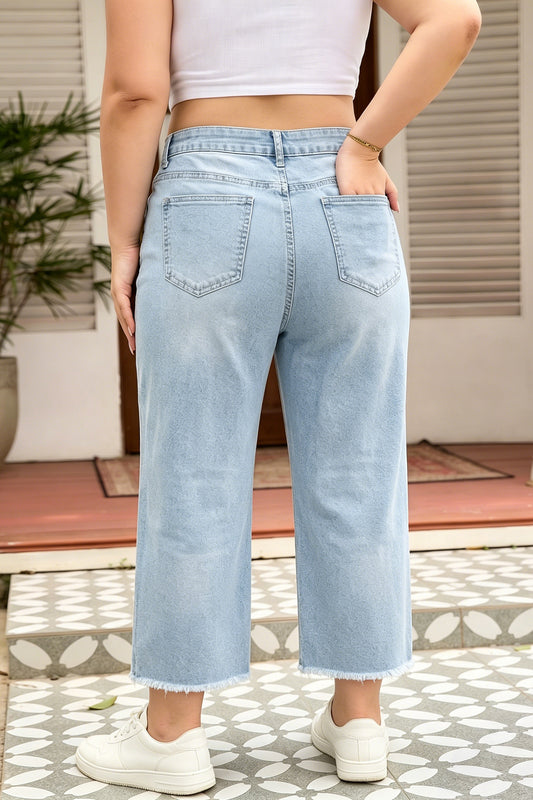
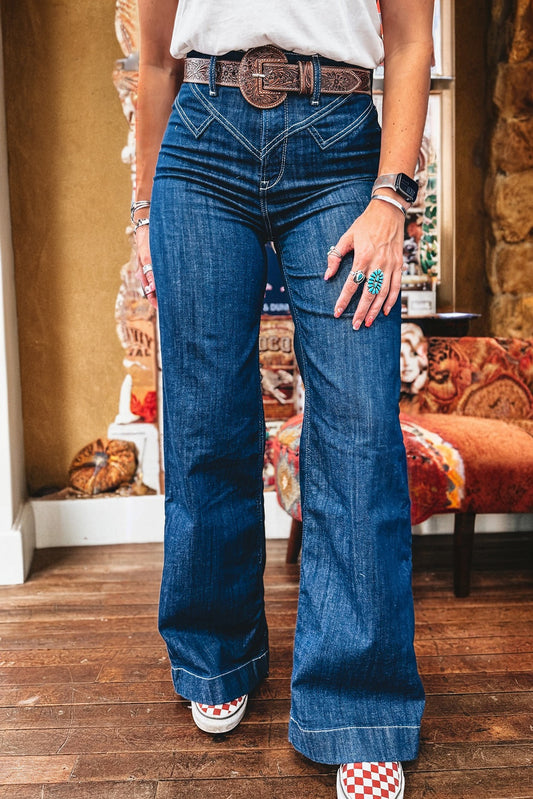
For denim, straight-leg jeans are a particularly useful starting point because the silhouette sits between very slim and very wide. A darker wash can also create a more polished effect, making dark-wash jeans easy to dress up as well as down.
But don't treat that as another rule.
If relaxed jeans suit your proportions and personality better, wear them. If you love wide legs, embrace them. If a higher rise gives you the fit you prefer, that's more valuable than following whatever denim silhouette happens to be trending this season.
The same thinking applies to tailored trousers. A clean straight leg can be extraordinarily versatile; a wider leg adds movement and drama.
Explore different silhouettes in bottoms rather than assuming there is one universally "flattering" cut.
How to recognise trousers you'll actually wear
The fitting-room test is simple: forget how they look while you're standing perfectly still.
Sit down.
Walk.
Bend.
Tuck in a top.
Try them with the shoes you normally wear.
Look at the back as well as the front.
A pair of trousers may create a flattering silhouette in a mirror for thirty seconds and still be irritating to live in for eight hours. Comfortable fit and polished style are not opposites. The best pieces give you both.
For jeans, pay particular attention to:
- Whether the waistband stays comfortable when seated
- Where the rise naturally sits on your body
- Whether the denim has enough structure for the shape you want
- How the leg falls over your usual footwear
- Whether pockets sit in a flattering position
- Whether you genuinely like them with several tops you already own
That's the difference between simply buying clothes and wardrobe building.
A great pair of jeans or trousers shouldn't create a new problem — now I need a top that works with these. It should solve an old one: finally, I have something that works with half my wardrobe.
And that brings us neatly to the third essential: the deceptively simple piece that sits between almost everything else you own.
3. Quality Knitwear or a Classic Shirt
And that brings us neatly to the third essential: the deceptively simple piece that sits between almost everything else you own.
A great top doesn't necessarily announce itself as the star of an outfit. Often, its job is quieter than that.
It sits beautifully beneath a blazer. It works with jeans on an ordinary Tuesday. It tucks neatly into tailored trousers. It layers when the temperature changes. It can be dressed up with jewellery, softened with a scarf or worn completely unadorned.
In a genuinely useful wardrobe, these are the pieces doing much of the heavy lifting.
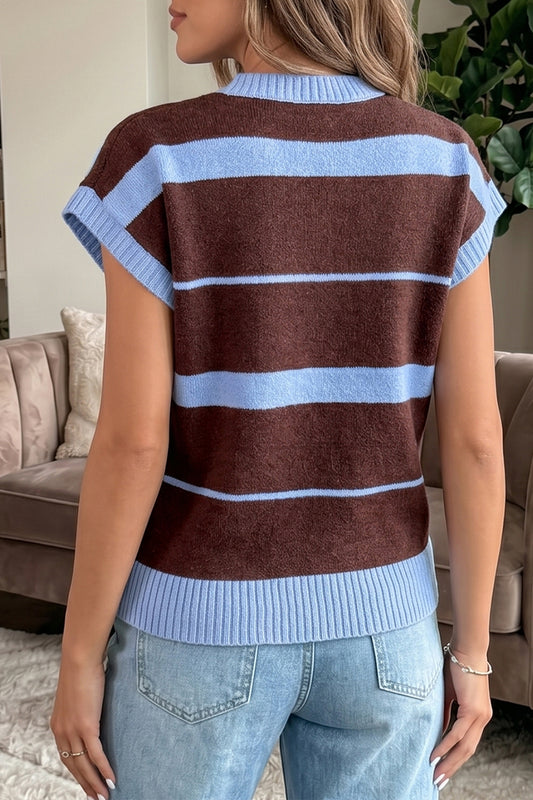
For some women, that piece is a classic white shirt. For others, it's quality knitwear: a soft crewneck sweater, a V-neck, a fine merino knit or something with a little more colour and personality.
You don't necessarily need both to satisfy some imaginary wardrobe checklist.
You need the version that works for your life.
If you love shirts
The enduring appeal of a white shirt is its adaptability.
Crisp cotton with tailored trousers feels sharp. The same shirt worn slightly open over a simple layer with denim feels relaxed. Roll the sleeves, leave the hem untucked or add a belt and you've changed the proportions again without buying anything new.
And white is only the beginning.
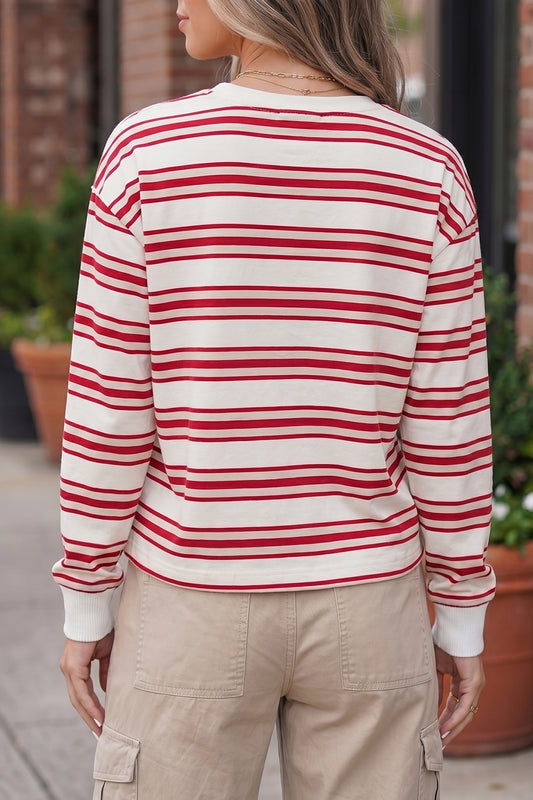
Cream can feel softer against the complexion. Pale blue works beautifully with navy and denim. Stripes introduce interest while remaining easy to coordinate. A stronger colour can perform exactly the same wardrobe function if neutrals simply aren't your thing.
The point isn't that every woman needs a white button-down shirt.
The point is to have one dependable top that connects easily with the rest of your wardrobe.
If you're a knitwear person
Then embrace it.
Quality knitwear has a particular knack for looking polished while still feeling easy. A simple sweater with straight-leg trousers can be enough for lunch, travel, an informal meeting or dinner with a change of accessories.
A crewneck offers a wonderfully clean backdrop for jewellery and scarves, while a V-neck sweater creates a different line around the face and can work particularly well layered over a shirt or camisole.
Fabric matters here.
Cashmere is prized for softness and warmth without excessive bulk. Merino wool can be similarly useful because fine-gauge versions layer beautifully. Cotton knitwear can be ideal when you want breathability or a lighter trans-seasonal piece.
But fibre content alone doesn't guarantee quality. Look at the whole garment.
Ask yourself:
- Does the fabric feel good against your skin?
- Does the shoulder sit where you want it to?
- Is there enough room to move comfortably?
- Does the hem finish at a useful point on your body?
- Will it work underneath your existing jackets?
- Can you wear it with at least three bottoms you already own?
That last question is particularly useful when you're trying to buy less and buy better.
If a beautiful sweater works with only one skirt hidden at the back of your wardrobe, it may be a lovely purchase — but it isn't necessarily a foundational one.
The Secret Is Creating Outfit Formulas
This is where a capsule wardrobe for women in their 50s starts to become genuinely useful rather than merely aspirational.
You don't need dozens of completely different outfits.
You need a few combinations that reliably work.
Consider these:
- Blazer + knit + straight-leg jeans
- Classic shirt + tailored trousers + loafers
- Fine knit + wide-leg trousers + statement earrings
- White shirt + dark-wash denim + ankle boots
- Blazer + simple top + trousers + sleek trainers
Each formula can change dramatically depending on colour, texture, jewellery, footwear and proportions.
That's why interchangeable outfits are such a powerful concept. Instead of thinking of your wardrobe as twenty separate outfits, think of it as a collection of pieces that talk to one another.
A navy blazer might work with cream knitwear, denim and black trousers.
The cream knit works with those same jeans, the trousers and a skirt.
The shirt works under the blazer, beneath knitwear or by itself.
Suddenly, three or four wardrobe workhorses are producing far more combinations than their numbers suggest.
This is the foundation of effortless style: not owning everything, but removing friction from getting dressed.
Don't Be Afraid of Repeating Your Best Clothes
There is a curious pressure in fashion to make every outfit feel new.
Real life doesn't work that way — and neither do the best wardrobes.
If you find a combination that makes you feel good, repeat it.
Wear the same trousers twice in a week. Put the same blazer over a different top. Reach for that sweater again. Change the jewellery. Swap your shoes. Add lipstick. Roll a sleeve.
Nobody whose style you admire has secretly discovered an infinite wardrobe.
Often, they've simply discovered their signature style.
Repeat-wear pieces are valuable precisely because you can rely on them. They also make the idea of cost per wear much more meaningful. A high-quality piece worn fifty times may ultimately make more sense for your wardrobe than five impulse purchases worn twice each.
That doesn't mean everything must be expensive. Price and quality aren't interchangeable terms.
It means considering longevity.
Look at construction. Feel the fabric. Think about washing and care. Consider whether you'll still enjoy the silhouette when the current season has passed.
That's quality over quantity in practical terms.
A timeless wardrobe isn't built by avoiding fashion. It's built by knowing which trends you enjoy and which pieces you want to keep wearing after the trend has moved on.
4. Comfortable, Polished Shoes
There comes a point when a pair of shoes being beautiful is no longer sufficient compensation for spending the evening wondering when you can take them off.
Fortunately, comfortable shoes and stylish shoes are not mutually exclusive.
In fact, one of the smartest changes you can make when refining your wardrobe in your 50s is to become more demanding about footwear.
You want shoes that finish an outfit and allow you to live your life in it.
That might mean:
- Loafers with tailored trousers or jeans
- Ballet flats with dresses and cropped trousers
- Ankle boots with denim, dresses and skirts
- Sleek sneakers for a contemporary smart-casual look
- Low heels when you want extra height without sacrificing comfort
The exact shoe matters less than its role.
Ideally, your core footwear should bridge multiple parts of your wardrobe rather than belonging to a single outfit.
A leather loafer, for example, can bring polish to denim without making it formal. With trousers, the same shoe feels classic. With a midi dress, it can create an interesting contrast to something more feminine.
That is the sweet spot: polished footwear that doesn't feel precious.
Choose your trousers and shoes together
This small habit can prevent a surprising number of wardrobe mistakes.
The trousers that look perfect with a heel may pool awkwardly around a flat. Cropped trousers may work wonderfully with loafers but feel visually different with ankle boots. Wide-leg trousers need particular attention to length.
So when trying on bottoms, think about the shoes you'll genuinely wear with them.
And vice versa.
If you're building a versatile wardrobe, every purchase should have some relationship with the pieces around it.
This doesn't mean everything must match everything else. That would become dull very quickly.
It means your wardrobe shouldn't be populated by lonely clothes.
What makes a shoe genuinely comfortable?
Don't rely solely on how a shoe feels during the first ten seconds.
Pay attention to:
- Toe room
- Heel stability
- Cushioning
- Sole flexibility
- Fastenings or straps
- Weight
- Where seams touch the foot
- Whether the shoe stays secure as you walk
Leather can soften beautifully over time, but "it will stretch" shouldn't be used to justify obvious discomfort from the beginning.
And if sneakers are what you actually enjoy wearing, don't relegate them to errands.
A clean, streamlined trainer with tailored trousers, a knit and a structured jacket can be a wonderful example of modern classic style. It takes traditional pieces and loosens them just enough.
That's often where effortless chic over 50 really lives — not in slavishly following a prescribed aesthetic, but in knowing when to introduce comfort and informality.
A Word About "Age-Appropriate" Dressing
We should probably deal with this phrase properly.
There is nothing magical that happens on your 50th birthday that suddenly renders a hemline, colour, print or silhouette forbidden.
Good dressing over 50 is far more interesting than that.
Your preferences may change. Your body may change. Your lifestyle may change. Comfort may become more important, or perhaps you finally have the confidence to wear the dramatic clothes you avoided at 30.
All of those things are personal.
So rather than asking:
"Am I too old to wear this?"
Try asking:
"Do I like myself in this, and does it work for the life I actually live?"
That is a far more useful filter.
It also explains why the best wardrobe essentials for women over 50 aren't really about age. A beautifully fitting jacket, excellent trousers, good knitwear and comfortable shoes can work at 35, 55 or 75.
What changes is how you combine them.
That is where personal style comes in.
5. A Signature Finishing Piece
The first four essentials make a wardrobe function.
The fifth makes it yours.
And unlike the other pieces on this list, we're deliberately leaving this one open.
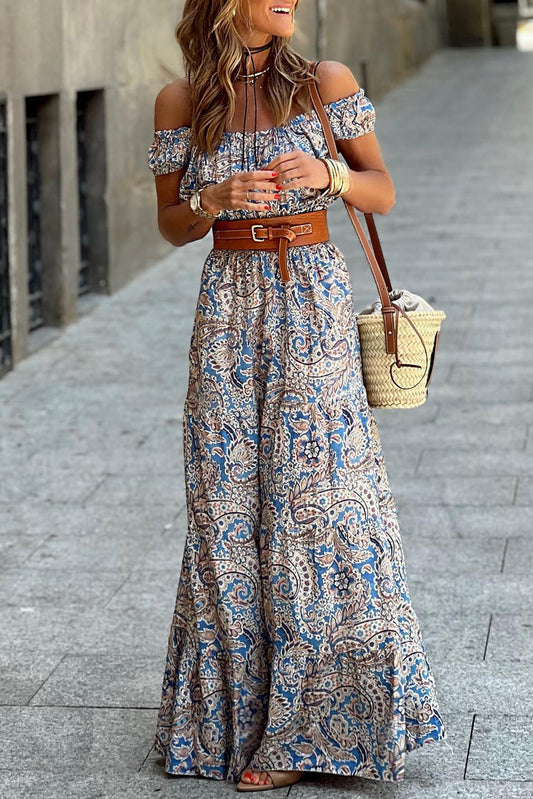
Your signature finishing piece could be a trench coat. It might be a wonderfully dramatic dress, a structured handbag, silk scarf, statement earrings or a leather belt.
Perhaps it's something nobody else would ever describe as an "essential."
Good.
That's rather the point.
A wardrobe consisting entirely of sensible basics can technically work very well and still feel as though it belongs to somebody else.
Personal style needs punctuation.
A bold accessory against simple clothes can provide it. So can an unexpected colour, an unusual print, oversized jewellery or a coat that refuses to disappear quietly into a room.
Browse accessories with that mindset. Don't just ask whether something "goes" with an outfit. Ask what it adds.
Does it make simple clothes feel intentional?
Does it introduce colour?
Does it create contrast?
Does it make you smile when you put it on?
A statement accessory earns wardrobe space differently from a blazer or pair of trousers. It doesn't have to be neutral. It doesn't necessarily have to work with everything.
Its job is to provide identity.
The signature-piece test
If you're not sure what yours is, look at the clothes and accessories you've loved longest.
What keeps appearing?
Maybe you always choose sculptural earrings.
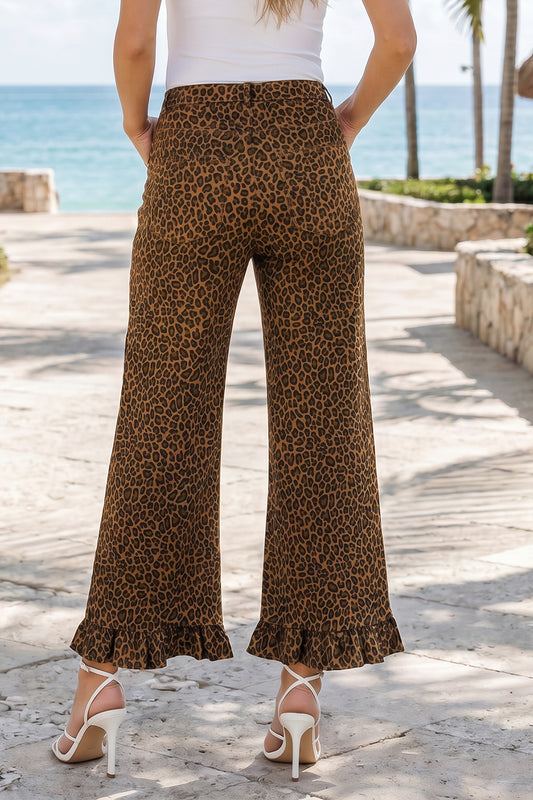
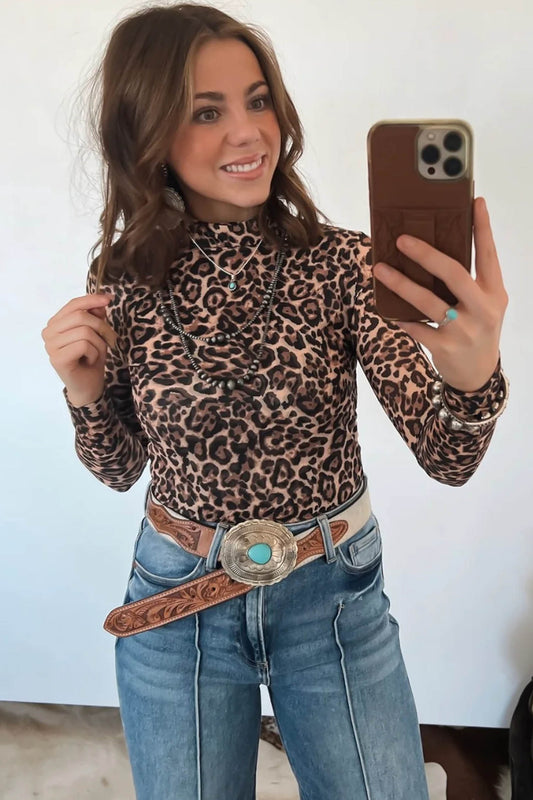
Perhaps you're drawn to leopard print.
Maybe you love colourful scarves, oversized sunglasses, unusual necklaces, dramatic coats or beautifully patterned dresses.
Those repetitions are clues.
They're the difference between having clothes and developing a recognisable signature style.
And if your signature changes? Let it.
Style isn't a contract you sign at 50 and honour for the rest of your life. It can become quieter, brighter, simpler, bolder or more experimental as you do.
That is why the fifth piece is deliberately flexible.
Your wardrobe foundation should be dependable. Your personality doesn't have to be.
How the Five Pieces Work Together
Individually, each of these pieces earns its place.
Together, they become something much more useful.
That's because a good wardrobe isn't simply a collection of attractive clothes. It's a system. The blazer works with the jeans. The jeans work with the knit. The knit slips underneath the blazer. The polished shoes work with all three. Then your signature piece changes the mood.
Five foundations. Plenty of possibilities.
For example:
| Start with | Add | Finish with | The result |
|---|---|---|---|
| Straight-leg jeans | Fine knit + blazer | Loafers | Polished everyday |
| Tailored trousers | Classic shirt | Sleek sneakers | Modern smart casual |
| Dark-wash denim | V-neck sweater | Ankle boots | Relaxed and pulled together |
| Wide-leg trousers | Simple knit + blazer | Low heels | Sophisticated evening |
| Midi dress | Structured blazer | Ballet flats | Feminine but polished |
| Jeans | White shirt | Statement accessory | Timeless with personality |
None of these combinations is revolutionary.
That's precisely why they work.
They're outfit formulas rather than outfits you wear once and forget. Change the colours, proportions, textures or accessories and the formula remains useful.
This is also why a capsule wardrobe over 50 doesn't need to be restrictive. The capsule provides your framework; your individual pieces provide the character.
Build Around Your Real Life, Not Your Fantasy Life
This might be the most important wardrobe advice in the entire article.
Buy clothes for the woman you actually are.
It's surprisingly easy to shop for an imaginary diary. The cocktail invitations you rarely receive. The office you no longer commute to. The holiday lifestyle that occupies two weeks of the year. The shoes suitable for an evening involving very little walking.
Meanwhile, the clothes needed for an ordinary Wednesday become an afterthought.
Before buying another "essential", consider how you really spend your time.
You might divide a typical month into categories such as:
- Everyday casual
- Work or professional commitments
- Social occasions
- Travel
- Exercise and active time
- Evenings out
- Time spent relaxing at home
Then look at the proportions.
If most of your week is informal, the strongest wardrobe essentials in your 50s may be beautiful denim, washable knitwear, relaxed tailoring and stylish comfortable shoes.
If your lifestyle involves frequent dinners, events or travel, versatile dresses and elevated separates may deserve more space.
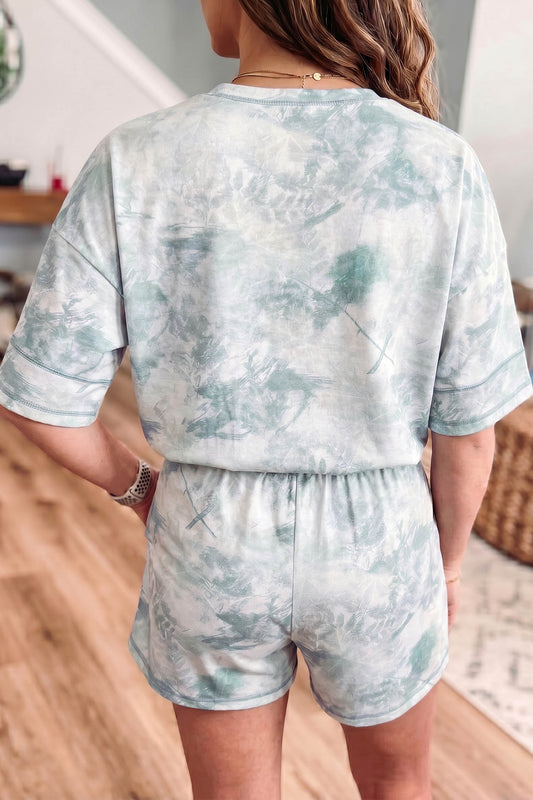
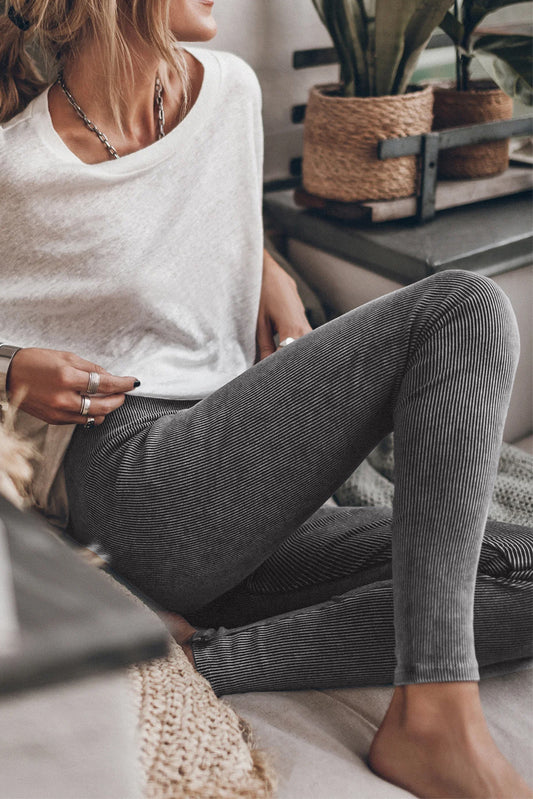
And home deserves consideration too. Comfortable clothing doesn't need to mean old clothes that have been demoted from public life. A thoughtfully chosen loungewear collection can make downtime feel intentional while still prioritising softness and ease.
The goal is alignment.
Your wardrobe should reflect the life happening outside its doors.
How to Audit Your Wardrobe Before Buying Anything
Before embarking on a shopping spree for 50s fashion essentials, spend an hour with what you already own.
You may discover that the foundations are already there.
Step 1: Pull out your most-worn pieces
Not your favourites in theory.
Your actual most-worn clothes.
These tell you more about your personal style than a mood board ever could.
Look for patterns. Are your favourite trousers all wide-legged? Are most of your tops V-necks? Do you repeatedly wear navy? Are your favourite clothes soft and unstructured, or crisp and tailored?
Those repetitions reveal what works.
Step 2: Identify the wardrobe orphans
Almost every wardrobe has them.
The beautiful blouse with no suitable bottom.
The trousers that require shoes you don't own.
The jacket that works with precisely one dress.
The skirt waiting for a top that has somehow never materialised.
These aren't necessarily bad clothes. They're simply disconnected clothes.
Before buying something new, ask whether it connects several existing pieces or risks becoming another orphan.
Step 3: Find the genuine gaps
Now look at the five-piece framework:
- Do you have a reliable blazer or equivalent third layer?
- Do you have jeans or trousers you genuinely enjoy wearing?
- Is there a dependable shirt or piece of quality knitwear?
- Do you own polished footwear that is actually comfortable?
- What gives your outfits personality?
The missing category is where your next purchase may have the greatest impact.
Step 4: Make a specific shopping list
"Need clothes" isn't a useful shopping list.
"Need navy straight-leg trousers that work with cream knit, striped shirt and loafers" is.
Specificity makes shopping calmer.
It also makes it much easier to resist pieces that are attractive but irrelevant to your wardrobe.
That's dressing with intention before you've even got dressed.
Choose a Colour Palette — Then Break It Occasionally
Neutral colours are useful for a reason.
Black, navy, camel, cream and charcoal are easy to combine, tend to have wardrobe longevity and provide a calm backdrop for more expressive pieces.
But a neutral colour palette is a tool, not a requirement.
If cobalt blue makes you feel fantastic, wear cobalt blue.
If your wardrobe is full of green, perhaps green is effectively your neutral.
If you adore print, your wardrobe doesn't have to become monochrome simply because you're trying to make it more versatile.
A practical approach is to choose two or three dependable base colours and then add accents.
For example:
Navy + cream + denim
Add red, emerald or gold.
Black + camel + cream
Add leopard print, burgundy or turquoise.
Charcoal + navy + white
Add pink, cobalt or silver.
This keeps a mix-and-match wardrobe coherent without stripping it of personality.
The same principle works with prints. A patterned piece becomes much easier to style when at least one of its colours appears elsewhere in your wardrobe.
Simple, but effective.
Fit Is More Important Than the Number on the Label
Bodies change.
So do clothing sizes.
Unfortunately, clothing labels aren't especially consistent about either.
A size that fits beautifully in one garment may be completely wrong in another, even within similar categories. Treat the label as information for getting clothes into the fitting room — not as a judgement.
What matters is what happens once the garment is on your body.
Look at:
Shoulders: Are seams sitting where they should?
Bust: Is fabric pulling or gaping?
Waist: Can you breathe, sit and move naturally?
Hips: Does the fabric skim, or is it catching where you don't want it to?
Length: Does the garment finish at a proportion that works with your body and footwear?
Movement: Can you raise your arms, sit down and walk comfortably?
Sometimes going up a size creates a far more elegant line.
Sometimes tailoring a slightly larger garment produces the perfect result.
Sometimes the cut simply isn't for you.
None of those things is a failure.
The aim of a flattering fit isn't to make your body conform to the garment. The garment has the job of fitting you.
Think in Terms of Proportion
Once you've found clothes that physically fit, proportion is the next piece of the puzzle.
This is where tiny styling adjustments can make familiar clothes suddenly feel right.
If you're wearing wide-leg trousers, you might prefer a more defined or shorter top.
If the blazer is oversized, a cleaner line underneath can provide balance.
If you're wearing a voluminous midi dress, a more streamlined shoe may change the entire silhouette.
If everything feels shapeless, try introducing definition at one point rather than making every piece fitted.
There isn't one correct formula because bodies, clothes and preferences differ.
Experiment.
Tuck a shirt in fully, then try a partial tuck. Roll the sleeves. Change the shoe. Add a belt. Leave the jacket open. Try a different necklace length.
Those thirty-second changes are often more useful than buying another garment.
Invest Where You Wear
"Investment piece" is another fashion phrase that can become misleading.
You don't need to spend heavily on something simply because the fashion industry has designated it a classic.
Invest according to your frequency of wear.
If you wear jeans four days a week, finding exceptional well-fitting jeans may deserve more of your budget.
If you live in knitwear for half the year, high-quality sweaters may provide excellent cost per wear.
If coats are central to your climate and lifestyle, outerwear may be worth prioritising.
If you rarely wear a blazer, there's little reason for it to be the most expensive garment you own.
This is what an investment wardrobe should really mean: putting your money where your life is.
A useful cost-per-wear mindset
Imagine two purchases:
- A £150 item worn 100 times = £1.50 per wear
- A £40 item worn twice = £20 per wear
Price alone doesn't tell you which purchase was extravagant.
Wear does.
Of course, nobody needs to keep a spreadsheet of every outfit. The idea is simply to shift the question from "Is this cheap or expensive?" to "Will I actually use this?"
That's a much better foundation for buy less, buy better.
What About Trends After 50?
Wear them.
Just don't feel obliged to wear all of them.
One of the pleasures of developing timeless style over 50 is that trends can become optional ingredients rather than instructions.
If a current silhouette excites you, try it.
If this season's colour makes you look and feel fantastic, enjoy it.
If everybody suddenly decides a style you've loved for twenty years is "out", you're allowed to keep wearing it.
A useful strategy is to let your foundational pieces stay relatively stable while trends enter through smaller or more replaceable elements.
That could mean:
- A current colour
- A contemporary shoe shape
- A printed scarf
- A statement accessory
- A new trouser silhouette
- An interesting sleeve
- A seasonal texture
This approach gives you contemporary classic style without requiring a wardrobe overhaul every six months.
Style without chasing trends is not the same as ignoring fashion.
It's simply becoming more selective about it.
How to Make a Small Wardrobe Feel Bigger
The secret isn't necessarily owning more.
It's increasing the number of relationships between the clothes you already have.
Suppose you own five tops and five bottoms. If each top works with only one bottom, you've effectively created five combinations.
If most of those tops and bottoms coordinate with one another, the possibilities multiply.
Add a blazer, alternative footwear and a handful of accessories and the same small wardrobe begins to feel surprisingly expansive.
That's why versatile pieces deserve so much attention.
When considering something new, try the three-outfit rule:
Before buying a garment, name at least three complete outfits you can create with pieces already in your wardrobe.
Better still, make it five.
If you struggle to get beyond one, ask yourself whether the piece is special enough to justify being less versatile.
Sometimes it will be.
A spectacular occasion dress doesn't need to work as hard as everyday trousers. A statement coat can earn its place through sheer joy.
Not every garment needs to be a wardrobe workhorse.
But enough of them should be.
A Simple Five-Piece Wardrobe Checklist
If you want to use this article as a practical wardrobe refresh, start here.
1. The blazer or structured layer
Look for:
- Clean shoulder fit
- Comfortable movement
- A useful length
- A colour that coordinates easily
- Enough room for layering
- A shape that works open as well as closed
Best for: adding structure, creating smart-casual outfits and making simple clothes look more polished.
2. The dependable jeans or trousers
Look for:
- A comfortable rise
- A flattering leg shape
- Fabric with good drape or structure
- The right length for your usual shoes
- A waistband you can actually sit in
- Compatibility with several existing tops
Best for: forming the everyday backbone of your wardrobe.
3. The quality knit or classic shirt
Look for:
- Fabric that feels pleasant against the skin
- A neckline you enjoy
- Good shoulder and sleeve proportions
- Easy layering
- Washability appropriate to your lifestyle
- A colour that works with your key bottoms
Best for: layering, transitional dressing and effortless everyday outfits.
4. The comfortable polished shoe
Look for:
- Support
- Stability
- Toe room
- A wearable heel height
- A shape that works with trousers and dresses
- Genuine all-day comfort
Best for: finishing an outfit without making your feet pay for it.
5. The signature piece
Look for:
Something that makes you happy.
That's it.
It might be a silk scarf, a striking bag, a favourite coat, statement earrings, a leather belt or something completely unexpected.
Best for: making classic wardrobe staples feel like your clothes.
Frequently Asked Questions About Fashion in Your 50s
What clothes should every woman over 50 own?
There isn't a universal compulsory list, but five particularly useful foundations are a well-cut blazer or structured layer, flattering jeans or tailored trousers, quality knitwear or a classic shirt, comfortable polished footwear and a signature piece or accessory.
The best choices should reflect your lifestyle rather than someone else's idea of what mature women's fashion ought to look like.
How do you build a capsule wardrobe over 50?
Start with your most-worn clothes and identify what they have in common. Choose a small palette of coordinating colours, prioritise versatile bottoms and tops, add useful layers and ensure your footwear works with several outfits.
Then introduce personality through colour, print, jewellery and accessories.
A successful capsule wardrobe should make dressing easier, not make you feel restricted.
What should you stop wearing after 50?
Anything you don't enjoy wearing.
That's a much more useful answer than banning particular hemlines, colours or trends based solely on age.
If something fits, works for your lifestyle and makes you feel good, age alone isn't a compelling reason to remove it from your wardrobe.
Can women over 50 wear jeans?
Absolutely. Denim can be one of the hardest-working parts of an everyday wardrobe.
Straight-leg, relaxed, wide-leg and high-rise jeans can all work; the best choice depends on your preferred proportions and fit. Darker washes often feel particularly polished, while lighter denim creates a more casual effect.
How can I look stylish without looking as though I'm trying too hard?
Focus on fit, proportion and one or two intentional details.
A simple outfit of jeans, knitwear and loafers can look beautifully considered when each piece fits well. Add a blazer, interesting earrings or a scarf if you want more personality.
Effortless style over 50 usually comes from editing rather than adding.
Do I need to wear neutral colours in my 50s?
No.
Neutrals are useful because they're easy to combine, but colour has no age limit. Build around navy, black, cream, camel or charcoal if those shades appeal to you — then add whatever colours make your wardrobe feel alive.
Or ignore that formula entirely and make colour the foundation of your style.
How many clothes do I actually need?
There is no ideal number.
Someone who works in a formal environment, travels regularly and attends frequent events will need a different wardrobe from someone whose life is predominantly casual.
A better goal is to own enough clothes to support your real life without so many that getting dressed becomes harder.
Five Pieces, One Very Personal Wardrobe
So, what are the five pieces every woman in her 50s should own?
A blazer.
Great jeans or trousers.
Quality knitwear or a classic shirt.
Comfortable, polished shoes.
And something unmistakably yours.
But the list isn't really the lesson.
The lesson is that style becomes easier when your clothes cooperate.
A useful wardrobe isn't built from endless novelty. It's built from strong foundations, flattering proportions, repeat-wear pieces and enough personality to prevent the whole thing becoming formulaic.
By your 50s, you've had decades to discover what you like.
Use that knowledge.
Keep the straight-leg jeans if they're perfect. Ignore them if wide-leg trousers make you feel better. Choose cashmere if you adore it, cotton if that's what you'll actually wear, and colour if neutrals leave you cold.
Wear the sneakers.
Buy the dramatic earrings.
Repeat the outfit that always works.
The best classic style for women over 50 isn't about disappearing elegantly into a collection of sensible clothes. Nor is it about trying to look younger.
It's about looking like yourself — deliberately.
Build a wardrobe foundation strong enough to make mornings easy, versatile enough to accommodate real life and flexible enough to evolve with you.
Because the most valuable clothes every woman over 50 should own aren't necessarily the five pieces on somebody else's list.
They're the pieces you put on, again and again, and think:
Yes. This feels like me.