
Can Affordable Fashion Be Sustainable? Let’s Talk About It
Affordable sustainable fashion sits at the intersection of ethics, economics, and accessibility. While many assume ethical clothing must be expensive, the reality is more nuanced. The cost of sustainable fashion reflects fair wages, eco-friendly materials, and transparent supply chains—but affordability can still exist through mindful consumption, better design, and shifting industry models. This article explores whether cheap ethical clothing is truly possible, why pricing differs, and how consumers can embrace budget-friendly sustainable clothing without compromising values.
The Real Question Behind Affordable Sustainable Fashion
“Can Affordable Fashion Be Sustainable? Let’s Talk About It” is more than a catchy phrase—it’s a tension that sits at the heart of the modern wardrobe.
On one side, there’s the demand for accessible sustainable fashion—clothing that doesn’t exclude people based on income. On the other, the reality of ethical production costs, where fair wages, responsible sourcing, and environmentally conscious processes naturally push prices higher.
So, is sustainable fashion affordable?
The honest answer: sometimes—but not in the way fast fashion has conditioned us to expect.
Ethical Fashion vs Fast Fashion: What Are You Really Paying For?
To understand sustainable fashion affordability, we need to look at what goes into a garment.
Fast fashion has mastered the art of low prices. But those prices often hide deeper truths:
- Underpaid labour and questionable garment worker wages
- Lack of clothing supply chain transparency
- Heavy environmental impact of fashion, including water waste and pollution
- A system built on overproduction in the fashion industry
By contrast, ethical clothing brands focus on:
- Fair trade fashion practices
- Eco-friendly clothing materials like organic or recycled fabrics
- Lower carbon footprint across the clothing industry
- Responsible production within a circular fashion economy
The key difference?
Fast fashion reduces visible cost. Sustainable fashion reduces hidden cost.
Why Sustainable Fashion Is Often More Expensive
Let’s address the elephant in the room: why ethical fashion costs more.
1. Ethical Production Costs
Paying fair wages and ensuring safe working conditions directly impacts pricing. Unlike mass production vs ethical production models, smaller-scale manufacturing prioritizes people over profit margins.
2. Better Materials
Choosing between organic cotton vs conventional cotton or using recycled fabrics fashion options increases upfront costs—but reduces long-term environmental harm.
3. Smaller Production Runs
Without the economies of scale in fashion, sustainable brands produce less, meaning each item carries a higher share of production costs.
4. Transparency and Accountability
Maintaining fashion pricing transparency and ethical supply chain ethics fashion practices requires investment in systems, certifications, and audits.
The Hidden Costs of Fast Fashion
Cheap clothing isn’t actually cheap—it just shifts the burden elsewhere.
Consider the true cost of clothing:
- Environmental degradation and rising textile waste statistics
- Exploitation within global fashion supply chains
- The growing fashion overconsumption crisis
- Increasing amounts of post-consumer textile waste
And then there’s the personal cost.
Fast fashion encourages frequent purchases, leading to a cycle where value vs price clothing becomes distorted. A £10 top worn twice is far more expensive than a £40 piece worn 40 times.
This is where the cost per wear concept becomes essential.
Rethinking Value: Cost Per Wear and Longevity
Instead of asking, “Is this cheap?”, a better question is:
“Is this worth it?”
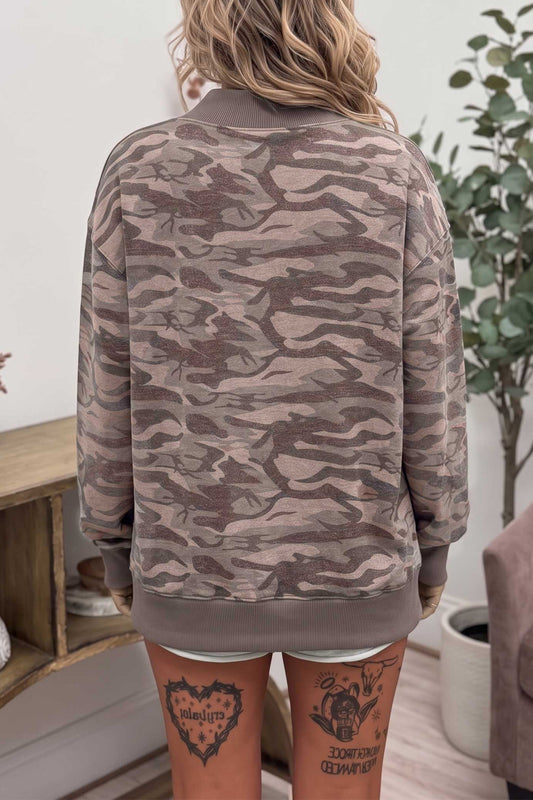
A thoughtfully made piece—whether it’s a staple from your wardrobe or something like a versatile item from the tops collection—can outlast dozens of trend-driven purchases.
The same applies across categories:
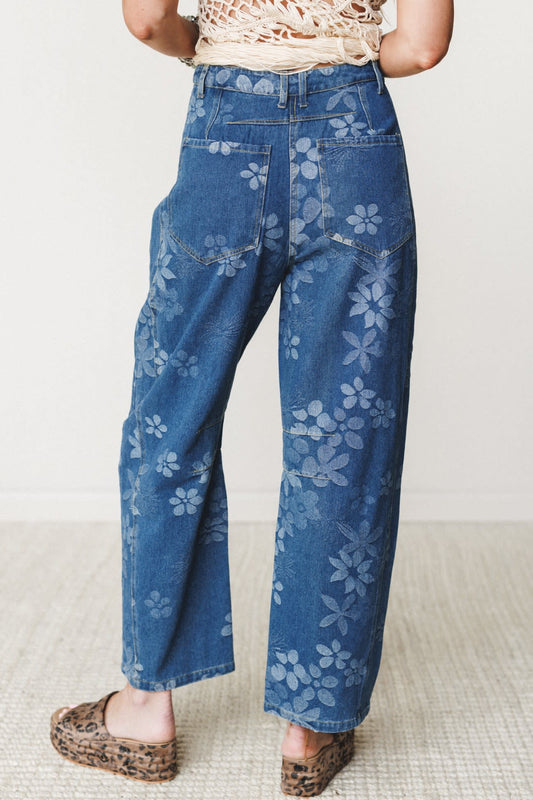
- Durable essentials from the bottoms collection
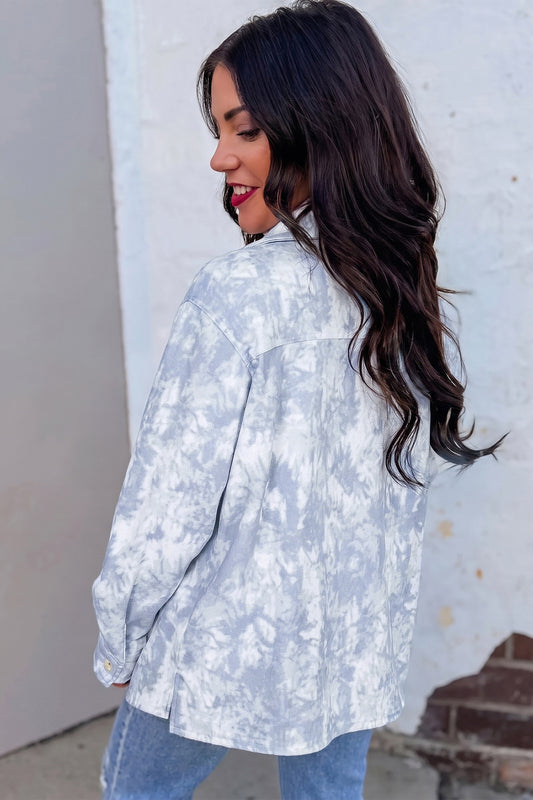
- Layering staples from the outerwear collection
These are not just purchases—they’re long-term wardrobe investments.
Can Fashion Be Ethical and Cheap?
This is where the debate gets complicated.
The Short Answer:
- Cheap ethical clothing exists—but with limits.
The Longer Answer:
To make sustainable fashion truly cheap in the traditional sense would likely require:
- Cutting labour costs
- Reducing material quality
- Compromising on environmental standards
Which defeats the purpose.
Instead, the conversation is shifting toward:
- Budget-friendly sustainable clothing
- Smarter consumption habits
- Reducing overall volume of purchases
The Accessibility Problem: Who Gets to Be Sustainable?
One of the most important (and often overlooked) aspects of this discussion is the sustainability privilege debate.
Is affordable fashion unethical? Or does sustainable fashion exclude low-income consumers?
This is where affordability vs accessibility in fashion becomes critical.
Not everyone can afford higher upfront costs—even if the long-term value is better.
That’s why the future of ethical consumerism fashion must include:
- Greater ethical fashion inclusivity
- More diverse pricing models
- Innovation in sustainable fashion business models
And importantly, brands that design for real people with real budgets.
The Rise of the Conscious Consumer
Consumers today are more informed than ever.
They’re asking:
- Is cheap fashion sustainable?
- Is fast fashion ever sustainable?
- Can sustainable fashion scale?
And they’re starting to shift toward:
- Responsible fashion consumption
- Supporting sustainable clothing brands UK and globally
- Exploring alternatives like second-hand, rental, and repair
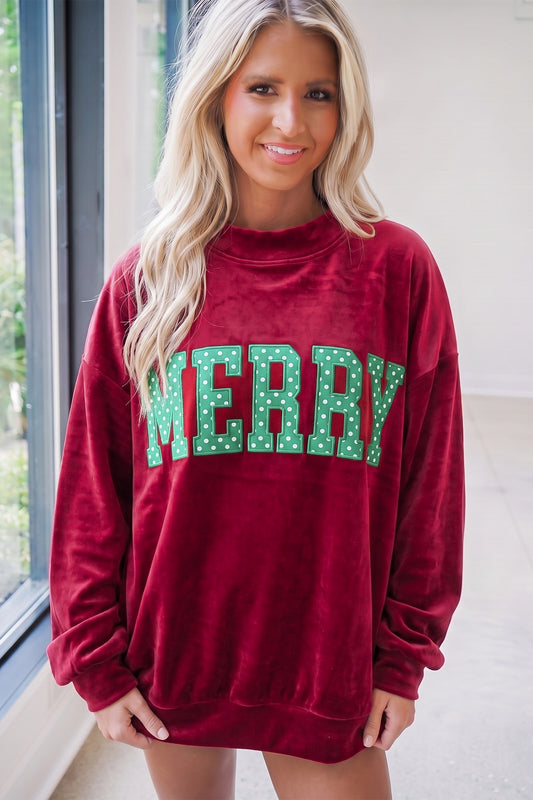
Even categories like comfort wear are evolving, with pieces such as those in the loungewear collection being chosen not just for comfort—but for longevity and versatility.
Where This Leaves Us
Affordable sustainable fashion isn’t a myth—but it’s also not a simple yes-or-no answer.
It lives in the middle ground:
- Between cost and value
- Between accessibility and ethics
- Between individual choice and systemic change
And perhaps most importantly, it challenges us to rethink not just how much we spend—but how we consume.
Making Sustainable Fashion Work on a Budget
If the first part of this conversation challenges how we think about clothing, this next part is about how we act. Because the question isn’t just is sustainable fashion affordable—it’s also:
Can you shop sustainably on a budget without sacrificing style, identity, or practicality?
The answer is yes—but it requires a shift away from impulse buying and toward intentional choices.
How to Build a Sustainable Wardrobe on a Budget
Creating a wardrobe rooted in affordable sustainable fashion doesn’t mean starting from scratch. In fact, the most sustainable piece you own is the one already in your closet.
Here’s how to begin.
1. Start With What You Already Own
Before buying anything new, take inventory.
- What do you wear regularly?
- What sits untouched?
- What can be styled differently?
This is the foundation of a minimalism fashion lifestyle—not owning less for the sake of it, but owning better and using it more.
The goal isn’t perfection. It’s consumption reduction in fashion.
2. Build a Capsule Wardrobe (Without the Pressure)
A capsule wardrobe sustainable approach focuses on versatility. Fewer pieces, more combinations.
Think:
- Neutral, layerable items
- Pieces that transition across seasons
- Clothing that works across multiple occasions
For example, investing in adaptable staples—like functional pieces from the activewear collection—can blur the line between workout wear, casual outfits, and everyday essentials.
Similarly, thoughtfully chosen items from the accessories collection can completely transform repeat outfits without increasing overall consumption.
3. Embrace Second-Hand and Circular Fashion
The second-hand fashion benefits go beyond affordability.
They actively reduce:
- Demand for new production
- Textile waste
- Pressure on global fashion supply chains
Options include:
- Thrift shopping sustainability
- Clothing swaps sustainability
- Online resale platforms
This is the circular fashion economy in action—keeping garments in use for as long as possible.
4. Rent, Repair, Rewear
Ownership isn’t always necessary.
Renting clothes sustainability has become increasingly popular for occasion wear, while repairing clothes sustainability extends the life of everyday pieces.
Simple habits make a difference:
- Fix small tears instead of discarding
- Replace buttons or zips
- Tailor items for a better fit
And when it comes to statement pieces—like those you might typically only wear once, such as items similar to those in a swimwear collection—consider how often you’ll realistically use them before buying.
Smarter Shopping: Ways to Shop Sustainably Without Spending More
Sustainable fashion on a budget isn’t about avoiding purchases—it’s about buying differently.
Key principles:
• Cost Per Wear Over Price Tag
A £60 item worn 60 times = £1 per wear
A £15 item worn twice = £7.50 per wear
This is how value vs price clothing becomes clear.
• Avoid Trend Cycles
Fast fashion thrives on urgency. Sustainable fashion thrives on longevity.
Ask yourself:
- Will I still wear this in a year?
- Does it match multiple items I own?
• Focus on Versatility
Multi-use items reduce the need for excess.
For instance:
- Shoes that work across casual and semi-formal outfits (like options you might find in a shoes collection)
- Functional, everyday pieces that don’t rely on trends
• Buy Less, Choose Better
This isn’t just a slogan—it’s a response to the fashion overconsumption crisis.
Fewer purchases mean:
- Lower overall spending
- Reduced environmental impact
- A more cohesive wardrobe
The Role of Brands in Affordable Sustainable Fashion
Consumers can only do so much. The responsibility also lies with brands to democratize sustainable fashion.
That includes:
1. Transparent Pricing
Explaining supply chain costs in fashion helps customers understand why something costs what it does.
2. Inclusive Sizing and Access
Ethical fashion inclusivity means designing for all bodies and budgets. Collections like plus size clothing apparel are a step toward making sustainability more accessible.
3. Smarter Production Models
Reducing overproduction in the fashion industry and adopting demand-driven manufacturing can lower waste and costs.
4. Long-Term Design Thinking
Creating clothing that lasts—both physically and stylistically—supports responsible fashion consumption.
Can Sustainable Fashion Ever Be Mass Market?
This is one of the most debated questions in the industry.
Can ethical fashion ever be mass market?
Right now, there are challenges:
- Limited economies of scale in fashion
- Higher material and labour costs
- Consumer expectations shaped by decades of cheap fashion
But change is happening.
As demand grows, so does innovation in:
- Recycled fabrics fashion
- Scalable ethical production
- More efficient supply chains
The goal isn’t to replicate fast fashion at a lower ethical standard—it’s to redefine what “normal” looks like.
The Bigger Shift: From Ownership to Mindset
Ultimately, affordable sustainable fashion isn’t just about price—it’s about perspective.
It asks us to reconsider:
- Why we buy
- How often we buy
- What we truly need
And it replaces the question “How cheap can this be?” with:
“What impact does this have?”
The Bigger Picture — Challenges, Myths, and the Future of Sustainable Fashion
By now, it’s clear that affordable sustainable fashion isn’t just a pricing issue—it’s a structural one. To truly answer whether fashion can be both ethical and accessible, we have to look beyond individual choices and examine the system itself.
Because while consumers are changing, the industry still has a long way to go.
Greenwashing in Fashion: When “Sustainable” Isn’t Sustainable
As demand for ethical clothing grows, so does a quieter problem: greenwashing in fashion.
Brands know consumers care about sustainability. But instead of transforming their supply chain ethics in fashion, some simply adjust their messaging.
Common signs of greenwashing:
- Vague terms like “eco-friendly” without proof
- No clothing supply chain transparency
- Highlighting one sustainable feature while ignoring the rest
- Lack of sustainability certifications in fashion
If you can’t trace it, you can’t trust it.
This creates confusion—and makes it harder for genuinely ethical clothing brands to compete on sustainable fashion pricing.
The Socioeconomics of Sustainable Fashion
Let’s return to one of the most uncomfortable—but necessary—questions:
Does sustainable fashion exclude low-income consumers?
The answer isn’t simple.
The Reality:
- Ethical production costs more
- Sustainable materials cost more
- Smaller brands lack the pricing power of mass retailers
This creates a tension within the socioeconomics of sustainable fashion.
On one hand, we need fair wages and responsible production. On the other, we need accessible sustainable fashion that doesn’t become a luxury reserved for a few.
This is where the idea of democratizing sustainable fashion becomes critical.
Affordability vs Accessibility: A Crucial Distinction
These two terms are often used interchangeably—but they’re not the same.
- Affordability = low price
- Accessibility = availability to a wide range of people
A garment doesn’t have to be “cheap” to be accessible.
Accessibility can look like:
- Longer-lasting clothing (reducing replacement costs)
- Versatile pieces that reduce wardrobe size
- Inclusive sizing and design
Even practical items—like everyday essentials or durable pieces from a bags collection—can contribute to a more functional, long-lasting wardrobe when chosen intentionally.
The Industry Challenge: Scaling Without Compromising
One of the biggest questions remains:
Can sustainable fashion scale?
Scaling ethical production while maintaining integrity is difficult because:
- Ethical labour doesn’t become cheaper at scale in the same way mass production does
- Sustainable materials still require investment
- Global fashion supply chains are deeply entrenched in fast fashion systems
However, progress is being made through:
- Innovation in recycled fabrics fashion
- Improvements in fashion lifecycle analysis
- More efficient logistics and sourcing
- Growing consumer demand for ethical consumerism in fashion
Is Fast Fashion Ever Sustainable?
Short answer: not in its current form.
Fast fashion is built on:
- Speed
- Volume
- Low cost
Which directly conflicts with:
- Labor ethics in fashion
- Environmental responsibility
- Long-term durability
Even with “conscious collections,” the core model still relies on overproduction in the fashion industry and rapid consumption cycles.
This is why many experts argue that true sustainability requires not just better products—but less production overall.
A shift toward the degrowth fashion movement.
Rethinking the System: From Consumption to Consciousness
We’re entering a new phase in fashion—one shaped by awareness.
Consumers are beginning to embrace:
- Responsible fashion consumption
- Fewer, higher-quality purchases
- Greater interest in ethical clothing brands
- Alternatives like rental, resale, and repair
Even categories like everyday wear are being reconsidered. Instead of buying in excess, shoppers are choosing pieces that serve multiple roles—whether that’s practical daily outfits or versatile items like those found in a outerwear collection.
The Future of Affordable Sustainable Fashion
So where does this leave us?
The future isn’t about making sustainable fashion as cheap as fast fashion. That would require cutting the very ethics that define it.
Instead, the future looks like:
1. Smarter Design
Clothing designed for longevity, adaptability, and reduced waste.
2. Better Business Models
From rental to resale to made-to-order production.
3. Increased Transparency
Clear insight into supply chain costs in fashion and sourcing.
4. Cultural Shift
Moving away from overconsumption toward intentional living.
Final Thoughts: A Different Kind of Value
“Can Affordable Fashion Be Sustainable? Let’s Talk About It” ultimately leads to a deeper realization:
Affordability isn’t just about price—it’s about value, longevity, and impact.
The goal isn’t to make fashion endlessly cheaper. It’s to make it:
- More ethical
- More transparent
- More thoughtful
And yes—more accessible over time.
Because real change doesn’t come from buying more.
It comes from buying better, wearing longer, and thinking differently about what clothing is truly worth.
Frequently Asked Questions
1. What is the difference between sustainable fashion and ethical fashion?
While often used interchangeably, they focus on slightly different things.
- Sustainable fashion prioritizes environmental impact—materials, waste, and carbon footprint.
- Ethical fashion focuses on people—fair wages, safe working conditions, and labor ethics in fashion.
Most responsible brands aim to combine both.
2. Is affordable sustainable fashion realistic for everyday shoppers?
Yes—but it requires a shift in mindset. Instead of chasing low prices, affordable sustainable fashion is about maximizing value through durability, versatility, and reduced consumption.
3. How can I tell if a brand is truly sustainable?
Look for:
- Clear clothing supply chain transparency
- Honest breakdowns of sustainable fashion pricing
- Certifications or detailed sourcing information
- Evidence of fair trade fashion practices
Avoid brands that rely on vague claims without proof.
4. Are sustainable clothing brands in the UK more expensive than global brands?
Not necessarily. Some sustainable clothing brands UK may have higher upfront costs due to local production, but they can offer better quality, lower carbon footprints, and more transparent practices compared to global fast fashion retailers.
5. What fabrics are considered eco-friendly in fashion?
Common eco-friendly clothing materials include:
- Organic cotton
- Recycled polyester
- Linen and hemp
- TENCEL™ and other regenerated fibres
These materials typically have a lower environmental impact than conventional alternatives.
6. Can sustainable fashion be trendy and stylish?
Absolutely. The idea that ethical fashion lacks style is outdated. Many modern ethical clothing brands design with both aesthetics and longevity in mind—proving you don’t have to sacrifice style for sustainability.
7. Is it better to buy fewer expensive items or more cheap ones?
In most cases, fewer high-quality items win. This aligns with the cost per wear concept, where long-lasting pieces offer better value over time compared to frequently replaced cheap clothing.
8. Does sustainable fashion really reduce environmental impact?
Yes—when done properly. It reduces:
- Waste through longer-lasting garments
- Emissions within the carbon footprint clothing industry
- Pollution from harmful dyes and materials
However, true impact depends on both production and consumption habits.
9. What role do consumers play in making fashion more sustainable?
A significant one. Through ethical consumerism fashion, shoppers influence demand by:
- Supporting responsible brands
- Reducing overconsumption
- Choosing quality over quantity
Consumer behavior helps shape industry standards.
10. Will sustainable fashion ever replace fast fashion completely?
It’s unlikely to fully replace it in the near future, but it can significantly reshape the industry. As awareness grows around fashion sustainability challenges, more brands are adapting, and consumers are shifting toward responsible fashion consumption—pushing fashion in a more ethical direction overall.