
Fast Fashion vs. Slow Fashion: What’s the Real Difference?
Fast fashion and slow fashion represent two radically different approaches to clothing. Fast fashion focuses on mass production, low-cost garments, and rapid fashion cycles that fuel clothing overconsumption and environmental damage. Slow fashion, on the other hand, emphasizes sustainable fashion, ethical sourcing, durable clothing, and conscious consumerism. The difference between fast fashion and slow fashion lies not just in price or speed—but in values, from how garments are made to how long they last. Understanding this shift helps you make responsible fashion choices, reduce textile waste, and invest in long-term value clothing that aligns with both style and sustainability.
Introduction: A Tale of Two Fashion Worlds
Clothing used to follow the rhythm of seasons. Now, it moves at the speed of scrolling. New styles appear weekly, sometimes daily, pushing consumers into an endless loop of buying, wearing, and discarding.
This is where the conversation around fast fashion vs slow fashion begins.
At first glance, the difference between fast fashion and slow fashion might seem obvious—one is cheap and quick, the other thoughtful and sustainable. But the reality runs deeper. It touches the fashion industry sustainability crisis, the clothing lifecycle, and even how we define personal style.
Before diving into comparisons and impact, we need to answer two simple but powerful questions:
- What is fast fashion?
- What is slow fashion?
What Is Fast Fashion?
Fast fashion is built on speed, scale, and cost efficiency.
Fast Fashion Definition
Fast fashion refers to mass production clothing designed to move quickly from runway to retail. Brands replicate trends at lightning speed, producing low-cost garments that encourage frequent purchasing.
Key Characteristics of Fast Fashion
- Trend-driven fashion that changes rapidly
- Disposable fashion mindset
- Cheap clothing brands producing high volumes
- Short clothing lifecycle
- Heavy reliance on synthetic materials
This model thrives on rapid fashion cycles, where new collections replace old ones before they’ve even had time to settle into wardrobes.
The Hidden Cost of Convenience
What seems affordable at checkout often carries unseen consequences:
- Environmental impact of fast fashion through water waste and pollution
- Massive textile waste ending up in landfills
- High carbon footprint fashion industry emissions
- Unethical labor practices, including sweatshops in fashion
Fast fashion isn’t just about cheap clothes—it’s about a system that prioritizes speed over sustainability.
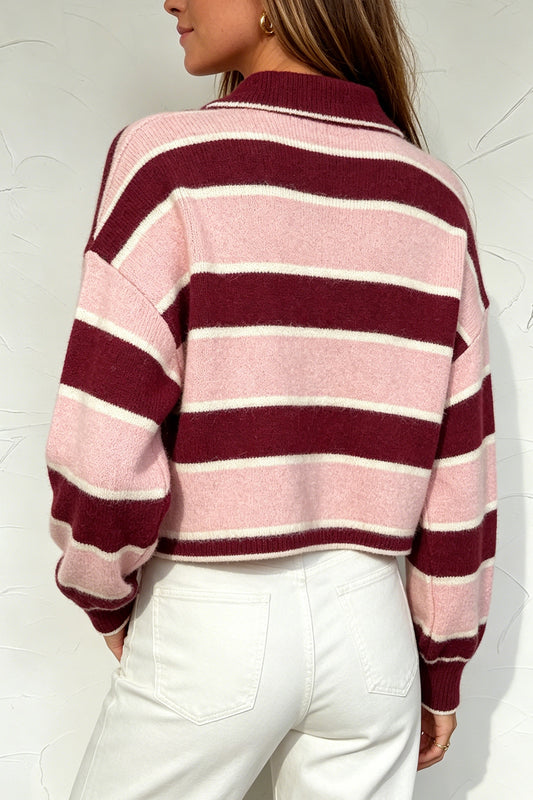
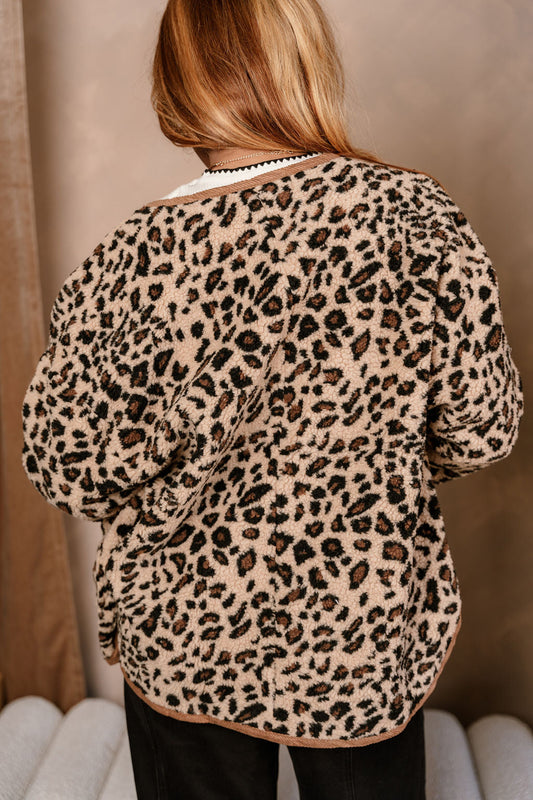
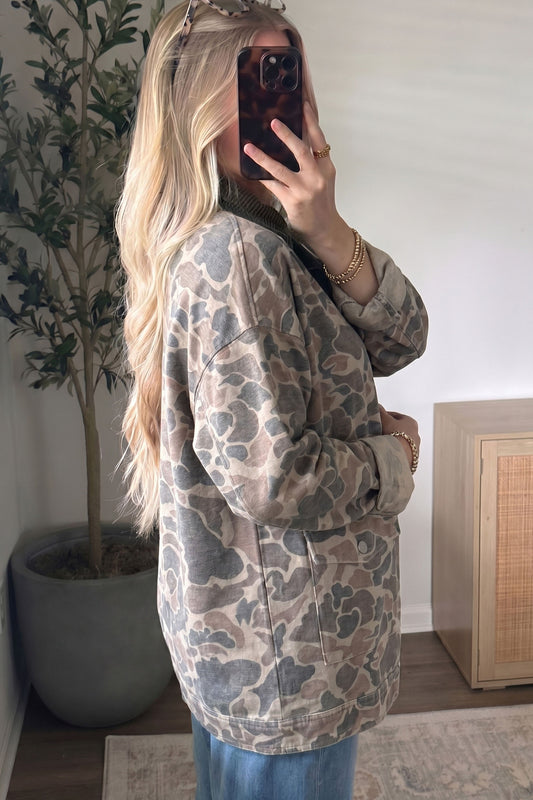
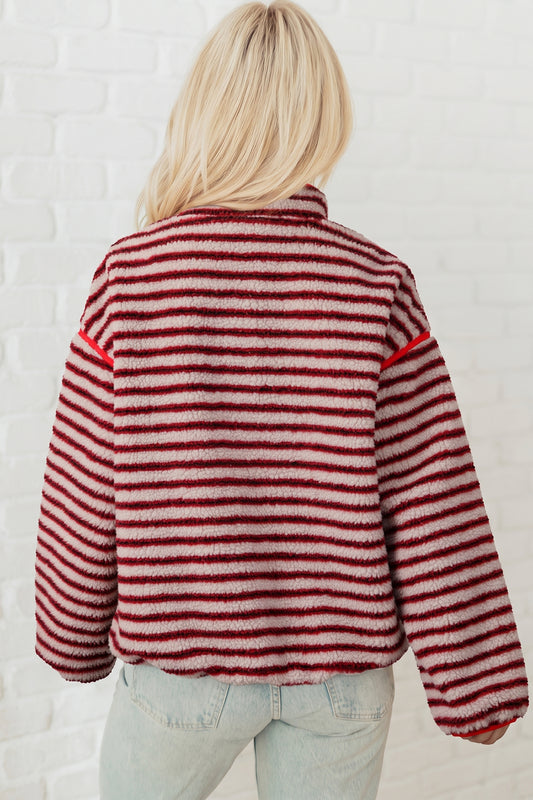
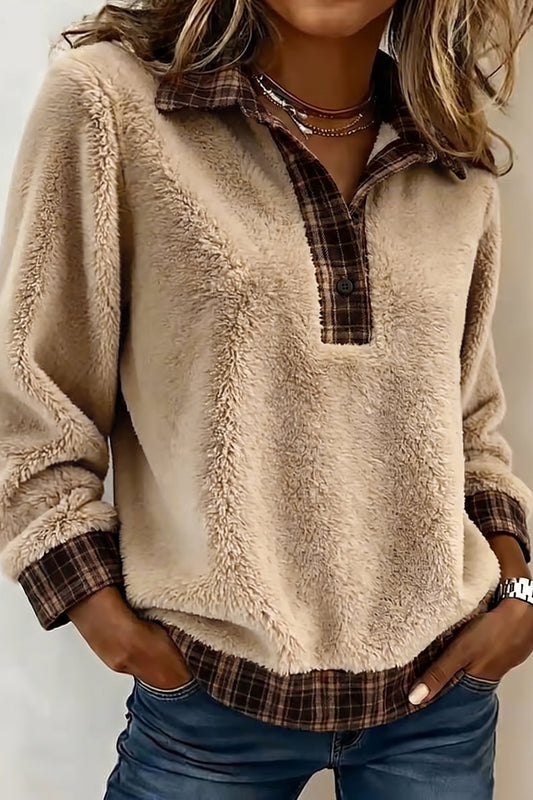
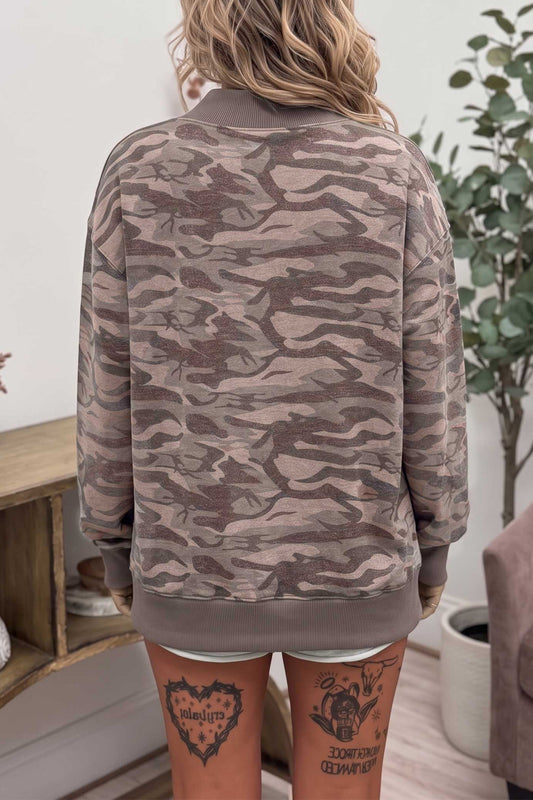
Even everyday essentials—from casual tops to seasonal outerwear—are often swept into this cycle of overproduction and overconsumption.
What Is Slow Fashion?
If fast fashion is about immediacy, slow fashion is about intention.
Slow Fashion Definition
Slow fashion is an approach rooted in sustainable fashion, focusing on quality, longevity, and ethical production. It values transparency, craftsmanship, and environmental responsibility.
Core Principles of the Slow Fashion Movement
- Quality over quantity fashion
- Use of sustainable materials clothing like organic fabrics
- Ethical sourcing and fair trade clothing practices
- Emphasis on durable clothing and timeless design
- Support for transparent supply chains
Rather than chasing trends, slow fashion encourages a more personal and enduring relationship with clothing.
A Shift in Mindset
Slow fashion isn’t just a production model—it’s a lifestyle change.
It promotes:
- Conscious consumerism
- Mindful shopping habits
- Buying less clothing, but choosing better pieces
- Building a capsule wardrobe
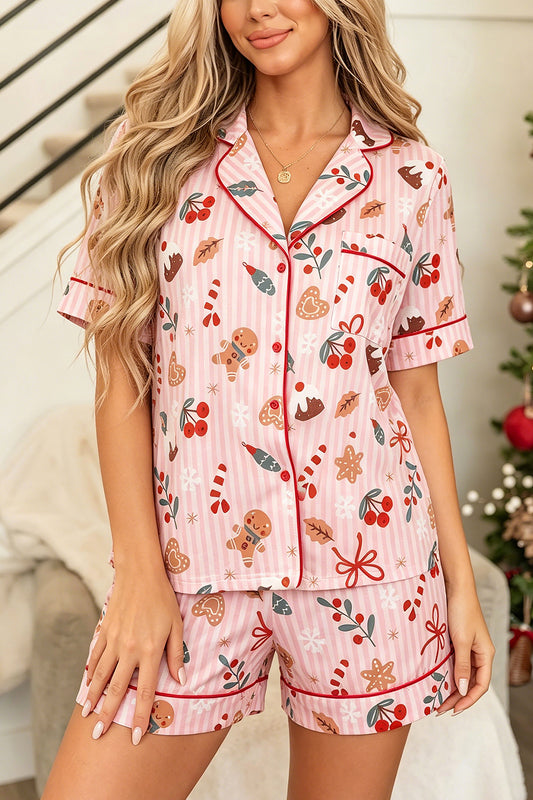
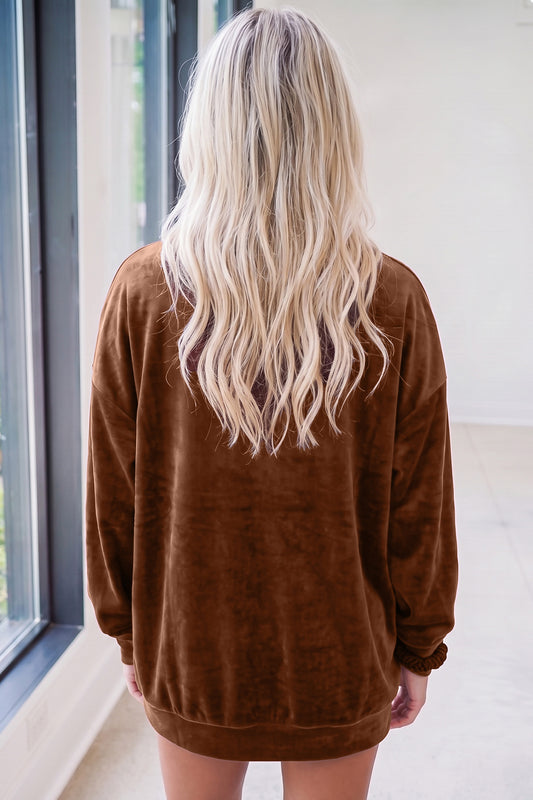
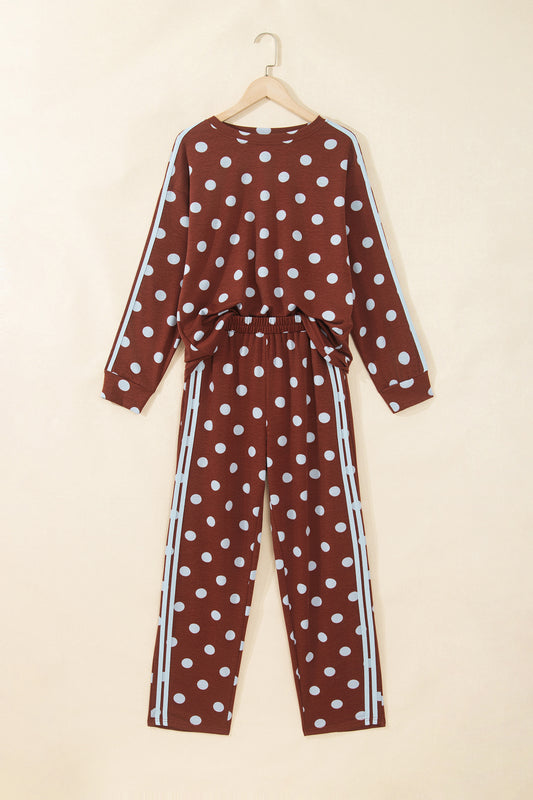
Instead of constantly replacing items, consumers invest in pieces that last—whether that’s versatile bottoms or comfortable, long-lasting loungewear.
Slow fashion asks a simple question: “Do you really need more, or do you need better?”
The Core Difference: Speed vs. Sustainability
At the heart of this debate lies a fundamental contrast:
| Fast Fashion | Slow Fashion |
|---|---|
| Rapid production | Thoughtful production |
| Low-cost garments | Higher-quality investment |
| Trend-driven fashion | Timeless fashion design |
| Disposable mindset | Long-term value clothing |
| High environmental impact | Focus on waste reduction fashion |
But the impact of fast vs slow fashion goes beyond production timelines. It shapes:
- How clothes are valued
- How often they’re worn
- And how they affect the planet
Why Fast Fashion Took Over
To understand the dominance of fast fashion, you have to look at modern consumer behavior.
The Rise of Clothing Overconsumption
Several factors fueled the fast fashion boom:
- Lower production costs made clothing more accessible
- Social media accelerated trend cycles
- Consumers began associating novelty with value
The result? A culture where clothing overconsumption became the norm.
Items like affordable accessories or trend-based swimwear are often worn only a handful of times before being discarded.
The Fashion Overproduction Crisis
Brands produce far more than consumers actually need. This leads to:
- Overstock and unsold inventory
- Increased textile waste
- Pressure to continuously consume
This cycle isn’t sustainable—financially, environmentally, or ethically.
The Slow Fashion Response
As awareness grows, so does the demand for alternatives.
The slow fashion movement emerged as a direct response to the excesses of fast fashion, offering a more balanced and responsible approach.
What Makes Slow Fashion Different?
- It values fashion supply chain transparency
- It supports ethical sourcing fashion
- It prioritizes clothing durability standards
- It embraces concepts like circular fashion, recycling textiles, and upcycling clothing
Consumers are no longer just asking what looks good—they’re asking what feels right.
This shift is also driving interest in:
- Affordable slow fashion
- Eco-friendly fashion brands UK
- Ethical clothing brands affordable
A Question Worth Asking
Is fast fashion dying?
Not quite. But it is being challenged—by awareness, by innovation, and by a growing community of consumers choosing differently.
The real question is no longer just about the difference between fast fashion and slow fashion.
It’s about which future you want your wardrobe to support.
The Environmental Impact: What Your Clothes Really Cost
If the first part of this conversation is about how clothes are made, this part is about what they leave behind.
The environmental impact of fashion is no longer a hidden issue—it’s one of the defining challenges of modern consumption.
Fast Fashion Pollution and Resource Use
Fast fashion relies heavily on volume. And volume requires resources.
- Water waste clothing production is staggering—thousands of litres for a single garment
- Synthetic fabrics contribute to microplastic pollution
- Dyeing processes release toxic chemicals into waterways
- Massive fashion carbon emissions accelerate climate change
The result is a system where convenience comes at the planet’s expense.
The clothing industry is one of the largest contributors to global pollution, driven largely by disposable fashion habits.
Even categories like everyday activewear or trend-based shoes can carry a surprisingly heavy environmental footprint when produced at scale.
Textile Waste: The End of the Line
Fast fashion’s biggest problem isn’t just production—it’s disposal.
- Millions of tonnes of textile waste end up in landfills every year
- Many garments are worn fewer than 10 times
- Synthetic fibers can take decades (or longer) to decompose
This creates a broken clothing lifecycle, where items are designed to be replaced rather than retained.
Slow Fashion and Sustainability: A Different System
Slow fashion approaches the same process from the opposite direction.
Instead of asking “How quickly can we make this?”, it asks:
“How long can this last?”
Waste Reduction and Circular Thinking
Slow fashion aligns closely with the principles of circular fashion, where products are designed to stay in use for as long as possible.
This includes:
- Recycling textiles into new garments
- Upcycling clothing into higher-value pieces
- Designing for repair and reuse
Sustainable Materials and Production
Brands focused on fashion industry sustainability prioritize:
- Organic fabrics fashion
- Low-impact dyes and processes
- Reduced water and energy consumption
The goal isn’t just to reduce harm—it’s to create a system that works in balance with the environment.
Ethical Differences in Fashion
Beyond environmental concerns, the human cost of clothing production is just as significant.
The Reality Behind Fast Fashion
To maintain low prices and high output, fast fashion often depends on:
- Unethical labor practices
- Unsafe working conditions
- Underpaid workers in global supply chains
This is where terms like sweatshops in fashion become part of the conversation.
Cheap clothing often comes at a high human cost.
The Slow Fashion Standard
Slow fashion shifts the focus toward ethical fashion:
- Fair wages and safe working environments
- Transparent supply chains
- Long-term relationships with manufacturers
This is where fair trade clothing and ethical sourcing fashion play a critical role.
Consumers are increasingly drawn to brands that offer fashion supply chain transparency, giving them confidence in where and how their clothes are made.
The True Cost: Fast vs Slow Fashion
At first glance, fast fashion appears cheaper. But the real cost tells a different story.
Cost of Fast Fashion vs Slow Fashion
| Factor | Fast Fashion | Slow Fashion |
|---|---|---|
| Initial price | Low | Higher |
| Cost per wear | High | Low |
| Durability | कमजोर | Long-lasting |
| Environmental cost | High | Lower |
| Ethical standards | Often poor | Strong |
The idea of cost per wear is key here.
A cheap item worn twice is more expensive in the long run than a durable piece worn dozens of times.
This is why slow fashion emphasizes long-term value clothing over short-term savings.
Why Slow Fashion Is Better (For Many People)
The question “why slow fashion is better” doesn’t have a one-size-fits-all answer—but there are compelling reasons why more consumers are making the switch.
Benefits of Choosing Slow Fashion
- Reduced environmental impact
- Better garment quality and fit
- Support for ethical labor practices
- Stronger personal style (less trend dependency)
It also encourages minimalism fashion, helping people move away from cluttered wardrobes toward more intentional choices.
Instead of constantly replacing items, consumers invest in pieces that work across seasons—like versatile outfits or inclusive options such as plus size clothing & apparel.
Changing Consumer Behavior
The shift toward slow fashion isn’t just about brands—it’s about people.
From Impulse to Intention
Modern shoppers are beginning to rethink their habits:
- Practicing mindful shopping
- Building capsule wardrobes
- Focusing on quality over quantity
- Making responsible fashion choices
Even accessories like everyday bags are being chosen more carefully, with durability and versatility in mind.
The Bigger Picture: A Fashion Industry in Transition
The fashion world is at a crossroads.
On one side: a system driven by speed, volume, and disposability.
On the other: a growing movement built on sustainability, ethics, and longevity.
Fashion Sustainability Trends to Watch
- Rise of regenerative fashion
- Increased demand for transparency
- Innovation in sustainable materials
- Growth of second-hand and resale markets
Consumers are no longer passive—they’re shaping the industry through their choices.
Where This Leaves You
Understanding the impact of fast vs slow fashion isn’t about guilt—it’s about awareness.
Every purchase is a decision:
- Support overproduction or reduce waste
- Choose convenience or choose longevity
- Follow trends or define your own style
The good news? You don’t have to be perfect to make better choices.
How to Switch to Slow Fashion (Without Overhauling Your Life)
By now, the contrast is clear. But awareness alone doesn’t change habits—action does.
The idea of switching to slow fashion can feel overwhelming, especially if your wardrobe has been shaped by years of fast, trend-driven purchases. The good news is that the transition doesn’t need to be drastic.
It can start small, intentional, and realistic.
Step 1: Rethink How You Buy
The foundation of slow fashion is conscious consumerism.
Before purchasing anything, ask:
- Do I actually need this?
- Will I wear it at least 20–30 times?
- Does it fit my existing wardrobe?
This shift encourages mindful shopping and reduces impulse buying.
The most sustainable garment is the one you already own—or truly need.
Step 2: Focus on Cost Per Wear
Instead of looking at the price tag alone, consider cost per wear.
A higher-quality item that lasts years often becomes far more affordable over time than repeatedly buying low-cost garments.
This is where long-term value clothing outperforms fast fashion.
Step 3: Build a Capsule Wardrobe
A capsule wardrobe simplifies everything.
It’s about owning fewer pieces—but making sure they all work together.
Think:
- Neutral, versatile tops
- Well-fitted bottoms
- Layering essentials
- Timeless outerwear
This approach aligns perfectly with minimalism fashion and reduces the need for constant new purchases.
Step 4: Choose Better, Not More
When you do shop, prioritize:
- Durable clothing that holds its shape
- Timeless fashion design over short-lived trends
- Eco-friendly clothing made from sustainable materials
You don’t need a completely new wardrobe—just better additions over time.
Step 5: Care for What You Own
Slow fashion isn’t just about buying differently—it’s about maintaining what you already have.
- Wash less frequently
- Repair instead of replace
- Store garments properly
These small actions extend the clothing lifecycle and reduce waste.
Alternatives to Fast Fashion
If you’re wondering about realistic alternatives to fast fashion, there are more options than ever before.
1. Sustainable and Ethical Brands
Look for brands that prioritize:
- Ethical sourcing fashion
- Transparent supply chains
- Fair trade clothing practices
Search trends like eco-friendly fashion brands UK and best sustainable clothing brands reflect growing demand in this space.
2. Second-Hand and Vintage
Buying pre-owned clothing directly reduces demand for new production.
- Charity shops
- Online resale platforms
- Vintage boutiques
This supports circular fashion by keeping garments in use longer.
3. Upcycling and Repair
Instead of discarding items:
- Alter them
- Repurpose fabrics
- Refresh older styles
Upcycling clothing turns waste into creativity—and extends the life of your wardrobe.
4. Renting and Sharing
For occasion wear or short-term needs, renting clothing can reduce unnecessary purchases.
It’s a practical response to the fashion overproduction crisis.
Affordable Slow Fashion: Is It Possible?
One of the biggest misconceptions is that slow fashion is always expensive.
While some items do carry a higher upfront cost, there are ways to make it accessible:
- Buy fewer items overall
- Invest gradually
- Shop off-season
- Prioritize versatility
Searches like ethical clothing brands affordable and affordable slow fashion highlight a growing demand for balance between cost and sustainability.
The Role of Personal Style
Fast fashion thrives on constant change. Slow fashion invites you to slow down and define your own style.
Instead of chasing trends, you begin to notice:
- What you actually enjoy wearing
- What fits your lifestyle
- What lasts beyond a season
This leads to a wardrobe that feels more cohesive—and far less wasteful.
Final Thoughts: A Better Way Forward
The conversation around Fast Fashion vs. Slow Fashion: What’s the Real Difference? isn’t just about clothing—it’s about values.
It’s about how we:
- Produce
- Consume
- Dispose
Fast fashion made clothing more accessible, but at a cost—environmental, ethical, and cultural.
Slow fashion doesn’t demand perfection. It encourages awareness, responsibility, and better choices over time.
You don’t need to abandon your wardrobe overnight. You just need to start making decisions that align with the future you want to support.
Your Next Step
If you’re ready to move toward more responsible fashion choices, start with what you already have—and build from there.
Explore thoughtfully designed pieces that prioritize comfort, longevity, and versatility across categories like everyday wear, essentials, and lifestyle collections on HannaBanna Clothing.
Because in the end, fashion isn’t just about what you wear.
It’s about what you stand for.
Frequently Asked Questions (FAQ)
1. Is fast fashion always bad?
Not every fast fashion item is inherently harmful, but the overall system is built on mass production clothing, rapid turnover, and clothing overconsumption. These factors contribute to fast fashion pollution, excessive textile waste, and often questionable labor conditions. The issue lies more in the scale and speed than in any single purchase.
2. Is slow fashion only for luxury shoppers?
No. While some slow fashion items have a higher upfront cost, the focus is on long-term value clothing and durability. By buying less and choosing better, slow fashion can actually be more economical over time. Concepts like cost per wear make it accessible to a wider audience.
3. How can I tell if a brand is truly sustainable?
Look for signs of fashion supply chain transparency, such as:
- Clear information about sourcing and production
- Use of sustainable materials clothing
- Ethical certifications or fair trade practices
Be cautious of vague claims—this is often referred to as greenwashing.
4. What fabrics are considered eco-friendly clothing?
Common materials used in eco-friendly clothing include:
- Organic cotton
- Linen
- Hemp
- TENCEL™ or lyocell
These fabrics typically require less water and fewer chemicals, supporting better fashion industry sustainability.
5. Does slow fashion mean I can’t follow trends?
Not at all. Slow fashion doesn’t eliminate style—it reframes it. Instead of chasing trend-driven fashion, you can incorporate trends selectively into a wardrobe built on timeless fashion design.
6. Why is textile waste such a big problem?
Textile waste accumulates rapidly due to short garment lifespans and overproduction. Many materials, especially synthetics, do not biodegrade easily, contributing to long-term environmental damage and increasing the climate impact clothing industry has on the planet.
7. What is the slow fashion business model?
The slow fashion business model focuses on:
- Smaller production runs
- Higher-quality garments
- Ethical sourcing
- Reduced waste
It contrasts with the fast fashion model, which prioritizes volume and speed over sustainability.
8. Can fast fashion ever become sustainable?
Some brands are making improvements, such as using recycled materials or reducing emissions. However, the core model of rapid fashion cycles and overproduction makes true sustainability difficult without major structural changes.
9. What are the easiest ways to start buying less clothing?
You can begin by:
- Planning purchases in advance
- Avoiding impulse buying
- Building a capsule wardrobe
- Practicing conscious buying habits
These steps support mindful shopping and reduce unnecessary consumption.
10. Are there certifications I should look for in ethical fashion?
Yes, some widely recognized certifications include:
- Fair Trade Certified
- Global Organic Textile Standard (GOTS)
- OEKO-TEX®
These labels help verify claims around ethical fashion, sustainability, and safe production practices.