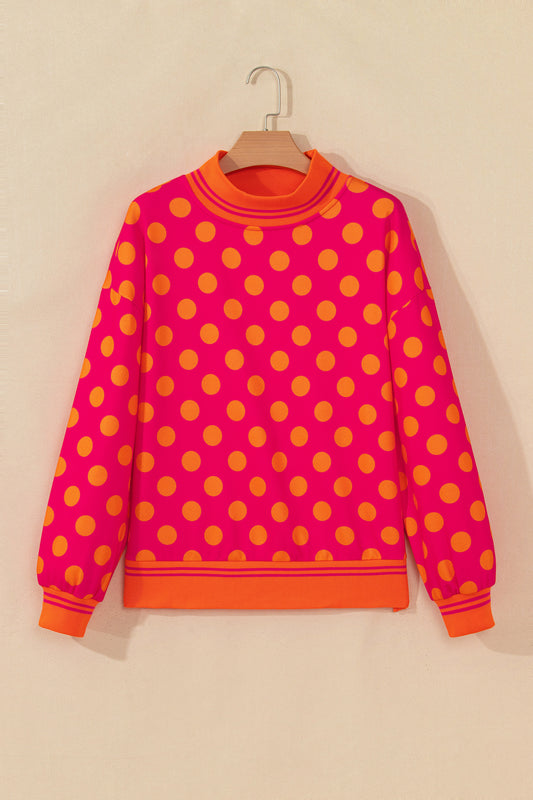

How to Create Less Fashion Waste Without Sacrificing Style
Creating a wardrobe that feels stylish, expressive, and current doesn’t require constant shopping or contributing to textile waste. The key lies in a shift toward sustainable fashion—focusing on quality over quantity, building a versatile wardrobe, and embracing conscious consumption. By curating wardrobe essentials, adopting a capsule wardrobe mindset, and extending the life of your clothing through better care and reuse, you can significantly reduce fashion waste. This approach blends timeless fashion with modern, eco-friendly practices like mindful shopping, repairing clothes, and exploring circular fashion systems. The result is a curated wardrobe that delivers more outfits with fewer pieces—without sacrificing style.
Rethinking Style in a World of Waste
The modern fashion industry thrives on speed—new trends every week, constant drops, and an unspoken pressure to keep up. But beneath the surface lies a growing issue: overproduction in fashion and the mounting problem of textile waste.
The alternative isn’t giving up style—it’s redefining it.
At its core, sustainable style is about intention. It’s about stepping away from impulse buying and embracing mindful shopping, where every piece serves a purpose. This shift doesn’t limit your creativity; it refines it.
Style becomes sharper when choices are fewer but more deliberate.
This is where the idea of fashion without sacrificing style truly takes shape.
The Foundation: A Versatile, Curated Wardrobe
A wardrobe that works harder for you starts with one principle: fewer clothes, more outfits.
Instead of chasing trends, focus on building a capsule wardrobe—a carefully selected collection of pieces that can be styled in multiple ways. Think of it as your personal toolkit for effortless dressing.
Key Elements of a Capsule Wardrobe
- Neutral, adaptable tones that pair easily
- Timeless silhouettes that outlast seasonal trends
- High-quality fabrics that support clothing longevity
- Pieces designed for layering and versatility
Start with essentials you can rotate across seasons. For example, a well-fitted top from your collection of tops can be styled with tailored trousers, relaxed loungewear, or layered under outerwear.
Pair that with foundational pieces like those found in bottoms, and suddenly, your outfit combinations multiply without increasing your wardrobe size.
This is the essence of conscious styling—making intentional choices that maximize what you already own.
Wardrobe Audit: The Reset You Didn’t Know You Needed
Before adding anything new, take stock of what you already have.
A wardrobe audit is one of the most effective ways to begin your journey toward clothing waste reduction.
How to Conduct a Wardrobe Audit
- Remove everything and assess each item individually
- Ask: Do I wear this? Does it fit my style today?
- Group items into:
- Keep (frequently worn, versatile)
- Repair (needs minor fixes)
- Rehome (donate, sell, or swap)
This process isn’t just about decluttering—it’s about reconnecting with your clothing. It builds wardrobe mindfulness and strengthens your attachment to clothing, a concept often overlooked in fast fashion culture.
From Fast Fashion to Slow Fashion Thinking
The shift toward slow fashion isn’t about abandoning trends entirely—it’s about engaging with them more thoughtfully.
Instead of reacting to every new drop, slow fashion encourages:
- Intentional purchasing
- Investing in quality over quantity
- Considering cost-per-wear rather than upfront price
For example, a well-made jacket from your outerwear collection might cost more initially, but its durability and versatility make it a cornerstone of your wardrobe for years.
This approach directly supports reduce carbon footprint fashion efforts by minimizing unnecessary production and consumption.
The Power of Mix-and-Match Styling
If your wardrobe feels limited, the issue often isn’t quantity—it’s versatility.
A mix-and-match outfit strategy transforms how you use your clothes. Instead of thinking in complete outfits, think in interchangeable components.
Practical Styling Ideas
- Pair one statement piece with multiple basics
- Layer across seasons to extend usability
- Use accessories to shift the tone of an outfit
Even something as simple as incorporating items from your accessories collection can redefine an entire look without adding new garments.
This is where eco-conscious personal style shines—creative, expressive, and resourceful.
Conscious Consumption: Buying Less, Choosing Better
The phrase “buy less, choose better” has become a cornerstone of ethical fashion, and for good reason.
Every purchase is a vote—for the kind of industry you want to support.
When building a sustainable wardrobe strategy, consider:
- Is this item versatile enough for multiple outfits?
- Does it align with my existing wardrobe?
- Will I wear it at least 30 times?
These questions shift your mindset from impulse to intention, reinforcing conscious consumption and reducing landfill waste clothing.
Where Style Meets Sustainability
The idea that sustainability limits style is outdated. In reality, constraints often fuel creativity.
A thoughtfully curated wardrobe—featuring adaptable pieces like relaxed loungewear or functional activewear—offers flexibility across different settings, from home to street to travel.
The result?
- A wardrobe that feels lighter but works harder
- Outfits that feel intentional, not repetitive
- A style identity that’s uniquely yours
Extending the Life of Your Clothes: Where Real Impact Happens
If building a versatile wardrobe is the foundation, then extending garment life is where meaningful change takes root. This is the practical side of sustainable fashion—the habits that quietly but powerfully reduce fashion waste over time.
The truth is simple: the longer you wear something, the lower its environmental impact becomes.
Every extra wear delays a garment’s journey to landfill and reduces demand for new production.
This is the heart of circular fashion—keeping clothes in use for as long as possible.
Repairing Clothes: A Lost Skill Worth Relearning
In a culture driven by convenience, repairing clothes has become rare. But it’s one of the most effective ways to support clothing longevity.
A missing button, a loose seam, or a small tear shouldn’t mean the end of a garment. These are minor interruptions—not final verdicts.
Simple Repairs That Make a Big Difference
- Sewing on buttons
- Fixing small rips or seams
- Replacing zippers
- Reinforcing worn areas
These small actions support extending garment life and reduce the need for replacements.
And when repairs feel beyond your skillset, tailoring and alterations can completely transform how a piece fits and feels. A slightly oversized item can become a wardrobe favorite with the right adjustment.
Reuse, Rewear, Repeat
Before discarding anything, ask a better question: How else can this be worn?
Reusing clothing is one of the easiest ways to embrace a low-waste lifestyle fashion approach.
Smart Ways to Reuse Clothing
- Restyle pieces for different occasions
- Layer items differently across seasons
- Turn occasionwear into everyday outfits
For example, pieces from your swimwear collection don’t have to be limited to the beach—paired with trousers or layered under shirts, they can transition seamlessly into everyday looks.
This kind of adaptability is what defines a truly versatile wardrobe.
Upcycling Clothes: Creativity Meets Sustainability
When an item no longer works in its current form, it doesn’t mean it has no value. This is where upcycling clothes enters the picture.
Unlike recycling textiles, which breaks materials down, upcycling transforms garments into something new—often with more personality than before.
Ideas for Upcycling
- Turning old shirts into cropped tops or tote bags
- Adding patches or embroidery to revive worn pieces
- Transforming dresses into skirts or tops
This approach aligns with zero-waste fashion principles, where the goal is to eliminate waste entirely through creative reuse.
It also introduces an element of individuality—your wardrobe becomes something no one else can replicate.
Second-Hand, Vintage, and the Circular Economy
One of the most powerful ways to reduce fashion industry pollution is to step outside the cycle of buying new.
Second-hand fashion, vintage fashion, and resale platforms all contribute to a circular economy fashion model—where clothing is kept in circulation instead of discarded.
Benefits of Second-Hand Shopping
- Reduces demand for new production
- Extends the lifecycle of garments
- Offers unique, one-of-a-kind pieces
Similarly, clothing swaps—whether with friends or through organized events—create a sense of community while supporting conscious consumption.
These practices challenge the idea that style must always come from something new.
Caring for Your Clothes: The Overlooked Habit
You don’t need to buy differently if you don’t care for what you own differently.
Proper clothing care plays a crucial role in reducing textile waste and maintaining a polished look over time.
Simple Clothing Care Practices
- Wash less frequently to preserve fabric integrity
- Use lower temperatures to reduce energy use
- Air dry instead of tumble drying
- Store garments properly to avoid damage
These habits not only extend the life of your clothes but also support reduce carbon footprint fashion efforts.
Designing a Wardrobe That Works for Every Body
Sustainability isn’t just about materials or processes—it’s also about inclusivity and longevity of wear.
Clothing that fits well is worn more often. It’s that simple.
Exploring well-designed options like those in plus size clothing & apparel ensures that your wardrobe supports both comfort and confidence—key factors in emotional durability clothing.
When you feel good in what you wear, you naturally wear it more. And that’s a powerful form of waste reduction.
Accessories, Shoes, and Bags: Small Choices, Big Impact
Sustainability doesn’t stop at garments. Accessories play a major role in shaping outfits and extending wardrobe versatility.
Instead of buying more clothing, consider how items like shoes and bags can transform your existing pieces.
- A different pair from your shoes collection can shift an outfit from casual to refined
- A statement piece from your bags collection can redefine a simple look
This approach reinforces fewer clothes, more outfits, while reducing the need for constant new purchases.
The Mindset Shift: From Ownership to Stewardship
At the center of all these practices is a deeper shift—from seeing clothing as disposable to valuing it as something worth maintaining.
This is where wardrobe mindfulness and emotional durability clothing intersect.
Instead of asking:
- “What should I buy next?”
You begin asking:
- “How can I make the most of what I already have?”
This mindset supports:
- Anti-fast fashion thinking
- Stronger attachment to clothing
- A more intentional, personal style
Building a Long-Term Sustainable Wardrobe Strategy
By now, the pattern is clear: reducing waste isn’t about restriction—it’s about refinement. The final step is turning everything you’ve explored into a repeatable system. A wardrobe that evolves with you, not against you.
A strong sustainable wardrobe strategy blends three pillars:
- Reduce consumption
- Extend clothing life
- Maintain personal style
When these work together, you move beyond short-term fixes into a lasting, low-waste lifestyle fashion approach.
Sustainable Outfit Planning: Dressing With Intention
Getting dressed becomes easier—and more creative—when you plan with purpose.
Sustainable outfit planning means thinking ahead, using what you already own, and avoiding unnecessary purchases driven by last-minute decisions.
How to Plan Smarter
- Build outfits around core wardrobe essentials
- Rotate pieces weekly to maximize wear
- Document outfit combinations (photos help)
- Identify gaps before buying anything new
This is where digital wardrobe apps are gaining traction. They allow you to catalog your clothing, create outfits, and track wear frequency—reinforcing cost-per-wear and helping you avoid duplicate purchases.
The Role of Modern Fashion Systems
Sustainability today extends beyond your wardrobe—it connects to a wider ecosystem.
Rental, Resale, and the Sharing Economy
The rise of:
- Rental fashion
- Resale platforms (peer-to-peer fashion)
- The fashion sharing economy
…has redefined ownership.
Instead of buying something you’ll wear once, you can:
- Rent occasionwear
- Resell pieces you no longer use
- Buy pre-loved items with character and history
These systems support a closed-loop fashion model, reducing overproduction in fashion and limiting landfill waste clothing.
Materials Matter: Looking Beneath the Surface
Not all clothing is created equal. Beyond style and fit, materials play a significant role in sustainability.
Choosing garments made from sustainable materials—like organic cotton, recycled fabrics, or emerging biodegradable fabrics—supports a more responsible industry.
But it doesn’t stop there.
What to Look For
- Transparency in sourcing and production
- Commitment to ethical manufacturing
- Innovation in textile technology
- Brands prioritizing a sustainable supply chain
This level of awareness strengthens your role in driving demand for better practices and reducing fashion industry pollution.
The Psychology of Style: Why Less Can Feel Like More
There’s a subtle but powerful shift that happens when you embrace a more intentional wardrobe.
You begin to value:
- Fit over frequency
- Quality over novelty
- Identity over trends
This is where emotional durability clothing becomes essential. When you feel connected to your clothes—when they reflect your personality—you naturally take better care of them and wear them longer.
A meaningful wardrobe isn’t built on volume. It’s built on connection.
This mindset nurtures an eco-conscious personal style that feels authentic, not forced.
A Practical Wardrobe Sustainability Checklist
To bring everything together, here’s a simple wardrobe sustainability checklist you can return to regularly:
Before Buying
- Do I really need this?
- Can I style it at least three ways?
- Does it align with my existing wardrobe?
After Buying
- How often am I wearing it?
- Am I caring for it properly?
Ongoing Habits
- Repair before replacing
- Explore second-hand and resale options
- Rotate and restyle regularly
- Donate or swap responsibly
This structure supports intentional purchasing while reinforcing conscious consumption.
Redefining What It Means to Be Stylish
Style has never truly been about excess. At its best, it’s about clarity—knowing what works for you and owning it.
A wardrobe built on timeless fashion, versatility, and mindful choices doesn’t just reduce waste—it elevates how you present yourself.
You’re no longer chasing trends. You’re setting your own rhythm.
Final Thoughts
Learning How to Create Less Fashion Waste Without Sacrificing Style isn’t about perfection. It’s about progress.
It’s choosing:
- A curated wardrobe over a crowded one
- Thoughtful purchases over impulse buys
- Longevity over disposability
And in doing so, you naturally align with the principles of sustainable fashion, circular economy fashion, and zero-waste design.
The result is more than just fewer clothes.
It’s a wardrobe that:
- Works harder
- Lasts longer
- Reflects who you are
Because true style isn’t defined by how much you own—but by how well you use it.
Frequently Asked Questions
1. How can I reduce clothing waste at home without buying anything new?
Start by maximizing what you already own. Rotate outfits differently, experiment with layering, and revisit pieces you haven’t worn in a while. Focus on reuse clothing, proper storage, and consistent care habits. Small changes—like washing less frequently and repairing minor damage—can significantly reduce textile waste at home.
2. Is sustainable fashion more expensive?
Not necessarily. While some pieces may have a higher upfront cost, the focus on quality over quantity and cost-per-wear often makes sustainable fashion more economical over time. Investing in fewer, better items reduces the need for constant replacements.
3. Can I still follow trends while practicing slow fashion?
Yes, but selectively. Instead of fully committing to fast-changing trends, incorporate subtle elements into your existing wardrobe. This approach supports slow fashion while allowing you to stay current without contributing to overproduction in fashion.
4. What is the easiest way to start a capsule wardrobe?
Begin with what you already own. Identify your most-worn pieces and build around them. Focus on neutral tones, adaptable items, and wardrobe essentials that support mix-and-match outfits. The goal is a versatile wardrobe, not a restrictive one.
5. How do I know if a brand is truly sustainable?
Look beyond marketing claims. Check for:
- Transparency in sourcing
- Ethical manufacturing practices
- Use of sustainable materials
- Clear sustainability commitments
Brands that support circular fashion and ethical fashion will usually provide detailed information about their processes.
6. What role does minimalism play in reducing fashion waste?
A minimalist style encourages owning fewer, more purposeful items. This naturally reduces clothing waste by limiting unnecessary purchases and focusing on pieces that deliver long-term value and versatility.
7. How can I make my outfits feel new without buying more clothes?
Focus on conscious styling:
- Re-layer existing pieces
- Swap accessories
- Try new color combinations
- Style items for different occasions
Even small changes can create stylish sustainable outfits without adding to your wardrobe.
8. Are synthetic fabrics always bad for the environment?
Not always, but they can contribute to microplastic pollution and are less biodegradable. However, recycled synthetics can be part of a circular economy fashion model. The key is to prioritize durability and care, regardless of fabric type.
9. How often should I refresh or review my wardrobe?
A seasonal review works well for most people. Conduct a wardrobe audit every few months to reassess what you wear, what needs repair, and what no longer fits your style. This helps maintain a curated wardrobe and supports conscious consumption.
10. What’s the biggest mistake people make when trying to be more sustainable with fashion?
Trying to change everything at once. Sustainable fashion is built on gradual shifts—like mindful shopping, better clothing care, and extending garment life. Rushing the process often leads to frustration or unnecessary purchases in the name of sustainability.