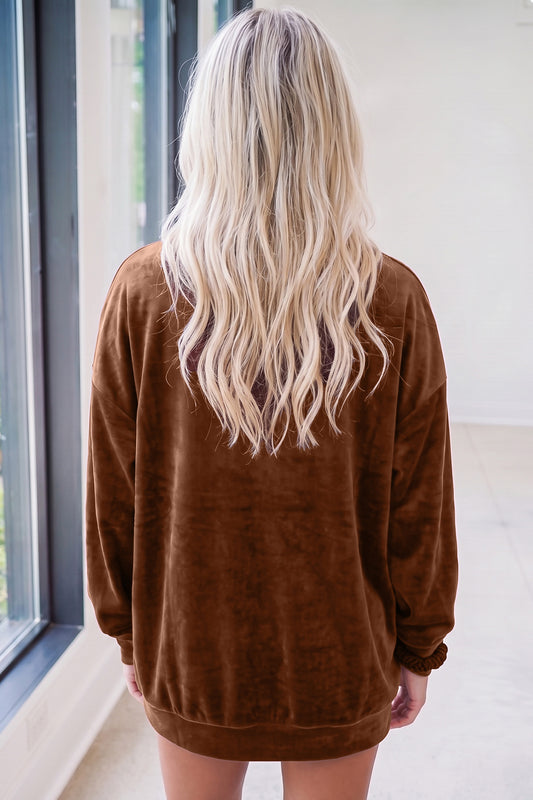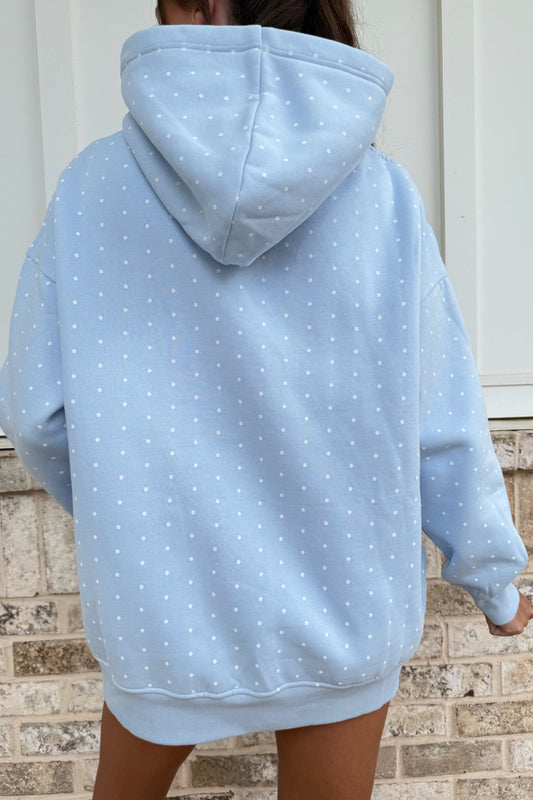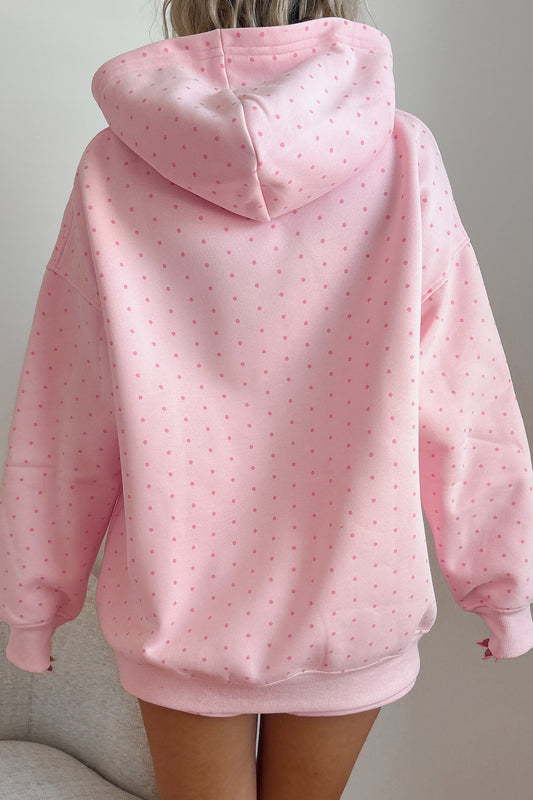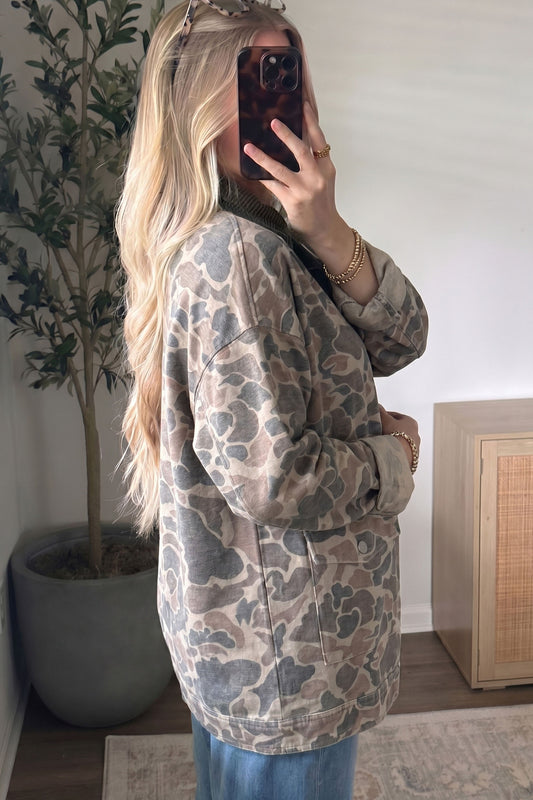
The 10-Item Closet Challenge Can You Do It

The 10-Item Closet Challenge: Can You Do It?

What if getting dressed became easier, cheaper, and more stylish at the same time? The 10x10 challenge is a minimalist wardrobe experiment that encourages you to wear just 10 clothing items for 10 days while creating fresh, wearable outfits from a smaller selection. It’s part wardrobe declutter, part creativity test, and part mindset shift. From reducing fashion overconsumption to building a more intentional wardrobe, this challenge helps you discover how versatile your closet really is. Whether you’re curious about capsule wardrobes, sustainable fashion, or simply want fewer decisions every morning, this minimalist fashion challenge might completely change the way you shop, dress, and think about style.
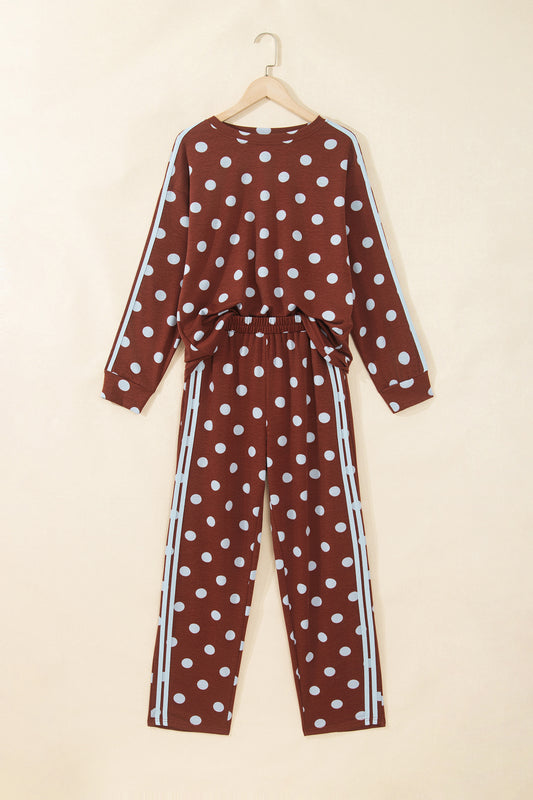
The 10-Item Closet Challenge: Can You Do It?

Modern wardrobes are overflowing, yet somehow most people still stand in front of their closet saying the same thing:

“I have nothing to wear.”

That frustration is exactly why the 10x10 challenge exploded in popularity among fans of wardrobe minimalism, sustainable fashion, and intentional dressing. Instead of constantly buying more clothes, the challenge asks a surprisingly simple question:
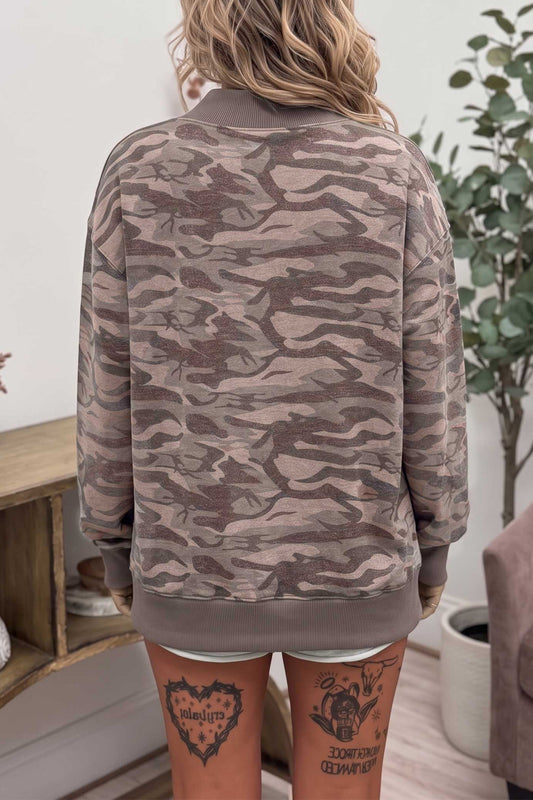
Could you create stylish everyday outfits using only 10 items?

At first, it sounds impossible. But once you understand the psychology behind a capsule wardrobe, it starts making perfect sense.

The goal is not deprivation. It’s clarity.

A carefully curated wardrobe filled with versatile pieces often works better than a cluttered closet packed with impulse purchases, trend-driven items, and clothes you rarely touch.

What Is a 10x10 Wardrobe Challenge?

The concept is simple:

  • Choose 10 clothing items
  • Wear only those pieces for 10 days
  • Create different outfit combinations throughout the challenge

Accessories, workout clothes, underwear, and sleepwear are usually excluded, although every version of the challenge has slightly different rules.

This minimalist closet challenge encourages:

  • Outfit remixing
  • Wardrobe coordination
  • Intentional shopping
  • Creativity with fewer clothes
  • Reduced decision fatigue

It’s essentially a crash course in building a versatile wardrobe.

Unlike extreme minimalist trends, the 10 clothing items challenge is temporary and approachable. You’re not throwing away your closet. You’re learning how much you actually need.

And for many people, the answer is “far less than expected.”

Why the Capsule Wardrobe Movement Keeps Growing

The rise of the capsule closet reflects a bigger cultural shift toward mindful consumption and simplified living.

People are becoming increasingly aware of:

  • Fashion overconsumption
  • Closet overwhelm
  • Fast fashion waste
  • Impulse shopping habits
  • The mental exhaustion of too many choices

A minimalist wardrobe offers the opposite experience.

Instead of chaotic shopping cycles and overflowing drawers, you create a system built around:

  • Closet essentials
  • Neutral wardrobe foundations
  • Timeless basics
  • Mix and match outfits
  • Practical layering pieces

The result is a wardrobe that feels calmer, smarter, and easier to manage.

For many people, the challenge becomes the starting point for a complete wardrobe reset.

Why Fewer Clothes Can Actually Create More Outfits

It sounds backward, but having fewer pieces often increases wardrobe versatility.

When your clothing works together cohesively, getting dressed becomes faster and more creative.

Think about it this way:

A closet filled with random statement pieces limits your combinations.

A curated wardrobe filled with adaptable staples multiplies them.

For example, a simple pair of black trousers from a thoughtfully chosen collection of bottoms can be styled casually, professionally, or minimally depending on what you pair them with.

The same applies to elevated basics from a collection of versatile tops that can transition across multiple outfits effortlessly.

This is the core philosophy behind wardrobe planning:

Buy fewer pieces, but make every piece work harder.

The Hidden Psychology Behind Outfit Repeating

One of the biggest barriers people face during a wardrobe challenge is the fear of repeating outfits.

But interestingly, most stylish dressers repeat clothing constantly.

They simply style it differently.

Fashion minimalism isn’t about wearing identical looks every day. It’s about creating new combinations from dependable foundations.

That shift changes how you see your wardrobe entirely.

Instead of asking:

  • “What new thing should I buy?”

You start asking:

  • “How many ways can I wear what I already own?”

That mindset is closely connected to:

  • Conscious consumerism
  • Low buy fashion
  • Sustainable wardrobe habits
  • Anti-fast fashion thinking
  • Mindful wardrobe building

Over time, many participants discover they become more confident in their personal style because they stop chasing constant novelty.

How to Build a Capsule Wardrobe for the Challenge

If you’re wondering how to do a 10x10 challenge successfully, the key is balance.

Your pieces should feel cohesive without becoming boring.

A strong beginner capsule wardrobe often includes:

Recommended Clothing Categories

  1. Neutral tops
  2. Comfortable bottoms
  3. A layering piece
  4. One elevated outfit option
  5. Versatile outerwear
  6. Shoes that work across multiple looks

Outerwear especially becomes important because it can dramatically change the appearance of repeat outfits. A structured jacket or oversized layer from a modern outerwear collection instantly creates new outfit formulas without adding clutter.

Likewise, simple minimalist dresses from a curated selection of dresses can function as standalone outfits or layered pieces during the challenge.

The Real Goal Isn’t Minimalism

This surprises many first-time participants.

The challenge is not really about surviving with fewer clothes.

It’s about discovering:

  • What you genuinely wear
  • What fits your lifestyle
  • Which pieces feel timeless
  • Which purchases were unnecessary
  • How your shopping habits affect your closet

That awareness can completely transform your relationship with fashion.

For some people, the 10 items 10 days experiment leads to a permanent minimalist lifestyle. For others, it simply creates healthier wardrobe management habits and more intentional fashion choices.

Either way, the challenge forces you to slow down and rethink what style actually means.

And in a world built around constant consumption, that’s a surprisingly powerful thing.

Common Mistakes People Make During the 10x10 Challenge

The biggest mistake beginners make is choosing pieces they wish they wore instead of what they actually wear.

A successful capsule wardrobe should reflect your real lifestyle — not an aspirational Pinterest version of it.

For example:

  • If you work remotely, prioritize comfort and layering.
  • If you commute daily, versatility and practicality matter more.
  • If you live in unpredictable weather, adaptable outerwear becomes essential.

Another common mistake is choosing clothing that doesn’t coordinate.

The challenge works best when your wardrobe has:

  • Complementary colors
  • Interchangeable basics
  • Consistent silhouettes
  • Functional layering options

This is why neutral wardrobe palettes are so effective. They reduce friction and maximize outfit combinations naturally.

The Connection Between Minimalist Fashion and Sustainability

One reason the 10-item closet challenge resonates so strongly today is because people are becoming more aware of fashion waste.

Fast fashion encourages:

  • Constant consumption
  • Trend chasing
  • Disposable clothing habits
  • Low-quality purchases
  • Overstuffed closets

A sustainable wardrobe pushes back against that cycle.

Instead of buying more, the focus shifts toward:

  • Quality over quantity
  • Thoughtful purchasing
  • Repeat outfit confidence
  • Long-lasting wardrobe essentials
  • Conscious wardrobe building

The average person often wears a small percentage of their closet regularly anyway. The challenge simply exposes that reality.

Many participants report that after completing the challenge, they shop less impulsively because they finally understand what they truly need.

How the Challenge Helps Reduce Decision Fatigue

One underrated benefit of wardrobe minimalism is mental clarity.

Every unnecessary decision drains cognitive energy throughout the day. When your closet is overcrowded, getting dressed becomes surprisingly stressful.

A simplified wardrobe reduces:

  • Morning overwhelm
  • Outfit anxiety
  • Closet clutter
  • Fashion indecision
  • Time spent changing outfits

This concept is often called decision fatigue wardrobe management.

When every piece coordinates naturally, dressing becomes automatic.

That’s why many entrepreneurs, creatives, and busy professionals adopt some version of a personal uniform or capsule wardrobe system.

Less time spent choosing clothes means more energy for everything else.

What You Learn After 10 Days

By the end of the challenge, most people discover several surprising things:

1. Nobody Notices Outfit Repeating

People are far less aware of your wardrobe rotation than you think.

2. You Need Less Than You Own

A small collection of versatile pieces often covers most daily situations.

3. Shopping Habits Become More Intentional

You begin evaluating purchases based on versatility rather than impulse.

4. Your Personal Style Becomes Clearer

Without endless clutter, your preferences become obvious.

5. Getting Dressed Feels Easier

A streamlined closet removes unnecessary stress.

These realizations explain why so many people transition from a temporary wardrobe challenge into a long-term capsule wardrobe lifestyle.

The Rise of the “Underconsumption Core” Movement

The popularity of wardrobe challenges also connects to a larger trend known as underconsumption core.

Unlike traditional influencer culture that promotes endless hauls and constant newness, this movement celebrates:

  • Rewearing clothing
  • Repairing items
  • Buying less
  • Styling creatively
  • Appreciating simplicity

The 10x10 challenge fits perfectly within that mindset.

It encourages people to stop viewing fashion as disposable and start treating clothing as functional, adaptable, and personal.

For many, it becomes less about minimalism and more about freedom from overconsumption.

Tips for Successfully Completing the Challenge

If you want to make the experience easier, keep these strategies in mind:

Choose Versatile Pieces

Focus on clothing that layers well and works across multiple settings.

Prioritize Comfort

If you don’t feel comfortable, you won’t stick with the challenge.

Stick to a Cohesive Color Palette

Neutrals and complementary shades create more outfit combinations.

Use Accessories Strategically

Even simple accessories can completely change the feel of repeat outfits.

Avoid “Fantasy Self” Clothing

Choose pieces based on your real routine and daily habits.

Document Your Outfits

Taking photos helps you recognize how many combinations are actually possible.

Is the 10-Item Closet Challenge Worth Trying?

Absolutely — especially if you feel overwhelmed by your wardrobe, frustrated by shopping habits, or stuck in repetitive style cycles.

The challenge isn’t about restriction.

It’s about awareness.

It teaches you how to:

  • Shop more intentionally
  • Build a versatile wardrobe
  • Reduce closet clutter
  • Create more outfits with fewer clothes
  • Develop sustainable fashion habits
  • Strengthen your personal style

And perhaps most importantly, it proves something most people never realize:

Style has far more to do with creativity and confidence than the number of clothes you own.

In a culture constantly pushing more consumption, learning how to wear less — better — can feel surprisingly empowering.

That’s what makes the 10x10 challenge more than just a fashion trend.

It’s a mindset shift.

How to Transition From a Challenge to a Permanent Capsule Wardrobe

For many people, the 10-item closet challenge starts as a temporary experiment but evolves into a completely different way of approaching fashion.

Once you realize how little you actually need, it becomes difficult to return to chaotic shopping habits and overcrowded closets.

The next natural step is building a long-term capsule wardrobe system.

This doesn’t mean owning only 10 items forever.

Instead, it means creating a wardrobe where:

  • Every piece serves a purpose
  • Most items work together
  • Shopping becomes intentional
  • Getting dressed feels effortless
  • Your clothing reflects your actual lifestyle

A successful capsule closet prioritizes functionality without sacrificing personal style.

How Many Clothes Do You Really Need?

This is one of the biggest questions people ask after completing the challenge.

The answer varies depending on:

  • Climate
  • Career
  • Lifestyle
  • Personal preferences
  • Laundry frequency
  • Social activities

But the challenge reveals something important:

Most people need far fewer clothes than they currently own.

The average closet contains:

  • Duplicate items
  • Impulse purchases
  • Trend-based clothing
  • Poorly fitting pieces
  • “Just in case” outfits
  • Items rarely worn

Once you identify your true wardrobe essentials, unnecessary clutter becomes much easier to eliminate.

This process is often called wardrobe editing — intentionally refining your closet to support your real life instead of fantasy scenarios.

Why Minimalist Wardrobes Often Look More Stylish

Ironically, simplified wardrobes frequently appear more elevated and cohesive than oversized closets.

Why?

Because curated wardrobes create consistency.

When your clothing shares similar:

  • tones
  • silhouettes
  • fabrics
  • layering structures
  • style direction

…your outfits naturally look more polished.

This is why many minimalist fashion enthusiasts embrace:

  • timeless basics
  • neutral color palettes
  • quality fabrics
  • versatile outerwear
  • clean lines
  • repeatable outfit formulas

A smaller wardrobe often creates stronger personal style because it removes visual noise and random trend pieces.

The Financial Benefits of a Low-Buy Wardrobe

One overlooked advantage of wardrobe minimalism is how dramatically it can reduce unnecessary spending.

The challenge exposes how often shopping is driven by:

  • boredom
  • emotional spending
  • trend pressure
  • social media influence
  • impulse buying
  • fast fashion marketing

After practicing outfit repeating and intentional dressing, many participants adopt a low buy fashion mindset.

That means:

  • purchasing less frequently
  • buying higher quality pieces
  • investing in versatility
  • avoiding duplicate items
  • reducing trend-based spending

Over time, this can save hundreds — sometimes thousands — of pounds or dollars each year.

Instead of chasing endless newness, you begin building a wardrobe that lasts.

Creating a Wardrobe That Matches Your Real Life

One reason people struggle with closet overwhelm is because their clothing often represents multiple conflicting identities.

For example:

  • professional self
  • gym self
  • fantasy vacation self
  • trend-following self
  • “someday” self

The 10x10 challenge strips away those layers temporarily and forces clarity.

You quickly discover:

  • what you actually enjoy wearing
  • which fabrics feel best
  • what silhouettes flatter you
  • what pieces remain unworn
  • which outfits feel authentic

That insight is incredibly valuable.

Instead of copying trends, you start developing a wardrobe based on genuine personal style.

How Social Media Changed the Way We View Outfit Repeating

Historically, repeating outfits was completely normal.

Today, social media often creates unrealistic expectations around constant novelty.

Fashion content encourages endless consumption through:

  • daily hauls
  • microtrends
  • affiliate shopping
  • fast fashion cycles
  • “never repeat” outfit culture

The problem is that this creates unsustainable expectations financially, mentally, and environmentally.

The repeat outfit challenge pushes back against that mindset.

It normalizes:

  • rewearing clothing
  • creative styling
  • wardrobe sustainability
  • intentional shopping
  • practical fashion

Interestingly, many of the most stylish people consistently repeat their favorite staples — they simply accessorize and layer them differently.

That’s the foundation of true wardrobe versatility.

Signs Your Closet May Need Simplifying

If you’re considering trying the challenge, these signs usually indicate closet overload:

  • You wear the same few outfits repeatedly
  • Your wardrobe feels stressful instead of inspiring
  • You buy clothes but still feel dissatisfied
  • You struggle to create outfit combinations
  • Your closet is overflowing but feels incomplete
  • You frequently impulse shop
  • Getting dressed takes too long
  • You own many items with tags still attached

These are often symptoms of disorganized wardrobe planning rather than a lack of clothing.

A simplified wardrobe can dramatically reduce that friction.

The Difference Between Minimalism and Deprivation

A common misconception is that wardrobe minimalism means restriction.

In reality, the goal is optimization.

Minimalist fashion is not about:

  • punishing yourself
  • eliminating personality
  • dressing identically every day
  • owning the fewest items possible

Instead, it’s about:

  • intentional fashion choices
  • maximizing versatility
  • reducing clutter
  • improving functionality
  • simplifying daily life

The best capsule wardrobes still reflect individuality.

They simply remove excess that no longer serves a purpose.

Final Thoughts: Could You Actually Do It?

At first glance, the 10-item closet challenge sounds intimidating.

But once you experience the freedom of fewer decisions, a streamlined closet, and more intentional dressing, the idea becomes surprisingly appealing.

You may discover that:

  • style doesn’t require endless options
  • confidence matters more than quantity
  • versatility beats excess
  • repeating outfits is completely normal
  • thoughtful wardrobes outperform cluttered ones

Most importantly, the challenge forces you to rethink the relationship between fashion and consumption.

Not every item in your closet needs to be replaced.

Not every trend needs to be followed.

And not every shopping urge needs to become a purchase.

Sometimes, the most transformative style upgrade isn’t buying more clothes.

It’s finally learning how to fully use the ones you already own.

Frequently Asked Questions About the 10-Item Closet Challenge

1. Can you repeat the same outfit during the 10x10 challenge?

Yes — outfit repeating is completely allowed and expected. The goal of the challenge is to explore wardrobe versatility, not create 10 entirely unique looks. Most participants mix and match the same pieces in different ways throughout the challenge.

2. Do shoes count as part of the 10 items?

This depends on the rules you choose to follow. Some versions of the challenge include shoes within the 10 items, while others exclude them. Most beginners find the challenge more manageable by allowing 1–2 pairs of shoes outside the item count.

3. Can accessories be included in a capsule wardrobe challenge?

Accessories are usually excluded from the challenge because they help create outfit variety without adding major wardrobe bulk. Scarves, jewelry, belts, and handbags can dramatically change the look of repeat outfits.

4. Is the 10-item closet challenge realistic for work or professional settings?

Absolutely. In fact, many professionals find capsule wardrobes especially useful because they simplify daily outfit decisions. Choosing neutral wardrobe essentials and versatile layering pieces makes it easier to create polished workwear combinations with fewer clothes.

5. What colors work best for a minimalist capsule wardrobe?

Neutral colors tend to work best because they naturally coordinate with one another. Common capsule wardrobe colors include:

  • black
  • white
  • beige
  • navy
  • gray
  • olive
  • cream

However, adding one or two accent colors can help reflect your personal style without reducing versatility.

6. Can the challenge help stop impulse shopping?

Yes. One of the biggest benefits of the challenge is increased awareness around shopping habits. Many people realize they already own enough clothing and begin focusing more on intentional shopping rather than emotional or trend-based purchases.

7. Is the 10x10 challenge only for minimalists?

Not at all. You do not need to become a minimalist to benefit from the challenge. Many people use it simply to:

  • reduce closet clutter
  • simplify getting dressed
  • save money
  • improve outfit coordination
  • better understand their personal style

The challenge works for anyone interested in more mindful wardrobe management.

8. What happens if you get bored during the challenge?

Boredom usually signals that your wardrobe lacks versatility rather than quantity. Experimenting with layering, accessories, shoe changes, and outfit combinations often solves this quickly. Many participants become more creative dressers by the end of the challenge.

9. Can you do the 10-item challenge seasonally?

Yes — seasonal capsule wardrobes are extremely popular. Many people create separate minimalist wardrobes for:

  • spring
  • summer
  • autumn
  • winter
  • travel
  • workwear

This approach allows your wardrobe to stay functional while adapting to changing weather and lifestyle needs.

10. How often should you refresh a capsule wardrobe?

Most capsule wardrobes evolve gradually rather than changing completely. Instead of replacing everything every season, many people update their wardrobe only when:

  • an item wears out
  • their lifestyle changes
  • their sizing changes
  • a piece no longer feels functional
  • they discover gaps in versatility

The goal is long-term intentionality rather than constant shopping.

Retour au blog
{ "@context": "https://schema.org", "@type": "FAQPage", "mainEntity": [ { "@type": "Question", "name": "Can you repeat the same outfit during the 10x10 challenge?", "acceptedAnswer": { "@type": "Answer", "text": "Yes — outfit repeating is completely allowed and expected. The goal of the challenge is to explore wardrobe versatility, not create 10 entirely unique looks. Most participants mix and match the same pieces in different ways throughout the challenge." } }, { "@type": "Question", "name": "Do shoes count as part of the 10 items?", "acceptedAnswer": { "@type": "Answer", "text": "This depends on the rules you choose to follow. Some versions of the challenge include shoes within the 10 items, while others exclude them. Most beginners find the challenge more manageable by allowing one or two pairs of shoes outside the item count." } }, { "@type": "Question", "name": "Can accessories be included in a capsule wardrobe challenge?", "acceptedAnswer": { "@type": "Answer", "text": "Accessories are usually excluded from the challenge because they help create outfit variety without adding major wardrobe bulk. Scarves, jewelry, belts, and handbags can dramatically change the look of repeat outfits." } }, { "@type": "Question", "name": "Is the 10-item closet challenge realistic for work or professional settings?", "acceptedAnswer": { "@type": "Answer", "text": "Absolutely. Many professionals find capsule wardrobes especially useful because they simplify daily outfit decisions. Choosing neutral wardrobe essentials and versatile layering pieces makes it easier to create polished workwear combinations with fewer clothes." } }, { "@type": "Question", "name": "What colors work best for a minimalist capsule wardrobe?", "acceptedAnswer": { "@type": "Answer", "text": "Neutral colors tend to work best because they naturally coordinate with one another. Common capsule wardrobe colors include black, white, beige, navy, gray, olive, and cream. Adding one or two accent colors can also help reflect personal style without reducing versatility." } }, { "@type": "Question", "name": "Can the challenge help stop impulse shopping?", "acceptedAnswer": { "@type": "Answer", "text": "Yes. One of the biggest benefits of the challenge is increased awareness around shopping habits. Many people realize they already own enough clothing and begin focusing more on intentional shopping rather than emotional or trend-based purchases." } }, { "@type": "Question", "name": "Is the 10x10 challenge only for minimalists?", "acceptedAnswer": { "@type": "Answer", "text": "No. You do not need to become a minimalist to benefit from the challenge. Many people use it to reduce closet clutter, simplify getting dressed, save money, improve outfit coordination, and better understand their personal style." } }, { "@type": "Question", "name": "What happens if you get bored during the challenge?", "acceptedAnswer": { "@type": "Answer", "text": "Boredom usually signals that your wardrobe lacks versatility rather than quantity. Experimenting with layering, accessories, shoe changes, and outfit combinations often solves this quickly. Many participants become more creative dressers by the end of the challenge." } }, { "@type": "Question", "name": "Can you do the 10-item challenge seasonally?", "acceptedAnswer": { "@type": "Answer", "text": "Yes — seasonal capsule wardrobes are extremely popular. Many people create separate minimalist wardrobes for spring, summer, autumn, winter, travel, and workwear to keep their closet functional throughout the year." } }, { "@type": "Question", "name": "How often should you refresh a capsule wardrobe?", "acceptedAnswer": { "@type": "Answer", "text": "Most capsule wardrobes evolve gradually rather than changing completely. Many people only update their wardrobe when an item wears out, their lifestyle changes, their sizing changes, or they discover gaps in versatility. The goal is long-term intentionality rather than constant shopping." } } ] }