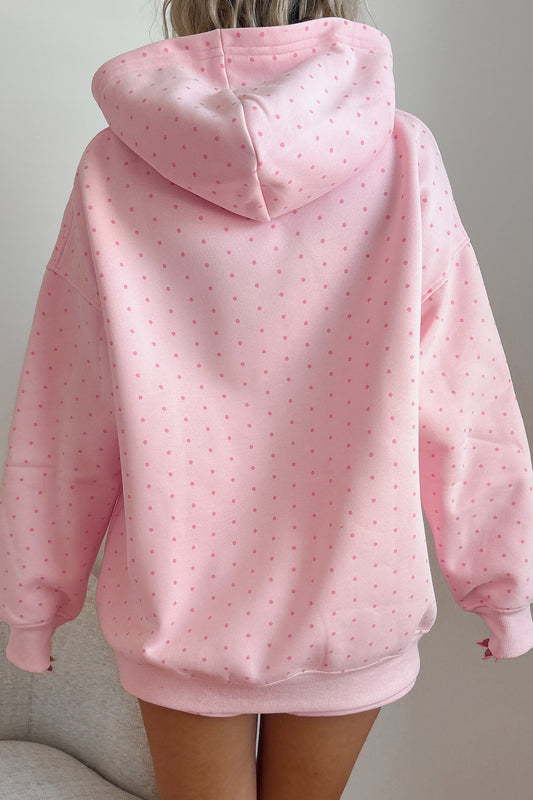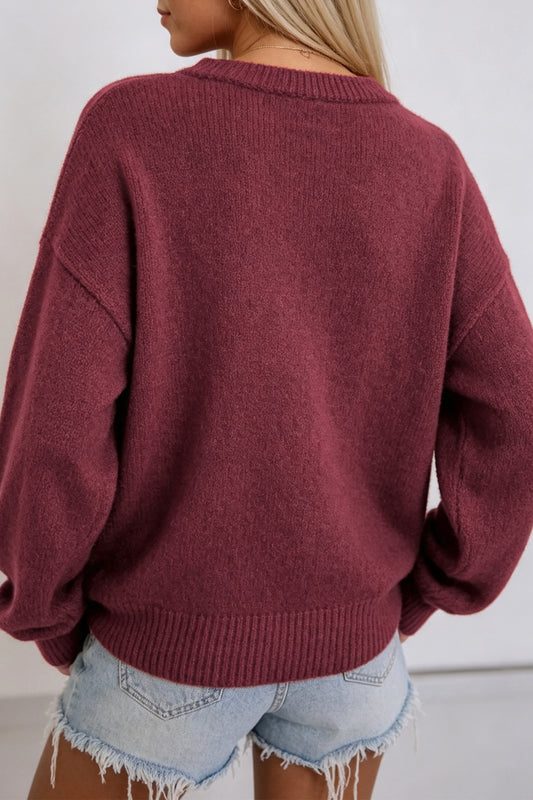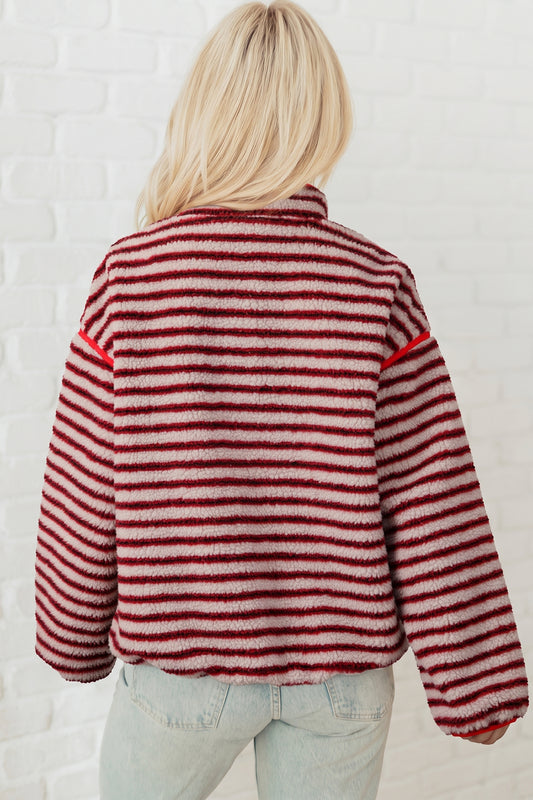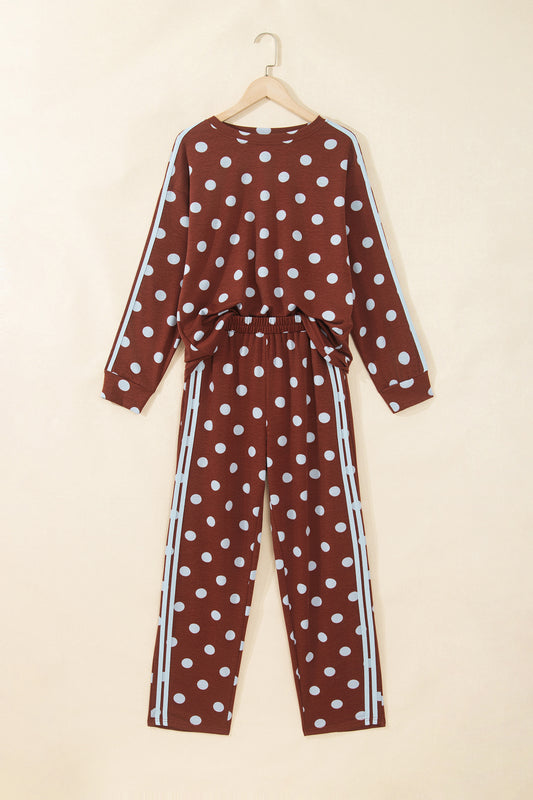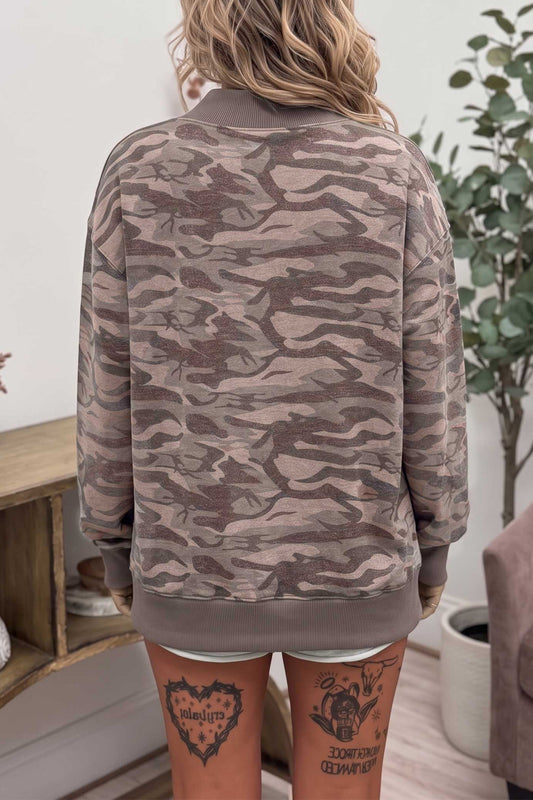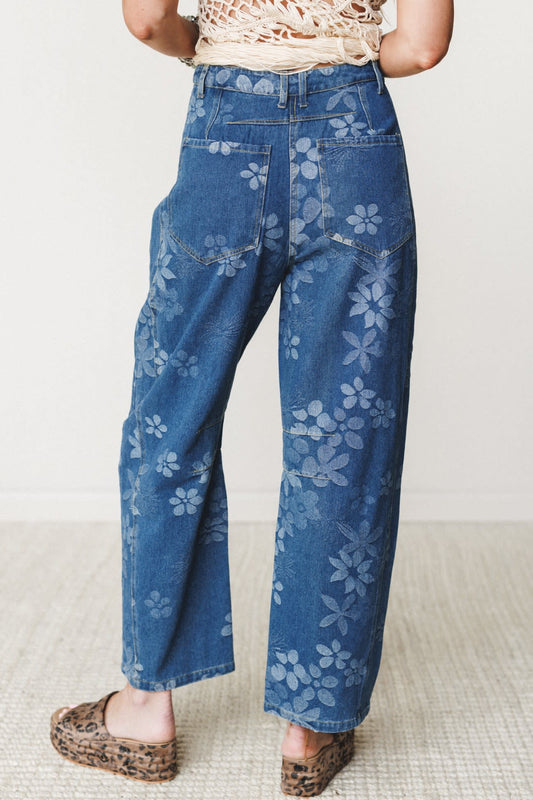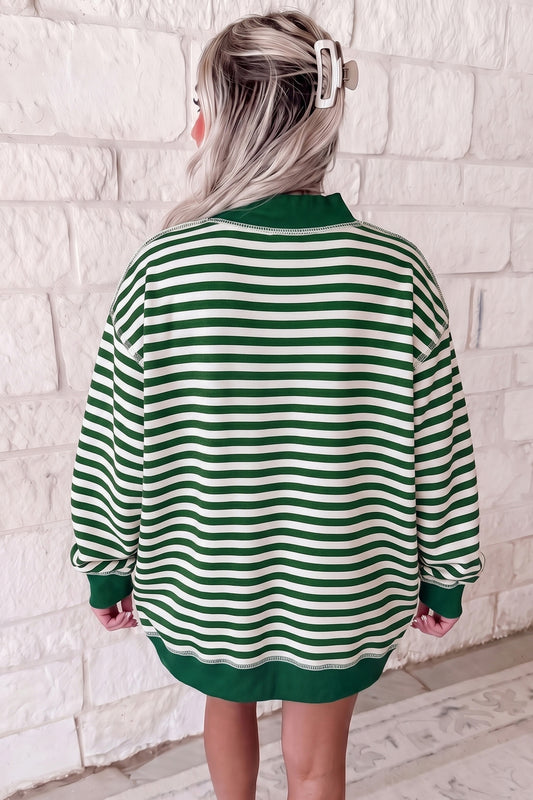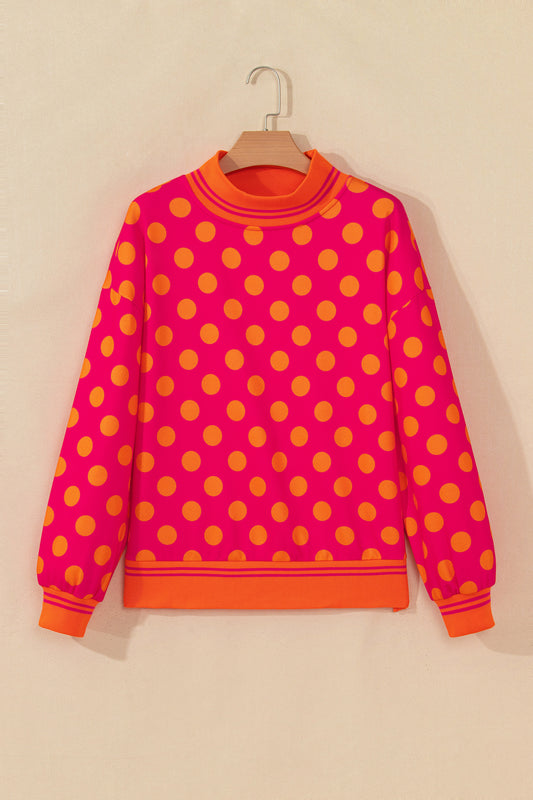

The Back-to-Campus Capsule for College Women in 2026
Starting college—or simply starting a new semester—doesn't require an entirely new wardrobe. A smart college capsule wardrobe for 2026 is smaller, more versatile and much easier to live with: dependable tops, interchangeable bottoms, a dress or two, practical layers, comfortable shoes and a bag that can survive everything from an early lecture to an afternoon in the library.
The goal is maximum outfits from fewer clothes. Build around a cohesive color palette, prioritize pieces you genuinely enjoy rewearing, and choose clothes that can move between classes, coffee runs, presentations, weekends and nights out. For most students, that means:
- A small foundation of neutral, versatile basics
- Tops and bottoms that create multiple outfit combinations
- Comfortable denim and trousers for everyday campus wear
- Light layers for cool mornings and chilly lecture halls
- One or two dresses that can be dressed up or down
- Comfortable shoes made for walking across campus
- A practical everyday bag
- A few trend-led pieces that make the wardrobe feel like you
- Quality over quantity wherever the student budget allows
- Enough variety to avoid "nothing to wear" mornings without filling a tiny dorm closet
The capsule rule worth remembering: don't ask whether you love a piece by itself. Ask how many different ways you can wear it with what you already own.
That simple shift turns back-to-school shopping from a spree into a strategy.
Why a College Capsule Wardrobe Makes So Much Sense in 2026
College wardrobes have a peculiar job description.
At 8:00 a.m., your clothes need to handle a lecture and a long walk across campus. By noon, you could be in the library or meeting friends. Later there might be a club meeting, dinner, a presentation, an internship event or an impromptu night out.
And then there's the weather.
September can still feel like summer outside while a heavily air-conditioned classroom feels several seasons ahead. A few weeks later, you're dealing with cold mornings, rain and the realization that the jacket you left at home would have been useful after all.
A functional campus wardrobe has to bend without breaking.
That's why the capsule approach works so well. Rather than collecting isolated college outfit ideas, you're creating a system of coordinating pieces. Your tops work with several bottoms. Your layers work over those tops and your dresses. Your shoes aren't restricted to one look. Colors talk to one another instead of competing for attention.
The result is a mix-and-match wardrobe where a relatively small number of pieces can generate a surprisingly large outfit rotation.
And when dorm closet space is precious, that matters.
Less Closet, More Wardrobe
A small wardrobe and a limited wardrobe aren't necessarily the same thing.
A closet can be packed and still feel strangely useless. Ten highly specific pieces that don't coordinate may produce fewer wearable combinations than five thoughtfully chosen wardrobe staples.
Think in terms of interchangeable outfits.
If one top works with four bottoms, underneath two layers and with multiple pairs of shoes, it earns its space. If another piece only works with one very particular outfit, it has to work much harder to justify coming to campus.
This is also where cost per wear becomes useful. The affordable item you wear once isn't always the bargain it appeared to be. A quality basic that becomes part of 30 outfits may ultimately offer much better value.
For students trying to build a college wardrobe on a budget, versatility is purchasing power.
The 2026 Mood: Polished, Relaxed and Actually Wearable
Campus fashion in 2026 isn't about everyone wearing the same uniform. In fact, some of the most useful trends pull in opposite directions.
There's quiet luxury and elevated basics on one side; relaxed fits, vintage influences, athleisure and oversized silhouettes on another. Preppy layering can coexist with sporty pieces. A polished trouser can sit beside slouchier denim. Minimalist neutrals can be interrupted by one great statement piece.
That's good news for a capsule.
The most useful interpretation of college outfits 2026 isn't "buy every trend." It's to take the parts that improve your existing wardrobe.
A relaxed blazer can make a tee and jeans look intentional. Wide-leg denim can update the proportions of familiar basics. A knit can bring texture to a neutral outfit. Retro sneakers can make tailored trousers feel less formal.
The common thread is effortless style: clothes that look considered without requiring 25 minutes of negotiation with your closet every morning.
Quiet Luxury Without the Luxury Budget
For campus purposes, quiet luxury is less about labels and more about visual restraint.
Think:
- clean silhouettes
- simple shapes
- restrained details
- quality-looking fabrics
- cohesive colors
- pieces that don't immediately date themselves
- thoughtful fit
That makes quiet luxury on a budget surprisingly compatible with a capsule wardrobe.
Cream, grey, navy, white, tan, olive, black, camel and chocolate brown can form an adaptable neutral color palette. You certainly don't have to dress entirely in neutrals, but choosing a foundation of colors that cooperate makes outfit planning considerably easier.
Then add personality.
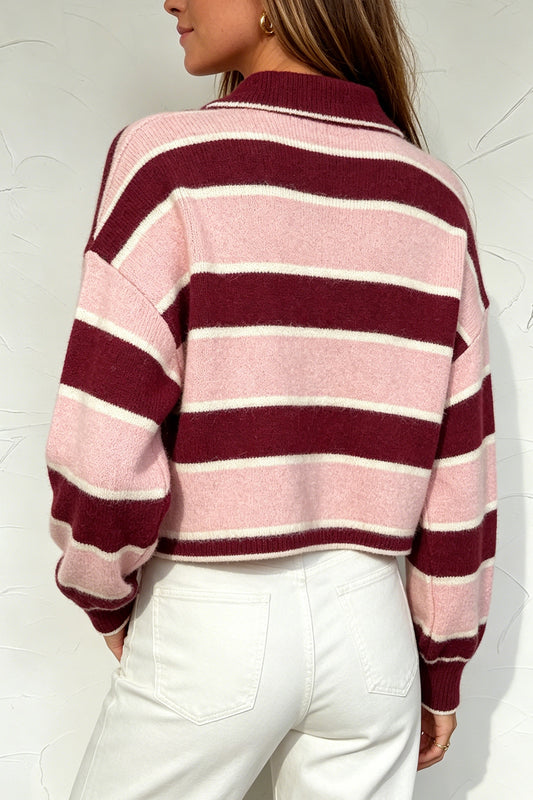
A striped knit. A rich accent color. A vintage-inspired jacket. A graphic tee. Interesting jewelry. A bag with character.
A capsule should simplify your personal style, not erase it.
Start With the Bottom Half
If you're unsure where to begin a back-to-college wardrobe, don't begin with the exciting pieces. Begin with the clothes that have to do the most work.
For many students, that's the bottoms.
Three or four well-chosen options can anchor a huge portion of the semester's outfits.
1. The Everyday Jean
Straight-leg jeans remain a useful capsule choice because they sit comfortably between skinny and dramatically oversized silhouettes. Dark-wash denim can look a little sharper; washed denim feels more relaxed.
If wide-leg jeans suit your personal style better, use those instead.
The exact cut matters less than the role: you need denim that is comfortable enough for long class days, easy to style repeatedly and compatible with most of your tops and shoes.
A basic outfit formula might be:
Jeans + fitted tee + cardigan + sneakers
Change the cardigan for an oversized blazer and the sneakers for loafers, and the same foundation becomes considerably more polished.
That's capsule dressing doing its job.
2. The Relaxed Trouser
A pair of relaxed-fit or tailored trousers gives the wardrobe somewhere to go when denim feels too casual.
Black trousers are particularly flexible, although navy, grey, chocolate or another neutral can work just as well within a cohesive color palette.
Pair them with a white tee and sneakers for class. Add a knit top or button-down shirt for something smarter. Introduce a blazer and loafers and you've suddenly got the bones of a presentation outfit, career fair outfit or business-casual look without maintaining a separate "professional" wardrobe.
That crossover is important.
College clothes shouldn't live in isolated categories if you can avoid it. The best pieces move from casual to polished with a few changes.
3. The Relaxed Alternative
Not every day calls for tailoring.
Depending on your style and campus life, the third slot might belong to joggers, leggings, cargo pants, a mini skirt, palazzo pants or another comfortable silhouette.
This is where athleisure earns a legitimate place in a capsule rather than becoming an afterthought.
The test is still versatility. Can you style the piece beyond one dorm-to-class outfit? Can it work with your everyday tops? Does it make sense with at least two pairs of shoes?
If yes, it belongs in the conversation.
Build a Top Rotation That Doesn't Feel Repetitive
The secret to getting more from fewer clothes is not owning seven versions of the same shirt.
It's choosing quality basics with different jobs.
A useful starting rotation could include a white tee, a fitted or neutral tee, a button-down shirt, a knit top and one more expressive option—perhaps a graphic tee, striped top or another piece that reflects your personal style.
The plain tee is deceptively important. It can sit under an overshirt, cardigan, denim jacket or blazer. It can be tucked into tailored trousers, paired casually with jeans or used to quiet down a more distinctive bottom.
The button-down plays a different role. Wear it buttoned, half-tucked, open over a tank top or layered underneath knitwear. An oversized shirt can even work as a lightweight outer layer during those awkward weeks when mornings are cool and afternoons are warm.
This is why wardrobe essentials don't have to mean boring clothes.
They are simply the pieces that connect everything else.
The One-and-Done Advantage of Dresses
A good capsule needs separates, but there's a persuasive argument for keeping one or two dresses in the rotation.
A dress solves the outfit equation in one move.
For ordinary campus days, a casual or maxi dress can work with sneakers and a denim jacket. Add a cardigan when temperatures drop. Change the shoes and accessories and the same piece can move toward dinner, a college event or a night out.
That makes a versatile day-to-night dress particularly valuable when closet space is tight.
It also provides visual relief from repeated jeans-and-top combinations. Capsule dressing should reduce outfit decision fatigue; it shouldn't make every Tuesday look exactly like every Thursday.
The strongest choices are dresses that cooperate with the rest of the wardrobe. Before buying one, mentally try it with the jacket, cardigan, shoes and bag already in your capsule.
If the combinations appear immediately, you've probably found a useful repeat-wear piece.
Layering Is the Campus Superpower
If there's one area where a college capsule should be more prepared than an ordinary minimalist wardrobe, it's layering.
Campus temperatures are unpredictable by design. You may walk twenty minutes in late-summer heat only to spend the next ninety minutes under aggressive air conditioning.
Then fall arrives.
Instead of trying to dress perfectly for one temperature, build adjustable outfits around outerwear and layering pieces.
A practical transitional wardrobe might use a cardigan, denim jacket and one slightly smarter layer such as an oversized blazer. Depending on climate, a bomber jacket, lightweight rain jacket, trench or sweater can fill additional roles.
The important part is overlap.
Your cardigan should work with tees, button-downs and dresses. Your denim jacket should make sense with trousers as well as casual outfits. Your blazer shouldn't be reserved exclusively for interviews.
For fall 2026 college outfits, this kind of preppy layering also creates depth without demanding a lot of additional clothes.
Consider the difference:
- White tee + jeans + sneakers
- White tee + jeans + cardigan + sneakers
- White tee + jeans + oversized blazer + loafers
- White tee + tailored trousers + cardigan + sneakers
- White tee + tailored trousers + blazer + loafers
Same basic tee. Five distinct contexts.
That's the arithmetic a successful university capsule wardrobe should be built around.
Shoes Have to Survive the Actual Campus
A capsule wardrobe can look immaculate laid out on a bed. Then you have to walk in it.
Across a large campus, footwear stops being a finishing touch and becomes infrastructure. The best shoes need to work with multiple outfits while remaining comfortable through lectures, library sessions, errands, coffee runs and the trek back to your dorm.
For many students, three footwear roles cover most situations:
- An everyday sneaker for classes, walking and casual outfits.
- A polished flat or loafer for presentations, career fairs and smarter looks.
- A weather-conscious option such as an ankle boot or weatherproof boot when the season and location demand it.
Clean white sneakers remain an obvious capsule candidate because they're remarkably adaptable. They work with straight-leg jeans, wide-leg trousers, casual dresses and athleisure. Retro and platform sneakers can perform much the same job while adding more personality.
Loafers provide the counterweight.
Wear them with tailored trousers and a button-down shirt and you're ready for something professional. Pair them with denim, a tee and cardigan and the mood becomes relaxed, preppy and distinctly campus-friendly.
The point isn't that every college woman needs exactly these three pairs. It's that every pair should have more than one reason to be in the closet.
If a pair of shoes only works with one outfit, ask whether that outfit is important enough to justify the space.
That question becomes particularly useful when deciding what clothes and shoes to bring to college. Dorm storage has a way of making theoretical "maybe I'll wear these" purchases feel very real.
The Campus Bag Is Part of the Outfit—and Part of the Equipment
College bags have an unfair workload.
They need to carry the practical pieces of campus life without making every outfit look as though you're moving apartments between lectures.
A good everyday bag should therefore be chosen with the same logic as the rest of a capsule: versatility, durability and repeat wear.
For some students, that means a structured tote or laptop tote. For others, nothing beats a backpack. A canvas tote can be useful for lighter days, while a crossbody bag makes sense for evenings, weekends and occasions when you don't need to carry half your academic life.
Before choosing one, think less about the product photo and more about Tuesday.
Can it carry what you normally take to class? Is it comfortable enough for commuting to campus? Does it work with your casual outfits as well as your smarter ones? Will the material tolerate frequent use?
And, crucially, does it coordinate with most of the wardrobe?
A neutral campus bag in black, tan, chocolate brown, navy or another color from your capsule palette can quietly connect dozens of outfits.
That is considerably more useful than owning several bags that each work with only a narrow slice of your clothes.
Accessories Are Where a Small Wardrobe Gets Its Personality
Capsule wardrobes sometimes acquire an undeserved reputation for being beige, solemn and devoid of fun.
They don't need to be.
In fact, when the clothing foundation is relatively restrained, accessories have more room to speak.
Simple jewelry—gold studs, hoops, a necklace, bracelets or a favorite ring—can make repeat outfits feel intentional. A belt changes proportions. Sunglasses add polish. A baseball cap pushes an outfit toward sporty-prep. Vintage accessories can introduce character without requiring another bulky garment.
This is also one of the easiest ways to experiment with 2026 campus fashion without rebuilding the wardrobe every time a trend changes.
You could have a very simple foundation:
white tee + straight-leg jeans + sneakers
Then change its personality through styling:
- Add a cardigan, loafers and simple jewelry for preppy layering.
- Add an oversized jacket and retro sneakers for a more relaxed silhouette.
- Add a vintage belt and statement earrings for a thrift-inspired look.
- Add a baseball cap and sporty layer for an athleisure influence.
- Add a structured bag and minimalist jewelry for an elevated, quiet-luxury mood.
The clothes haven't fundamentally changed.
The message has.
That's useful when you're working with a student budget, because personal style doesn't have to depend on constant purchasing.
The Capsule Color Formula
Choosing a cohesive color palette is one of the least glamorous parts of building a capsule—and one of the most effective.
It removes friction.
Imagine pulling three random tops, three random bottoms and two layers from your closet. If most of them coordinate, getting dressed is easy. If every garment belongs to an entirely different color story, outfit combinations disappear quickly.
A straightforward campus palette can be built in three levels:
| Role | Purpose | Examples |
|---|---|---|
| Core neutrals | The colors doing most of the work | Black, navy, grey, cream, white |
| Secondary neutrals | Warmth, variation and depth | Tan, camel, olive, chocolate brown, washed denim |
| Accent colors | Personality and seasonal interest | Burgundy, red, green, blue, pink or whatever genuinely suits you |
You don't need to use those exact colors.
Someone who loves color could build an equally functional capsule around richer shades. The principle is simply to make the colors intentional enough to mix and match.
Try the three-outfit test when considering a new piece:
Can I immediately make three outfits with this using clothes I already own?
If the answer is yes, you're probably adding versatility.
If the answer requires buying a new top, different shoes and a special jacket before the piece becomes wearable, you're not really buying one item. You're creating a shopping list.
Fabric Matters More at College Than It Does on a Mood Board
A beautiful garment that is irritating after two hours isn't a successful piece of everyday campus wear.
Neither is something that requires elaborate care every time you wear it.
College clothes get lived in. You sit in them for long lectures. Walk across campus in them. Carry bags over them. Wear them in unpredictable weather. Wash them repeatedly. Sometimes they spend longer than intended sitting in a laundry basket.
So fabric and garment care deserve a place in your capsule strategy.
Look for breathable fabrics, soft knits, durable clothing, easy-care fabrics and washable pieces where practical. Cotton and lightweight fabrics can be particularly useful during warmer back-to-school weather, while knits and substantial layers become more valuable as fall progresses.
Wrinkle resistance can also be surprisingly useful—especially when dorm life doesn't offer the sort of wardrobe facilities you might have at home.
This doesn't mean every garment must be indestructible.
It means practicality should be considered alongside style.
A college capsule succeeds when the pieces you love aesthetically are also the pieces you reach for repeatedly.
The Outfit Formula Beats the Individual Outfit
Saving hundreds of outfit photos can feel productive.
Learning five outfit formulas is usually more useful.
An outfit formula is simply a repeatable combination of garment types. Instead of recreating one exact look, you use the structure and swap pieces according to weather, mood and occasion.
For example:
Formula 1: The 8 A.M. Lecture
Tee or tank + relaxed jeans + cardigan + sneakers + everyday bag
Comfort comes first, but the cardigan adds enough structure to prevent the outfit from feeling accidental. When the classroom temperature drops, you're prepared.
Formula 2: The Library Day
Knit top + tailored trousers + sneakers + tote
This sits comfortably between casual and polished. It's easy enough for a long study session but still put-together enough for everything surrounding it.
Formula 3: The Presentation
Button-down or simple knit + tailored trousers + oversized blazer + loafers
Here, pieces from the everyday wardrobe become a presentation outfit without requiring an entirely separate collection of professional clothes.
Formula 4: Class to Dinner
Casual dress + sneakers + light layer
After class, change the sneakers or accessories if you want a more polished result. This is the capsule principle of dress up / dress down in its simplest form.
Formula 5: The Weekend
Graphic tee + relaxed denim + sneakers + vintage-inspired accessory
A capsule doesn't have to look formal. Keeping a few expressive pieces in rotation prevents elevated basics from becoming predictable.
Formula 6: The Smart-Casual Campus Event
Neutral tee + trousers + blazer + loafers + simple jewelry
Useful for networking events, student organizations, dinners and situations where the dress code isn't quite formal but your usual lecture outfit feels too relaxed.
Once you understand formulas, repeating clothes becomes much less noticeable.
You're not repeating the same outfit. You're using the same building blocks differently.
Dress for a Week, Not for a Fantasy Semester
One of the easiest ways to overspend on a back-to-school wardrobe is to shop for an imagined version of college life.
The fantasy student attends endless sophisticated dinners, requires twelve immaculate going-out outfits and somehow never spends Sunday afternoon wearing comfortable clothes while catching up on work.
Your real calendar is a better stylist.
Before buying anything, sketch out an ordinary week:
- How many days are you physically on campus?
- How far do you walk?
- Do you commute or live in a dorm?
- How often do you exercise?
- Are presentations common in your course?
- Do you have an internship or campus job?
- What do you actually do socially?
- How frequently can you do laundry?
- What is the climate like during the semester?
Those answers should shape your college wardrobe essentials.
A student walking several miles a day needs comfortable shoes more urgently than another pair reserved for occasional nights out. Someone with frequent presentations may benefit from tailored trousers and a blazer. A student studying in a hot climate needs breathable clothes and lighter layers. A commuter may prioritize a substantial bag and weather protection.
There is no universal 20-piece capsule that magically suits every college woman.
The useful number is the one that suits your actual campus life.
Build for the Temperature Swing
Back-to-school season has an annoying habit of refusing to commit to one season.
Late-summer afternoons can be hot. Early mornings can be cool. Lecture halls may be aggressively air-conditioned. Then autumn arrives and everything changes again.
This is why transitional dressing should be designed into the wardrobe rather than improvised after move-in.
Instead of jumping immediately from summer clothes to heavy fall pieces, create layers that can be added and removed:
Base layer → optional mid-layer → outer layer
For example:
Tank top → button-down shirt → lightweight jacket
or
Tee → cardigan → trench
or simply
Dress → denim jacket
This creates temperature-changing outfits without requiring a separate wardrobe for every weather condition.
For rainy campus days, practicality moves even higher up the list. A lightweight rain jacket, weather-conscious footwear and a bag that doesn't panic at the first drop of water may be worth considerably more than another trend piece.
The same principle applies to warm-weather campus outfits: breathable fabrics, relaxed silhouettes and removable layers usually outperform outfits that look perfect but can't adapt.
The Career-Fair Problem
One of the smartest things a college capsule can do is quietly prepare you for occasions you don't encounter every day.
The career fair is a perfect example.
Buying an entire business-casual wardrobe for a handful of events is expensive and consumes closet space. Instead, make sure a few everyday pieces can become professional when combined correctly.
A capsule might already contain:
- tailored trousers
- a button-down shirt or polished knit
- an oversized-but-tailored blazer
- loafers or another smart shoe
- a structured bag
- understated jewelry
Separately, these are useful wardrobe staples.
Together, they're an interview outfit.
Swap the button-down for a tee and the loafers for sneakers, and the trousers and blazer return to everyday campus style.
That ability to move casual-to-polished is one of the clearest signs that you've chosen versatile clothing rather than merely accumulated clothes.
College Party Outfits Don't Need Their Own Closet
The same reasoning applies at the other end of the dress-code spectrum.
It's easy to overbuy for nights out because occasion pieces feel different and exciting. But buying clothes worn once is precisely how a compact wardrobe becomes crowded.
Instead, keep a small number of pieces capable of becoming college party outfits, dinner outfits and weekend looks through styling.
A day-to-night dress is the obvious example, but it isn't the only one. A fitted top with wide-leg jeans, a mini skirt with a knit, or tailored trousers with a more expressive top can all move beyond daytime campus wear.
Accessories do much of the transformation.
Change the shoes. Swap the everyday tote for a smaller bag. Add statement earrings. Remove the cardigan. Change the proportions.
This doesn't eliminate special-occasion shopping entirely. It simply means "I have somewhere to go" doesn't automatically become "I need a new outfit."
And that distinction is where a capsule starts to save money as well as space.
The Budget Capsule: Spend Where Repetition Happens
A student budget changes the question from "What do I want?" to "Where will my money make the biggest difference?"
Start with frequency.
The pieces worn several times a week—jeans, trousers, basic tops, layers, everyday shoes and bags—usually deserve more attention than highly specific occasion pieces.
That doesn't necessarily mean buying the most expensive option.
It means considering:
price + quality + versatility + expected wears + care
rather than price alone.
A useful shorthand is cost per wear:
Cost per wear = purchase price ÷ number of times worn
A £60 garment worn 60 times effectively costs £1 per wear. A £25 piece worn twice costs £12.50 per wear.
The calculation isn't meant to turn your closet into an accounting department. It simply illustrates why fewer, better pieces can sometimes make sense even when you're trying to create affordable college fashion.
At the same time, don't use "investment piece" as permission to blow the student budget.
A capsule is supposed to reduce overspending, not give it a more sophisticated name.
Secondhand Belongs in the 2026 Capsule Conversation
A capsule wardrobe and sustainable fashion naturally overlap because both encourage more considered consumption.
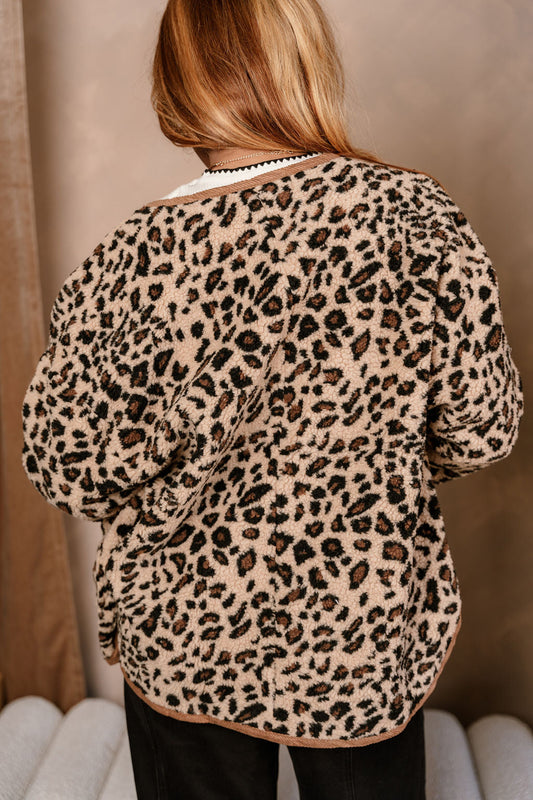
Thrift shopping and resale can be particularly effective for pieces where character is an advantage: denim jackets, leather jackets, oversized blazers, vintage flannels, graphic tees, bags and accessories.
Secondhand clothing also gives you a way to explore vintage style and Y2K influences without making every part of the wardrobe trend-dependent.
The smartest approach is to apply exactly the same standard you would to something new.
Don't buy it simply because it's inexpensive.
Ask:
- Does it fit properly?
- Is it in wearable condition?
- Does it coordinate with the capsule?
- Can I style it at least three ways?
- Would I still want it if it weren't discounted or thrifted?
Sustainable shopping is still shopping. A pile of secondhand clothes you don't wear doesn't solve wardrobe clutter.
The more meaningful goal is wardrobe longevity: buying thoughtfully, caring for what you own and rewearing outfits without treating repetition as a fashion failure.
Because on a real campus, nobody is keeping a spreadsheet of how many times you've worn your favorite jeans.
And if they are, they probably have more urgent things to do.
The Dorm Closet Test: What Actually Deserves to Come With You?
A college move-in wardrobe has one unavoidable constraint: space.
Dorm closets are rarely designed for the contents of your entire bedroom wardrobe. Add shoes, bags, laundry supplies, bedding and everything else competing for storage, and overpacking becomes inconvenient remarkably quickly.
So before move-in day, perform a simple edit.
Lay out the clothes you're considering and divide them into four groups:
- Weekly workhorses — clothes you already wear constantly.
- Useful supporting pieces — layers, smarter clothes and seasonal items.
- Occasion pieces — clothes for parties, interviews, formal events and specific activities.
- "Maybe" clothes — everything you're packing because some hypothetical future version of you might suddenly want it.
That fourth pile deserves scrutiny.
If you haven't worn something recently, can't immediately style it with your capsule or are packing it for an event that may never happen, leaving it at home is probably safe.
A space-saving wardrobe isn't about deprivation. It's about removing redundancy.
Three nearly identical tops aren't necessarily giving you three times the versatility. Six pairs of uncomfortable shoes aren't useful because you technically have options. A huge collection of statement pieces won't help if you're missing the everyday basics that connect them.
When wondering how many clothes to bring to college, think in outfits and laundry cycles rather than arbitrary garment counts.
You need enough to comfortably reach the next wash—not enough to avoid doing laundry until Thanksgiving.
The First-Day-of-College Outfit Shouldn't Try Too Hard
The first day carries more pressure than it deserves.
You want to feel good. You want to look like yourself. You may also be navigating an unfamiliar campus, meeting new people, finding classrooms and spending considerably more time walking than anticipated.
So the ideal first-day-of-college outfit isn't necessarily the most impressive combination in your wardrobe.
It's the one you don't have to think about after putting it on.
Try:
favorite jeans + simple top + light layer + comfortable sneakers + practical bag
Or:
casual dress + denim jacket + sneakers
Or:
relaxed trousers + fitted tee + cardigan + loafers
All three look intentional without requiring constant adjustment.
This is an important capsule principle that extends well beyond day one: confidence often comes from familiarity. Clothes you've already worn, moved in and styled successfully tend to make better high-pressure outfits than something brand new that still needs troubleshooting.
Save experimentation for days when you have time to experiment.
Orientation Week: Let the Capsule Do the Heavy Lifting
Orientation can involve almost every category of campus dressing compressed into a few days.
There are tours, registration sessions, student organization events, dinners, casual social activities and plenty of walking. Temperatures change. Plans change. Dress codes can be vague.
This is precisely where a mix-and-match wardrobe earns its keep.
Rather than planning seven rigid outfits, create several interchangeable foundations:
- Two or three comfortable bottoms
- Four or five tops with different silhouettes
- Two layering pieces
- Two reliable pairs of shoes
- One everyday bag
- One dress or slightly smarter combination
- A small accessory rotation
Then build according to the day.
This creates dozens of possible outfit combinations without requiring dozens of garments.
It also leaves room for reality. If your favorite trousers need washing, you aren't suddenly missing half an outfit. If rain arrives, a layer can change without destroying the entire look. If a casual dinner becomes slightly dressier than expected, a few substitutions can shift the tone.
That's wardrobe flexibility, and it's more valuable than having every outfit planned down to the last earring.
A Seven-Day Campus Capsule in Practice
Theory is useful. A week of actual outfits makes the idea clearer.
Here's how a relatively small group of wardrobe staples could move through seven very different days.
| Day | Campus situation | Outfit formula |
|---|---|---|
| Monday | Early lectures | Straight-leg jeans + white tee + cardigan + sneakers |
| Tuesday | Classes + library | Tailored trousers + knit top + sneakers + tote |
| Wednesday | Presentation | Tailored trousers + button-down + blazer + loafers |
| Thursday | Warm day on campus | Casual dress + sneakers + light jacket |
| Friday | Classes + dinner | Wide-leg jeans + fitted top + blazer + loafers |
| Saturday | Coffee + errands | Relaxed denim + graphic tee + sneakers |
| Sunday | Study session | Comfortable trousers + neutral tee + cardigan |
Notice how little duplication matters.
The jeans repeat. The tailored trousers repeat. The cardigan, blazer and sneakers return. That's not a weakness in the wardrobe; that's the entire point.
A successful outfit rotation is based on rewearing.
The visual difference comes from combinations, proportions, accessories, layering and styling rather than an endless supply of new clothes.
How to Make Repeat Outfits Feel Different
There is no fashion rule stating that college women must provide the campus with 100 percent original programming every morning.
Rewearing outfits is normal.
Still, if repetition begins to feel stale, small styling changes can dramatically alter familiar clothes.
Try changing one variable at a time.
Change the proportions
Tuck in the tee. Leave the button-down open. Push up blazer sleeves. Pair a fitted top with wide-leg trousers instead of straight-leg jeans.
Change the layer
The same base outfit can move from sporty to polished depending on whether you add a cardigan, denim jacket or blazer.
Change the shoes
Sneakers make tailored trousers casual. Loafers sharpen denim. Boots can shift a dress firmly into fall.
Change the accessories
Swap understated everyday jewelry for statement earrings. Add a belt. Change the bag. Introduce a vintage accessory.
Change the color emphasis
If your wardrobe is built around minimalist neutrals, an accent color can become the focal point without interfering with the capsule.
These are tiny adjustments, but they demonstrate why more outfit combinations don't necessarily require more clothes.
Campus Style Should Still Look Like You
There is a danger in capsule-wardrobe advice becoming overly prescriptive.
Buy this white shirt. Own these jeans. Wear these loafers. Choose these neutrals.
But if you hate white shirts and never wear loafers, that isn't your capsule.
A functional wardrobe has to accommodate personal style.
Maybe your version leans heavily into athleisure. Maybe you love oversized silhouettes and streetwear. Perhaps you're drawn to preppy layering, vintage style, quiet luxury, Y2K fashion or romantic dresses.
Use those preferences.
The capsule method is a framework, not an aesthetic.
You could build a sporty capsule around leggings, relaxed trousers, fitted tops, oversized layers and retro sneakers. A vintage-inspired version might use thrifted denim, graphic tees, knitwear and loafers. A more polished wardrobe could rely on tailored trousers, understated tops, structured layers and tonal dressing.
All three can be equally functional.
The important questions remain the same:
- Does it fit your real life?
- Does it coordinate?
- Will you wear it repeatedly?
- Can you style it several ways?
- Is it comfortable enough for campus?
- Does it make you feel like yourself?
Personal style becomes much easier to identify when you're not constantly burying it beneath new purchases.
Don't Build the Whole Wardrobe Before You Arrive
One of the most useful back-to-school shopping strategies is also the simplest:
Leave some gaps.
It's tempting to finish the entire fall wardrobe before classes begin, but you don't yet know everything your new routine will demand.
Perhaps everyone walks considerably more than you expected.
Maybe your lecture halls are freezing.
Perhaps your course is more casual than anticipated, or presentations happen more frequently. Maybe you discover that the bag you thought was perfect becomes uncomfortable when carrying a laptop for twenty minutes.
Campus life gives you information.
Use it before spending the rest of your budget.
Pack a strong foundation, live with it for a few weeks and notice what's genuinely missing. Then shop deliberately.
This prevents one of the most common back-to-school mistakes: buying for an imagined lifestyle rather than the one you actually have.
It also creates room for your campus style to evolve naturally.
The 30-Wear Question
Before adding another garment, imagine wearing it 30 times.
Does that sound plausible?
You don't have to literally promise every purchase 30 outings, but the thought experiment is useful because it exposes the difference between excitement and usefulness.
A great cardigan? Easy to imagine.
Jeans that fit beautifully? Probably.
A dramatic trend piece that works with nothing you own? Suddenly the answer becomes less obvious.
This mindset supports both a student budget and conscious shopping.
It also changes how you evaluate quality.
Check seams. Consider fabric. Think about care requirements. Ask whether the shape is likely to work across seasons. Imagine how the garment will look after repeated washing.
Wardrobe longevity doesn't require every piece to last forever. It simply means longevity becomes part of the purchasing decision.
That leads naturally to the most sustainable wardrobe habit of all: wearing the clothes you already own.
What Not to Put in a College Capsule
Knowing what to exclude is just as useful as having a college packing list.
Be cautious with:
- Clothes that are uncomfortable after an hour
- Shoes you can't comfortably walk in
- Pieces requiring another purchase before you can style them
- Duplicate garments that perform exactly the same role
- Difficult-care items you know you won't maintain
- Clothes kept purely because they were expensive
- Trend pieces you don't actually like
- "Someday" clothes that don't fit your current life
- Occasion outfits with no realistic occasion
- Anything you're packing solely because you're afraid of needing it
This doesn't mean your capsule has to be ruthlessly utilitarian.
Bring the weird jacket you love.
Bring the dress that makes you feel fantastic.
Bring a completely impractical piece if wearing it genuinely makes you happy.
The distinction is between intentional personality and accidental clutter.
A capsule should contain enough character to make you want to wear it.
The Pre-Semester Capsule Audit
Before closing the suitcase, run every major piece through this checklist.
-
Does it fit comfortably right now?
-
Would I willingly wear it for several hours?
-
Can I style it with at least three other pieces I'm bringing?
-
Does it work with my capsule color palette?
-
Can I wear it with footwear already in the wardrobe?
-
Is it appropriate for my actual climate?
-
Can I realistically care for and wash it at college?
-
Does it fill a role that isn't already overrepresented?
-
Would I buy it again today?
-
Am I excited to wear it?
You don't need ten yeses for every single garment.
But a wardrobe full of pieces scoring three or four is usually a warning that you're packing possessions rather than building outfits.
When Fall Properly Arrives
The initial back-to-school capsule doesn't need to contain your entire cold-weather wardrobe.
Instead, think of your fall wardrobe as an evolution.
As temperatures drop, breathable early-semester pieces can remain as base layers while heavier knits, weatherproof outerwear and boots enter the rotation.
The transition might look something like this:
September: tee + jeans + sneakers
Early October: tee + jeans + cardigan + sneakers
Late October: knit + jeans + jacket + boots
November: base layer + knit + warmer outerwear + weatherproof footwear
This approach prevents seasonal duplication.
Rather than replacing one wardrobe with another, you're adding warmth around the same core.
That's particularly useful when dorm storage is limited. Off-season pieces can be rotated out where practical instead of forcing four seasons to coexist on one small rail.
The Capsule Shopping Order
If you're starting from scratch—or close to it—shopping in the right order can help prevent impulse purchases.
First: Audit
Don't buy anything until you know what you already have.
Try on your reliable jeans. Find the forgotten cardigan. Check whether last year's sneakers still have another semester in them. Pull out the blazer you only wore once.
Your existing wardrobe is the cheapest shop you'll visit.
Second: Identify genuine gaps
Write down missing functions, not desired products.
Instead of:
"I need new clothes."
Try:
"I need one comfortable bottom for lecture days and one layer that works over dresses and tees."
Specific problems lead to more useful purchases.
Third: Buy the high-frequency essentials
Prioritize pieces that will appear repeatedly in everyday campus outfits.
Fourth: Cover practical gaps
Weather, walking, bags, professional occasions and laundry frequency all belong here.
Fifth: Add personality
Only after the foundation works should you spend remaining budget on trend pieces, statement accessories and pieces that expand the aesthetic range.
This order helps stop the exciting purchases from consuming the budget before the useful ones have been covered.
A Capsule Is Finished When Getting Dressed Becomes Easier
There's no perfect number of garments.
Twelve pieces may be enough for one student and wildly unrealistic for another. Someone with a campus job, frequent presentations and four distinct seasons may need more variety than a student whose daily dress code is consistently casual.
So don't judge your college capsule wardrobe 2026 by an arbitrary item count.
Judge it by what happens on an ordinary Wednesday morning.
Can you get dressed quickly?
Can you create an outfit appropriate for the weather?
Do your tops work with your bottoms?
Can you move from an ordinary lecture to a slightly smarter event without rebuilding the outfit from zero?
Do your shoes support the amount of walking you actually do?
Can you see what you own?
Most importantly, do you actually wear it?
If the answer is yes, the capsule is working.
Your Back-to-Campus Capsule, Condensed
If you remember nothing else, remember this:
Build around your real week.
Start with bottoms you'll happily repeat. Add versatile tops. Choose layers capable of handling temperature changes. Keep at least one option that can move from casual to polished. Make footwear comfortable enough for actual campus distances. Choose a practical bag. Use accessories and a handful of expressive pieces to stop the wardrobe feeling generic.
Then edit.
Aim for fewer clothes, more combinations.
Choose a cohesive color palette without becoming afraid of color. Mix quality basics with pieces that show personality. Consider cost per wear instead of price alone. Thrift where it makes sense. Rewear things proudly. Leave room for your wardrobe to evolve after the semester begins.
The strongest back-to-school wardrobe isn't the one containing every possible outfit.
It's the one in which the pieces know how to work together.
That means fewer frantic mornings, less wardrobe clutter, less pressure to keep buying and more freedom to concentrate on everything college is actually supposed to be about.
Because when an early lecture becomes a library afternoon, which becomes coffee with friends, which somehow becomes dinner—and the outfit still works—you've understood the point of a capsule.
Less "nothing to wear." More ways to wear what you have.
Frequently Asked Questions
1. How many pieces should a college capsule wardrobe have?
There isn't a universal number, but 20–30 core clothing pieces is a practical starting range for many students, excluding underwear, sleepwear, specialist sportswear and accessories.
The better measure is versatility rather than quantity. Each major piece should ideally work in several outfit combinations. A slightly larger capsule of clothes you consistently wear is more useful than an ultra-minimal wardrobe that leaves obvious gaps.
Laundry frequency matters too. If you wash clothes weekly, you can usually manage with fewer pieces than someone who only has convenient access to laundry every two weeks.
2. How many outfits can you make from a capsule wardrobe?
Far more than the number of garments might suggest.
For example, five tops × four bottoms already creates 20 basic combinations. Add three layering options, different shoes and accessories, and the number of potential outfits expands considerably.
You won't necessarily want to wear every mathematical combination, of course. The goal is to create enough good combinations that your wardrobe feels varied despite containing fewer clothes.
This is why coordinating pieces matter more than simply owning more pieces.
3. Should a college capsule wardrobe include seasonal trend pieces?
Yes—but selectively.
A college capsule wardrobe for 2026 doesn't need to ignore trends. The trick is separating trends that genuinely suit your personal style from those you're tempted to buy simply because they're currently everywhere.
Consider allowing a small portion of the wardrobe for trend-led pieces, such as a particular denim silhouette, sporty-prep layer, vintage-inspired accessory or current color.
Your wardrobe staples provide continuity; trend pieces provide freshness.
That balance means you can participate in campus fashion without making the entire wardrobe obsolete when trends change.
4. What should plus-size college women look for when creating a capsule wardrobe?
The underlying capsule principles remain the same: fit, comfort, versatility and repeat wear.
Rather than treating a particular silhouette as mandatory, prioritize cuts that work well for your proportions and make you feel comfortable throughout a full campus day. Straight-leg jeans, wide-leg trousers, fitted tops, oversized layers and dresses are options—not rules.
Pay particular attention to fabric movement, stretch where useful, comfortable waistbands, sleeve and trouser lengths, and whether layering pieces sit properly over your everyday clothes.
A capsule should adapt to your body. Your body shouldn't have to adapt to a capsule checklist.
5. Can you build a college capsule wardrobe without wearing neutral colors?
Absolutely.
Neutral colors make coordination easy, but they're a strategy rather than a requirement.
A colorful capsule can work beautifully if the palette is cohesive. You might choose navy and cream as grounding colors, for example, then build around burgundy, forest green and blue. Someone else could use black alongside pink, red and denim.
The important question is whether the colors work together often enough to create interchangeable outfits.
If your favorite color appears repeatedly throughout your wardrobe, it effectively becomes your neutral.
6. How should you adapt a college capsule wardrobe if you commute rather than live on campus?
Commuter wardrobes need to work harder because returning home for a quick outfit change usually isn't an option.
Prioritize comfortable shoes, adaptable layers and a practical bag, then create outfits capable of moving through the entire day. A commuter may leave home in cool morning weather, sit through several classes, walk between buildings, study in the library and attend an evening activity before heading home.
Wrinkle-resistant fabrics and clothes that remain comfortable after hours of sitting can therefore become particularly valuable.
It's also worth keeping a tiny emergency kit in your campus bag—perhaps stain treatment, basic personal-care items and anything else that prevents a minor wardrobe problem from becoming an all-day problem.
7. How can you make a capsule wardrobe work for both college and an internship?
Look for pieces sitting in the middle ground between very casual and very formal.
Tailored trousers, simple knit tops, button-down shirts, understated dresses, cardigans, loafers and structured layers can all work in a college-to-internship wardrobe.
The styling changes the context.
For class, tailored trousers might be paired with sneakers and a tee. For an internship, the same trousers can work with a polished top, smarter footwear and a blazer.
This approach is particularly useful on a student budget because you're not maintaining separate wardrobes for different parts of your life.
Always check the actual workplace dress code, though. Expectations vary significantly between industries and employers.
8. How often should you update a college capsule wardrobe?
Ideally, not every semester.
A good capsule should provide a foundation that lasts beyond a single back-to-school season. Instead of replacing it, conduct a quick wardrobe audit at the beginning and end of each semester.
Check what you wore repeatedly, what never left the hanger, what no longer fits properly and what needs repairing or replacing.
Then make targeted updates.
Your lifestyle may change as you progress through college—internships, campus jobs, presentations and social activities can create new wardrobe requirements—but evolution is different from starting over.
A capsule becomes more economical and sustainable when it improves gradually.
9. What should you do if your college has a dress code?
Treat the dress code as one of the design constraints of your capsule from the beginning.
Check your college's current rules before shopping, particularly if there are requirements concerning garment lengths, exposed shoulders, footwear, uniforms, laboratory clothing or clothing needed for placements and practical classes.
Then choose college wardrobe essentials that satisfy those requirements while remaining useful outside them.
Students on courses involving laboratories, workshops, clinical environments, teaching placements or other specialist settings may also need clothing that falls outside a conventional capsule. Safety and institutional requirements should always take priority over fashion versatility.
10. How do you stop a small capsule wardrobe from becoming boring halfway through the semester?
Don't immediately solve boredom by shopping.
First, restyle what you have.
Try combinations you haven't worn before. Reverse your usual proportions. Layer a button-down differently. Wear sneakers with something you normally style formally. Introduce tonal dressing. Rotate accessories. Bring a previously seasonal piece into the current wardrobe when the weather changes.
You can even photograph successful outfits and create a personal outfit library on your phone. On mornings when outfit decision fatigue hits, you'll have ready-made combinations instead of starting from scratch.
And if the capsule still feels flat after you've genuinely experimented with it, that's useful information. Add one carefully chosen piece that creates several new combinations, rather than five pieces that create one outfit each.
That's the difference between refreshing a capsule and simply refilling the closet.