
Rectangle Body Shape: How to Create Curves With Clothing
A rectangle body shape is wonderfully versatile when it comes to fashion. With shoulders, waist, and hips that follow a relatively straight line, this figure provides a natural foundation for experimenting with silhouettes, textures, and proportions. And if you'd love to create the appearance of softer curves? The right clothing can make a remarkable difference.
The secret is to define your waist, introduce volume where you want it, and use clever styling to create an hourglass illusion. You don't need restrictive shapewear, an entirely new wardrobe, or complicated fashion rules. A few thoughtful choices can transform how an outfit looks and feels.
Here's what makes the biggest difference:
-
Create waist definition: Wrap styles, strategically placed belts, and tailored clothing help distinguish your waist from your bust and hips.
-
Introduce volume in the right places: Peplum tops, puff sleeves, flared skirts, and textured fabrics can add dimension to a naturally straight silhouette.
-
Choose flattering dress shapes: Fit-and-flare dresses, A-line silhouettes, and belted designs can create the appearance of a more defined waist.
-
Use colour and pattern strategically: Contrasting shades, diagonal details, and carefully positioned prints can visually reshape your proportions.
-
Experiment with clothing proportions: Pairing a fitted top with fuller bottoms, or a voluminous blouse with a defined waist, creates attractive visual contrast.
-
Dress for your individual proportions: Your height, torso length, bust size, and personal preferences matter just as much as your general body shape.
Most importantly, having a rectangular figure doesn't mean you need curves. Your naturally balanced proportions are an asset in their own right. These styling techniques simply give you more options for expressing your personal style.
What Is a Rectangle Body Shape?
Picture a silhouette where the shoulders and hips are approximately the same width, with relatively little indentation at the waist. That's the defining characteristic of a rectangle body shape.
Sometimes called a straight body shape, athletic body shape, column figure, or H-shaped body, this silhouette tends to have balanced proportions from top to bottom.
Unlike an hourglass figure, where the waist is noticeably narrower than the bust and hips, a rectangular figure has a more continuous outline through the torso.
Common characteristics include:
-
Shoulders and hips of similar width: Neither the upper nor lower body is significantly wider than the other.
-
A gently defined or straight waistline: The waist doesn't curve inward as dramatically as it might on an hourglass silhouette.
-
Relatively straight hips: The transition from waist to hips is often subtle.
-
Evenly distributed proportions: The upper and lower body typically appear naturally balanced.
-
A versatile silhouette: Straight-cut clothing, structured tailoring, relaxed fits, and layered outfits can all work beautifully.
You might also hear this figure described as a banana body shape or ruler body shape. Although these labels vary, they generally refer to the same proportional characteristics.
How Can You Tell if You Have a Rectangle Body Shape?
Forget trying to squeeze yourself into a particular clothing size. Body shape is about proportions, not weight.
To identify your silhouette, stand in front of a full-length mirror wearing fitted clothing. Look at the relationship between your shoulders, waist, and hips.
Ask yourself:
-
Are my shoulders and hips approximately the same width?
-
Does my waist have only a gentle inward curve?
-
Does my torso appear relatively straight from my ribcage to my hips?
-
Do fitted clothes sometimes hang straight rather than following a pronounced waistline?
If most of these descriptions sound familiar, you may have a rectangle body type.
You can also take your bust, waist, and hip measurements using a flexible measuring tape. Similar bust and hip measurements, combined with a waist that is only moderately smaller, often indicate rectangular proportions.
However, there's no universal measurement formula that defines every rectangle figure. Two women can share the same body-shape category while having very different heights, bust sizes, and clothing preferences.
Style tip: Don't confuse a rectangle body shape with a particular dress size. Petite, tall, slim, curvy, and plus-size women can all have rectangular proportions. It's the relationship between your measurements that matters.
Rectangle vs Hourglass Body Shape: What's the Difference?
The main difference is waist definition.
An hourglass figure typically has a noticeably narrower waist in relation to the bust and hips. A rectangle figure generally has a straighter transition between these areas.
| Feature | Rectangle Body Shape | Hourglass Body Shape |
|---|---|---|
| Shoulder and hip width | Usually similar | Usually similar |
| Waist definition | Subtle or gently defined | More pronounced |
| Overall silhouette | Relatively straight | Noticeably curved |
| Natural proportions | Balanced upper and lower body | Balanced bust and hips with a narrower waist |
| Styling approach for creating curves | Introduce volume and emphasise the waist | Highlight existing waist definition |
Neither silhouette is inherently more flattering than the other.
In fact, one of the advantages of having a rectangular figure is the freedom to experiment. You can embrace sleek, minimalist outfits one day and create a dramatically waist-defined look the next.
The goal isn't to change your body. It's to understand how clothing shapes the silhouette you see.
How to Create Curves on a Rectangle Body Shape
Here's where things get interesting.
Creating curves with clothing isn't about piling on layers or choosing the tightest garments available. It's about understanding visual contrast.
Think of an hourglass silhouette as three connected areas: the upper body, waist, and hips.
When clothing makes the upper and lower sections appear slightly fuller while drawing attention inward at the middle, the waist looks more defined.
That's the foundation of almost every successful curve-enhancing outfit.
There are four particularly effective techniques: defining the waist, adding strategic volume, using colour blocking, and choosing fabrics that create shape.
1. Define Your Waist With Belts and Tailoring
If there's one styling technique worth mastering, it's waist definition.
A clearly defined waist can instantly change the appearance of a straight silhouette, even when the clothing itself is relatively simple.
The trick is to create a visible distinction between your waist and the areas above and below it.
Start with a belt.
A waist-cinching belt draws the eye towards the narrowest-looking part of your torso. When paired with clothing that has a little fullness around the bust or hips, it creates the illusion of curves.
Try these combinations:
-
A belted shirt dress: The belt creates a focal point while the fabric falls gently over your hips.
-
A tucked-in blouse with a waist belt: The tucked fabric adds a little fullness above the waist, creating contrast.
-
A softly structured cardigan with a belt: This gives relaxed knitwear a more shaped silhouette.
-
A tailored jacket with a defined waist: Strategic seams can create curves without requiring an additional accessory.
Belt placement matters, too.
If you have a shorter torso, positioning your belt slightly above your natural waist may create the appearance of longer legs. If you have a longer torso, experimenting with a belt at your natural waist can help establish balanced proportions.
The best placement is the one that creates a pleasing silhouette without making you feel restricted.
How to Define Your Waist Without Wearing a Belt
Not everyone enjoys wearing belts. Fortunately, they're far from essential.
Look for clothing that creates its own waist definition through construction.
Wrap tops are particularly effective because their diagonal fabric panels draw attention inward towards the waist. Tie-waist blouses offer a similar effect, while fitted garments with princess seams can subtly contour the torso.
Peplum tops are another clever option.
Their fitted upper section creates definition around the waist, while the flared fabric below adds volume around the hips. That contrast can make a rectangular figure appear noticeably curvier.
Explore different silhouettes in our women's tops collection, keeping an eye out for waist-defining cuts, flattering necklines, and styles that work with your preferred proportions.
You can also create waist definition by:
-
Tucking a fitted top into a fuller skirt.
-
Choosing garments with an elasticated or gathered waist.
-
Wearing a cropped jacket over a fitted base layer.
-
Selecting dresses with contrasting waist panels.
-
Pairing a slightly loose blouse with tailored bottoms that sit comfortably at your waist.
Remember: Tight clothing and waist-defining clothing aren't necessarily the same thing.
A garment can skim your body comfortably while still creating an attractive, shaped silhouette.
2. Add Volume to Your Bust and Hips
Once you've established a waistline, the next step is to introduce a little visual volume above and below it.
This is where a rectangle body shape becomes especially fun to dress.
Because your shoulders and hips are already relatively balanced, you can experiment with volume in both areas without necessarily making one side look disproportionately larger.
The key is to keep the waist visually distinct.
Create Softness and Shape Around Your Bust
If you want to add dimension to your upper body, look for details that introduce texture, movement, or gentle fullness.
Some particularly effective choices include:
-
Ruffled blouses: Ruffles around the neckline or bust add dimension to the upper body.
-
Puff sleeves: Fuller sleeves create a more sculpted outline around the shoulders and upper torso.
-
Sweetheart necklines: Their curved shape introduces softness around the bust.
-
Scoop neck tops: Rounded necklines can soften the appearance of an otherwise angular outfit.
-
Draped tops: Fabric that falls in gentle folds creates movement and visual depth.
-
Ruched tops: Gathering around the bust adds texture without necessarily creating excessive bulk.
A wrap blouse with subtle ruching, for example, can introduce fullness through the bust while narrowing visually towards the waist.
Pair it with a flared skirt, and you've created three distinct proportions: fullness at the top, definition in the middle, and volume below.
That's the hourglass illusion in action.
However, more volume isn't always better.
If you already have a fuller bust, you may prefer a simpler neckline with subtle gathering rather than dramatic ruffles. The aim is to create the silhouette you enjoy, not follow a rigid formula.
Make Your Hips Look Curvier With Clothing
Adding visual volume around the hips is another effective way to make a straight waist appear more defined.
The easiest approach is to choose garments that expand gently away from the waist.
A-line skirts are especially useful because they sit closer to the waist before gradually widening towards the hem.
Pleated skirts, circle skirts, and flared designs create a similar effect, although the amount of volume varies.
For trousers, consider styles with:
-
Front pleats that introduce fullness around the hips.
-
Wider legs that create contrast with a fitted waist.
-
Subtle side pockets or hip detailing.
-
A paperbag waist that gathers fabric around the midsection.
-
A flared or bootcut leg that changes the overall outline.
High-waisted trousers can work particularly well when they fit neatly around your waist and have some fullness through the hips or legs.
But don't assume high-rise styles are your only option.
Mid-rise trousers can also create flattering proportions, particularly if you have a shorter torso or prefer a less pronounced waistline. Even lower-rise designs can work when paired with carefully chosen tops.
The important detail is how the waistband, hip fit, and leg shape work together.
You can explore different cuts through our women's bottoms collection, focusing on pieces that offer the amount of structure or movement you prefer.
The Fitted-Top, Fuller-Bottom Formula
One of the simplest ways to create curves is to combine a fitted upper garment with a fuller lower garment.
For example:
Fitted scoop-neck top + high-waisted A-line skirt + defined waistband
Why does it work?
The fitted top keeps the upper body streamlined. The waistband creates a clear visual break, and the skirt introduces volume around the hips.
Together, these elements make the waist appear narrower in comparison.
You can reverse the approach, too:
Softly voluminous blouse + defined waist + tailored flared trousers
This combination creates dimension through the bust and lower body while preserving waist definition.
The golden rule of creating curves: You don't need to make every part of an outfit fuller. Instead, use controlled volume and a clearly defined middle to create contrast. Often, one carefully chosen garment does most of the work.
3. Use Colour Blocking to Create an Hourglass Illusion
Clothing shape isn't the only thing that influences how your proportions appear.
Colour can be surprisingly powerful.
Strategic colour blocking uses contrasting shades to direct attention towards or away from particular areas of the body.
For a rectangle body shape, the aim is often to create the visual impression of a narrower middle while maintaining balance through the shoulders and hips.
One approach is to wear a darker shade around the waist, with lighter or brighter colours above and below it.
The contrast can make the waist appear more defined.
Consider these outfit ideas:
-
A light blouse with a dark waistband and a softly flared skirt: The contrasting middle section draws attention to the waist.
-
A dress with darker side panels: Curved or angled panels can create the appearance of an inward waistline.
-
A printed top tucked into solid-coloured trousers: The transition between the garments establishes a clear waist.
-
A monochromatic outfit with a contrasting belt: A single accent can introduce definition without disrupting the overall look.
Diagonal patterns can also be effective.
Unlike straight horizontal or vertical lines, diagonal seams and prints can guide the eye inward towards the waist or outward towards the bust and hips.
A wrap dress, for instance, often combines diagonal fabric placement with a defined waist, making it particularly useful for creating an hourglass silhouette.
Do You Need to Wear Dark Colours to Look Curvier?
Absolutely not.
Although darker shades can visually recede, creating curves is more about contrast and placement than avoiding particular colours.
Cream, blush pink, sage green, burgundy, navy, and vibrant prints can all feature in flattering rectangle body shape outfits.
You could even wear a single colour from head to toe and rely entirely on tailoring, texture, and silhouette to create definition.
The important question isn't which colour makes me look curvier?
It's where does the outfit draw attention, and how does that affect the overall silhouette?
That shift in thinking makes styling far more creative.
4. Choose Draped Fabrics, Ruching, and Strategic Details
Fabric can completely change how a garment sits on your body.
Two dresses with identical necklines and hemlines may create very different silhouettes simply because one uses structured fabric while the other drapes softly.
For a rectangle figure, both approaches can be useful.
Structured clothing helps establish a defined outline. Tailored seams, shaped waistbands, and carefully positioned panels can introduce curves that aren't naturally pronounced.
Draped fabrics, meanwhile, create movement and softness. Gathering, pleating, and flowing layers can add volume exactly where you want it.
The trick is knowing when to use each.
| Fabric or Detail | How It Can Create Curves |
|---|---|
| Ruching | Adds texture and fullness around the bust, waist, or hips |
| Princess seams | Shapes a garment through the torso for a more contoured fit |
| Soft chiffon layers | Introduces gentle movement and volume |
| Structured cotton | Helps maintain a defined silhouette |
| Pleats | Adds fullness around the hips or lower body |
| Peplum detailing | Creates a flared shape below the waist |
| Diagonal draping | Directs attention towards the waist |
| Textured knitwear | Adds dimension to selected areas |
Consider a dress with a fitted waist and a softly pleated skirt.
The structured waist establishes definition, while the pleats introduce movement and volume around the hips.
Now compare that with a completely straight dress made from a stiff, unshaped fabric. The latter may emphasise your natural rectangular silhouette rather than creating additional curves.
Neither choice is wrong. They simply produce different visual effects.
How to Create Curves Without Wearing Tight Clothes
Here's something worth remembering: you can create a beautifully defined silhouette while wearing relaxed, comfortable clothing.
Try combining a loose blouse with a partially tucked front, a softly gathered skirt, or wide-leg trousers with a shaped waistband.
You can also experiment with lightweight layers that skim your figure rather than cling to it.
For example, a relaxed top worn beneath a cropped, gently fitted jacket can create waist definition through the contrast between garment lengths.
Similarly, a flowing dress with a tie waist can introduce shape without feeling restrictive.
Comfort and flattering proportions can absolutely coexist.
And once you understand how waist placement, fabric movement, and volume work together, creating curves becomes less about following fashion rules and more about choosing the effect you want your outfit to achieve.
Best Dresses for a Rectangle Body Shape: Create Curves Effortlessly
There's something wonderfully uncomplicated about finding a dress that does the styling work for you.
No complicated layering. No endless adjustments. Just one thoughtfully chosen silhouette that creates definition in the right places.
For women with a rectangle body shape, dresses can be particularly effective because they allow you to influence the entire silhouette through a single garment. The right cut can introduce fullness around the bust, draw attention towards the waist, and create gentle volume through the hips.
The secret? Look for dresses that create contrast between the waist and the upper or lower body.
Here are the styles worth exploring.
Wrap Dresses: The Ultimate Waist-Defining Style
If you're wondering which dress style can create an hourglass illusion without feeling restrictive, a wrap dress is an excellent starting point.
Its defining feature is the diagonal fabric that crosses the torso and fastens at the side or waist.
This construction creates several flattering effects simultaneously:
-
Diagonal lines draw the eye inward, making the waist appear more defined.
-
A tie fastening creates adjustable waist definition, allowing you to control the fit.
-
A V-shaped neckline introduces visual interest around the bust and upper body.
-
A gently flowing skirt adds movement, creating contrast between the waist and hips.
The result is a silhouette that appears naturally shaped rather than tightly constrained.
For everyday wear, consider a soft jersey wrap dress with a gently flared skirt. It's comfortable enough for a relaxed afternoon but can easily be dressed up with accessories.
For an evening occasion, a wrap dress with subtle ruching or an asymmetrical hemline adds sophistication while maintaining that flattering waist emphasis.
Styling tip: If you have a shorter torso, experiment with wrap dresses that tie slightly above your natural waist. This can create the appearance of longer legs while maintaining a defined middle.
Faux-wrap dresses are another practical option. They recreate the diagonal neckline and waist detail without requiring you to adjust a fastening throughout the day.
Fit-and-Flare Dresses: Balance Your Proportions Beautifully
Few silhouettes demonstrate the power of clothing proportions as clearly as a fit-and-flare dress.
The design follows a simple formula: a fitted bodice, a defined waist, and a skirt that gradually widens towards the hem.
That combination can create the appearance of curves on a naturally straight figure.
The fitted upper section establishes shape around the bust and torso. The waist seam provides a clear point of definition, while the flared skirt introduces volume around the hips.
Together, these details create an hourglass silhouette without requiring a particularly tight fit.
Look for:
-
A clearly positioned waist seam that sits comfortably around your natural waist.
-
A gently structured bodice that follows your upper body without excessive pulling.
-
A skirt with enough movement to create contrast with the fitted waist.
-
A neckline that complements your proportions, such as a scoop, sweetheart, or softly squared neckline.
Skater dresses offer a similar effect, usually with a shorter, more playful skirt.
For a polished look, choose a midi-length fit-and-flare dress with a softly structured fabric. For something more relaxed, a lightweight cotton version works beautifully for daytime outfits.
You can explore different silhouettes in our women's dresses collection, looking for designs with shaped waists, flattering draping, and skirts that introduce movement.
A-Line Dresses: Subtle Curves Without Excessive Volume
Not everyone wants a dramatic hourglass effect.
Sometimes, the goal is simply to soften a straight silhouette and create a little more movement around the hips.
That's where A-line dresses shine.
An A-line dress gradually widens towards the hem, forming a shape reminiscent of the letter A.
Unlike a dramatic fit-and-flare design, an A-line dress can create gentle curves without introducing substantial fullness.
However, there's an important distinction.
An A-line dress with a defined waist generally creates more visible curves than a loose A-line dress that falls straight from the shoulders.
If waist definition is your priority, look for:
-
A shaped or fitted upper section.
-
A waist seam or adjustable tie.
-
Subtle gathering around the hips.
-
A skirt that gradually widens below the waist.
-
Fabric that holds its shape without feeling stiff.
A softly belted A-line midi dress is particularly versatile. Wear it with trainers for a casual outfit or dress it up with ankle boots and a structured jacket.
Belted Dresses: An Easy Way to Create a Waistline
Sometimes, all a straight-cut dress needs is one small adjustment.
A belt.
Belted dresses are especially useful for a rectangular figure because they create an obvious focal point around the middle of the body.
A shirt dress, for example, may fall relatively straight when worn loose. Add a waist tie, and the fabric gathers slightly above and below the belt, introducing the appearance of curves.
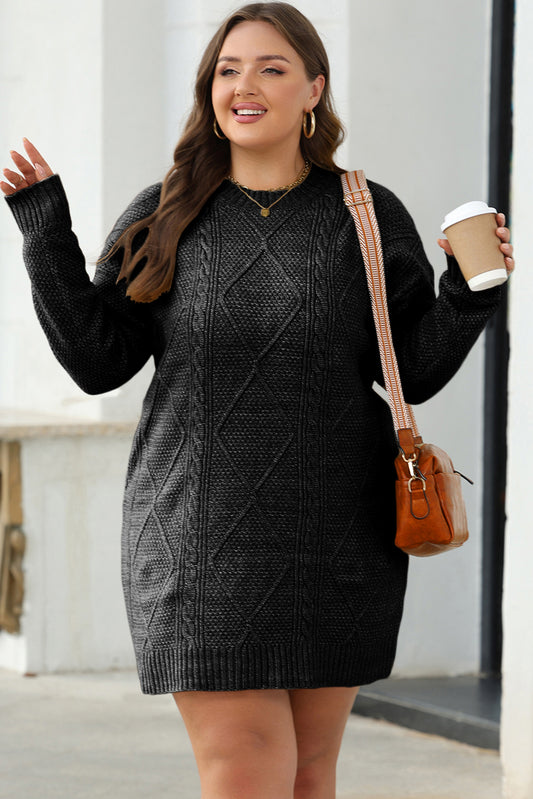
The same principle applies to belted sweater dresses and softly structured midi dresses.
For the most flattering effect, choose a dress with enough fabric to create gentle fullness without excessive bunching.
A belt that is too tight can distort the fabric, while one that sits awkwardly may interrupt the natural flow of the outfit.
Experiment with different widths and placements.
A narrow belt creates subtle definition. A wider belt makes a stronger statement, although it may visually shorten the torso depending on where it sits.
Ruched, Corset-Style, and Princess-Seam Dresses
Sometimes the most effective curve-enhancing details are built directly into the garment.
Ruched dresses use gathered fabric to introduce texture and dimension. Ruching positioned around the bust or hips can add visual fullness, while diagonal gathering towards the waist can make the middle appear more defined.
Corset-style dresses often feature shaped panels, a structured bodice, or visible seam detailing. These design elements can create a contoured silhouette even without traditional corsetry.
Princess-seam dresses use curved vertical seams to shape the garment through the bust, waist, and hips. They're particularly useful when you want definition without relying on belts or dramatic embellishments.
The most important consideration is fit.
A structured dress should follow your body comfortably. It shouldn't need to squeeze your waist or restrict your movement to create a flattering silhouette.
What About Shift and Empire Waist Dresses?
Both styles can look lovely on a rectangle figure, but they create different effects.
A traditional shift dress generally hangs straight from the shoulders, highlighting the clean lines of a rectangular silhouette rather than creating pronounced curves.
If you love shift dresses but want additional waist definition, try one with subtle shaping, a removable belt, or a cropped jacket layered over it.
Empire waist dresses, meanwhile, have a seam positioned just beneath the bust.
This creates a high visual waistline and allows the fabric to flow over the midsection. They're especially useful when you prefer a relaxed fit around your natural waist.
However, because the skirt begins higher on the torso, empire waist styles don't always create the same hourglass effect as a dress with a defined natural waist.
Choose them for their softness, movement, and comfort rather than expecting every empire silhouette to emphasise your waist.
The dress-shopping rule worth remembering: Don't judge a dress by its label alone. A wrap dress, A-line dress, or fit-and-flare dress can look completely different depending on its fabric, waist placement, and overall fit. Pay attention to the silhouette it creates on your individual proportions.
Best Tops and Necklines to Create Curves on a Rectangle Figure
The right top can transform an outfit before you've even considered your trousers or skirt.
For a rectangle body shape, tops are particularly useful for introducing dimension around the bust and shoulders while creating a more defined waistline.
But there's a subtle art to getting the balance right.
A voluminous blouse worn completely loose may make the torso appear straighter. The same blouse tucked into a shaped waistband can create a beautifully defined silhouette.
It's not simply about adding volume.
It's about controlling where that volume begins and ends.
Peplum Tops: A Clever Way to Make Your Waist Look Smaller
Peplum tops are practically designed around the principle of creating curves.
They usually feature a fitted upper section that narrows towards the waist before flaring outward around the hips.
This gives the appearance of a more pronounced difference between the waist and lower body.
The effect can be particularly noticeable on a rectangular figure.
A peplum top can:
-
Introduce the appearance of fuller hips.
-
Create a distinct waistline.
-
Add shape without requiring a separate belt.
-
Balance a relatively straight torso.
-
Make a simple pair of trousers feel more polished.
For an everyday outfit, pair a softly structured peplum blouse with straight-leg trousers.
For something dressier, choose a peplum top with subtle texture and combine it with a fitted midi skirt.
The contrast between the flared top and streamlined lower garment can create an attractive, sculpted outline.
One detail to watch: Peplum placement matters.
A flare that begins too high may emphasise the ribcage rather than the hips. Ideally, look for a style that narrows around your preferred waist position before widening below it.
Wrap Tops and Tie-Waist Blouses
Much like wrap dresses, wrap tops use diagonal lines to draw attention towards the middle of the torso.
Their adjustable fastening can also make them particularly comfortable for women who want waist definition without rigid tailoring.
Tie-waist blouses offer a similar advantage.
A blouse that gathers gently at the waist creates fullness above the fastening while keeping the middle visually distinct.
This is especially effective when paired with trousers or skirts that introduce additional volume around the hips.
Try this outfit formula:
Wrap blouse + high-waisted wide-leg trousers + simple accessories
The wrap detail creates shape through the upper body, while the trousers add fullness below the waist.
It's an easy combination for work, dinner, or a smart-casual occasion.
Puff Sleeves, Ruffles, and Flutter Sleeves
Want to add softness and visual interest to your upper body?
Sleeve details can help.
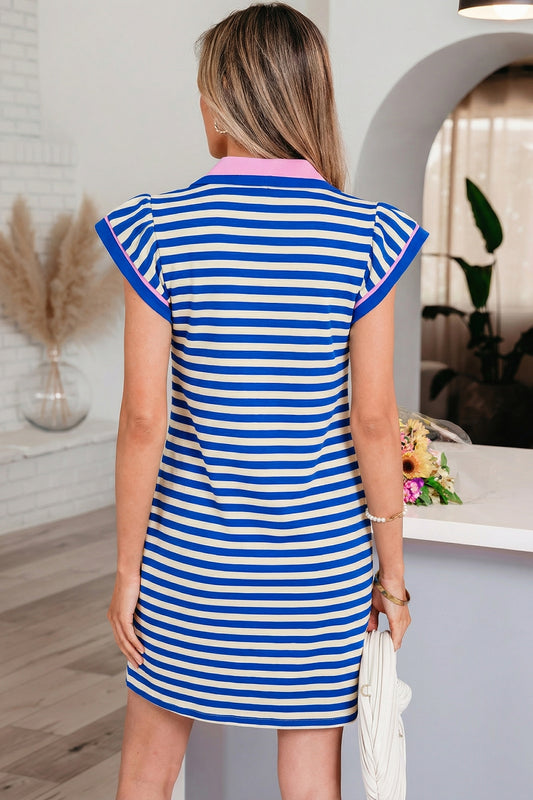
Puff sleeves create volume around the shoulders and upper arms, making the waist appear comparatively narrower when the top is fitted through the middle.
Flutter sleeves introduce a softer effect. Their flowing edges add movement without the more structured appearance of traditional puff sleeves.
Ruffled blouses can also create dimension around the bust, shoulders, or neckline.
However, placement makes a difference.
If your goal is a balanced hourglass silhouette, consider pairing a voluminous sleeve with a defined waist and a skirt or trousers that introduce some fullness below.
Otherwise, an exaggerated shoulder detail paired with very narrow bottoms may make the upper body appear more prominent.
There's nothing wrong with that silhouette, of course. It simply creates a different visual effect.
Which Necklines Flatter a Rectangle Body Shape?
Necklines influence how the eye travels across your upper body.
Some introduce softness through curves, while others create visual width or emphasise vertical lines.
Here are several flattering necklines worth considering.
| Neckline | Styling Effect |
|---|---|
| Sweetheart neckline | Creates a curved outline around the bust |
| Scoop neckline | Softens the upper body with a rounded shape |
| V-neckline | Creates diagonal lines and draws attention towards the centre |
| Square neckline | Adds structure and visual width across the upper chest |
| Off-the-shoulder neckline | Highlights the shoulders and creates a wider upper silhouette |
| Cowl neckline | Introduces draping and gentle fullness around the bust |
| Asymmetrical neckline | Adds visual movement and breaks up straight lines |
A sweetheart neckline is especially appealing if you want to introduce curves around the bust.
A cowl neckline can be equally effective, particularly when paired with a fitted waist.
If you prefer a more understated look, a simple scoop-neck top tucked into a flared skirt can create flattering proportions without any dramatic detailing.
Cropped Tops and the Power of Proportion
Cropped tops can be surprisingly useful for creating waist definition.
The trick is pairing them with bottoms that establish a clear waistline.
A cropped fitted top worn with high-waisted wide-leg trousers creates an obvious contrast between the upper body, waist, and lower silhouette.
You don't need to expose your midriff.
A top that finishes at the waistband can achieve a similar effect.
For a softer approach, try a slightly cropped cardigan with a high-waisted skirt.
The shorter garment length visually separates the torso from the hips, helping establish a more defined middle.
Best Jeans, Trousers, and Skirts for a Rectangle Body Shape
Let's talk about the lower half of your wardrobe.
While tops and dresses can introduce shape around the bust and waist, your choice of jeans, trousers, and skirts can have an equally dramatic influence on the overall silhouette.
For women with a rectangle body shape, the most useful bottoms often have one thing in common:
They create a noticeable difference between the waist and hips, or introduce volume that makes the waist appear more defined.
That doesn't mean you have to abandon skinny jeans or straight-leg trousers.
It simply means understanding how different cuts affect your proportions.
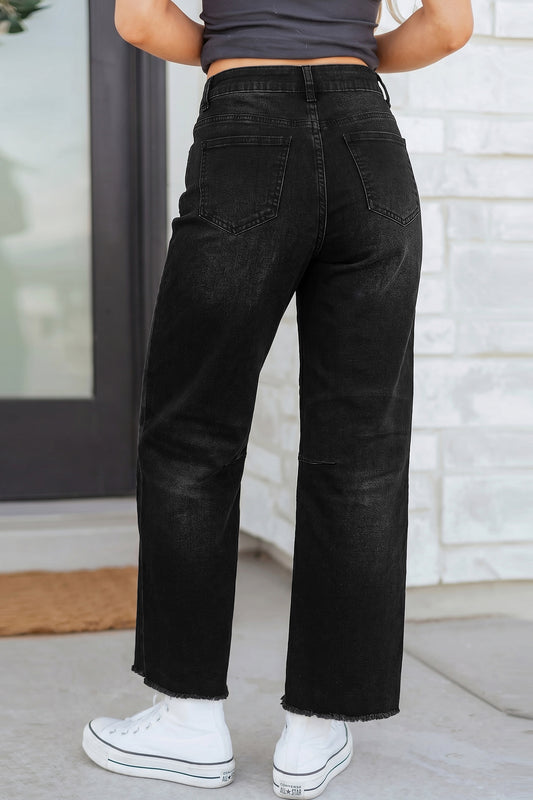
High-Waisted Jeans: Define the Middle and Shape the Silhouette
High-waisted jeans are a popular option for creating the appearance of curves.
By positioning the waistband higher on the torso, they establish a clear visual waistline.
When the jeans fit neatly at the waist and provide a little extra room through the hips, they can create a more contoured outline.
Look for designs with:
-
A waistband that fits without gaping.
-
Shaping through the hip area.
-
Back pockets positioned to complement your proportions.
-
A leg cut that balances the upper body.
-
Enough structure to maintain the intended silhouette.
High-waisted mom jeans can be particularly effective because they often combine a defined waistband with a relaxed fit through the hips and thighs.
However, high-rise jeans aren't universally flattering for every rectangle figure.
If you have a shorter torso, an extremely high waistband may make your upper body appear compressed.
In that case, a mid-rise design may create more balanced proportions.
The best rise is the one that places your waistline where you want it visually, not necessarily the highest rise available.
Bootcut and Flared Jeans: Create Curves Through the Leg Shape
Bootcut jeans are an excellent option when you want to introduce curves without relying on embellishments.
Their silhouette is relatively fitted through the hips and thighs before widening slightly below the knee.
This creates a gentle outward curve along the lower body.
Flared jeans produce a more pronounced version of the same effect.
When paired with a fitted top or waist-defining blouse, they can create a balanced silhouette that feels both relaxed and intentional.
For a classic outfit, try:
Fitted V-neck top + mid-rise bootcut jeans + cropped jacket
The top establishes a streamlined upper body, while the jeans introduce shape through the legs.
A cropped jacket can further emphasise the waist by creating a clear horizontal break.
Wide-Leg Trousers and Palazzo Pants
Wide-leg trousers can work beautifully for a rectangle body shape, particularly when they're fitted around the waist.
The fullness through the legs creates visual contrast with the middle of the body.
Palazzo trousers offer a softer, more flowing alternative.
Their generous fabric creates movement and can make the lower half appear fuller without requiring structured tailoring.
For a balanced outfit, pair them with:
-
A fitted bodysuit or close-fitting top.
-
A wrap blouse with a defined waist.
-
A cropped knit that finishes near the waistband.
-
A tucked-in shirt with gentle fullness around the bust.
Avoid assuming that all wide-leg trousers produce the same effect.
Some fall straight from the hips, creating a long column silhouette. Others feature pleats, curved seams, or gathered waistbands that introduce more fullness around the hips.
If your goal is to create curves, those construction details can be just as important as the leg width.
Paperbag-Waist and Pleated Trousers
Paperbag-waist trousers use gathering around the waistband to create extra fabric volume immediately below the waist.
This can make the hips appear fuller while keeping the middle visually defined.
They're particularly effective when worn with a fitted or neatly tucked-in top.
Pleated trousers offer another option.
Front pleats introduce fullness around the hip area, which can create a softer transition into the legs.
For a polished look, try tailored pleated trousers with a simple tucked-in blouse.
For something more casual, choose relaxed paperbag-waist trousers with a fitted knit.
If you prefer a smooth fit around your tummy, look for trousers with flat-front panels and subtle pleats rather than excessive gathering.
The goal is to create the proportions you like while keeping the outfit comfortable.
A-Line, Pleated, and Circle Skirts
Skirts offer some of the easiest opportunities to add visual volume around the hips.
A-line skirts create a gentle outward shape from the waist, making them a versatile everyday choice.
Pleated skirts introduce texture and movement. Depending on where the pleats begin, they can add fullness around the hips or create a more streamlined effect before widening lower down.
Circle skirts offer more dramatic volume, particularly when made from fabrics that hold their shape.
For a rectangle body shape, these styles are especially effective when paired with tops that define the waist.
Consider the following combinations:
-
Fitted knit top with a high-waisted A-line midi skirt.
-
Wrap blouse with a softly pleated skirt.
-
Cropped cardigan with a flowing circle skirt.
-
Sweetheart-neckline top with a structured flared skirt.
Each combination creates a contrast between the middle of the body and the fuller lower silhouette.
Can Rectangle Body Shapes Wear Pencil Skirts?
Absolutely.
Pencil skirts are often associated with naturally curvier figures, but they can look equally sophisticated on a rectangular silhouette.
The key is choosing a cut that follows your body comfortably while creating the degree of shaping you prefer.
A high-waisted pencil skirt with curved seams can help define the waist and hips.
A subtle tulip shape or gentle ruching around the hip area can introduce additional dimension.
For a stronger hourglass effect, pair a pencil skirt with a peplum top or softly draped blouse.
This introduces volume above the hips while keeping the lower half streamlined.
Alternatively, embrace your naturally straight silhouette with a sleek pencil skirt and a minimalist fitted top.
Both approaches can look beautifully intentional.
What About Skinny Jeans and Straight-Leg Trousers?
You don't need to avoid them.
Skinny jeans and straight-leg trousers tend to follow or emphasise the body's existing lines rather than introduce significant volume around the hips.
But that doesn't make them unsuitable.
If you want to create curves while wearing skinny jeans, introduce shape through your upper garments.
A peplum blouse, wrap top, or waist-defining jacket can provide the visual contrast that the jeans themselves don't create.
Straight-leg trousers can also work well with tucked-in blouses, cropped jackets, or tops with subtle shoulder detailing.
The important lesson is that no single garment determines your entire silhouette.
It's the relationship between the pieces that creates the finished look.
How to Layer Clothing to Define Your Waist
Layering is one of the most underrated ways to create curves on a rectangle body shape.
Most people think of layering as something practical. A cardigan when the temperature drops. A jacket over a blouse. A coat thrown on before leaving the house.
But layering can do much more than keep you warm.
When you combine different garment lengths, shapes, and textures, you can create the appearance of a narrower waist and fuller hips without wearing anything particularly fitted.
The trick is to avoid allowing every layer to fall in one uninterrupted line from your shoulders to your hips.
Instead, introduce a little structure.
Cropped Jackets: Create Instant Waist Definition
A cropped jacket can completely change the proportions of an outfit.
Because it finishes around the waist or slightly above it, the jacket creates a visual break between the upper and lower body.
This is particularly effective when worn over a dress or paired with high-waisted trousers.
Imagine wearing a simple fitted top with wide-leg trousers.
On its own, the outfit already creates some contrast between your waist and lower body.
Now add a cropped, softly structured jacket.
Suddenly, there's another point of definition around your middle, making the waist appear more pronounced.
For a flattering result, look for jackets with:
-
A hemline that finishes near your preferred waist position, creating a clear division between the torso and hips.
-
Subtle shaping through the sides, rather than an entirely boxy construction.
-
Structured shoulders, if you want to add definition to the upper body.
-
A comfortable, close-fitting waist, which prevents the jacket from overwhelming your silhouette.
-
A slightly open front, allowing the fitted clothing underneath to remain visible.
A cropped denim jacket over a fit-and-flare dress is a particularly easy combination.
For a smarter outfit, try a fitted blazer with a gently flared skirt.
Both create curves through the relationship between garment lengths and proportions.
Belted Coats and Trench Coats
Cold-weather dressing can be challenging when you're trying to maintain a defined silhouette.
Bulky fabrics, oversized coats, and heavy knitwear can sometimes disguise the waist entirely.
Fortunately, a well-chosen coat can actually enhance your proportions.
Belted coats are especially useful because they introduce shape around the middle while allowing the fabric to fall more freely over the hips.
A trench coat is a classic example.
Its structured shoulders, adjustable waist belt, and gently flowing lower section can create a beautiful hourglass illusion.
For the strongest effect, experiment with tying the belt at your natural waist and allowing the fabric to gather softly above and below it.
You can also try:
-
A tailored wool-look coat with a shaped waist.
-
A wrap coat with an adjustable fabric tie.
-
A cropped jacket paired with high-waisted trousers.
-
A structured blazer with curved seams.
-
A softly flared coat that widens below the waist.
Explore layering options in our women's outerwear collection, focusing on styles that complement your existing wardrobe and preferred silhouette.
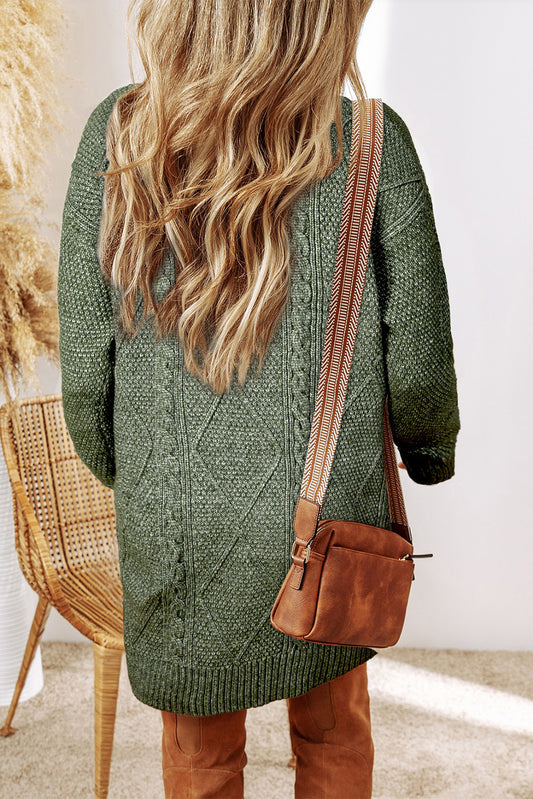
How to Wear Cardigans Without Losing Your Shape
Cardigans are comfortable, versatile, and easy to style. But some longer, straight-cut designs can emphasise the natural column shape of a rectangular figure.
If you want to create curves, pay attention to how the cardigan interacts with the clothing underneath.
A cropped cardigan worn with a high-waisted skirt can create a defined waistline.
A longer cardigan worn open over a fitted top can establish vertical lines while leaving the waist visible.
Alternatively, a softly belted cardigan can introduce gentle shaping around the middle.
The key is to avoid unnecessary bulk exactly where you want definition.
Try this combination: A fitted scoop-neck top, high-waisted flared trousers, and an open cardigan that finishes below the hips.
The fitted centre creates contrast with the flowing outer layer, while the trousers introduce fullness through the lower body.
It's comfortable, uncomplicated, and easy to adapt for different seasons.
Seasonal Layering for a Rectangle Body Shape
You don't have to sacrifice flattering proportions when the weather changes.
| Season | Curve-Enhancing Outfit Formula |
|---|---|
| Spring | Cropped jacket + fitted top + A-line midi skirt |
| Summer | Wrap dress + lightweight accessories |
| Autumn | Belted cardigan + high-waisted flared trousers |
| Winter | Tailored coat + defined-waist knit dress + boots |
For colder months, choose knitwear that creates shape through texture, neckline, or waist placement.
Chunky knitwear can add volume to the upper body, but pairing it with a defined waistband helps maintain balance.
During warmer weather, lightweight cotton, flowing fabrics, and softly gathered dresses can create movement without excessive layering.
Layering tip: If an outfit feels too straight, try changing just one garment length. A cropped jacket, tucked-in blouse, or shorter cardigan can create a more defined waist without requiring an entirely different outfit.
Rectangle Body Shape Outfit Ideas for Every Occasion
Understanding styling techniques is helpful.
But knowing how to put them together when you're standing in front of your wardrobe on a busy morning?
That's where the real magic happens.
The following outfit formulas combine waist definition, strategic volume, and balanced proportions to create wearable looks for different occasions.
And remember, these are starting points rather than strict rules. Adjust the colours, fabrics, and garment lengths to suit your personal style.
Casual Everyday Outfits
Casual dressing should feel effortless.
You want clothing that moves comfortably, works with your daily routine, and still makes you feel put together.
Outfit 1: The Easy Weekend Look
-
Fitted scoop-neck top.
-
High-waisted mom jeans.
-
Cropped denim jacket.
-
Comfortable trainers.
-
Simple crossbody bag.
The fitted top creates a streamlined upper body, while the jeans introduce gentle fullness around the hips.
The cropped jacket establishes a visible waistline without requiring a belt.
Outfit 2: Relaxed but Feminine
-
Soft wrap blouse.
-
A-line midi skirt.
-
Flat sandals or ankle boots.
-
Delicate jewellery.
The wrap detail draws attention towards the waist, while the skirt creates movement around the hips.
This combination is particularly useful when you want to create curves without wearing tight clothing.
Outfit 3: Comfortable and Contemporary
-
Slightly cropped knit.
-
Wide-leg trousers.
-
Lightweight open cardigan.
-
Minimalist trainers.
The shorter knit defines the middle, and the wider trousers introduce visual volume below.
It's an easy formula for days when comfort comes first.
Work Outfits for a Rectangle Body Shape
Professional dressing doesn't have to mean shapeless blazers and straight-cut trousers.
In fact, structured tailoring can be one of your greatest styling allies.
Outfit 1: The Polished Office Look
A fitted blouse, high-waisted pleated trousers, and a tailored blazer with subtle waist shaping.
The blouse creates a clean foundation, while the trousers add gentle fullness through the hips.
A shaped blazer completes the silhouette without introducing unnecessary bulk.
Outfit 2: The Feminine Workwear Combination
A softly draped blouse tucked into a high-waisted pencil skirt, finished with a cropped jacket.
The tucked blouse adds dimension around the bust, while the pencil skirt maintains a sleek lower silhouette.
Choose a skirt with curved seams or subtle hip detailing if you want additional shaping.
Outfit 3: The Effortless One-Piece Outfit
A belted midi dress with a structured handbag and ankle boots.
This combination is especially useful when you want a complete outfit without coordinating several separate garments.
For a more relaxed workplace, swap the boots for comfortable flats.
Evening Outfits That Create an Hourglass Silhouette
Evening dressing is the perfect opportunity to experiment with dramatic proportions, interesting textures, and statement details.
A rectangle figure can carry everything from sleek minimalist dresses to fuller, more sculptural silhouettes.
Outfit 1: The Statement Dress
Choose a fit-and-flare dress with a sweetheart neckline and a defined waist.
The neckline introduces softness around the bust, while the flared skirt creates fullness below.
Add simple heels and understated jewellery to keep the focus on the silhouette.
Outfit 2: Modern Evening Elegance
Pair a softly ruched wrap top with tailored wide-leg trousers.
The gathering creates dimension around the upper body, while the trousers provide balance.
A small clutch and elegant footwear complete the look.
Outfit 3: Understated Glamour
Try a dress with diagonal draping, a defined waist, and a gently asymmetrical hemline.
The angled details introduce movement and create the appearance of curves without relying on excessive volume.
Weekend and Holiday Outfits
Holiday clothing should be comfortable, practical, and easy to mix and match.
Fortunately, creating curves doesn't require packing an entirely separate wardrobe.
A few versatile pieces can provide plenty of outfit combinations.
Consider:
-
A tie-waist sundress with flat sandals.
-
A fitted vest top with flowing palazzo trousers.
-
A lightweight wrap blouse with tailored shorts.
-
A belted jumpsuit with a gently relaxed leg.
-
A cropped cardigan layered over an A-line dress.
Belted jumpsuits are particularly useful because they create a defined middle while maintaining a continuous outfit.
Look for styles with a little fullness through the bust or hips, rather than an entirely straight construction, if your goal is a curvier silhouette.
How to Dress a Rectangle Body Shape for Your Individual Proportions
Here's something that often gets overlooked in body-shape advice.
Two women can both have rectangular figures and still look completely different in the same outfit.
One might be petite with a short torso. Another might be tall with longer legs. One may have a fuller bust, while another prefers relaxed clothing around her midsection.
That's why understanding your individual proportions matters more than following a universal set of fashion rules.
How to Dress a Petite Rectangle Body Shape
If you're petite, creating curves is often about introducing shape without overwhelming your frame.
Excessively bulky layers or oversized garments can sometimes make the silhouette appear less defined.
Instead, experiment with:
-
Cropped jackets that finish near the waist.
-
High-waisted skirts with gentle flare.
-
Wrap dresses with appropriately positioned ties.
-
Smaller-scale prints and proportionate detailing.
-
Fitted tops paired with softly structured bottoms.
A monochromatic outfit with a clearly defined waist can also create an elongated appearance.
For example, a fitted top and flared trousers in similar shades can establish a continuous line while still introducing shape through the waist and legs.
However, petite doesn't automatically mean you need shorter hemlines or tighter clothing.
The most important factor is where the garment's seams, waistline, and proportions sit on your body.
How to Dress a Tall Rectangle Body Shape
Tall women with rectangular proportions often have plenty of freedom to experiment with longer garment lengths and dramatic silhouettes.
Midi and maxi dresses, wide-leg trousers, and longline outerwear can all look particularly striking.
If your goal is to create curves, consider introducing clear waist definition to break up a long, straight outline.
Try:
-
Belted maxi dresses with flowing skirts.
-
Wide-leg trousers with fitted waistbands.
-
Long coats with adjustable waist ties.
-
Layered outfits with contrasting garment lengths.
-
Statement sleeves paired with flared skirts.
A longline coat worn completely open over a straight outfit may emphasise vertical lines.
The same coat belted at the waist can create an entirely different silhouette.
Neither approach is better. It simply depends on the look you want.
How to Dress a Plus-Size Rectangle Body Shape
A rectangle body shape isn't limited to one clothing size.
Plus-size women can have beautifully balanced shoulders and hips with a relatively straight waistline, just as women in smaller sizes can.
The same principles of waist definition, fabric placement, and strategic volume apply.
However, comfort and fit deserve particular attention.
Look for clothing that follows your proportions without pulling across the bust, waist, or hips.
Wrap dresses with adjustable ties can be useful, as can A-line skirts, softly structured blouses, and trousers with comfortable waistbands.
If you'd like to create an hourglass illusion, consider:
-
A wrap dress with a gently flared skirt.
-
A peplum blouse paired with straight-leg trousers.
-
A belted cardigan over a fitted base layer.
-
A tailored jacket with curved seams.
-
A softly gathered midi dress with a defined waist.
You can browse our plus-size clothing collection for additional wardrobe inspiration, focusing on pieces that suit your proportions and personal preferences.
One important reminder: You don't need to hide your midsection, minimise your body, or follow restrictive fashion rules to look stylish.
The purpose of these techniques is to offer choices, not limitations.
How to Create Curves if You Have a Tummy
If you have a rectangle body shape with a fuller tummy, you may prefer clothing that defines your silhouette without feeling tight around your midsection.
The most effective approach is often to create shape through garment construction rather than relying on a tightly cinched belt.
Consider wrap dresses with adjustable fastenings, softly structured tops, or dresses with gentle gathering.
A-line skirts can introduce volume below the waist, while a blouse with subtle draping can add dimension above it.
If you prefer trousers, look for comfortable waistbands that sit smoothly without digging in.
You can also experiment with a cropped jacket worn open over a softly fitted top.
This creates visual structure around the torso while allowing the central garment to remain comfortable.
The goal is a defined silhouette, not a compressed waist.
How to Dress a Rectangle Body Shape Over 50
Personal style doesn't have an expiry date.
The same curve-enhancing techniques that work in your twenties can look equally elegant in your fifties, sixties, and beyond.
The difference is often in how you choose to interpret them.
You might prefer softly tailored trousers, sophisticated wrap dresses, or structured jackets rather than dramatic ruffles and exaggerated silhouettes.
A beautifully fitted blazer with wide-leg trousers can create flattering proportions while maintaining a polished appearance.
A belted midi dress offers another timeless option.
And if you enjoy bold prints, vibrant colours, or statement sleeves, there's no reason to abandon them.
Age doesn't determine which clothing styles you're allowed to wear.
Fit, comfort, and personal expression matter far more.
Common Styling Mistakes and How to Avoid Them
Even when you understand the basics of creating curves, small styling choices can sometimes produce an unexpected result.
The good news?
Most are easy to adjust.
And none of these are fashion rules you must follow. They're simply considerations when your specific goal is to create a more waist-defined silhouette.
Mistake 1: Wearing Too Much Volume Everywhere
Oversized clothing can look wonderfully contemporary.
However, combining a very loose top with equally loose bottoms may create a continuous, boxy silhouette.
If you want more visible curves, try introducing definition somewhere around the middle.
For example, tuck a loose blouse into wide-leg trousers or add a shaped jacket over a relaxed outfit.
You can still enjoy comfortable, flowing clothing while creating a more distinct waistline.
Mistake 2: Assuming Tight Clothing Automatically Creates Curves
A tightly fitted dress doesn't necessarily create an hourglass silhouette.
If the garment follows a naturally straight torso without introducing any shaping, it may simply emphasise that straight outline.
Instead, look for clothing with curved seams, strategic gathering, contrasting panels, or a defined waist.
Garment construction often matters more than how tightly something fits.
Mistake 3: Choosing the Wrong Belt Placement
Belts can create beautiful waist definition, but their placement affects the overall proportions.
A belt positioned too high may visually shorten the torso.
One placed too low may fail to create the intended waistline.
Experiment with different positions until you find the most comfortable and flattering result.
Remember that your natural waist isn't necessarily the only place a belt can work.
Mistake 4: Ignoring Fabric Structure
A garment may look beautifully shaped on a hanger but fall differently once worn.
Very soft fabrics can collapse against the body, while excessively stiff fabrics may create unwanted bulk.
For a more defined silhouette, consider combining structure with movement.
A shaped waistband paired with a flowing skirt is a perfect example.
The waistband establishes definition, while the skirt introduces softness.
Mistake 5: Following Body-Shape Rules Too Literally
Perhaps the biggest mistake is believing that certain garments are completely off-limits.
Rectangle body shapes can wear shift dresses, skinny jeans, oversized shirts, straight skirts, and virtually any other clothing style.
Some pieces highlight your natural straight silhouette. Others introduce curves.
Both can be flattering.
The difference lies in the effect you want to achieve.
The best styling advice is flexible. Learn how clothing influences your proportions, then decide which techniques suit your personality, lifestyle, and mood.
Building a Curve-Enhancing Capsule Wardrobe
You don't need dozens of new outfits to create more variety in your wardrobe.
In fact, a small collection of thoughtfully chosen pieces can provide plenty of opportunities to experiment with different silhouettes.
The secret is choosing garments that work together.
10 Versatile Pieces to Consider
For a practical capsule wardrobe, start with:
-
A wrap blouse for adjustable waist definition.
-
A fitted scoop-neck top that works with fuller bottoms.
-
A softly structured peplum top for added hip volume.
-
High-waisted wide-leg trousers with a comfortable, shaped waistband.
-
Bootcut jeans for a gently curved lower silhouette.
-
An A-line midi skirt that creates fullness below the waist.
-
A fit-and-flare dress for effortless hourglass styling.
-
A belted shirt dress that can be worn casually or dressed up.
-
A cropped, shaped jacket for waist-defining layers.
-
A versatile waist belt for adjusting the silhouette of suitable garments.
You don't need to purchase all ten.
Start by looking at what you already own.
Perhaps you have a beautiful blouse that simply needs tucking into a different skirt. Or a straight-cut dress that looks completely different with a belt.
Sometimes, the most effective wardrobe transformation comes from changing how you combine existing pieces.
Five Outfit Formulas Worth Saving
| Outfit Formula | Why It Works |
|---|---|
| Wrap top + wide-leg trousers | Creates definition at the waist and volume below |
| Fitted knit + A-line skirt | Contrasts a streamlined upper body with fuller hips |
| Belted dress + cropped jacket | Establishes waist definition through two complementary elements |
| Peplum blouse + straight-leg jeans | Introduces curves around the hips while keeping the legs streamlined |
| Draped blouse + flared trousers | Balances softness above the waist with fullness below |
The beauty of these combinations is their flexibility.
Change the colours, fabrics, footwear, and accessories, and the same basic formula can work for completely different occasions.
Frequently Asked Questions About Rectangle Body Shapes
How can I make my rectangle body shape look more hourglass?
Focus on creating a visible difference between your waist and the areas above and below it.
Wrap dresses, peplum tops, belted clothing, fit-and-flare silhouettes, and A-line skirts can all help create the illusion of curves.
Combining a defined waist with gentle volume around the bust and hips is often more effective than simply wearing tighter clothing.
What is the most flattering dress for a rectangle body shape?
Wrap dresses and fit-and-flare dresses are excellent starting points because they establish waist definition while introducing shape through the bust or hips.
A-line dresses with a fitted waist, belted shirt dresses, and styles with princess seams can also work beautifully.
The most flattering option depends on your individual proportions and preferred fit.
Can a rectangle body shape wear high-waisted jeans?
Yes. High-waisted jeans can help establish a visible waistline, especially when they fit comfortably at the waist and provide some fullness through the hips.
Mom jeans, wide-leg jeans, and flared styles are worth experimenting with.
However, mid-rise jeans may suit some women better, particularly those with shorter torsos.
What tops create curves on a straight body shape?
Peplum tops, wrap blouses, tie-waist shirts, ruched tops, and styles with puff sleeves can all introduce dimension.
Look for garments that add visual interest around the bust or hips while keeping the waist distinct.
How can I make my hips look wider with clothes?
Choose clothing that introduces volume below the waist.
A-line skirts, pleated skirts, circle skirts, paperbag-waist trousers, and certain wide-leg styles can make the hips appear fuller.
Peplum tops are another effective option because their flared lower section creates additional width around the hips.
Should rectangle body shapes avoid oversized clothing?
Not at all.
Oversized clothing can look stylish and intentional on a rectangular figure.
If you want to create curves, consider combining one oversized piece with something more fitted or introducing waist definition through a tuck, belt, or cropped layer.
If you prefer a relaxed, straight silhouette, oversized clothing can work beautifully as it is.
Can I create curves without wearing shapewear?
Absolutely.
Clothing construction, fabric movement, waist placement, and visual contrast can all create the appearance of curves without shapewear.
Wrap dresses, structured jackets, flared skirts, and strategically placed belts are particularly useful.
Are rectangle body shapes considered athletic?
Rectangle body shapes are sometimes described as athletic because the shoulders and hips often appear balanced, with relatively little waist indentation.
However, having a rectangular figure doesn't necessarily mean someone is athletic or muscular.
Body shape describes proportions rather than fitness level.
What should a rectangle body shape avoid wearing?
There are no garments you need to avoid.
However, if your goal is to create an hourglass illusion, very straight, unstructured outfits may not provide the waist definition you're looking for.
Rather than eliminating particular styles, experiment with garment combinations, tailoring, and accessories to achieve your preferred silhouette.
Can a rectangle body shape become curvier through clothing alone?
Clothing can change the appearance of your proportions, but it doesn't physically change your body shape.
Strategic styling can make the waist look more defined, the hips appear fuller, and the overall silhouette seem curvier.
These effects come from visual contrast, garment construction, and the way fabric falls around the body.
Final Thoughts: Creating Curves Is About Styling, Not Changing Your Body
A rectangle body shape offers something genuinely valuable: a naturally balanced silhouette that works with an enormous variety of clothing styles.
And while creating an hourglass illusion can be fun, it's only one of the many ways you can dress your figure.
Some days, you might love the dramatic waist definition of a wrap dress.
Other days, you might prefer the clean lines of straight-leg trousers and a relaxed blouse.
Both are equally valid expressions of personal style.
If you'd like to create curves with clothing, remember the three principles that make the biggest difference:
-
Define your waist with thoughtful tailoring, wrap styles, belts, or strategic garment lengths.
-
Introduce volume selectively through flared skirts, peplum details, draping, or structured clothing.
-
Balance your proportions by considering how your tops, bottoms, and layers work together.
Most importantly, pay attention to how your clothes make you feel.
The right outfit should be comfortable, reflect your personality, and give you confidence in your appearance.
At HannaBanna Clothing, we believe fashion should offer freedom to experiment, discover new favourites, and celebrate your individual style.
Whether you prefer soft feminine silhouettes, modern tailoring, relaxed everyday outfits, or statement pieces, there's no single formula for looking beautiful.
Your body doesn't need to change to suit your wardrobe. Your wardrobe should work for you.