How to Wear Bold Colors Without Overdoing It

How to Wear Bold Colors Without Overdoing It

Wearing bold colours is not about being louder — it is about being intentional. The key lies in proportion balance, waist definition, fabric choice, hem style, and occasion context. A vibrant blouse styled with relaxed jeans creates smart casual harmony, while a bright mini dress demands silhouette control and minimal layering. Decision criteria such as when to tuck, when not to tuck, shirt type, and bottoms selection determine whether colour feels elevated or overwhelming. Mastering visual balance, understanding fit and proportion, and aligning your style intention with the right level of formality ensures bold never becomes excessive.
The Psychology of Bold Colour

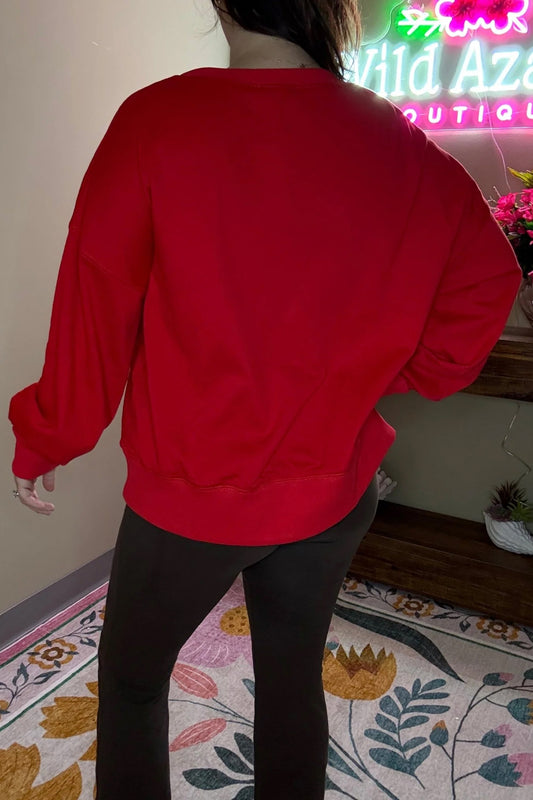
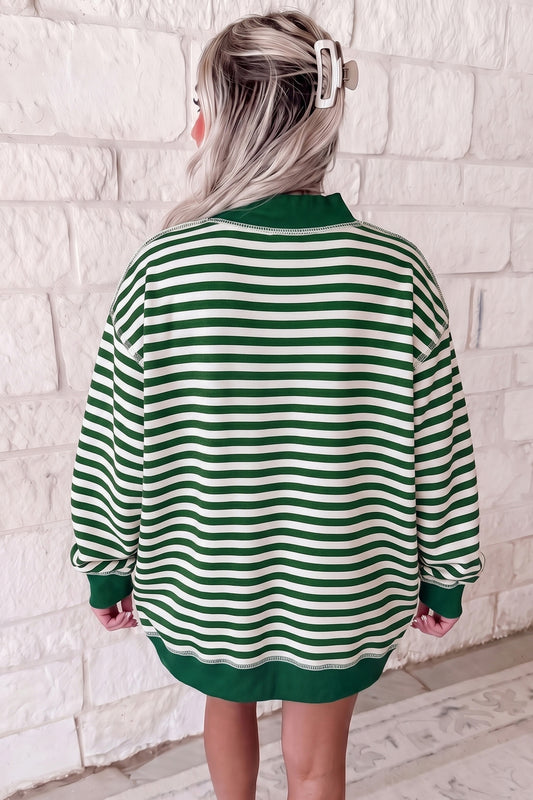
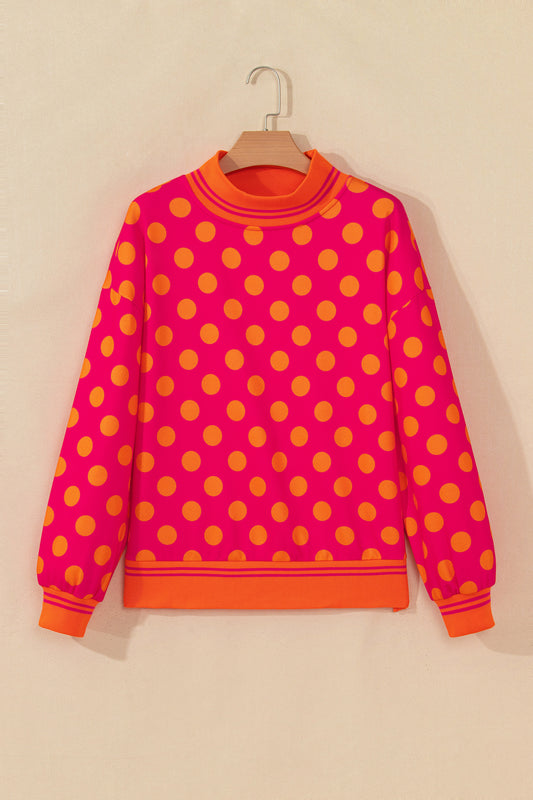
Colour carries authority. It shifts silhouette focus, draws the eye, and defines waist emphasis in seconds. A saturated cobalt blouse or a fiery red rollneck does more than brighten your wardrobe — it alters proportion perception.

The mistake most people make is assuming bold equals statement. In reality, bold should equal balance.

The louder the colour, the calmer the composition should be.

Think in terms of visual hierarchy. If your top commands attention, your bottoms should ground it. If your silhouette volume is strong on top, streamline the lower half. Outfit harmony is built on contrast control.

Before choosing a vibrant piece, ask yourself:

  1. What is the occasion or formality level?
  2. Is this smart casual or street casual?
  3. Do I want waist definition or fluid silhouette shaping?
  4. Am I emphasising height, torso length, or overall proportion?

Bold colour must serve your style intention — not dominate it.

Start With One Bold Anchor

If you are experimenting, begin with a single focal point. A vibrant piece from our Tops collection works perfectly as a colour anchor. Pair it with neutral bottoms to stabilise proportion balance.

Why One Bold Element Works

  • Controls visual bulk
  • Maintains silhouette volume balance
  • Allows layering considerations under blazers or jackets
  • Keeps occasion context appropriate

For example:

  • A vivid blouse + relaxed denim = smart casual balance
  • A bright t-shirt + tailored trousers = street casual with structure
  • A bold rollneck tucked under a blazer = colour contained within clean lines

The principle is simple: the bolder the shade, the more disciplined the structure.

Decision Criteria: When to Tuck / When Not to Tuck

Tucking decisions dramatically affect how colour is perceived. A tuck can sharpen intensity. Leaving a shirt untucked can soften it.

When to Tuck In

  • Wearing a formal shirt or business shirt
  • Pairing with high-waisted trousers or skirts
  • Seeking waist emphasis and silhouette shaping
  • Creating a structured smart casual look

A full tuck delivers clean proportion rules. It defines the waist, elongates legs, and prevents bright fabric from appearing oversized.

A half-tuck or French tuck introduces effortlessness. Ideal with casual shirts, especially pieces from our T-Shirts collection. It subtly controls visual bulk while preserving relaxed energy.

For sharper styling:

  • Use a belt to create belt emphasis
  • Apply the military tuck for crisp side control
  • Ensure hemline length guides sit just below hip if untucked

When Not to Tuck

  • Wearing a straight hem casual shirt
  • Styling relaxed or wide-leg jeans
  • Leaning into street casual aesthetics
  • Seeking flow rather than waist definition

Curved hem blouses often suit tucking. Straight hem casual shirts typically look intentional left untucked.

Fabric type also matters. Casual cotton tees drape differently from silk or satin blouses. Structured fabric supports full tuck discipline. Soft fabric supports relaxed silhouettes.

Shirt Style and Colour Intensity

Shirt style influences how colour behaves.

Formal Shirt / Business Shirt

Sharp collars and tailored fits amplify saturation. A bold tone in a crisp button-down demands proportion discipline. Keep bottoms streamlined. Avoid competing patterns.

Explore elevated options within our Blouses & Shirts collection for polished bold dressing.

Casual Shirt / T-Shirt / Polo

Casual silhouettes diffuse colour intensity. A relaxed tee in bright hues feels wearable because the fabric signals ease. Pair with:

  • Skinny jeans for contrast control
  • Relaxed jeans for harmony
  • Tailored trousers for balance between casual and refined

Rollneck / Knit

Rollnecks create vertical flow. A bold knit tucked under outerwear becomes a controlled colour accent. Layering considerations matter here — bold at the base layer should not overwhelm outer structure.

Bottoms, Proportion & Silhouette Balance

Bottoms determine whether colour overwhelms.

If your top is vibrant:

  • Choose neutral trousers
  • Opt for classic denim washes
  • Avoid exaggerated volume on both halves

Proportion balance depends on:

  • Torso length
  • Height
  • Fabric weight
  • Waist definition

Wide-leg jeans with a bright oversized blouse may create excessive silhouette volume. Instead, define the waist with a full tuck and structured belt. Visual balance restores control.

Smart casual vs street casual distinctions also matter. Office settings demand tighter proportion rules. Date night allows bolder silhouette shaping.

Bold Dresses Without Excess

Dresses simplify colour decisions because they unify top and bottom. However, intensity must still align with hemline and occasion.

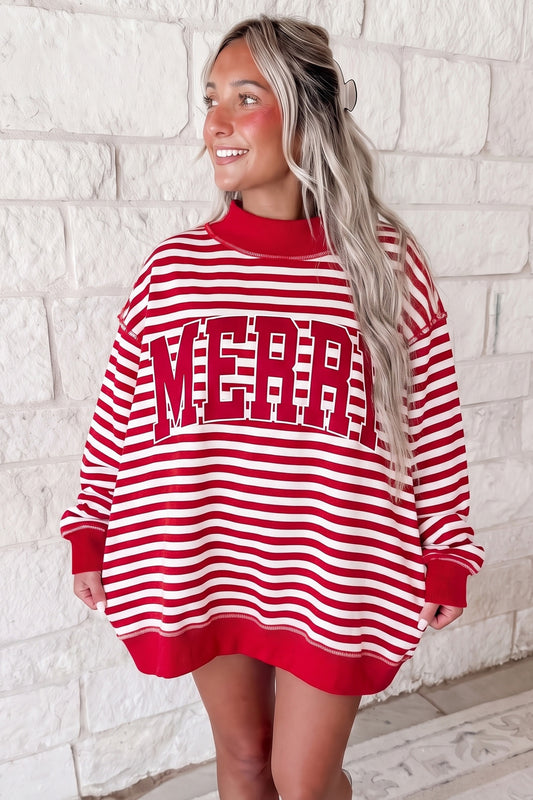
A bold mini works when the silhouette remains clean. See refined options in our Mini Dresses collection.

For daytime fluidity, vibrant pieces from our Casual Dresses collection maintain ease while delivering personality.

And when embracing full-length drama, structured options from our Maxi Dresses collection allow colour to flow without fragmenting proportion.

The rule remains consistent:

Strong colour requires clean lines.

Advanced Proportion Techniques: Controlling Visual Impact

Once you are comfortable introducing colour through one anchor piece, the next step is mastering proportion balance at a deeper level. Bold shades amplify whatever silhouette they sit on. That means structure becomes non-negotiable.

Top/Bottom Ratio Awareness

A useful guideline is the one-third to two-thirds rule:

  • Shorter top + longer bottom = elongated silhouette
  • Longer top + slimmer bottom = controlled volume
  • Equal halves = neutral balance

If you are styling a vivid blouse, consider whether you want waist emphasis or fluid drape. A full tuck into high-waisted trousers sharpens the waist definition and visually lengthens the legs. Leaving it untucked shifts focus downward and can soften the overall intensity.

Bold colour exaggerates length and width. That makes hemline length guides critical. A top that cuts at the widest part of the hip will amplify bulk if the shade is saturated. Adjust with tuck techniques accordingly.

Body Type Considerations

Colour placement can subtly reshape proportions.

  • Shorter torso? Use a full tuck to extend the leg line.
  • Longer torso? Leave slightly untucked or use a relaxed half-tuck to rebalance.
  • Petite frame? Avoid overwhelming with excessive silhouette volume in bold hues.
  • Taller frame? You can handle larger colour blocks without visual crowding.

Fabric type also shifts perception. Structured cotton or poplin holds shape and sharpens silhouette shaping. Soft viscose or jersey relaxes colour impact and reduces visual bulk.

When exploring bold options in dresses, the cut becomes even more important. A defined waist within statement pieces from our Dresses collection prevents bright tones from looking shapeless.

Layering Considerations: Containing the Colour

Layering is one of the most powerful tools for wearing bold shades without excess.

Think containment rather than expansion.

A bright blouse layered under a neutral blazer keeps colour within boundaries. A rollneck in cobalt beneath a camel coat introduces depth without chaos. Even a bold tee peeking beneath structured outerwear reduces saturation exposure.

Layering Rules

  1. Keep outer layers neutral.
  2. Avoid competing textures when colour is strong.
  3. Use structure to frame the brightness.
  4. Mind fabric weight balance. Heavy outerwear over lightweight bold fabrics creates polish.

Layered outfit rules become particularly useful in office or smart casual settings where occasion context demands restraint.

Occasion & Formality: Colour Must Match Context

Bold colour reads differently depending on environment.

Office / Business Setting

  • Choose structured silhouettes.
  • Prefer full tuck over relaxed drape.
  • Keep bottoms neutral and tailored.
  • Avoid overly saturated head-to-toe combinations.

A vibrant blouse with tailored trousers and belt emphasis signals authority rather than distraction.

Date Night

  • Waist definition enhances silhouette shaping.
  • Bold mini or defined midi creates confident presence.
  • Consider proportion balance to avoid overwhelming volume.

Here, you can relax strict proportion rules slightly — but visual harmony still matters.

Casual Hangout

Street casual welcomes experimentation.

  • Relaxed jeans (skinny, straight, or wide leg) soften bright tops.
  • Half-tuck creates effortless structure.
  • Leave untucked if hem style supports it.

This is where personal expression overrides rigid structure — but never ignore silhouette balance.

Hem Style: The Quiet Authority

Hem style quietly determines whether colour feels polished or chaotic.

  • Straight hem casual shirt: best left untucked.
  • Curved hem or tail hem: designed for tucking.
  • Cropped cuts: amplify colour intensity — manage with high-waisted bottoms.

Bold colour on a poorly positioned hem draws attention to imbalance. Proper hemline placement restores proportion discipline.

Trend vs Classic Rules

Trends encourage maximalism — neon layers, colour blocking, exaggerated volume. Classic styling encourages restraint.

The refined approach sits between the two.

You can embrace colour blocking, but ensure complementary tones share undertones. You can follow trends, but anchor them in proportion logic.

Style intention should lead. Colour should follow.

Ask yourself:

  • Am I dressing for impact or longevity?
  • Does this bold shade align with my personal expression?
  • Is the silhouette clean enough to support it?

Bold colour works best when it feels deliberate, not accidental.

Practical Outfit Formulas: Bold Without Chaos

Now that proportion rules, layering logic, and occasion context are clear, it is time to translate theory into wearable formulas. Bold colour succeeds when structure and intention work together.

Below are adaptable frameworks you can apply immediately.

1. The Structured Smart Casual Formula

Bright blouse + tailored trousers + full tuck + belt

Why it works:

  • Full tuck creates waist emphasis
  • Belt adds visual boundary
  • Neutral trousers ground saturation
  • Silhouette shaping prevents visual bulk

This formula is ideal for work settings, business lunches, or elevated daytime events. If the shirt hem has a curved tail hem, tuck cleanly and smooth the sides. If the fabric is lightweight, consider the military tuck technique for sharper control.

Decision Criteria

  • Occasion: Office or professional setting
  • Shirt type: Formal shirt or structured blouse
  • Fabric type: Crisp cotton, poplin, satin
  • Pants style: Tailored, straight, or slim fit

The result is colour with authority, not distraction.

2. The Relaxed Street Casual Balance

Vibrant t-shirt + relaxed jeans + half-tuck

This combination softens bold shades through ease. The half-tuck or front tuck prevents excess drape while maintaining effortless energy.

If styling from our T-Shirts collection, focus on:

  • Straight hem pieces for versatility
  • Mid-weight fabric for structure
  • Length that falls just below the hip

Pair with:

  • Skinny jeans for silhouette contrast
  • Relaxed jeans for harmony
  • Wide leg only if waist definition is added

Here, smart casual vs street casual distinctions matter. Street casual welcomes more fluid silhouette volume, but always maintain proportion balance between top and bottom.

3. The Bold Dress Strategy

When wearing strong colour in a dress, you eliminate top/bottom coordination — but proportion still matters.

Mini Dresses

A saturated mini draws attention instantly. Keep structure sharp and avoid layering that adds bulk. Waist definition is critical. Pieces from our Mini Dresses collection work best when styled simply:

  • Neutral footwear
  • Minimal accessories
  • Clean silhouette lines

Maxi Dresses

Long silhouettes in bold tones require controlled volume. Designs from our Maxi Dresses collection feel refined when the waist is shaped or subtly cinched.

Avoid pairing with oversized outerwear unless contrast control is deliberate.

Casual Dresses

For daytime wear, bright pieces from our Casual Dresses collection allow personality without formality. Keep layering minimal and fabric lightweight.

Tuck Techniques: Fine-Tuning Colour Impact

Small adjustments change everything.

Full Tuck

  • Sharp silhouette
  • Strong waist emphasis
  • Best for business shirt or structured blouse
  • Works well with belt emphasis

Half-Tuck / French Tuck

  • Casual control
  • Softens saturation
  • Best with casual shirt, t-shirt, or polo
  • Ideal for smart casual transitions

Leave Untucked

  • Works with straight hem casual shirt
  • Best for relaxed or street casual styling
  • Avoid if hemline cuts awkwardly at widest hip point

Remember: bold colour magnifies fit errors. Hemline length guides should align with body type considerations. Short torso? Tuck higher. Long torso? Allow slight drape.

Managing Visual Bulk & Silhouette Volume

One of the biggest mistakes when experimenting with colour is doubling volume.

Avoid:

  • Oversized bright top + wide-leg trousers
  • Layered bold knit under equally bold jacket
  • Multiple saturated pieces competing

Instead, apply contrast logic:

  • Bold + neutral
  • Structured + fluid
  • Defined waist + relaxed lower half

Silhouette balance ensures outfit harmony. Even when experimenting with colour blocking, complementary tones should share undertones to prevent clashing.

Personal Expression Without Excess

Ultimately, learning How to Wear Bold Colors Without Overdoing It is less about restriction and more about precision.

Trend vs classic rules will always fluctuate. What remains consistent is:

  • Proportion rules
  • Visual balance
  • Occasion awareness
  • Fit and fabric discipline

Bold shades can feel refined, playful, powerful, or understated — depending entirely on implementation.

Before stepping out, run through this mental checklist:

  • Does the colour have a clear focal point?
  • Is my waist defined or intentionally relaxed?
  • Do my bottoms stabilise the top?
  • Is the silhouette cohesive from shoulder to hem?
  • Does this align with my style intention and occasion context?

When colour serves structure, confidence follows naturally.

Bold is not about volume.
It is about control.

And once you understand that balance, bright pieces become some of the most versatile assets in your wardrobe.

Frequently Asked Questions: How to Wear Bold Colors Without Overdoing It

1. Can I wear bold colours if I prefer a minimalist wardrobe?

Yes. Minimalism is about restraint, not the absence of colour. Introduce one saturated piece within an otherwise neutral palette. A bold top paired with clean-lined trousers preserves outfit harmony while allowing personal expression. Keep silhouettes simple and avoid excessive accessories.

2. How do I stop bold colours from washing me out?

Focus on undertones. If your skin has warm undertones, lean toward warm reds, oranges, or emerald greens. Cooler undertones pair better with cobalt, magenta, or true blue. Fabric texture also helps — matte finishes soften intensity, while high-shine fabrics amplify it.

3. Is it okay to mix multiple bold colours in one outfit?

It can work, but structure is essential. Use complementary tones and keep silhouette volume controlled. If colour blocking, ensure one tone dominates while the other supports. Avoid combining multiple high-saturation hues without a neutral grounding element.

4. Do bold colours make you look bigger?

Colour itself does not automatically add size, but saturation draws attention. If you want to minimise visual bulk, choose structured fabrics, define the waist, and avoid oversized fits in bright tones. Proportion balance matters more than colour alone.

5. Can I wear bold colours in a formal setting?

Absolutely. The key is tailoring and fabric choice. Structured silhouettes, full tuck techniques, and neutral bottoms make bold shades appropriate for business or formal environments. Avoid exaggerated volume or overly casual fabrics.

6. What accessories work best with bold outfits?

Keep accessories intentional and restrained. Neutral shoes and minimal jewellery prevent competition. If you want contrast, echo the bold shade subtly in a small accessory rather than introducing a new competing colour.

7. How do I style bold colours in winter without looking heavy?

Layer strategically. Place bold shades as a base layer under neutral coats or structured outerwear. This contains colour and prevents visual overload. Choose fabrics with structure to maintain silhouette clarity.

8. Are bold prints harder to style than solid bold colours?

Yes, because prints introduce pattern complexity in addition to colour intensity. When wearing bold prints, simplify everything else — solid bottoms, clean lines, and minimal layering. Let one statement lead the outfit.

9. How do I transition bold colours from day to night?

For daytime, soften intensity with casual fabrics and relaxed silhouettes. For evening, sharpen the look with waist emphasis, sleeker fits, and more structured styling. A simple tuck adjustment or belt addition can transform the entire feel.

10. What is the biggest mistake people make when wearing bold colours?

Ignoring proportion. Oversized bright pieces, clashing undertones, or excessive layering create imbalance. Successful bold styling always comes back to silhouette control, clear focal points, and intentional structure.

Retour au blog
{ "@context": "https://schema.org", "@type": "FAQPage", "mainEntity": [ { "@type": "Question", "name": "Can I wear bold colours if I prefer a minimalist wardrobe?", "acceptedAnswer": { "@type": "Answer", "text": "Yes. Minimalism focuses on restraint rather than avoiding colour entirely. Introduce one saturated piece within a neutral palette. Pair a bold top with clean-lined trousers to maintain outfit harmony while allowing personal expression. Keep silhouettes simple and accessories minimal." } }, { "@type": "Question", "name": "How do I stop bold colours from washing me out?", "acceptedAnswer": { "@type": "Answer", "text": "Choose shades that match your undertones. Warm undertones suit warm reds, oranges, and emerald greens, while cool undertones complement cobalt, magenta, and true blue. Matte fabrics soften intensity, while shiny fabrics amplify it." } }, { "@type": "Question", "name": "Is it okay to mix multiple bold colours in one outfit?", "acceptedAnswer": { "@type": "Answer", "text": "Yes, but structure is essential. Use complementary tones and ensure one shade dominates while the other supports. Maintain silhouette control and consider grounding the look with a neutral element." } }, { "@type": "Question", "name": "Do bold colours make you look bigger?", "acceptedAnswer": { "@type": "Answer", "text": "Bold colours do not automatically add size, but they draw attention. To minimise visual bulk, opt for structured fabrics, define the waist, and avoid oversized fits in highly saturated tones. Proportion balance matters more than colour alone." } }, { "@type": "Question", "name": "Can I wear bold colours in a formal setting?", "acceptedAnswer": { "@type": "Answer", "text": "Yes. Choose structured silhouettes and refined fabrics. Use full tuck techniques and pair bold shades with neutral tailored bottoms to ensure the look remains appropriate for business or formal environments." } }, { "@type": "Question", "name": "What accessories work best with bold outfits?", "acceptedAnswer": { "@type": "Answer", "text": "Neutral shoes and minimal jewellery prevent visual competition. If adding contrast, echo the bold shade subtly in one small accessory rather than introducing multiple new colours." } }, { "@type": "Question", "name": "How do I style bold colours in winter without looking heavy?", "acceptedAnswer": { "@type": "Answer", "text": "Layer bold shades under neutral outerwear to contain intensity. Choose structured fabrics to maintain silhouette clarity and avoid excessive bulk." } }, { "@type": "Question", "name": "Are bold prints harder to style than solid bold colours?", "acceptedAnswer": { "@type": "Answer", "text": "Yes, because prints add pattern complexity in addition to colour intensity. Keep the rest of the outfit simple with solid bottoms and clean lines to allow the print to remain the focal point." } }, { "@type": "Question", "name": "How do I transition bold colours from day to night?", "acceptedAnswer": { "@type": "Answer", "text": "For daytime, style bold colours with relaxed fabrics and softer silhouettes. For evening, add waist definition, sharper tailoring, or structured accessories to elevate the look." } }, { "@type": "Question", "name": "What is the biggest mistake people make when wearing bold colours?", "acceptedAnswer": { "@type": "Answer", "text": "Ignoring proportion. Oversized bright pieces, clashing undertones, or excessive layering create imbalance. Successful bold styling depends on silhouette control, clear focal points, and intentional structure." } } ] }