
Ankle Boots vs Knee-High Boots: Which Works With Your Dresses and Jeans?
Choosing between ankle boots and knee-high boots can completely change how your favourite dresses and jeans look. One pair creates a relaxed, effortless finish. The other brings drama, elegance, and a little extra warmth. But which deserves a place in your wardrobe?
The answer isn't necessarily one or the other. It's about understanding how different boot heights work with your clothes, proportions, and personal style.
Here's what you need to know before choosing:
-
Ankle boots are the everyday all-rounders. They work beautifully with straight-leg jeans, cropped denim, midi dresses, and relaxed outfits. Their shorter silhouette makes them especially easy to style across seasons.
-
Knee-high boots create a more polished statement. They're particularly flattering with mini dresses, knitted dresses, skirts, and skinny jeans, while providing additional leg coverage in cooler weather.
-
Dress length makes a difference. Mini dresses showcase knee-high boots, while midi and maxi dresses offer opportunities to experiment with both styles.
-
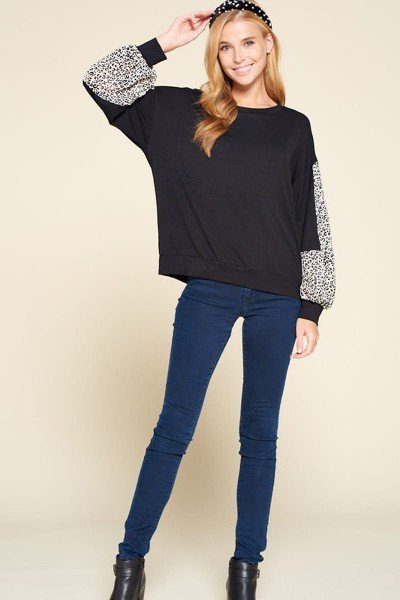
Your jeans' silhouette matters. Straight-leg, wide-leg, and bootcut denim generally pair more easily with ankle boots, while slim-fitting jeans can tuck neatly into knee-high styles.
-
Proportions are more important than rigid fashion rules. Boot shaft height, heel shape, and the space between your hemline and footwear can influence how balanced an outfit appears.
-
Comfort and versatility should guide your decision. The best boots aren't simply the trendiest pair. They're the ones you'll genuinely enjoy wearing.
Whether you're building a practical autumn wardrobe or refreshing your favourite going-out outfits, understanding these differences makes getting dressed considerably easier.
Ankle Boots vs Knee-High Boots: What's the Difference?
At first glance, the distinction seems obvious. One stops around your ankle; the other reaches towards your knee.
But their impact on an outfit goes much further than a few extra inches of material.
Ankle boots tend to feel understated and adaptable. Knee-high boots have more visual presence, often becoming a defining feature of an outfit rather than simply finishing it.
Neither is automatically more flattering, fashionable, or versatile. Their strengths depend on what you're wearing and the look you're trying to achieve.
Ankle Boots: The Effortless Wardrobe Essential
There's a reason ankle boots return season after season.
They're wonderfully uncomplicated.
A pair of classic black ankle boots can take you from coffee with friends to an afternoon shopping trip, then straight into dinner without demanding an entirely different outfit.
Their defining feature is a shorter shaft that typically finishes at or slightly above the ankle. This allows them to sit comfortably beneath many trouser styles while remaining visible with dresses and skirts.
Popular styles include:
-
Chelsea boots: Sleek, practical designs with elasticated side panels that complement casual dresses and everyday denim.
-
Heeled ankle boots: A polished choice for smart-casual outfits, date nights, and occasions when you want a little extra height.
-
Chunky ankle boots: Statement-making styles that add contrast to feminine dresses, flowing skirts, and relaxed jeans.
-
Western ankle boots: Characterful designs with distinctive shapes and detailing that bring personality to simple outfits.
-
Sock boots: Close-fitting silhouettes that create a streamlined transition between your ankle and trouser hem.
-
Flat ankle boots: Comfortable options for everyday wear, particularly when you're spending plenty of time on your feet.
What makes ankle boots especially appealing is their ability to move between different fashion moods.
Pair chunky leather boots with a delicate floral dress and the contrast feels intentional. Swap them for pointed-toe ankle boots and suddenly the same dress looks more refined.
The styling advantage: Ankle boots give you freedom to experiment with different denim widths, dress lengths, and outfit layers without making the footwear the dominant feature.
They're also a practical choice for transitional dressing. When mornings are chilly but afternoons are surprisingly mild, ankle boots often provide enough coverage without the additional warmth of a taller shaft.
Knee-High Boots: The Polished Statement Piece
Knee-high boots make an entrance.
Even the simplest pair can transform a familiar outfit into something that looks thoughtfully put together.
Typically finishing just below the knee, these boots cover much of the lower leg, creating a continuous silhouette that can feel elegant, structured, or wonderfully relaxed depending on the design.
Consider the difference between a knitted mini dress worn with trainers and the same dress paired with sleek knee-high leather boots.
The dress hasn't changed.
The entire mood has.
Popular knee-high boot styles include:
-
Classic riding boots: Usually flat or low-heeled, with a structured shape that complements tailored layers, skinny jeans, and casual dresses.
-
Heeled knee-high boots: Elegant options that bring extra definition to knitted dresses, mini skirts, and evening outfits.
-
Suede knee-high boots: Softer-looking designs that work beautifully with autumn colours, cosy knitwear, and flowing fabrics.
-
Western knee-high boots: Distinctive styles that add a relaxed, fashion-forward twist to dresses and denim.
-
Wide-calf knee-high boots: Designs offering additional room around the lower leg for a more comfortable, accommodating fit.
-
Flat knee-high boots: Practical everyday options that combine coverage with an understated finish.
One of their biggest advantages is how naturally they work with shorter hemlines.
Instead of leaving the entire leg exposed, knee-high boots introduce balance and coverage. This makes mini dresses and skirts feel particularly wearable during autumn and winter.
They can also create an elongated appearance when styled thoughtfully. Matching your boots to your tights, for example, produces a continuous line of colour that draws the eye vertically.
Style tip: If you're experimenting with knee-high boots for the first time, start with a simple black or brown pair. Neutral colours are easy to coordinate with denim, knitwear, and dresses, giving you more outfit possibilities without requiring a complete wardrobe refresh.
Ankle Boots vs Knee-High Boots at a Glance
| Styling consideration | Ankle boots | Knee-high boots |
|---|---|---|
| Overall appearance | Relaxed, versatile, understated | Polished, structured, statement-making |
| Best denim pairings | Straight-leg, cropped, wide-leg, bootcut | Skinny jeans, slim-fitting denim |
| Best dress pairings | Midi, maxi, shirt, and casual dresses | Mini, knitted, sweater, and shorter dresses |
| Seasonal versatility | Excellent for transitional weather | Particularly useful in autumn and winter |
| Leg coverage | Minimal | Substantial |
| Everyday practicality | Easy to wear with varied outfits | Excellent with compatible silhouettes |
| Styling flexibility | Works with numerous trouser shapes | Particularly strong with dresses and slim trousers |
| Visual effect | Can define or contrast with the ankle | Creates a longer continuous boot silhouette |
The takeaway? Ankle boots are generally easier to incorporate into a denim-heavy wardrobe, while knee-high boots offer a distinctive advantage when styling shorter dresses and winter outfits.
That doesn't mean you should reserve one style exclusively for jeans and the other for dresses.
Some of the most interesting outfits happen when you break those expectations.
Which Boots Look Best With Dresses?
A beautiful dress deserves footwear that complements its shape rather than competing with it.
And while both boot styles can look fantastic with dresses, the secret lies in understanding three things: hemline, volume, and proportion.
A flowing maxi dress behaves differently from a fitted mini. A structured shirt dress creates a different silhouette from a soft knitted midi.
Your boots should work with those differences.
The goal isn't to follow an outdated rule about where your dress must end. It's to create an outfit that feels balanced, comfortable, and true to your personal style.
Ankle Boots With Mini, Midi, and Maxi Dresses
Ankle boots have a remarkable ability to make dresses feel more wearable for everyday occasions.
They introduce a relaxed edge without taking attention away from the dress itself.
However, different dress lengths benefit from slightly different styling approaches.
Mini Dresses With Ankle Boots
Mini dresses and ankle boots create a youthful, easy-going combination that works especially well for casual outings and transitional weather.
A floaty mini dress with chunky ankle boots feels playful and contemporary. A fitted mini with heeled ankle boots looks sharper and more evening-ready.
For an effortless daytime outfit, try:
-
A relaxed mini dress in a solid colour or subtle print.
-
Flat Chelsea boots or chunky ankle boots.
-
A cropped denim jacket or oversized cardigan.
-
A simple crossbody bag to finish the look.
The contrast between a shorter hemline and substantial footwear can be particularly effective.
If you're concerned about ankle boots visually shortening your legs, consider a lower-cut shaft, a pointed toe, or a boot colour that blends with your tights or skin tone.
These details can help create a smoother visual line.
That said, chunky boots with bare legs can look equally stylish. It's simply a different aesthetic, not a styling mistake.
Midi Dresses With Ankle Boots
This is where ankle boots truly shine.
Midi dresses typically finish somewhere between the knee and ankle, creating an opportunity to showcase your footwear without overwhelming the outfit.
The combination feels sophisticated but never overly formal.
A floral midi dress with suede ankle boots is a lovely choice for autumn afternoons. A ribbed knitted midi with heeled leather boots offers a more refined alternative for dinner or the office.
For a flattering finish, pay attention to where the dress hem meets the top of your boots.
If there's a narrow strip of exposed leg between them, the outfit can sometimes appear visually interrupted. This isn't necessarily undesirable, but changing the proportions can make a noticeable difference.
You could experiment with:
-
A slightly shorter midi dress that reveals more of the lower leg.
-
A longer dress that nearly meets the boot shaft.
-
Close-fitting sock boots for a streamlined appearance.
-
Matching tights and boots for uninterrupted colour.
-
Pointed-toe ankle boots to create a more elongated effect.
A particularly useful combination is a softly flowing midi dress with structured ankle boots. The contrast between movement and structure adds interest without needing complicated accessories.
When browsing women's shoes and footwear, think about how the shape of each pair would interact with your most frequently worn dress lengths.
A versatile pair should complement several outfits, not just one.
Maxi Dresses With Ankle Boots
Can you wear ankle boots with a maxi dress?
Absolutely.
In fact, ankle boots can be one of the most practical footwear choices for long dresses, especially when sandals feel too summery.
The key is avoiding excessive fabric gathering around your feet.
A maxi dress that skims the top of your boots can create an elegant, flowing silhouette. If the dress is particularly long, a small heel may help prevent the hem from dragging.
For casual styling, consider chunky ankle boots with a relaxed maxi dress and an oversized knit.
For something more refined, choose sleek heeled ankle boots beneath a flowing dress with a defined waist.
The footwear may only be partially visible as you walk, but it still influences the overall appearance.
And that's part of the charm.
Ankle boots allow a long dress to remain the centrepiece while providing a practical foundation for cooler weather.
One detail worth remembering: If your maxi dress has a side slit, your boots become much more visible. Choose a style you're happy to showcase rather than treating your footwear as an afterthought.
Knee-High Boots With Dresses and Skirts
If ankle boots are the understated wardrobe heroes, knee-high boots are their more dramatic counterparts.
They have a wonderful way of making even the simplest dress feel intentional.
A plain knitted dress suddenly looks polished. A playful mini becomes autumn-ready. Even a classic shirt dress takes on an entirely different personality when paired with sleek, structured boots.
The beauty of knee-high boots with dresses is that they provide coverage without hiding the outfit's shape.
But getting the proportions right makes all the difference.
Mini Dresses With Knee-High Boots
Few combinations feel quite as effortlessly stylish as a mini dress and knee-high boots.
The shorter hemline allows the boots to become a prominent part of the outfit, while the exposed space between the dress and boot shaft helps create visual balance.
It's a combination that works across several aesthetics.
For a relaxed daytime look, pair a loose-fitting mini dress with flat riding boots and a long cardigan. The result is comfortable, practical, and easy to wear.
For a sophisticated evening outfit, choose a fitted mini dress with heeled knee-high boots. Add a tailored coat and minimal jewellery for an elegant finish.
For a more playful approach, style a floral mini dress with Western knee-high boots. The contrast between romantic fabric and structured footwear gives the outfit personality.
And don't underestimate the appeal of a classic black mini dress with brown leather boots. Mixing neutrals can create a softer, more interesting look than wearing black from head to toe.
The most important consideration is the space between your dress hem and the top of your boots.
A visible section of leg creates definition, while a hemline that overlaps the boot shaft produces a more continuous silhouette.
Neither is wrong.
They're simply different styling choices.
Styling secret: If you want your legs to appear longer, try matching your knee-high boots with tights in a similar shade. The uninterrupted colour creates a streamlined appearance, particularly with black, chocolate brown, or charcoal outfits.
Midi Dresses With Knee-High Boots
Can you wear knee-high boots with a midi dress?
Absolutely. And when styled thoughtfully, the combination can look incredibly sophisticated.
The key is understanding how the dress and boot shaft interact.
Unlike ankle boots, which usually leave part of the lower leg visible, knee-high boots can disappear beneath a midi dress.
This creates a continuous line from the dress hem to the floor, making the outfit feel cohesive and polished.
Consider a soft knitted midi dress with sleek leather knee-high boots.
The combination feels elegant without being overly formal, making it ideal for autumn lunches, office outfits, and weekend outings.
Flowing midi dresses also work beautifully with taller boots.
A pleated midi skirt paired with suede knee-high boots creates a lovely contrast between movement and structure.
However, fabric volume matters.
If your midi dress is very full and your boots are particularly chunky, the overall outfit may feel heavier than intended.
You can balance this by choosing:
-
Sleek, close-fitting knee-high boots beneath flowing dresses.
-
Structured boots with straight-cut or fitted midi dresses.
-
Heeled knee-high boots when you want additional height.
-
Soft suede boots with relaxed knitwear.
-
A defined waist to create shape when wearing oversized layers.
One particularly effective styling technique is allowing your midi dress to overlap the top of your boots slightly.
This avoids an awkward gap between the hemline and footwear, especially during colder weather.
It's also wonderfully practical.
You get the elegance of a dress with the additional coverage of winter boots.
Sweater Dresses and Knitted Dresses With Knee-High Boots
Some outfit combinations just make sense.
A cosy sweater dress with knee-high boots is one of them.
The soft texture of knitwear contrasts beautifully with smooth leather or suede, creating an outfit that feels both comfortable and refined.
For a classic autumn look, imagine a cream knitted mini dress, chocolate brown knee-high boots, and a long camel coat.
Simple. Warm. Timeless.
Alternatively, a charcoal sweater dress with black heeled knee-high boots creates a sleek monochromatic outfit suitable for dinner or an evening out.
If your knitted dress is oversized, consider adding a belt to define your waist.
This introduces structure without compromising the relaxed appeal of the outfit.
For fitted sweater dresses, flat knee-high boots can provide a more casual balance.
The beauty of this pairing is its simplicity. You don't need elaborate accessories or complicated layering to make it work.
A thoughtfully chosen dress, complementary boots, and one outerwear piece are often enough.
Choosing the Right Boot Height for Your Dress Hemline
Here's something that can make boot styling much easier: stop thinking about individual garments and start looking at the entire silhouette.
Your dress hemline and boot shaft create horizontal lines across your body.
Where those lines fall can influence how long, balanced, or streamlined your outfit appears.
That doesn't mean you need to follow strict fashion rules.
It simply means understanding why certain combinations look different.
| Dress length | Ankle boots | Knee-high boots |
|---|---|---|
| Mini dress | Creates a relaxed look with visible leg | Makes a stronger statement with added coverage |
| Above-the-knee dress | Works with flat or heeled styles | Particularly effective with riding or heeled boots |
| Knee-length dress | Sleek ankle boots keep the outfit light | Works best when the boot top and hemline feel intentional |
| Midi dress | Excellent for casual and smart-casual styling | Creates a polished look when the shaft sits beneath the hem |
| Maxi dress | Practical and versatile, especially with a small heel | Provides extra warmth beneath longer hemlines |
| Knitted dress | Ideal for relaxed everyday outfits | Particularly effective for cosy autumn and winter styling |
When You Want to Make Your Legs Look Longer
Boot styling can influence perceived proportions, although the effect depends on your outfit as a whole.
If creating a longer visual line is your goal, consider these techniques:
-
Choose pointed-toe boots. A tapered toe can visually extend the line of your foot.
-
Coordinate your colours. Matching boots with tights or trousers reduces strong visual breaks.
-
Consider a modest heel. Block heel boots can add height while providing a broader base than narrow heels.
-
Pay attention to shaft height. Boots ending at a narrower part of your leg may create a more streamlined appearance.
-
Balance oversized clothing. A defined waist or structured outer layer can help prevent your silhouette from becoming overwhelmed.
For petite women, both ankle boots and knee-high boots can be flattering.
The secret is choosing proportions that work with your frame rather than avoiding particular styles altogether.
A petite-friendly knee-high boot that finishes just below the knee may look more balanced than one that presses into the back of the knee.
Similarly, ankle boots with a close-fitting shaft can create a cleaner silhouette than styles that gape widely around the ankle.
Remember: Fashion should work for your body, not the other way around. These are styling tools to experiment with, not rules you must follow.
Which Boots Work Best With Jeans?
Dresses might give boots their moment to shine, but jeans are where footwear choices become especially interesting.
The wrong combination can make denim bunch awkwardly around your ankles or create unnecessary bulk beneath your knees.
The right pairing?
Effortless.
And once you understand how different jean cuts interact with boot height, putting together stylish everyday outfits becomes much simpler.
The main consideration is the shape of your denim.
Skinny jeans, straight-leg jeans, wide-leg jeans, and flared styles all behave differently around boots.
That's why there isn't one universal answer to which boots look best with jeans.
Ankle Boots With Skinny, Straight-Leg, and Wide-Leg Jeans
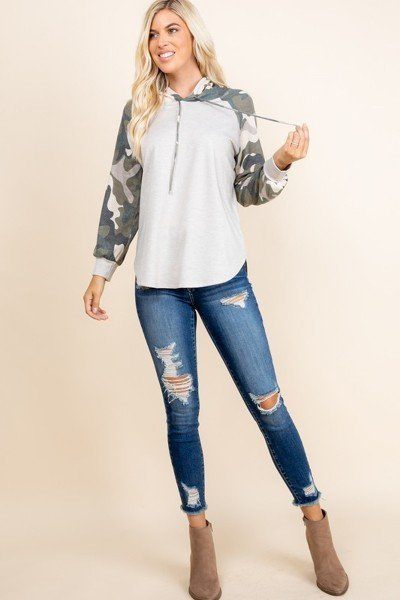
Ankle boots are particularly versatile with denim because their shorter shaft accommodates a wide variety of jean silhouettes.
You can tuck, cuff, crop, or allow your jeans to fall naturally over the boots.
Each approach creates a different effect.
Ankle Boots With Skinny Jeans
Skinny jeans and ankle boots are a classic combination for a reason.
The fitted shape of the denim creates a streamlined silhouette, while the boots add structure and definition.
But one small detail can make or break the outfit: where the jeans finish.
If your skinny jeans gather excessively around the boot shaft, the look can become bulky.
Instead, experiment with three approaches:
-
Tuck them in: Particularly effective with slim-fitting ankle boots or styles with a slightly wider opening.
-
Let them meet the boot: Jeans ending just above the shaft create a neat, uninterrupted finish.
-
Create a small cuff: A narrow turn-up can reveal a little ankle and add a relaxed touch.
For everyday wear, black skinny jeans with Chelsea boots and an oversized jumper create a dependable casual outfit.
If you want something dressier, swap the flat boots for heeled ankle boots and add a tailored blazer.
It's an easy transition from daytime comfort to evening sophistication.
Ankle Boots With Straight-Leg Jeans
Straight-leg jeans and ankle boots are one of the most adaptable combinations in a modern wardrobe.
The denim falls relatively evenly from the thigh towards the ankle, creating a silhouette that feels relaxed without being excessively wide.
This makes straight-leg jeans particularly compatible with sleek ankle boots.
A pointed-toe boot can peek out beneath the hem, adding polish without dominating the outfit.
For a casual approach, choose flat leather boots and a simple knit.
For something more elevated, pair dark-wash straight-leg jeans with heeled ankle boots, a fitted top, and a structured coat.
The ideal hemline depends on the width of your jeans and the height of your boots.
Generally, you have three options:
-
Cropped straight-leg jeans: Allow the boot shaft to remain visible.
-
Full-length straight-leg jeans: Let the denim fall naturally over the upper part of the boot.
-
Slightly cuffed jeans: Introduce a deliberate break between the denim and footwear.
Avoid forcing thick denim into narrow boot openings.
If the fabric bunches or creates an uncomfortable ridge, allowing the jeans to sit over the boots will usually produce a cleaner result.
Ankle Boots With Wide-Leg Jeans
Wide-leg jeans have a relaxed, contemporary appeal, and ankle boots can provide the structure needed to balance their generous shape.
The trick is choosing footwear that works beneath the wider hem.
Pointed-toe ankle boots are particularly effective because the tapered front remains visible even when most of the boot is covered.
Heeled ankle boots can also work beautifully, especially with longer wide-leg jeans.
The additional height may help prevent the denim from dragging on the ground.
For a casual outfit, try wide-leg blue jeans, chunky ankle boots, and a fitted long-sleeve top.
Add a cropped jacket to balance the volume of the trousers.
Alternatively, pair dark wide-leg jeans with sleek heeled ankle boots and a tucked-in blouse for a polished smart-casual look.
One thing to avoid: Choosing jeans so long that they completely cover your boots and drag beneath your heels.
Your denim should move comfortably when you walk without catching under your footwear.
Ankle Boots With Cropped, Bootcut, and Flared Jeans
Not all denim follows the same styling rules.
Cropped jeans deliberately reveal your footwear, while bootcut and flared jeans are designed to create more volume towards the hem.
Each offers a different opportunity.
Cropped jeans are ideal when you want to showcase statement ankle boots. Western detailing, unusual textures, and distinctive heel shapes become part of the outfit rather than disappearing beneath the denim.
Bootcut jeans naturally complement ankle boots because their slightly flared hems can fall over the boot shaft without clinging.
Flared jeans create a more dramatic silhouette, especially when paired with heeled ankle boots. The combination has a subtle retro influence that works beautifully with fitted knitwear and structured jackets.
For a balanced look, consider the relationship between your jean length and heel height.
If you're wearing flat ankle boots, slightly shorter flares may be easier to manage.
With heeled boots, longer denim can create a flowing, leg-lengthening appearance.
Ultimately, ankle boots offer more flexibility across these different cuts because they don't require the denim to fit around your calves.
That makes them an especially useful choice if your wardrobe includes several jean styles rather than one favourite silhouette.
Knee-High Boots With Skinny Jeans and Leggings
If ankle boots are the natural companions of relaxed denim, knee-high boots truly come into their own with slim-fitting jeans.
There's something undeniably polished about the combination.
The close-fitting shape of skinny jeans allows them to sit neatly inside taller boots, creating a streamlined silhouette without excessive fabric bunching around the calves.
It's practical, flattering, and particularly useful when temperatures begin to drop.
But there's more than one way to make this classic pairing feel fresh.
Knee-High Boots With Skinny Jeans
Skinny jeans tucked into knee-high boots remain a dependable outfit choice, especially during autumn and winter.
The combination works because the denim follows the natural shape of your legs, allowing the boot shaft to sit smoothly over the top.
For a timeless daytime outfit, consider dark-wash skinny jeans, flat brown riding boots, and a cream cable-knit jumper.
Add a long wool coat and a structured shoulder bag, and you've created an outfit that feels sophisticated without trying too hard.
Prefer something more contemporary?
Try black skinny jeans with heeled knee-high boots, a fitted turtleneck, and an oversized blazer.
The contrast between fitted denim and relaxed tailoring creates a balanced silhouette.
A few practical styling tips can make this combination even better:
-
Choose skinny jeans with enough stretch to sit comfortably beneath your boots.
-
Avoid thick seams or bulky cuffs that could create pressure around your ankles.
-
Look for boots with sufficient calf room rather than forcing a narrow shaft over denim.
-
Smooth your jeans down before pulling your boots on to minimise wrinkles.
-
Consider matching your denim and boots for a continuous, leg-lengthening effect.
Black jeans with black knee-high boots are particularly effective if you prefer a sleek, understated appearance.
Blue denim with tan or chocolate brown boots creates a softer, more relaxed alternative.
Both combinations are easy to adapt with different knitwear, coats, and accessories.
Knee-High Boots With Leggings
Leggings and knee-high boots are another comfortable pairing that deserves attention.
Because leggings are generally thinner than denim, they can sit smoothly inside taller boots without creating unnecessary bulk.
This makes them especially useful with slim-fit knee-high boots.
For an everyday outfit, combine black leggings with flat riding boots and an oversized knitted jumper.
A longline coat or cardigan adds coverage while keeping the look relaxed.
For something more elevated, try faux-leather leggings with heeled knee-high boots and a structured blazer.
The mixture of textures creates interest without relying on bold colours or elaborate accessories.
One important consideration is fabric opacity.
If you're wearing leggings as trousers, choose a sufficiently opaque pair and check how they look when stretched or bent.
Comfort matters just as much as appearance.
Should You Tuck Jeans Into Boots?
It's one of those styling questions that sounds simple until you're standing in front of the mirror, trying to decide whether your jeans should sit inside or outside your boots.
The answer depends largely on the shape of your denim and the width of your boot shaft.
As a general guide, slim jeans work well tucked into knee-high boots, while wider denim usually looks better worn over ankle boots.
Here's a practical breakdown:
| Jean style | Tuck into boots? | Recommended approach |
|---|---|---|
| Skinny jeans | Yes | Tuck neatly into knee-high or suitable ankle boots |
| Slim-fit jeans | Sometimes | Works when the boot shaft has sufficient room |
| Straight-leg jeans | Usually not | Allow the hem to fall over ankle boots |
| Wide-leg jeans | No | Wear over ankle boots with an appropriate hem length |
| Bootcut jeans | No | Let the flared hem cover the upper boot |
| Flared jeans | No | Pair with ankle boots beneath the denim |
| Cropped jeans | Usually unnecessary | Showcase the ankle boots beneath the shorter hem |
| Baggy jeans | Generally not | Allow the relaxed denim to fall naturally over ankle boots |
How to Avoid Jeans Bunching Inside Boots
Excess fabric around your ankles and calves can make knee-high boots uncomfortable.
It can also interrupt the clean silhouette you're trying to create.
Fortunately, a few small adjustments help.
-
Start with smooth-fitting denim. Skinny jeans or slim stretch denim are generally easier to tuck than rigid, straight-leg styles.
-
Check the length. Excessively long jeans may gather around your ankles even when the fit is otherwise suitable.
-
Smooth the fabric downwards. Before fastening your boots, gently remove any folds around your lower legs.
-
Consider thin socks over the jean hems. This can help keep tucked denim in place, provided your boots still fit comfortably.
-
Never force a tight boot shaft. If the boots feel restrictive around your calves, choose a wider-fitting style or a different denim combination.
The goal is a smooth, comfortable fit.
If you need to constantly adjust your jeans throughout the day, the pairing probably isn't the most practical choice.
What Colour Boots Go Best With Blue Jeans?
Blue jeans are wonderfully versatile, but the colour of your boots can completely change the mood of an outfit.
Classic black boots create contrast and definition.
Brown boots feel softer and more relaxed.
Cream or beige styles introduce a lighter, more contemporary finish.
Here's how different colours work with denim.
| Boot colour | Best denim pairings | Overall effect |
|---|---|---|
| Black | Light, medium, and dark blue jeans | Classic, defined, versatile |
| Chocolate brown | Mid-blue and dark-wash denim | Warm, sophisticated, autumnal |
| Tan | Light and medium blue jeans | Relaxed, casual, timeless |
| Beige | Light-wash and ecru denim | Soft, neutral, understated |
| Cream | Blue, grey, and black denim | Fresh, contemporary, polished |
| Burgundy | Dark blue and black jeans | Rich, distinctive, elegant |
| Grey | Black, charcoal, and cool-toned blue denim | Subtle, modern, versatile |
For an easy everyday outfit, medium-blue straight-leg jeans with tan ankle boots are difficult to beat.
For evening dressing, dark-wash jeans and black heeled ankle boots create a more refined appearance.
And if you're drawn to richer autumn colours, chocolate brown knee-high boots with tucked-in blue skinny jeans offer a lovely alternative to classic black.
Don't feel that your boots must perfectly match your handbag or belt.
Coordinating tones can create a cohesive outfit, but a little contrast often makes the styling more interesting.
Which Boots Are More Flattering for Your Height and Leg Shape?
One of the biggest misconceptions about women's boots is that certain styles only suit particular body types.
Petite women are sometimes told to avoid knee-high boots.
Women with wider calves may be encouraged to stick with ankle boots.
And anyone hoping to make their legs look longer is often advised to wear heels.
But personal style isn't that restrictive.
Both ankle boots and knee-high boots can work beautifully across different heights and proportions.
What matters is understanding fit, shaft height, and how the boots interact with the rest of your outfit.
Best Boots for Petite Women
If you're petite, you might worry that knee-high boots will overwhelm your frame.
They don't have to.
The most important consideration is where the boot shaft finishes.
A knee-high boot designed for someone taller may rise too far up your leg, potentially pressing against the back of your knee.
Look for styles with a shorter shaft measurement that finish comfortably below your knee.
For a streamlined appearance, consider:
-
Knee-high boots that fit neatly around your calves.
-
Pointed-toe ankle boots with a modest heel.
-
Boots in a similar colour to your trousers or tights.
-
Mini dresses that reveal some leg above the boot shaft.
-
High-waisted jeans paired with ankle boots to emphasise the waistline.
A monochromatic outfit can be particularly effective.
Black skinny jeans, black knee-high boots, and a black fitted top create a continuous visual line.
However, petite women can absolutely wear chunky ankle boots, flat riding boots, and contrasting colours.
These combinations simply create different proportions.
The best boots for petite women are the ones that fit comfortably and complement their preferred outfits, not necessarily those marketed as leg-lengthening.
Best Boots for Wide Calves
Finding knee-high boots that fit comfortably around wider calves can sometimes be challenging.
But that doesn't mean you need to avoid taller styles.
The solution is to pay attention to boot shaft circumference rather than relying on shoe size alone.
Shoe size tells you relatively little about how a knee-high boot will fit around your lower leg.
Before choosing a pair, measure the widest part of your calf and compare it with the product's sizing information.
Remember to account for whether you'll wear the boots over jeans, leggings, or tights.
Wide-calf knee-high boots, adjustable buckles, stretch panels, and elasticated shafts can provide additional flexibility.
A comfortable fit should allow you to walk, sit, and bend your knees without uncomfortable pressure.
If you prefer ankle boots, styles with a slightly lower shaft or a wider opening can also feel comfortable around the lower leg.
Avoid assuming that tighter boots automatically create a more flattering silhouette.
A boot that fits properly will generally look and feel better than one that's restrictive.
How to Make Your Legs Look Longer With Boots
If you're aiming for a leg-lengthening effect, think about continuity.
Every noticeable change in colour or shape creates a visual break.
Reducing those breaks can help the eye travel more smoothly along your silhouette.
For example, black tights with black knee-high boots create a continuous line from the dress hem towards the floor.
Similarly, black straight-leg jeans with black pointed-toe ankle boots can produce a streamlined appearance.
Other useful techniques include:
-
Choosing high-waisted denim to visually raise your waistline.
-
Wearing boots with pointed or softly tapered toes.
-
Selecting ankle boots that fit neatly rather than gaping around the leg.
-
Pairing knee-high boots with shorter hemlines when you want more visible leg.
-
Using a modest heel when it suits your comfort and lifestyle.
That said, not every outfit needs to make your legs look longer.
Sometimes the contrast of chunky boots with a flowing dress is exactly what makes an outfit interesting.
Proportion is something to play with, not something to fear.
Ankle Boots vs Knee-High Boots for Autumn and Winter
As the weather turns cooler, boots become more than a styling decision.
They're part of how you stay comfortable while navigating chilly mornings, damp pavements, and unpredictable temperatures.
Both ankle boots and knee-high boots have their advantages.
The right choice depends on the weather, your daily activities, and how much coverage you prefer.
Why Ankle Boots Are Ideal for Autumn
Autumn is arguably ankle boot season.
The weather is cool enough to appreciate closed-toe footwear, but often not cold enough to require extensive leg coverage.
Ankle boots work beautifully with transitional outfits.
Think straight-leg jeans and a lightweight jumper, a floral midi dress with a denim jacket, or a knitted skirt with a relaxed cardigan.
These combinations feel seasonally appropriate without becoming too heavy.
Chelsea boots are particularly practical for everyday autumn outfits because their simple shape works with numerous clothing styles.
Chunky ankle boots offer a more substantial look, while heeled ankle boots can elevate casual outfits for evening plans.
For wet weather, consider the materials and construction carefully.
Smooth leather or suitable water-resistant finishes may be easier to maintain in damp conditions than untreated suede.
However, not all leather boots are waterproof.
Check the manufacturer's care instructions and weather-resistance information before relying on a pair during heavy rain.
Why Knee-High Boots Shine in Winter
When temperatures drop, knee-high boots offer an obvious advantage: additional leg coverage.
That extra material can make dresses and skirts feel more practical during colder months.
A knitted mini dress with tights and knee-high boots is a particularly appealing winter combination.
Add a long coat and scarf, and you've created an outfit that balances warmth with style.
Knee-high boots can also help shield your lower legs from cold breezes, especially when worn over leggings or slim-fitting jeans.
However, warmth depends on more than boot height.
Lining, material thickness, sole construction, and sock choice all influence how comfortable your feet feel.
Flat riding boots can be excellent for everyday winter outfits, while heeled knee-high boots bring a dressier finish to seasonal occasions.
For icy or slippery conditions, prioritise traction and stability over appearance.
A fashionable sole isn't necessarily suitable for winter pavements.
Leather vs Suede Boots: Which Should You Choose?
Both materials offer distinctive styling advantages.
Leather boots often have a structured appearance that works beautifully with tailored coats, denim, and polished outfits.
Depending on their finish and construction, they may also be easier to wipe clean.
Suede boots create a softer, more textured effect.
They're especially attractive with knitted dresses, cosy jumpers, and warm autumn colours.
However, suede generally requires more careful maintenance, particularly in wet conditions.
| Consideration | Leather boots | Suede boots |
|---|---|---|
| Appearance | Smooth, structured, polished | Soft, textured, relaxed |
| Outfit pairings | Denim, tailoring, dresses | Knitwear, flowing dresses, casual layers |
| Wet-weather practicality | Depends on finish and construction | Generally requires additional protection |
| Maintenance | Appropriate cleaning and conditioning | Specialist brushing and protective care |
| Overall styling effect | Classic and versatile | Soft and seasonally rich |
Neither material is automatically better.
Choose according to your personal style, local weather, and how much maintenance you're comfortable with.
How to Choose the Right Boot Colour, Material, and Heel Height
A beautiful pair of boots might catch your attention immediately.
But before deciding they're the perfect addition to your wardrobe, consider how they'll work with the clothes you already own.
The most versatile boots aren't necessarily the plainest.
They're the ones that complement your everyday outfits without requiring you to buy an entirely new wardrobe around them.
Choosing a Boot Colour You'll Actually Wear
Start by looking at the dominant colours in your wardrobe.
If you frequently wear black jeans, charcoal knitwear, and monochromatic dresses, black boots are an obvious choice.
If your wardrobe leans towards cream, camel, olive, and warm denim shades, brown or tan boots may feel more harmonious.
For a first pair, neutral colours are often the easiest to style.
But don't overlook richer shades.
Burgundy boots can add depth to navy dresses and dark denim, while cream boots can brighten an otherwise understated outfit.
The goal is to choose a colour that feels like a natural extension of your personal style.
Flat Boots vs Heeled Boots
Heel height affects both appearance and practicality.
Flat ankle boots and flat knee-high boots are popular for everyday outfits because they don't add the balance demands associated with elevated heels.
They're particularly useful for shopping trips, casual outings, and days involving plenty of walking.
Heeled boots, meanwhile, can bring additional height and a dressier finish.
Block heels are worth considering if you prefer a broader heel base.
A low or medium block heel can look elegant with midi dresses, straight-leg jeans, and tailored outfits without creating the same visual effect as a very high stiletto.
However, comfort depends on more than heel shape.
Footbed support, toe-box width, sole flexibility, and overall fit all matter.
Choose your heel height according to how you'll actually wear the boots, rather than how they look in a carefully styled photograph.
A pair you can comfortably wear for several hours will generally be more useful than one that spends most of its life sitting in your wardrobe.
Building a Versatile Boot Wardrobe
You don't need an enormous collection of women's boots to create varied outfits.
A few thoughtfully chosen pairs can cover numerous occasions.
For example:
-
Black Chelsea boots for everyday jeans, casual dresses, and relaxed outfits.
-
Brown knee-high riding boots for skinny jeans, knitted dresses, and autumn layering.
-
Heeled ankle boots for evenings, smart-casual outfits, and more polished styling.
-
A statement pair in suede, Western-inspired detailing, or an interesting colour when you want something different.
Of course, your ideal selection depends on your lifestyle.
If you wear dresses almost every day, knee-high boots might become your most frequently worn pair.
If you live in jeans, ankle boots may offer greater everyday flexibility.
There's no need to own every trend.
A smaller wardrobe filled with pieces you genuinely enjoy wearing can offer far more styling possibilities than an overflowing collection of footwear that rarely leaves the shelf.
Frequently Asked Questions About Ankle Boots and Knee-High Boots
Still wondering which boots will work best with your favourite outfits? Here are answers to ten common styling questions, covering everything from dress codes and seasonal dressing to boot fit and everyday versatility.
1. Are Ankle Boots or Knee-High Boots Better for a Capsule Wardrobe?
Ankle boots are generally the more versatile starting point for a capsule wardrobe, especially if you regularly wear different styles of jeans, trousers, and dresses. A classic pair of black or brown ankle boots can complement everything from cropped denim to flowing midi dresses.
However, if your wardrobe revolves around mini dresses, skirts, and slim-fitting trousers, knee-high boots may offer greater value. The best choice depends on which style complements the most outfits you already own.
2. Can You Wear Knee-High Boots With a Maxi Dress?
Yes! Knee-high boots can look beautiful beneath a maxi dress, particularly during autumn and winter. Although the boots may remain mostly hidden, they provide additional leg coverage and create a polished foundation for longer hemlines.
Choose sleek, close-fitting knee-high boots beneath flowing maxi dresses to avoid unnecessary bulk. For dresses with side slits, structured leather or suede boots can become an attractive feature of the outfit.
3. Are Ankle Boots Appropriate for a Wedding or Formal Event?
Ankle boots can work for certain weddings and formal occasions, particularly when the dress code allows creative or smart-casual styling. Elegant heeled ankle boots in leather, suede, or a refined finish can complement midi dresses, tailored outfits, and sophisticated eveningwear.
For more traditional formal events, however, delicate heels or dress shoes may be more appropriate. Always consider the venue, season, and stated dress code before choosing your footwear.
4. Can You Wear Knee-High Boots With Bare Legs?
Absolutely. Knee-high boots with bare legs can create a stylish, balanced outfit, especially when paired with mini dresses, shirt dresses, or shorter skirts.
The combination works particularly well during transitional weather when tights aren't necessary. For a softer appearance, try tan or brown boots with a light-coloured dress. Black knee-high boots can create a stronger contrast, especially with neutral or patterned outfits.
5. Should Ankle Boots Fit Tightly Around Your Ankles?
Ankle boots should feel secure without squeezing or restricting movement. A close-fitting shaft can create a streamlined appearance, particularly with cropped jeans and dresses, but there should still be enough room for comfortable movement.
Chelsea boots and sock boots often have a more fitted silhouette, while chunky or Western ankle boots may feature wider openings. Your toes shouldn't feel cramped, your heel shouldn't slip excessively, and the boots shouldn't rub painfully against your ankles.
6. Can You Wear Ankle Boots With Joggers or Casual Trousers?
Yes, ankle boots can work surprisingly well with joggers and relaxed trousers when the proportions are carefully considered.
For a contemporary casual outfit, pair tapered joggers with chunky Chelsea boots and an oversized sweatshirt or structured jacket. Tailored trousers look particularly polished with sleek, pointed-toe ankle boots.
Avoid forcing bulky trouser hems into narrow boot shafts. Instead, choose trousers that finish neatly above the boots or fall naturally over them.
7. Are Knee-High Boots Suitable for Spring Outfits?
Knee-high boots aren't exclusively for autumn and winter. They can also complement spring dresses, lightweight skirts, and transitional outfits.
Try pairing tan suede knee-high boots with a floral mini dress and a lightweight cardigan. Alternatively, wear classic riding boots with a shirt dress for an understated daytime look.
Choose breathable clothing and lighter layers to prevent the outfit from feeling too wintery. On warmer days, ankle boots may offer a more comfortable alternative.
8. Can You Wear Socks With Ankle Boots and Dresses?
Definitely. Visible socks can add personality to ankle boots and dress combinations, particularly when you're creating a relaxed or slightly preppy outfit.
Fine ribbed socks peeking above Chelsea boots can look charming with a casual mini dress. For a more understated finish, choose low-cut socks that remain hidden inside the boots.
If you're wearing midi dresses, consider how the sock colour interacts with your boot shaft and hemline. Coordinating colours creates a cohesive appearance, while contrasting socks make more of a statement.
9. Which Boots Are Better for Walking All Day?
Neither boot height automatically guarantees better walking comfort. A well-fitting pair of ankle boots may feel lighter and less restrictive, while supportive knee-high boots can also be comfortable for extended wear.
Look for cushioned insoles, adequate arch support, flexible soles, suitable traction, and enough room around your toes. Low block heels or flat boots are often practical choices for everyday activities.
Most importantly, make sure your boots fit properly and try wearing new pairs for shorter periods before relying on them for an entire day.
10. Can You Wear the Same Boots for Casual and Dressy Outfits?
Yes, and choosing boots that transition between casual and dressy occasions is an excellent way to make your wardrobe more versatile.
A pair of black heeled ankle boots can look relaxed with straight-leg jeans and a jumper, then sophisticated with a midi dress and tailored coat.
Similarly, sleek knee-high leather boots can complement skinny jeans during the day and a knitted mini dress for dinner.
The secret is choosing timeless shapes, versatile colours, and comfortable heel heights. With the right pair, changing your clothing and accessories can completely transform the overall look without requiring different footwear.