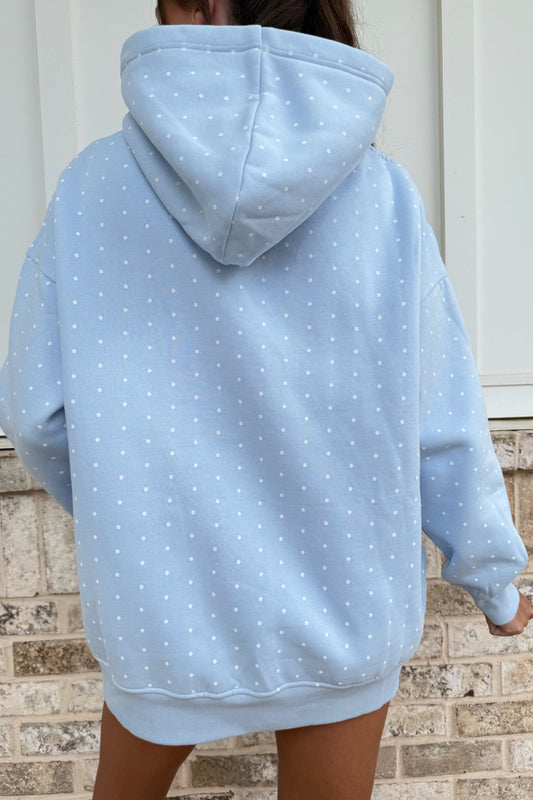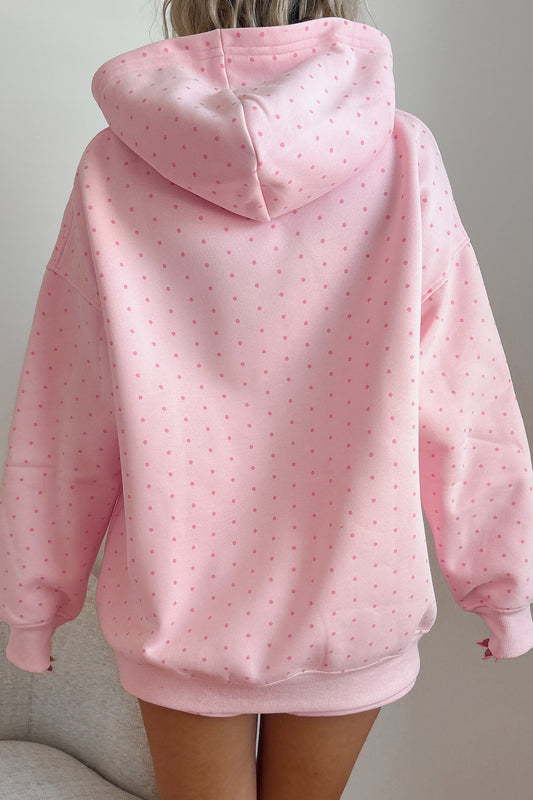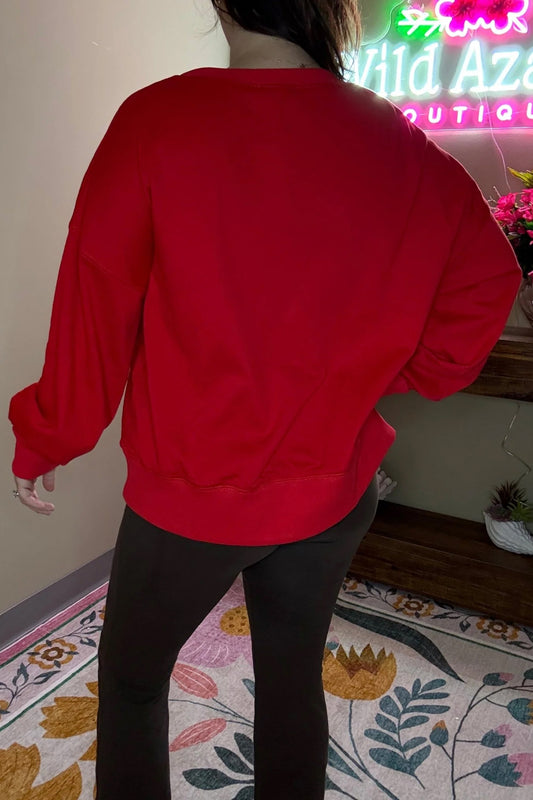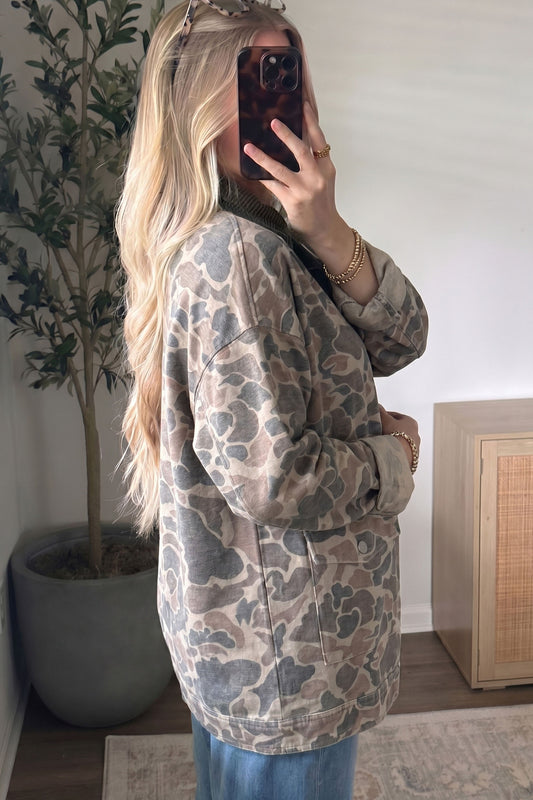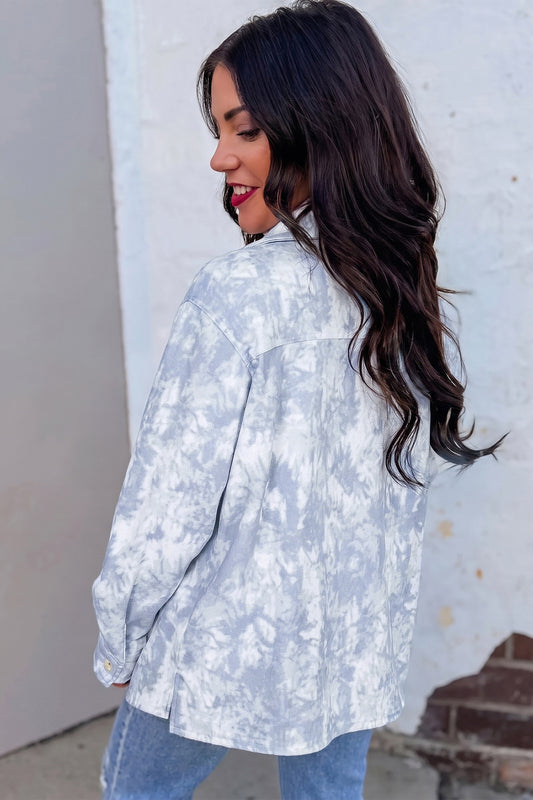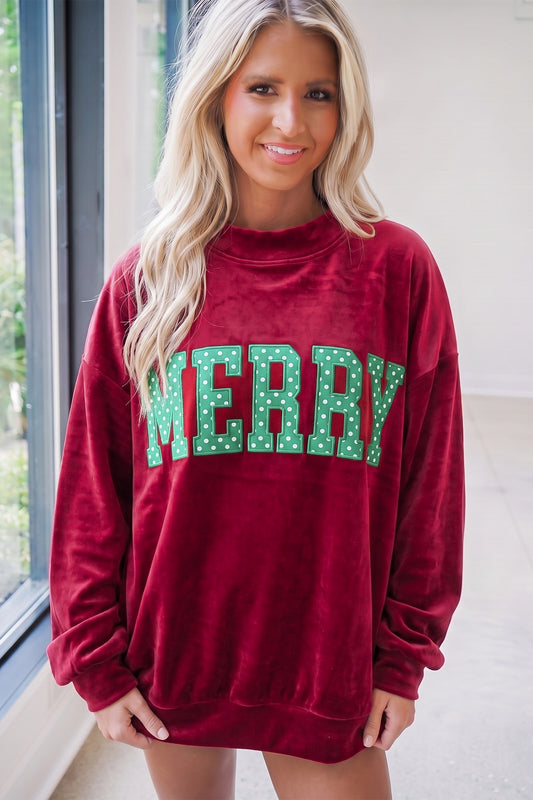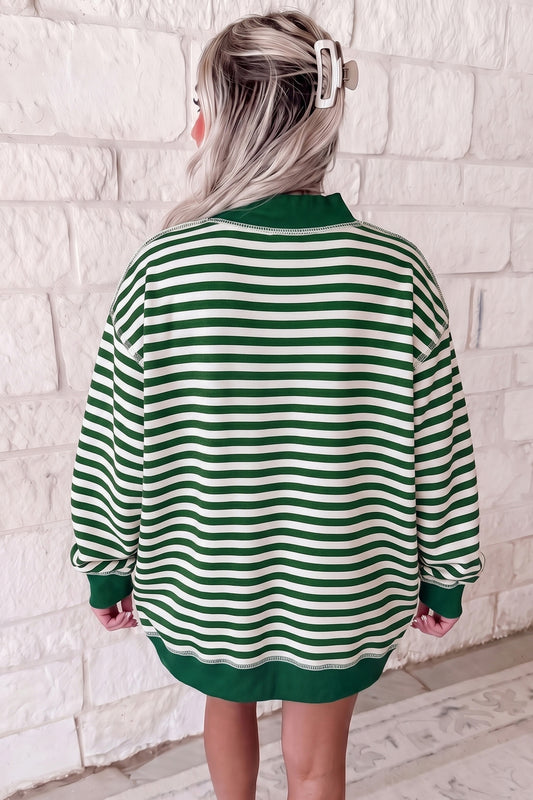

When to Tuck In a Shirt (And When Not To)
Whether you tuck in or leave untucked depends on five key decision criteria: occasion and formality, shirt style, hem style, fit and proportion, and the bottoms you’re wearing. A curved hem and longer length usually signal “tuck in.” A straight hem and relaxed fit often work best untucked. If you want waist emphasis and silhouette balance, tuck. If you’re leaning into ease and movement, leave untucked. From full tuck to half-tuck, from business shirt to casual t-shirt, the right choice shapes your entire outfit harmony.
Style is rarely about rigid rules. It’s about proportion balance, fabric type, and your style intention in a given occasion context. The difference between polished and careless can be as subtle as what you do with your shirt hem.
This first part breaks down the core framework for deciding when to tuck in — and when not to.
The 5 Decision Criteria That Actually Matter
Before you even think about trend vs classic rules, pause and evaluate these five elements:
- Occasion / formality
- Shirt style / shirt type
- Hem style (straight hem vs curved hem)
- Fit (length and proportion)
- Bottoms / pants type
Master these, and you’ll instinctively know when to tuck and when not to tuck.
1. Occasion & Formality: The First Filter
The most reliable starting point is the formal vs casual occasion.
Formal or Business Settings
If you’re wearing a formal shirt or business shirt to:
- The office
- A meeting
- A formal dinner
- An event with structure
You should almost always tuck in.
A full tuck creates waist definition and silhouette shaping. It visually elongates the legs and creates proportion rules that feel intentional. Leaving a structured blouse or button-down loose in a formal setting can disrupt visual balance.
For polished options designed to work beautifully tucked, explore our curated collection of blouses & shirts.
In structured environments, clean lines equal credibility.
Smart Casual vs Street Casual
Smart casual lives in the middle ground. Here, you have flexibility.
- A tailored blouse with relaxed trousers? Likely tuck.
- A relaxed t-shirt with wide leg jeans? Leave untucked or try a half-tuck.
- A rollneck layered under a blazer? Usually tucked for layered outfit rules that maintain silhouette balance.
Street casual leans into ease and movement. The untucked look feels natural, especially with casual shirts and relaxed fabrics.
2. Shirt Style & Shirt Type: Read the Garment
Not all shirts are created equal. The shirt itself often tells you what to do.
Casual Shirt / T-Shirt / Polo
A relaxed t-shirt or soft knit often looks best untucked — especially when the hem is straight and the fit is slightly boxy.
Our everyday essentials in the tops collection are designed to move effortlessly between tucked and untucked styling depending on your mood.
If you’re wearing one of our versatile pieces from the t-shirts collection, ask:
- Is the fabric type casual?
- Is the length moderate?
- Does it hit mid-hip?
If yes, you likely have the freedom to leave it untucked or experiment with a front tuck.
Formal Shirt or Structured Blouse
A structured button-down with a curved hem (also called a tail hem) is designed to be tucked. The extra length prevents it from pulling loose and maintains clean lines throughout the day.
Curved hem = tuck in.
Straight hem = optional.
This is one of the most overlooked hemline length guides.
3. Hem Style: The Silent Indicator
The shirt hem quietly communicates intention.
Curved or Tail Hem
- Longer in front and back
- Designed to stay tucked
- Ideal for business or formal styling
This cut was originally created to prevent shirts from coming untucked. Wearing it loose can look visually incomplete.
Straight Hem
- Even all around
- Often slightly shorter
- Designed to leave untucked
A straight hem paired with jeans (skinny, relaxed, or wide leg) often creates outfit harmony without waist emphasis.
If you tuck a straight hem, do it deliberately — not halfway by accident.
4. Fit & Proportion: The Balance Equation
Fit is where most people get it wrong.
Ask yourself:
- Does the shirt overwhelm your frame?
- Is it too long in the torso?
- Does leaving it untucked create visual bulk?
Body Type Considerations
If you have:
- A longer torso — tucking in can balance proportions.
- A shorter torso — a high-waisted bottom with a light tuck can elongate legs.
- A petite frame — too much fabric left untucked can add silhouette volume.
This is about proportion balance, not body correction.
A tuck naturally defines the waist. Leaving a shirt loose softens structure. Neither is “right” — it depends on the silhouette balance you’re aiming for.
5. Bottoms & Pants Type: The Anchor Piece
Your bottoms dictate more than you think.
High-Waisted Trousers or Skirts
Tuck in.
These are built for waist emphasis and shape definition.
Skinny Jeans
Both options work. A full tuck feels polished. An untucked tee feels modern and relaxed.
Relaxed or Wide Leg Jeans
A full tuck helps avoid visual bulk. A half-tuck adds asymmetry and modern edge.
Tailored Trousers
Almost always tuck — especially in smart casual or formal settings.
The key is the top-to-bottom ratio. If your pants have volume, consider waist definition. If your bottoms are slim, you can afford more looseness above.
Implementation: Tuck Techniques That Matter
There isn’t just one way to tuck in.
- Full tuck — clean, symmetrical, ideal for business shirt styling.
- Half-tuck / front tuck (French tuck) — relaxed but intentional.
- Military tuck — folds excess fabric at the sides for a sharp finish.
- Loose tuck under knit or rollneck — ideal for layered outfit rules.
And don’t forget belt emphasis. A visible belt strengthens waist structure and makes the tuck feel purposeful.
Layering Considerations: When a Tuck Changes Everything
Layering is where the tuck becomes strategic rather than automatic.
Throw a blazer, cardigan, or structured jacket over your shirt and suddenly the rules shift. A shirt that felt fine untucked on its own may now disrupt silhouette balance once layered.
Tucked Under a Blazer
If you’re wearing a structured blazer over a blouse or button-down:
- A full tuck keeps the waist defined.
- It prevents fabric from bunching at the hips.
- It sharpens the overall proportion balance.
An untucked hem peeking below a tailored blazer often adds visual bulk and breaks clean lines. In smart casual settings, that can read sloppy instead of relaxed.
When layering with structure on top, structure underneath usually wins.
Rollneck or Knit Layers
With a rollneck or fine knit:
- Tuck for waist emphasis if the knit is thin.
- Leave untucked if it’s oversized and intentionally relaxed.
- Use a half-tuck if you want dimension without rigidity.
Layered outfit rules are about flow. A thick knit tucked into slim trousers creates silhouette shaping. A chunky sweater left loose over wide leg jeans creates volume — but that volume must feel intentional.
Fabric Type: Casual vs Formal Matters More Than You Think
The fabric type often determines whether a tuck looks refined or forced.
Lightweight, Structured Fabrics
- Cotton poplin
- Crisp woven blends
- Tailored blouse materials
These are built to hold shape. They respond well to a full tuck and maintain visual balance throughout the day.
Soft, Drapey Fabrics
- Jersey
- Modal
- Relaxed cotton
- Lightweight knits
These lend themselves to:
- Leaving untucked
- A soft front tuck
- Slight asymmetry
A stiff tuck with an ultra-soft shirt can look overly formal. A loose untucked drape with structured trousers can feel unfinished.
Harmony comes from matching fabric personality with styling intention.
Trend vs Classic Rules
Fashion cycles. Structure doesn’t.
In the 90s and early 2000s, long untucked tops over low-rise jeans dominated. Recently, high-waisted trousers and cropped silhouettes brought the tuck back into focus.
But here’s the truth: trend fades. Proportion rules remain.
Classic styling principles say:
- Curved hem = tuck.
- Formal occasion = tuck.
- Structured silhouette = tuck.
- Casual ease = optional.
Modern styling gives you permission to break those rules — but only if the break looks deliberate.
A half-tuck into relaxed jeans, especially skinny or wide leg styles, feels contemporary because it creates dynamic silhouette balance.
Style Intention: What Are You Trying to Say?
Before deciding when to tuck, ask yourself one question:
What is the energy of this outfit?
- Polished and authoritative?
- Relaxed and effortless?
- Creative and expressive?
- Minimal and clean?
Your style intention determines everything.
For Office or Professional Context
In an office setting, waist definition signals structure and competence. A tucked blouse paired with tailored trousers communicates readiness.
Even a simple top from our collections can feel elevated when styled with belt emphasis and clean lines.
For Date Night
Here, you can play.
- A half-tuck into high-waisted jeans enhances silhouette shaping.
- A full tuck with wide leg trousers elongates the frame.
- An untucked relaxed shirt feels approachable and soft.
It’s less about formality and more about visual balance.
For Casual Hangouts
Street casual thrives on movement. Leaving a shirt untucked allows ease — especially with relaxed denim.
But even here, proportion matters. If your top is oversized and your bottoms are wide leg, you may need a front tuck to prevent excessive silhouette volume.
Waist Emphasis & Silhouette Balance
One of the strongest reasons to tuck in is to define the waist.
Tucking:
- Creates a clear break between top and bottom.
- Visually lengthens legs.
- Reduces fabric pooling.
- Enhances proportion balance.
Leaving untucked:
- Softens the midsection.
- Creates flow.
- De-emphasizes waist definition.
- Adds ease.
Neither is inherently better. It’s about how the lines interact.
If your outfit feels heavy, try tucking.
If it feels rigid, try loosening it.
Small adjustments shift the entire mood.
Undershirts, Base Layers & Invisible Structure
An often-overlooked factor: the undershirt.
A well-fitted undershirt:
- Reduces bunching.
- Keeps a formal shirt smooth.
- Helps maintain a clean tuck.
Without it, thin fabrics may cling or shift throughout the day.
Invisible structure creates visible polish.
Hemline Length Guides: The Quick Test
Still unsure?
Use this simple test:
- If the hem falls well below your hip line and covers most of your seat, it’s likely designed to tuck in.
- If it hits mid-hip with a straight hem, leaving it untucked will look natural.
- If it sits at high hip, a tuck may create awkward pulling unless paired with high-waisted bottoms.
Fit and proportion always come back to length.
Formula 1: The Polished Office Look
Structured blouse + tailored trousers + belt = Full tuck
Why it works:
- Creates strong waist emphasis
- Enhances silhouette shaping
- Maintains clean proportion balance
- Aligns with formal occasion standards
This is where the full tuck shines. It sharpens your outline and keeps visual bulk under control.
If your shirt has a curved hem, this is non-negotiable. Tuck it in.
Formula 2: Smart Casual Confidence
Relaxed blouse + high-waisted jeans (skinny or straight) = Front tuck
This is the sweet spot between polished and effortless.
A half-tuck:
- Defines the waist without rigidity
- Adds asymmetry and dimension
- Prevents excess fabric from overwhelming your frame
This is especially effective with straight hem styles and soft fabrics.
Smart casual is about balance — not perfection.
Formula 3: Relaxed Weekend Ease
Casual t-shirt + relaxed or wide leg jeans = Leave untucked
Here, movement matters more than structure.
If:
- The hem is straight
- The fabric is soft
- The fit isn’t overly long
Leaving it untucked enhances outfit harmony and feels natural.
However, if you notice too much silhouette volume on top and bottom, add a subtle front tuck to restore proportion rules.
Formula 4: Elevated Minimalism
Rollneck or fine knit + tailored trousers = Tuck or clean partial tuck
With knits, fabric weight determines the move.
- Thin knit → tuck for waist definition
- Mid-weight knit → soft tuck
- Oversized chunky knit → leave untucked intentionally
Layering considerations matter here. Under a blazer, a tucked knit prevents bunching and keeps the lines crisp.
When Not to Tuck: The Clear Signs
There are moments when tucking simply doesn’t serve the outfit.
Avoid tucking when:
- The shirt is very short and pulls when tucked
- The fabric bunches awkwardly
- The look is intentionally oversized and street casual
- The hem is straight and designed for an untucked finish
- You’re wearing low-rise bottoms that distort proportion balance
If tucking makes you fidget all day, it’s the wrong choice.
Style should feel secure, not restrictive.
The Quick Decision Checklist
When you’re standing in front of the mirror, run through this:
-
What’s the occasion context?
Formal leans tuck. Casual allows freedom. -
What’s the hem style?
Curved hem = tuck. Straight hem = optional. -
How’s the fit and proportion?
Too much torso length? Tuck.
Balanced length? Optional. -
What bottoms am I wearing?
High-waisted or tailored → tuck.
Relaxed and casual → flexible. -
What’s my style intention today?
Structured? Defined? Relaxed? Soft?
Answer those, and the decision becomes obvious.
Tuck Techniques Refined
Let’s revisit the key style tips for tucking — but strategically.
Full Tuck
Best for:
- Business shirt styling
- Formal shirt occasions
- Tailored trousers
- Clear waist emphasis
Execution tip:
Smooth the fabric flat, then use a slight military tuck at the sides if excess fabric appears.
Half-Tuck / French Tuck
Best for:
- Smart casual
- Relaxed denim
- Soft blouses
- Creative styling
Execution tip:
Tuck only the front center. Let the sides fall naturally. Avoid over-adjusting — effortlessness is key.
Leave Untucked
Best for:
- Casual shirt styling
- Street casual aesthetics
- Straight hem designs
- Flowy silhouettes
Execution tip:
Make sure the length is intentional. If it hits awkwardly at the widest part of your hips, consider adjusting.
Body Type & Confidence: The Final Layer
Tucking is not about hiding. It’s about shaping lines.
If you want:
- Leg length → tuck.
- Waist definition → tuck.
- Relaxed drape → leave untucked.
- Softened midsection → leave untucked or try a partial tuck.
Body type considerations aren’t about restriction. They’re about using proportion balance to support your personal expression.
The Real Rule
There isn’t one.
The phrase When to Tuck In a Shirt (And When Not To) sounds like it demands certainty. But style isn’t binary.
It’s responsive.
To:
- Fabric
- Form
- Occasion
- Mood
- Movement
Master the framework, understand silhouette balance, and trust your eye.
If it looks intentional, feels comfortable, and aligns with your style intention — it’s right.
And that’s the difference between getting dressed and dressing with purpose.
Frequently Asked Questions
1. Should you tuck in a shirt with high-waisted jeans?
In most cases, yes. High-waisted jeans are designed to highlight waist definition and create strong proportion balance. A full tuck or half-tuck helps emphasize the waist and elongate the legs. Leaving a shirt untucked with high-rise bottoms can sometimes hide the very feature the jeans are meant to enhance.
2. Is it unprofessional to leave a shirt untucked at work?
It depends on your workplace dress code and the shirt style. In formal or corporate environments, a business shirt should almost always be tucked in. In relaxed or creative offices, a straight-hem blouse or refined knit can be left untucked if the overall silhouette still looks intentional and polished.
3. How do I keep my shirt from coming untucked?
To keep a shirt neatly tucked:
- Choose the correct length (longer hems stay put better)
- Use the military tuck technique to reduce excess fabric
- Wear high-waisted or properly fitted bottoms
- Add belt emphasis for structure
A shirt that constantly slips out may simply be too short for a full tuck.
4. Can you tuck in an oversized shirt?
Yes — but it requires intention. Oversized shirts often benefit from:
- A front tuck to reduce visual bulk
- A structured bottom (like tailored trousers) to balance volume
- Careful fabric smoothing to avoid bunching
If the fabric is too thick, leaving it untucked may create better outfit harmony.
5. Should petite women tuck in their shirts?
Often, yes. Tucking can visually lengthen the legs and create a more balanced top-to-bottom ratio. However, the key is proportion — avoid overly bulky fabrics or excessive bunching at the waist. A subtle half-tuck can be more flattering than a tight full tuck.
6. Does tucking in a shirt make you look slimmer?
Tucking doesn’t automatically make someone look slimmer, but it does create waist emphasis and cleaner vertical lines. This can enhance silhouette shaping and reduce excess fabric that might otherwise add volume. The effect depends on fit, fabric, and overall styling.
7. Can you tuck in a shirt without a belt?
Absolutely. A belt is optional, not mandatory. Belt emphasis adds structure and polish, especially in formal settings, but a clean waistband without a belt can look modern and minimal. The decision depends on your style intention and the formality of the outfit.
8. Should you tuck in a shirt with a blazer?
Generally, yes — especially if the shirt is structured or long. Tucking under a blazer maintains clean lines and prevents fabric from peeking out unevenly. However, a deliberately layered untucked look can work in relaxed smart casual settings if proportions are carefully balanced.
9. Is the French tuck still in style?
Yes. The half-tuck (often called the French tuck) remains popular because it blends structure with ease. It works particularly well in smart casual outfits and helps define the waist without feeling overly formal. As long as it looks intentional, it’s a timeless styling tool rather than a passing trend.
10. What’s the biggest mistake people make when tucking in a shirt?
The most common mistake is ignoring proportion. Tucking a very thick shirt into tight trousers can create bunching and visual bulk. Leaving an overly long curved hem untucked can look unfinished. The key is aligning hem style, fabric type, fit, and occasion context before deciding whether to tuck or not.