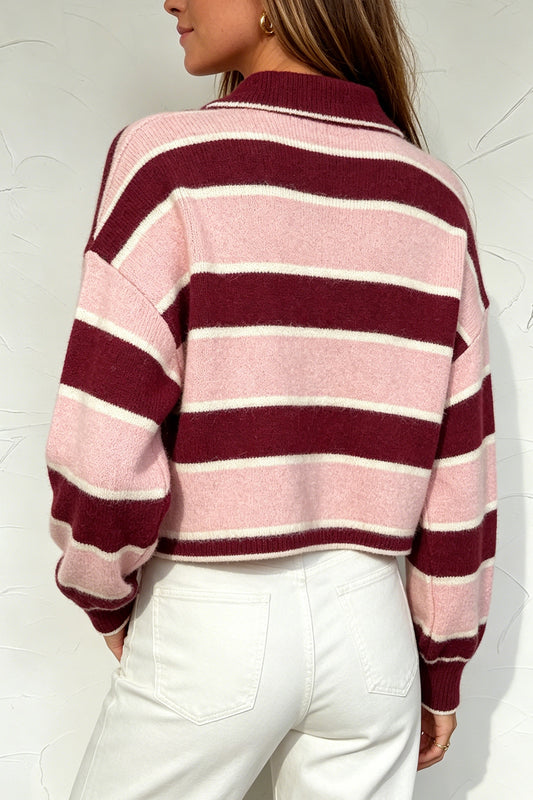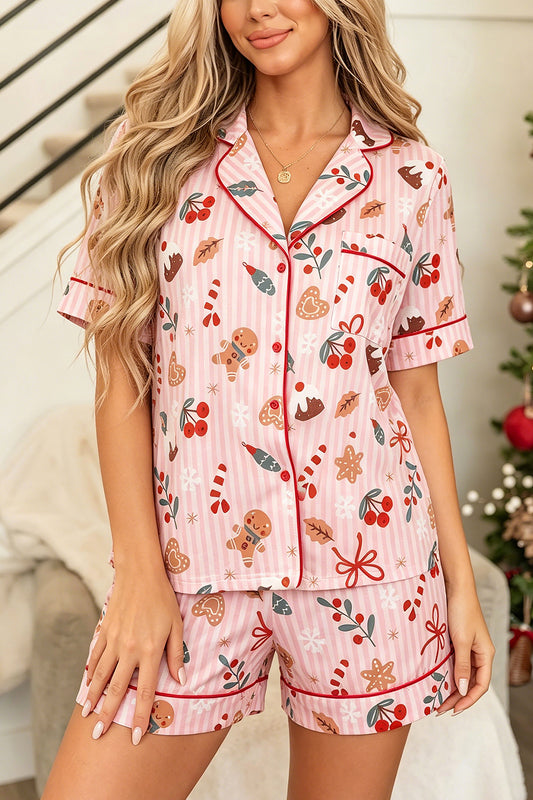

How to Mix Prints Like a Fashion Pro
In a rush? Here’s the essence: Mixing prints isn’t about being loud — it’s about being intentional. Choose a common color to anchor your look, vary your print scale to create balance, and use neutral pieces to ground prints when things feel too bold. Think stripes with florals, leopard as a neutral, or geometric patterns paired with polka dots. Stick to one color family or try complementary color mixing, but always maintain visual hierarchy in your outfit. The goal isn’t perfection — it’s confident, playful fashion that elevates your wardrobe without creating a “too busy” quilt effect.
Fashion loves rules — and then loves breaking them. Pattern mixing sits right at that intersection. Done well, it feels editorial, effortless, and expressive. Done poorly, it can feel chaotic.
So how do stylists make it look so easy?
This is your practical, wearable, real-life guide to mixing prints like a pro — without looking like you got dressed in the dark.
The Foundation of Pattern Mixing: Color Comes First
If there’s one non-negotiable in any mix prints fashion guide, it’s this: start with color coordination.
Before you think about stripes, florals, or plaid, ask yourself:
- Do these pieces share a common color?
- Am I sticking to one color family?
- Is there matching color across prints that ties everything together?
When two prints share even one repeated shade, your outfit immediately feels intentional. That shared color creates color harmony, even if the patterns themselves are wildly different.
Try This:
- A striped top with navy running through it.
- A floral skirt that also includes navy.
- Suddenly, two completely different patterns feel connected.
If you're experimenting with patterned separates, start with versatile pieces from our tops collection. They make it easy to test combinations without committing to a full head-to-toe print look.
Pro tip: If you’re nervous, begin with a monotone color palette. Different prints, same tonal family. It’s one of the easiest beginner print mixing tips.
Understanding Print Scale & Visual Weight
Once color is aligned, the next rule of how to mix patterns is mastering print scale.
This is where many outfits go wrong.
Wearing two large-scale patterns together can feel overwhelming. The eye doesn’t know where to land. But when you mix large and small prints, you create contrast and balance visual weight.
Why It Works
- A bold floral print (large scale) makes a statement.
- A fine stripe or subtle polka dot (small scale) adds texture.
- Together, they create size contrast in patterns that feels styled, not accidental.
Avoid prints of the same scale without common colors — that’s when you get the dreaded “too busy” quilt effect.
For example, pairing a statement patterned top with a subtler printed piece from our t-shirts collection allows you to play with proportion while keeping things grounded.
A Simple Scale Formula:
- One dominant print
- One supporting print
- Optional neutral to break it up
That’s it. That’s the formula stylists use repeatedly.
The Classic Print Combinations That Always Work
Some print clashing combinations are actually timeless when styled correctly.
Here are fashion stylist tips that never fail:
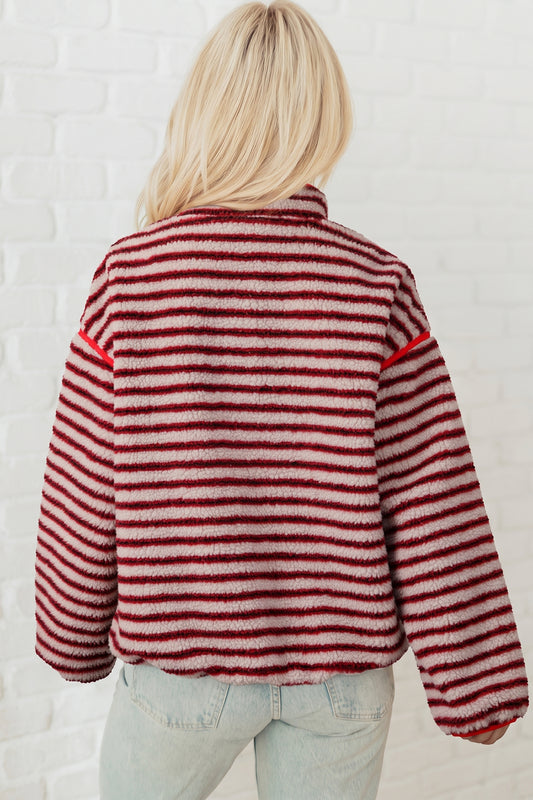
Stripes + Florals
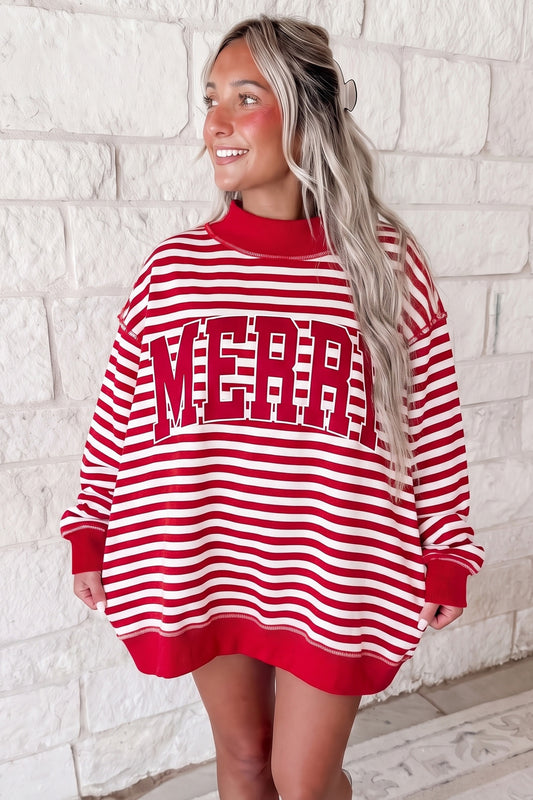
Stripes act almost like a neutral. They provide structure. Floral prints bring softness. The tension between the two creates beautiful visual hierarchy in outfits.
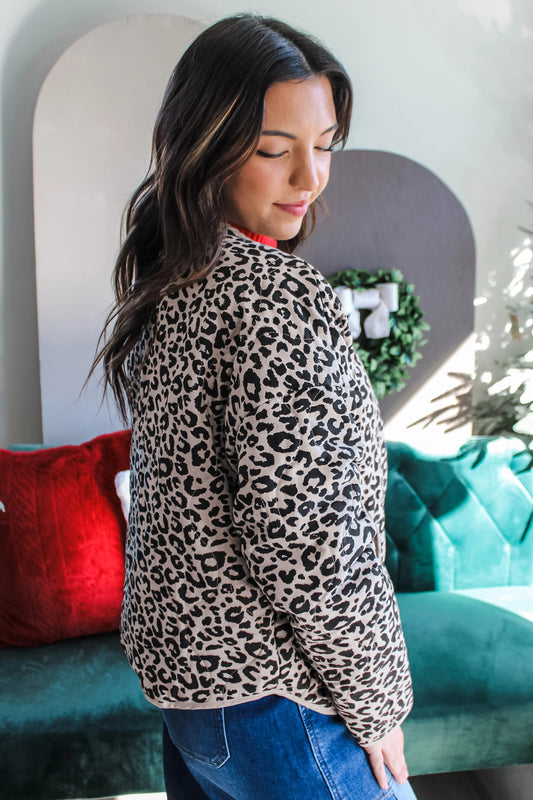
Animal Print as a Neutral
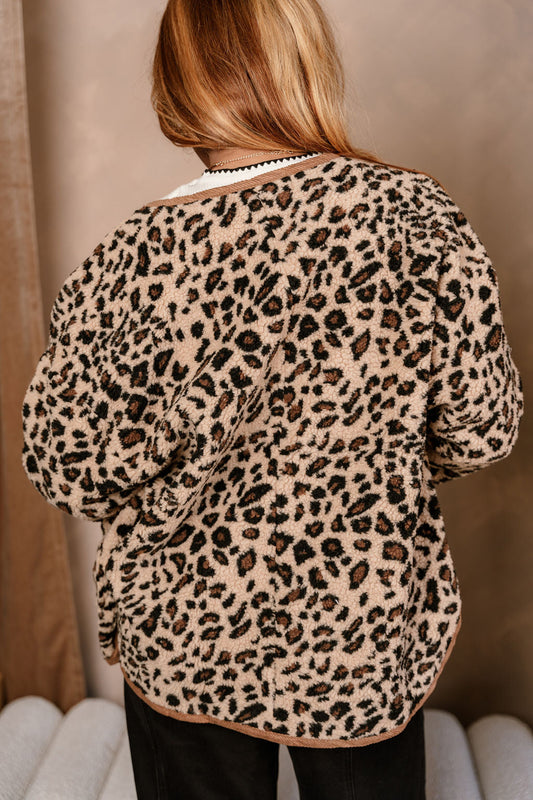
Leopard and snakeskin are considered prints as neutrals in fashion circles. Their organic patterns blend easily with:
- Geometric patterns
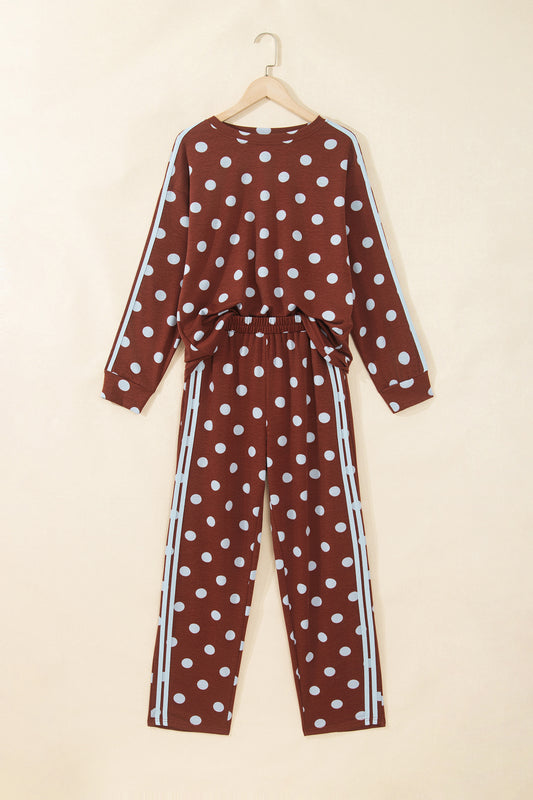
- Polka dots
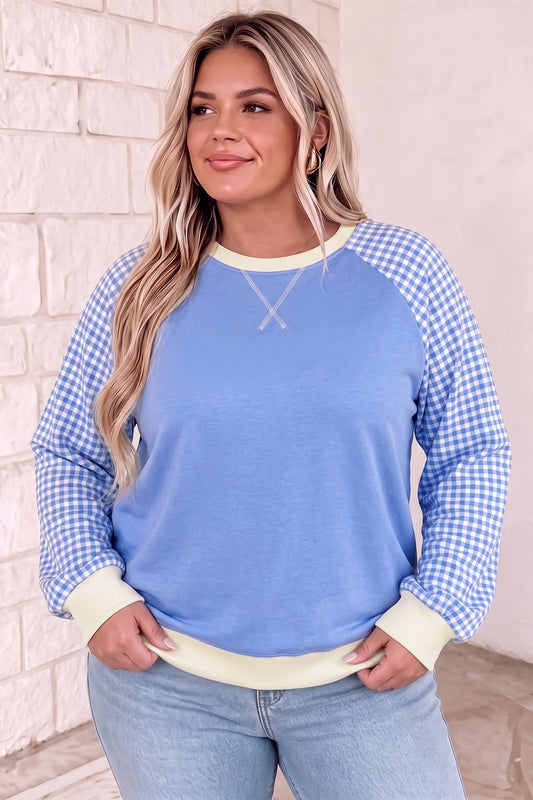
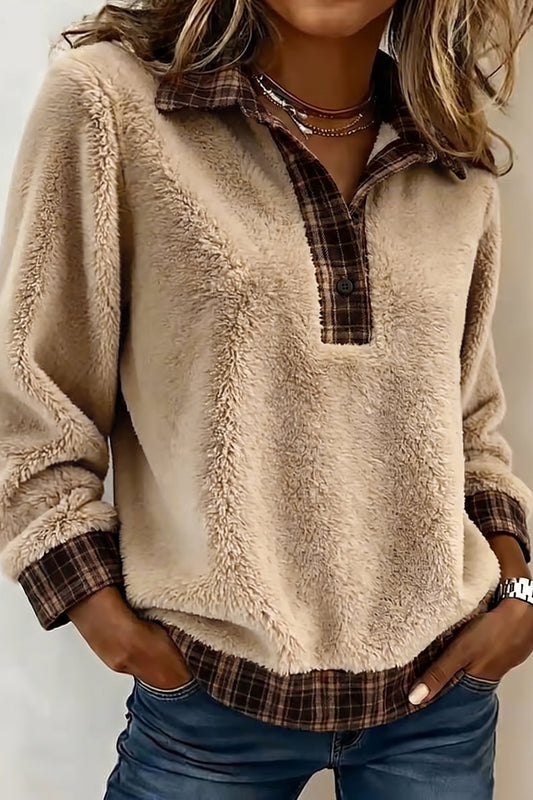
- Plaid or checks
Treat animal prints like you would denim — surprisingly versatile.
Geometric + Organic
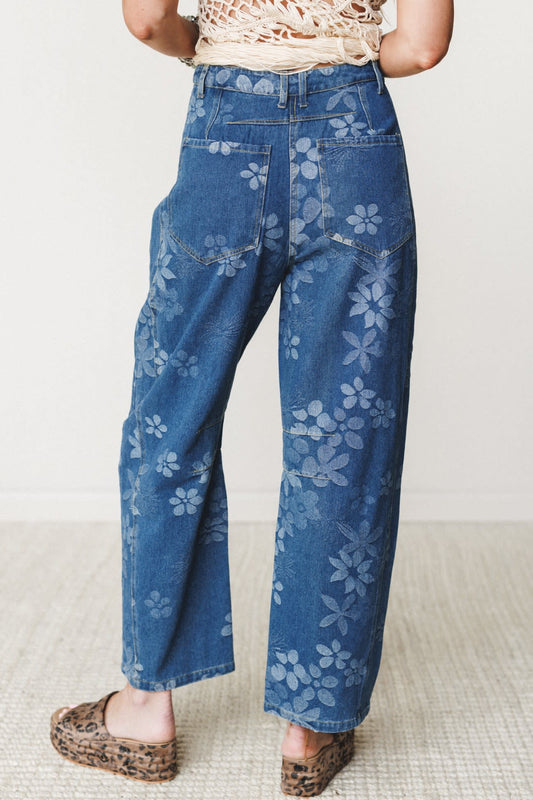
Pair structured geometric patterns with flowing floral prints. The contrast between rigid and romantic feels intentional and elevated.
If you're experimenting with statement pieces, a patterned option from our dresses collection makes layering prints easier — especially when you add a contrasting outer layer or accessory.
Start Simple: Beginners Mixing Prints
If you’re new to mixing prints like a pro, simplify the process.
- Start with neutral prints first.
- Repeat colour across prints.
- Use solid or block colours to ground prints.
- Focus on low-contrast patterns.
A striped mini dress layered under a patterned jacket? That’s controlled layering prints.
A printed maxi paired with a subtle patterned scarf? That’s balanced.
Explore proportions with silhouettes from our mini dresses collection for playful combinations, or experiment with flow and layering using pieces from our maxi dresses collection.
Advanced Pattern Mixing Strategies That Elevate Your Wardrobe
Once you’ve mastered shared color and print scale, you can start bending the rules — intentionally.
This is where pattern mixing moves from “cute” to editorial. From safe to styled. From trendy to timeless.
Complementary Color Mixing
Instead of sticking to one color family, try pairing hues opposite each other on the color wheel. Think cobalt and orange. Pink and green. Burgundy and teal.
The key is maintaining:
- One dominant shade
- One supporting accent
- At least one repeated colour across prints
That repetition keeps print clashing balanced rather than chaotic.
If you’re styling a bold printed piece from our dresses collection, add a complementary-toned patterned layer on top — but ensure there’s a shared color tying them together.
This is not random. It’s controlled contrast.
Creating Visual Hierarchy in Outfits
Every successful mixed-print outfit has a focal point.
Without hierarchy, the eye jumps everywhere. That’s when an outfit feels overwhelming.
Ask yourself:
- Which print do I want people to notice first?
- Which piece is the statement?
- Which is supporting?
For example:
- A bold floral maxi as the anchor.
- A subtle striped layer underneath.
- Neutral shoes to ground the look.
That’s balance.
If you’re experimenting with length and movement, our maxi dresses collection offers perfect foundation pieces for layered pattern mixing without crowding the frame.
Advanced fashion prolevelprolevelprolevel pattern tips often focus less on rules and more on intentional imbalance — but intention is everything.
Layering Prints Without Overwhelming the Look
Layering prints is where most people hesitate.
The trick? Break up the chaos.
Use These Anchors:
- Solid or block colours between prints
- Belts to define shape
- Structured outer layers
- Minimal accessories
Neutral pieces to balance prints are not boring — they’re strategic.
A printed mini dress layered over a patterned tee creates dimension without noise when there’s size contrast in patterns. If you’re styling shorter silhouettes, explore options within our mini dresses collection.
Meanwhile, patterned tees from our t-shirts collection work beautifully as a subtle base layer under louder prints.
When Print Clashing Works — And When It Doesn’t
Let’s talk about boundaries.
You can mix:
- Stripes with plaid
- Florals with polka dots
- Animal prints with geometric patterns
But avoid:
- Two oversized prints with no common color
- High-contrast patterns fighting for dominance
- Ignoring visual weight
The “too busy” quilt effect happens when there’s no breathing space.
If you’re unsure, add a clean, structured piece from our tops collection to create separation between prints. Even subtle grounding makes a dramatic difference.
Accessories With Prints: The Subtle Game-Changer
Sometimes the boldest print combination isn’t in your clothing — it’s in your accessories.
Statement accessories like scarves or belts allow you to:
- Experiment with trend-driven print combinations
- Test complementary color mixing in small doses
- Add pattern without overwhelming your outfit
If you're just starting your fashion adventure, keep accessories patterned and clothing simpler. That way you can practice how to mix patterns without feeling exposed.
The Mindset Shift: Confidence Is Key
The real secret to mixing prints like a pro isn’t technical — it’s psychological.
Pattern mixing is expressive. It’s playful fashion. It signals creativity and intention.
Confidence is key.
You can follow every guideline — color harmony, print scale, balance visual weight — but if you don’t wear it with certainty, the look falls flat.
When you experiment, you redefine your style language.
When you take risks, you elevate your wardrobe.
And when you stop dressing to avoid mistakes and start dressing to express yourself, pattern mixing becomes less about rules — and more about identity.
3 Foolproof Mixed-Print Outfit Formulas You Can Copy Today
You’ve learned the principles — color coordination, print scale, visual hierarchy, layering prints. Now let’s make it practical.
These are plug-and-play formulas you can use immediately. No overthinking. No guesswork.
1. The Everyday Elevated Look
Formula:
Small-scale print + larger print + neutral grounding piece
Example:
- Fine stripe tee
- Bold floral skirt
- Solid jacket or structured layer
Why it works:
- The size contrast in patterns creates balance.
- The shared color between prints ties it together.
- The neutral layer prevents the look from becoming too busy.
If you're building this look from scratch, start with an easy base from our t-shirts collection. A subtle stripe or minimal graphic acts as the perfect supporting print.
This formula is ideal for beginners mixing prints because it keeps visual weight controlled while still feeling intentional.
2. The Confident Statement Outfit
Formula:
Dominant print dress + contrasting patterned layer + controlled accessories
Example:
- Geometric print dress
- Animal print belt or patterned scarf
- Minimal shoes
Here’s where prints as neutrals really shine. Leopard or snakeskin can blend seamlessly into bold looks without overwhelming them.
The key is:
- Repeating a colour across prints
- Avoiding two prints of the same scale
- Keeping accessories structured
A flowing piece from our maxi dresses collection gives you movement and presence, making it easier to establish a clear focal point.
This is pattern mixing with intention — not randomness.
3. The Playful Mini Moment
Formula:
Printed mini + subtle patterned top underneath + solid anchor
This is layering prints done right.
- A plaid or floral mini dress
- A low-contrast striped or dotted top
- Clean footwear to ground the look
The contrast between lengths and scales keeps things dynamic without creating the quilt effect.
Explore silhouettes from our mini dresses collection to experiment with proportion. Minis naturally feel playful, making them perfect for fashion-forward combinations.
Quick Checklist: Avoiding Common Print Mistakes
Before you leave the house, run through this:
- Is there at least one common color connecting my prints?
- Am I mixing large and small patterns?
- Is there clear visual hierarchy in my outfit?
- Did I include a neutral piece to balance prints?
- Do I feel confident wearing this?
If the answer to the last question is no, simplify.
Remove one element. Add structure. Create breathing room.
Because even advanced pattern mixing strategies rely on clarity.
Trend-Driven Print Combinations — Without Losing Timelessness
Fashion trends come and go, but the principles remain.
Right now, we’re seeing:
- Bold geometric patterns paired with romantic florals
- Polka dots mixed with plaid
- High-contrast stripes layered under statement dresses
The difference between trendy and timeless is balance.
You can embrace trend-driven print combinations while still:
- Sticking to one color family
- Maintaining color harmony
- Respecting pattern scale
When done correctly, mixing prints like a pro isn’t about chasing trends — it’s about understanding structure.
Final Thoughts: Style Is a Skill — Not an Accident
Learning how to mix patterns isn’t about memorizing rules. It’s about training your eye.
Start simple.
Experiment thoughtfully.
Break rules deliberately.
Refine your instincts.
Whether you're styling everyday separates from our tops collection or building statement looks with pieces from our dresses collection, the real transformation happens when you move from safe dressing to expressive styling.
Pattern mixing is not chaos.
It’s composition.
And once you understand the structure behind it, you’re no longer guessing — you’re designing.
That’s how you elevate your wardrobe.
Frequently Asked Questions: How to Mix Prints Like a Fashion Pro
Below are 10 of the most common questions people ask about pattern mixing — covering angles we haven’t already explored in the main guide.
1. Can you mix more than two prints in one outfit?
Yes — but only with structure.
When mixing three or more prints:
- Keep them within a shared color family.
- Vary the print scale (small, medium, large).
- Let one print dominate while the others support.
Without a clear focal point, the outfit can lose visual hierarchy quickly.
2. Do mixed prints work for professional or office settings?
Absolutely. The key is subtlety.
For workwear:
- Choose low-contrast patterns.
- Stick to neutral or muted tones.
- Pair structured silhouettes with softer prints.
For example, a striped blouse layered under a plaid blazer can feel polished rather than playful when the color coordination is tight.
3. How do I mix prints if I prefer minimalist style?
Pattern mixing doesn’t have to mean bold.
Try:
- Tone-on-tone combinations.
- Micro-prints paired with subtle textures.
- A monochrome base with slight pattern variation.
Minimalists can focus on texture-based pattern mixing rather than high-contrast combinations.
4. What prints are hardest to mix?
Large, high-contrast prints in clashing colors are the trickiest.
Oversized florals, bold geometric patterns, and heavy plaid can compete for attention if there’s:
- No shared color
- No variation in scale
- No neutral grounding piece
These require careful balancing of visual weight.
5. Can I mix prints across different seasons?
Yes — seasonality is more about fabric and color tone than pattern itself.
- Light florals and soft stripes work well in spring/summer.
- Plaid, animal prints, and darker geometrics feel strong in fall/winter.
- Transitional outfits can blend seasonal prints through layering.
The structure of pattern mixing stays the same year-round.
6. How do I mix prints if I’m petite or plus size?
It’s less about size and more about proportion.
- Petites often benefit from smaller print scale to avoid overwhelming their frame.
- Curvier silhouettes can balance visual weight by placing larger prints strategically.
- Vertical stripes can elongate, while directional patterns influence shape perception.
The goal is proportion control, not restriction.
7. Are there prints that always act like neutrals?
Yes. Some prints function almost like solids.
Common examples:
- Classic stripes
- Subtle polka dots
- Leopard or snakeskin (often treated as prints as neutrals)
These are excellent entry points if you’re nervous about mixing bold patterns.
8. Should shoes and bags match one of the prints?
They don’t have to — but they should relate.
Options include:
- Matching one of the colors in your outfit
- Choosing a neutral tone
- Introducing a subtle third print in small scale
Accessories should support the look, not compete with it.
9. How do I know if an outfit looks intentional instead of accidental?
Ask yourself:
- Is there a repeated color?
- Is one print clearly dominant?
- Does the outfit have breathing space?
- Does the silhouette feel balanced?
If the answer to all four is yes, your outfit likely reads as styled — not random.
10. Is pattern mixing still in style?
Pattern mixing isn’t a trend — it’s a styling technique.
Trend-driven print combinations change, but:
- Color harmony
- Scale variation
- Balanced visual hierarchy
- Intentional layering
These principles never go out of fashion.
When done thoughtfully, mixing prints isn’t about being loud — it’s about being deliberate.
And that’s what separates experimentation from expertise.