
Sweatshirts vs Hoodies: When Each One Looks More Put-Together
The quick answer: Sweatshirts generally look more polished than hoodies because their clean, collarless neckline creates a streamlined silhouette that works beautifully with tailored trousers, skirts, blazers and structured coats. Hoodies, however, can look equally intentional when paired with sophisticated outerwear, well-fitting bottoms and carefully chosen accessories.
The secret isn't necessarily choosing one over the other. It's understanding how fit, fabric, colour and outfit proportions influence the overall appearance.
Here's what you need to know:
-
Choose a sweatshirt for effortless smart-casual dressing. A classic crewneck works particularly well for brunch, casual offices, coffee dates and occasions when you want to look relaxed but refined.
-
Choose a hoodie for contemporary, sporty-chic outfits. A well-fitting hoodie paired with a tailored coat, straight-leg jeans or structured trousers can look fashionable without feeling overdressed.
-
Pay attention to fabric quality. Smooth cotton, substantial French terry and fabrics that retain their shape generally create a more polished appearance than thin, stretched or heavily pilled materials.
-
Balance your proportions. Oversized tops often look more intentional when paired with fitted or structured bottoms, while cropped styles complement high-waisted trousers and skirts.
-
Keep colours coordinated. Neutral shades, monochrome outfits and tonal dressing can make even the most casual sweatshirt or hoodie feel thoughtfully styled.
-
Finish with the right accessories. Loafers, ankle boots, minimalist jewellery and structured handbags can instantly elevate everyday casualwear.
The bottom line: A sweatshirt is usually the easier option when you want to look put-together with minimal effort. A hoodie offers a more relaxed aesthetic but can look just as stylish with thoughtful outfit coordination.
There's something wonderfully reassuring about pulling on your favourite sweatshirt or hoodie. They're soft, comfortable and forgiving on those mornings when getting dressed feels like another task on an already overflowing to-do list.
But comfort and style don't have to be opposites.
Think about two women wearing almost identical grey sweatshirts. One pairs hers with faded joggers and worn-out trainers. The other wears hers with beautifully tailored black trousers, sleek loafers and a structured handbag.
Same basic garment. Completely different impression.
That's the interesting thing about casual fashion: looking put-together often has less to do with how formal your clothes are and more to do with how intentionally you combine them.
And while sweatshirts and hoodies share plenty of similarities, their subtle design differences can dramatically influence how polished an outfit appears.
Whether you're refining your everyday wardrobe, experimenting with smart casual outfits or simply wondering which style deserves more space in your wardrobe, understanding those differences can make getting dressed considerably easier.
What's the Difference Between a Sweatshirt and a Hoodie?
At first glance, the distinction seems almost too obvious to discuss.
One has a hood. The other doesn't.
Technically, that's the defining difference. But from a styling perspective, there's considerably more going on.
Both garments belong to the same family of comfortable casualwear. They're typically made from cotton, polyester blends, fleece or French terry fabric, and both are designed to provide warmth without the formality of traditional knitwear.
Their construction, however, creates noticeably different silhouettes.
What Makes a Sweatshirt Different?
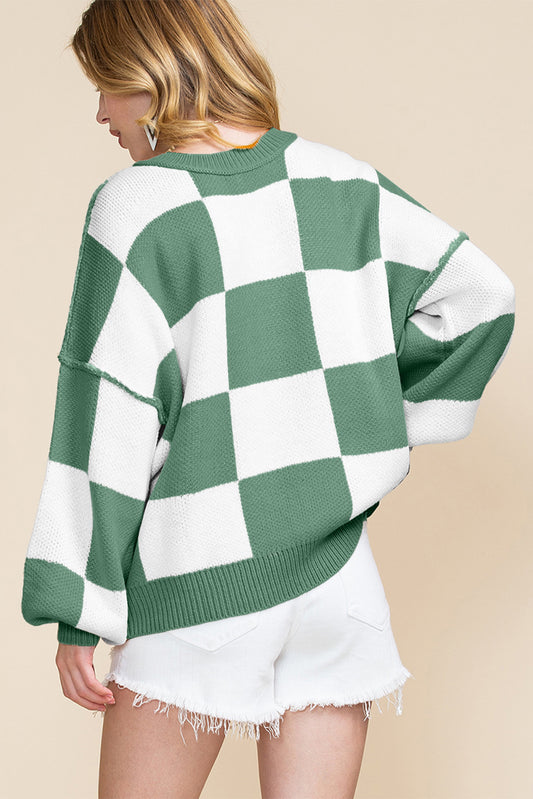
A traditional sweatshirt is a pullover garment featuring a round neckline, commonly known as a crew neck, along with long sleeves and often ribbed cuffs and a ribbed hem.
Unlike a hoodie, it doesn't have a hood extending behind the neck.
That seemingly small detail makes a surprisingly significant difference.
Without additional fabric around the shoulders, a classic crewneck sweatshirt creates a cleaner line from the neckline to the upper body. This makes it easier to wear beneath blazers, tailored jackets and structured outerwear.
It also provides more opportunities for accessorising.
A delicate necklace, statement earrings or a collared shirt layered underneath can become part of the outfit without competing with bulky fabric around the neck.
Modern women's sweatshirts come in numerous variations, including:
-
Classic crewneck sweatshirts: Timeless, versatile designs that work with almost anything.
-
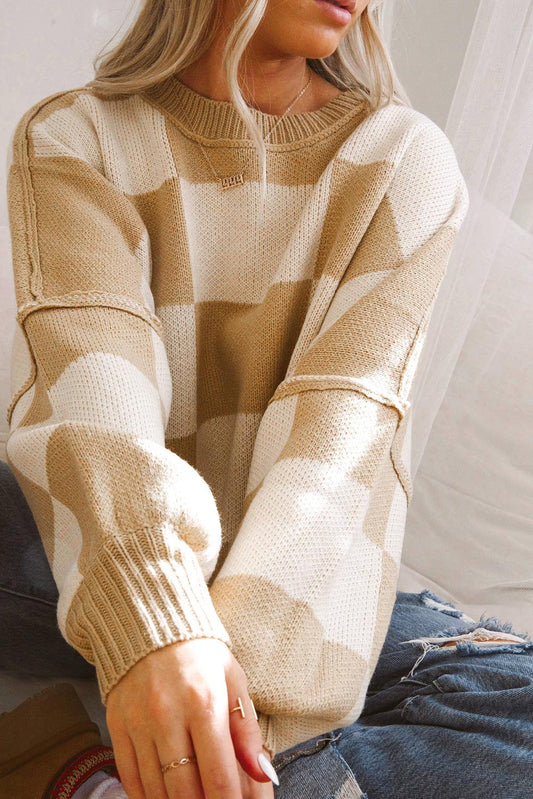
Oversized sweatshirts: Relaxed silhouettes that create an effortless, contemporary aesthetic.
-
Cropped sweatshirts: Shorter styles that complement high-waisted jeans, trousers and skirts.
-
Fitted sweatshirts: More streamlined options that can be particularly useful for layering.
-
Boxy sweatshirts: Wider, structured cuts that offer a modern alternative to traditional fitted styles.
Each variation has its own styling advantages.
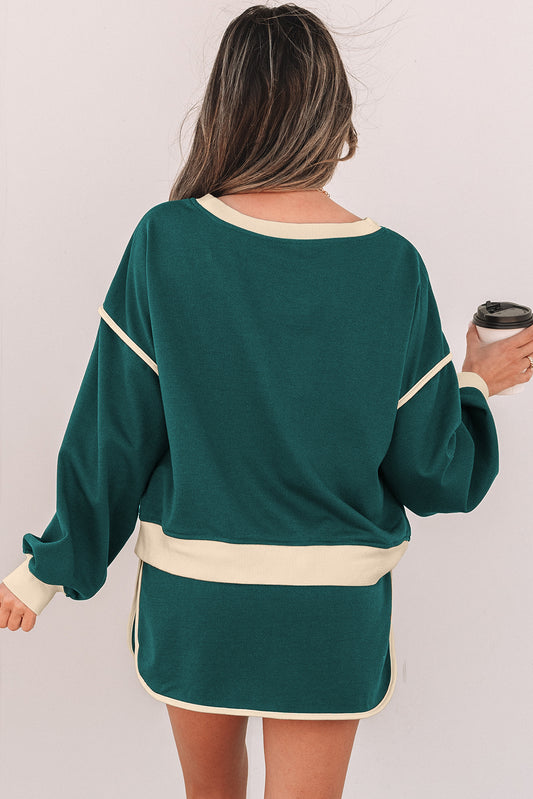
For example, a slightly oversized cream sweatshirt can look sophisticated with tailored charcoal trousers, while a cropped sweatshirt might create a beautifully balanced silhouette with high-waisted wide-leg jeans.
If you're building a wardrobe around versatile everyday pieces, exploring different women's tops can help you identify which necklines, lengths and silhouettes work best with the clothes you already own.
What Makes a Hoodie Different?
A hoodie is essentially a hooded sweatshirt, although modern designs often include additional features that give it a more recognisably sporty appearance.
These may include:
-
An attached hood
-
Adjustable drawstrings
-
A front kangaroo pocket
-
A full-length or partial zip
-
Ribbed cuffs and hems
-
A relaxed or oversized silhouette
The hood is the most important visual distinction.
It introduces additional fabric around the neck and shoulders, creating a fuller upper-body silhouette. Combined with a kangaroo pocket or prominent drawstrings, this can make the garment appear more casual.
But casual doesn't automatically mean untidy.
A heavyweight black pullover hoodie worn beneath a beautifully structured camel coat can create a sophisticated contrast between relaxed streetwear and classic tailoring.
Similarly, a cropped hoodie paired with high-waisted straight-leg jeans and minimalist trainers can feel fresh, modern and deliberately coordinated.
There are also different hoodie styles to consider.
Pullover hoodies tend to create a continuous silhouette, making them particularly suitable for minimalist and monochrome outfits.
Zip-up hoodies offer greater layering flexibility because they can be worn open over fitted T-shirts, vest tops or lightweight basics.
Oversized hoodies are especially popular in streetwear and athleisure fashion, where relaxed proportions are part of the intended aesthetic.
Cropped hoodies introduce waist definition and can be easier to balance with fuller trousers or skirts.
The important thing is choosing a design that complements the rest of your outfit rather than allowing the hoodie to dominate it.
Hoodie vs Sweatshirt: The Key Differences at a Glance
| Feature | Sweatshirt | Hoodie |
|---|---|---|
| Neckline | Clean crewneck | Attached hood |
| Overall appearance | Minimalist and streamlined | Relaxed and sporty |
| Smart-casual potential | Naturally versatile | Requires more considered styling |
| Layering under blazers | Usually easier | Can create additional bulk |
| Everyday comfort | Excellent | Excellent |
| Streetwear styling | Suitable | Particularly well suited |
| Accessorising | Necklaces and collars remain visible | Hood and drawstrings add visual detail |
| Best footwear pairings | Loafers, boots and trainers | Trainers, boots and casual footwear |
| Ideal occasions | Brunch, casual offices and everyday outings | Weekends, travel and relaxed social occasions |
Neither garment is inherently better.
The real question is which one creates the appearance you're trying to achieve.
Why Sweatshirts Often Look More Polished
There's a reason a simple crewneck sweatshirt can look surprisingly elegant when worn with the right pieces.
Its strength lies in simplicity.
Without a hood, visible drawstrings or a bulky front pocket, a sweatshirt allows other elements of your outfit to take centre stage.
That understated appearance makes it particularly useful when you're trying to bridge the gap between casual and smart-casual dressing.
1. A Clean Neckline Creates a More Refined Silhouette
Necklines have an enormous influence on how clothing frames the face, shoulders and upper body.
A classic crewneck sweatshirt creates an uninterrupted shape that feels visually balanced.
This becomes especially noticeable when layering.
Imagine wearing a navy sweatshirt beneath a tailored beige blazer.
The sweatshirt sits neatly against the neckline, while the blazer provides structure through the shoulders and waist. Together, they create a polished casual look that feels comfortable rather than corporate.
Now imagine replacing the sweatshirt with a bulky hoodie.
The hood introduces another layer of fabric behind the blazer's collar. That can create an attractive contemporary streetwear look, but it also makes the overall silhouette busier.
Neither combination is wrong.
They simply communicate different styles.
A sweatshirt tends to blend into tailored outfits, while a hoodie creates a more noticeable contrast with them.
That distinction is particularly useful when deciding what to wear for occasions where you want to appear relaxed without looking overly informal.
2. Sweatshirts Work Naturally With Tailored Clothing
One of the easiest ways to make casual clothing look more expensive is to combine it with pieces that have a little structure.
Tailored trousers are particularly effective.
A soft sweatshirt introduces comfort and texture, while structured trousers create a sharper line through the lower body.
The contrast feels balanced rather than contradictory.
Consider these combinations:
-
Cream sweatshirt + charcoal tailored trousers + black loafers: A sophisticated neutral outfit suitable for a relaxed office or lunch date.
-
Navy crewneck + beige wide-leg trousers + leather ankle boots: An understated look that feels modern and effortlessly refined.
-
Grey sweatshirt + black straight-leg trousers + white trainers: A practical everyday outfit with enough structure to avoid looking like loungewear.
-
Black fitted sweatshirt + satin midi skirt + heeled boots: A slightly dressier combination that mixes casual comfort with elegant texture.
Notice that none of these outfits requires particularly elaborate styling.
The sweatshirt acts as a simple foundation, allowing the trousers, footwear and accessories to determine the overall level of formality.
Styling principle: When one part of an outfit is relaxed, introducing structure elsewhere often makes the entire look feel more intentional.
3. Minimalist Sweatshirts Are Easy to Dress Up
If you've ever wondered how to dress up a sweatshirt without making the outfit feel forced, the answer is often to keep things simple.
A plain, well-fitting sweatshirt offers a wonderfully adaptable starting point.
Neutral colours such as black, cream, navy, grey, chocolate brown and oatmeal are particularly useful because they coordinate easily with other wardrobe essentials.
A cream sweatshirt worn with matching trousers, for instance, creates a tonal outfit that can look considerably more refined than its individual pieces might suggest.
The same principle works with darker shades.
A black sweatshirt, black tailored trousers and black ankle boots create a sleek monochrome silhouette. Add a structured handbag and understated gold jewellery, and the outfit immediately feels more considered.
Fabric quality matters here, too.
A smooth cotton sweatshirt with a substantial feel and well-maintained ribbed cuffs will generally hold its shape more effectively than a thin, stretched garment.
This doesn't mean expensive clothing is essential.
It means paying attention to details that influence the finished appearance:
-
A neckline that sits neatly
-
Shoulder seams that suit the intended fit
-
Fabric that doesn't appear excessively worn
-
Sleeves that fall at a flattering length
-
A hem that complements the trousers or skirt
-
Colours that coordinate with the rest of the outfit
These seemingly minor details can make a considerable difference.
A simple sweatshirt doesn't need to be luxurious to look polished. It just needs to fit well, remain in good condition and work harmoniously with the rest of your clothes.
4. Sweatshirts Offer More Flexibility for Smart-Casual Occasions
Think about the situations where you want to look presentable but not particularly dressed up.
Meeting a friend for coffee. Heading out for brunch. Working in a relaxed office. Going shopping. Visiting family.
These are precisely the occasions where smart casual sweatshirt outfits become so useful.
A classic sweatshirt can be styled with jeans and trainers for an easy weekend look, then paired with tailored trousers and loafers for a more refined appearance.
You don't necessarily need to change the sweatshirt itself.
Instead, you change the supporting pieces.
That's what makes a well-chosen crewneck such a valuable wardrobe essential.
It provides flexibility without requiring much effort.
And for anyone building a capsule wardrobe around comfortable, versatile clothing, that adaptability can be far more useful than following every passing fashion trend.
When a Hoodie Can Look Just as Put-Together
Let's give hoodies the credit they deserve.
For years, they've been associated with gym sessions, lazy Sundays, university campuses and the occasional hurried supermarket trip. Comfortable? Absolutely. Sophisticated? Not traditionally.
But contemporary fashion has changed that perception considerably.
Today, hoodies are an established part of streetwear fashion, elevated casual outfits and modern athleisure. You'll find them styled beneath tailored coats, paired with structured trousers and incorporated into outfits that look anything but careless.
The secret is understanding that a hoodie doesn't need to imitate a sweatshirt to look polished. It simply needs to feel intentional.
Where a crewneck sweatshirt offers understated simplicity, a hoodie introduces a sportier, more relaxed element. That contrast can make an outfit interesting, particularly when it's balanced with tailored clothing and refined accessories.
1. The Right Fit Makes All the Difference
An oversized hoodie can look effortlessly stylish. It can also make an outfit appear shapeless.
The difference often comes down to proportion.
A relaxed fit is designed to provide additional room through the shoulders, chest and body. An oversized fit deliberately exaggerates those proportions, creating a more dramatic silhouette.
Neither is inherently unflattering.
However, the way you style each one matters.
For example, an oversized hoodie paired with extremely baggy joggers can create an intentionally relaxed streetwear outfit. If your goal is a more polished appearance, however, introducing structure through the lower half often produces a better balance.
Try pairing an oversized hoodie with:
-
Straight-leg jeans that create a clean line through the legs.
-
Tailored trousers that contrast with the relaxed upper body.
-
Fitted leggings and structured knee-high boots.
-
A streamlined midi skirt for a contemporary feminine silhouette.
-
High-waisted trousers that help balance the volume of the hoodie.
A cropped hoodie offers a different styling opportunity.
Because it finishes higher on the torso, it can naturally complement high-waisted bottoms and help define the waistline.
This makes cropped hoodies particularly useful when you want a sporty-chic outfit without the additional volume of a longer garment.
The takeaway: Oversized clothing can look sophisticated when the proportions appear deliberate rather than accidental.
2. Structured Outerwear Instantly Elevates a Hoodie
Few outfit combinations demonstrate the power of contrasting styles better than a hoodie worn beneath a tailored coat.
Picture a soft grey hoodie layered under a long camel coat.
Add black straight-leg trousers, clean white trainers and a structured leather-look handbag.
The hoodie provides comfort and a contemporary edge. The coat introduces structure, while the trousers and accessories create a more refined finish.
Suddenly, the hoodie looks like an intentional styling choice rather than something you threw on at the last minute.
This approach works particularly well with:
Longline wool coats: Their clean, elongated silhouette contrasts beautifully with the casual appearance of a hoodie.
Tailored blazers: A hoodie with a blazer creates a modern high-low outfit that blends relaxed streetwear with traditional tailoring.
Trench coats: Lightweight trench coats offer an excellent option for transitional dressing, particularly during spring and autumn.
Structured leather jackets: These introduce a slightly edgier aesthetic while maintaining a defined silhouette.
Minimalist oversized coats: A relaxed coat can complement an oversized hoodie, provided the overall outfit remains proportionate.
One practical consideration is fabric bulk.
A heavyweight hoodie with a substantial hood may feel uncomfortable beneath a closely fitted blazer or coat. In these situations, a lightweight cotton-blend hoodie is often easier to layer.
For a more streamlined appearance, ensure the outerwear has enough room through the shoulders and upper arms.
3. Neutral Colours Make Hoodies Look More Sophisticated
Colour can influence how formal or casual an outfit appears.
Bright colours, large graphics and contrasting logos can make a hoodie feel more playful or sporty.
There's nothing wrong with that, of course.
But when you're trying to create a polished casual look, understated colours are often easier to coordinate.
Consider shades such as:
-
Black
-
Charcoal grey
-
Oatmeal
-
Cream
-
Chocolate brown
-
Navy blue
-
Stone
-
Soft beige
-
Muted olive
-
Dusty rose
These colours can form the foundation of minimalist hoodie outfits that feel contemporary and cohesive.
A chocolate-brown hoodie paired with cream wide-leg trousers, for example, creates a warm tonal combination.
A charcoal hoodie worn with black jeans and matching ankle boots produces a darker, streamlined appearance.
And an oatmeal hoodie styled with beige tailored trousers and white trainers creates a relaxed neutral outfit that's ideal for everyday wear.
Style tip: When in doubt, choose two or three complementary colours and repeat them throughout your outfit. A coordinated colour palette can make even relaxed clothing appear more considered.
Monochrome dressing is another effective approach.
Wearing different shades of the same colour creates visual continuity, helping a hoodie blend into the overall silhouette rather than becoming the dominant feature.
4. Footwear and Accessories Change the Entire Mood
Imagine wearing a black hoodie with straight-leg jeans.
Add running trainers and a large sports bag, and the outfit feels practical and athletic.
Now replace those accessories with sleek ankle boots, a structured crossbody bag and understated gold jewellery.
The same hoodie suddenly feels more appropriate for lunch, shopping or meeting friends.
That's the power of finishing touches.
When learning how to make a hoodie look stylish, consider how accessories influence the overall appearance.
For a polished everyday outfit:
Choose clean leather-look trainers, a structured handbag and delicate jewellery.
For a contemporary streetwear look:
Try chunky trainers, a crossbody bag and minimal accessories.
For an elevated autumn outfit:
Combine ankle boots, a longline coat and a neutral handbag.
For a relaxed feminine look:
Pair a cropped hoodie with a midi skirt, simple trainers and small hoop earrings.
Accessories don't need to be expensive or elaborate.
In fact, understated pieces often work best because they provide balance without competing with the hoodie's casual design.
How to Style a Sweatshirt for a Smarter Look
If your wardrobe revolves around comfort, a sweatshirt might be one of the most useful pieces you own.
It offers the ease of casual clothing while providing enough simplicity to work with smarter separates.
The trick is moving beyond the automatic sweatshirt-and-joggers combination.
There are countless sweatshirt outfit ideas that feel comfortable, feminine and put-together without requiring an entirely new wardrobe.
Here are some of the most effective.
Outfit 1: Sweatshirt With Tailored Trousers
Best for: Casual offices, coffee dates, brunch and everyday smart-casual dressing.
This combination is arguably one of the easiest ways to make a sweatshirt look expensive.
Start with a classic crewneck sweatshirt in cream, grey, navy or black.
Pair it with tailored trousers featuring a straight-leg or wide-leg silhouette.
Finish with loafers, minimalist trainers or ankle boots.
The beauty of this combination is the contrast between the soft sweatshirt and the structured trousers.
For an especially polished finish, choose trousers that sit neatly at the waist and fall smoothly over your footwear.
If the sweatshirt is slightly oversized, consider a gentle front tuck to introduce waist definition.
Avoid forcing thick fabric into the waistband, as this can create unnecessary bulk.
Outfit formula:
-
Cream crewneck sweatshirt
-
Charcoal wide-leg tailored trousers
-
Black loafers
-
Structured black handbag
-
Small gold hoop earrings
The result is comfortable, understated and sophisticated without looking overly formal.
Outfit 2: Sweatshirt With Straight-Leg Jeans
Best for: Weekend shopping, school runs, casual lunches and everyday errands.
Sometimes the simplest outfits are the most effective.
A sweatshirt with straight-leg jeans is a timeless combination that works across seasons.
The key is choosing jeans that complement the sweatshirt's proportions.
For example, a slightly oversized sweatshirt looks particularly balanced with straight-leg denim because the jeans provide a clean, consistent shape.
A fitted sweatshirt can work beautifully with relaxed or wide-leg jeans, creating a more contemporary silhouette.
Dark-wash denim generally feels a little smarter, while lighter washes produce a more casual aesthetic.
To elevate the combination, add a structured coat, ankle boots or sleek trainers.
Outfit formula:
-
Soft grey sweatshirt
-
Dark-blue straight-leg jeans
-
Tan ankle boots
-
Beige trench coat
-
Brown crossbody bag
It's the sort of outfit that works when you want to feel comfortable but still look as though you've made an effort.
Outfit 3: Sweatshirt With a Midi Skirt
Best for: Brunch, lunch dates, casual social occasions and feminine everyday dressing.
Who says sweatshirts have to be worn with trousers?
Pairing a sweatshirt with a midi skirt introduces an appealing contrast between relaxed and refined clothing.
A satin midi skirt is particularly effective because its smooth, flowing texture contrasts with the softness of cotton or fleece.
Pleated skirts offer another attractive option, introducing movement and structure.
The main consideration is proportion.
If you're wearing a fuller skirt, a fitted or slightly cropped sweatshirt can help maintain a defined waistline.
With a slimmer midi skirt, an oversized sweatshirt may create an interesting contemporary silhouette.
A gentle French tuck can also help prevent the outfit from appearing shapeless.
Outfit formula:
-
Black fitted crewneck sweatshirt
-
Champagne satin midi skirt
-
Black ankle boots
-
Small shoulder bag
-
Delicate layered necklaces
This combination demonstrates how a simple casual garment can become part of a genuinely elegant outfit.
Outfit 4: Sweatshirt Layered Over a Collared Shirt
Best for: Smart-casual workplaces, autumn outings and polished daytime looks.
Layering a sweatshirt over a collared shirt introduces a subtle preppy influence.
The shirt collar provides structure around the neckline, while the sweatshirt keeps the overall appearance relaxed.
A crisp white shirt beneath a navy or grey crewneck is a particularly timeless combination.
For a more contemporary look, allow a little of the shirt hem to show beneath the sweatshirt.
You can also experiment with striped shirts or subtle patterns, provided the colours coordinate.
Complete the outfit with tailored trousers, straight-leg jeans or a midi skirt.
Outfit formula:
-
Navy crewneck sweatshirt
-
White collared shirt
-
Beige tailored trousers
-
Brown loafers
-
Structured tote bag
This is an excellent example of how layering can transform a basic sweatshirt into something more refined.
Outfit 5: Monochrome Sweatshirt Styling
Best for: Travel, casual dinners, shopping and minimalist everyday outfits.
A monochrome outfit uses one colour or closely related shades throughout the entire look.
This approach can make simple clothing appear particularly coordinated.
For example, pair a black sweatshirt with black tailored trousers and black ankle boots.
Alternatively, combine an oatmeal sweatshirt with cream trousers and beige trainers for a softer tonal outfit.
The key is introducing subtle variations in texture.
Smooth trousers, soft cotton and leather-look accessories create visual interest without relying on contrasting colours.
Outfit formula:
-
Chocolate-brown sweatshirt
-
Dark-brown straight-leg trousers
-
Tan ankle boots
-
Brown structured handbag
-
Minimal gold jewellery
Monochrome styling is especially useful when you want to look put-together quickly.
How to Make a Hoodie Outfit Look More Sophisticated
Styling a hoodie requires a slightly different approach.
Because hoodies naturally lean towards casual fashion, the goal is usually to introduce structure, balance and carefully selected accessories.
That doesn't mean hiding the hoodie or trying to make it look formal.
Instead, embrace its relaxed character while making the surrounding outfit feel deliberate.
Outfit 1: Hoodie With a Longline Coat
Best for: Autumn walks, winter shopping, travel and relaxed weekend outings.
A hoodie beneath a longline coat is one of the most reliable ways to create an elevated casual outfit.
Choose a hoodie in a neutral shade and layer it beneath a structured coat that falls below the hips.
The longer outer layer creates a vertical silhouette, while the hood introduces a sporty contrast.
Straight-leg jeans or tailored trousers work particularly well with this combination.
Outfit formula:
-
Grey pullover hoodie
-
Camel longline coat
-
Black straight-leg jeans
-
White minimalist trainers
-
Black structured handbag
The finished look feels relaxed but thoughtfully coordinated.
Outfit 2: Hoodie With a Blazer
Best for: Creative workplaces, coffee dates and contemporary smart-casual outfits.
Combining a hoodie with a blazer might sound unconventional, but it can work beautifully when the proportions are right.
The blazer introduces structure through the shoulders, while the hoodie softens the overall appearance.
Choose a lightweight hoodie to avoid excessive bulk beneath the jacket.
A slightly oversized blazer often works better than a tightly fitted design because it provides room for layering.
Keep the rest of the outfit relatively simple.
Outfit formula:
-
Black lightweight hoodie
-
Charcoal oversized blazer
-
Black straight-leg trousers
-
White trainers
-
Minimal crossbody bag
This is an excellent option for anyone who enjoys modern streetwear but wants a slightly more refined finish.
Bear in mind that a hoodie-and-blazer combination remains relatively informal. It may work in creative environments but won't necessarily meet stricter workplace dress codes.
Outfit 3: Cropped Hoodie With High-Waisted Jeans
Best for: Casual lunches, shopping trips and relaxed social occasions.
A cropped hoodie is particularly useful when you want to create a more defined silhouette.
Unlike longer oversized styles, a cropped hoodie finishes closer to the waist, allowing high-waisted trousers or jeans to become a prominent part of the outfit.
This can create flattering proportions without requiring fitted clothing throughout.
For a balanced appearance, choose straight-leg or wide-leg jeans and finish with simple footwear.
Outfit formula:
-
Cream cropped hoodie
-
High-waisted light-blue straight-leg jeans
-
White trainers
-
Beige shoulder bag
-
Small hoop earrings
The combination feels youthful and contemporary without appearing overly sporty.
Outfit 4: Oversized Hoodie With Leggings and Boots
Best for: Comfortable weekend dressing, casual errands and colder days.
Oversized hoodies and leggings are a familiar combination.
But the choice of footwear and outerwear can dramatically influence the finished appearance.
Instead of relying exclusively on running trainers, try pairing an oversized hoodie with structured boots.
A longline coat can introduce another layer of sophistication.
For example, a charcoal oversized hoodie worn with black leggings, knee-high boots and a camel coat creates a comfortable winter outfit with a more intentional silhouette.
Outfit formula:
-
Charcoal oversized hoodie
-
Black fitted leggings
-
Black knee-high boots
-
Camel longline coat
-
Structured crossbody bag
The contrast between the oversized upper body and streamlined lower half creates balance.
For additional warmth, choose suitable thermal layers or fleece-lined leggings without adding unnecessary bulk.
Outfit 5: Hoodie With Wide-Leg Trousers
Best for: Contemporary casualwear, city outings and comfortable travel outfits.
Wide-leg trousers can make a hoodie feel more fashion-forward.
The trick is selecting fabrics and proportions that complement each other.
A lightweight, slightly cropped hoodie often works beautifully with high-waisted wide-leg trousers.
Alternatively, a relaxed hoodie can be paired with fluid tailored trousers for a modern, oversized silhouette.
If both pieces are voluminous, pay particular attention to the waistband, footwear and overall length.
A defined waistline or structured handbag can prevent the outfit from feeling overwhelmed by fabric.
Outfit formula:
-
Oatmeal cropped hoodie
-
Cream wide-leg trousers
-
Beige minimalist trainers
-
Tan crossbody bag
-
Simple gold jewellery
This outfit demonstrates how comfortable casualwear can feel polished without sacrificing ease of movement.
Sweatshirts vs Hoodies: Which Works Best for Different Occasions?
One of the biggest advantages of both sweatshirts and hoodies is their versatility.
Neither garment needs to be reserved exclusively for relaxing at home. With the right styling, both can become dependable parts of your everyday wardrobe.
However, certain occasions naturally favour one over the other.
The deciding factor is usually how polished you want to look, how much comfort you need and whether the setting calls for a more structured appearance.
For Work: Sweatshirts Usually Have the Advantage
Can you wear a sweatshirt to work?
In many casual workplaces, absolutely.
A plain crewneck sweatshirt can look surprisingly professional when paired with tailored trousers, loafers and a structured jacket.
Its clean neckline and minimalist silhouette make it easier to incorporate into smart-casual office outfits.
A hoodie, on the other hand, generally communicates a more relaxed aesthetic.
That doesn't automatically make it unsuitable for work. Creative agencies, technology companies and workplaces with informal dress codes may welcome hoodie outfits.
However, if you're uncertain about the dress code, a sweatshirt is usually the safer choice.
Best outfit: Navy crewneck sweatshirt, beige tailored trousers, brown loafers and a structured tote bag.
Winner: Sweatshirt, particularly for business-casual environments.
For Brunch and Coffee Dates: Both Can Work Beautifully
Brunch is one of those occasions where you want to look as though you've made an effort without appearing overdressed.
A sweatshirt with a midi skirt, ankle boots and a small handbag creates an easy, feminine outfit.
Alternatively, a neutral hoodie beneath a longline coat can look equally fashionable when paired with straight-leg jeans and clean trainers.
The choice depends on the aesthetic you're trying to achieve.
Choose a sweatshirt for relaxed elegance or a hoodie for a more contemporary, sporty-chic appearance.
Winner: Tie. Both work well when the outfit feels coordinated.
For Shopping and Everyday Errands: Comfort Comes First
When you're spending several hours walking around shops, comfort becomes particularly important.
Both sweatshirts and hoodies offer warmth, flexibility and easy movement.
A lightweight sweatshirt paired with straight-leg jeans and trainers creates a practical everyday outfit.
An oversized hoodie with leggings and comfortable footwear offers a more relaxed alternative.
If you're moving between indoor and outdoor environments, a zip-up hoodie can be especially useful because it's easy to remove or wear open.
Winner: Hoodie, particularly when comfort and flexible layering are priorities.
For Travel: Hoodies Offer Practical Advantages
There's a reason hoodies are such popular choices for airport outfits and long journeys.
They're comfortable, easy to layer and provide additional coverage around the neck and head.
A relaxed cotton-blend hoodie paired with comfortable trousers and supportive trainers makes a practical travel outfit.
However, that doesn't mean you need to sacrifice style.
Choose coordinating colours, avoid excessively bulky layers and finish with a structured crossbody bag.
A matching hoodie and trouser combination can create an elevated loungewear look that's both comfortable and visually cohesive.
Sweatshirts remain an excellent alternative, particularly when you prefer a cleaner silhouette beneath a jacket.
Winner: Hoodie, for practical comfort during longer journeys.
For Casual Dinners: Sweatshirts Are Easier to Dress Up
A casual dinner doesn't always require a blouse, dress or formal knitwear.
A well-fitting sweatshirt can look elegant when paired with the right separates.
Try a black crewneck sweatshirt with a satin midi skirt, heeled ankle boots and delicate jewellery.
Alternatively, a cream sweatshirt with tailored wide-leg trousers and loafers creates an understated evening outfit.
A hoodie can work for very relaxed dining occasions, especially when styled with a blazer or structured coat.
But for restaurants with a smarter atmosphere, a sweatshirt generally offers greater flexibility.
Winner: Sweatshirt, for its understated, refined appearance.
Occasion-by-Occasion Comparison
| Occasion | Sweatshirt | Hoodie | Best choice |
|---|---|---|---|
| Casual office | Polished with tailored trousers | Suitable for relaxed dress codes | Sweatshirt |
| Brunch | Feminine and smart casual | Contemporary and relaxed | Both |
| Coffee date | Effortlessly refined | Sporty and stylish | Both |
| Shopping | Comfortable and versatile | Relaxed and practical | Both |
| Airport travel | Easy to layer | Extra warmth and coverage | Hoodie |
| School run | Simple and put-together | Comfortable and practical | Both |
| Casual dinner | Easy to dress up | Better for informal settings | Sweatshirt |
| Weekend walks | Comfortable everyday layer | Practical for relaxed outfits | Hoodie |
| Creative workplace | Minimalist and versatile | Modern streetwear influence | Both |
| Smart-casual event | Generally easier to style | Depends on the dress code | Sweatshirt |
The most important lesson is that the occasion should influence your styling choices, not necessarily dictate which garment you're allowed to wear.
Choosing the Right Fit, Fabric and Colour
You can have the most beautifully coordinated outfit imaginable, but if the sweatshirt or hoodie doesn't fit properly, the overall appearance may still feel slightly off.
Fit, fabric and colour are three of the most important factors when deciding how polished casual clothing looks.
Fortunately, understanding them doesn't require an extensive knowledge of fashion.
Finding the Most Flattering Fit
There's no single sweatshirt or hoodie fit that suits everyone.
Your ideal silhouette depends on your proportions, personal preferences and the clothing you plan to wear with it.
Fitted sweatshirts create a streamlined appearance and work particularly well beneath blazers, tailored coats and structured jackets.
They're also useful when wearing wide-leg trousers or fuller skirts because they provide contrast through the upper body.
Relaxed-fit sweatshirts offer a comfortable middle ground. They're roomy enough for easy movement without necessarily creating the dramatic volume associated with oversized styles.
Oversized sweatshirts create an intentionally loose silhouette. They can look particularly stylish with straight-leg jeans, fitted trousers or leggings.
Cropped sweatshirts and hoodies finish closer to the waist, making them useful for pairing with high-waisted bottoms.
Boxy sweatshirts feature a wider, more structured shape that can work beautifully with contemporary minimalist outfits.
When trying on a sweatshirt or hoodie, consider these questions:
-
Does the neckline sit comfortably without stretching or pulling?
-
Do the shoulders fall where you want them to?
-
Are the sleeves an intentional length?
-
Does the hem finish at a flattering point?
-
Does the fabric maintain its shape when you move?
-
Can you comfortably layer the garment beneath your usual outerwear?
Remember, an oversized garment isn't automatically too big.
The difference is whether the additional volume feels intentional.
Why Fabric Quality Matters
Fabric can dramatically influence how a sweatshirt or hoodie hangs on the body.
A substantial, smooth fabric often creates a more defined silhouette, while thinner materials may cling, stretch or lose their shape more easily.
Here are some common options.
| Fabric | Main characteristics | Styling considerations |
|---|---|---|
| Cotton | Soft, breathable and comfortable | Suitable for versatile everyday outfits |
| Cotton-polyester blend | Often durable and shape-retaining | Useful for regular wear and easy-care clothing |
| French terry | Smooth outer surface with looped interior | Can create a neat, relaxed silhouette |
| Brushed fleece | Soft, warm interior | Excellent for colder weather |
| Heavyweight cotton | Substantial feel and structured drape | Particularly effective for minimalist styling |
| Lightweight jersey | Flexible and comfortable | Useful for layering beneath jackets |
If your goal is to make casual clothing look more expensive, focus on how the fabric behaves rather than assuming a particular material is always superior.
Look for garments that maintain their shape, sit neatly at the neckline and have well-finished seams.
Also consider garment care.
Pilling, stretched cuffs, faded colours and misshapen hems can make even a high-quality sweatshirt appear worn.
Following the garment's care label, avoiding unnecessary high heat and treating fabric gently can help preserve its appearance.
The Best Colours for a Put-Together Look
Colour coordination is one of the simplest ways to elevate casual outfits.
Neutral shades are particularly useful because they're easy to combine with existing wardrobe essentials.
Black, navy, charcoal, cream, beige and chocolate brown can all form the foundation of sophisticated sweatshirt and hoodie outfits.
However, neutrals aren't your only option.
Muted olive, burgundy, dusty rose and soft blue can also look refined when paired with complementary colours.
For example:
-
Cream and camel: Warm, elegant and understated.
-
Navy and beige: Classic and versatile.
-
Charcoal and black: Modern and streamlined.
-
Chocolate brown and oatmeal: Soft, tonal and sophisticated.
-
Burgundy and grey: Rich without being overpowering.
-
Olive and cream: Relaxed but thoughtfully coordinated.
If you're experimenting with colour, start with one statement shade and keep the remaining pieces relatively simple.
A burgundy sweatshirt with charcoal trousers, for instance, can look polished without requiring elaborate accessories.
Common Styling Mistakes That Make Sweatshirts and Hoodies Look Less Polished
Sometimes the difference between a stylish casual outfit and one that feels unfinished comes down to a few small details.
These are some of the most common mistakes worth avoiding.
1. Wearing Too Many Oversized Pieces Without Considering Proportions
Oversized clothing can look wonderfully fashionable.
But combining several voluminous garments without considering their shapes can create an outfit that feels overwhelming.
If you're wearing an oversized hoodie, try introducing structure through straight-leg trousers, fitted leggings or a defined waistband.
Alternatively, if you love wide-leg trousers, consider a cropped or slightly fitted sweatshirt.
You can absolutely wear oversized pieces together. The important thing is ensuring the overall silhouette looks deliberate.
2. Ignoring the Condition of Your Clothing
Even the most expensive sweatshirt can look untidy when it's heavily pilled, stretched or faded.
Check for:
-
Worn or stretched necklines
-
Loose threads
-
Excessive fabric pilling
-
Misshapen cuffs
-
Faded or uneven colour
-
Visible stains
-
Creases that affect the garment's appearance
Well-maintained clothing generally looks more polished, regardless of price.
3. Choosing Footwear That Doesn't Suit the Outfit
Footwear can change the entire mood of an outfit.
Running trainers may be perfect for a sporty athleisure look, but they won't always complement a more refined sweatshirt-and-trousers combination.
For a smarter finish, consider loafers, sleek trainers, ankle boots or simple ballet flats.
Chunky trainers can also work beautifully when you're deliberately creating a contemporary streetwear aesthetic.
The goal isn't to avoid casual footwear. It's to choose shoes that support the look you're trying to achieve.
4. Overcomplicating the Colour Palette
An outfit featuring several competing colours, large graphics and contrasting accessories can feel visually busy.
When you want a minimalist, polished appearance, simplify the palette.
Choose two or three complementary colours and repeat them throughout the outfit.
That might mean matching your shoes to your handbag or choosing trousers that complement the shade of your sweatshirt.
Small details create visual cohesion.
5. Forgetting About Accessories
A sweatshirt and jeans can look perfectly fine on their own.
But adding a structured handbag, understated jewellery or a classic coat can make the outfit feel considerably more complete.
The same applies to hoodies.
Accessories provide an opportunity to introduce refinement without sacrificing comfort.
The key is restraint.
A few carefully selected pieces often have more impact than numerous competing accessories.
6. Adding Too Much Bulk When Layering
Layering is essential during colder months, but excessive fabric can distort an otherwise balanced silhouette.
A heavyweight hoodie beneath a fitted blazer, for example, may create uncomfortable bunching around the shoulders.
Similarly, an oversized sweatshirt beneath a narrow coat can restrict movement and make the outfit appear bulky.
Choose outerwear that accommodates the layers beneath it.
Lightweight sweatshirts and hoodies are often particularly useful for transitional dressing, while heavier styles may work better as standalone outer layers during milder weather.
Which Should You Have in Your Wardrobe?
If you're building a versatile wardrobe, the good news is that you don't necessarily need to choose between sweatshirts and hoodies.
Both serve different purposes.
A sweatshirt offers understated versatility. It's easy to style with tailored trousers, skirts, jeans and structured outerwear.
A hoodie provides a more relaxed alternative, making it particularly useful for travel, weekend activities and contemporary casual outfits.
For many women, owning one or two carefully selected versions of each offers more flexibility than filling a wardrobe with numerous similar styles.
Building a Small, Versatile Casual Wardrobe
If you're trying to create a practical capsule wardrobe, consider starting with:
-
A neutral crewneck sweatshirt: Choose cream, grey, navy or black for maximum versatility.
-
A relaxed everyday hoodie: A comfortable option for weekends, travel and casual outings.
-
A lightweight sweatshirt: Ideal for layering beneath blazers and coats.
-
A heavyweight hoodie: Useful for colder weather and relaxed streetwear outfits.
You can then combine these pieces with jeans, tailored trousers, skirts, coats and footwear you already own.
The objective isn't to accumulate more clothing.
It's to choose pieces that work across multiple outfits and occasions.
Which Is the Better Investment?
If you can only buy one, consider your lifestyle.
Choose a sweatshirt if you frequently wear smart-casual outfits, enjoy minimalist fashion or want something that transitions easily between relaxed and slightly dressier occasions.
Choose a hoodie if comfort, travel, casual layering and sporty styling are greater priorities.
For the broadest outfit versatility, a classic neutral crewneck sweatshirt is often the strongest starting point.
However, a well-chosen hoodie can be just as valuable when it reflects your personal style and everyday routine.
Frequently Asked Questions About Sweatshirts and Hoodies
What is the main difference between a hoodie and a sweatshirt?
The main difference is the hood. A hoodie features an attached hood and may include drawstrings, a kangaroo pocket or a zip fastening. A traditional sweatshirt usually has a crew neckline without a hood.
From a styling perspective, sweatshirts generally create a cleaner silhouette, while hoodies have a more relaxed, sporty appearance.
Are sweatshirts considered smarter than hoodies?
Generally, yes. Sweatshirts tend to look slightly smarter because they have a simpler neckline and fewer casual design features.
A plain crewneck sweatshirt is often easier to pair with tailored trousers, blazers and skirts.
However, a well-fitting hoodie can still look sophisticated when combined with structured clothing and refined accessories.
How can I make a sweatshirt look more put-together?
Start with a sweatshirt that fits well and retains its shape.
Pair it with tailored trousers, straight-leg jeans or a midi skirt. Add loafers, ankle boots or minimalist trainers, and finish with a structured handbag and understated jewellery.
Coordinated colours and balanced proportions will help the outfit look more polished.
Can you make a hoodie look stylish and sophisticated?
Absolutely.
Choose a hoodie in a neutral colour and pair it with tailored trousers, straight-leg jeans or a structured skirt.
Layering a hoodie beneath a longline coat or relaxed blazer can also create an elevated casual outfit.
Avoid excessive bulk and choose accessories that complement the overall aesthetic.
What should women wear with a crewneck sweatshirt?
Crewneck sweatshirts work beautifully with straight-leg jeans, tailored trousers, wide-leg trousers, midi skirts and leggings.
For a smart-casual look, combine a neutral sweatshirt with tailored trousers and loafers.
For something more relaxed, pair it with jeans, trainers and a structured coat.
Can you wear a hoodie with tailored trousers?
Yes. Combining a hoodie with tailored trousers creates an appealing contrast between casual and structured clothing.
Choose a lightweight or well-fitting hoodie to avoid unnecessary bulk.
Neutral colours, clean footwear and minimalist accessories can help the combination look more intentional.
Are oversized sweatshirts flattering?
Oversized sweatshirts can be flattering on many body shapes when the proportions are balanced.
Pairing an oversized sweatshirt with straight-leg jeans, fitted trousers or leggings can create a more defined silhouette.
Cropped oversized styles and gentle front tucks can also introduce waist definition.
The most flattering fit ultimately depends on your preferences and how you style the garment.
Which is better for smart-casual outfits, a hoodie or sweatshirt?
A sweatshirt is generally the easier choice for smart-casual outfits because its clean neckline works naturally with tailored clothing.
However, hoodies can also suit relaxed smart-casual settings when paired with blazers, structured coats and sophisticated accessories.
Always consider the specific dress code, particularly for workplaces and formal venues.
Can you wear sweatshirts and hoodies to work?
That depends on your workplace's dress code.
Plain sweatshirts can be suitable for many casual offices when paired with tailored trousers and smart footwear.
Hoodies are more commonly accepted in creative, technology and informal working environments.
For workplaces with stricter dress requirements, a traditional sweatshirt or smart knitwear may be more appropriate.
What shoes make sweatshirt and hoodie outfits look more polished?
Loafers, ankle boots, ballet flats and minimalist trainers can all help create a more refined appearance.
For sweatshirts, loafers and ankle boots work particularly well with tailored trousers and skirts.
For hoodies, clean trainers, structured boots and simple footwear can balance the garment's sporty aesthetic.
The best choice depends on the occasion and the rest of your outfit.
Final Thoughts: Looking Put-Together Is About the Whole Outfit
So, which looks more polished: a sweatshirt or a hoodie?
In most situations, a sweatshirt has the advantage.
Its clean neckline, simple silhouette and versatility make it easier to incorporate into smart-casual outfits.
A classic crewneck can transition effortlessly from jeans and trainers to tailored trousers and loafers, making it one of the most practical pieces in a modern wardrobe.
But that doesn't mean hoodies should be overlooked.
A well-fitting hoodie styled with structured outerwear, coordinated colours and carefully chosen accessories can look every bit as intentional.
The real difference lies in the impression you want to create.
A sweatshirt offers understated elegance.
A hoodie brings relaxed confidence and contemporary style.
And neither requires sacrificing comfort to look good.
At HannaBanna Clothing, we believe everyday fashion should feel as good as it looks. Whether you prefer minimalist sweatshirts, relaxed hoodies or a mixture of both, the best wardrobe is one that reflects your personality and makes getting dressed feel effortless.
Ultimately, the most put-together outfit isn't necessarily the smartest or most expensive.
It's the one where every piece feels like it belongs.
And sometimes, that starts with something as simple as your favourite sweatshirt.