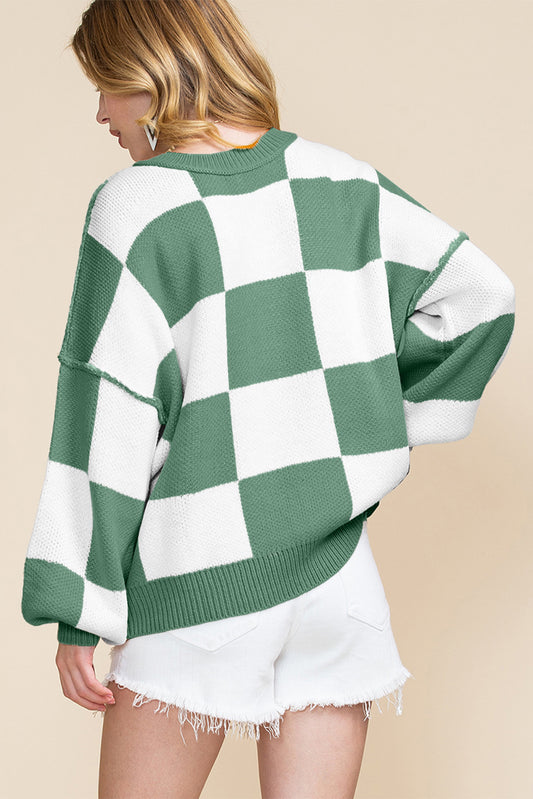

Long-Sleeve Tees: The Layering Base Every Winter Wardrobe Needs
Winter dressing doesn't have to mean piling on chunky jumpers, wrestling with oversized coats, or sacrificing your favourite outfits just to stay warm. Sometimes, the smartest winter wardrobe essential is also the simplest: a well-fitting long-sleeve tee.
Lightweight, comfortable, and endlessly versatile, long-sleeve T-shirts are the quiet heroes of cold-weather dressing. They sit neatly beneath knitwear, add coverage under jackets, and look effortlessly put-together when worn alone.
Here's what you need to know about making long-sleeve tees work harder in your winter wardrobe:
-
Start with the right foundation. A comfortable long-sleeve tee creates a smooth first layer beneath jumpers, cardigans, and winter coats.
-
Think warmth without bulk. Lightweight layering tops help you build adaptable outfits without feeling weighed down by heavy clothing.
-
Choose fabrics thoughtfully. Breathable cotton blends, soft jersey, and stretch fabrics are useful for everyday comfort, while specialist thermal materials suit colder conditions.
-
Pay attention to fit. A fitted or gently streamlined silhouette makes layering easier, reducing uncomfortable bunching beneath other garments.
-
Build around versatile colours. Black, white, grey, cream, and other neutral shades make mixing and matching winter outfits wonderfully straightforward.
-
Make every piece earn its place. The best winter basics transition easily between casual days, office outfits, weekend plans, and relaxed evenings.
The takeaway? You don't necessarily need more clothes to create better winter outfits. You need reliable layering essentials that work beautifully with what you already own.
Why Long-Sleeve Tees Deserve a Permanent Place in Your Winter Wardrobe
There's something wonderfully reassuring about opening your wardrobe on a freezing morning and knowing exactly what to wear.
No complicated outfit planning. No endless changing. Just a few dependable pieces that come together naturally.
That's where long-sleeve tees shine.
Unlike bulky knitwear, which can sometimes feel restrictive beneath a coat, a lightweight long-sleeve T-shirt provides a comfortable starting point for building an outfit. It adds coverage without demanding attention and creates a foundation that works with almost everything.
Think of it as the unsung hero of your winter wardrobe.
The Secret to Effortless Winter Layering
The beauty of winter layering lies in flexibility.
One moment, you're walking through chilly morning air. The next, you're sitting in a heated office, browsing your favourite shops, or enjoying coffee somewhere cosy.
Your clothing needs to keep up.
A long-sleeve tee makes those transitions easier because you can add or remove outer layers without completely changing your outfit.
Consider this simple combination:
-
Base layer: A soft, comfortable long-sleeve T-shirt worn close to the body.
-
Mid-layer: A cardigan, jumper, or sweatshirt that provides additional insulation.
-
Outer layer: A winter coat or weather-resistant jacket that protects against wind and cold.
This three-layer system is a practical approach to everyday winter dressing. Each piece has a purpose, and together they create an outfit that can adapt to changing temperatures.
For particularly cold or active outdoor conditions, a dedicated moisture-wicking thermal base layer may be more appropriate than an ordinary cotton tee. But for everyday winter outfits, comfortable long-sleeve tops can be an excellent foundation.
Great winter style isn't about wearing the most layers. It's about choosing layers that work together.
One Wardrobe Staple, Countless Outfit Possibilities
Few winter fashion essentials offer quite the same versatility.
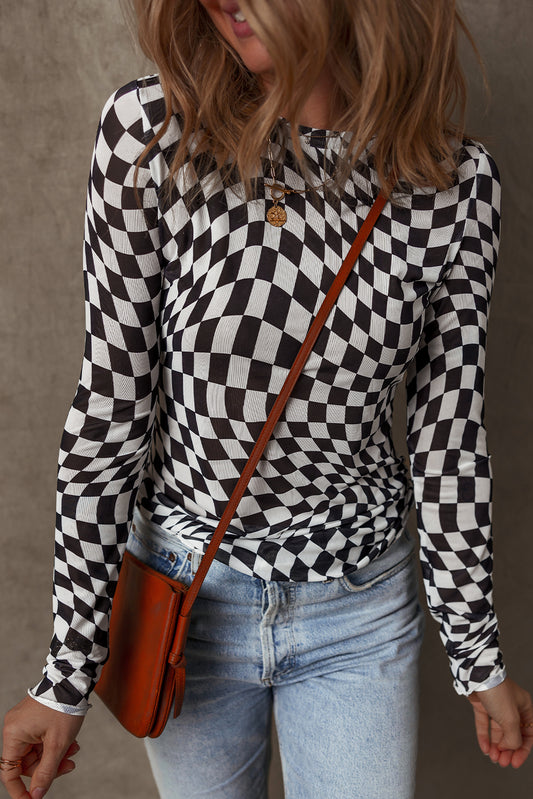
A simple long-sleeve tee can look casual with jeans and trainers, polished beneath a tailored blazer, or relaxed with leggings and an oversized cardigan.
And because these everyday long-sleeve tops are so easy to style, they naturally become the pieces you reach for again and again.
Imagine a typical winter week.
Monday: A fitted black long-sleeve tee, tailored trousers, and a structured blazer create an understated office outfit.
Wednesday: A cream layering T-shirt beneath a chunky cardigan, paired with straight-leg jeans and ankle boots, feels cosy without looking overly casual.
Saturday: A relaxed long-sleeve top, comfortable leggings, and a puffer jacket make an easy combination for errands, weekend walks, or a quick coffee run.
Sunday: A soft tee and your favourite joggers are all you need for a relaxed afternoon at home.
Different days. Different moods. One reliable wardrobe essential.
That's the appeal of investing in versatile winter basics rather than filling your wardrobe with pieces that only work for one occasion.
The Benefits of Wearing Long-Sleeve Tees as Winter Base Layers
When temperatures drop, it's tempting to assume that thicker clothing automatically means better warmth.
But successful winter dressing is a little more nuanced.
A thoughtfully chosen base layer can improve comfort, help your clothes sit more smoothly, and make it easier to adjust what you're wearing throughout the day.
Here are the benefits that make long-sleeve layering tops such useful winter wardrobe staples.
1. They Add Coverage Without Unnecessary Bulk
Nobody enjoys feeling like they can barely move their arms because they're wearing three oversized jumpers beneath a coat.
That's where lightweight layering tops make a difference.
A long-sleeve tee adds an extra layer of fabric between your skin and your outer clothing without dramatically increasing the thickness of your outfit.
This can be particularly helpful when wearing:
-
Chunky knitted jumpers
-
Fitted cardigans
-
Tailored blazers
-
Button-down shirts
-
Hoodies and sweatshirts
-
Structured winter coats
The trick is choosing a tee that sits comfortably against your body without pulling, twisting, or creating excess fabric beneath your other clothes.
A smoother first layer means a cleaner silhouette.
And a cleaner silhouette often makes even the simplest winter outfit feel more considered.
2. They Make Temperature Changes Easier to Manage
British winter weather has a personality of its own.
Cold mornings become unexpectedly mild afternoons. Rain appears without warning. Heated shops feel tropical compared with the pavement outside.
Dressing for all of it can be a challenge.
Rather than relying on one extremely thick garment, layering allows you to adjust your clothing as conditions change.
For example, wearing a breathable long-sleeve tee beneath a cardigan means you can remove the cardigan indoors and still feel comfortably dressed.
This approach is especially useful for commuting, shopping trips, travelling, and everyday activities that involve moving between indoor and outdoor environments.
Of course, fabric matters. Cotton feels soft and comfortable for many everyday situations, but it can retain moisture when you sweat. For strenuous outdoor activities, moisture-wicking fabrics such as polyester blends or merino wool are often better suited to temperature regulation.
The goal is simple: adaptable warmth, not overheating.
3. They Create a Comfortable Foundation for Your Outfit
Let's talk about something that doesn't get nearly enough attention in winter fashion: how clothing actually feels.
A beautiful jumper isn't much fun if the fabric irritates your skin. A stylish jacket quickly loses its appeal when the seams of everything underneath are rubbing uncomfortably.
A soft long-sleeve tee can provide a comfortable barrier between your skin and heavier garments.
This is particularly useful beneath textured knitwear, wool-blend jumpers, or structured jackets.
When browsing women's tops and everyday wardrobe essentials, consider how each piece will feel as part of a complete outfit rather than judging it only by how it looks on its own.
Ask yourself:
-
Will the fabric feel comfortable against my skin?
-
Can I move my arms freely?
-
Will the neckline work beneath my favourite jumpers?
-
Is the material light enough to wear under another layer?
-
Could I comfortably wear this top throughout the day?
These small considerations make a surprisingly big difference.
After all, comfortable winter clothing should allow you to get on with your day without constantly adjusting your sleeves, pulling at your neckline, or rearranging your layers.
4. They Help You Get More Wear from Your Existing Wardrobe
One of the biggest advantages of long-sleeve tees for winter layering is how easily they extend the usefulness of other clothing.
That sleeveless dress you love? Try it over a fitted long-sleeve top.
Your favourite lightweight cardigan? Give it a little extra warmth with a comfortable tee underneath.
A blazer that feels too chilly on its own? Add a streamlined long-sleeve layer and finish with a coat.
Suddenly, pieces you might have packed away until spring become part of your cold-weather wardrobe again.
This is particularly valuable when creating a winter capsule wardrobe: a smaller, coordinated collection of clothes designed to work together in multiple combinations.
Rather than buying an entirely new outfit for every occasion, you can build around dependable basics and change the overall look through different layers, colours, and accessories.
A good layering tee doesn't just create one outfit. It helps unlock several others.
Choosing the Best Fabrics for Winter Layering
Not all long-sleeve T-shirts feel the same.
Some are beautifully soft but slightly too thick to sit comfortably beneath a fitted jumper. Others feel wonderfully lightweight but may not provide enough warmth when worn alone.
Fabric choice influences comfort, breathability, flexibility, and how well your layers work together.
Before choosing your next winter basic, it helps to understand what different materials bring to the table.
Cotton: Soft, Familiar, and Comfortable for Everyday Wear
There's a reason cotton remains such a popular choice for everyday T-shirts.
It's generally soft, breathable, and comfortable against the skin, making it an appealing option for casual winter outfits.
Cotton long-sleeve tees work particularly well when you're spending much of your day indoors or moving between relatively mild outdoor conditions and heated spaces.
They can be ideal for:
-
Layering beneath everyday cardigans
-
Wearing under casual jackets
-
Pairing with jeans for relaxed winter outfits
-
Creating comfortable work-from-home looks
-
Styling beneath blazers or open shirts
However, cotton isn't always the best choice for intense cold-weather activities. It absorbs moisture and can take longer to dry, which may leave you feeling chilly if you become sweaty outdoors.
For ordinary daily wear, though, a comfortable cotton tee can be a wonderfully useful wardrobe staple.
Cotton Blends: Comfort with Added Flexibility
If you love the softness of cotton but prefer clothing with a little more give, cotton-blend fabrics are worth considering.
Depending on their composition, these materials can combine cotton's familiar feel with the stretch, shape retention, or easy-care qualities of other fibres.
For instance, a cotton fabric containing a small amount of elastane or spandex may offer greater flexibility, making it easier to move comfortably throughout the day.
That added stretch can be particularly helpful for fitted long-sleeve tees designed to sit neatly beneath knitwear.
Look for a fabric that moves naturally with your body rather than feeling restrictive.
A layering top should feel like a comfortable foundation, not something you're eager to take off.
Polyester and Performance Fabrics: Practical for Active Days
Polyester-based fabrics are often used in specialist base layer clothing because they can be engineered to move moisture away from the skin and dry relatively quickly.
These qualities make certain performance fabrics useful for outdoor walks, exercise, travelling, and activities where perspiration is more likely.
However, not every polyester garment offers the same performance. Moisture management depends on the fabric's construction and finish, not simply the fibre name.
For everyday fashion layering, comfort and fit may be your main priorities. For active winter conditions, moisture-wicking performance becomes more important.
The key is matching the fabric to how you actually plan to wear it.
A long-sleeve tee for a cosy café afternoon doesn't need to perform exactly like a technical base layer for a winter hike.
Merino Wool: Natural Warmth for Colder Conditions
When winter temperatures really start to bite, merino wool deserves a mention.
Unlike traditional wool, which some people find coarse or itchy, fine merino fibres can feel surprisingly soft against the skin. Merino wool is also valued for its moisture-management properties and ability to provide insulation, even in relatively lightweight fabrics.
This makes it a popular choice for specialist thermal base layers and outdoor clothing.
Merino wool can be particularly useful for:
-
Cold-weather walks and outdoor activities
-
Layering beneath heavier winter coats
-
Travelling in fluctuating temperatures
-
Creating lightweight yet insulating outfits
-
Situations where moisture management matters
That doesn't mean you need a merino wool top for every winter occasion.
For everyday errands, casual outings, and time spent in heated buildings, a comfortable cotton or cotton-blend long-sleeve tee may be perfectly suitable.
The important thing is understanding the difference between everyday layering T-shirts and technical thermal base layers.
One prioritises versatile styling and daily comfort. The other is designed with specific performance requirements in mind.
Both can have a place in a thoughtfully planned winter wardrobe.
Ribbed Fabrics and Soft Jersey: Texture Makes a Difference
Fabric composition isn't the only consideration. The way a material is knitted can also affect how it looks, feels, and fits.
Take ribbed long-sleeve tees, for example.
Their textured construction often provides natural stretch, allowing the fabric to follow the body's shape while creating an attractive, streamlined silhouette.
Ribbed tops can look particularly stylish beneath open cardigans, oversized shirts, or structured blazers.
Soft jersey fabrics, meanwhile, are popular for their smooth feel and comfortable drape.
A lightweight jersey tee can sit neatly beneath knitwear without creating too much bulk around the shoulders or waist.
When choosing between different fabrics, consider three things:
-
Comfort: Does the material feel pleasant against your skin?
-
Layering potential: Will it sit smoothly beneath your other clothing?
-
Practicality: Is it suitable for the temperatures, activities, and washing routine you have in mind?
The best fabric isn't necessarily the thickest, most expensive, or most technical.
It's the one that works for your lifestyle.
Finding the Perfect Fit: How Should a Layering T-Shirt Sit?
You can choose the softest fabric and the most beautiful colour, but if your long-sleeve tee doesn't fit comfortably, it's unlikely to become a favourite.
Fit is especially important when you're building winter outfits around multiple layers.
A top that's too loose may bunch beneath a fitted jumper. One that's excessively tight can feel restrictive, particularly when you add a cardigan or jacket.
The sweet spot?
A comfortable silhouette that follows your natural shape without restricting movement.
Slim-Fit vs Regular-Fit Long-Sleeve Tees
Both styles have their advantages, and neither is automatically better.
It all depends on the outfit you're creating.
| Feature | Slim-fit long-sleeve tee | Regular-fit long-sleeve tee |
|---|---|---|
| Silhouette | Close to the body | More relaxed |
| Best for | Layering beneath fitted clothing | Casual and relaxed outfits |
| Under knitwear | Usually creates a smoother finish | May add some fabric bulk |
| Worn alone | Sleek and streamlined | Easygoing and comfortable |
| Styling options | Blazers, fitted cardigans, tailored outfits | Jeans, oversized jackets, relaxed knitwear |
| Movement | Depends on stretch and construction | Often offers more room |
A slim-fit top is often an excellent choice when you want a neat foundation beneath multiple layers.
For instance, a fitted black long-sleeve tee under a cream jumper creates a smooth base without adding unnecessary volume.
A regular-fit tee, on the other hand, can look wonderful with straight-leg jeans, trainers, and an open cardigan.
It also offers a slightly more relaxed feel when worn on its own.
Neither style needs to dominate your wardrobe.
Having one or two of each can give you more flexibility when putting together everyday winter outfits.
Pay Attention to the Shoulders, Sleeves, and Hem
Sometimes, it's the smallest details that determine whether a top becomes a wardrobe favourite.
Shoulder seams: Ideally, these should sit comfortably around your natural shoulder line unless the garment is intentionally designed with dropped shoulders.
Sleeve length: Sleeves should provide comfortable wrist coverage without constantly slipping over your hands or riding up whenever you move.
Body length: A slightly longer tee can be useful for tucking into trousers or keeping your waist covered beneath shorter knitwear.
Neckline: The neckline should feel comfortable and work with the garments you plan to layer over it.
Stretch: A little flexibility can make fitted tops more comfortable, especially when reaching, bending, or moving throughout the day.
Try raising your arms, sitting down, and moving your shoulders when assessing a top's fit.
If the fabric constantly pulls, twists, or needs adjusting, consider a different size or cut.
The perfect layering tee should move with you, sit comfortably beneath other clothes, and look just as good when your outer layers come off.
Crew Neck, V-Neck, or Something Different?
Necklines can change the overall appearance of an outfit more than you might expect.
A classic crew-neck long-sleeve tee is one of the most versatile choices. Its rounded neckline looks natural beneath jumpers, cardigans, casual jackets, and open shirts.
A V-neck tee can create a more open neckline, making it an appealing option beneath blazers or lower-cut knitwear.
A scoop-neck top offers another relaxed alternative, particularly when you want the neckline to remain less visible beneath another garment.
And for especially chilly days, a high-neck or mock-neck top provides additional coverage around the neck while creating a polished, contemporary look.
The best choice depends on your personal style and the clothes you already own.
If you're building a minimalist winter capsule wardrobe, starting with a classic crew neck is often a sensible approach because it works with so many different outfits.
How to Style Long-Sleeve Tees for Winter: 6 Outfits You'll Actually Want to Wear
Here's where things get interesting.
Long-sleeve tees might be practical, but practicality doesn't mean boring.
Far from it.
With a little creativity, a simple layering top can become the foundation for everything from relaxed weekend outfits to smart-casual looks that feel effortlessly polished.
And the best part?
You probably already own many of the pieces needed to make these combinations work.
1. The Classic Long-Sleeve Tee and Cardigan Combination
Some outfits never really go out of style.
A fitted long-sleeve tee beneath a cosy cardigan is one of them.
It's comfortable, versatile, and easy to adapt depending on your plans.
For a timeless winter look, try:
-
A cream or white long-sleeve tee
-
A chunky beige or oatmeal cardigan
-
Straight-leg blue jeans
-
Brown ankle boots
-
A simple crossbody bag
The lighter base layer keeps the outfit looking fresh, while the cardigan adds warmth and texture.
Want something a little more polished?
Swap the jeans for tailored trousers and choose a fine-knit cardigan with a more structured silhouette.
This combination works particularly well for coffee dates, casual office days, and relaxed weekend outings.
Styling tip: Leave the cardigan open to create a vertical line through the outfit. It can make layered clothing feel less bulky and give your look a relaxed finish.
2. The Effortless Long-Sleeve Tee and Blazer Outfit
Who says winter basics can't look sophisticated?
A simple long-sleeve tee beneath a tailored blazer is an easy way to create an elevated casual outfit without feeling overdressed.
Start with a black, white, or charcoal tee.
Add a structured blazer, tailored trousers, and loafers or ankle boots.
Finish with understated jewellery and a practical everyday bag.
The result is polished but comfortable.
This combination is especially useful for smart-casual workplaces, lunch meetings, shopping trips, or evenings when you want to look put-together without making too much effort.
For colder weather, add a long wool-blend coat over the blazer, provided there's enough room for comfortable movement.
Styling tip: Tuck your tee neatly into high-waisted trousers to define your waist and create a more tailored silhouette.
3. The Cosy Jumper and Long-Sleeve Tee Layering Look
There's nothing quite like pulling on your favourite knitted jumper when the weather turns cold.
But chunky knitwear can sometimes feel uncomfortable directly against your skin.
A soft long-sleeve tee underneath helps create a smoother, more comfortable foundation.
For an easy everyday outfit, combine:
-
A lightweight fitted long-sleeve tee
-
A relaxed knitted jumper
-
Dark-wash jeans or comfortable trousers
-
Chelsea boots or trainers
-
A warm winter coat
This is one of those reliable winter outfits that works for almost anything.
Heading out for a walk? Add a scarf and a practical jacket.
Meeting friends for lunch? Choose smart boots and a structured handbag.
Spending the afternoon at home? Simply remove the coat and enjoy the cosy combination.
You can also experiment with a slightly longer tee beneath a shorter jumper, allowing a small amount of fabric to show at the hem.
This creates a subtle layered effect without making the outfit feel overly complicated.
4. The Relaxed Weekend Outfit with Leggings
Some days call for comfort above everything else.
Perhaps you're running errands, travelling, walking the dog, or simply enjoying a slower weekend.
A long-sleeve tee with leggings is an easy starting point.
Choose a comfortable top with a slightly relaxed fit or a longer hem, depending on your preferred level of coverage.
Then add an oversized cardigan, sweatshirt, or casual jacket.
Complete the outfit with trainers, warm socks, and a practical crossbody bag.
For extra warmth, consider a quilted gilet or puffer jacket.
The beauty of this look is its simplicity.
You don't need complicated accessories or perfectly coordinated pieces.
Just comfortable winter clothing that allows you to move freely and get on with your day.
5. The Monochrome Winter Outfit
Want to make your everyday basics look instantly more considered?
Try monochrome dressing.
Wearing different shades of the same colour creates a coordinated look without requiring lots of statement pieces.
For example:
All-black winter outfit
-
Black fitted long-sleeve tee
-
Black tailored trousers
-
Black ankle boots
-
Charcoal or black winter coat
Soft neutral winter outfit
-
Cream long-sleeve top
-
Oatmeal cardigan
-
Beige trousers
-
Tan boots
Grey tonal outfit
-
Light-grey layering tee
-
Charcoal knitted jumper
-
Mid-grey trousers
-
Black accessories
The key is mixing textures and slightly different tones so the outfit feels interesting rather than flat.
A smooth jersey tee beneath textured knitwear creates contrast, even when the colours are similar.
Monochrome layering is particularly useful when building a minimalist wardrobe because the individual pieces are easy to mix with other outfits.
6. The Long-Sleeve Tee Under a Sleeveless Dress
Don't pack away every sleeveless dress when autumn ends.
Some can transition beautifully into winter with the right layering pieces.
Try wearing a fitted long-sleeve tee beneath a pinafore dress, denim dress, or relaxed sleeveless midi dress.
Add tights, ankle boots, and a cardigan or coat for additional warmth.
This combination creates a playful, practical outfit while giving your favourite dresses more opportunities to be worn.
For a classic look, pair a black long-sleeve tee with a neutral pinafore dress.
For something softer, choose a cream tee beneath a brown or olive-green dress.
Just make sure the tee sits smoothly beneath the dress, particularly around the shoulders and underarms.
The secret to stylish winter layering is balance: combine fitted pieces with relaxed silhouettes, mix textures thoughtfully, and avoid adding bulk where you don't need it.
Choosing the Best Colours for a Versatile Winter Wardrobe
Colour plays a surprisingly important role in successful winter layering.
You might own several beautiful tops, but if none of them works with your favourite jumpers, jackets, or trousers, creating outfits can become unnecessarily difficult.
That's why neutral-coloured basics are such valuable winter wardrobe essentials.
They provide a flexible foundation, making it easier to mix and match clothing without constantly buying new pieces.
Start with These Five Essential Colours
If you're building a collection of long-sleeve layering tops, consider beginning with a small selection of versatile shades.
| Colour | Why it works | Try pairing it with |
|---|---|---|
| Black | Timeless, polished, and easy to style | Grey knitwear, denim, camel coats |
| White | Fresh, classic, and versatile | Navy blazers, blue jeans, dark cardigans |
| Cream | Softens winter outfits and adds warmth visually | Brown, olive, beige, and charcoal |
| Grey | Creates understated, relaxed combinations | Black, burgundy, navy, and denim |
| Navy | A sophisticated alternative to black | Cream knitwear, tan trousers, grey coats |
You don't need every colour immediately.
In fact, starting with two or three shades that complement your existing wardrobe is often more useful than purchasing several tops simply because they're available.
Think about the clothes you already reach for most often.
If your wardrobe is full of black trousers, blue jeans, and grey knitwear, a white, cream, or black long-sleeve tee could be a particularly versatile addition.
If you prefer earthy colours, consider cream, chocolate brown, olive, or warm grey.
Add Seasonal Colour Without Sacrificing Versatility
Neutral colours create a strong foundation, but winter dressing doesn't have to be entirely beige, black, and grey.
A few carefully chosen accent colours can bring personality to your outfits.
Consider:
-
Burgundy: Rich, sophisticated, and beautiful with charcoal or cream.
-
Forest green: A classic winter shade that complements denim and earthy neutrals.
-
Chocolate brown: Warm, understated, and particularly effective with beige.
-
Dusty blue: A softer alternative to traditional navy.
-
Muted plum: Adds subtle colour without overpowering an outfit.
The trick is choosing shades that work with several pieces you already own.
For example, a burgundy long-sleeve tee could be worn beneath a grey cardigan, paired with black trousers, or styled with dark-wash jeans.
That's three different outfits from one additional wardrobe staple.
Use the Three-Colour Rule as a Simple Styling Guide
If you sometimes struggle to coordinate layered outfits, try limiting your main colour palette to approximately three colours.
It's not a strict fashion rule, but it can be a helpful starting point.
For example:
Outfit one: White long-sleeve tee + beige cardigan + blue jeans.
Outfit two: Black layering top + grey blazer + black trousers.
Outfit three: Cream long-sleeve tee + olive jacket + dark denim.
Keeping the palette relatively simple allows different textures, shapes, and proportions to stand out.
It also makes getting dressed quicker.
And on a cold, dark winter morning, anything that makes outfit planning easier is a welcome bonus.
Long-Sleeve Tees vs Thermal Base Layers: What's the Difference?
When building a winter wardrobe, it's easy to assume that long-sleeve tees and thermal tops are essentially the same thing.
After all, both have long sleeves. Both can be worn beneath jumpers and jackets. And both provide an additional layer of clothing when temperatures drop.
But there's an important distinction.
Everyday long-sleeve T-shirts are designed primarily for comfort, versatility, and style, while thermal base layers are engineered to help manage warmth and moisture in colder conditions.
Understanding when to wear each can make winter dressing considerably easier.
Everyday Long-Sleeve Tees: The Versatile Wardrobe Essential
For most ordinary winter activities, a comfortable long-sleeve tee can be an excellent starting point.
Whether you're heading to work, meeting friends, shopping, or enjoying a relaxed weekend, lightweight layering tops provide coverage without making your outfit feel unnecessarily heavy.
They're particularly useful when you're moving between heated indoor spaces and cooler outdoor temperatures.
A simple cotton-blend tee, for example, can sit comfortably beneath a cardigan or jumper while still looking stylish when worn on its own.
And that's one of its biggest advantages.
You don't have to hide it beneath several layers.
A well-chosen long-sleeve tee can be part of the outfit rather than simply something worn underneath.
Thermal Base Layers: Designed for Additional Cold-Weather Protection
Thermal tops serve a slightly different purpose.
They're generally designed to sit close to the skin and provide insulation, moisture management, or a combination of both.
Depending on the fabric and construction, thermal base layers may use merino wool, polyester, or other performance materials to help maintain comfort during cold-weather activities.
They're especially useful for:
-
Extended periods outdoors in low temperatures
-
Winter hiking and countryside walks
-
Skiing and other cold-weather sports
-
Outdoor work
-
Activities involving perspiration in chilly conditions
A good thermal base layer helps manage moisture as well as warmth.
This matters because damp clothing can increase heat loss, particularly when you're exposed to cold air or wind.
Not every thermal top performs identically, however. Its effectiveness depends on fabric composition, thickness, fit, and construction.
Which Should You Choose?
Here's a simple comparison to help you decide.
| Feature | Everyday long-sleeve tee | Thermal base layer |
|---|---|---|
| Main purpose | Everyday comfort and versatile styling | Insulation and moisture management |
| Typical fabrics | Cotton, jersey, cotton blends | Merino wool, polyester, performance blends |
| Fit | Slim, regular, or relaxed | Usually close-fitting |
| Best for | Daily outfits, work, casual activities | Cold outdoor conditions and active use |
| Worn alone | Often designed as a visible outfit piece | Usually prioritises performance |
| Layering potential | Excellent beneath everyday clothing | Excellent beneath insulating outdoor layers |
| Moisture management | Varies; cotton tends to retain moisture | Often designed to wick moisture |
| Style versatility | High | Depends on design |
For everyday winter fashion, long-sleeve tees are often the more versatile choice. For prolonged exposure to cold conditions or strenuous outdoor activities, technical thermal layers may be more appropriate.
There's no need to choose one exclusively.
A practical winter wardrobe can include both, allowing you to dress according to the weather and your plans.
How to Build a Winter Capsule Wardrobe Around Long-Sleeve Tees
Imagine opening your wardrobe and finding that almost everything works together.
Your favourite jeans complement several tops. Your cardigans pair beautifully with different trousers. Your winter coat looks just as good over a casual outfit as it does over something more polished.
Sounds appealing, doesn't it?
That's the beauty of a winter capsule wardrobe.
Rather than collecting endless pieces, the idea is to create a carefully chosen selection of clothing that can be mixed and matched to suit different occasions.
And long-sleeve tees make an excellent foundation.
Start with Three to Five Reliable Long-Sleeve Tops
You don't need a drawer overflowing with layering T-shirts.
For many people, three to five thoughtfully selected long-sleeve tops can provide plenty of everyday outfit combinations, depending on how frequently they do laundry and how often they wear them.
A practical starting collection might include:
-
A black fitted long-sleeve tee: Perfect beneath blazers, cardigans, and structured jackets.
-
A white or cream crew-neck top: A timeless choice that works with almost any neutral winter outfit.
-
A grey everyday tee: Ideal for relaxed styling with jeans, knitwear, and casual outerwear.
-
A ribbed long-sleeve top: Adds subtle texture and looks lovely when worn alone.
-
An accent-colour tee: Burgundy, forest green, or chocolate brown can bring personality to your winter basics.
Of course, this isn't a shopping checklist you must complete.
If you already own several suitable tops, start with those.
The goal is to build a useful collection, not purchase more clothing than you need.
Add Knitwear That Works with Your Base Layers
Once you've established your foundation, think about the garments you'll wear over it.
A few versatile pieces of knitwear can transform your long-sleeve tees into a variety of winter outfits.
Consider including:
-
A chunky cardigan for relaxed days
-
A fine-knit jumper for smarter occasions
-
A comfortable oversized sweater
-
A classic neutral cardigan
-
A lightweight sweatshirt for casual styling
Try to choose colours and silhouettes that complement your existing tops.
For instance, a cream cardigan might work beautifully with black, grey, burgundy, and navy long-sleeve tees.
One cardigan. Four different combinations.
That's the kind of versatility that makes a capsule wardrobe so practical.
Choose Bottoms That Can Be Dressed Up or Down
Your base layers and knitwear are only part of the equation.
The right trousers, jeans, and skirts help create outfits for different occasions without requiring an entirely separate wardrobe for each one.
A simple winter capsule might include:
| Wardrobe piece | Styling possibilities |
|---|---|
| Dark-wash jeans | Casual days, weekend outings, relaxed evenings |
| Black tailored trousers | Office outfits, smart-casual occasions |
| Comfortable leggings | Travel, errands, relaxed days |
| Neutral midi skirt | Layered outfits with tights and boots |
| Straight-leg trousers | Everyday outfits with tees and cardigans |
Choose pieces that suit your lifestyle rather than following a rigid list.
If you rarely wear skirts, there's no reason to include one simply because it's considered a wardrobe essential.
Similarly, if you work from home most days, comfortable trousers and versatile casual pieces may be more useful than several formal outfits.
The best capsule wardrobe reflects your actual life, not an imaginary version of it.
Finish with Practical Winter Outerwear
A reliable winter coat brings everything together.
Depending on your climate and daily routine, you might prefer a long tailored coat, a quilted jacket, a puffer coat, or a waterproof outer layer.
For unpredictable British weather, it's particularly useful to consider wind and rain protection alongside warmth.
A stylish wool-blend coat may be lovely for dry, chilly days, while a weather-resistant jacket can be more practical during heavy rain.
Think about how your outerwear fits over multiple layers, too.
If your coat feels tight when worn over a jumper and long-sleeve tee, you may need a roomier cut.
Comfortable movement matters just as much as appearance.
A Simple Seven-Day Winter Outfit Plan
Wondering how a small collection of basics can create an entire week's worth of outfits?
Here's an example.
| Day | Outfit combination |
|---|---|
| Monday | Black long-sleeve tee, grey blazer, tailored trousers |
| Tuesday | Cream tee, chunky cardigan, straight-leg jeans |
| Wednesday | Grey layering top, navy jumper, black trousers |
| Thursday | Burgundy tee, beige cardigan, dark denim |
| Friday | Black ribbed tee, midi skirt, tights, ankle boots |
| Saturday | White long-sleeve top, leggings, oversized sweatshirt |
| Sunday | Cream tee, relaxed jeans, cosy cardigan |
Add appropriate coats, footwear, and accessories depending on the weather.
Notice how the same tops can be styled differently simply by changing the pieces worn with them?
That's the real advantage of building around versatile wardrobe staples.
You create more outfit possibilities without needing a completely different collection of clothes for every day of the week.
How to Keep Long-Sleeve Tees Looking Their Best
Finding the perfect long-sleeve tee is one thing.
Keeping it soft, comfortable, and looking good after repeated wear is another.
Fortunately, caring for everyday layering essentials doesn't have to be complicated.
A few sensible habits can help maintain their appearance and extend their useful life.
Always Check the Care Label First
Different fabrics require different care.
Cotton, polyester blends, ribbed jersey, and merino wool may all have specific washing recommendations.
Before putting a garment in the washing machine, check its care label for guidance on:
-
Recommended washing temperature
-
Suitable wash cycles
-
Tumble-drying instructions
-
Ironing temperatures
-
Bleaching restrictions
-
Whether the garment requires specialist care
Following the manufacturer's instructions is particularly important for fabrics containing elastane, delicate fibres, or special finishes.
Wash Similar Colours Together
It might sound obvious, but separating light and dark clothing can help prevent unwanted colour transfer.
White and cream long-sleeve tees are best washed with similar light colours, while black and dark garments should generally be grouped together.
Turning printed or dark-coloured tops inside out may also help reduce surface abrasion during washing.
Avoid overloading the machine, as garments need enough room to move and rinse properly.
Avoid Unnecessary Heat
Excessive heat can damage some fibres, affect stretch recovery, and contribute to shrinkage.
Where the care label permits, washing at a lower temperature and air-drying can be gentler on clothing.
For fitted long-sleeve tops containing elastane, avoiding high tumble-drying temperatures may help preserve their stretch.
When air-drying, reshape the garment gently and follow any instructions about laying it flat or hanging it.
Store Your Winter Basics Thoughtfully
Lightweight tees can usually be folded neatly in drawers or placed on suitable hangers.
For particularly stretchy or delicate knit fabrics, folding may help prevent the shoulders from becoming distorted.
Keep your most frequently worn colours easy to reach.
A simple drawer organised by colour or sleeve length can make getting dressed considerably quicker.
And if you're storing seasonal clothing away, make sure everything is clean and completely dry first.
A well-maintained wardrobe doesn't just look better. It makes everyday dressing easier, reduces unnecessary replacements, and helps you get more enjoyment from the clothes you already own.
Common Winter Layering Mistakes to Avoid
Even the most stylish winter wardrobe can become uncomfortable when the layers don't work together.
Fortunately, most layering mistakes are easy to fix.
Mistake 1: Wearing Too Many Thick Layers
More fabric doesn't always mean more comfort.
Several bulky garments can restrict movement, create an awkward silhouette, and make it difficult to adjust your temperature.
Try this instead: Begin with a lightweight base layer, add an insulating mid-layer, and finish with weather-appropriate outerwear.
This approach allows you to adjust your clothing without feeling weighed down.
Mistake 2: Choosing a Base Layer That's Too Loose
A very oversized T-shirt may look wonderful on its own, but it can bunch beneath fitted knitwear.
This can create uncomfortable folds around the waist, shoulders, and sleeves.
Try this instead: Choose a fitted or gently streamlined tee when layering beneath close-fitting clothing.
Save your relaxed silhouettes for outfits with more room, such as open cardigans or oversized jackets.
Mistake 3: Ignoring Fabric Breathability
A thick, poorly ventilated outfit can leave you feeling uncomfortably warm indoors, even when it's freezing outside.
Try this instead: Consider the breathability and moisture-management properties of each layer, especially if you'll be moving between different temperatures.
For active outdoor conditions, prioritise fabrics designed to manage perspiration.
Mistake 4: Forgetting About Proportions
Combining several oversized pieces can sometimes make an outfit feel shapeless.
There's nothing wrong with relaxed clothing, but a little contrast can create a more balanced look.
Try this instead: Pair a fitted long-sleeve tee with a chunky cardigan, or balance a relaxed top with straight-leg trousers.
Experiment until the proportions feel comfortable and suit your personal style.
Mistake 5: Buying Pieces That Don't Work Together
That beautiful statement jumper might catch your eye, but will it work with the clothes you already own?
Before adding another winter essential to your wardrobe, consider at least three ways you could wear it.
If you can easily picture several outfits, it's more likely to become a useful addition.
If it only works with one very specific combination, think carefully about whether you'll wear it enough.
Frequently Asked Questions About Long-Sleeve Tees and Winter Layering
Are long-sleeve T-shirts good for winter?
Yes. Long-sleeve T-shirts can be excellent winter wardrobe essentials, particularly when used as lightweight base layers beneath jumpers, cardigans, jackets, and coats.
They provide additional coverage and make it easier to create adaptable outfits without unnecessary bulk.
For extremely cold weather or strenuous outdoor activities, specialist thermal base layers may offer more appropriate insulation and moisture management.
What should you wear under a jumper in winter?
A soft, fitted long-sleeve tee is a practical choice beneath many winter jumpers.
Look for a lightweight fabric that feels comfortable against your skin and sits smoothly beneath knitwear.
A crew-neck cotton-blend tee is often suitable for everyday wear, while moisture-wicking materials may be preferable for more active conditions.
How do you layer long-sleeve T-shirts without looking bulky?
Start with a tee that fits comfortably without excessive loose fabric.
Add a mid-layer such as a cardigan or jumper, then finish with an appropriately sized jacket or coat.
Mixing lightweight and thicker fabrics can create warmth while maintaining a balanced silhouette.
Avoid combining too many bulky pieces, particularly around the shoulders and waist.
Can cotton long-sleeve tees be worn as base layers?
Yes, cotton long-sleeve tees can work well as everyday base layers for casual winter outfits and relatively low-intensity activities.
However, cotton absorbs moisture and can remain damp, making it less suitable for strenuous activities in cold conditions.
For hiking, outdoor sports, or extended exposure to low temperatures, consider technical moisture-wicking fabrics or merino wool.
How should a long-sleeve layering top fit?
A good layering top should sit comfortably against your body without feeling restrictive.
The shoulders should fit naturally, the sleeves should provide adequate coverage, and the fabric should allow you to move freely.
Slim-fit tops often work particularly well beneath fitted knitwear, while regular-fit styles can be more comfortable under relaxed outer layers.
What colours are best for winter layering?
Black, white, cream, grey, and navy are particularly versatile because they coordinate easily with a wide range of winter clothing.
Earthy shades such as chocolate brown, olive, and camel can also work beautifully.
For additional personality, consider burgundy, forest green, or muted plum.
The most useful colours are ultimately those that complement your existing wardrobe.
Can you wear a long-sleeve tee under a blazer?
Absolutely.
A fitted long-sleeve tee beneath a blazer creates a comfortable, polished smart-casual outfit.
Pair a neutral tee with tailored trousers and ankle boots for an understated look, or wear it with jeans and trainers for something more relaxed.
Choose a smooth, lightweight fabric to help the blazer sit neatly.
How many long-sleeve tees should you own for winter?
There's no universal number, but three to five versatile long-sleeve tees can be a practical starting point for many wardrobes.
Consider your laundry routine, personal style, and how frequently you wear them.
A small collection of neutral colours, perhaps complemented by one or two accent shades, can create numerous outfit combinations.
Are long-sleeve tees suitable for a winter capsule wardrobe?
Yes. Their versatility makes them particularly useful for capsule wardrobes.
A few well-chosen long-sleeve tops can be styled with different knitwear, trousers, skirts, and outerwear to create outfits for work, weekends, and casual occasions.
Choosing complementary colours and comfortable fabrics helps maximise their usefulness.
What's the best way to layer clothes for winter in the UK?
For everyday British winter weather, start with a comfortable base layer, add a jumper or cardigan for insulation, and finish with outerwear suited to the conditions.
Because UK weather can be changeable, removable layers are particularly practical.
A weather-resistant coat or jacket is useful when rain and wind are expected, while breathable fabrics can improve comfort when moving between chilly outdoor spaces and heated buildings.
Why the Simplest Winter Basics Often Make the Biggest Difference
Winter fashion doesn't have to be complicated.
You don't need an overflowing wardrobe, an endless collection of expensive knitwear, or a completely new outfit every time the temperature changes.
Sometimes, the pieces that make the biggest difference are the ones you barely think about.
A comfortable long-sleeve tee beneath your favourite cardigan.
A soft layering top that makes a chunky jumper feel better against your skin.
A versatile neutral basic that works with the jeans, trousers, and jackets you already love.
These are the small details that make everyday dressing feel effortless.
And that's precisely why long-sleeve tees deserve their place among your most dependable winter wardrobe essentials.
They're practical without being boring. Comfortable without sacrificing style. Simple enough for everyday wear, yet versatile enough to create countless outfit combinations.
Whether you're building a winter capsule wardrobe, refreshing your everyday basics, or simply looking for ways to stay comfortable without bulky layers, a thoughtfully chosen long-sleeve tee is an excellent place to start.
Because great winter style doesn't begin with the heaviest coat or the chunkiest jumper. It begins with a comfortable foundation that makes everything else work better.