
How to Store Seasonal Clothes Without Damage
Storing clothes properly isn’t just about saving space—it’s about preserving quality, colour, and fit. Start by cleaning and repairing garments, then choose breathable storage solutions and a climate-controlled environment. Avoid damp, heat, and sunlight, and protect items from pests using natural repellents. Organise thoughtfully with proper folding and hanging techniques, and always prioritise airflow to prevent mould and odours. With the right approach, your wardrobe stays fresh, wearable, and damage-free season after season.
Seasonal wardrobe swaps feel satisfying—until you pull out last year’s favourites and discover musty smells, faded fabric, or worse… moth damage.
The truth is, most clothing damage doesn’t happen while you wear your clothes—it happens while they’re stored.
If you’ve ever wondered why clothes get damaged in storage, the answer usually comes down to three culprits: moisture, poor preparation, and improper storage conditions.
This guide walks you through the foundations of doing it right—so your wardrobe stays as good as new, no matter how long it’s tucked away.
Step 1: Start with Proper Clothing Preparation
Before anything goes into storage, preparation is everything. Skipping this step is the fastest way to ruin fabrics over time.
Clean Before You Store
Always clean clothes before storage—even if they look fine.
- Wash or dry-clean garments before storing
- Remove stains before storage (even invisible ones like sweat or oils)
- Prevent stains setting during storage by treating problem areas early
Dirt and oils left on fabric can oxidise over time, leading to permanent discolouration and fabric deterioration.
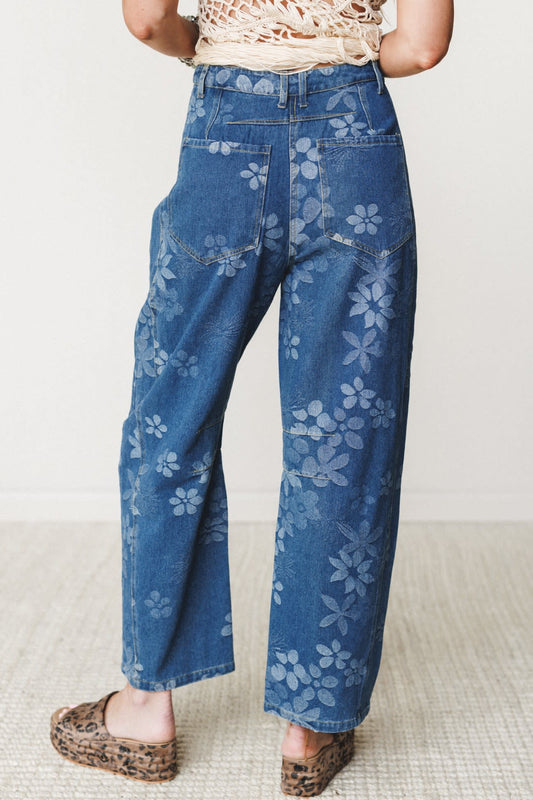
If you’re storing everyday pieces like your favourite jeans or seasonal tops, this step is non-negotiable.
Repair Before Packing Away
Small issues become big problems in storage.
- Repair clothes before storing (fix tears, zips, buttons)
- Reinforce loose seams
- Replace missing fastenings
This kind of pre-storage garment care ensures your clothes are ready to wear immediately when the season changes.
Declutter with Purpose
Storage space is valuable—don’t waste it.
Use this moment to:
- Declutter wardrobe before seasonal swap
- Sort clothes keep donate recycle
- Let go of items you didn’t wear
This creates a more intentional wardrobe and makes seasonal wardrobe rotation far easier.
Step 2: Choose the Right Storage Environment
Where you store your clothes matters just as much as how.
Control Temperature and Humidity
To store clothes in a cool dry place, aim for stable conditions:
- Avoid damp and humidity in clothing storage
- Protect clothes from heat and moisture
- Keep clothes away from sunlight
The ideal solution? Climate controlled clothing storage.
Extreme temperature changes can weaken fibres, while humidity encourages mould and mildew.
Avoid:
- Attics (too hot)
- Basements (too damp)
These environments increase the risk of fabric deterioration prevention failure.
Prevent Mould, Mildew, and Odours
If you’ve ever opened a storage box to a musty smell, moisture was the cause.
To prevent this:
- Use moisture absorbers for clothes storage
- Add silica gel for clothing storage
- Allow air circulation in storage
This is essential for humidity control wardrobe storage and helps prevent damp clothes smell before it starts.
Step 3: Select Smart Storage Containers
Not all storage solutions are created equal.
Breathable vs Airtight: What to Use
There’s often confusion around fabric storage bags vs plastic bins—and the answer depends on the item.
Use breathable options for:
- Natural fibres (cotton, wool, silk)
- Delicate garments
- Everyday wear like dresses
Use airtight containers for:
- Short-term storage
- Protection against pests in certain environments
Best Storage Materials to Protect Clothes
For long-term clothing preservation, choose wisely:
- Breathable storage boxes for clothes
- Garment bags for hanging clothes
- Acid-free tissue paper for delicate clothing
- Dust covers for clothes
Avoid:
- Cardboard boxes (trap moisture and attract pests)
- Cheap plastic that doesn’t allow airflow
For bulkier seasonal pieces like outerwear, structured garment bags are ideal to maintain shape and prevent compression damage.
Space-Saving Without Damage
Maximise space without compromising fabric integrity:
- Use under-bed storage containers
- Opt for stackable storage bins clothing
- Try vacuum storage bags for clothes (only for durable items)
Avoid overpacking storage boxes—compressed fabrics crease, weaken, and lose shape over time.
This balance between efficiency and care is the foundation of space-saving clothing storage solutions.
Step 4: Organise for Easy Seasonal Rotation
Good organisation isn’t just aesthetic—it prevents damage and saves time.
Smart Organisation Techniques
- Organize seasonal clothes by category
- Label storage bins for clothes
- Separate by fabric type and frequency of use
For example:
- Store summer essentials like swimwear separately from heavier winter layers
- Keep transitional items easily accessible
Folding vs Hanging: What Works Best?
Different garments need different treatment.
Fold these items:
- Knitwear (to fold sweaters to prevent stretching)
- Heavy fabrics
- Casual items like pieces from your bottoms collection
Hang these items:
- Structured garments
- Coats (learn how to hang coats for storage properly)
- Delicate dresses
Always use sturdy hangers for clothes to maintain shape and prevent distortion.
Step 5: Protect Your Clothes from Pests and Hidden Damage
Even in the cleanest homes, pests are one of the biggest threats to stored clothing. Natural fibres—especially wool, silk, and cashmere—are particularly vulnerable.
How to Prevent Moth Damage and Infestations
If you want to prevent moth damage clothes, the key is proactive protection.
- Use cedar blocks for clothes storage
- Add lavender sachets for wardrobe freshness
- Keep clothes moth-free with sealed, clean storage
Moths are drawn to sweat, oils, and dark, undisturbed spaces—another reason why cleaning garments beforehand is essential.
When considering mothballs vs natural moth repellents, natural options are safer for both fabrics and your home environment. Cedar and lavender not only repel pests but also help maintain freshness.
Build a Pest-Proof Storage System
To fully protect clothes from insects and pests, combine multiple strategies:
- Use pest-proof clothing storage with sealed containers where needed
- Avoid storing clothes in neglected or dusty areas
- Inspect stored clothes regularly
Before placing anything into storage, take time to:
- Vacuum storage area before storing clothes
- Clean wardrobe before storage
This reduces the chance of hidden larvae or dust buildup that could damage your garments over time.
Step 6: Master Fabric-Specific Storage Techniques
Not all clothes should be treated the same. Understanding fabric-specific storage is where most people go wrong—and where the biggest gains in longevity are made.
Wool, Cashmere, and Knitwear
These fabrics require extra care to store knitwear without damage.
- Fold sweaters to prevent stretching
- Store in breathable fabric storage solutions
- Add cedar blocks to deter moths
For premium knitwear, these cashmere storage tips can make the difference between years of wear and irreversible damage.
Silk and Delicate Fabrics
Silk is highly sensitive to light, moisture, and pressure.
To safely store silk garments:
- Wrap in acid-free tissue paper for delicate clothing
- Use breathable storage boxes for clothes
- Keep away from direct light for proper UV protection for fabrics
This approach supports fabric deterioration prevention and helps maintain colour and texture.
Leather and Structured Pieces
Leather needs airflow and shape retention.
- Never use airtight containers for clothes when storing leather
- Use padded or sturdy hangers
- Store in dust covers for clothes
Proper leather clothing storage prevents cracking, stiffness, and long-term wear.
Everyday Essentials Still Matter
Even your most worn pieces deserve proper care.
Items like your go-to shoes or seasonal staples should be stored with equal attention to airflow, cleanliness, and structure to avoid unnecessary wear.
Step 7: Control Moisture and Airflow Like an Expert
Moisture is subtle—but destructive. It leads to odours, mould, and weakened fibres.
Balance Airflow and Protection
To allow air circulation in storage while still protecting garments:
- Use breathable fabric storage solutions
- Avoid sealing natural fabrics in plastic long-term
- Leave slight space between stored items
This helps prevent mold and mildew on clothes and supports overall fabric health.
Eliminate Dampness Before It Starts
For effective humidity control wardrobe storage:
- Place silica gel for clothing storage in containers
- Use moisture absorbers for clothes storage in wardrobes
- Rotate items occasionally to maintain airflow
If you’ve ever struggled with how to prevent clothes smelling in storage, this is where the problem is solved.
Step 8: Advanced Storage for Long-Term Preservation
If you’re storing clothes for extended periods—or simply want to protect high-quality pieces—advanced methods elevate your results.
Think Beyond Basic Storage
For true long-term clothing preservation, consider:
- Archival garment storage techniques
- Acid-free garment preservation materials
- Conservation-grade storage boxes
These are inspired by museum-grade textile storage practices, designed to minimise exposure to light, air pollutants, and environmental fluctuations.
Protect Against Light and Invisible Damage
Light exposure is often overlooked but critical.
- Use UV protection for fabrics
- Store clothes in dark or low-light environments
- Avoid transparent containers for delicate garments
This helps prevent fabric discoloration, especially in lighter or dyed fabrics.
Step 9: Keep Clothes Fresh, Wearable, and Ready
Storage isn’t a one-time task—it’s an ongoing system.
Maintain Freshness Over Time
To keep clothes fresh in storage:
- Avoid sealing in any residual moisture
- Use natural fresheners like lavender
- Air out garments occasionally
This also helps prevent odor build-up in stored clothes, especially in long-term storage situations.
Avoid Wrinkles and Shape Loss
To solve how to avoid wrinkles in storage:
- Avoid overpacking storage boxes
- Fold carefully along natural seams
- Use padding for structured garments
These small adjustments protect both appearance and longevity.
Make Seasonal Transitions Effortless
When it’s time to rotate your wardrobe:
- Follow a consistent system for storing out-of-season clothes
- Apply wardrobe decluttering methods each season
- Learn how to swap seasonal clothes efficiently
This creates a seamless, stress-free system built around minimalist wardrobe storage and long-term care.
Step 10: Build a Simple, Repeatable Storage Routine
By now, you’ve seen how every detail—from cleaning to container choice—affects how well your clothes survive the off-season. The final step is turning all of this into a consistent, repeatable system you can rely on every time.
Your Seasonal Storage Checklist
Use this quick routine every time you rotate your wardrobe:
-
Prepare your garments
- Clean clothes before storage
- Wash or dry-clean garments before storing
- Remove stains before storage
- Repair clothes before storing
-
Reset your storage space
- Clean wardrobe before storage
- Vacuum storage area before storing clothes
- Add moisture absorbers for clothes storage
-
Pack with intention
- Choose breathable storage boxes for clothes
- Use garment bags for hanging clothes
- Avoid overpacking storage boxes
-
Store strategically
- Store clothes in a cool dry place
- Keep clothes away from sunlight
- Avoid attic or basement storage
-
Protect and maintain
- Add cedar blocks or lavender sachets
- Inspect stored clothes regularly
- Rotate items if stored long-term
Consistency is what separates short-term storage from true long-term clothing preservation.
Step 11: Embrace Sustainable and Modern Storage Practices
Today’s wardrobes are shifting toward quality over quantity—and your storage methods should reflect that.
Choose Eco-Friendly Storage Solutions
Sustainable choices don’t just help the planet—they’re often better for your clothes.
- Use plastic-free clothes storage where possible
- Opt for reusable garment storage bags
- Choose breathable fabric storage solutions over synthetic alternatives
These small changes support sustainable wardrobe organisation while reducing exposure to harsh materials.
Store Less, Wear More
One of the most effective closet space saving ideas isn’t a product—it’s a mindset.
- Focus on pieces you truly wear
- Reduce unnecessary duplicates
- Build a wardrobe that rotates naturally
A more intentional wardrobe makes storing out-of-season clothes simpler and more effective.
Step 12: Common Mistakes That Damage Clothes (and How to Avoid Them)
Even with the best intentions, a few common mistakes can undo all your effort.
Mistake #1: Storing Clothes Without Cleaning
This leads to:
- Permanent stains
- Odours
- Increased pest attraction
Fix: Always prioritise proper clothing preparation for storage.
Mistake #2: Using the Wrong Containers
Improper materials can:
- Trap moisture
- Encourage mould
- Suffocate fabrics
Fix: Balance airtight containers for clothes with breathable options depending on fabric type.
Mistake #3: Ignoring Fabric Type
Different fabrics require different care.
Failing to adjust for this leads to:
- Stretching
- Cracking
- Discolouration
Fix: Apply delicate fabric storage solutions and tailor your approach—especially for wool, silk, and leather.
Mistake #4: Poor Storage Conditions
Heat, light, and humidity quietly destroy garments.
Fix:
- Maintain proper storage conditions for garments
- Prioritise climate controlled clothing storage
- Protect clothes from heat and moisture
Mistake #5: Forgetting About Stored Clothes
Out of sight shouldn’t mean out of mind.
Fix:
- Inspect stored clothes regularly
- Air them out occasionally
- Refresh moisture control elements
Bringing It All Together
At its core, mastering How to Store Seasonal Clothes Without Damage isn’t about complicated systems—it’s about care, consistency, and attention to detail.
When you:
- Prepare garments properly
- Control the storage environment
- Choose the right materials
- Protect against pests and moisture
- Adjust for fabric-specific needs
…you transform storage from a risk into a form of preservation.
A Wardrobe Worth Protecting
Every piece in your wardrobe—whether it’s everyday essentials or standout favourites—deserves to last.
From lightweight summer staples to heavier layers and statement outfits, thoughtful storage ensures everything is ready to wear the moment you need it.
Explore timeless, versatile pieces designed to last season after season:
- Refresh your staples with the latest tops
- Find effortless style in curated dresses
- Stay prepared for colder months with quality outerwear
Store with intention now, and your future self will thank you every time you open your wardrobe.
Frequently Asked Questions
1. How long can clothes safely stay in storage?
Clothes can be stored for several months—or even years—if proper conditions are maintained. For long-term clothing preservation, ensure garments are clean, stored in a cool dry place, and protected from light, moisture, and pests. It’s also wise to inspect stored clothes regularly every few months.
2. Is it better to fold or roll clothes for storage?
Folding is generally better for most garments, especially to avoid wrinkles and fabric stress. Rolling can work for casual items or short-term storage, but for fabric deterioration prevention, folding along natural seams is the safest method.
3. Can I store clothes in plastic bags long-term?
Plastic bags are not ideal for long-term use. They trap moisture and restrict airflow, which can lead to mildew and odours. Instead, choose breathable fabric storage solutions or high-quality containers designed for proper storage conditions for garments.
4. How do I store clothes so they smell fresh months later?
To solve how to keep clothes fresh in storage:
- Ensure clothes are completely clean and dry
- Use lavender sachets or cedar blocks
- Allow some airflow in storage
Avoid sealing in any moisture, as that’s the main cause of odours.
5. What’s the best way to store clothes in small spaces?
Focus on space-saving clothing storage solutions such as:
- Under-bed storage containers
- Stackable storage bins
- Vacuum storage bags for durable items
Combine this with smart folding and seasonal wardrobe rotation to maximise space without damaging clothes.
6. Should I iron clothes before storing them?
Yes, lightly ironing or steaming clothes before storage can help prevent wrinkles in storage and keep garments in better condition. Smooth fabrics are less likely to develop deep creases over time.
7. How do I store clothes without attracting dust?
To protect garments:
- Use dust covers for clothes
- Store items in enclosed, clean spaces
- Avoid open shelving for long-term storage
This helps avoid fabric damage during storage and keeps clothes ready to wear.
8. Can I store shoes with my clothes?
It’s best to store shoes separately to prevent dirt and odours transferring onto fabrics. If space is limited, ensure shoes are clean, fully dry, and stored in breathable containers away from delicate garments.
9. How often should I rotate stored clothes?
For optimal care:
- Rotate or check clothes every 3–6 months
- Air them out occasionally
- Replace moisture absorbers if needed
This supports humidity control wardrobe storage and reduces the risk of mould or odours.
10. What’s the safest way to store sentimental or expensive clothing?
For valuable pieces, consider:
- Acid-free garment preservation materials
- Archival garment storage techniques
- Storing in low-light, stable environments
These methods are inspired by museum-grade textile storage and offer the highest level of protection against damage over time.