
How Gen Z and Millennials Are Styling Jeans Differently
Denim Has Become a Generational Language
Jeans are no longer just a wardrobe basic — they’ve become a cultural marker. From low-rise jeans and oversized denim dominating TikTok fashion trends to Millennials holding onto structured denim and high-waisted jeans, today’s denim culture reflects identity, nostalgia, comfort, and even social media influence.
Gen Z gravitates toward relaxed-fit jeans, wide-leg jeans, cargo jeans, and slouchy silhouettes inspired by Y2K fashion and vintage denim trends. Millennials, meanwhile, continue refining capsule wardrobes with straight-leg jeans, mom jeans, ankle jeans, and tailored denim that balances comfort with polish.
The conversation is no longer simply about baggy jeans vs skinny jeans. It’s about how different generations interpret style, confidence, and self-expression through denim silhouettes. While Gen Z embraces maximalist fashion, thrifted jeans, and gender-neutral fashion influences, Millennials often lean toward minimalist denim styling and quiet luxury denim aesthetics.
In this guide, we’ll explore the biggest denim trends by generation, the rise of the skinny jeans comeback, the influence of social media fashion culture, and the denim microtrends shaping wardrobes right now.
The Great Denim Divide: Why Jeans Trends Feel So Personal
Fashion cycle trends always come back around, but denim feels uniquely emotional. Few pieces of clothing carry as much nostalgia as a favourite pair of jeans. For Millennials, skinny jeans represented a shift toward sleek, streamlined dressing in the late 2000s and early 2010s. For Gen Z, those same silhouettes became symbols of outdated fashion norms.
Today’s Gen Z vs Millennial fashion conversation isn’t just about aesthetics — it reflects entirely different relationships with clothing.
Millennials came of age during the rise of fast fashion and highly curated Instagram style culture. Their wardrobes often prioritised polished basics, fitted denim silhouettes, and capsule-friendly staples. Gen Z, however, entered fashion during an era shaped by TikTok, Depop, secondhand denim culture, and rapid-fire trend cycles.
That difference changed everything.
Millennials often dress for cohesion and versatility, while Gen Z styles denim as a form of experimentation and individuality.
The result is a fascinating contrast in how jeans styles by age group continue evolving.
Gen Z Denim Aesthetic: Loose, Relaxed, and Nostalgic
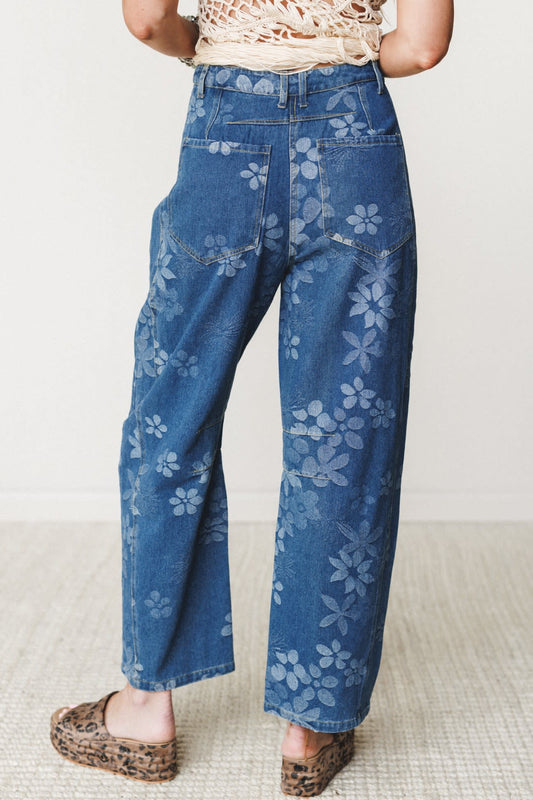
The Gen Z denim aesthetic revolves around freedom — freedom of fit, styling, and self-expression. Tight silhouettes have largely been replaced by oversized denim, relaxed-fit jeans, barrel-leg jeans, and wide-leg cuts that feel effortless rather than restrictive.
Many of these denim fit trends pull directly from nostalgic fashion trends of the late ‘90s and early 2000s.
Popular Gen Z Jeans Trends
- Low-rise jeans
- Cargo jeans
- Baggy jeans
- Dad jeans
- Flared jeans
- Slouchy jeans
- Vintage wash jeans
- Distressed denim
- Loose-fit jeans
- Wide-leg jeans
Social media fashion influence plays a massive role here. TikTok fashion trends move faster than traditional trend forecasting ever could, and Gen Z consumers are heavily influenced by street style denim looks, creator culture, and viral styling videos.
The rise of thrifted jeans and sustainable denim also reflects broader Gen Z values. Younger shoppers are increasingly moving away from overproduced fast fashion in favour of secondhand denim, vintage-inspired silhouettes, and more sustainable fashion choices.
A pair of oversized jeans styled with cropped layers from the tops collection instantly creates the relaxed, casual streetwear energy dominating modern Gen Z wardrobes.
Millennials and the Return of Structured Denim
Millennial jeans trends have evolved rather than disappeared. While Gen Z declared skinny jeans “over,” Millennials quietly adapted their wardrobes without completely abandoning structure.
Instead of ultra-tight silhouettes, many Millennials now favour:
- Straight-leg jeans
- High-waisted jeans
- Mom jeans
- Bootcut jeans
- Tailored denim
- Relaxed straight fits
The Millennial denim aesthetic focuses heavily on balance. Comfort-first fashion matters, but so does practicality. Many Millennials want jeans that work for brunch, offices, travel, and evenings out without requiring constant reinvention.
This explains the growing popularity of quiet luxury denim and minimalist denim styling. Clean lines, neutral tones, and timeless cuts dominate Millennial wardrobes far more than trend-heavy experimentation.
Pairing classic denim with elevated layers from the outerwear collection creates the polished but effortless look many Millennials now gravitate toward.
Baggy Jeans vs Skinny Jeans: Why the Debate Took Over Fashion
The internet transformed denim preferences into a generational battleground almost overnight. What started as harmless TikTok commentary evolved into one of fashion’s most talked-about debates.
But the reality is more nuanced than social media suggests.
Skinny jeans represented confidence and modernity for Millennials during the 2010s. They paired perfectly with ankle boots, oversized scarves, and fitted jackets — staples that defined Millennial style evolution.
Gen Z rejected those rigid formulas entirely.
Instead, younger consumers embraced oversized silhouettes inspired by skater culture, indie sleaze fashion, Y2K denim trends, and retro fashion trends. The shift toward comfort-first fashion accelerated after lockdowns, making loose-fit jeans and relaxed silhouettes even more desirable.
Still, the skinny jeans comeback is already quietly happening.
Fashion trend cycles rarely disappear permanently. Designers, influencers, and trend forecasters have already begun reintroducing slimmer denim silhouettes alongside baggier alternatives. Rather than one fit replacing another, denim culture is moving toward coexistence.
The Influence of Y2K Fashion and Social Media
No discussion about modern denim microtrends is complete without acknowledging the impact of Y2K fashion.
Gen Z didn’t invent these looks — they reinterpreted them.
Low-rise jeans, flared jeans, rhinestone details, oversized jackets, and exaggerated denim silhouettes all draw heavily from early-2000s celebrity fashion. Platforms like TikTok accelerated this revival by making trend discovery immediate and highly visual.
Brands once associated with earlier generations suddenly became relevant again through ironic styling and vintage appeal.
This resurgence also changed how consumers shop. Instead of building wardrobes around timeless basics alone, younger shoppers often create rotating aesthetics influenced by:
- Streetwear
- Indie sleaze
- Vintage denim trends
- Maximalist fashion
- Celebrity-inspired styling
- Gender-neutral fashion
- Fashion nostalgia
Accessories have become central to this styling approach too, with statement pieces from curated bags collections helping complete the layered, expressive Gen Z look.
Why Comfort Is Driving Every Denim Trend
Despite their differences, both generations are ultimately prioritising comfort more than previous fashion eras.
The definition of comfort, however, differs.
For Gen Z, comfort often means oversized silhouettes, movement, softness, and relaxed styling freedom. For Millennials, comfort frequently means dependable fits, stretch denim, and versatile wardrobe staples that simplify dressing.
This explains why relaxed-fit jeans are now one of the few universally accepted denim categories across generations.
Even active-inspired styling has crossed into denim culture, with off-duty looks increasingly paired with pieces from modern activewear collections.
The modern consumer no longer wants to choose between style and wearability. They expect both simultaneously.
The Rise of Denim Microtrends and Hyper-Personal Style
One of the biggest shifts in modern fashion is the move away from rigid trend rules. Instead of one dominant silhouette defining an entire generation, denim trends by generation now overlap constantly.
A Millennial might wear wide-leg jeans one day and slim straight-leg denim the next. A Gen Z shopper might pair oversized denim with a fitted vintage-inspired top that feels surprisingly refined. The boundaries are becoming increasingly blurred.
This is exactly why denim microtrends have exploded online.
Rather than committing to one aesthetic, consumers are building wardrobes around moods, occasions, and identity shifts. TikTok fashion trends accelerate this cycle daily, creating endless reinterpretations of familiar denim silhouettes.
The Most Influential Denim Microtrends Right Now
1. Quiet Luxury Denim
Driven heavily by Millennial consumers, quiet luxury denim focuses on understated quality over loud branding.
Key features include:
- Clean washes
- Structured denim
- Straight-leg jeans
- Tailored silhouettes
- Neutral styling
- Minimal distressing
The appeal lies in versatility. Quiet luxury styling works effortlessly with elevated staples from the accessories collection, creating polished outfits without looking overstyled.
2. Y2K Denim Revival
The 2000s fashion revival continues dominating Gen Z wardrobes, particularly through:
- Low-rise jeans
- Cargo jeans
- Flared jeans
- Vintage wash jeans
- Oversized denim
- Distressed denim
The resurgence of these nostalgic fashion trends is deeply tied to social media fashion influence. Gen Z consumers often discover older styles through archived celebrity photos, TikTok creators, and resale platforms like Depop and Poshmark.
The result feels less like direct imitation and more like remix culture.
3. Gender-Neutral Fashion and Relaxed Fits
Another major shift in modern denim culture is the rise of gender-neutral fashion. Traditional distinctions between “menswear” and “womenswear” silhouettes are becoming less relevant, especially among younger shoppers.
Loose-fit jeans, dad jeans, relaxed straight-leg cuts, and oversized jackets all fit naturally into this movement.
This preference for adaptable silhouettes also explains why casual pieces from the loungewear collection pair so seamlessly with contemporary denim styling.
How Social Media Changed Denim Forever
Fashion magazines once dictated denim fit trends months in advance. Today, trend cycles evolve in real time.
TikTok, Instagram, and creator-driven fashion content transformed how people discover jeans styles by age group. A single viral styling video can suddenly revive forgotten silhouettes overnight.
This shift dramatically affected Gen Z jeans trends in particular.
Unlike Millennials, who largely followed seasonal trend forecasting and celebrity fashion editorials, Gen Z grew up surrounded by algorithm-driven inspiration. Their fashion references are fragmented, fast-moving, and heavily personalised.
That’s why modern Gen Z style aesthetics often combine:
- Streetwear
- Vintage-inspired denim
- Indie sleaze fashion
- Skate culture
- Early-2000s glamour
- Minimalist basics
- Maximalist layering
The internet essentially collapsed decades of fashion history into one constantly evolving visual archive.
Denim is no longer trend-led in a traditional sense. It’s identity-led.
Why Millennials Still Love High-Waisted Jeans
While Gen Z experiments with low-rise silhouettes and oversized proportions, Millennials continue gravitating toward high-waisted jeans for practical reasons beyond aesthetics.
For many Millennials, these styles became foundational wardrobe staples during a major cultural shift toward body positivity and more inclusive denim sizing.
High-waisted fits offer:
- Structure
- Versatility
- Comfort
- Easy layering
- Transitional styling
- Everyday wearability
They also align naturally with capsule wardrobe jeans strategies, where consumers prioritise fewer but more functional wardrobe pieces.
This practicality extends into footwear choices too. Many Millennials still style denim around ankle boots, loafers, and clean trainers, making streamlined pieces from curated shoes collections an essential finishing detail.
The Skinny Jeans Comeback Nobody Expected
Fashion history shows that no trend disappears forever.
Although skinny jeans became heavily associated with “cheugy fashion” jokes online, the industry has already begun shifting again. Designers are slowly reintroducing slimmer denim silhouettes alongside wider cuts, particularly through indie sleaze fashion revivals.
But the new skinny jean revival looks different from the ultra-tight styles of the early 2010s.
Modern interpretations tend to feature:
- Softer fabrics
- Relaxed stretch
- Slightly looser ankles
- Mid-rise fits
- Minimal distressing
- More balanced proportions
Instead of dominating wardrobes entirely, skinny jeans are returning as one option among many.
This reflects a broader cultural shift away from rigid fashion rules. Consumers no longer feel pressured to follow one universal denim silhouette.
Sustainability Is Reshaping Denim Preferences
Another major difference between generations lies in how they approach consumption itself.
Gen Z shoppers are significantly more likely to prioritise sustainable denim, secondhand shopping, and conscious purchasing decisions. Vintage denim trends thrive partly because younger consumers value uniqueness and sustainability simultaneously.
Thrifted jeans have become fashion statements rather than budget compromises.
Millennials also increasingly value sustainability, though their approach often focuses more on investment dressing — purchasing fewer, higher-quality staples that last longer.
This shared move away from disposable fashion is influencing everything from fabric sourcing to fit design.
Modern denim shoppers now care about:
| Consumer Priority | Growing Importance |
|---|---|
| Sustainable fashion | High |
| Longevity | High |
| Versatility | High |
| Comfort-first fashion | High |
| Ethical production | Growing |
| Inclusive sizing | Essential |
| Timeless styling | Increasing |
This evolution is pushing brands to create denim that balances trend relevance with long-term wearability.
The Evolution of Occasion Dressing
One of the most interesting changes in denim culture is how jeans are now worn almost everywhere.
Previous generations often separated “casual” clothing from elevated dressing. Today, that line barely exists.
Gen Z might style oversized jeans with heels and a fitted top for evening wear, while Millennials often combine tailored denim with refined layering for office-to-dinner versatility.
This crossover between comfort and occasion dressing has made denim one of fashion’s most flexible categories.
Even categories traditionally separate from denim styling — including resortwear and holiday fashion — now overlap more naturally. Relaxed denim shorts and oversized shirts pair effortlessly with pieces from contemporary swimwear collections, particularly during summer styling seasons.
Why Vintage Denim Trends Keep Returning
Vintage denim trends continue resurfacing because denim itself naturally improves with age. Fading, distressing, and lived-in textures all contribute to authenticity — something modern consumers increasingly value.
Unlike fast-moving microtrends, vintage-inspired denim carries emotional weight. It connects wearers to nostalgia, individuality, and cultural memory.
This explains why brands like Levi’s and Wrangler remain culturally relevant despite constantly shifting trends.
Consumers are no longer simply buying jeans.
They’re buying identity, comfort, nostalgia, and self-expression all at once.
Denim Silhouettes Are Becoming More Inclusive
One of the most positive developments in modern fashion is the expansion of inclusive denim styling. The old idea that only certain body types could wear certain jeans is gradually disappearing.
Both Gen Z and Millennials are helping push this change forward, although in different ways.
Gen Z style aesthetics tend to reject traditional fashion “rules” altogether. Oversized denim, slouchy jeans, barrel-leg jeans, and relaxed silhouettes intentionally move away from body-contouring expectations. Styling is often rooted in comfort, experimentation, and confidence rather than rigid fit standards.
Millennials, meanwhile, helped normalise high-waisted jeans, mom jeans, and structured denim that offered more flexibility and accessibility compared to the ultra-low-rise styles that dominated earlier fashion eras.
The result is a far more inclusive denim landscape than existed even a decade ago.
Modern denim styling now embraces:
- Curvier fits
- Relaxed tailoring
- Oversized proportions
- Stretch denim
- Gender-neutral fashion
- Adaptive silhouettes
- Comfort-first construction
This wider approach to fit and styling makes fashion feel significantly more personal — and far less restrictive.
Collections like modern plus-size clothing apparel reflect how inclusivity has become central to contemporary fashion rather than an afterthought.
The Influence of Streetwear on Modern Denim
Streetwear fundamentally reshaped how younger generations approach jeans.
For Gen Z especially, casual streetwear blurred the lines between comfort, luxury, vintage fashion, and self-expression. Oversized denim, relaxed-fit jeans, cargo silhouettes, and distressed denim all owe part of their popularity to skate culture, hip-hop influence, and street style evolution.
Luxury brands also accelerated this shift.
Fashion houses like Balenciaga and Miu Miu transformed exaggerated denim silhouettes into aspirational runway pieces, while vintage-inspired styling spread rapidly across social media. Suddenly, oversized jeans weren’t just casual — they became fashion-forward.
This trickle-down effect changed mainstream shopping habits entirely.
Even everyday denim outfit ideas now frequently incorporate:
- Chunky footwear
- Layered outerwear
- Crossbody bags
- Vintage-inspired accessories
- Oversized proportions
- Relaxed tailoring
Streetwear influence also contributed to the popularity of practical styling. Functional pieces such as cargo jeans and oversized pockets align with modern consumers’ preference for utility-driven fashion.
The Psychology Behind Denim Preferences
The conversation around How Gen Z and Millennials Are Styling Jeans Differently ultimately goes deeper than aesthetics alone.
Different denim preferences often reflect broader emotional and cultural experiences.
Millennials Often Value:
- Reliability
- Versatility
- Structured silhouettes
- Capsule wardrobe dressing
- Timeless styling
- Quiet luxury aesthetics
Gen Z Often Prioritises:
- Individuality
- Experimentation
- Comfort
- Nostalgia
- Trend fluidity
- Identity expression
Neither approach is inherently better. They simply reflect different cultural moments.
Millennials experienced fashion during an era of aspirational polish and heavily curated social media imagery. Gen Z grew up during an age of internet irony, hyper-personalisation, and rapid trend turnover.
That contrast explains why the same pair of jeans can feel either timeless or outdated depending on the wearer’s perspective.
Modern denim trends are less about age and more about personal identity, lifestyle, and how people want to feel in their clothes.
Why the Future of Denim Will Be More Flexible
The future of denim trends by generation likely won’t revolve around one dominant fit replacing another.
Instead, fashion is moving toward flexibility.
Consumers now expect wardrobes to accommodate multiple moods, aesthetics, and occasions simultaneously. One person might own straight-leg jeans for work, oversized denim for weekends, and tailored silhouettes for evenings out.
This shift is already changing how brands design collections.
The most successful denim today balances:
- Comfort
- Versatility
- Wearability
- Sustainability
- Trend relevance
- Individual styling freedom
The rise of capsule wardrobes alongside trend experimentation proves that consumers want options rather than restrictions.
This is also why accessories and styling layers matter more than ever. A simple denim outfit can completely transform depending on footwear, jewellery, layering pieces, or statement bags.
Minimalist outfits can be elevated with curated pieces from the bags collection, while oversized streetwear-inspired denim looks often gain structure through carefully styled accessories.
Denim Styling Tips That Work Across Generations
While trends continue evolving, certain styling principles consistently work regardless of generation.
Build Around Silhouette Balance
If your jeans are oversized or wide-leg, pair them with more structured layers. If your denim is fitted, looser outerwear often creates a more modern shape.
Focus on Comfort
Comfort-first fashion is no longer optional. Whether styling mom jeans, cargo jeans, or straight-leg denim, wearability matters just as much as aesthetics.
Use Denim as a Foundation
The most versatile wardrobes treat denim as a styling base rather than the entire statement. Layering with elevated basics creates longer-lasting outfits that survive trend cycles.
Experiment Without Overcommitting
Fashion microtrends move quickly. Instead of rebuilding your wardrobe every season, introduce trend-led pieces gradually through styling details or accessories.
Ignore Arbitrary Fashion Rules
The idea that certain generations “can’t” wear certain denim silhouettes is rapidly disappearing. Great style is far more about confidence and personal expression than age demographics.
Final Thoughts
The debate around baggy jeans vs skinny jeans may have started online as playful generational commentary, but it evolved into something much larger.
Denim now represents:
- Identity
- Nostalgia
- Cultural influence
- Comfort
- Sustainability
- Individuality
- Social media influence
- Personal confidence
Gen Z jeans trends continue embracing oversized silhouettes, Y2K fashion, relaxed-fit jeans, and experimental styling rooted in creativity and nostalgia. Millennial jeans trends increasingly focus on versatility, structured denim, minimalist styling, and timeless wardrobe foundations.
Yet despite their differences, both generations are ultimately moving toward the same goal: wearing jeans that feel authentic to who they are.
Fashion trend cycles will continue evolving. Skinny jeans may return. Oversized denim may dominate for years. New denim silhouettes will emerge, disappear, and resurface again.
But the biggest shift is already here.
People no longer dress purely to follow trends.
They dress to express themselves.
And denim remains one of the most powerful ways to do it.
Frequently Asked Questions About How Gen Z and Millennials Are Styling Jeans Differently
1. Why do Gen Z prefer baggy jeans over skinny jeans?
Gen Z generally prioritises comfort-first fashion, freedom of movement, and relaxed styling aesthetics. Baggy jeans, oversized denim, and loose-fit silhouettes also align with current Y2K fashion revivals and streetwear influence, making them feel more contemporary to younger consumers.
2. Are skinny jeans completely out of style?
No. While oversized denim currently dominates many Gen Z jeans trends, skinny jeans are slowly re-emerging through indie sleaze fashion and modern minimalist styling. Fashion trend cycles rarely disappear permanently, and slimmer denim silhouettes are already making a gradual comeback.
3. What jeans styles are most popular with Millennials right now?
Millennial jeans trends currently lean toward:
- Straight-leg jeans
- Mom jeans
- High-waisted jeans
- Relaxed straight fits
- Bootcut jeans
- Tailored denim
Many Millennials now prefer versatile denim that works across casual and elevated settings.
4. Why are low-rise jeans trending again?
Low-rise jeans are heavily connected to the ongoing 2000s fashion revival. Gen Z consumers have reintroduced these silhouettes through TikTok fashion trends, vintage-inspired styling, and nostalgic celebrity fashion references from the early 2000s.
5. How has TikTok influenced denim trends?
TikTok accelerated fashion microtrends dramatically. Viral styling videos, outfit inspiration, and creator-led fashion content constantly reshape which denim silhouettes gain popularity. This has made trend cycles much faster and more experimental than previous generations experienced.
6. What is the difference between Gen Z and Millennial denim aesthetics?
The Gen Z denim aesthetic typically focuses on oversized silhouettes, relaxed fits, experimental layering, and nostalgic Y2K-inspired styling. The Millennial denim aesthetic usually favours structured denim, minimalist styling, capsule wardrobe pieces, and polished versatility.
7. Are mom jeans still fashionable?
Yes. Mom jeans remain one of the most versatile denim styles across multiple age groups. Their high-waisted fit, comfort, and timeless structure make them popular within both Millennial style evolution and modern Gen Z outfit styling.
8. Why is sustainable denim becoming more important?
Both Gen Z and Millennials are becoming increasingly conscious of sustainability, though Gen Z tends to lead secondhand denim and thrifted fashion movements. Consumers now place greater importance on ethical production, longevity, and reducing fast fashion consumption.
9. What are the best jeans for creating a capsule wardrobe?
Straight-leg jeans, high-waisted denim, relaxed-fit jeans, and dark-wash tailored styles are often considered the best jeans for capsule wardrobes because they transition easily between casual, workwear, and elevated outfits.
10. Will oversized denim eventually go out of fashion?
Oversized denim trends may evolve, but relaxed silhouettes are likely to remain influential because consumers increasingly value comfort and versatility. Fashion cycles continuously rotate, meaning slimmer fits and oversized styles will probably coexist rather than fully replace one another.