
Are You Shopping for Your Real Life or Fantasy Wardrobe?
Your wardrobe should support your life, not an imaginary version of it. Too often, emotional shopping, aspirational fashion, and trend fantasy lead to closets packed with unworn clothes and “just-in-case” outfits that never leave the hanger. This guide explores the difference between a fantasy wardrobe and a real life wardrobe, how shopping psychology shapes buying habits, and why intentional shopping creates more confidence, style clarity, and wardrobe satisfaction. From capsule wardrobe thinking to practical style choices, this article will help you build a realistic wardrobe filled with clothes you actually wear.
Are You Shopping for Your Real Life or Fantasy Wardrobe?
There’s a strange disconnect many people experience while shopping for clothes.
You walk into a store convinced you’re building a wardrobe for your everyday life, but somehow you leave with a sequined dress for imaginary rooftop parties, towering heels for events you never attend, or structured blazers that belong to a version of yourself who definitely wakes up at 5 a.m. and drinks green juice before meetings.
Meanwhile, the clothes you actually wear every week are nowhere to be found.
That’s the difference between a fantasy wardrobe and a real life wardrobe.
A fantasy wardrobe is built around aspiration. A real life wardrobe is built around reality, routine, comfort, confidence, and personal aesthetic alignment. One creates wardrobe overwhelm. The other creates ease.
And most people are unknowingly shopping for their imaginary life.
The Psychology Behind Fantasy Shopping
Fantasy self shopping often feels exciting in the moment because it taps into identity, possibility, and emotion.
You’re not just buying clothing.
You’re buying:
- the life you wish you lived
- the person you wish you were
- the habits you hope to adopt
- the confidence you think clothing will unlock
This is why emotional shopping and aspirational purchasing can feel so addictive. Fashion psychology is deeply tied to self-image and fashion identity. Clothes become symbols of reinvention.
But eventually, reality catches up.
The glitter boots stay boxed.
The uncomfortable dress remains unworn.
The dramatic coat only works for climates you don’t live in.
And suddenly your closet is full, but your wardrobe feels empty.
A closet full of clothes and nothing to wear is rarely a clothing problem. It’s usually a lifestyle mismatch wardrobe problem.
Signs You’re Dressing for an Imaginary Version of Yourself
Aspirational style isn’t inherently bad. Fashion should inspire creativity and self-expression through style. The problem begins when your shopping habits become disconnected from your actual routine.
Here are some of the clearest signs you may be shopping for your fantasy self instead of dressing for your real life:
You Own Clothes for Events That Never Happen
Your wardrobe contains:
- “vacation outfits” for trips you haven’t booked
- officewear despite working remotely
- party dresses for social events you avoid
- gym outfits bought for motivation rather than movement
This creates emotional wardrobe clutter and wardrobe guilt because every unworn item becomes a reminder of an idealized self.
You Ignore the Clothes You Actually Wear
Most people repeatedly wear the same few wardrobe staples:
- comfortable basics
- versatile layers
- reliable denim
- effortless dresses
- functional footwear
Yet these are often the categories people neglect while chasing trend fantasy pieces.
A wearable wardrobe starts by identifying your outfit repeaters and building around them.
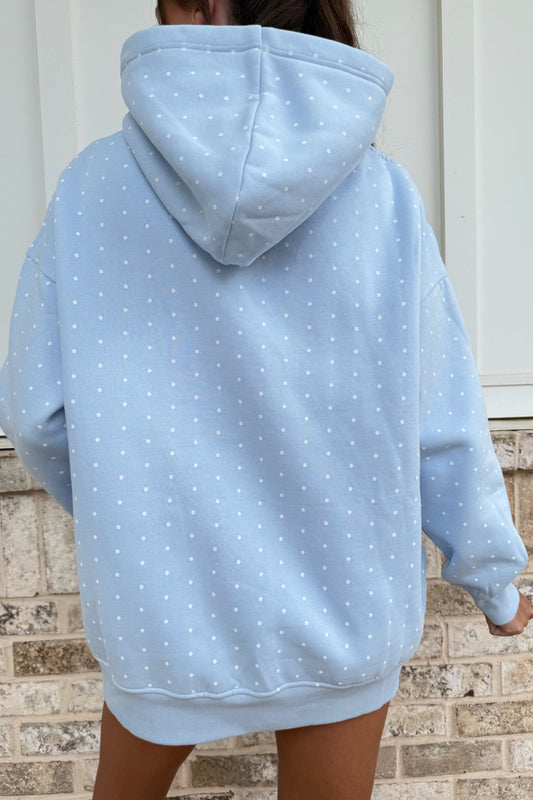
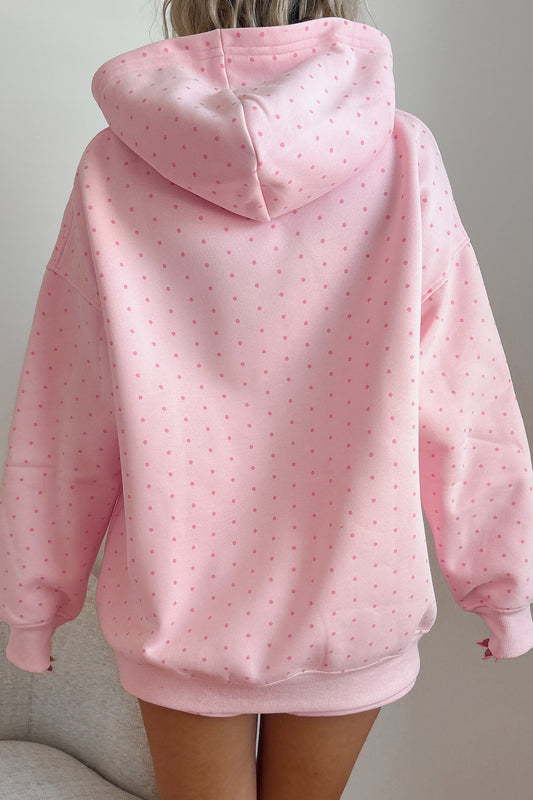
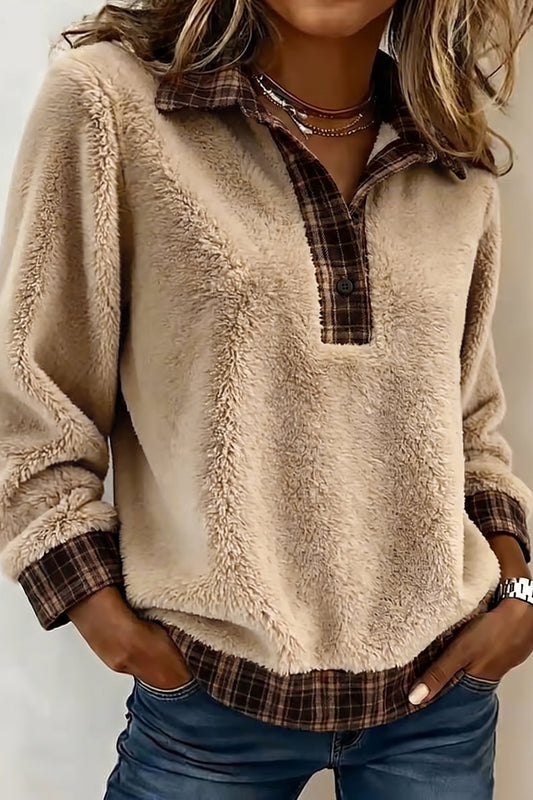
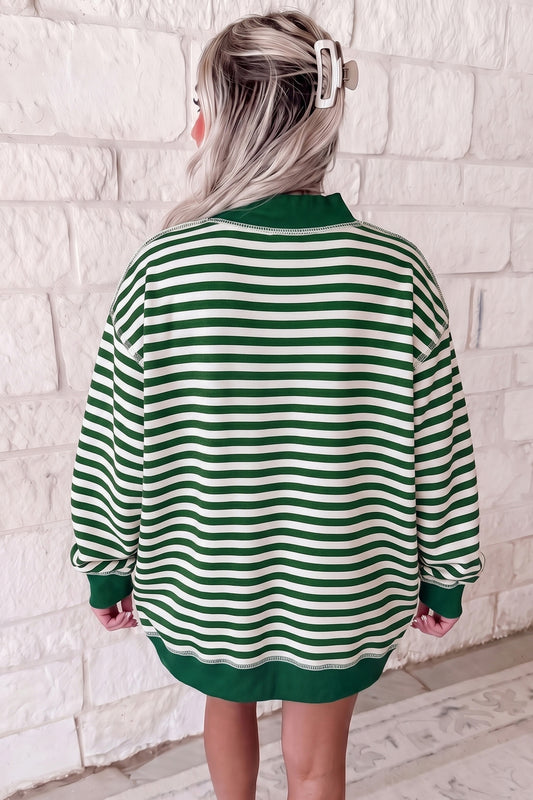
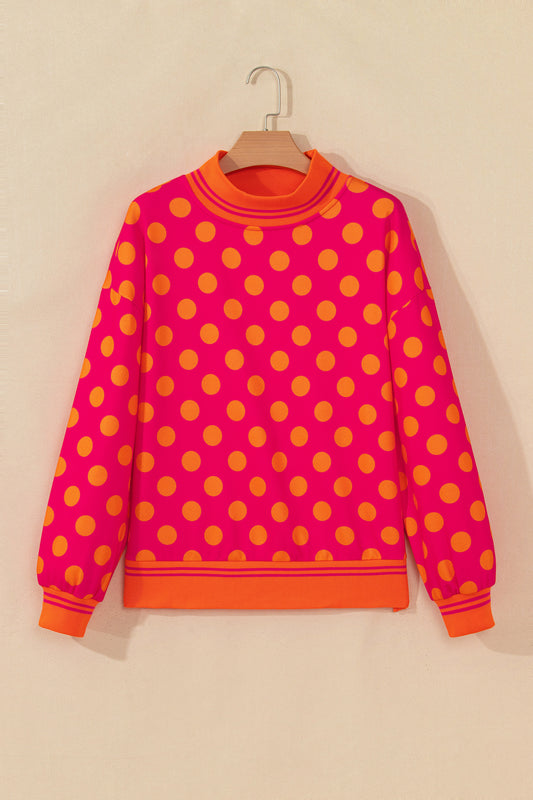
For example, a collection of versatile tops that layer easily into everyday style will almost always serve your wardrobe better than statement items bought for one imaginary occasion.
The Rise of Aspirational Fashion and Overconsumption
Social media has amplified fantasy dressing dramatically.
Platforms filled with curated aesthetics encourage people to create wardrobes for:
- coastal grandmother lifestyles
- quiet luxury fantasies
- hyper-feminine Pinterest wardrobes
- “clean girl” identities
- minimalist Scandinavian aesthetics
- romanticized European summers
The issue isn’t inspiration itself.
The issue is identity-based shopping without self-awareness.
You start buying clothes for:
- the aesthetic
- the fantasy
- the imagined lifestyle
- the aspirational identity
Instead of buying clothes that fit your actual day-to-day life.
This cycle contributes heavily to fashion overconsumption and compulsive shopping. It also creates closet paralysis because nothing feels cohesive when every purchase belongs to a different version of you.
Why a Realistic Wardrobe Creates More Confidence
Ironically, confidence dressing rarely comes from dramatic trend pieces.
It comes from consistency.
When you develop a realistic wardrobe based on lifestyle dressing and authentic style, everything becomes easier:
- getting dressed takes less time
- outfits feel more natural
- shopping becomes intentional
- wardrobe planning feels clearer
- personal style evolves organically
A wardrobe that works doesn’t need to be boring.
It simply needs to reflect your actual life.
That could mean:
- elevated basics
- practical elegance
- relaxed tailoring
- comfortable silhouettes
- mix-and-match wardrobe pieces
- clothes that move easily between settings
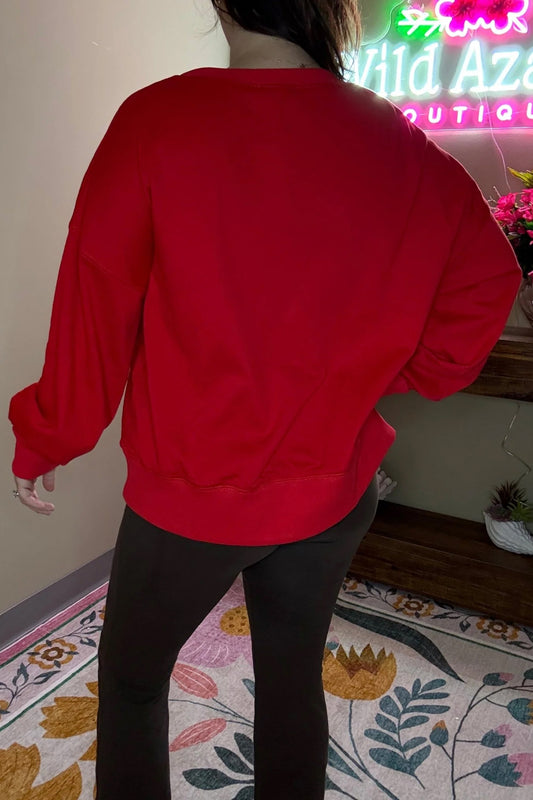
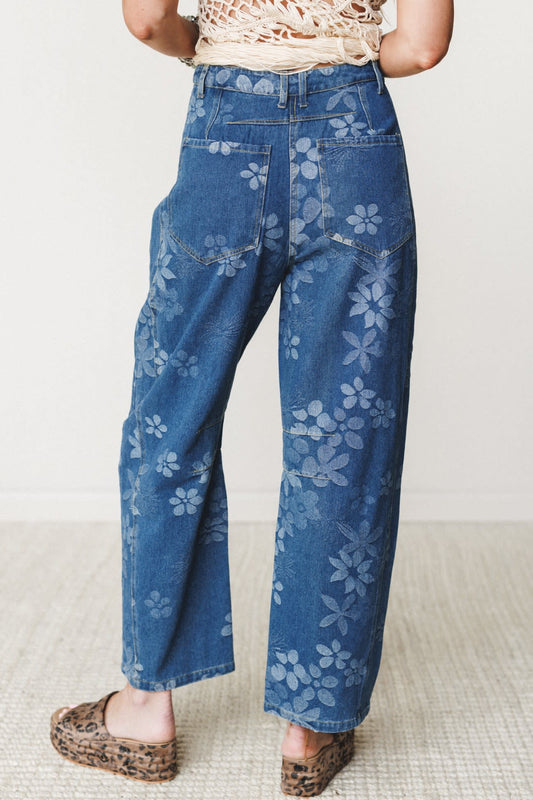
A thoughtfully curated selection of bottoms paired with adaptable wardrobe essentials often creates more outfit possibilities than a closet full of impulse purchases.
Dressing the Body You Have Now
One of the most overlooked aspects of wardrobe psychology is body acceptance.
Many people unknowingly shop for an imaginary figure rather than dressing their current body with confidence and realism.
This leads to:
- unrealistic expectations
- wardrobe dissatisfaction
- poor fit choices
- emotional attachment to clothes that no longer serve them
Building a realistic wardrobe means embracing self-acceptance and dressing the body you have now, not waiting for some future version of yourself to “deserve” better style.
That’s where flattering silhouettes and practical style matter most.
Whether it’s fluid dresses, relaxed layering, or confidence-focused fits, the goal is not perfection. The goal is wardrobe functionality and authentic self-expression.
Your Lifestyle Should Dictate Your Wardrobe
One of the easiest ways to create style clarity is to audit your actual routine.
Ask yourself:
- What do I wear most often?
- What clothes make me feel comfortable and confident?
- What items do I repeatedly reach for?
- Which purchases still have tags attached?
- What percentage of my wardrobe fits my real schedule?
If your life mostly consists of:
- school runs
- coffee meetings
- remote work
- errands
- casual dinners
- weekend activities
…then your intentional wardrobe should support those realities.
Not an imagined fashion fantasy built around runway aesthetics or aspirational consumerism.
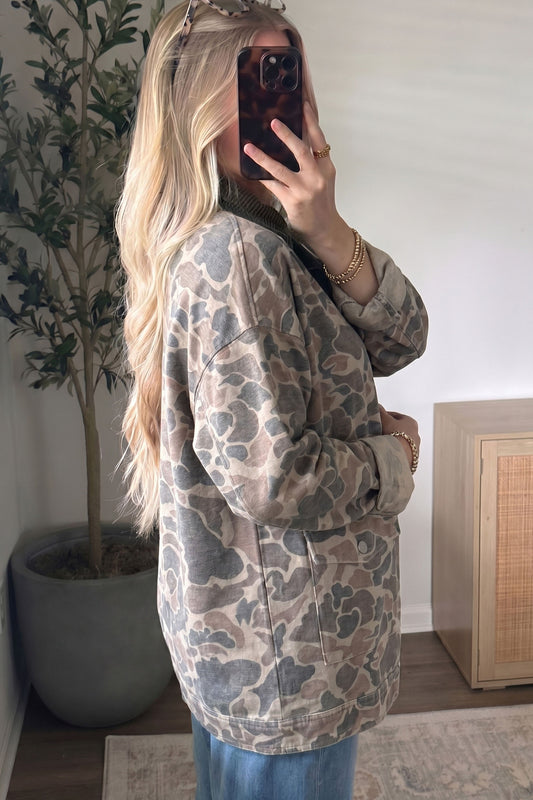
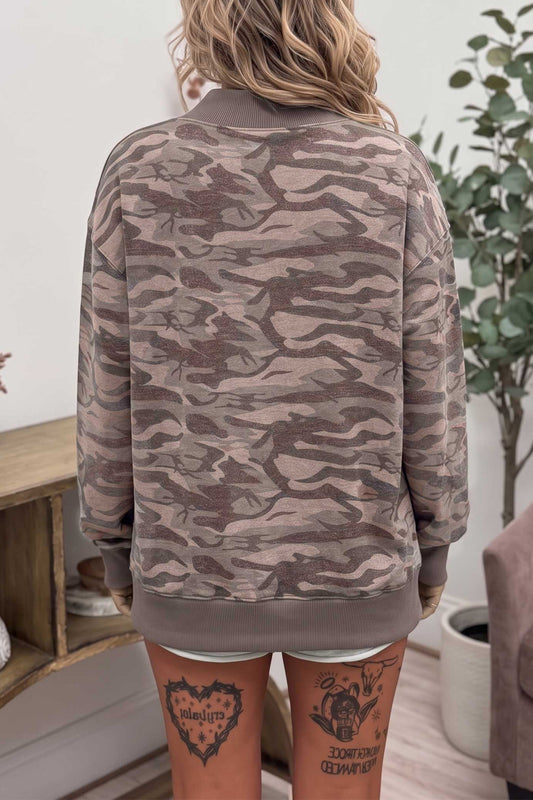
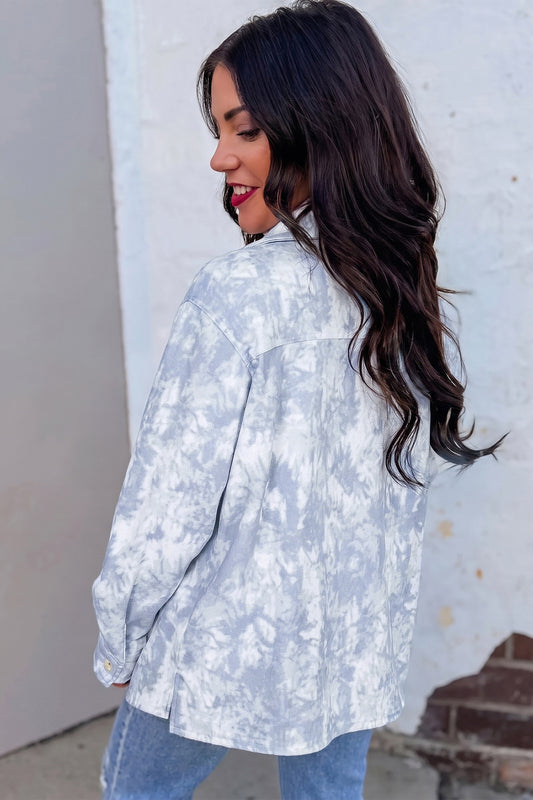
That’s why functional layers and adaptable pieces like lightweight outerwear often become the true building blocks of a wardrobe you genuinely enjoy wearing.
The Emotional Cost of Shopping for Dopamine
Impulse buying is often less about fashion and more about emotional regulation.
Shopping temporarily creates:
- excitement
- novelty
- validation
- distraction
- optimism
But shopping for dopamine rarely creates long-term wardrobe satisfaction.
Instead, it creates:
- unworn clothes
- financial guilt
- style confusion
- closet clutter
- fashion burnout
Intentional shopping asks a different question:
“Does this belong in my real life wardrobe, or only in my fantasy self’s wardrobe?”
That single mindset shift can completely transform your relationship with clothing.
How to Build a Wardrobe That Reflects Your Actual Life
Once you recognize the gap between your fantasy self and your real routine, the next step is rebuilding your wardrobe with intention instead of impulse.
This doesn’t mean eliminating creativity or abandoning personal style. It means creating wardrobe cohesion between who you are, how you live, and what you genuinely enjoy wearing.
A realistic wardrobe should feel:
- effortless
- adaptable
- comfortable
- expressive
- functional
- sustainable
Most importantly, it should support your lifestyle rather than compete with it.
Start With a Wardrobe Audit
Before buying anything new, spend time understanding what already exists in your closet.
A proper wardrobe edit is less about decluttering clothes aggressively and more about identifying patterns.
Pay attention to:
- what you wear weekly
- what stays untouched
- what no longer fits your lifestyle
- what makes you feel confident
- what feels performative instead of authentic
You’ll quickly notice that many unworn clothes were bought for emotional reasons rather than practical ones.
Common examples include:
- “goal weight” clothing
- trend-driven purchases
- occasionwear for imaginary events
- uncomfortable shoes bought purely for aesthetics
- aspirational fashion inspired by influencers with entirely different lifestyles
This process creates wardrobe mindfulness and helps separate authentic style from fantasy dressing.
Build Around Versatile Foundations
The strongest wardrobes are usually built from reliable foundations rather than endless statement pieces.
A practical capsule wardrobe prioritizes:
- versatile pieces
- outfit repetition
- layering potential
- comfort
- longevity
- realistic styling
That doesn’t mean every outfit has to look minimalist or neutral. It simply means every item should integrate naturally into your daily life.
For example, comfortable shoes that work across multiple settings will often deliver more value than trend-driven pairs worn once and forgotten.
Likewise, functional bags that suit your routine help create wardrobe functionality while still contributing to style identity.
Stop Buying for “Someday”
One of the biggest contributors to closet overwhelm is buying clothing tied to hypothetical futures.
People often purchase items for:
- future vacations
- future confidence
- future careers
- future bodies
- future social lives
But building a wardrobe around imaginary circumstances disconnects you from your current reality.
Intentional wardrobe shopping asks:
- Would I wear this next week?
- Does this suit my actual routine?
- Can I style this easily with what I already own?
- Does this reflect my real personality?
If the answer is consistently “not yet,” it may belong to your aspirational wardrobe rather than your real one.
Why Personal Style Matters More Than Trends
Trend cycles move faster than ever.
One month it’s quiet luxury. The next it’s maximalism. Then suddenly everyone is dressing for an aesthetic they discovered three days earlier on social media.
This constant exposure creates style confusion and fashion identity fatigue.
The result?
People stop dressing authentically and start performing style instead.
Personal style should never feel like costume design.
True style confidence comes from:
- understanding your preferences
- recognizing flattering silhouettes
- dressing your proportions
- embracing comfort
- creating consistency
- allowing style evolution naturally
That’s why timeless wardrobe pieces generally outlast trend fantasy purchases.
A curated collection of adaptable accessories can refresh existing outfits repeatedly without requiring constant over-shopping or wardrobe reinvention.
The Difference Between Inspiration and Imitation
There’s nothing wrong with enjoying fashion inspiration.
The problem begins when inspiration becomes comparison.
Social media often promotes highly curated aesthetics that look beautiful online but function poorly in real life. Aesthetic dressing can easily turn into aspirational consumerism when every purchase is tied to becoming someone else.
You don’t need:
- a different personality
- a different body
- a different lifestyle
- a different social circle
…to develop authentic style.
You simply need clothes that align with your real habits, preferences, and environment.
This is where conscious wardrobe building becomes powerful. It shifts fashion away from performance and back toward self-expression through style.
Creating a Wearable Wardrobe for Different Seasons of Life
Your style identity should evolve with your lifestyle.
A wardrobe that worked five years ago may no longer reflect:
- your schedule
- your priorities
- your body
- your confidence
- your daily activities
That’s normal.
Many people hold onto outdated versions of themselves through clothing, creating emotional attachment to pieces that no longer belong in their current life.
A healthy wardrobe refresh allows space for evolving identity without guilt.
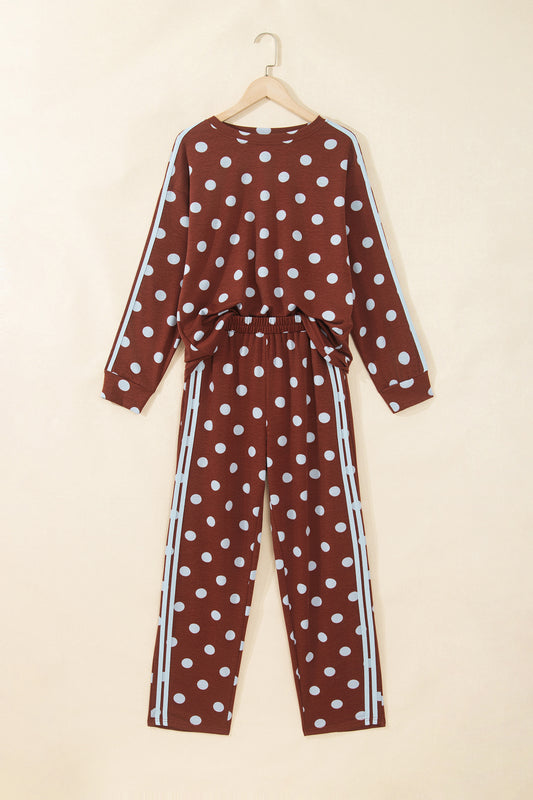
For some people, that means leaning into comfort and practicality through elevated loungewear.
For others, it means embracing movement-friendly activewear that genuinely fits their routine rather than existing as motivational clutter.
The key is alignment.
Capsule Wardrobes Are About Clarity, Not Restriction
The internet often treats capsule wardrobes as rigid systems filled with beige basics and strict item counts.
In reality, a capsule wardrobe is simply a curated closet built with intentionality.
It prioritizes:
- fewer better clothes
- wardrobe cohesion
- mix-and-match potential
- realistic outfit combinations
- mindful consumption
- practical elegance
A capsule wardrobe can still include:
- color
- texture
- personality
- trend elements
- expressive styling
The difference is that every item earns its place.
Instead of shopping for an imagined lifestyle, you build a realistic style system around the life you already live.
How to Stop Impulse Clothing Purchases
Impulse buying thrives when shopping lacks purpose.
One of the easiest ways to reduce compulsive shopping is to create personal buying rules.
For example:
- Wait 24 hours before purchasing.
- Build outfits before buying single items.
- Avoid buying for fantasy occasions.
- Prioritize wardrobe gaps over trends.
- Focus on versatility first.
- Buy with your existing closet in mind.
This approach supports intentional fashion while reducing emotional shopping habits.
It also creates greater wardrobe satisfaction because every purchase becomes useful rather than aspirational clutter.
Style Authenticity Is More Powerful Than Perfection
One of the biggest misconceptions in fashion is that style requires transformation.
It doesn’t.
You do not need to reinvent yourself every season to look stylish.
In fact, the most compelling wardrobes are usually the ones rooted in authenticity rather than performance.
A person wearing clothes that genuinely suit their life almost always appears more confident than someone chasing every new trend fantasy.
Style over perfection means:
- dressing for yourself
- choosing comfort without sacrificing aesthetics
- embracing wardrobe repetition
- building confidence gradually
- creating consistency instead of chaos
And often, that’s where true personal style begins.
The Myth of the Perfect Wardrobe
Many people spend years chasing the idea of a “perfect” wardrobe without ever feeling satisfied.
Why?
Because perfection in fashion is usually tied to fantasy.
The perfect wardrobe often exists in an imagined lifestyle where:
- every outfit is photogenic
- every purchase feels transformative
- every trend somehow works effortlessly
- every day justifies a brand-new look
Real life doesn’t work like that.
Most people repeat outfits.
Most people prioritize comfort.
Most people need practical clothing more often than dramatic statement pieces.
And there’s nothing uninspiring about that.
In fact, a wardrobe built around real life tends to feel more luxurious because it removes the stress of constant reinvention.
Your Best Outfits Are Probably the Simplest Ones
Think about the clothes you wear on your best days.
They’re rarely the most complicated items in your wardrobe.
Usually, they’re pieces that:
- fit properly
- feel comfortable
- suit your routine
- reflect your personality
- work without effort
That’s the difference between a wearable wardrobe and a style fantasy.
The goal isn’t to own more clothes.
The goal is to own more useful clothes.
A practical wardrobe filled with versatile pieces creates far more freedom than a cluttered closet built on aspirational identity.
How Fashion Overconsumption Creates Style Confusion
One overlooked effect of over-shopping is decision fatigue.
When your wardrobe contains too many disconnected styles, trends, and impulse purchases, getting dressed becomes harder rather than easier.
This often leads to:
- wardrobe anxiety
- outfit frustration
- closet paralysis
- emotional detachment from clothing
- constant feelings of “having nothing to wear”
Fashion overconsumption creates noise.
Intentional dressing creates clarity.
That’s why mindful shopping and wardrobe planning matter so much. They reduce unnecessary purchases while strengthening your understanding of your own style personality.
Shopping Smart Doesn’t Mean Losing Creativity
There’s a misconception that realistic fashion choices are somehow boring.
But building a real life wardrobe doesn’t mean removing individuality.
It means becoming more selective.
When you stop buying random trend pieces for your fantasy self, you create more room for:
- thoughtful styling
- wardrobe cohesion
- signature details
- intentional color palettes
- meaningful statement pieces
Creativity thrives when your wardrobe works together.
Even bold fashion choices become easier to wear when they integrate naturally into your everyday style instead of sitting isolated in your closet.
Sustainable Style Starts With Self-Awareness
Sustainable style isn’t only about fabrics or production methods.
It also involves buying clothes with purpose.
One of the biggest drivers of waste in fashion is aspirational purchasing — buying clothing for a life that never materializes.
That’s why anti-overconsumption fashion starts with honest self-reflection.
Ask yourself:
- Do I genuinely wear clothes like this?
- Does this suit my real schedule?
- Am I buying this for my current self or my idealized self?
- Will this still feel relevant in six months?
- Can I realistically style this multiple ways?
Shopping with self-awareness naturally leads to:
- fewer impulse purchases
- greater wardrobe satisfaction
- stronger personal style
- more intentional fashion habits
It also creates a more sustainable relationship with clothing overall.
Dressing for Your Real Life Is an Act of Confidence
There’s something quietly powerful about dressing for the life you actually live.
Not the life social media tells you to want.
Not the fantasy version of yourself you think you should become.
Not the imagined lifestyle attached to aesthetic trends.
Your real life deserves style too.
The coffee runs.
The busy mornings.
The casual dinners.
The weekend errands.
The long workdays.
The ordinary moments.
A wardrobe should support those experiences rather than making you feel inadequate for not living inside a curated Pinterest board.
That’s where authentic self-expression becomes far more valuable than imitation.
Confidence Comes From Alignment
True wardrobe confidence usually appears when three things align:
- Your clothing
- Your lifestyle
- Your identity
When those elements work together, getting dressed becomes intuitive instead of stressful.
You stop:
- shopping for validation
- chasing every trend
- buying “just in case” outfits
- holding onto clothes that no longer fit your life
And you start:
- dressing authentically
- shopping intentionally
- repeating outfits confidently
- understanding your style clearly
- building a wardrobe that genuinely serves you
That’s the foundation of a realistic wardrobe.
A Real Life Wardrobe Evolves With You
Your wardrobe should never feel frozen in time.
As your life changes, your clothing needs naturally shift too.
That evolution might involve:
- prioritizing comfort differently
- simplifying your style
- experimenting more confidently
- embracing practical elegance
- letting go of outdated fashion identities
And that’s healthy.
Style evolution is not inconsistency.
It’s self-awareness.
The goal is not to become someone else through clothing.
The goal is to feel more like yourself inside the clothes you already own.
Final Thoughts
A fantasy wardrobe promises transformation.
A real life wardrobe offers something far more valuable: ease, confidence, clarity, and authenticity.
When you stop shopping for your imaginary life, you make space for clothing that genuinely supports your current one.
That doesn’t mean abandoning creativity or ambition. It simply means grounding your style in reality instead of aspiration alone.
Because the most stylish wardrobes are rarely the most excessive.
They’re the ones filled with:
- clothes you actually wear
- silhouettes that make you feel good
- pieces that suit your lifestyle
- outfits that reflect your personality
- purchases made with intention rather than impulse
And ultimately, that’s what creates lasting style confidence.
Building a Wardrobe That Works for You
Whether you’re refining your signature style, creating a capsule wardrobe, or simply trying to stop shopping for clothes you never wear, the key is intentionality.
Explore thoughtfully designed essentials, wearable silhouettes, and versatile styling pieces at Hanna Banna Clothing.
You can also browse:
A wardrobe that works doesn’t need to be perfect.
It just needs to feel like you.
Frequently Asked Questions About Shopping for Your Real Life vs Fantasy Wardrobe
1. What is the difference between a fantasy wardrobe and a realistic wardrobe?
A fantasy wardrobe is built around an imagined lifestyle, aspirational identity, or trend fantasy rather than your actual daily routine. A realistic wardrobe focuses on clothes you genuinely wear, practical style choices, and pieces that support your real life. The difference often comes down to functionality, comfort, and lifestyle alignment.
2. Why do people buy clothes they never wear?
People often engage in emotional shopping or aspirational purchasing because clothing can symbolize transformation, confidence, or future goals. Many unworn clothes are tied to an idealized self rather than current lifestyle needs, which is why closets become filled with “just-in-case” outfits and impulse purchases.
3. How can I tell if I’m shopping emotionally?
Signs of emotional shopping include:
- impulse buying during stress or boredom
- purchasing items without outfit planning
- buying trends you normally wouldn’t wear
- chasing temporary dopamine from shopping
- repeatedly buying similar items
- feeling regret or guilt after purchases
Shopping with intention usually feels calmer and more deliberate.
4. Can you still have a strong personal style with a practical wardrobe?
Absolutely. A practical wardrobe does not mean a boring wardrobe. Authentic style comes from consistency, confidence, and understanding your preferences. A wardrobe built around wearable pieces, flattering silhouettes, and intentional styling often looks more polished than one overloaded with random trend purchases.
5. How do I stop shopping for my fantasy self?
Start by becoming more aware of your actual lifestyle and shopping habits. Before buying something new, ask:
- Where will I realistically wear this?
- Does this suit my routine?
- Can I style this with multiple outfits?
- Would I still want this without social media influence?
This helps shift your mindset from fantasy shopping to intentional wardrobe building.
6. What are the biggest signs of wardrobe overwhelm?
Wardrobe overwhelm often includes:
- a closet full of clothes but nothing feels wearable
- difficulty putting outfits together
- feeling disconnected from your style
- unworn clothes with tags still attached
- buying new clothes while ignoring existing pieces
- closet clutter caused by trend-based shopping
A wardrobe edit can help restore style clarity.
7. Is a capsule wardrobe good for everyone?
A capsule wardrobe can work for most people because it focuses on versatility and wardrobe cohesion rather than strict rules. However, it doesn’t have to look minimalist or neutral. A successful capsule wardrobe simply contains intentional pieces that mix well together and support your real lifestyle.
8. How often should you do a wardrobe audit?
Most people benefit from a wardrobe audit every season or at least twice a year. Lifestyle changes, body changes, and style evolution can all affect what feels authentic and functional. Regular wardrobe planning helps prevent clutter, over-shopping, and emotional attachment to clothes that no longer serve you.
9. Why does social media make wardrobe dissatisfaction worse?
Social media constantly exposes people to curated aesthetics and aspirational fashion lifestyles that may not reflect reality. This can create comparison, style confusion, and pressure to reinvent yourself through clothing. Over time, it becomes harder to distinguish personal style from trend-driven identity-based shopping.
10. What is the best way to create a wardrobe that actually works?
The best way to create a wardrobe that works is to focus on:
- clothes you genuinely wear
- versatile pieces
- comfort and confidence
- realistic outfit combinations
- intentional shopping habits
- authentic self-expression
A wardrobe should simplify your life, not complicate it. The most successful wardrobes are built around real routines, not imagined lifestyles.