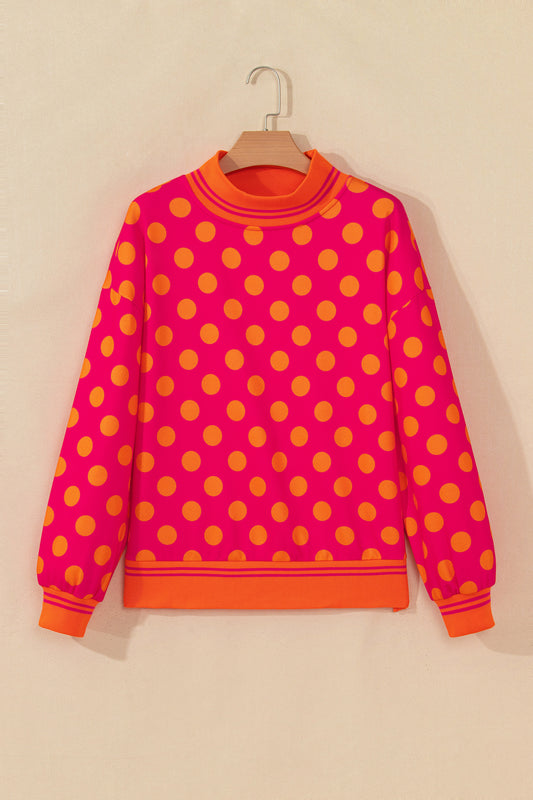

What Colors Look Best on You? Find Your Undertone
Choosing the right colors for your wardrobe isn’t just about trends — it’s about understanding your skin undertone, contrast level, and natural coloring. The shades you wear closest to your face can either brighten your complexion or leave you looking washed out. By learning whether you have a warm undertone, cool undertone, or neutral undertone, you can build a wardrobe palette filled with flattering colors that naturally enhance your appearance.
This guide explores how to find your undertone using simple methods like the vein test, jewelry test, and natural lighting test, while also diving into seasonal color analysis, makeup undertones, and color harmony. Whether you're curating capsule wardrobe colors, choosing a matching foundation shade, or trying to understand what colors suit you best, this guide will help you create a personal color palette that works effortlessly with your complexion and style.
What Colors Look Best on You? Find Your Undertone
There’s a reason certain colors instantly make your skin glow while others feel harsh, dull, or overpowering. The secret usually lies beneath the surface of your skin — your undertone.
Unlike your skin tone, which may change with tanning, seasons, or skincare, your natural undertone remains consistent. Understanding it can completely transform how you shop for clothing, makeup shades, accessories, and even hair color undertones.
Color analysis has become one of the biggest fashion and beauty conversations in recent years because it simplifies style choices. Once you know the hues that suit you, getting dressed becomes easier, more intentional, and far more flattering.
Undertone vs Skin Tone: What’s the Difference?
Many people confuse skin tone with skin undertone, but they are entirely different things.
Skin Tone
Your skin tone refers to the surface color of your skin. Common categories include:
- Fair skin tone
- Medium skin tone
- Deep skin tone
- Olive skin tone
This can shift depending on:
- Sun exposure
- Tanning
- Skincare
- Climate
- Hormonal changes
Skin Undertone
Your undertone is the subtle hue beneath your skin’s surface. It remains relatively stable throughout your life.
The three main undertone categories are:
- Warm undertone
- Cool undertone
- Neutral undertone
Understanding this difference is essential for:
- Fashion color matching
- Foundation undertone selection
- Personal color analysis
- Seasonal wardrobe colors
- Makeup color matching
Why Undertones Matter in Fashion
The right colors create balance and color harmony with your complexion. The wrong shades can exaggerate redness, dullness, shadows, or uneven skin texture.
People with warm-toned skin often shine in earthy tones and golden hues, while cool-toned skin tends to suit jewel tones and icy shades. Neutral skin tone individuals can usually wear a broader mix of both.
For example:
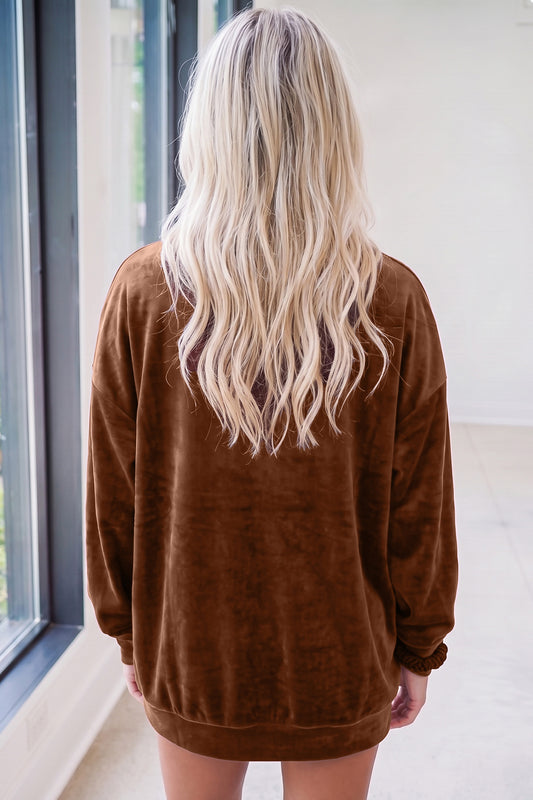
- Rich chocolate shades from the women’s brown clothing collection often flatter warm complexions beautifully.
- Crisp monochrome looks from the women’s black clothing collection can enhance cool undertones and high contrast coloring.
The key is understanding why certain colors work.
How to Find Your Undertone
If you've ever asked yourself:
- What colors look best on me?
- How do I know my undertone?
- Why do some makeup shades look wrong on me?
These simple undertone tests can help.
1. The Vein Test
One of the most popular undertone identification methods is the wrist vein color test.
Stand in natural light and look at the veins on your wrist.
What Your Veins Might Reveal
| Vein Color | Likely Undertone |
|---|---|
| Blue or purple veins | Cool undertone |
| Green veins | Warm undertone |
| A mix of both | Neutral undertone |
This undertone test isn’t perfect on its own, but it’s a useful starting point.
2. The Gold vs Silver Jewelry Test
The jewelry test is another classic approach in color analysis.
Ask yourself:
- Does gold jewelry make your complexion glow?
- Or does silver jewelry appear more flattering?
Usually:
- Gold jewelry complements warm undertones
- Silver jewelry suits cool undertones
- Both equally often indicates neutral skin tone
This method works because metals reflect light differently against your skin complexion.
Warm undertones generally contain yellow, peach, or golden undertones, while cool undertones lean pink, blue, or rosy.
3. The White Paper Test
Hold a plain white sheet of paper next to your face in natural lighting.
Then observe your complexion carefully.
You may notice:
- Yellow or golden undertones → warm-toned skin
- Pink or rosy undertones → cool complexion
- A balanced mix → neutral complexion
This natural lighting test is particularly useful if you're struggling with foundation shade matching or makeup undertone selection.
4. The Sun Reaction Test
How your skin reacts to sunlight can also reveal clues about your natural undertone.
Often:
- Warm undertones tan easily
- Cool undertones burn more quickly
- Neutral undertones may do both
Although not scientifically exact, this test can support your overall personal coloring assessment.
Understanding Warm Undertones
Warm undertones typically contain:
- Golden undertone
- Peach undertone
- Yellow undertone
People with warm-toned skin often look radiant in:
- Earthy tones
- Warm reds
- Burnt orange
- Mustard yellow
- Olive green
- Camel
- Warm browns
Soft autumn palettes and warm autumn seasonal palettes are especially common among warm complexions.
Colors That Often Flatter Warm Undertones
- Terracotta
- Rust
- Honey
- Warm beige
- Coral
- Olive
- Chocolate brown
Pieces from the women’s orange clothing collection can beautifully enhance golden undertones and autumn-inspired wardrobe palettes.
Similarly, shades from the women’s yellow clothing collection tend to complement warm complexions by amplifying natural warmth and chroma.
Colors Warm Undertones May Want to Avoid
Some shades can create imbalance against warm-toned skin.
These may include:
- Icy blues
- Stark white
- Cool greys
- Neon pinks
- Blue-based purples
That doesn’t mean you can never wear them — only that softer or warmer variations may feel more harmonious.
Understanding Cool Undertones
Cool undertones usually feature:
- Pink undertone
- Blue undertone
- Rosy undertone
People with cool complexions often suit:
- Jewel tones
- Cool blues
- Emerald green
- Berry shades
- Cool pinks
- True black
- Crisp white
Winter palette and summer palette color families are frequently associated with cool undertones.
The women’s blue clothing collection works especially well for cool-toned skin, particularly navy, sapphire, and icy blue shades that enhance natural contrast.
Likewise, certain shades within the women’s purple clothing collection can elevate cool complexions through rich jewel tones and berry-inspired hues.
Signs You May Have a Cool Undertone
You may have cool-toned skin if:
- Silver jewelry flatters you most
- Bright white looks better than cream
- You burn easily in sunlight
- Blue-based lipstick shades suit you
- Cool foundation undertones blend naturally
Many people with deep winter or soft summer palettes fall into this category.
Understanding Neutral Undertones
If you’ve taken every undertone quiz imaginable and still can’t decide whether you lean warm or cool, there’s a good chance you fall into the neutral undertone category.
Neutral skin tone sits somewhere between warm and cool, meaning your complexion contains a balance of both tones rather than a dominant yellow, peach, pink, or blue base.
This often gives neutral undertones remarkable versatility when it comes to:
- Wardrobe colors
- Makeup shades
- Hair color undertones
- Seasonal palettes
- Foundation matching
People with neutral undertones can typically wear both warm colors and cool colors successfully, although some shades may still appear more harmonious depending on contrast level and saturation.
Signs You May Have a Neutral Undertone
You might have a neutral undertone if:
- Both gold and silver jewelry flatter you equally
- Your veins appear blue-green
- You can wear both cream and pure white comfortably
- You tan moderately without burning excessively
- Many foundation shades seem “almost right”
Neutral complexions often suit:
- Soft muted tones
- Balanced jewel tones
- Dusty pinks
- Sage green
- Taupe
- Mushroom shades
- Mid-tone blues
The versatility of neutral coloring makes collections like the women’s grey clothing collection especially wearable because balanced neutrals create effortless color coordination.
Similarly, pieces from the women’s green clothing collection often complement neutral complexions beautifully, especially softer olive, sage, and eucalyptus-inspired hues.
Seasonal Color Analysis Explained
Once you understand your skin undertone, the next step is exploring seasonal color analysis.
This system categorizes people into four seasonal palettes:
- Spring
- Summer
- Autumn
- Winter
Each seasonal palette is based on:
- Undertone
- Contrast level
- Chroma
- Saturation
- Skin depth
- Hair and eye coloring
The goal is to identify colors that naturally echo your personal coloring.
Spring Palette
Spring palettes are typically:
- Warm
- Bright
- Fresh
- Light-to-medium contrast
People in this category often glow in:
- Peach
- Apricot
- Warm pink
- Coral
- Light turquoise
- Golden beige
The women’s apricot clothing collection aligns beautifully with spring palette styling thanks to its soft warmth and fresh seasonal energy.
Spring Palette Characteristics
| Feature | Typical Traits |
|---|---|
| Undertone | Warm |
| Contrast | Low to medium |
| Best Colors | Coral, peach, warm aqua |
| Avoid | Deep cool shades |
Bright spring palettes especially thrive in vivid, energized color families that feel clear rather than muted.
Summer Palette
Summer seasonal palettes are cool, soft, and elegant.
These individuals often suit:
- Dusty rose
- Powder blue
- Lavender
- Soft grey
- Cool taupe
- Muted navy
Soft summer coloring generally looks best in muted tones with lower saturation rather than highly vivid shades.
Summer Palette Traits
- Cool complexion
- Low contrast coloring
- Softer chroma
- Delicate color harmony
This is why harsh neon shades can overpower many summer complexions.
Autumn Palette
Autumn palettes are rich, earthy, and warm.
Common flattering shades include:
- Rust
- Olive
- Camel
- Terracotta
- Chocolate
- Deep mustard
Warm autumn palettes usually feature:
- Golden undertones
- Medium-to-deep coloring
- Earth-inspired wardrobe palettes
These color families create natural harmony with warm-toned skin.
Winter Palette
Winter seasonal palettes are bold, cool, and high contrast.
People within this category often suit:
- True black
- Bright white
- Sapphire blue
- Emerald green
- Berry pink
- Cool red
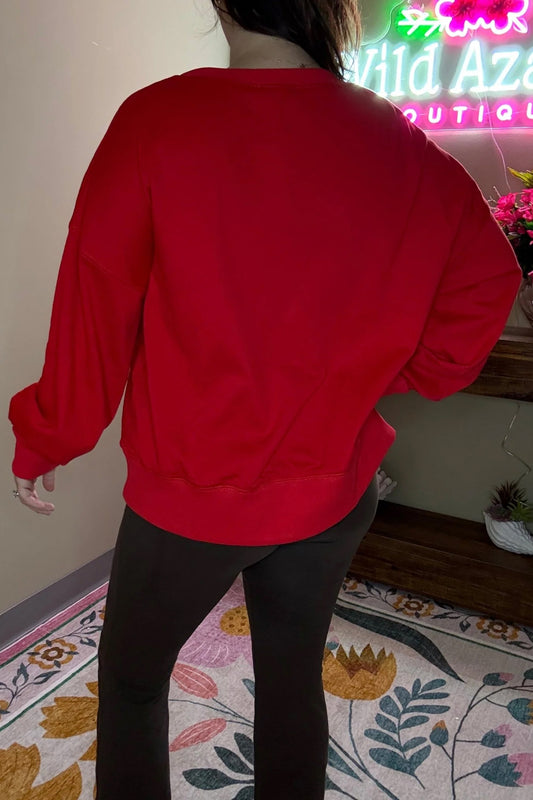
The women’s red clothing collection can work particularly well for winter palettes because blue-based reds enhance cool undertones dramatically.
Winter palettes often look striking in:
- High contrast styling
- Sharp monochrome outfits
- Jewel tones
- Crisp saturated colors
How Contrast Level Changes Everything
Undertone is only part of the equation.
Your contrast level also influences which colors feel most flattering.
High Contrast Coloring
Usually includes:
- Dark hair + fair skin
- Bright eyes + deep hair
- Strong facial definition
These individuals often suit:
- Bold color blocking
- Crisp black and white
- Saturated jewel tones
Low Contrast Coloring
Usually includes:
- Similar depth between skin, hair, and eyes
- Softer facial transitions
These complexions often shine in:
- Muted tones
- Tonal dressing
- Soft color draping
- Blended neutrals
Understanding contrast helps refine your personal color palette far beyond basic undertone categories.
Colors That Make You Glow vs Colors That Wash You Out
One of the biggest revelations in fashion color analysis is discovering why some shades energize your complexion while others drain it.
Colors That Often Make You Glow
These usually:
- Match your undertone
- Align with your seasonal palette
- Reflect your natural saturation level
Signs a color works:
- Your skin appears brighter
- Eyes appear clearer
- Shadows diminish
- Complexion looks smoother
Colors That Wash You Out
These may:
- Clash with your undertone
- Be too muted or too bright
- Create imbalance against your skin depth
Common signs:
- Dark circles appear stronger
- Redness increases
- Skin appears dull
- Features disappear
The goal of personal color analysis isn’t limiting your wardrobe — it’s understanding how to create balance and harmony with the colors you already love.
Building a Wardrobe Palette Around Your Undertone
Once you understand your undertone categories and seasonal palette, shopping becomes significantly easier.
Instead of impulse-buying random colors, you can build a wardrobe palette filled with:
- Complementary colors
- Versatile neutrals
- Signature accent shades
- Flattering outfit colors
This creates:
- Better outfit coordination
- Easier styling
- More outfit combinations
- Less wardrobe waste
The women’s white clothing collection is a great example of how even “simple” shades can vary dramatically depending on undertone — warm cream whites versus crisp cool whites can completely change how your complexion appears.
Meanwhile, the women’s pink clothing collection offers everything from warm peachy pinks to cool berry-inspired tones, making it easier to align pink shades with your personal coloring.
Makeup for Undertones: Why It Matters
Finding the right makeup shades becomes dramatically easier once you understand your skin undertone. The wrong foundation undertone can leave skin looking orange, grey, pink, or flat — even if the depth appears correct.
This is why so many people struggle with:
- Matching foundation
- Concealer blending
- Lipstick tones
- Blush colors
- Contour shades
Your complexion needs harmony between both depth and undertone.
How to Choose Foundation Shade Correctly
Many people choose foundation based purely on skin depth, but undertones are equally important.
A perfect foundation match should disappear seamlessly into your skin complexion without:
- Looking too yellow
- Turning orange
- Appearing pink
- Creating a grey cast
Foundation Undertone Categories
Warm Undertone Foundation
Usually contains:
- Golden undertones
- Yellow undertones
- Peach undertones
Best for warm-toned skin.
Cool Undertone Foundation
Usually features:
- Pink undertones
- Rosy undertones
- Blue undertones
Best for cool complexion categories.
Neutral Undertone Foundation
A balanced mix between warm and cool pigments.
Best for neutral skin tone individuals.
Foundation Finder Tips
When testing foundation shades:
- Always use natural lighting
- Test along the jawline
- Let the formula settle for several minutes
- Compare at least 2–3 undertone options
- Avoid matching only to your hand or wrist
The best foundation shade should disappear into your skin rather than “sit” on top of it.
Best Makeup for Warm Undertones
Warm undertones usually shine in makeup shades with golden warmth and earthy richness.
Flattering Makeup Shades for Warm Complexions
Lipstick Shades
- Terracotta
- Coral
- Warm nude
- Brick red
- Cinnamon
Blush Tones
- Peach
- Apricot
- Warm rose
- Burnt coral
Eyeshadow Colors
- Bronze
- Gold
- Olive
- Copper
- Warm brown
Warm complexions often pair beautifully with earthy wardrobe colors too.
For example, pieces from the women’s multicolor clothing collection can work especially well for warm palettes because mixed earthy and sunlit tones naturally complement golden undertones.
Best Makeup for Cool Undertones
Cool-toned skin generally looks best with blue-based and jewel-inspired makeup colors.
Flattering Makeup for Cool Complexions
Lipstick Tones
- Berry
- Plum
- Blue-red
- Mauve
- Cool pink
Blush Colors
- Rose
- Soft berry
- Pink blush
- Mauve
Eyeshadow Shades
- Taupe
- Silver
- Cool brown
- Charcoal
- Sapphire
Cool undertones often look stunning in crisp, high-contrast styling combinations.
Neutral Undertone Makeup
Neutral undertones have more flexibility than either warm or cool categories.
Balanced complexions can often wear:
- Soft rosy nudes
- Neutral beige
- Dusty pink
- Balanced browns
- Muted berry tones
However, extremely icy or intensely golden products may still overpower the skin.
The key is maintaining color harmony rather than leaning too heavily in either direction.
Makeup for Olive Undertones
Olive skin undertone categories are often misunderstood because they can contain both warm and cool elements simultaneously.
People with olive undertones may notice:
- Greenish or muted skin hues
- Difficulty finding matching foundation shades
- Makeup turning orange easily
- Grey-looking complexion with incorrect products
Best Colors for Olive Undertones
Often flattering:
- Emerald green
- Deep teal
- Warm taupe
- Rich cream
- Chocolate brown
- Soft burgundy
Olive complexions usually thrive in balanced saturation rather than neon brightness.
Color Draping: The Professional Styling Secret
Professional personal color analysis often uses a process called color draping.
This involves placing different fabric shades near the face to observe how the complexion reacts.
The right shades can:
- Brighten skin
- Reduce shadows
- Enhance eye clarity
- Create healthy-looking contrast
The wrong colors may:
- Emphasize redness
- Increase dullness
- Make features disappear
- Highlight uneven skin texture
Color draping is one of the most effective ways to identify:
- Seasonal palette
- Chroma level
- Contrast level
- Best neutrals
- Signature colors
Korean Color Analysis and the Rise of Personal Coloring
Korean color analysis has become hugely influential worldwide, particularly across beauty and fashion industries.
Unlike older seasonal systems that focused heavily on broad categories, Korean personal coloring often emphasizes:
- Skin clarity
- Saturation
- Soft vs bright colors
- Makeup harmony
- Facial contrast
This approach tends to be more nuanced and highly personalized.
Digital color analysis and color analysis apps have also made personal styling more accessible, allowing people to experiment with:
- Seasonal color quizzes
- Undertone guides
- Virtual makeup matching
- Wardrobe palette planning
Celebrity Color Analysis: Why It’s So Popular
Celebrity color analysis has exploded online because it helps people visualize undertones and seasonal palettes in real life.
Examples often discussed include:
- Cool undertone celebrities thriving in jewel tones
- Warm undertone celebrities glowing in earthy palettes
- Neutral undertone celebrities balancing both warm and cool shades
While celebrity comparisons can be helpful inspiration, your own complexion, saturation, and contrast level are always more important than copying another person’s palette exactly.
Creating a Capsule Wardrobe Around Your Undertone
One of the biggest advantages of understanding your undertone is building a more intentional wardrobe.
A cohesive wardrobe palette allows you to:
- Mix outfits easily
- Reduce impulse purchases
- Improve color coordination
- Create signature styling
- Feel more confident shopping
Instead of chasing trends, you focus on flattering shades that consistently work with your complexion.
The women’s blue clothing collection can become a powerful wardrobe staple for cool palettes, while earthy greens, apricots, and browns often support warm seasonal wardrobes beautifully.
Final Thoughts
Understanding your skin undertone isn’t about restricting your style — it’s about unlocking the colors that naturally enhance your features.
Whether you discover you have:
- Warm undertones
- Cool undertones
- Neutral undertones
- Olive undertones
…the goal is the same: creating harmony between your complexion and the colors you wear.
Through undertone tests, seasonal color analysis, makeup color matching, and wardrobe planning, you can begin building a personal color palette that makes getting dressed feel effortless.
The right colors don’t overpower you.
They bring you forward.
And once you know what colors suit you best, fashion, beauty, and personal styling suddenly become much simpler.
Frequently Asked Questions About Finding Your Undertone
1. Can your skin undertone change over time?
Your skin tone may change due to tanning, age, skincare, or environmental factors, but your natural undertone typically stays the same throughout your life. Even if your complexion becomes lighter or deeper seasonally, your underlying warm, cool, or neutral undertone usually remains consistent.
2. Can people with neutral undertones wear every color?
Neutral undertones generally have more flexibility than warm or cool complexions, but not every shade will automatically suit them. Contrast level, chroma, and saturation still matter. Extremely icy tones or heavily yellow-based shades may overpower balanced complexions.
3. Why do some black clothes look better than others?
Not all black shades are identical. Some blacks lean cool with blue undertones, while others appear softer or warmer. Cool undertones often suit crisp jet black, whereas warm undertones may look better in charcoal, espresso, or softer dark neutrals.
4. What is the difference between muted tones and bright tones?
Muted tones contain softer, greyed-down pigments with lower saturation, while bright tones appear vivid, clear, and highly saturated. Your personal coloring and seasonal palette usually determine whether soft or bright colors create the most flattering effect.
5. Can olive undertones be both warm and cool?
Yes. Olive undertones are more complex than traditional undertone categories because they often contain green or muted characteristics combined with either warm or cool influences. This is why many people with olive skin struggle with foundation matching and color analysis.
6. Why do certain colors make me look tired?
Colors that clash with your undertone, contrast level, or skin depth can emphasize shadows, redness, and uneven texture. These shades often reduce natural color harmony and create a washed-out appearance instead of enhancing your complexion.
7. Is seasonal color analysis still relevant today?
Absolutely. While modern fashion trends constantly evolve, seasonal color analysis remains useful because it focuses on the relationship between color and complexion rather than temporary trends. Many modern systems now combine traditional seasonal palettes with personalized digital color analysis for more accurate results.
8. Should your hair color match your undertone too?
Generally, yes. Hair color undertones can dramatically influence how balanced your complexion appears. Warm undertones often suit golden, caramel, copper, or honey shades, while cool undertones usually pair better with ash, espresso, cool brown, or icy tones.
9. What are the hardest undertones to identify?
Neutral undertones and olive undertones are often the most difficult to identify because they can display both warm and cool characteristics simultaneously. Lighting, tanning, and makeup products can also make undertone analysis more confusing.
10. Can I wear colors outside my seasonal palette?
Definitely. Personal style always matters more than strict rules. Seasonal color analysis is designed to guide you toward your most naturally flattering shades, not limit creativity. Many people successfully wear colors outside their palette by adjusting makeup, contrast, accessories, or fabric textures to maintain overall balance.