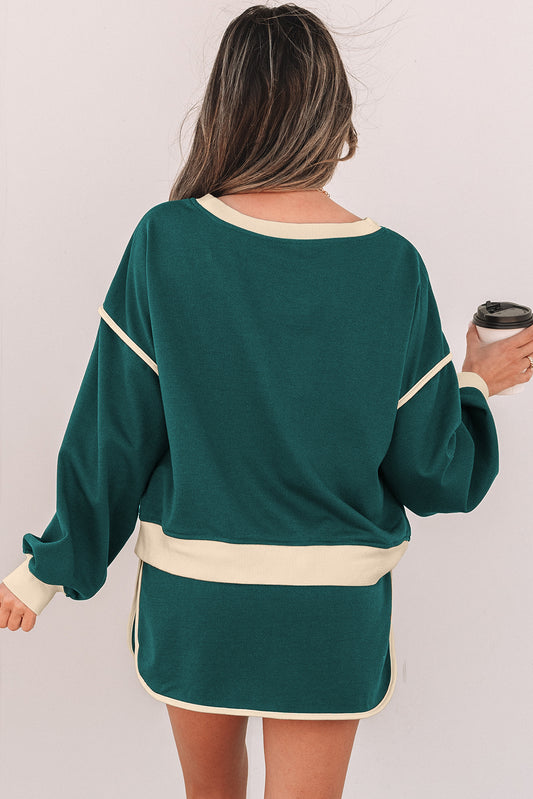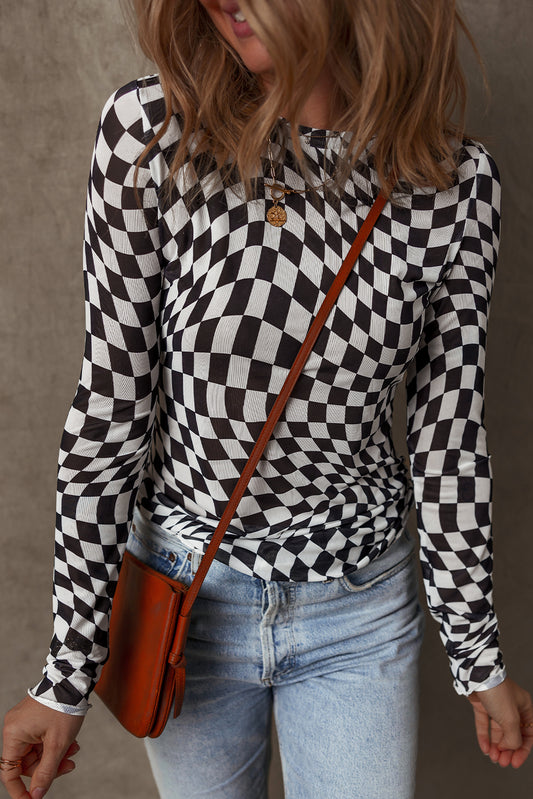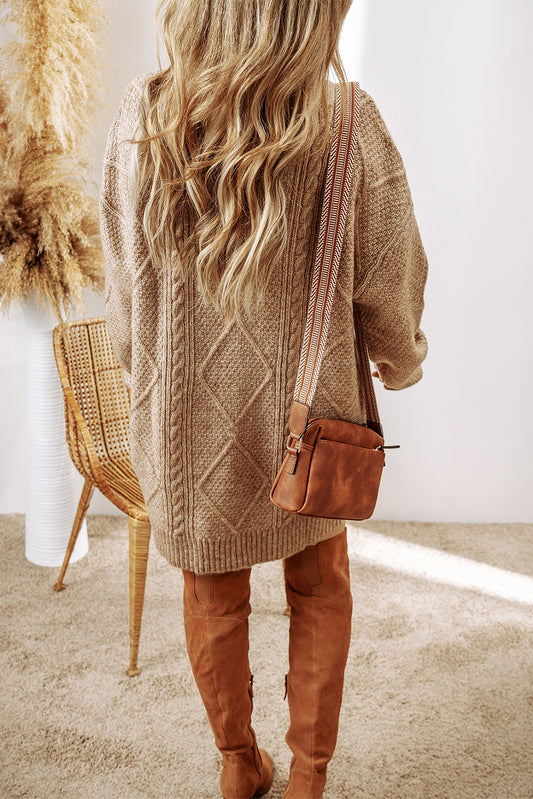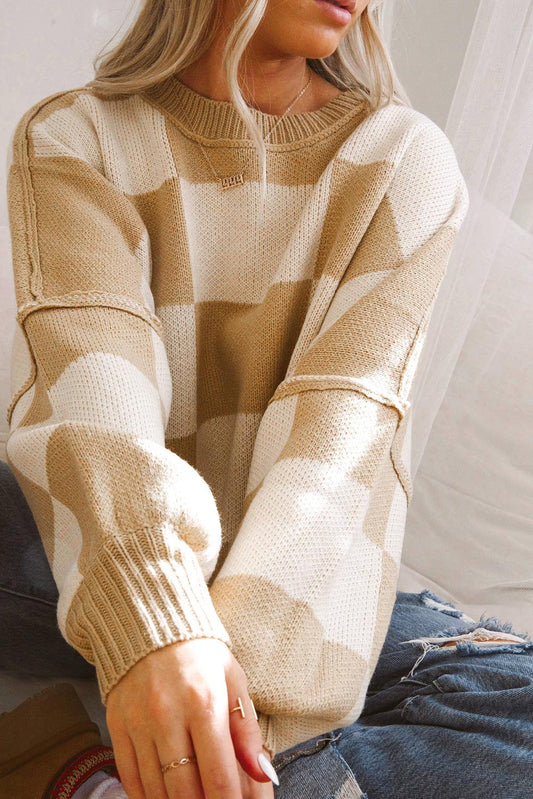

Rayon vs Viscose vs Lyocell: What's the Difference?
Choosing between rayon, viscose and lyocell can feel unnecessarily complicated. All three are made from plant-derived cellulose, all can produce beautifully soft fabrics, and all appear in everything from breezy summer dresses to everyday wardrobe essentials. Yet the way they're manufactured—and how they perform—can be surprisingly different.
Here's what you need to know:
-
Rayon is a broad category of regenerated cellulose fibres, often valued for their softness, fluid drape and silk-like appearance.
-
Viscose is the most familiar type of rayon. It's typically affordable, breathable and beautifully lightweight, although it can shrink and lose strength when wet.
-
Lyocell is another regenerated cellulose fibre, manufactured using a different solvent-based process. It's generally stronger when wet and can offer environmental advantages when responsibly produced.
-
The biggest difference lies in manufacturing. Conventional viscose production uses chemicals such as carbon disulphide, while lyocell production typically uses a solvent recovery system.
-
For everyday clothing, all three can be comfortable choices. The best option depends on the garment's construction, intended use and care requirements.
-
For sustainability, responsibly sourced lyocell often has an advantage over conventionally manufactured viscose, but fibre labels alone don't tell the whole environmental story.
The short answer? Viscose is a type of rayon, while lyocell is a related but distinct cellulose fibre. If you're looking for softness and affordability, viscose is worth considering. If durability and production methods matter more, lyocell may be the better fit.
Let's explore what makes these fabrics different—and why understanding them can help you make smarter clothing choices.
What Are Rayon, Viscose and Lyocell?
At first glance, these fabrics seem almost interchangeable.
They're soft. They're smooth. They drape beautifully. And unlike polyester, which is manufactured from synthetic polymers, they're produced using cellulose obtained from natural plant materials.
But here's where things get interesting.
Rayon, viscose and lyocell aren't three completely separate categories of fabric. Their names describe overlapping fibre classifications and different manufacturing methods.
To understand the distinction, it helps to start with cellulose.
Understanding Regenerated Cellulose Fibres
Cellulose is a natural substance found in plant cell walls. It's the structural material that gives trees, bamboo and other plants much of their strength.
Cotton fibres are naturally occurring cellulose fibres. Rayon and lyocell, however, require additional processing.
Manufacturers extract cellulose from raw materials such as wood pulp, dissolve or chemically modify it, and transform it into fibres suitable for textile production.
The resulting materials are known as regenerated cellulose fibres, or man-made cellulosic fibres.
They're frequently described as semi-synthetic fabrics because they combine a naturally derived raw material with industrial chemical processing.
This creates an interesting middle ground:
-
Their cellulose originates from plants rather than petroleum.
-
Their fibres are manufactured rather than harvested in their finished form.
-
Their softness, absorbency and drape can resemble natural fabrics.
-
Their environmental impact depends heavily on sourcing, chemicals, energy consumption and manufacturing controls.
It's also worth distinguishing between a fibre and a fabric.
Rayon, viscose and lyocell are technically fibre types. Those fibres can be spun into yarn and woven or knitted into fabrics with very different textures and performance characteristics.
A lightweight viscose blouse, for example, won't necessarily behave like a heavier viscose jersey dress.
Fabric construction matters just as much as fibre composition.
Fabric fact: Plant-derived doesn't automatically mean chemical-free, environmentally friendly or biodegradable under every condition. The production process and finished garment both matter.
What Is Rayon Fabric?
Rayon has been around for more than a century, yet it remains one of the most misunderstood materials in clothing.
Originally developed as an alternative to expensive natural silk, rayon became popular because manufacturers could produce smooth, soft fibres with an attractive sheen and graceful drape.
That's why it's sometimes called artificial silk.
But rayon isn't simply imitation silk. It's a versatile family of regenerated cellulose fibres with characteristics that make it suitable for a wide range of garments.
What Is Rayon Made From?
Rayon begins with cellulose, usually extracted from wood pulp.
Depending on the manufacturer, that cellulose may come from trees such as beech, birch, eucalyptus or other suitable sources.
Some rayon is also manufactured from bamboo cellulose.
The cellulose undergoes chemical processing before being regenerated into fibres that can be spun into yarn.
The specific manufacturing method determines the type of rayon produced.
For example, viscose rayon is manufactured using the viscose process, while other rayon types can be produced using different techniques.
This is why the question "Is rayon the same as viscose?" doesn't have a straightforward yes-or-no answer.
All viscose is rayon, but not all rayon is viscose.
What Does Rayon Feel Like?
One of rayon's biggest attractions is its luxurious feel.
Depending on the fabric's construction, it can be:
-
Silky and smooth: Often with a soft surface and subtle sheen.
-
Lightweight: Comfortable for flowing garments and warm-weather outfits.
-
Breathable: Its cellulose structure readily absorbs moisture.
-
Fluid and drapey: Particularly attractive in dresses, skirts and loose-fitting blouses.
-
Soft against the skin: A desirable characteristic for everyday clothing.
Rayon is particularly appealing when a garment needs movement rather than stiffness.
Think of a relaxed blouse that falls naturally over the body or a dress that sways as you walk.
These qualities make rayon fabrics well suited to many casual and dressy clothing designs.
For example, when browsing women's tops, understanding how different fabrics drape can help you decide whether you prefer a flowing silhouette or something more structured.
Of course, not every soft, flowing top contains rayon. Always check the individual garment's fabric composition.
What Are the Advantages of Rayon?
Rayon's popularity isn't accidental.
Its most appealing qualities include:
-
Comfortable softness: Rayon fabrics can feel wonderfully smooth against the skin.
-
Excellent drape: The material works particularly well for flowing silhouettes.
-
Moisture absorbency: Cellulose fibres can absorb perspiration, although absorbency doesn't automatically mean rapid drying.
-
Versatility: Rayon can be used in woven fabrics, knitted fabrics and blends.
-
Colour versatility: Rayon generally accepts dyes well, allowing manufacturers to create rich colours and prints.
-
Silk-like appearance: Certain rayon fabrics offer an elegant finish without the cost of natural silk.
For shoppers who enjoy lightweight, feminine clothing, rayon can be a particularly attractive material.
What Are the Disadvantages of Rayon?
Rayon also has limitations.
Traditional viscose rayon, in particular, can be more delicate than its smooth appearance suggests.
Common drawbacks include:
-
Reduced wet strength: Conventional viscose fibres lose considerable strength when saturated.
-
Shrinkage: Some rayon garments shrink if washed or dried incorrectly.
-
Wrinkling: Lightweight rayon fabrics can crease during wear or storage.
-
Care requirements: Certain garments require hand washing, gentle machine washing or professional cleaning.
-
Variable durability: Resistance to abrasion, stretching and pilling depends on the fibre type and fabric construction.
These characteristics don't make rayon a poor choice.
They simply mean it's important to consider how a garment will be worn, washed and maintained.
A flowing occasion dress, for example, may have different durability requirements from trousers intended for frequent everyday wear.
What Is Viscose Fabric?
Viscose is probably the most recognisable type of rayon—and one of the most widely used regenerated cellulose fibres in fashion.
Its appeal is easy to understand.
Viscose fabric can feel soft and silky, fall beautifully against the body and provide the light, airy sensation many people associate with comfortable summer clothing.
You'll find it in dresses, blouses, skirts, trousers, scarves and various other garments.
Yet despite its widespread use, viscose is often confused with rayon.
Is Rayon the Same as Viscose?
Viscose is a specific type of rayon, rather than an entirely different material.
The confusion largely comes from textile terminology and regional labelling conventions.
In some markets, clothing labels commonly use the word rayon. In others, viscose is more familiar.
When someone compares rayon vs viscose, they may actually be comparing two names used for essentially the same type of fibre.
However, rayon is also an umbrella term that can encompass fibres manufactured through different processes.
This distinction matters because not every rayon fibre has identical characteristics.
For instance, high-wet-modulus rayon is engineered to provide improved wet strength compared with conventional viscose rayon.
So, when choosing between garments labelled rayon and viscose, the label alone may not reveal a meaningful performance difference.
The fabric's construction, quality and care instructions provide additional clues.
What Is Viscose Made From?
Like other regenerated cellulose fibres, viscose begins with plant-derived cellulose.
Wood pulp is the most common starting material, although bamboo cellulose can also be used.
The manufacturing process involves chemically treating the cellulose until it can be converted into a solution suitable for fibre production.
That solution is then forced through tiny openings called spinnerets and regenerated into continuous filaments.
These filaments can subsequently be processed into textile yarns.
The traditional viscose process involves chemicals including sodium hydroxide and carbon disulphide.
This is an important distinction when considering viscose sustainability.
Although the starting material is plant-derived, conventional manufacturing can create environmental and occupational hazards if chemical emissions and wastewater aren't properly controlled.
We'll examine these manufacturing differences in greater detail later in the article.
What Does Viscose Feel Like?
Viscose is particularly admired for its combination of softness and movement.
A well-made viscose fabric may have a silky, almost liquid drape, making it appealing for garments designed to flow naturally.
Its typical characteristics include:
Softness: Viscose often feels smooth and gentle against the skin.
Breathability: Its moisture-absorbing cellulose structure can contribute to comfort in warm conditions.
Fluid drape: Viscose fabrics frequently hang elegantly rather than holding a rigid shape.
Lightweight comfort: Thin viscose fabrics can feel airy and comfortable.
Colour richness: The fibre's dye affinity makes it suitable for colourful clothing and printed designs.
These properties explain why viscose is frequently used in summer dresses and relaxed separates.
When choosing from different dress styles, consider how the fabric's weight and drape will influence the overall silhouette.
A soft, fluid fabric creates a different look from structured cotton poplin or heavier denim, regardless of the dress design.
Is Viscose Breathable in Hot Weather?
Generally, yes.
Viscose is often a comfortable option for warm-weather clothing because cellulose fibres absorb moisture and many viscose fabrics are lightweight.
However, breathability and moisture-wicking performance aren't the same thing.
Breathability describes how readily air and water vapour can move through a fabric.
Moisture absorption describes how much liquid a fibre can take up.
Moisture wicking, meanwhile, describes how efficiently moisture moves through a fabric and spreads across its surface.
Viscose absorbs moisture readily, but it may retain that moisture longer than some quick-drying synthetic performance fabrics.
In hot, humid conditions, the weave, thickness and fit of a garment can therefore make a substantial difference.
A loose-fitting viscose blouse may feel considerably cooler than a tightly knitted, heavy viscose top.
The takeaway: Viscose can be excellent for breathable summer clothing, but don't judge comfort by fibre composition alone.
What Are the Main Disadvantages of Viscose?
Viscose has several practical limitations worth understanding before buying.
| Potential drawback | What it means for clothing |
|---|---|
| Shrinkage | Garments may change size if washed or dried incorrectly. |
| Low wet strength | Conventional viscose can become more vulnerable to damage when wet. |
| Wrinkling | Some fabrics crease easily during wear. |
| Slow drying | Highly absorbent fabrics may take longer to dry. |
| Shape changes | Poor washing or drying practices can affect garment dimensions. |
| Environmental concerns | Conventional production can involve hazardous chemicals and significant pollution risks. |
None of these disadvantages applies equally to every viscose garment.
Fabric construction, finishing treatments and manufacturing quality can substantially influence the finished material.
For everyday wear, checking the care label is particularly important.
A delicate viscose blouse might require different treatment from a blended viscose knit.
And while viscose is often more affordable than lyocell, price alone isn't a reliable indicator of garment quality.
What Is Lyocell Fabric?
Lyocell belongs to the same broader family of regenerated cellulose fibres, but its manufacturing process sets it apart from conventional viscose.
It's frequently associated with softness, breathability, strength and more controlled chemical processing.
That combination has helped lyocell become an increasingly familiar name in clothing and home textiles.
But what makes it different?
What Is Lyocell Made From?
Lyocell is produced from cellulose, generally sourced from wood pulp.
Eucalyptus is often associated with lyocell manufacturing, although other suitable wood sources—including beech and birch—may also be used.
The cellulose is dissolved using a solvent-based process and then regenerated into fibres.
Unlike conventional viscose production, the lyocell process does not rely on carbon disulphide to form cellulose xanthate.
Instead, a commonly used solvent is N-methylmorpholine N-oxide (NMMO), an amine oxide capable of dissolving cellulose.
In well-managed production systems, much of this solvent can be recovered and reused.
This is why lyocell is frequently associated with closed-loop manufacturing.
However, the actual environmental performance depends on the specific facility, its solvent recovery efficiency, energy sources and wood sourcing practices.
What Does Lyocell Feel Like?
Lyocell often feels exceptionally smooth, with a soft surface and an elegant drape.
Depending on how it's manufactured and constructed, lyocell fabric can offer:
-
A silky or softly brushed texture.
-
Good moisture absorption.
-
Comfortable breathability.
-
Relatively high fibre strength, including when wet.
-
An attractive drape suitable for relaxed clothing.
-
A smooth finish that can feel pleasant against the skin.
Lyocell's combination of softness and strength makes it particularly versatile.
It can be used in everything from lightweight tops to trousers, denim blends, sleepwear and bedding.
That said, lyocell isn't automatically wrinkle-free, shrink-proof or resistant to pilling.
Some lyocell fabrics can develop surface fibrillation, where tiny fibre structures separate and change the fabric's appearance. Manufacturers may use finishing techniques to manage this effect.
As with rayon and viscose, the finished fabric matters as much as the fibre itself.
Is Lyocell Natural or Synthetic?
Lyocell is best described as a man-made regenerated cellulose fibre.
Its raw material is natural cellulose, but its final fibre structure is produced through industrial processing.
This places it within the category commonly called semi-synthetic textiles.
It's not a naturally occurring fibre like cotton, wool or linen.
Nor is it a petroleum-derived synthetic fibre like conventional polyester.
Instead, it combines plant-based cellulose with a manufacturing process that creates new textile fibres.
This distinction is important when evaluating environmental claims.
A plant-based origin can be an advantage, but responsible forestry, efficient manufacturing and appropriate garment care are equally important considerations.
Is Lyocell a Type of Rayon?
This question is slightly more complicated than it first appears.
Rayon and lyocell are closely related because both are regenerated cellulose fibres.
However, lyocell is generally classified separately from viscose rayon in modern textile fibre terminology.
The distinction reflects their different manufacturing processes.
Conventional viscose involves chemically modifying cellulose before regenerating it, while lyocell uses a direct solvent-dissolution process.
Consequently, although lyocell may occasionally be discussed alongside rayon as part of the same broader family of cellulosic textiles, the terms shouldn't automatically be treated as interchangeable.
For consumers, the simplest distinction is this:
Viscose is a conventional type of rayon. Lyocell is a separate regenerated cellulose fibre made using a different process, typically designed around solvent recovery.
Understanding that relationship makes it much easier to interpret clothing labels and compare fabric characteristics.
Rayon vs Viscose vs Lyocell: Side-by-Side Comparison
Now that we've explored what each fibre actually is, it's time to answer the question that matters most when you're shopping for clothes.
Which fabric is better?
The answer depends on what you value.
Perhaps you're looking for something wonderfully soft that feels effortless on a warm afternoon. Maybe you want a fabric that stands up to frequent washing. Or perhaps you're trying to make more environmentally conscious clothing choices.
Rayon, viscose and lyocell each have advantages, but they aren't interchangeable in every situation.
And there's one important detail to remember: viscose is a type of rayon, so the comparison isn't quite as straightforward as comparing three completely unrelated materials.
For clarity, the table below uses rayon to describe conventional rayon fabrics generally, viscose to describe conventional viscose rayon specifically, and lyocell to describe the separately classified regenerated cellulose fibre.
Rayon vs Viscose vs Lyocell Comparison Chart
| Feature | Rayon | Viscose | Lyocell |
|---|---|---|---|
| Fibre classification | Broad category of regenerated cellulose fibres | A specific type of rayon | Separately classified regenerated cellulose fibre |
| Raw materials | Primarily wood-derived cellulose | Wood pulp or other suitable cellulose sources | Primarily wood-derived cellulose |
| Texture | Soft, smooth and often silky | Soft, silky and fluid | Smooth, soft and often silky |
| Breathability | Generally good | Generally good | Generally good |
| Moisture absorption | High | High | High |
| Fabric drape | Usually excellent | Excellent, particularly in lightweight fabrics | Excellent, depending on construction |
| Dry strength | Varies by rayon type | Moderate | Generally good |
| Wet strength | Varies by rayon type | Typically lower than dry strength | Generally better retained than conventional viscose |
| Shrinkage risk | Depends on construction and finishing | Can be significant without proper care | Possible, but often more dimensionally stable in suitable constructions |
| Wrinkle resistance | Variable | Often prone to creasing | Variable; not inherently wrinkle-free |
| Durability | Depends on rayon type | Can require gentle handling | Often stronger than conventional viscose |
| Manufacturing process | Depends on fibre subtype | Conventional viscose process | Solvent-based lyocell process |
| Environmental considerations | Varies considerably | Conventional production can involve hazardous emissions | Efficient solvent recovery can reduce certain chemical impacts |
| Typical price positioning | Often affordable | Usually affordable | Often more expensive |
| Common applications | Dresses, blouses, skirts and linings | Dresses, tops, trousers and scarves | Clothing, denim blends, activewear and bedding |
These are general fibre-level tendencies, not guarantees for every finished garment. Fabric weight, weave, knitting method, blends, dyes and finishing treatments can significantly change performance.
Which Fabric Is the Softest?
There's something irresistible about a fabric that feels beautifully soft against your skin.
But when comparing rayon vs viscose vs lyocell softness, declaring one universal winner would be misleading.
All three can produce exceptionally soft fabrics.
Viscose is especially well known for its silky hand feel and fluid drape. It's often used when designers want a garment to move gracefully without feeling stiff.
Lyocell can feel equally smooth, sometimes with a slightly more substantial or softly brushed finish depending on how the fabric is manufactured.
Rayon, as the broader category, offers considerable variation. Some rayon fabrics resemble silk, while others have a softer, more cotton-like feel.
The finishing process also matters.
A brushed lyocell knit may feel completely different from a smooth woven lyocell blouse, even though both contain the same fibre.
Best choice for softness: There's no automatic winner. Compare the actual fabrics rather than relying exclusively on their fibre labels.
Which Is More Breathable: Viscose or Lyocell?
If you've ever worn the wrong outfit on a humid summer day, you know how important breathable clothing can be.
Fortunately, both viscose and lyocell have qualities that make them appealing for warm-weather wardrobes.
Their cellulose structures readily absorb moisture, helping manage perspiration at the fibre level.
However, absorbency doesn't necessarily mean a garment will dry quickly or feel cool in every situation.
A tightly knitted, heavy lyocell fabric may feel warmer than a lightweight woven viscose blouse.
Likewise, a loose-fitting viscose dress may allow better airflow than a close-fitting garment made from another breathable fibre.
Several factors influence comfort:
-
Fabric weight: Lighter materials often feel more comfortable in warm weather.
-
Weave or knit: Open constructions generally allow greater airflow.
-
Garment fit: Relaxed silhouettes can encourage ventilation.
-
Moisture management: Absorption, moisture transport and drying speed all influence comfort.
-
Blended fibres: Polyester, elastane and other fibres can change how a fabric performs.
For hot-weather dressing, the most comfortable option is often a lightweight, breathable material combined with a relaxed fit.
Best choice for breathability: Both viscose and lyocell can perform well. Fabric construction and garment design are usually more useful deciding factors than the fibre name alone.
Which Fabric Is More Durable?
Here's where the difference between viscose and lyocell becomes particularly interesting.
Conventional viscose rayon is known for losing a substantial amount of its strength when wet.
That doesn't mean viscose clothing will fall apart in the washing machine. It means the fibres can be more vulnerable to stretching, distortion and mechanical damage while saturated.
Lyocell generally retains more of its strength when wet.
This can make it attractive for garments that need to withstand repeated wear and laundering.
However, fibre strength isn't the same as overall garment durability.
A garment's lifespan also depends on:
-
Yarn quality and fabric construction.
-
Stitching and seam strength.
-
Resistance to abrasion and pilling.
-
Dye and finishing quality.
-
Washing frequency and care methods.
-
Whether the garment contains blended fibres.
Lyocell may have an advantage in wet strength, but a well-constructed viscose garment can still provide years of enjoyment when properly cared for.
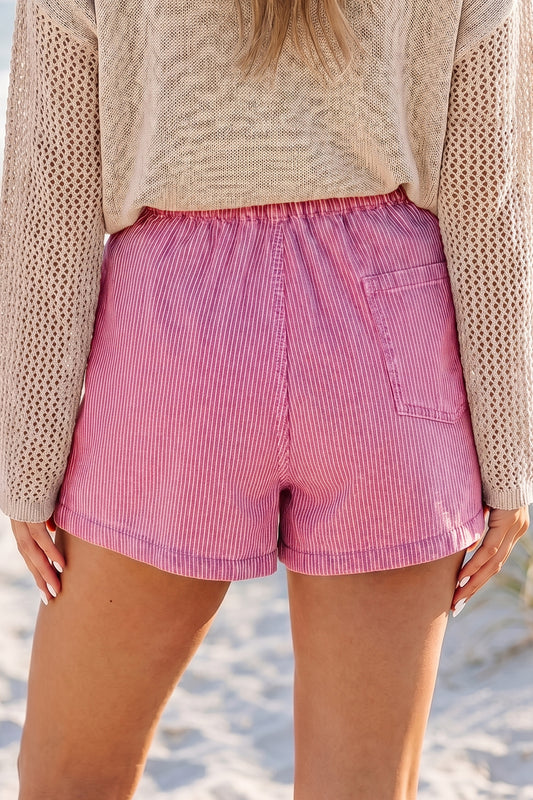
When choosing everyday women's bottoms, for example, it's worth considering not just softness but also how the fabric holds its shape, responds to movement and tolerates regular washing.
Best choice for fibre strength: Lyocell generally has the advantage over conventional viscose, particularly when wet.
Which Fabric Wrinkles or Shrinks More?
Few things are more frustrating than finding a favourite outfit has changed shape after washing.
Unfortunately, regenerated cellulose fabrics aren't completely immune to shrinkage or creasing.
Conventional viscose can be particularly sensitive to moisture, heat and mechanical agitation.
Some viscose garments may shrink during washing, especially when the fabric hasn't been adequately stabilised during manufacturing.
Rayon fabrics can also wrinkle easily, although performance varies between fibre types and constructions.
Lyocell may offer better dimensional stability in some applications, but it can still shrink or crease.
The important distinction is that shrinkage depends on the finished fabric, not simply its fibre composition.
A pre-shrunk viscose garment may retain its dimensions better than an untreated lyocell garment.
Similarly, a blended fabric may behave differently from a garment made entirely from regenerated cellulose.
Always follow the manufacturer's care instructions rather than assuming one fibre can tolerate hotter washing or tumble drying.
Rayon vs Viscose vs Lyocell: Which Costs More?
Price can influence fabric choices just as much as comfort or appearance.
Conventional viscose is often relatively economical to manufacture at scale, helping make it popular in accessible everyday fashion.
Lyocell frequently occupies a higher price bracket because of factors including manufacturing technology, solvent recovery systems, production scale and sourcing requirements.
However, retail prices don't always reflect fibre costs directly.
Garment construction, brand positioning, labour, finishing and design can account for substantial differences.
| Fabric | General price positioning | What influences the cost? |
|---|---|---|
| Conventional rayon | Budget to mid-range | Fibre type, production scale and finishing |
| Viscose | Budget to mid-range | Established manufacturing processes and widespread availability |
| Lyocell | Mid-range to premium | Production technology, sourcing and processing requirements |
These are broad market tendencies rather than fixed price categories.
A beautifully constructed viscose dress may cost more than a simple lyocell top.
Best choice for affordability: Conventional viscose is often the more economical fibre, while lyocell may justify a higher price when its particular properties suit your needs.
How Are Rayon, Viscose and Lyocell Made?
The finished fabrics may look remarkably similar.
Their manufacturing processes, however, tell a very different story.
This is one of the most important distinctions when comparing regenerated cellulose fibres, particularly if you're interested in environmental sustainability.
All three begin with cellulose, but manufacturers use different techniques to transform that cellulose into usable textile fibres.
Understanding these methods helps explain differences in fibre strength, production costs and environmental impact.
The Viscose Manufacturing Process
The conventional viscose process has been used commercially for well over a century.
It's an established method for converting cellulose into textile fibres, but it involves several chemical processing stages.
Here's a simplified overview.
1. Extracting cellulose
Manufacturers begin with dissolving-grade cellulose pulp, commonly obtained from wood.
The quality and purity of this pulp influence subsequent processing.
2. Treating the cellulose with sodium hydroxide
The cellulose is treated with sodium hydroxide, also known as caustic soda.
This produces alkali cellulose, preparing the material for further chemical treatment.
3. Reacting with carbon disulphide
The treated cellulose reacts with carbon disulphide to form cellulose xanthate.
This chemical transformation allows the cellulose derivative to dissolve in a dilute alkaline solution.
4. Creating the viscose solution
The cellulose xanthate is dissolved to produce a thick, viscous liquid.
This solution gives the viscose process its name.
5. Spinning the fibres
The solution is forced through spinnerets into a chemical bath, commonly containing sulphuric acid.
The cellulose is regenerated into continuous fibres through a process known as wet spinning.
6. Washing and finishing
The newly formed fibres are washed to remove residual processing chemicals before undergoing further treatment, drying and textile production.
The resulting fibres can be spun into yarn and used to create a wide variety of fabrics.
Why Does Viscose Manufacturing Raise Environmental Concerns?
The issue isn't that cellulose comes from plants.
It's what can happen during processing.
Carbon disulphide presents occupational health risks when workers are exposed to excessive concentrations. Conventional viscose production can also generate sulphur-containing emissions and chemically contaminated wastewater.
Without effective controls, these substances can harm workers and surrounding environments.
Additional concerns include energy consumption, water use and the environmental consequences of sourcing wood pulp from poorly managed forests.
However, not every viscose manufacturer operates to the same standards.
Modern facilities may use chemical recovery systems, emission controls and wastewater treatment technologies to reduce environmental impacts.
Some producers also offer specially developed viscose fibres manufactured with more stringent environmental controls.
The key point: Conventional viscose production can be environmentally demanding, but its actual impact depends heavily on how responsibly the manufacturing process is managed.
The Lyocell Manufacturing Process
Lyocell takes a different approach.
Rather than converting cellulose into cellulose xanthate, the commonly used lyocell process dissolves cellulose directly using an organic solvent system.
The result is another regenerated cellulose fibre, but with a different production chemistry.
Here's how it works.
1. Preparing the wood pulp
Manufacturers begin with purified cellulose pulp, typically sourced from wood.
The pulp must meet specific requirements for successful solvent processing.
2. Dissolving the cellulose
The cellulose is mixed with a solvent system, commonly based on N-methylmorpholine N-oxide (NMMO).
Under controlled conditions, the solvent dissolves the cellulose without requiring the carbon disulphide reaction used in conventional viscose production.
3. Extruding the solution
The cellulose solution is pushed through spinnerets to form fine filaments.
4. Regenerating the fibres
The filaments pass through an air gap and into a coagulation bath, where the cellulose regenerates into solid fibres.
This technique is commonly described as dry-jet wet spinning.
5. Recovering the solvent
The solvent is separated from the processing liquids and recovered for reuse.
Efficient industrial lyocell systems can recover a very high proportion of the solvent, reducing the need for continual replacement.
6. Washing and finishing
The fibres are washed, finished and prepared for textile manufacturing.
They can then be transformed into yarns and fabrics suitable for clothing, bedding and other applications.
What Does Closed-Loop Production Actually Mean?
You've probably seen the phrase closed-loop production associated with lyocell.
It sounds impressive.
But what does it actually mean?
In textile manufacturing, a closed-loop system is designed to recover and reuse processing materials rather than continuously discarding them.
For lyocell, this primarily refers to the recovery and recycling of the solvent used to dissolve cellulose.
Instead of allowing most of that solvent to become waste, manufacturers can collect and reuse it.
This can reduce chemical consumption and certain forms of pollution.
However, closed-loop production doesn't mean a factory has zero environmental impact.
The process still requires:
-
Raw materials.
-
Energy.
-
Water.
-
Manufacturing equipment.
-
Chemical management.
-
Waste treatment.
-
Transportation and distribution.
The source of the wood pulp also matters.
A highly efficient solvent recovery system cannot compensate for irresponsible forestry practices.
Likewise, the environmental benefits may be reduced if manufacturing relies heavily on high-emission energy sources.
Important distinction: Closed-loop solvent recovery is a valuable manufacturing feature, but it doesn't automatically make every lyocell garment carbon-neutral, pollution-free or fully sustainable.
Viscose vs Lyocell: Key Manufacturing Differences
| Manufacturing factor | Conventional viscose | Lyocell |
|---|---|---|
| Cellulose source | Primarily wood pulp | Primarily wood pulp |
| Cellulose treatment | Chemical derivatisation | Direct solvent dissolution |
| Principal processing chemicals | Sodium hydroxide, carbon disulphide and regeneration chemicals | Commonly NMMO and water |
| Fibre formation | Wet spinning | Commonly dry-jet wet spinning |
| Solvent recovery | Depends on facility and technology | High recovery is a characteristic of well-managed systems |
| Chemical emissions | Potentially significant without effective controls | Can be lower for certain hazardous emissions |
| Water and energy requirements | Vary by production facility | Vary by production facility |
| Environmental performance | Strongly dependent on chemical controls and sourcing | Strongly dependent on solvent recovery, sourcing and energy use |
This distinction also explains why lyocell is frequently discussed among sustainable fabric alternatives.
Its production method can address some of the chemical concerns associated with conventional viscose.
But sustainability involves much more than manufacturing chemistry.
Which Fabric Is More Sustainable?
Sustainability is one of the biggest reasons shoppers compare rayon, viscose and lyocell.
And it's also where marketing claims can become confusing.
You'll often see phrases such as eco-friendly rayon, sustainable viscose, biodegradable lyocell and plant-based fabric.
These descriptions may highlight genuine characteristics, but they don't always provide enough information to evaluate a garment's complete environmental footprint.
To make a meaningful comparison, we need to consider several factors.
1. Raw Materials and Sustainable Forestry
Rayon, viscose and lyocell typically begin with cellulose obtained from wood.
Wood is a renewable resource when forests are managed responsibly.
But renewable doesn't automatically mean sustainably sourced.
Poorly managed pulp production can contribute to deforestation, biodiversity loss and damage to natural ecosystems.
Responsible sourcing practices may include:
-
Avoiding wood from ancient and endangered forests.
-
Using responsibly managed forest resources.
-
Maintaining traceability through the supply chain.
-
Supporting responsible forest management.
-
Using independently verified sourcing systems where applicable.
Two certifications you may encounter are FSC (Forest Stewardship Council) and PEFC (Programme for the Endorsement of Forest Certification).
These systems can provide useful information about forest management and supply-chain controls, depending on the specific certification and claim.
However, forest certification alone doesn't verify every environmental aspect of textile manufacturing.
A garment can contain responsibly sourced cellulose while still undergoing energy-intensive or poorly controlled processing.
2. Chemical Use and Pollution
Chemical management is one of the clearest differences between conventional viscose and lyocell manufacturing.
The conventional viscose process uses carbon disulphide, which requires careful handling because of its health and environmental hazards.
Factories without effective recovery, ventilation and emission controls can create substantial risks.
Lyocell manufacturing commonly uses NMMO, which can be recovered and reused at high rates in properly managed systems.
This can reduce certain hazardous chemical emissions compared with conventional viscose production.
Nevertheless, lyocell production still requires careful chemical handling and waste management.
And not all viscose facilities have identical environmental performance.
Modern recovery systems and cleaner production practices can substantially improve the environmental profile of viscose manufacturing.
The takeaway: Lyocell's production chemistry offers important potential advantages, but responsible factory operations remain essential for both fibres.
3. Water Consumption
Water use is another important consideration.
Water is involved in producing cellulose pulp, manufacturing regenerated fibres and finishing textiles.
However, it's difficult to declare one fibre universally superior based on water consumption alone.
Actual water use depends on several variables:
-
The wood-pulp production process.
-
Manufacturing technology.
-
Water recycling systems.
-
Dyeing and finishing methods.
-
Factory location.
-
Local water availability and scarcity.
A facility operating in a water-stressed region may have a different environmental impact from one using similar quantities of water in a region with abundant resources.
This is why responsible water management matters more than broad claims that one fabric always uses less water.
4. Carbon Footprint and Energy Consumption
Manufacturing regenerated cellulose fibres requires energy.
That energy may come from fossil fuels, renewable electricity, biomass or a combination of sources.
The resulting carbon footprint depends on the production system.
For example, two lyocell facilities using similar fibre-manufacturing technology could have different greenhouse gas emissions if their energy sources differ.
The same applies to viscose.
Transportation, fabric finishing and garment manufacturing also contribute to the overall environmental footprint.
Consequently, claims that lyocell always has a lower carbon footprint than viscose should be supported by comparable, product-specific lifecycle assessments.
Without that information, it's more accurate to describe lyocell as having the potential for environmental advantages, rather than declaring every lyocell product automatically greener.
5. Are Rayon, Viscose and Lyocell Biodegradable?
Because these fibres are made from regenerated cellulose, they can be biodegradable under suitable conditions.
That's an important difference from conventional petroleum-derived polyester, which generally persists in the environment for much longer.
However, biodegradability isn't an all-or-nothing characteristic.
The rate and extent of decomposition depend on:
-
Temperature and moisture.
-
Oxygen availability.
-
Microbial activity.
-
Fabric thickness and construction.
-
Chemical finishes and dyes.
-
Whether the garment contains synthetic fibre blends.
A garment containing lyocell and elastane, for example, doesn't necessarily biodegrade in the same way as an untreated fabric made entirely from lyocell.
Similarly, biodegradable doesn't automatically mean suitable for home composting.
Specific compostability claims require appropriate testing and evidence.
Does Lyocell Release Microplastics?
Pure lyocell is a regenerated cellulose fibre rather than a conventional synthetic plastic.
Therefore, fibres shed from pure lyocell fabric are not generally classified as petroleum-based microplastics in the same way as polyester or nylon fibres.
However, lyocell fabrics can still shed microscopic fibres during washing and wear.
Those fibres may contain dyes or finishing chemicals, and their environmental behaviour depends on the conditions they encounter.
If a lyocell garment contains polyester or other synthetic fibres, it may also release synthetic microfibres.
This is why reducing unnecessary fabric shedding and caring for garments properly remains worthwhile regardless of fibre type.
6. Clothing Longevity and Textile Waste
One of the most overlooked sustainability considerations is how long a garment remains useful.
A fabric may be manufactured using a comparatively efficient process, but its environmental benefits become less meaningful if the finished garment is discarded after only a few wears.
Durability, timeless styling, comfortable fit and appropriate care can all contribute to clothing longevity.
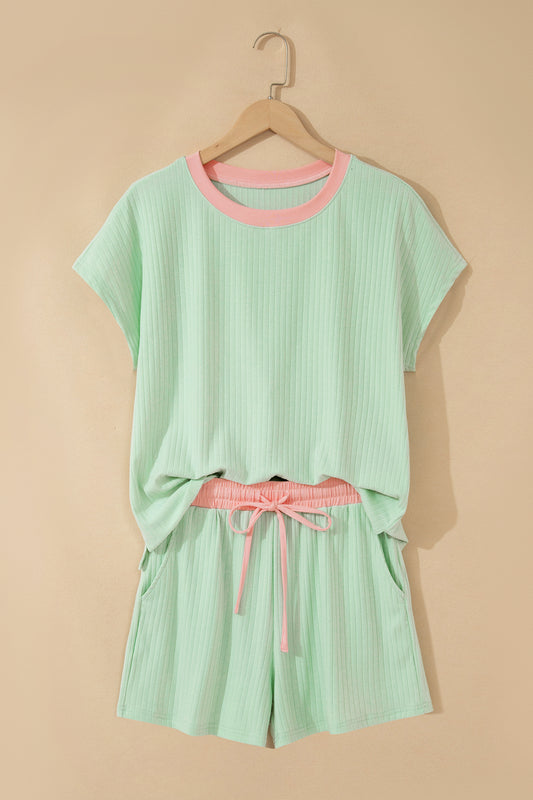
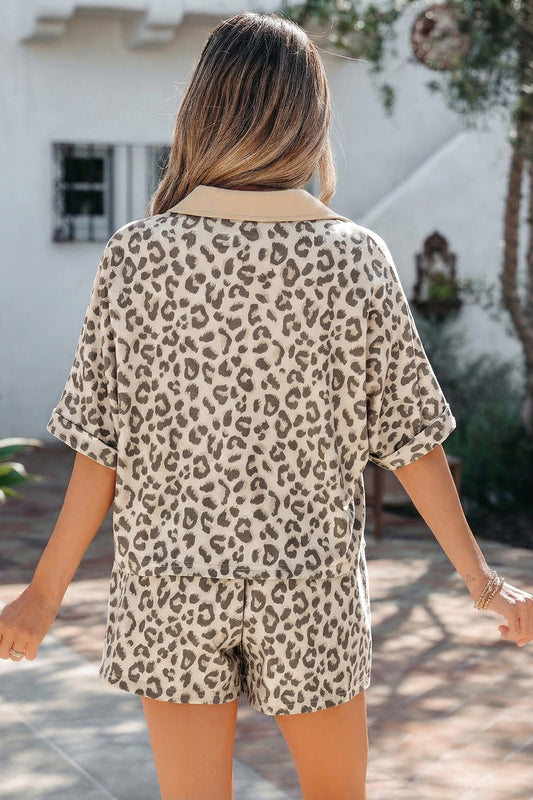
For example, choosing versatile two-piece sets that can be worn together or styled separately may help you create more outfit combinations from the pieces you already own.
The same principle applies to fabric selection.
Rather than choosing a garment solely because its label mentions an environmentally preferable fibre, consider whether you'll enjoy wearing it repeatedly.
A well-loved garment that remains in use is generally a more thoughtful purchase than something bought for a sustainability claim but rarely worn.
7. Environmental Certifications and Responsible Manufacturing
Certifications can help shoppers evaluate certain textile claims, although they don't all measure the same things.
Some focus on responsible forestry.
Others address chemical safety, environmental manufacturing criteria or particular aspects of the supply chain.
| Certification or standard | What it can help assess |
|---|---|
| FSC | Responsible forest management and certified supply-chain claims |
| PEFC | Forest certification and chain-of-custody systems |
| OEKO-TEX STANDARD 100 | Testing textiles for specified harmful substances |
| EU Ecolabel | Environmental criteria for eligible textile products |
| Product-specific lifecycle assessments | Environmental impacts across defined stages of a product's lifecycle |
It's important not to confuse these certifications.
For example, OEKO-TEX STANDARD 100 relates to harmful-substance testing. It isn't, by itself, proof that a garment was produced with minimal carbon emissions or sustainably sourced wood.
Similarly, a certification should only be associated with a particular product when that product has actually been certified.
So, Is Lyocell More Sustainable Than Viscose?
Lyocell can be a more environmentally preferable choice than conventional viscose, particularly when produced using efficient solvent recovery and responsibly sourced cellulose.
Its manufacturing process avoids the carbon disulphide chemistry associated with conventional viscose and can recover a high proportion of its processing solvent.
Those are meaningful potential advantages.
However, sustainability depends on more than the fibre name.
Responsibly manufactured viscose may compare favourably with lyocell produced under less efficient conditions.
Energy sources, forestry practices, chemical management, water use, dyeing and garment longevity all contribute to the overall picture.
For a more informed purchasing decision, look for specific, verifiable information about how a garment was made rather than relying exclusively on labels such as natural, green or eco-friendly.
The bottom line: Lyocell often has the stronger manufacturing sustainability story, but the most responsible choice depends on the actual product, its production practices and how long you'll wear it.
Rayon vs Viscose vs Lyocell: Which Is Best for Clothing?
You've explored the fibres, compared their properties and discovered how they're manufactured.
Now comes the practical question: Which one should you actually choose for your wardrobe?
The answer isn't necessarily the most expensive fabric or the one with the strongest sustainability claims.
It's the material that suits your lifestyle, feels comfortable against your skin and performs well in the type of clothing you love wearing.
A flowing summer dress has different requirements from a pair of everyday trousers. Similarly, a lightweight blouse intended for occasional wear doesn't need exactly the same properties as a garment you'll wash several times a week.
Let's look at where each fibre can shine.
Best Fabric for Summer Dresses
When temperatures rise, few things feel better than slipping into a lightweight, flowing dress.
Both viscose and lyocell can be excellent choices for warm-weather clothing.
Viscose is particularly popular in summer dresses because of its soft texture and graceful drape. Lightweight woven viscose can move beautifully with the body, creating an airy silhouette.
Lyocell offers similar softness and moisture absorption, often with the additional advantage of greater wet strength.
Conventional rayon fabrics can also be comfortable, depending on their construction.
For summer dresses, prioritise:
-
Lightweight, breathable fabric.
-
A relaxed or comfortable fit.
-
Good moisture absorption.
-
A soft texture that feels pleasant against the skin.
-
Care instructions that suit your lifestyle.
A loose-fitting viscose dress may feel cooler than a heavy lyocell dress, even though lyocell is often promoted for breathability.
Best choice: Lightweight viscose and lyocell are both strong contenders. The fabric's weight and the dress's design matter more than the fibre name alone.
Best Fabric for Everyday Tops and Blouses
For everyday tops, comfort and ease of movement are essential.
Viscose is a popular choice for flowing blouses because it falls softly over the body without creating excessive stiffness.
Lyocell can offer a similarly elegant appearance while providing good fibre strength.
Rayon fabrics also work well in relaxed tops, particularly when a silky finish or fluid silhouette is desired.
If you're choosing a blouse for work, consider whether it wrinkles easily and how much maintenance it requires.
For casual everyday wear, softness and washability may be more important.
Best choice: Viscose for affordable, fluid styles; lyocell when strength and repeated laundering are higher priorities.
Best Fabric for Trousers and Everyday Bottoms
Trousers need to withstand more than occasional movement.
Sitting, walking, bending and repeated washing can place considerable stress on fabric.
This makes durability and dimensional stability especially important.
Lyocell's relatively high wet strength can be advantageous, particularly in suitable woven fabrics and blends.
Viscose can also work beautifully in wide-leg trousers, relaxed trousers and flowing silhouettes.
However, lightweight viscose may be less appropriate for garments requiring substantial abrasion resistance or structure.
Consider the following:
| Clothing style | Fabric considerations |
|---|---|
| Wide-leg trousers | Fluid drape, comfort and breathability |
| Casual pull-on trousers | Softness, stretch and shape retention |
| Tailored trousers | Dimensional stability and structured construction |
| Lightweight summer bottoms | Breathability, low fabric weight and comfort |
| Frequently washed trousers | Wet strength, durability and easy-care finishing |
Best choice: Lyocell can be particularly appealing for frequently worn garments, while viscose works beautifully in soft, flowing styles.
Best Fabric for Sensitive Skin
If your skin is easily irritated, fabric selection can make a noticeable difference to everyday comfort.
Viscose and lyocell are often appreciated for their smooth textures and moisture absorption.
However, neither fibre is automatically hypoallergenic.
Skin comfort depends on several factors, including:
-
Fabric texture and surface friction.
-
Dyes and finishing chemicals.
-
Detergent residue.
-
Garment fit and seam construction.
-
Individual sensitivities.
-
Moisture and heat accumulation.
A smooth lyocell garment may feel particularly comfortable, but a well-finished viscose garment can be equally pleasant.
People with known textile allergies or skin conditions should pay attention to their individual triggers rather than assuming one fibre is universally safer.
Best choice: A smooth, breathable, appropriately finished fabric that doesn't irritate your skin.
Best Fabric for Activewear and Exercise
Activewear introduces another consideration: moisture management.
Although viscose and lyocell are absorbent, absorbency alone doesn't guarantee quick-drying performance.
During exercise, fabrics that retain substantial moisture may feel damp or heavy.
Lyocell can be incorporated into activewear blends designed to balance softness, strength and moisture management.
Viscose may also appear in comfortable leisurewear and low-intensity activity clothing.
For strenuous exercise, however, fabric construction and engineered moisture transport often matter more than whether the material contains lyocell or viscose.
Best choice: Evaluate the finished performance fabric rather than assuming a particular cellulose fibre will automatically outperform alternatives.
Best Fabric for Sleepwear and Bedding
Softness and breathability are especially important when choosing sleepwear.
Viscose can feel wonderfully smooth and comfortable, making it attractive for relaxed nightwear.
Lyocell is also widely used in sleepwear and bedding because of its soft texture, moisture absorption and strength.
Both can provide comfortable sleeping conditions when used in suitable fabrics.
However, claims that one fibre automatically regulates body temperature better than every alternative should be treated cautiously.
Room temperature, bedding construction, fabric weight and individual preferences all influence sleep comfort.
Best choice: Both can work well. Choose a comfortable fabric weight and texture, and consider how easily the item can be washed.
How to Wash and Care for Rayon, Viscose and Lyocell
Even the most beautiful fabric can lose its appeal if it shrinks, stretches or becomes damaged after washing.
And because regenerated cellulose fibres can behave differently when wet, understanding proper fabric care is particularly important.
The good news?
Caring for these materials doesn't have to be complicated.
A few sensible habits can help maintain softness, preserve garment shape and extend the life of your clothing.
Always follow the garment's care label first. The recommendations below are general guidance, not a substitute for instructions specific to the finished garment.
How to Wash Rayon Clothing
Rayon care depends on the particular fibre type and fabric construction.
Some rayon garments are machine washable, while others require hand washing or professional cleaning.
For washable rayon garments:
-
Check the care label. Confirm whether the garment can be washed at home.
-
Use cool water. Avoid unnecessary heat, which can contribute to shrinkage.
-
Choose a gentle detergent. Harsh cleaning products may affect delicate fabrics or finishes.
-
Minimise agitation. Use a delicate machine cycle if permitted.
-
Avoid wringing. Twisting wet fabric can distort its shape.
-
Dry as instructed. Air drying is often preferable when recommended by the manufacturer.
If the care label specifies dry cleaning, don't assume the garment can safely be hand washed.
Linings, trims, dyes and fabric finishes may influence the cleaning requirements.
How to Wash Viscose Clothing
Viscose deserves particular care because conventional viscose fibres lose strength when wet.
Aggressive washing, twisting and stretching can damage delicate garments.
If the care label permits home washing, consider the following approach.
Before washing
Turn the garment inside out and separate it from clothing with rough zips, hooks or embellishments.
A mesh laundry bag may provide additional protection during a permitted machine wash.
During washing
Use cool water and a gentle cycle, or hand wash carefully if the label recommends it.
Avoid prolonged soaking and vigorous rubbing.
After washing
Support the garment when lifting it from the water.
Don't twist or wring it to remove moisture.
Gently press out excess water, using a clean towel if appropriate.
Reshape and dry according to the care instructions.
Does Viscose Shrink in the Wash?
Yes, viscose can shrink during washing.
The risk depends on the fabric's construction, finishing and previous treatment.
Heat, moisture and mechanical agitation can all contribute to dimensional changes.
Some viscose garments are specifically manufactured to improve washability and shape retention.
Others require more delicate treatment.
To reduce shrinkage risk, avoid washing at higher temperatures than the care label permits and never assume tumble drying is safe.
How to Wash Lyocell Clothing
Lyocell generally has better wet strength than conventional viscose, but that doesn't mean every lyocell garment is suitable for vigorous washing.
Many lyocell garments can be machine washed, depending on their construction and finishing.
For machine-washable items:
-
Use the temperature specified on the care label.
-
Choose a gentle cycle when appropriate.
-
Wash with similar colours.
-
Avoid excessive mechanical agitation.
-
Use a suitable mild detergent.
-
Dry according to the manufacturer's instructions.
Some lyocell fabrics are susceptible to fibrillation, which can change their surface appearance through repeated abrasion.
Appropriate washing and finishing methods help manage this effect.
Does Lyocell Shrink?
Yes, lyocell can shrink.
Although lyocell fibres generally retain good strength when wet, shrinkage is a separate property.
A garment's dimensional stability depends on fabric construction, finishing and care conditions.
Lyocell isn't automatically pre-shrunk, wrinkle-proof or tumble-dryer safe.
Can You Tumble Dry Lyocell?
Only when the garment's care label permits it.
Some lyocell fabrics tolerate low-temperature tumble drying, while others require air drying.
High heat can contribute to shrinkage or damage certain finishes.
When in doubt, follow the garment-specific instructions rather than relying on general claims about lyocell durability.
Fabric Care Comparison
| Care consideration | Rayon | Viscose | Lyocell |
|---|---|---|---|
| Washing | Follow garment label | Gentle handling often important | Many garments are washable, depending on construction |
| Water temperature | Cool when recommended | Cool when recommended | Follow label; cool washing often suitable |
| Mechanical agitation | Minimise for delicate fabrics | Particularly important to minimise | Avoid excessive abrasion |
| Wringing | Avoid for delicate garments | Avoid | Avoid if fabric is delicate |
| Tumble drying | Only if permitted | Often best avoided unless permitted | Only if permitted |
| Ironing | Follow label; low heat may be suitable | Follow label; low heat may be suitable | Follow label; low heat may be suitable |
| Shrinkage | Possible | Possible | Possible |
| Wet strength | Varies by fibre type | Generally reduced | Generally better retained |
How to Prevent Rayon and Viscose from Shrinking
A little preventative care can make a significant difference.
Here are five habits worth adopting:
-
Read the label before the first wash. Don't wait until something goes wrong.
-
Avoid unnecessary heat. High washing and drying temperatures can increase shrinkage risk.
-
Use gentle handling. Excessive agitation can distort delicate fabrics.
-
Reshape carefully. Where appropriate, restore the garment's shape while damp without stretching it aggressively.
-
Store clothing properly. Fold heavy or stretch-prone knits when hanging could cause distortion.
These habits can also help protect other delicate garments in your wardrobe.
For pieces you wear seasonally, such as lightweight layers or women's outerwear, checking care instructions before washing and storing them can help maintain their appearance between seasons.
What About Modal, TENCEL and Bamboo Viscose?
Just when the difference between rayon, viscose and lyocell starts making sense, another collection of fabric names appears.
Modal.
TENCEL.
Bamboo rayon.
LENZING ECOVERO.
Are these completely different materials?
Not necessarily.
Some describe specific fibre types, while others are trademarks or branded textile products.
Understanding the terminology can make clothing labels considerably easier to interpret.
What Is Modal Fabric?
Modal is another regenerated cellulose fibre.
It's commonly manufactured from wood-derived cellulose, including beechwood pulp.
Modal belongs to the broader family of man-made cellulosic fibres and is often discussed alongside rayon and viscose.
Its production involves a modified viscose-type process designed to create fibres with particular strength and performance characteristics.
Modal is frequently appreciated for its:
-
Soft, smooth texture.
-
Attractive drape.
-
Moisture absorption.
-
Good flexibility.
-
Improved wet strength compared with conventional viscose in many applications.
These properties make modal popular in underwear, sleepwear, casual clothing and soft knitted fabrics.
Rayon vs Viscose vs Modal
The relationship between these names is important.
Rayon is a broad category.
Viscose is a conventional rayon type.
Modal is another regenerated cellulose fibre, often associated with high-wet-modulus properties and modified viscose manufacturing.
Although modal and conventional viscose can feel similar, modal is designed to offer improved strength characteristics.
However, modal isn't automatically superior in every garment.
A well-made viscose fabric may perform better for a particular purpose than a poorly constructed modal fabric.
Lyocell vs Modal: What's the Difference?
Modal and lyocell are both regenerated cellulose fibres, but their manufacturing processes differ.
Modal is typically produced using a modified viscose process.
Lyocell is commonly manufactured through direct cellulose dissolution using an NMMO-based solvent system.
Both can feel exceptionally soft.
Both absorb moisture.
Both can be used in comfortable everyday clothing.
Their main distinctions involve manufacturing chemistry and certain fibre properties rather than a universal difference in softness.
| Feature | Modal | Lyocell |
|---|---|---|
| Fibre family | Regenerated cellulose | Regenerated cellulose |
| Manufacturing method | Modified viscose-type process | Direct solvent dissolution |
| Texture | Often exceptionally soft | Smooth, soft and versatile |
| Moisture absorption | Good | Good |
| Wet strength | Generally improved over conventional viscose | Generally high |
| Common applications | Underwear, sleepwear, knitwear | Clothing, denim blends, bedding |
| Environmental profile | Depends on producer and manufacturing practices | Depends on producer and solvent recovery |
Which is better? Modal is especially popular for soft, flexible garments, while lyocell offers a distinctive manufacturing process and useful strength properties. The finished fabric remains the deciding factor.
Is TENCEL the Same as Lyocell?
Not exactly.
TENCEL is a trademark owned by Lenzing, not the generic name of a fibre.
The TENCEL brand encompasses branded lyocell and modal fibres.
That means TENCEL Lyocell is a branded lyocell fibre, while TENCEL Modal is a branded modal fibre.
Not every lyocell fibre is TENCEL-branded.
Similarly, not every TENCEL-branded fibre is lyocell.
This distinction matters because clothing descriptions sometimes use branded names and generic fibre names as though they're interchangeable.
When comparing TENCEL vs lyocell, you're often comparing a branded lyocell product with the broader generic fibre category.
The specific product, production practices and finished fabric determine meaningful differences.
What Is LENZING ECOVERO?
LENZING ECOVERO is another branded fibre offering from Lenzing.
Unlike TENCEL Lyocell, LENZING ECOVERO fibres are viscose fibres.
The brand is associated with defined sourcing and manufacturing requirements intended to reduce certain environmental impacts compared with conventional viscose production.
However, environmental claims should be considered in the context of the specific fibre and its supporting evidence.
The distinction is straightforward:
-
TENCEL Lyocell: Branded lyocell fibre.
-
TENCEL Modal: Branded modal fibre.
-
LENZING ECOVERO: Branded viscose fibre.
These are not interchangeable names for one material.
Bamboo Rayon vs Bamboo Viscose vs Bamboo Lyocell
Bamboo fabric terminology can be particularly confusing.
Bamboo is a plant, not a manufacturing process.
When bamboo cellulose is chemically processed into regenerated fibres, the resulting material is classified according to how those fibres were manufactured.
For example:
Bamboo viscose is viscose manufactured using cellulose sourced from bamboo.
Bamboo rayon is a broader term often used for rayon made from bamboo cellulose.
Bamboo lyocell refers to lyocell manufactured using bamboo-derived cellulose through a suitable lyocell process.
These fabrics shouldn't be confused with mechanically processed natural bamboo fibres, which are manufactured differently.
And while bamboo can be a rapidly growing plant, that doesn't automatically make every bamboo-derived textile environmentally sustainable.
Chemical processing, energy consumption, sourcing and wastewater management still matter.
Remember: The plant used to supply cellulose doesn't tell you everything about the finished fabric. How the cellulose is transformed into fibres is just as important.
Frequently Asked Questions About Rayon, Viscose and Lyocell
What Is the Main Difference Between Rayon, Viscose and Lyocell?
Rayon is a broad category of regenerated cellulose fibres, while viscose is a specific type of rayon. Lyocell is a separately classified regenerated cellulose fibre manufactured using a different solvent-based process.
Conventional viscose uses chemical derivatisation involving carbon disulphide, whereas lyocell commonly uses an NMMO-based solvent system designed for efficient recovery.
Are Rayon and Viscose Actually the Same Material?
Viscose is a type of rayon, so the terms often refer to the same fibre in everyday clothing descriptions.
However, rayon is a broader classification that can include other types of regenerated cellulose fibres.
The exact meaning depends on the textile terminology and labelling conventions being used.
Which Is Better, Rayon or Viscose?
Because viscose is a type of rayon, neither is inherently better.
If a garment labelled rayon contains conventional viscose rayon, the fibre may be essentially the same as one labelled viscose.
Fabric quality, construction, finishing and care requirements are more useful factors when comparing garments.
Which Is Better, Viscose or Lyocell?
Lyocell generally offers better wet strength and a manufacturing process that can reduce certain chemical impacts.
Viscose is often more affordable and offers excellent softness and drape.
For frequently washed clothing, lyocell may have advantages. For flowing, budget-friendly garments, viscose can be an excellent choice.
Why Is Lyocell Considered More Sustainable Than Viscose?
Lyocell is commonly produced using a solvent recovery system that can reuse a high proportion of the processing solvent.
Its manufacturing process also avoids the carbon disulphide chemistry associated with conventional viscose production.
However, overall sustainability still depends on wood sourcing, energy use, water management, finishing and garment longevity.
Which Fabric Is Softer: Rayon, Viscose or Lyocell?
All three can produce exceptionally soft fabrics.
Viscose is particularly known for its silky drape, while lyocell can offer a similarly smooth texture.
The finished fabric's weave, knit, weight and finishing treatments usually matter more than the fibre name alone.
Which Fabric Is Best for Hot Weather?
Lightweight viscose and lyocell fabrics can both be comfortable in warm weather.
Their cellulose fibres absorb moisture, while breathable fabric constructions and relaxed garment fits can help improve comfort.
A loose-fitting, lightweight garment will often feel cooler than a heavy or tightly fitted alternative.
Which Fabric Lasts Longer: Viscose or Lyocell?
Lyocell generally retains more strength when wet than conventional viscose, which can be an advantage during laundering.
However, garment longevity also depends on construction, abrasion resistance, stitching, finishing and care.
A high-quality viscose garment can still last well when treated appropriately.
Does Lyocell Shrink Less Than Rayon?
Lyocell can offer good dimensional stability in suitable fabric constructions, but it isn't automatically shrink-proof.
Shrinkage depends on manufacturing treatments, fabric structure and washing conditions.
Both lyocell and rayon garments should be washed according to their care labels.
What Are the Disadvantages of Lyocell Fabric?
Potential disadvantages include a higher price, possible shrinkage, wrinkling and surface fibrillation in some fabrics.
Certain lyocell garments also require gentle washing.
Although lyocell manufacturing can offer environmental advantages, those benefits depend on responsible sourcing and production.
What Are the Disadvantages of Viscose Fabric?
Conventional viscose can lose strength when wet, shrink during improper washing and wrinkle relatively easily.
Its manufacturing process can also create environmental and occupational health concerns when chemical emissions and wastewater aren't adequately controlled.
Can Rayon, Viscose and Lyocell Be Machine Washed?
Some garments made from these fibres are machine washable, while others require hand washing or professional cleaning.
The correct method depends on the finished fabric, construction, dyes and trims.
Always follow the garment's care label.
Is Rayon Plastic?
Rayon is made from regenerated cellulose rather than the petroleum-derived polymers used to manufacture conventional synthetic plastics such as polyester.
It's a man-made fibre, but it isn't generally classified as a conventional plastic fibre.
Is Viscose Natural or Synthetic?
Viscose is a man-made regenerated cellulose fibre.
Its raw material comes from natural cellulose, but chemical processing is required to produce the finished fibre.
It's therefore commonly described as semi-synthetic.
Is Lyocell Biodegradable?
Lyocell fibres can biodegrade under suitable environmental conditions because they're made from regenerated cellulose.
However, biodegradation depends on the conditions and the finished product.
Dyes, finishes and synthetic blends can affect the behaviour of a garment, and biodegradability doesn't automatically mean home compostability.
Is Viscose Toxic to Wear?
The hazardous chemicals associated with conventional viscose manufacturing don't automatically mean that finished viscose clothing is toxic to wear.
Manufacturing exposure and consumer exposure are different issues.
Finished textile safety depends on factors such as residual chemicals, dyes and finishing treatments.
Consumers with particular sensitivities should consider relevant product testing and individual skin reactions.
Is Lyocell Good for Sensitive Skin?
Lyocell can feel comfortable against sensitive skin because many lyocell fabrics have smooth surfaces and good moisture absorption.
However, it isn't guaranteed to be hypoallergenic.
Dyes, finishes, detergents and individual sensitivities can all affect skin comfort.
Why Is Lyocell More Expensive Than Viscose?
Lyocell often costs more because of manufacturing technology, solvent recovery systems, production scale and sourcing requirements.
However, garment prices also reflect design, construction, labour, finishing and brand positioning.
Not every lyocell garment is more expensive than every viscose garment.
Final Verdict: Which Fabric Should You Choose?
So, after exploring everything from cellulose chemistry to fabric softness, which material deserves a place in your wardrobe?
The answer comes down to what you need from your clothing.
Choose conventional rayon or viscose if you want:
-
Soft, silky fabrics with beautiful drape.
-
Lightweight clothing for comfortable everyday wear.
-
Flowing dresses, blouses and relaxed silhouettes.
-
Generally accessible price points.
-
A versatile material available in many fabric constructions.
Consider lyocell if you want:
-
A soft, breathable regenerated cellulose fabric.
-
Generally better wet strength than conventional viscose.
-
Clothing that may benefit from greater fibre strength.
-
A manufacturing process with potential chemical recovery advantages.
-
An alternative worth exploring when responsible sourcing and production are priorities.
But don't overlook the bigger picture.
A garment isn't defined by its fibre composition alone.
The way it's designed, stitched, finished, washed and worn can make just as much difference to its comfort and longevity.
A beautifully made viscose dress may become a wardrobe favourite for years. A thoughtfully constructed lyocell blouse may offer the perfect balance of softness and everyday practicality.
Neither choice is automatically right for everyone.
The Most Important Thing to Remember
Rayon describes a broader family of regenerated cellulose fibres. Viscose is a type of rayon. Lyocell is a related but separately classified fibre made through a different manufacturing process.
All three can create comfortable, attractive clothing.
Viscose often stands out for its fluid drape and affordability, while lyocell offers useful strength characteristics and a production method with potential environmental advantages.
Ultimately, the best fabric is one that feels good, suits your lifestyle and helps you get lasting enjoyment from your clothes.
At HannaBanna Clothing, we believe understanding the materials behind your wardrobe makes choosing clothes a little easier.
Whether you love relaxed everyday outfits, flowing silhouettes or versatile pieces you can style again and again, paying attention to fabric composition and care instructions can help you shop with greater confidence.
Because great clothing isn't simply about how something looks when you first put it on.
It's about how it feels, how it fits into your life and how much you enjoy wearing it over time.