
What Is Modal Fabric? Is It Better Than Cotton for Loungewear?
Modal fabric has become a popular choice for loungewear, sleepwear and everyday clothing, thanks to its silky softness, breathable feel and beautiful drape. But is it actually better than cotton?
The answer depends on what you value most. Modal generally feels smoother and more fluid against the skin, making it particularly appealing for lightweight lounge sets and comfortable nightwear. Cotton, meanwhile, offers familiar softness, versatility and a wide range of fabric weights and textures.
The Essentials: Modal vs Cotton at a Glance
-
What is modal fabric? A semi-synthetic textile made from regenerated cellulose, typically sourced from beechwood pulp.
-
Which is softer? Modal often has a silkier, smoother finish, although high-quality cotton can be exceptionally soft too.
-
Which is more breathable? Both can be breathable. Fabric weight, knit construction and blends influence how cool they feel.
-
Which is better for moisture management? Modal absorbs moisture effectively, although neither fibre automatically guarantees rapid sweat evaporation.
-
Which lasts longer? Both can be durable when manufactured and cared for properly. Cotton often offers a more structured feel, while modal is prized for its fluid drape.
-
Is modal sustainable? It can be a more responsible choice when wood sourcing and chemical processing are carefully managed, but not all modal is produced to the same environmental standards.
-
Which is best for loungewear? Modal is an excellent option for silky, lightweight comfort. Cotton remains a dependable choice for everyday versatility and a more traditional fabric feel.
The bottom line: Neither fabric wins in every category. The best loungewear combines the right fibre, fabric construction and fit for how you actually want to relax.
What Is Modal Fabric?
Imagine slipping into a beautifully soft lounge set that feels almost silky against your skin, yet has the relaxed, breathable quality you expect from everyday clothing.
That's the appeal of modal.
Modal fabric is a regenerated cellulose textile made primarily from wood pulp, most commonly sourced from beech trees. It belongs to the same broad family of manufactured cellulosic fibres as viscose and lyocell.
Although its raw material comes from trees, modal isn't simply a natural fibre woven straight from a plant. The cellulose undergoes chemical processing before being transformed into soft, fine textile fibres.
This makes modal a semi-synthetic fabric, sometimes described as a man-made cellulosic fibre.
Unlike cotton, which grows naturally as fibres around the seeds of the cotton plant, modal is manufactured through a controlled production process. That process helps give modal its characteristic smoothness, flexibility and flowing appearance.
The result? A material that feels wonderfully soft without necessarily being heavy or bulky.
It's easy to see why modal clothing has become increasingly popular for:
-
Relaxed lounge trousers and comfortable tops.
-
Lightweight pyjamas and breathable nightwear.
-
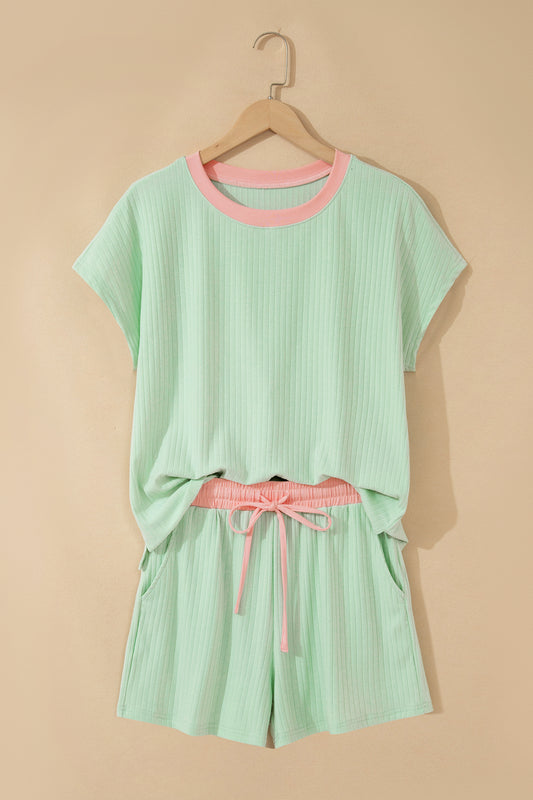
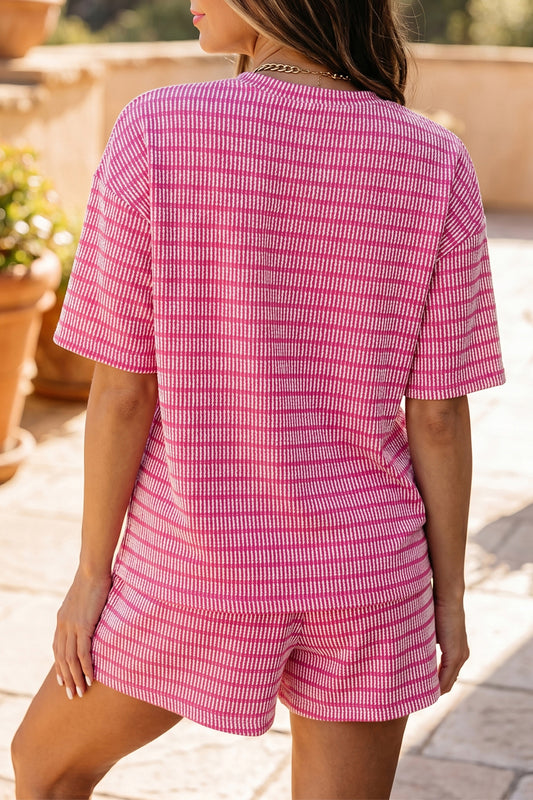
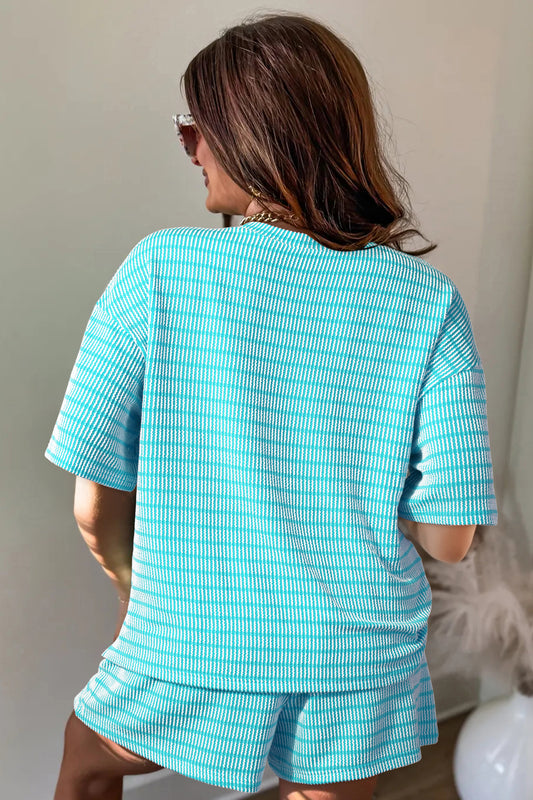
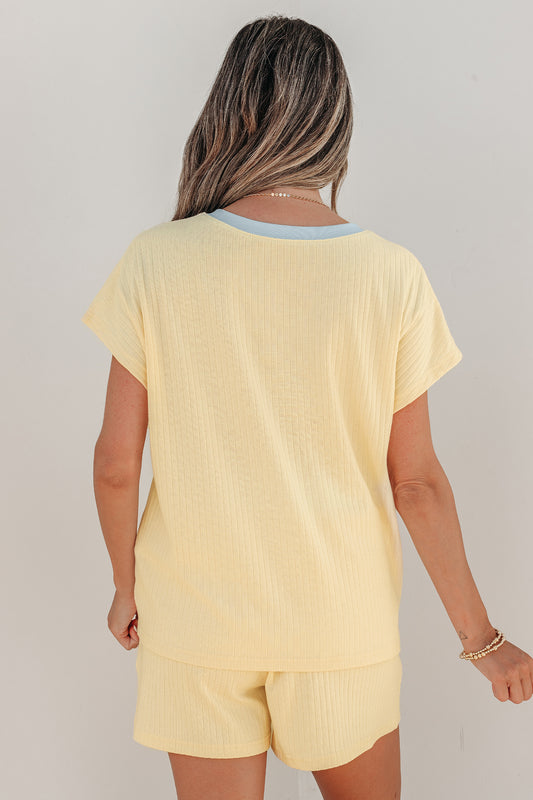
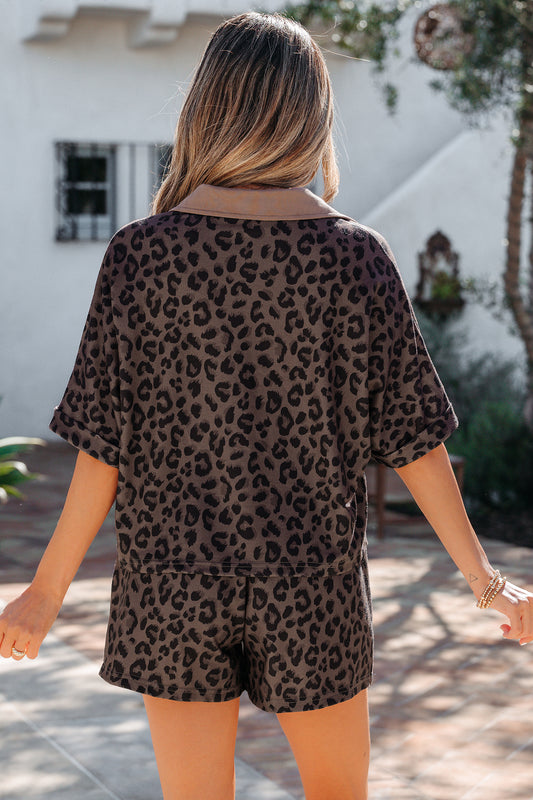
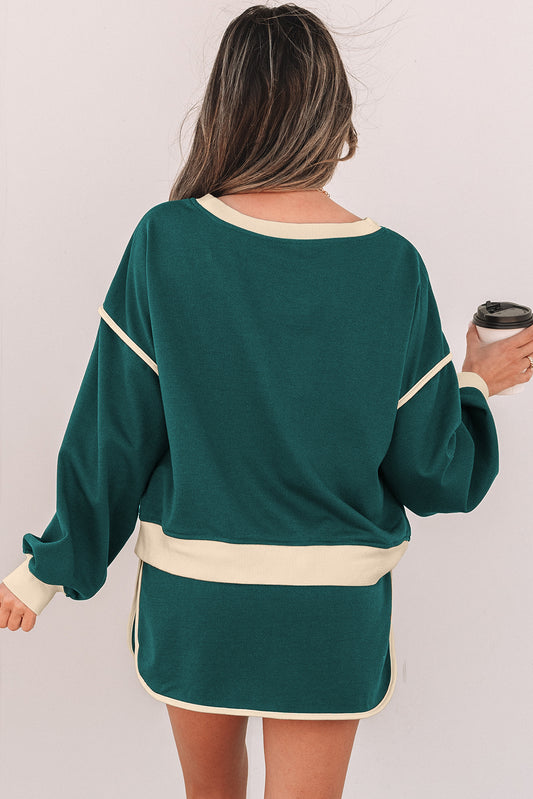
Matching lounge sets with a soft, fluid silhouette.
-
Everyday T-shirts and layering essentials.
-
Underwear and garments worn close to the skin.
-
Comfortable travel outfits and work-from-home clothing.
For anyone who loves clothing that feels as good as it looks, modal has plenty to offer.
And when it comes to choosing pieces from a thoughtfully curated loungewear collection, understanding different fabrics can help you find the comfort, fit and feel that suit your lifestyle.
Is Modal Fabric Natural or Synthetic?
This is where things get interesting.
Modal sits somewhere between the two categories.
Its starting material is natural cellulose, typically extracted from beechwood. However, turning that cellulose into wearable fibres requires industrial processing.
So, while modal originates from a renewable plant-based resource, it isn't classified as a natural fibre in the same way as cotton, linen or wool.
Here's the distinction:
| Fabric | Fibre origin | Classification |
|---|---|---|
| Modal | Regenerated wood cellulose | Semi-synthetic |
| Cotton | Cotton plant fibres | Natural |
| Linen | Flax plant fibres | Natural |
| Viscose | Regenerated plant cellulose | Semi-synthetic |
| Lyocell | Regenerated plant cellulose | Manufactured cellulosic |
| Polyester | Synthetic polymers, usually petroleum-derived | Synthetic |
This distinction matters because terms such as plant-based, natural-origin and sustainable don't necessarily mean the same thing.
A fabric can originate from trees without automatically being environmentally friendly. The sourcing, chemicals, energy consumption and manufacturing processes all influence its overall impact.
We'll explore that distinction further when looking at modal fabric sustainability.
Is TENCEL Modal the Same as Regular Modal?
You may have noticed clothing labels featuring the name TENCEL Modal.
TENCEL is a trademark owned by the Austrian fibre manufacturer Lenzing, and TENCEL Modal refers to modal fibres produced under that brand.
Regular modal describes the general fibre category, while TENCEL Modal identifies a particular branded product.
Both are modal fibres, but their sourcing, production processes and environmental credentials can differ depending on the manufacturer.
This is worth remembering when shopping for premium loungewear. A garment labelled simply modal doesn't necessarily have the same production characteristics or certifications as one made using TENCEL Modal fibres.
The label tells you what type of fibre you're buying. It doesn't always tell the whole story about how the finished garment will feel or perform.
How Is Modal Fabric Made?
From beech tree to buttery-soft loungewear, modal goes through a surprisingly sophisticated transformation.
The process begins with wood, but the finished textile feels nothing like its original source.
From Beechwood Pulp to Soft Textile Fibres
Modal manufacturing generally involves several stages:
-
Wood sourcing: Beechwood or another suitable cellulose source is harvested and processed.
-
Cellulose extraction: The wood is broken down to produce purified cellulose pulp.
-
Chemical processing: The cellulose is treated and dissolved to create a solution suitable for fibre production.
-
Fibre spinning: The solution is pushed through tiny openings, called spinnerets, into a chemical bath where fibres form.
-
Washing and finishing: The resulting fibres are washed, stretched and processed to develop their desired characteristics.
-
Yarn and fabric production: The fibres are spun into yarn, then knitted or woven into fabrics used for clothing.
Modal is often described as a type of high wet modulus rayon, reflecting its engineered fibre properties and strength when wet.
Unlike conventional viscose, modal production uses modified processing conditions to produce fibres with particular dimensional stability and mechanical characteristics.
However, the precise methods vary between manufacturers.
Why Does the Manufacturing Process Matter?
Because it helps explain why modal feels different from cotton.
Cotton fibres naturally vary in length, thickness and surface characteristics. Modal fibres, on the other hand, are manufactured to more controlled specifications.
This can contribute to a smoother yarn and a fabric with a soft, even surface.
Modal is particularly well suited to lightweight jersey knits, which are commonly used in comfortable loungewear and sleepwear.
Jersey construction allows the fabric to move naturally with your body, while the modal fibres contribute softness and a fluid appearance.
The combination can feel wonderfully relaxed without looking shapeless.
But there's an important detail: not every modal garment feels identical.
A lightweight modal jersey top may feel completely different from a heavier modal-blend lounge set.
Fabric weight, knit density, finishing techniques and additional fibres all influence the finished garment.
That's why checking the full fabric composition is just as important as recognising the word modal on the label.
What Does Modal Fabric Feel Like?
If you've never worn modal before, the easiest way to describe it is somewhere between the familiar comfort of cotton and the smooth, flowing sensation of silk.
Not quite either one. Something of its own.
Modal is frequently described as buttery soft, silky smooth and lightweight, with a fluid drape that follows the body's natural movement.
Instead of feeling stiff or heavily structured, modal clothing often falls gently against the skin.
This makes it particularly appealing for garments designed around relaxation.
Think loose-fitting lounge trousers, soft tops, relaxed pyjama sets and pieces you want to wear for hours without feeling restricted.
1. A Silky Smooth Texture
One of modal's most recognisable characteristics is its smooth surface.
Compared with many standard cotton fabrics, modal can feel noticeably silkier, especially when used in fine jersey knits.
That doesn't mean cotton is rough. Far from it.
Premium Pima cotton, finely knitted cotton jersey and carefully finished cotton fabrics can all feel exceptionally soft.
However, modal tends to offer a different kind of softness: less fluffy, more fluid.
It's the difference between a beautifully soft cotton T-shirt and a lightweight garment that almost glides across your skin.
For anyone who prefers a smooth fabric surface rather than a brushed or fuzzy texture, modal can be particularly appealing.
2. Lightweight Comfort Without the Bulk
There's something satisfying about loungewear that feels barely there.
Modal is often used in lightweight fabrics that provide comfortable coverage without excessive thickness.
This can make it a lovely choice for warmer evenings, relaxed mornings and layering around the house.
But lightweight doesn't necessarily mean transparent or flimsy.
The thickness and coverage of modal clothing depend on the fabric's weight, knitting structure and finishing.
A substantial modal jersey can provide more coverage than a very fine cotton knit.
When comparing garments, consider both the fibre composition and the overall construction.
3. A Beautiful, Fluid Drape
Fabric drape describes how material hangs and moves when worn.
Some fabrics hold their shape firmly. Others flow softly around the body.
Modal is particularly well known for the latter.
Its fluid drape creates relaxed silhouettes that move naturally, making it well suited to loose trousers, flowing tops and coordinated outfits.
This is one reason soft matching sets have become such appealing everyday essentials.
A thoughtfully designed two-piece set can offer the ease of casual clothing with the coordinated appearance of a complete outfit.
Of course, the fibre alone doesn't determine the final silhouette. A cotton blend, ribbed knit or heavier jersey can also create an attractive drape.
The secret is finding the right balance between softness, structure and movement.
4. Gentle Comfort Against the Skin
When you're spending an evening curled up on the sofa or settling down for bed, the last thing you want is clothing that feels scratchy or uncomfortable.
Modal's smooth texture can make it pleasant to wear directly against the skin.
For some people, the reduced surface roughness may feel more comfortable than coarser textiles.
However, no fabric is universally suitable for everyone with sensitive skin.
Dyes, finishing treatments, detergents, seams and individual sensitivities can all influence how a garment feels.
If you're prone to irritation, choosing soft fabrics with comfortable seams and following appropriate washing instructions is often more useful than relying on fibre type alone.
Comfort isn't simply about how soft a fabric feels when you first touch it. It's about how naturally it moves, breathes and sits against your skin throughout the day.
And that's where modal's combination of softness, flexibility and fluid drape can really shine.
What Are the Benefits of Modal Fabric for Loungewear?
A fabric might feel lovely on a hanger, but loungewear has a bigger job to do.
It needs to feel comfortable when you're sitting, stretching, relaxing, moving around the house or winding down after a long day.
Modal's popularity comes from several characteristics that make it particularly well suited to these everyday moments.
Breathability and Moisture Management
Modal is a moisture-absorbing cellulosic fibre, which means it can take up moisture from its surroundings and from contact with the skin.
This contributes to its appeal in breathable loungewear and modal sleepwear.
However, there's an important distinction between moisture absorption and moisture wicking.
Absorption describes how a fibre takes in moisture. Wicking describes how moisture travels through a fabric, often spreading across its surface to encourage evaporation.
A modal garment may absorb moisture effectively without necessarily drying faster than every cotton alternative.
Actual performance depends on the fabric's construction, thickness, finish and blend.
For everyday wear, the practical benefit is that a well-designed modal fabric can feel soft and comfortable in conditions where moisture management matters.
Comfortable Temperature Regulation
Nobody wants to feel overheated while relaxing.
Modal's use in lightweight, breathable knits can make it a comfortable choice for warmer indoor environments.
Its moisture absorption properties may also contribute to a pleasant feeling against the skin.
But does modal actually keep you cooler than cotton?
Not automatically.
A lightweight cotton jersey may feel cooler than a thick modal blend, just as a fine modal knit may feel less insulating than heavyweight brushed cotton.
Temperature regulation depends on more than the fibre name.
Airflow, fabric weight, garment fit and the surrounding temperature all play a role.
This is why the best fabric for loungewear isn't necessarily the one advertised as the coolest. It's the one that suits how and where you'll wear it.
Softness That Makes Everyday Clothing Feel Special
Perhaps modal's biggest attraction is also its simplest.
It feels lovely.
That silky smooth texture can transform an ordinary lounge top or pair of relaxed trousers into something that feels a little more luxurious.
And when you're choosing clothing for quiet evenings, slow weekends or comfortable nights at home, those small details make a difference.
Modal brings a distinctive combination of softness, lightweight comfort and elegant drape to everyday clothing.
Still, cotton has its own advantages, and the comparison becomes much more interesting when we look at the two fabrics side by side.
Modal vs Cotton: What's the Difference?
Modal and cotton have quite a lot in common.
Both are cellulose-based fibres. Both can be wonderfully soft, breathable and comfortable against the skin. And both are widely used in everything from everyday T-shirts to premium loungewear and sleepwear.
But spend a little time wearing each fabric, and you'll begin to notice the differences.
Cotton tends to offer that familiar, comforting feel we've known for years. Depending on how it's knitted or woven, it can be crisp, fluffy, smooth or substantial.
Modal has a different personality.
It's typically silkier, more fluid and exceptionally smooth, with a relaxed drape that makes lightweight clothing feel almost effortless.
Neither fabric is universally better. What matters is how their individual characteristics match your preferences.
Modal vs Cotton: Side-by-Side Comparison
| Feature | Modal Fabric | Cotton Fabric |
|---|---|---|
| Fibre origin | Regenerated cellulose, usually sourced from beechwood | Natural fibres from the cotton plant |
| Softness | Typically silky, smooth and fluid | Soft, familiar and sometimes fluffy or crisp |
| Breathability | Often breathable, particularly in lightweight knits | Often breathable, depending on fabric construction |
| Moisture absorption | Absorbs moisture effectively | Also absorbs moisture effectively |
| Temperature regulation | Comfortable in lightweight, airy garments | Versatile across lightweight and insulating fabrics |
| Fabric drape | Usually soft, flowing and relaxed | Ranges from structured to fluid |
| Durability | Can be durable with suitable construction and care | Often durable, particularly in substantial fabrics |
| Shape retention | Depends on knit structure, finishing and blends | Depends on fabric construction and finishing |
| Shrinkage | May shrink if exposed to unsuitable washing or drying conditions | May shrink, particularly when not preshrunk |
| Wrinkle resistance | Often less prone to visible creasing in some constructions | Can wrinkle noticeably, especially in woven fabrics |
| Stretch | Knit fabrics can stretch; elastane blends add recovery | Knit fabrics can stretch; elastane blends add recovery |
| Environmental impact | Depends on wood sourcing and chemical processing | Depends on farming, irrigation and processing |
| Typical price | Often positioned as a premium fibre | Available across a wide price range |
| Best suited to | Silky, fluid, lightweight loungewear | Versatile, everyday loungewear in many weights |
The most important thing to remember is that fabric performance depends on more than fibre composition.
A thick cotton fleece and a fine modal jersey will behave very differently. So will a 100% modal top and a modal-elastane blend.
Let's look at the differences that matter most when choosing clothing for relaxing at home.
1. Is Modal Softer Than Cotton?
For many people, yes. At least in terms of that smooth, silky sensation against the skin.
Modal fibres can be manufactured with consistent characteristics, helping produce yarns and fabrics with an exceptionally smooth surface.
This gives many modal garments their distinctive buttery-soft feel.
Cotton, however, offers several different types of softness.
For example:
-
Standard cotton jersey has a familiar, comfortable T-shirt feel.
-
Pima cotton is valued for its long fibres, which can produce smooth, fine yarns.
-
Brushed cotton has a soft, slightly fuzzy surface that can feel particularly cosy.
-
Organic cotton refers to how the cotton is grown, rather than guaranteeing a particular softness.
-
Cotton-modal blends combine characteristics of both fibres.
So, is modal the softest fabric for loungewear?
Not necessarily.
Softness is subjective. Some people love modal's slippery, silk-like texture. Others prefer the reassuring feel of a favourite cotton T-shirt.
There's also a difference between initial softness and long-lasting softness.
A garment may feel beautifully soft when new but become rougher, thinner or more prone to pilling after repeated washing.
The quality of the yarn, fabric construction and finishing processes all influence how well that softness lasts.
Our take: If you love smooth, flowing clothing that feels almost silky, modal is worth considering. If you prefer a slightly more substantial, familiar softness, cotton may be your favourite.
2. Modal vs Cotton Breathability: Which Keeps You Cooler?
Picture a warm summer evening.
You've finished everything you needed to do, changed into comfortable clothes and finally settled down to relax.
The last thing you want is fabric that feels heavy, stuffy or uncomfortable.
This is where breathability becomes important.
Both modal and cotton can be excellent choices for breathable clothing, but neither automatically wins in every situation.
Breathability describes how readily air and moisture vapour can move through a textile.
And that depends heavily on how the fabric is constructed.
A loosely knitted, lightweight cotton top may allow more airflow than a tightly knitted modal garment. Equally, a fine modal jersey can feel cooler and lighter than thick cotton fleece.
Does Modal Keep You Cool?
Modal is frequently used in lightweight fabrics that feel comfortable in warmer conditions.
Its moisture-absorbing properties and soft drape can make it particularly appealing for summer loungewear.
However, modal isn't an active cooling technology.
It doesn't automatically lower your body temperature, and it won't necessarily outperform every cotton garment.
For warm-weather comfort, look for:
-
Lightweight fabric with suitable coverage.
-
A breathable knit or weave.
-
A relaxed fit that allows airflow.
-
Comfortable seams and minimal unnecessary bulk.
-
A fabric composition suited to the temperature.
These details often make a bigger difference than the fibre name alone.
Is Cotton Better for Winter?
Cotton offers enormous versatility because it can be manufactured into so many different fabrics.
Lightweight cotton jersey works beautifully in warmer weather, while brushed cotton, cotton fleece and heavier knits can provide a cosier feel during colder months.
Modal can also be used in warmer garments, particularly when blended with other fibres or knitted into heavier fabrics.
But for that traditional, substantial, snuggly feeling, thicker cotton constructions are often an appealing choice.
The verdict: For temperature regulation, consider the finished garment rather than assuming modal is always cooler or cotton is always warmer.
3. Modal vs Cotton Moisture Management
Here's something that often gets overlooked.
A fabric can absorb moisture without necessarily feeling dry.
Both cotton and modal are hydrophilic fibres, meaning they attract and absorb water.
This can help manage small amounts of moisture against the skin, but it doesn't automatically make either fabric quick-drying.
When comparing modal vs cotton for sweating, there are three important characteristics to understand:
-
Moisture absorption: How much moisture the fibres can take in.
-
Moisture wicking: How effectively liquid moisture spreads through the fabric.
-
Drying time: How quickly absorbed moisture evaporates.
Modal is often promoted for its moisture management properties, and it can absorb moisture effectively.
Cotton also absorbs moisture readily, although a damp cotton garment may remain wet for some time.
The finished fabric's drying performance depends on its thickness, construction, finishing and surrounding conditions.
This distinction matters if you're looking for modal fabric for night sweats or comfortable clothing for warmer evenings.
A lightweight modal garment may feel pleasant, but it isn't guaranteed to prevent overheating or eliminate the discomfort associated with sweating.
For anyone who regularly gets hot at night, breathable fabric, appropriate room temperature and lightweight bedding can all contribute to comfort.
4. Which Fabric Is More Durable?
Softness matters. But so does longevity.
Nobody wants to fall in love with a comfortable lounge set only to discover that it loses its shape after a few washes.
Fortunately, both modal and cotton can offer good fabric durability when properly manufactured and maintained.
Cotton has a long history of use in everyday clothing, and well-constructed cotton garments can withstand regular wear and laundering.
Modal is engineered to have useful wet-strength and dimensional characteristics, although finished garments can still be affected by friction, heat and washing conditions.
The real difference often comes down to fabric construction.
For example, a tightly knitted cotton jersey may be more resistant to distortion than a very delicate modal knit.
Conversely, a well-made modal blend may retain its appearance better than a loosely constructed cotton garment.
Does Modal Fabric Pill?
Yes, it can.
Pilling occurs when loose fibres become tangled into small balls on the fabric surface.
It commonly develops in areas exposed to repeated friction, such as:
-
Between the thighs.
-
Under the arms.
-
Around waistbands.
-
Where clothing rubs against furniture.
-
Where garments repeatedly contact other fabrics.
Modal's smooth texture doesn't make it completely immune to pilling.
Cotton can pill too, particularly when made from shorter fibres or loosely spun yarns.
Fibre quality, yarn construction, fabric finishing and washing habits all influence the likelihood of pilling.
Does Modal Lose Its Shape?
It can, depending on how the garment is made and cared for.
Modal's naturally fluid drape is one of its attractions, but a loosely knitted garment may stretch or distort if handled improperly.
Cotton knitwear can also lose its shape.
This is where shape retention and stretch recovery become important.
Stretch recovery describes how effectively a fabric returns to its original dimensions after being stretched.
Neither modal nor cotton automatically provides the same recovery as elastane.
That's why some manufacturers combine modal with elastane or other fibres to improve flexibility and fit.
A small percentage of elastane can make a noticeable difference in garments designed to move with your body.
5. Does Modal Shrink More Than Cotton?
Both fabrics can shrink.
Cotton is particularly well known for shrinking when exposed to heat and moisture, especially if the fabric hasn't been preshrunk.
Modal may offer good dimensional stability in suitable constructions, but that doesn't mean it's shrink-proof.
High washing temperatures, aggressive drying and improper garment care can all contribute to changes in size or shape.
When comparing modal vs cotton shrinkage, avoid assuming one fibre will always perform better.
A preshrunk cotton garment may retain its dimensions more reliably than a delicate modal knit that isn't cared for correctly.
Similarly, a properly finished modal blend may show very little noticeable shrinkage during normal laundering.
The safest approach is simple: follow the care label rather than relying on general assumptions about the fibre.
We'll cover the best ways to wash and care for modal loungewear later in this guide.
Is Modal Better Than Cotton for Loungewear?
Now for the question that really matters.
You've looked at the softness, breathability, moisture management and durability.
But when it's time to choose something comfortable to wear at home, which fabric should you actually pick?
Modal can be an excellent choice for lightweight, silky loungewear, while cotton offers outstanding versatility and a familiar, comfortable feel.
The better option depends on what you're wearing, when you're wearing it and how you want it to feel.
Let's consider a few everyday situations.
For Relaxing at Home: Modal Has a Lovely Advantage
There's a certain kind of comfort that comes from changing into soft clothes after a long day.
Nothing restrictive. Nothing stiff. Just something that moves naturally with you.
Modal's fluid drape and silky texture make it particularly appealing for this.
A lightweight modal lounge set can feel soft against the skin while creating a relaxed, effortless silhouette.
This is especially attractive for anyone who prefers clothing that doesn't feel bulky.
Cotton is equally capable of delivering everyday comfort, particularly in soft jersey or relaxed-fit garments.
But the sensation is different.
Modal often feels smoother and more flowing. Cotton frequently feels more substantial and familiar.
Neither is inherently more comfortable for everyone.
The best loungewear isn't necessarily the softest fabric in the shop. It's the outfit you look forward to putting on because it feels right for you.
For Working From Home: Both Fabrics Have Their Strengths
Comfortable clothing has become an everyday essential, not just something reserved for evenings and weekends.
Whether you're answering emails, tackling household jobs or enjoying a quiet afternoon, the right outfit should allow you to move freely without constantly adjusting it.
Modal works particularly well for relaxed silhouettes and lightweight layering.
Its smooth drape can give simple garments a slightly more polished appearance.
Cotton, meanwhile, is incredibly versatile.
A structured cotton top can feel casual without looking overly relaxed, while cotton-rich joggers can offer a more substantial feel.
For work-from-home clothing, consider the entire outfit.
A comfortable waistband, practical fit and fabric that suits your indoor temperature may matter more than choosing one particular fibre.
For Sleeping: Is Modal Better Than Cotton Pyjamas?
Sleepwear is where modal's soft texture can become particularly appealing.
Because pyjamas spend hours in direct contact with the skin, fabric feel matters.
Modal's smooth surface and fluid drape can make it comfortable for people who dislike bulky or coarse nightwear.
Lightweight modal sleepwear may also suit those who prefer a less substantial fabric.
Cotton pyjamas remain a popular choice for good reason.
They're available in everything from fine summer jersey to cosy brushed fabrics, making them suitable for different seasons and personal preferences.
For cooler nights, thicker cotton sleepwear may provide the comforting warmth you're looking for.
For warmer evenings, lightweight modal or cotton jersey can both be good options.
When browsing sleepwear, consider how the fabric feels, how the garment fits and whether its weight suits your sleeping environment.
The best nightwear should feel comfortable enough that you barely notice it.
For Summer Loungewear: Is Modal the Better Choice?
Modal is often associated with warm-weather comfort.
And there's a reason for that.
Fine modal jersey can feel lightweight, smooth and pleasantly fluid, making it attractive for summer lounge trousers, relaxed tops and pyjama sets.
Its ability to absorb moisture can also contribute to comfort.
However, cotton shouldn't be overlooked.
Lightweight cotton is breathable, versatile and widely used in summer clothing.
The deciding factor may be the fabric's construction rather than whether it's modal or cotton.
For warm-weather loungewear, prioritise breathable materials, relaxed silhouettes and a comfortable fabric weight.
If you love a silky feel, modal may be your preference.
If you enjoy a crisp or traditional jersey texture, cotton could be just as comfortable.
For Winter Loungewear: Cotton Can Have the Edge
When the weather turns colder, many people naturally reach for thicker, cosier clothing.
This is where cotton's versatility becomes particularly useful.
Brushed cotton, heavier cotton jersey and cotton-rich fleece can create a substantial, insulating feel that's ideal for chilly evenings.
Modal can also work beautifully in winter loungewear, especially in heavier knits or suitable blends.
But a thin modal top won't necessarily provide the same warmth as thick cotton fleece.
Remember, warmth depends heavily on fabric thickness, construction and trapped air, not simply whether a garment contains modal or cotton.
For Travel: Modal's Soft Drape Is Appealing
Long journeys call for clothing that feels comfortable over extended periods.
Modal's softness and relaxed drape can make it an attractive option for travel outfits.
Lightweight modal garments may also pack conveniently, although their resistance to wrinkling depends on the specific fabric.
Cotton is another dependable option, particularly for anyone who prefers a more structured feel.
For travel, look for clothing that combines:
-
A comfortable, non-restrictive fit.
-
Soft fabric against the skin.
-
Suitable breathability for changing temperatures.
-
Easy-care washing instructions.
-
Enough versatility to wear beyond the journey.
A coordinated lounge outfit can be particularly practical when you want comfort without sacrificing a put-together appearance.
What About Cotton-Modal Blends?
Sometimes, the most appealing option isn't choosing between modal and cotton.
It's combining them.
Cotton-modal blends bring together characteristics of both fibres, potentially offering the familiar feel of cotton with some of modal's smoothness and fluid drape.
The finished result depends on the blend ratio, yarn and fabric construction.
A garment containing mostly cotton with a smaller percentage of modal may feel different from one where modal is the dominant fibre.
And that's before considering additional fibres such as elastane or polyester.
100% Modal vs Modal Blends
Here's how different fabric compositions may influence the finished garment.
| Fabric composition | Typical characteristics |
|---|---|
| 100% modal | Smooth, fluid and soft, with performance influenced by knit construction |
| Cotton-modal blend | Combines characteristics of cotton and modal, with the balance depending on proportions |
| Modal-elastane blend | Adds elastic stretch and recovery for a more flexible fit |
| Modal-polyester blend | Can alter durability, drying behaviour and fabric structure |
| Cotton-modal-elastane blend | Combines cellulosic softness with added stretch recovery |
These are general characteristics rather than guarantees.
A fabric's exact behaviour depends on more than the percentages printed on its label.
Is Modal Fabric Stretchy?
Modal fibres aren't inherently elastic in the same way as elastane.
However, modal fabric can feel stretchy when it's knitted into a flexible construction.
Think of a jersey T-shirt.
The fabric stretches partly because of how the yarns are looped together, not simply because of the fibres themselves.
Adding elastane increases the fabric's ability to stretch and return towards its original shape.
This can be particularly useful for fitted lounge trousers, flexible waistbands and close-fitting tops.
For looser loungewear, a soft modal jersey may provide enough comfortable movement without requiring significant elastic stretch.
Why Fabric Weight Matters
There's another detail worth knowing when comparing modal clothing: GSM.
GSM stands for grams per square metre, a measurement of fabric weight.
A higher GSM generally indicates a heavier fabric, although it doesn't tell you everything about thickness, breathability or quality.
For example:
-
Lower-GSM fabrics are often used for lightweight tops and summer clothing.
-
Medium-weight fabrics can provide a balance between drape and coverage.
-
Heavier fabrics may offer a more substantial feel suitable for cooler conditions.
Two garments made from the same modal blend can feel dramatically different if one uses a lightweight jersey and the other a heavier knit.
That's why a fabric label is a useful starting point, but not the whole story.
The right combination of fibre composition, fabric weight and construction is what makes a garment truly comfortable.
And while softness and practicality are important, there's another question worth exploring before deciding whether modal is the right choice: how sustainable is it, really?
Is Modal Fabric Sustainable?
Modal has developed something of a reputation as an eco-friendly fabric.
And at first glance, it's easy to understand why.
It's made from wood-derived cellulose, often sourced from beech trees, rather than conventional petroleum-based synthetic polymers. Wood is a renewable resource when forests are managed responsibly, and certain manufacturers have developed more resource-efficient production processes.
Sounds promising, doesn't it?
But there's an important distinction between a fabric having the potential to be more sustainable and every garment made from that fabric being environmentally friendly.
Modal fabric isn't automatically sustainable simply because it comes from trees.
Its environmental impact depends on several factors, including where the wood originates, how the cellulose is processed, which chemicals are used and how effectively manufacturing waste is managed.
How Environmentally Friendly Is Modal Production?
The journey from beechwood pulp to finished modal fabric involves multiple stages, each with its own environmental considerations.
These include:
-
Forest management: Whether the wood comes from responsibly managed forests or sources associated with deforestation.
-
Water consumption: How much water is required during pulp production, fibre manufacturing and textile finishing.
-
Chemical processing: How manufacturing chemicals are handled, recovered and disposed of.
-
Energy consumption: The amount and source of energy used throughout production.
-
Wastewater treatment: How effectively wastewater and chemical residues are managed.
-
Fabric longevity: How long the finished garment remains wearable before needing replacement.
Some modal manufacturers have invested in processes designed to recover chemicals, reduce waste and improve resource efficiency.
However, these practices aren't universal.
A responsibly manufactured modal fibre may have a different environmental footprint from one produced using less carefully managed processes.
The same principle applies to cotton.
Conventional cotton farming can involve significant irrigation, pesticide use and fertiliser inputs, although the environmental impact varies considerably by growing region and farming practices.
Neither fibre should be considered environmentally superior without looking at the specific supply chain.
Modal vs Cotton Sustainability: Which Is Greener?
There's no single answer that applies to every modal or cotton garment.
Cotton is a natural fibre that can biodegrade under suitable conditions, but its cultivation may require substantial agricultural resources.
Modal is manufactured from renewable cellulose, but its production requires chemical processing.
Here's how the two compare.
| Environmental consideration | Modal | Cotton |
|---|---|---|
| Raw material | Wood-derived cellulose | Cotton plant fibres |
| Renewable source | Yes, with responsible forest management | Yes |
| Chemical processing | Required during fibre production | Used to varying degrees during cultivation and textile processing |
| Water use | Depends on wood processing, fibre production and finishing | Depends heavily on irrigation, farming region and finishing |
| Land use | Associated with forestry and wood sourcing | Requires agricultural land |
| Biodegradability | Unfinished modal fibres can biodegrade under suitable conditions | Unfinished cotton fibres can biodegrade under suitable conditions |
| Environmental certifications | May include FSC, PEFC and relevant textile certifications | May include GOTS, OCS and relevant textile certifications |
| Overall impact | Depends on sourcing and manufacturing | Depends on farming and manufacturing |
It's also worth remembering that a garment's environmental impact doesn't end when it leaves the factory.
How often it's worn, how it's washed and how long it lasts all matter.
A well-made garment that remains part of your wardrobe for years may be a more considered purchase than a poorly constructed alternative that quickly needs replacing.
What Certifications Should You Look For?
When exploring sustainable modal fabric, independent certifications can provide useful information.
However, different certifications assess different aspects of production.
They aren't interchangeable.
FSC (Forest Stewardship Council)
FSC certification relates to responsible forest management and chain-of-custody systems.
For wood-derived fibres, it can help establish whether the raw material comes from responsibly managed sources.
PEFC (Programme for the Endorsement of Forest Certification)
PEFC supports sustainable forest management through recognised certification systems.
Like FSC, it focuses on forestry and supply-chain considerations rather than guaranteeing the environmental performance of every textile manufacturing stage.
OEKO-TEX STANDARD 100
This certification assesses textiles and their components against specified limits for harmful substances.
It's useful when considering chemical safety in finished textiles.
However, OEKO-TEX STANDARD 100 doesn't automatically mean a fabric is organic, biodegradable or produced with a low carbon footprint.
GOTS (Global Organic Textile Standard)
GOTS is particularly relevant to certified organic textile supply chains, including organic cotton.
It covers specific environmental and social criteria throughout qualifying textile processing stages.
It shouldn't be treated as a general certification for all modal fabrics.
TENCEL Modal
TENCEL is a branded fibre name rather than an independent environmental certification.
The manufacturer publishes information about its sourcing and production practices, but individual environmental claims should still be assessed against the relevant product and supporting documentation.
Is Modal Fabric Biodegradable?
Modal is made from regenerated cellulose, a material that can be broken down biologically under suitable conditions.
However, the biodegradability of a finished garment depends on more than its primary fibre.
Fabric blends, dyes, finishes, coatings and sewing threads may all affect how the garment behaves.
For example, a modal garment containing synthetic elastane shouldn't automatically be described as completely biodegradable.
The environment also matters.
A material that biodegrades under controlled testing conditions may behave differently in soil, seawater or landfill.
The safest conclusion is that modal fibres have biodegradation potential, but that doesn't make every modal garment biodegradable in every environment.
For shoppers interested in more responsible clothing choices, transparent fibre composition, credible certifications and garment longevity are all worth considering.
What Are the Disadvantages of Modal Fabric?
Modal has plenty of appealing qualities, but no fabric is perfect.
And if you're deciding whether to invest in modal loungewear, it's worth understanding the potential drawbacks alongside the benefits.
The silky softness is lovely. The fluid drape can be beautiful.
But there are a few practical considerations.
1. Modal Can Be More Expensive Than Basic Cotton
Modal is often positioned as a premium fabric, particularly when used in high-quality sleepwear and loungewear.
This can make some modal garments more expensive than comparable basic cotton alternatives.
However, price depends on much more than fibre composition.
Brand positioning, manufacturing quality, fabric weight, design details and production scale all influence the final cost.
Premium Pima cotton can cost more than a relatively inexpensive modal blend.
So while modal is frequently associated with luxury loungewear, it isn't automatically the more expensive option.
2. Some Modal Fabrics Require Gentle Care
Modal is often machine washable, but certain garments benefit from careful handling.
Delicate knits may be vulnerable to stretching, distortion or surface damage when exposed to aggressive washing and drying.
High temperatures can also affect the dimensions and appearance of some modal fabrics.
This doesn't mean modal is impractical.
It simply means the care label matters.
A sturdy modal blend may tolerate everyday laundering well, while a fine, lightweight garment may need a gentler approach.
3. Modal Fabric Can Pill
Despite its smooth texture, modal isn't immune to pilling.
Repeated friction can cause small fibre balls to form on the fabric surface, particularly in high-contact areas.
Pilling depends on yarn quality, fabric construction and finishing as well as how the garment is worn and washed.
It's not necessarily a sign that the fabric is poor quality, although excessive pilling can affect a garment's appearance.
4. Lightweight Modal May Offer Less Structure
Modal's fluid drape is one of its biggest selling points.
But not everyone wants their clothing to fall softly against the body.
Some people prefer the more structured appearance of a substantial cotton jersey or cotton-rich fleece.
Very lightweight modal fabrics may also reveal more of the body's outline or offer less coverage than heavier alternatives.
This is where fabric weight and construction become particularly important.
If you prefer relaxed clothing with a little more shape, a heavier knit or carefully chosen blend may suit you better.
5. Modal Isn't Always the Most Sustainable Option
Although modal originates from wood cellulose, its environmental credentials depend on responsible sourcing and manufacturing.
Poorly managed forestry, chemical handling and wastewater treatment can undermine its potential advantages.
And without reliable information about production, it's difficult to make definitive sustainability comparisons.
For environmentally conscious shoppers, transparency matters more than broad claims such as natural, green or eco-friendly.
6. Modal May Not Suit Every Season or Preference
A fine modal jersey can feel wonderfully light during warmer weather.
But if you love thick, fluffy loungewear on cold winter evenings, that same fabric may not provide the warmth or texture you're looking for.
Equally, someone who prefers crisp cotton or substantial fleece may find modal's silky drape less appealing.
That's not a flaw in the fabric.
It's simply a reminder that comfort is personal.
Modal is an excellent fabric for certain types of loungewear, but the best material is always the one that suits your lifestyle, preferred fit and everyday comfort.
How Do You Wash and Care for Modal Loungewear?
You've found a beautifully soft garment.
Now you want to keep it that way.
The good news is that modal fabric care doesn't need to be complicated.
Many modal garments are suitable for machine washing, although the correct method depends on the fabric blend, construction and manufacturer's instructions.
Always check the garment's care label first. It takes priority over general fabric advice.
How to Wash Modal Fabric
For modal garments that permit machine washing, a gentle routine can help maintain their appearance.
-
Check the care label. Confirm the recommended temperature, washing method and drying instructions.
-
Turn the garment inside out. This can help reduce surface friction during washing.
-
Use a gentle cycle where appropriate. Delicate or loosely knitted fabrics may benefit from reduced agitation.
-
Choose a mild detergent. Avoid harsh products unless specifically permitted by the care instructions.
-
Wash similar colours together. This helps minimise the risk of colour transfer.
-
Avoid overloading the machine. Giving garments room to move can reduce unnecessary friction.
-
Dry according to the label. Some garments may be suitable for low-temperature tumble drying, while others should be air-dried.
For delicate modal knits, laying the garment flat to dry may help reduce stretching.
Hanging a heavy, wet garment can sometimes distort its shape.
Can You Tumble Dry Modal Fabric?
Sometimes, yes.
But not every modal garment is suitable for tumble drying.
High heat may contribute to shrinkage, distortion or changes in fabric texture.
If the care label permits tumble drying, use the recommended temperature and cycle.
If it advises against tumble drying, air-drying is the better choice.
When in doubt, avoid unnecessary heat.
Does Modal Shrink in the Wash?
Modal can shrink, particularly if exposed to unsuitable washing or drying conditions.
The degree of shrinkage depends on how the fabric was manufactured, finished and constructed.
A preshrunk modal blend may behave differently from a delicate 100% modal knit.
To reduce the risk:
-
Follow the recommended washing temperature.
-
Avoid excessive heat during drying.
-
Don't use unnecessarily aggressive wash cycles.
-
Reshape suitable garments gently while damp.
-
Follow any instructions for flat drying.
These habits can also help preserve the garment's original fit.
How to Prevent Modal Fabric From Pilling
Pilling is often associated with repeated friction.
While it can't always be prevented completely, gentle garment care may help reduce it.
Try washing delicate modal pieces inside out, avoiding overcrowded loads and separating them from abrasive items such as garments with exposed zips or hook-and-loop fasteners.
Where appropriate, a mesh laundry bag can offer additional protection.
If small pills appear, a suitable fabric shaver may help remove them.
Use it carefully and follow the device instructions, especially on fine or delicate fabrics.
Does Modal Need Ironing?
Some modal garments develop relatively few visible creases, particularly when made from soft jersey knits.
Others may wrinkle during washing or storage.
If ironing is permitted by the care label, use the recommended temperature.
A pressing cloth can help protect delicate fabric surfaces.
Sometimes, simply smoothing and reshaping the garment after washing is enough to reduce minor creasing.
How Long Does Modal Fabric Last?
There's no universal lifespan for modal clothing.
A well-made garment that's worn and cared for appropriately may remain comfortable for years.
A delicate, poorly constructed garment subjected to frequent abrasion or unsuitable laundering may deteriorate much sooner.
Fabric durability depends on several factors:
-
Fibre and yarn quality.
-
Knit or weave construction.
-
Fabric weight and finishing.
-
Frequency of wear.
-
Washing and drying habits.
-
Amount of friction during everyday use.
The best approach is to choose garments that suit your needs and care for them consistently.
After all, beautiful loungewear should be enjoyed, not saved for a special occasion.
How to Choose the Best Fabric for Loungewear
By now, one thing should be clear.
The modal vs cotton debate isn't really about declaring one fabric the winner.
It's about finding the right material for the way you live.
A wonderfully soft lounge set can make an ordinary evening feel that little bit more comfortable. But softness alone doesn't guarantee that a garment will become your favourite.
Fit, fabric weight, breathability and practicality matter too.
Think About How You'll Wear It
Are you looking for something to relax in after work?
A comfortable outfit for lazy Sunday mornings?
Lightweight clothing for warmer evenings?
Or cosy layers for the colder months?
Different situations call for different fabrics.
If you want something silky, lightweight and fluid, modal may be particularly appealing.
If you prefer a more substantial texture or a fabric available in a broad range of weights, cotton offers plenty of choice.
Consider the Fabric Composition
Don't stop at the product name.
Check the fibre content.
A garment described as modal loungewear may contain other fibres that influence how it stretches, feels and performs.
Likewise, cotton loungewear can include elastane, polyester or other materials.
Neither is necessarily a problem.
The important thing is understanding what you're buying.
Pay Attention to the Fit
Even the softest fabric can feel uncomfortable if the garment doesn't fit properly.
For relaxed loungewear, look for details such as:
-
Waistbands that feel secure without digging in.
-
Enough room to sit and move comfortably.
-
Soft seams that don't create unnecessary irritation.
-
Sleeve and trouser lengths that suit your preferences.
-
A silhouette that feels relaxed without being impractical.
Comfortable loungewear should work with your body, not against it.
Choose Quality Over Fabric Hype
It's easy to get caught up in claims about the latest luxury fabric.
But a high-quality cotton garment can be more comfortable and longer-lasting than a poorly made modal alternative.
And a thoughtfully constructed modal blend may feel significantly better than an inexpensive cotton knit.
Look at the whole garment.
Consider the stitching, fabric density, finishing, fit and care requirements.
The best fabric for loungewear is the one that delivers the combination of comfort, practicality and style you genuinely enjoy wearing.
Frequently Asked Questions About Modal Fabric
Is modal fabric better than cotton?
Modal isn't universally better than cotton, but it does offer some distinctive advantages.
It often feels silkier, smoother and more fluid, making it particularly appealing for lightweight loungewear and sleepwear.
Cotton offers familiar softness, versatility and a wide range of fabric weights.
The better choice depends on your preferences, the finished garment and how you plan to wear it.
What is modal fabric made from?
Modal is made from regenerated cellulose, most commonly sourced from beechwood pulp.
The cellulose undergoes chemical processing before being spun into textile fibres.
Because its raw material is plant-derived but its fibres are manufactured, modal is classified as a semi-synthetic or man-made cellulosic fibre.
Is modal fabric breathable?
Yes, modal can be used to create breathable fabrics.
Its moisture-absorbing properties and suitability for lightweight knits make it popular for loungewear and sleepwear.
However, breathability depends on the fabric's construction, thickness and blend, not simply its fibre composition.
Is modal cooler than cotton?
Not necessarily.
A lightweight modal jersey may feel cooler than thick cotton fleece, but a breathable cotton fabric may feel cooler than a heavy modal blend.
Fabric weight, airflow, garment fit and environmental conditions all influence thermal comfort.
Is modal good for hot sleepers?
Lightweight modal sleepwear can be a comfortable option for people who prefer smooth, breathable fabrics.
However, modal doesn't automatically prevent overheating or night sweats.
The garment's weight, fit and construction, along with bedding and room temperature, also influence sleeping comfort.
Is modal fabric good for sensitive skin?
Modal's smooth surface may feel comfortable against sensitive skin.
However, no fibre is guaranteed to be irritation-free.
Fabric finishes, dyes, detergents, seams and individual sensitivities can all affect comfort.
People with eczema or persistent skin irritation should choose clothing according to their individual needs and relevant medical guidance.
Does modal fabric stretch?
Modal fibres aren't inherently elastic like elastane.
However, modal jersey can stretch because of its knitted construction.
Modal-elastane blends may provide additional stretch and recovery, making them suitable for garments requiring a more flexible fit.
Does modal fabric shrink?
Yes, modal can shrink when exposed to unsuitable washing or drying conditions.
The amount depends on fabric construction, finishing and garment care.
Following the manufacturer's care label is the best way to minimise unwanted changes in size.
Does modal fabric pill?
Modal can pill, particularly in areas exposed to repeated friction.
Pilling depends on fibre quality, yarn construction, fabric finishing and washing habits.
Gentle laundering and avoiding unnecessary abrasion may help reduce it.
Is modal fabric sustainable?
Modal can be manufactured using responsibly sourced wood and carefully managed production processes.
However, sustainability varies between manufacturers.
Wood sourcing, chemical recovery, water use, energy consumption and garment longevity all contribute to its environmental impact.
Is TENCEL Modal better than regular modal?
TENCEL Modal is a branded modal fibre manufactured by Lenzing.
It comes with manufacturer-specific sourcing and production information.
However, a TENCEL Modal label doesn't automatically guarantee that every finished garment will be softer, more durable or better suited to your needs than one made from another modal fibre.
Fabric construction and garment quality remain important.
Is modal better than cotton for summer?
Modal can be a lovely choice for summer loungewear because it's often used in lightweight, soft and breathable fabrics.
However, lightweight cotton can be equally comfortable.
For warm-weather clothing, prioritise breathable construction, suitable fabric weight and a relaxed fit.
Is modal good for winter loungewear?
Yes, particularly when used in heavier knits or suitable fabric blends.
However, fine modal jersey may feel less insulating than thick cotton fleece or brushed cotton.
For winter comfort, fabric thickness and construction are especially important.
Is modal fabric see-through?
Some lightweight modal fabrics may be slightly transparent, but modal isn't inherently see-through.
Transparency depends on fabric density, thickness, colour, construction and fit.
A heavier modal knit may provide more coverage than a very fine cotton jersey.
Is modal better than bamboo viscose?
Both modal and bamboo viscose are regenerated cellulose fibres, although their raw materials and manufacturing methods can differ.
Neither is automatically softer, more breathable or more sustainable.
The finished fabric's quality and construction, along with the manufacturer's production practices, determine its performance.
Is modal better than polyester for loungewear?
Modal and polyester have different characteristics.
Modal is a regenerated cellulose fibre known for its smooth feel and moisture absorption.
Polyester is a synthetic fibre that can offer useful durability, shape retention and quick-drying properties, depending on construction.
For loungewear, the better choice depends on your preferences and the garment's intended use.
Is modal fabric worth the money?
It can be, particularly if you value silky softness, lightweight comfort and fluid drape.
However, a higher price doesn't automatically guarantee better quality.
Consider the garment's construction, fit, durability and care requirements before deciding whether it's worth the investment.
Final Verdict: Is Modal Better Than Cotton for Loungewear?
So, after comparing everything from fabric softness and breathability to durability and sustainability, which material deserves a place in your wardrobe?
The answer is refreshingly simple.
Modal is an excellent choice if you love silky-soft, lightweight loungewear with a beautiful, fluid drape. Cotton is equally appealing if you prefer familiar comfort, versatility and a broader range of fabric textures.
Modal has a distinctive smoothness that can make everyday clothing feel a little more luxurious.
It's particularly well suited to relaxed lounge sets, lightweight tops and soft sleepwear designed for comfortable movement.
Cotton, meanwhile, remains a dependable favourite.
From breathable summer jersey to cosy winter fleece, its versatility makes it suitable for almost every season and style of loungewear.
And sometimes, a carefully chosen cotton-modal blend offers an appealing middle ground.
Choose Modal If You Prefer:
-
A silky smooth texture against your skin.
-
Lightweight clothing with a fluid drape.
-
Relaxed silhouettes that move naturally.
-
Soft lounge sets and comfortable sleepwear.
-
A less structured fabric feel.
Choose Cotton If You Prefer:
-
A familiar, traditional fabric texture.
-
A choice of lightweight and heavyweight garments.
-
More structured clothing options.
-
Cosy brushed fabrics for colder weather.
-
Versatile everyday wardrobe essentials.
The Real Secret to Comfortable Loungewear
Ultimately, comfort isn't something you can measure from a fabric label alone.
It's the feeling of slipping into your favourite clothes after a busy day.
It's being able to curl up on the sofa, enjoy a slow morning or move through your routine without thinking about what you're wearing.
It's softness, yes.
But it's also fit, freedom of movement, fabric weight and the confidence that your clothing suits your lifestyle.
At HannaBanna Clothing, we believe everyday clothing should make those moments feel effortless.
Whether you're drawn to silky modal, comfortable cotton or thoughtfully designed fabric blends, the goal is the same: finding pieces that feel wonderful to wear and fit naturally into your everyday life.
Because the best loungewear isn't about choosing the trendiest fabric. It's about choosing comfort you'll want to come back to, day after day.