
The Rule of Three: Make Every Outfit Look Put-Together
Looking polished rarely comes down to buying more clothes. More often, it’s about understanding outfit composition, visual balance, and how to style pieces together with intention. One of the simplest styling methods is the “third piece rule” — the idea that adding one extra layer, accessory, or statement element instantly transforms basic clothing into a cohesive outfit. Combined with smart colour coordination, balanced silhouettes, texture mixing, and elevated basics, this approach creates effortless chic styling without overcomplicating your wardrobe. In this guide, we’ll explore how the rule of three fashion method works, why it creates visual harmony, and how to use layering, tonal dressing, and modern wardrobe formulas to make everyday outfits feel refined and complete.
The Secret Behind Effortlessly Put-Together Outfits
Some people seem to master everyday elegance without appearing overdressed. Their outfits feel balanced, intentional, and polished, even when they’re wearing simple wardrobe essentials. The difference often isn’t designer labels or trend-led fashion — it’s understanding the structure behind cohesive outfit styling.
One of the easiest styling systems to adopt is the third piece rule, sometimes referred to as the power of three styling method. It’s a fashion formula rooted in visual cohesion and outfit psychology. Rather than wearing only two elements — such as jeans and a knit — you introduce a third component that adds depth, texture contrast, structure, or visual interest.
That third element could be:
- A blazer
- A trench coat
- Statement jewellery
- A scarf
- Structured outerwear
- A belt
- A handbag
- Layered knitwear
- A tailored waistcoat
The result is a balanced outfit that feels thoughtful rather than accidental.
Great style often comes from subtle finishing touches rather than dramatic fashion choices.
This approach aligns perfectly with contemporary fashion trends focused on intentional dressing, luxury minimalism, and understated style. Instead of chasing fast-moving trends, the focus shifts toward wardrobe versatility and smart accessorising.
Why the Rule of Three Works So Well
The human eye naturally prefers balance and proportion. In fashion aesthetics, outfits with only two visual elements can sometimes appear unfinished or flat. Adding a third component introduces silhouette balance and creates outfit harmony.
For example:
| Basic Outfit | Third Piece Added | Result |
|---|---|---|
| Jeans + T-shirt | Oversized blazer | Elevated casualwear |
| Slip dress + sandals | Structured cardigan | Effortless sophistication |
| Black trousers + knitwear | Gold jewellery + trench | Quiet luxury style |
| Monochrome outfit | Textured handbag | Visual depth |
This styling trick works because it introduces:
- Structure
- Dimension
- Movement
- Contrast
- Cohesion
- Style refinement
It’s one of the easiest ways to make simple outfits look better without completely reinventing your wardrobe.
Building Elevated Outfits From Basics
Modern dressing increasingly revolves around elevated basics and timeless style. Instead of overcrowded wardrobes, many women are embracing curated wardrobes filled with versatile pieces that work together effortlessly.
A minimalist wardrobe doesn’t need to feel boring. The key lies in strategic layering pieces and outfit architecture.
Essential Pieces That Work With the Rule of Three
A few carefully chosen staples can dramatically improve your outfit coordination:
- Tailored blazer
- Neutral knitwear
- Structured handbag
- Longline coat
- White trainers
- Classic denim
- Statement jewellery
- Tonal scarves
- Leather belt
- Minimal boots
Neutral colours are particularly effective because they create seamless outfit composition while allowing textures and proportions to stand out.
For example, pieces from the women’s black clothing collection work exceptionally well for monochrome outfit styling and elevated minimalist style.
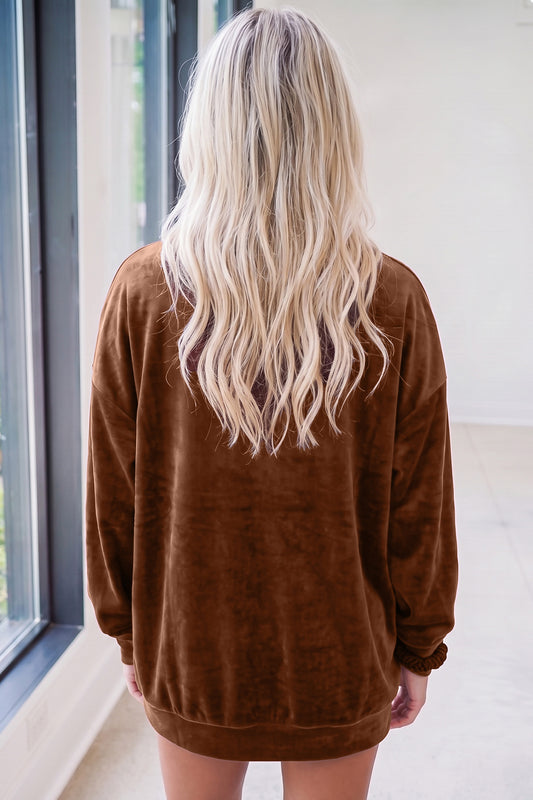
Meanwhile, earthy tones found in the women’s brown clothing collection help create soft luxury fashion aesthetics associated with intentional wardrobe building.
The 3 Colour Rule and Visual Cohesion
The rule of three doesn’t only apply to layering. The 3 colour rule is another powerful styling technique that creates balanced colour palettes without overwhelming an outfit.
The principle is simple:
- Choose one dominant colour
- Add one complementary tone
- Finish with one accent shade
This creates fashion harmony while maintaining a polished look.
Example of a Balanced Colour Palette
- Cream knitwear
- Camel trousers
- Chocolate brown accessories
Or:
- Navy blazer
- White denim
- Tan leather bag
These combinations create effortless chic while maintaining visual outfit balance.
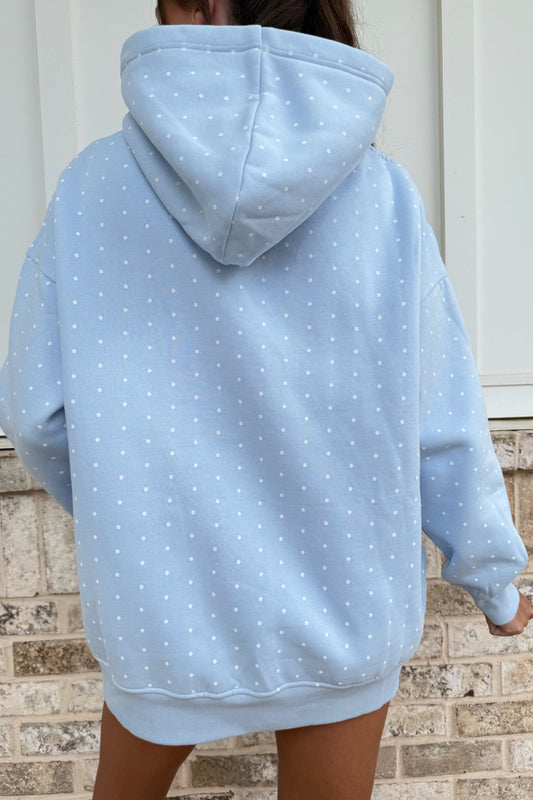
Women experimenting with tonal dressing often gravitate toward collections like the women’s blue clothing collection, where layering similar shades creates sophisticated style without appearing overstyled.
Similarly, soft neutral palettes from the women’s white clothing collection support Scandinavian minimalism and clean girl aesthetic trends.
Texture Mixing: The Missing Element in Outfit Styling
Colour alone doesn’t create visual interest. Texture contrast is equally important in cohesive fashion styling.
Combining materials like:
- Wool and satin
- Denim and leather
- Cotton and cashmere
- Linen and knitwear
adds dimension to even the most minimal style aesthetic.
Texture mixing is particularly important in capsule dressing because it prevents streamlined wardrobes from feeling repetitive.
For example:
- A soft knit layered over tailored trousers
- Smooth leather accessories against chunky knitwear
- Structured outerwear paired with relaxed basics
These combinations create outfit layering strategy and wearable elegance without relying on loud prints or excessive accessories.
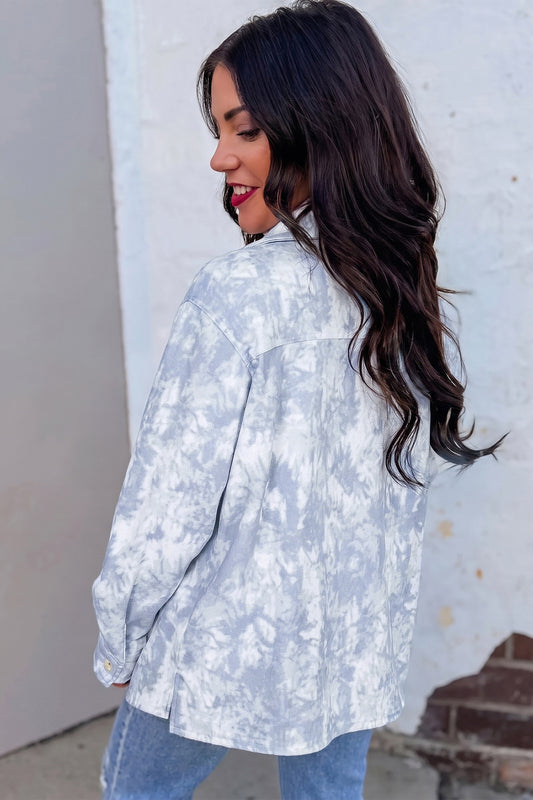
The women’s grey clothing collection is especially effective for experimenting with tonal textures and fashion simplicity while maintaining a refined casualwear aesthetic.
Dressing With Intention Instead of Following Trends
One reason the rule of three fashion method continues to resonate is because it supports intentional fashion choices rather than impulse dressing.
Fast fashion often encourages people to buy complete outfits instead of understanding style structure. But genuinely stylish wardrobes usually rely on:
- Repeatable wardrobe formulas
- Smart wardrobe choices
- Transitional dressing
- Outfit planning
- Elevated essentials
When you understand how to build cohesive outfits, even simple pieces begin to feel more expensive and refined.
This is why many style experts focus on:
- Balanced silhouettes
- Proportion styling
- Smart layering techniques
- Outfit psychology
- Fashion proportions
rather than constantly chasing seasonal trends.
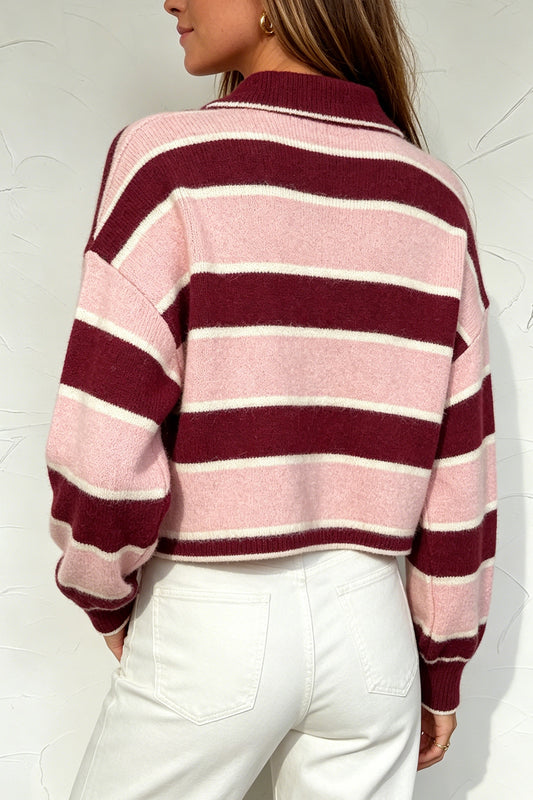
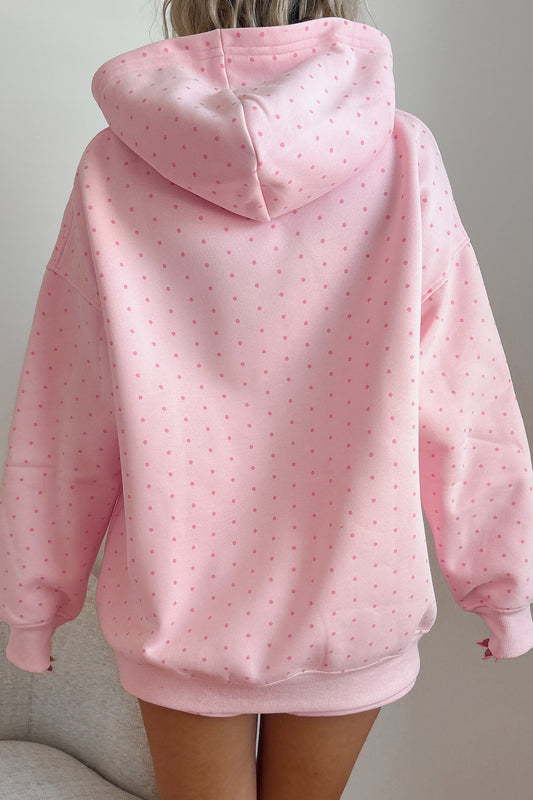
Soft feminine tones from the women’s pink clothing collection can work beautifully when paired with structured tailoring or neutral wardrobe styling, helping create a balanced mix of elegance and modernity.
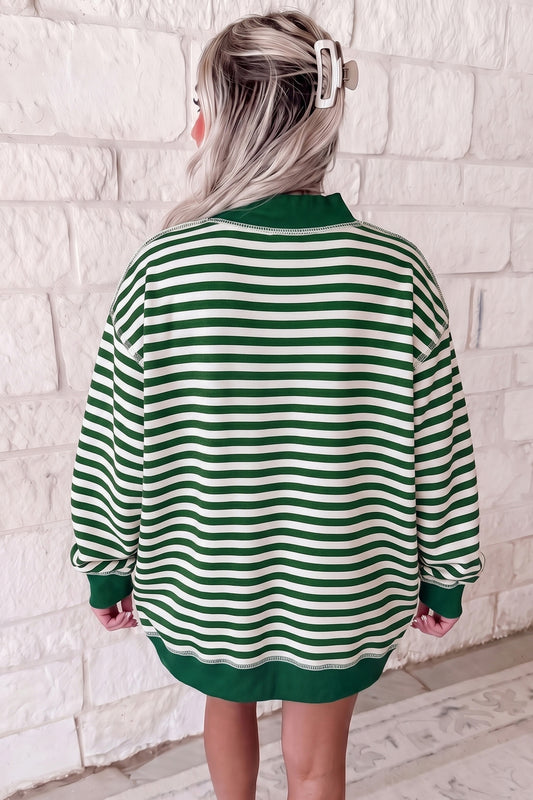
Likewise, rich tones from the women’s green clothing collection add depth to capsule wardrobe styling while maintaining an understated style aesthetic.
Mastering Layering, Accessories, and Outfit Balance
While colour coordination and elevated basics create the foundation of a polished wardrobe, the finishing touches are what truly define a sophisticated style aesthetic. The difference between simply getting dressed and creating a cohesive outfit often lies in understanding layering, accessories styling, and proportion.
The most stylish wardrobes aren’t necessarily the biggest. They are the most intentional.
How Layering Creates Effortless Chic
Layering is one of the oldest fashion styling methods because it instantly adds depth, movement, and visual cohesion. Even the simplest outfit can feel elevated when layers are thoughtfully introduced.
However, successful layering isn’t about piling on more clothing. It’s about creating balanced silhouettes and outfit harmony.
The Best Types of Third Pieces
The ideal “third piece” should complement the outfit rather than overpower it.
Popular options include:
- Tailored blazers
- Lightweight trench coats
- Cropped jackets
- Longline cardigans
- Waistcoats
- Overshirts
- Structured handbags
- Scarves
- Statement belts
A blazer outfit remains one of the easiest ways to create instant sophistication. Structured tailoring sharpens casual basics while maintaining effortless style.
For example, combining denim with pieces from the women’s apricot clothing collection creates soft contrast while preserving an elevated casualwear aesthetic.
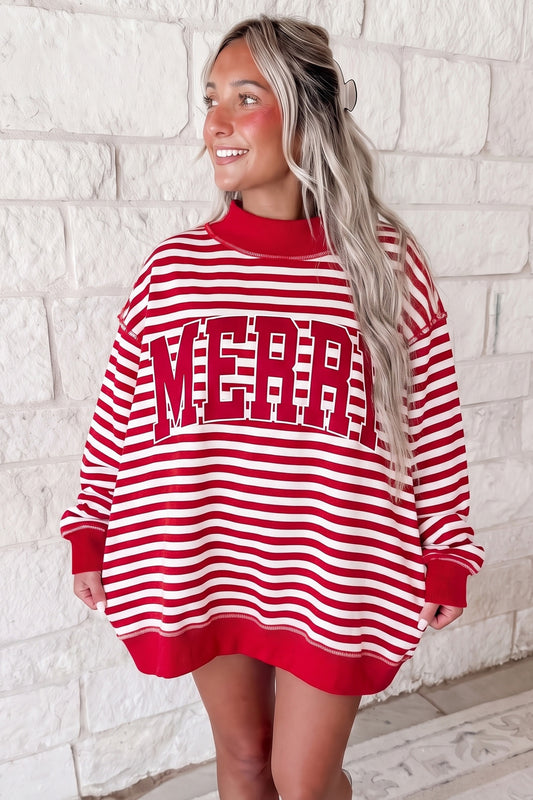
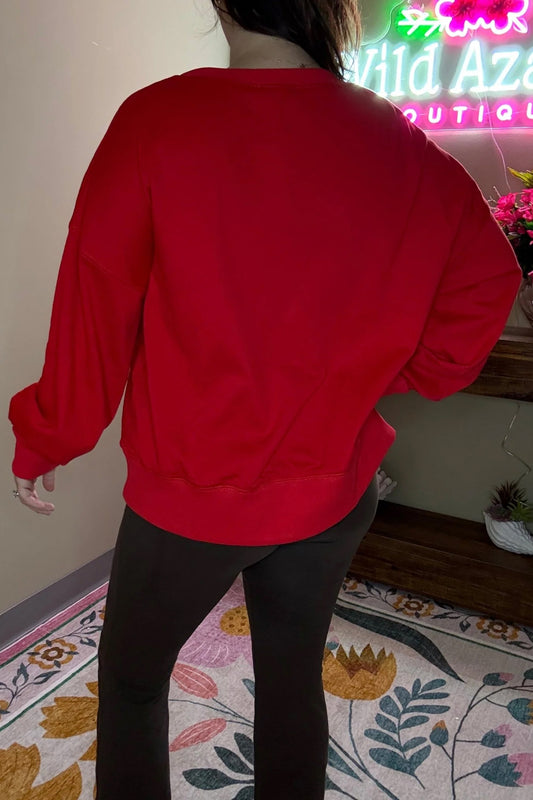
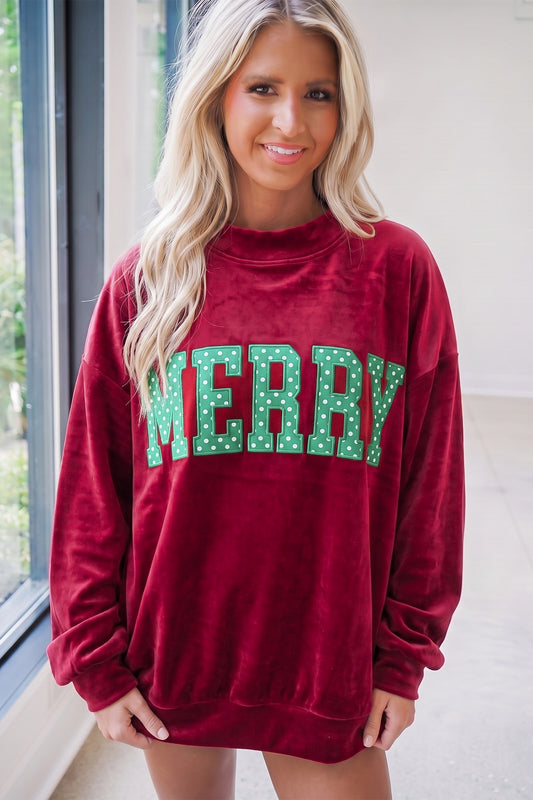
Meanwhile, bold accents from the women’s red clothing collection can act as a statement piece within otherwise neutral outfits, creating visual interest without overwhelming the look.
Understanding Proportion Styling
One of the most overlooked styling basics is silhouette balance.
When every piece in an outfit has the same fit or volume, the overall look can appear flat. The key is contrast.
Examples of Balanced Proportions
| Fitted Piece | Balanced With |
|---|---|
| Slim knitwear | Wide-leg trousers |
| Oversized blazer | Straight-leg denim |
| Relaxed shirt | Tailored trousers |
| Maxi skirt | Cropped knit |
| Chunky knit | Structured coat |
This approach creates outfit architecture that feels polished and intentional.
Fashion confidence often comes from understanding proportions rather than following trends.
Balanced silhouettes also support wardrobe cohesion because pieces become easier to mix and restyle.
Accessories: The Simplest Way to Elevate an Outfit
Accessories styling plays a major role in making outfits feel complete. Even minimal additions can dramatically improve visual outfit balance.
The key is restraint.
Rather than over-accessorising, focus on one or two carefully chosen finishing touches.
Accessories That Instantly Create a Polished Look
- Structured handbags
- Minimal jewellery
- Leather belts
- Classic sunglasses
- Watches
- Silk scarves
- Neutral footwear
- Gold or silver hardware
These additions help transform fashion basics into put-together outfits.
A monochrome outfit, for instance, becomes significantly more elevated when paired with textured accessories or contrasting materials.
Collections like the women’s multicolour clothing range can also introduce subtle colour blocking into neutral wardrobes without disrupting outfit harmony.
Creating a Capsule Wardrobe That Always Works
One reason capsule wardrobes remain so popular is because they simplify outfit planning while increasing wardrobe versatility.
Instead of chasing trends, capsule dressing focuses on:
- Timeless fashion
- Repeatable outfit formulas
- Neutral wardrobe styling
- Elevated essentials
- Transitional dressing
The goal isn’t restriction. It’s creating a streamlined wardrobe where everything works together naturally.
A Strong Capsule Wardrobe Often Includes
Tops
- White shirt
- Neutral knitwear
- Fitted T-shirts
- Layering tanks
Bottoms
- Tailored trousers
- Straight-leg denim
- Midi skirts
Outerwear
- Wool coat
- Blazer
- Lightweight trench
Accessories
- Structured handbag
- Minimal jewellery
- Leather belt
Colour consistency plays a huge role in capsule wardrobe success. Neutral tones create effortless combinations while allowing statement textures or accessories to stand out.
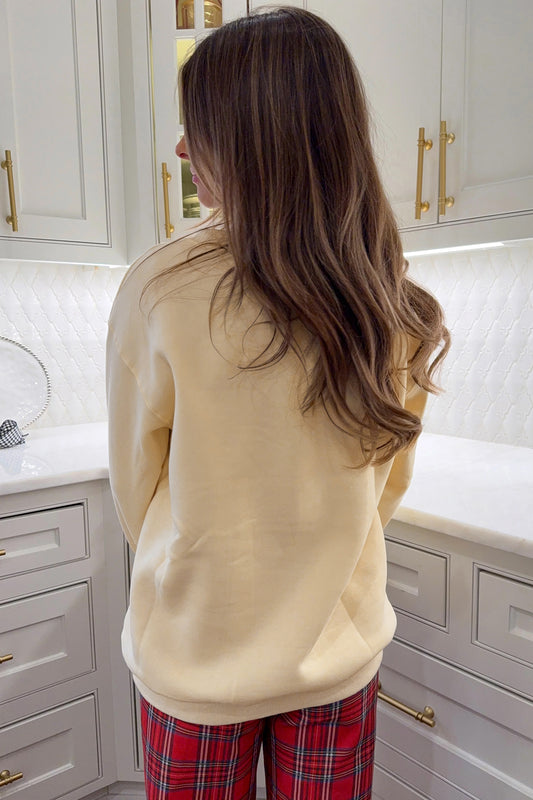
The women’s beige and neutral-inspired tones within the yellow clothing collection work particularly well for quiet luxury style and soft tonal dressing.
Similarly, the women’s purple clothing collection can introduce richness and depth into modern capsule wardrobe styling when paired with understated basics.
The Psychology Behind Looking More Stylish
Outfit psychology is deeply connected to perception. People often interpret cohesive fashion styling as confidence, organisation, and sophistication.
This doesn’t mean expensive clothing is necessary.
In fact, many expensive-looking outfits rely on:
- Neutral palettes
- Consistent colour stories
- Tailored proportions
- Minimal accessories
- Structured layering
- High-quality basics
This explains why minimalist fashion tips continue to dominate modern dressing conversations.
The goal is visual cohesion rather than excess.
How to Make Outfits Look More Expensive
Focus on:
- Fit over trends
- Texture contrast
- Tonal dressing
- Clean silhouettes
- Structured layers
- Intentional accessorising
Avoid:
- Overcomplicated styling
- Excessive colours
- Competing statement pieces
- Unbalanced proportions
These styling tricks help create effortless sophistication even with simple wardrobe staples.
Everyday Elegance Comes From Repetition
Many women assume stylish people naturally know how to dress. In reality, most polished wardrobes rely on repeatable fashion formulas.
The most effective outfits are often built using familiar combinations:
- Tailored layer
- Balanced silhouette
- Coordinated colours
- Minimal accessories
- One focal point
This consistency creates signature style and wardrobe cohesion over time.
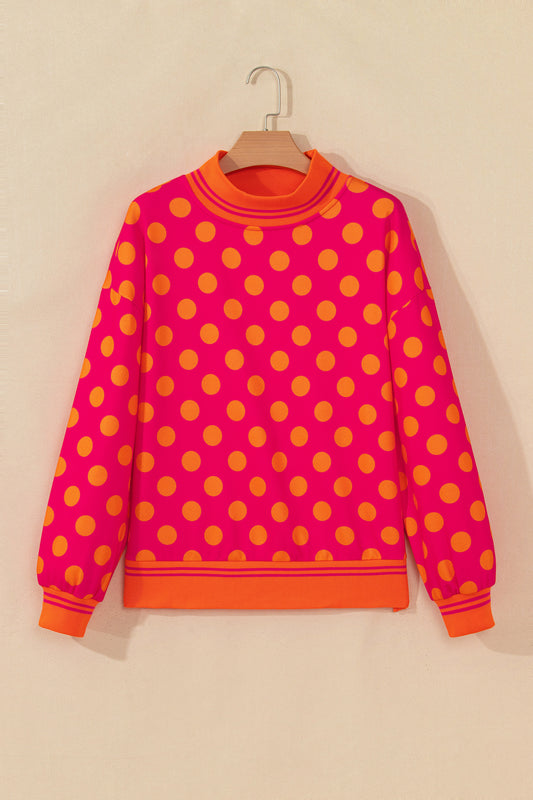
Rich earthy tones from the women’s orange clothing collection can add warmth to transitional dressing, particularly during autumn styling.
Likewise, vibrant pieces from the women’s blue clothing collection work beautifully within contemporary fashion wardrobes that balance classic style with modern dressing.
Why Simplicity Often Wins
One of the biggest misconceptions about fashion is that more effort always equals better style.
In reality, fashion simplicity is often what creates the strongest visual impact.
A carefully layered neutral outfit with thoughtful accessories frequently appears more sophisticated than trend-heavy styling.
That’s why concepts like:
- luxury minimalism
- Scandinavian minimalism
- old money aesthetic
- clean girl aesthetic
- understated style
continue to resonate.
They prioritise:
- outfit harmony
- balance
- timelessness
- intentional dressing
- wearable elegance
And ultimately, that’s the true power behind The Rule of Three: Make Every Outfit Look Put-Together — not adding more for the sake of it, but adding the right finishing element to create cohesion, confidence, and effortless style.
Seasonal Styling and Making the Rule of Three Work Year-Round
One of the biggest advantages of the rule of three fashion approach is its flexibility. It works across every season, every personal style, and nearly every wardrobe aesthetic.
Whether your style leans toward elevated minimalist style, contemporary fashion, Parisian-inspired dressing, or relaxed everyday chic outfits, the same principles apply:
- visual balance
- intentional layering
- colour coordination
- cohesive outfit structure
- smart accessorising
Once you understand these styling foundations, getting dressed becomes significantly easier.
Spring Styling: Light Layers and Soft Colour Coordination
Spring is the perfect season for experimenting with transitional dressing and smart layering techniques.
As temperatures fluctuate throughout the day, lightweight third pieces become essential for both practicality and style balance.
Ideal Spring Third Pieces
- Cropped trench coats
- Relaxed blazers
- Lightweight cardigans
- Denim jackets
- Structured overshirts
This season also works beautifully with softer colour palettes and tonal dressing.
Pastel tones, neutral colours, and subtle complementary colours create a fresh and polished look without appearing overly styled.
The women’s pink clothing collection works particularly well for soft luxury fashion aesthetics during spring, especially when paired with cream tailoring or understated accessories.
Meanwhile, pieces from the women’s white clothing collection help create clean silhouettes associated with effortless sophistication and Scandinavian minimalism.
Spring styling is often most effective when outfits feel light, balanced, and intentionally uncomplicated.
Summer Styling Without Over-Layering
Many people assume layering disappears during warmer months, but the power of three styling method still applies.
In summer, the “third piece” often becomes:
- Statement sunglasses
- Jewellery
- Structured sandals
- A woven handbag
- A linen overshirt
- A belt
- Lightweight scarves
The goal shifts from warmth to outfit cohesion.
Summer Outfit Formula
- Breathable base layer
- Complementary second piece
- Accessory or lightweight statement layer
For example:
- Linen shorts
- White vest top
- Gold jewellery and oversized tote bag
Or:
- Slip dress
- Sandals
- Lightweight shirt worn open
These combinations maintain visual interest without creating heaviness.
Bright seasonal tones from the women’s yellow clothing collection can add warmth and energy to summer capsule dressing while still supporting balanced colour palettes.
Similarly, the women’s orange clothing collection works beautifully for contemporary fashion styling when paired with neutral accessories and natural textures.
Autumn: The Perfect Season for Layering
Autumn is arguably where the third piece rule becomes most impactful.
Texture mixing, structured outerwear, and tonal dressing naturally dominate autumn wardrobes, making outfit layering strategy especially effective.
Key Autumn Styling Elements
- Wool coats
- Chunky knitwear
- Leather boots
- Tailored blazers
- Scarves
- Structured handbags
This season is ideal for experimenting with:
- monochrome fashion
- neutral wardrobe styling
- outfit architecture
- balanced silhouettes
- understated style
Earthy palettes often feel especially sophisticated during autumn dressing.
Rich shades from the women’s brown clothing collection pair effortlessly with cream, black, camel, and olive tones for quiet luxury style aesthetics.
Meanwhile, the women’s green clothing collection can introduce depth and richness while maintaining timeless style and wearable elegance.
Winter Styling and Elevated Outerwear
In winter, outerwear often becomes the focal point of an outfit. This makes structured layering and silhouette styling even more important.
A polished coat instantly elevates simple basics underneath.
Winter Outfit Styling Tips
Focus on:
- Longline coats
- Tonal knitwear
- Texture contrast
- Coordinated accessories
- Minimal colour palettes
Prioritise:
- Proportion styling
- Layer balance
- Outfit harmony
- Smart wardrobe choices
For example:
- Black knitwear
- Tailored trousers
- Camel wool coat
- Leather boots
This combination feels refined, timeless, and intentionally styled.
The women’s grey clothing collection works exceptionally well for winter layering because tonal greys naturally create visual cohesion and elevated minimalist style.
Likewise, pieces from the women’s black clothing collection remain foundational for capsule wardrobes centred around effortless chic and modern dressing.
Developing a Signature Style
The most stylish wardrobes are rarely trend-driven. Instead, they reflect consistency, confidence, and wardrobe cohesion.
Developing a signature style doesn’t mean wearing the same thing every day. It means understanding:
- what silhouettes suit you
- which colours work together
- how to create visual balance
- what styling formulas feel authentic
Over time, this creates a more intentional wardrobe and reduces decision fatigue.
Questions That Help Define Personal Style
- Which colours make you feel confident?
- Do you prefer structure or softness?
- Are your outfits built around comfort, tailoring, or minimalism?
- Which pieces do you repeatedly reach for?
- What outfits make you feel most polished?
The answers often reveal the foundations of your style identity.
Why Fashion Confidence Starts With Simplicity
Many people believe style requires constant reinvention, but the opposite is often true.
The most effective wardrobes are built around:
- timeless fashion
- elevated essentials
- repeatable outfit formulas
- balanced colour palettes
- cohesive fashion styling
This is why fashion rules for women continue evolving toward simplicity and intentional dressing rather than excess.
The rule of three works because it encourages:
- thoughtful styling
- balanced silhouettes
- effortless layering
- visual cohesion
- smart accessorising
Most importantly, it creates outfits that feel complete without feeling overdone.
Final Thoughts
Learning how to create put-together outfits isn’t about owning more clothing. It’s about understanding how pieces work together.
A simple blazer, structured handbag, tonal scarf, or carefully chosen accessory can completely transform an outfit’s energy. These subtle additions create fashion harmony, outfit balance, and effortless style in ways trend-heavy styling often cannot.
Whether you prefer:
- luxury minimalism
- classic style
- soft luxury fashion
- capsule dressing
- elevated casualwear
- modern wardrobe formulas
the same principles remain timeless:
- balance
- cohesion
- proportion
- simplicity
- intentional dressing
And ultimately, that’s the enduring appeal of The Rule of Three: Make Every Outfit Look Put-Together — a styling method that proves great fashion is often less about complexity and more about thoughtful finishing touches.
Frequently Asked Questions About The Rule of Three and Put-Together Outfits
1. What is the “third piece” in an outfit?
The third piece is an extra styling element added to a basic outfit to create visual interest and outfit cohesion. If your base outfit consists of two pieces — such as jeans and a top — the third piece could be:
- A blazer
- Coat
- Cardigan
- Belt
- Scarf
- Structured handbag
- Statement jewellery
The purpose is to make the outfit feel more intentional, polished, and balanced.
2. Does the rule of three work with minimalist fashion?
Yes. In fact, the rule of three fashion method works exceptionally well with minimalist wardrobes because it focuses on proportion, structure, and subtle styling details rather than excessive layering or bold trends.
Minimalist outfits often rely on:
- Neutral colours
- Elevated basics
- Clean silhouettes
- Texture contrast
- Smart accessorising
to create effortless sophistication.
3. Can accessories count as the third piece?
Absolutely. Accessories are often the easiest way to complete an outfit without adding bulk or complexity.
Some of the most effective third-piece accessories include:
- Structured bags
- Belts
- Sunglasses
- Watches
- Scarves
- Layered jewellery
These finishing touches help create a polished look while maintaining outfit harmony.
4. How do I avoid looking overdressed when using layering techniques?
The key is balance. Successful layering should feel intentional rather than excessive.
To keep outfits refined:
- Stick to complementary colours
- Use one statement element at a time
- Balance oversized pieces with fitted silhouettes
- Focus on texture mixing rather than too many bold prints
Effortless style often comes from restraint and simplicity.
5. What colours work best for cohesive outfit styling?
Neutral palettes are usually the easiest starting point because they naturally create visual cohesion.
Popular combinations include:
- Black, cream, and camel
- Navy, white, and tan
- Grey, beige, and soft brown
- Olive, cream, and black
Tonal dressing and monochrome outfit styling are also effective for creating elevated minimalist style.
6. Is the rule of three suitable for every body shape?
Yes. The styling method is highly adaptable because it focuses more on outfit balance and proportion styling than specific trends.
The most important factor is choosing third pieces that complement your silhouette:
- Cropped jackets can define the waist
- Longline coats can elongate the frame
- Structured blazers can create shape
- Belts can improve proportion balance
The right layering pieces help create balanced silhouettes regardless of body type.
7. How can I make casual outfits look more expensive?
Small styling adjustments can significantly elevate casualwear.
Focus on:
- Tailored outerwear
- Coordinated colour palettes
- Minimal accessories
- High-quality textures
- Structured handbags
- Clean footwear
Even simple basics can appear more refined when styled with intentional dressing principles.
8. What’s the difference between the rule of three and the 3 colour rule?
Although related, they focus on different aspects of styling.
- The rule of three refers to adding a third visual element or layer to complete an outfit.
- The 3 colour rule focuses on limiting outfits to three coordinated colours for visual balance and outfit harmony.
Both methods help create cohesive fashion styling and effortless chic.
9. Can the rule of three work with bright colours and prints?
Yes, but balance becomes especially important.
When styling bold colours or prints:
- Keep the third piece more neutral
- Avoid too many competing statement items
- Use colour coordination to maintain harmony
- Incorporate texture instead of additional patterns
This helps prevent outfits from feeling visually overwhelming.
10. Why do simple outfits sometimes look more stylish than trend-heavy outfits?
Simple outfits often appear more sophisticated because they prioritise:
- Fit
- Proportion
- Cohesion
- Colour balance
- Intentional styling
Trend-heavy outfits can sometimes feel cluttered or lack visual structure. By contrast, timeless fashion and elevated essentials create a cleaner, more refined appearance that feels effortlessly put-together.