
The Babydoll Lingerie Comeback Nobody Predicted
Babydoll lingerie is having one of fashion's more unexpected revivals. Once associated with floaty vintage nightwear, then rebellious 1990s styling, the babydoll has returned to a fashion landscape obsessed with sheer fabrics, romantic femininity, lingerie as outerwear and nostalgic dressing. Yet this isn't simply an old nightie being pulled from the archive.
The modern babydoll sits somewhere between lingerie, nightwear and fashion. Its loose-fitting silhouette, short hem, delicate fabrics and deliberately exaggerated femininity make it unusually compatible with several current aesthetics at once. Depending on how it is made and styled, a babydoll can feel romantic, sensual, playful, retro, glamorous or surprisingly subversive.
The comeback, in brief
- Babydoll lingerie has moved back into the fashion conversation, alongside the wider revival of romantic lingerie, sheer dressing and underwear as outerwear.
- The style has history. Its story stretches through vintage lingerie, mid-century nightwear, 1960s fashion and the grunge-inflected 1990s before arriving at today's hyper-feminine aesthetic.
- A classic babydoll usually combines a short, loose or floaty silhouette with fabrics such as lace, mesh, chiffon, satin or other sheer materials.
- The appeal isn't purely nostalgic. Today's babydoll can move between bedroom lingerie, nightwear and fashion-inspired styling, making the silhouette unusually adaptable.
- Its contradictions are part of the attraction: innocence and sensuality, softness and rebellion, nostalgia and modernity can coexist in the same garment.
- The current lingerie revival also connects the babydoll with wider ideas such as coquette styling, soft-girl fashion, romantic dressing and lingerie as outerwear.
- If you're discovering the silhouette for the first time, HannaBanna's babydolls and chemises are a useful place to see how the category translates into contemporary lingerie.
The interesting thing about the babydoll isn't simply that it has returned. It's that a garment with so much fashion history suddenly looks entirely at home again.
Wait — the Babydoll Is Back?
Apparently, yes.
Fashion has a habit of resurrecting pieces just when everybody assumes their moment has passed. Low-rise trousers return. Ballet flats reappear. Sheer dressing moves from the runway into everyday wardrobes. Something once dismissed as dated suddenly looks remarkably current when placed in a different context.
The babydoll fits that pattern almost perfectly.
For years, babydoll lingerie could easily be thought of as a specialist lingerie silhouette: short, loose, feminine and often sheer, with the fabric falling away from the body rather than closely following every curve.
Now look at the broader fashion mood.
Ruffles are back. Lace barely went anywhere. Sheer fabrics are everywhere. Romantic fashion has become less apologetic. Pastels, bows, ballet flats and Mary Janes have found new audiences. Meanwhile, lingerie-inspired fashion continues to blur the line between clothes designed for the bedroom and clothes influenced by them.
Suddenly, the babydoll doesn't seem remotely out of place.
It seems almost inevitable.
That is perhaps the strangest part of the babydoll comeback: the ingredients were sitting in front of us all along.
Why does the babydoll suddenly make sense again?
There isn't one neat explanation. Instead, several fashion currents appear to have converged around the silhouette:
- Nostalgia is still powerful. Fashion continues to revisit earlier decades rather than moving forward in a perfectly straight line.
- Hyper-femininity has become playful again. Ruffles, lace, softness and deliberately romantic details no longer have to be understated.
- Sheer dressing has become mainstream fashion language. Mesh, chiffon, lace and transparent layers naturally overlap with the materials long associated with lingerie.
- Underwear as outerwear keeps evolving. Corsetry, slips, bralettes and lingerie-inspired dresses have helped dissolve some of the old boundaries between underwear and clothing.
- The babydoll is easy to reinterpret. Change the fabric, length, opacity or styling and the same basic silhouette can move from a nightgown to a mini dress, from romantic lingerie to grunge fashion.
And then there is the shape itself.
Unlike lingerie designed principally around close contouring, a babydoll can deliberately float away from the body. That gives it movement. It can skim rather than cling, while lace, satin, chiffon or mesh provide the sensual detail.
The result is a silhouette that can feel revealing without relying entirely on bodycon construction.
For anyone exploring different silhouettes rather than one specific style, a broader look through contemporary lingerie shows just how varied the category has become.
What Actually Makes Something a Babydoll?
The name gets used rather loosely.
A short nightdress might be called a babydoll. So might a sheer lingerie piece, a lace chemise or even a loose mini dress. In fashion, babydoll dress can describe something that isn't underwear at all.
There is, however, a recognisable design language behind the term.
A traditional babydoll nightwear silhouette is generally short and relatively loose through the body, often with fullness beginning around or beneath the bust. Rather than defining the natural waist, the garment typically falls or flares away from it.
That creates the familiar floaty silhouette.
Common babydoll details can include:
- lace or decorative trim;
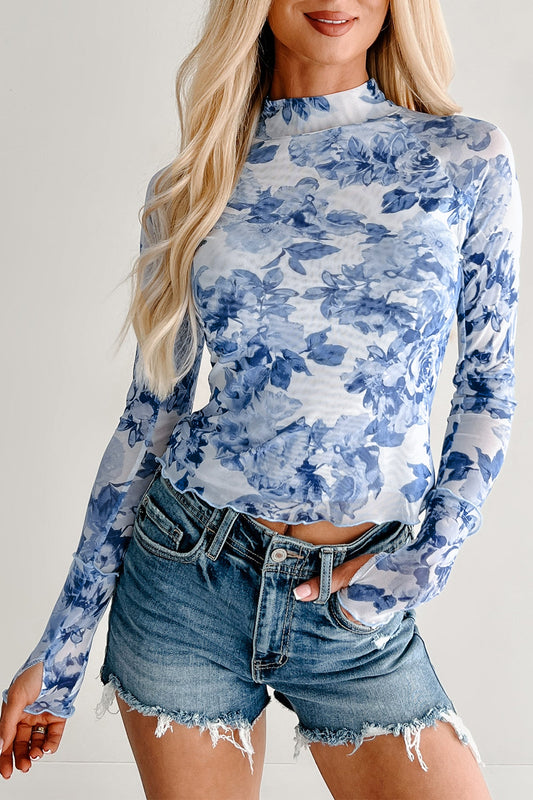
- sheer mesh, chiffon or georgette;
- satin or silky-feeling fabrics;
- gathered or flared skirts;
- bust detailing;
- ruffles, bows or floral elements;
- adjustable or delicate straps;
- matching knickers in some babydoll sets.
Not every piece needs every feature. In fact, much of the babydoll's longevity comes from how easily designers can alter the formula.
Make it opaque and structured and the silhouette starts drifting towards a babydoll dress.
Make it softer and longer and it may resemble a nightgown or chemise.
Use transparent mesh or lace and it becomes unmistakably sheer lingerie.
Add ruffles, bows and pastel tones and the result can lean into a soft-girl or coquette aesthetic. Replace that sweetness with dark lace, messy styling and chunky boots, and suddenly echoes of 1990s grunge begin to appear.
Same family. Completely different mood.
Babydoll vs chemise: are they the same thing?
Not quite, although retailers and shoppers sometimes use the terms interchangeably.
A chemise will often fall closer to the body, creating a straighter or more fitted line. A babydoll, by contrast, is typically associated with more volume through the lower portion of the garment — that recognisable flared, airy shape.
Think of the distinction less as a rigid rule and more as a spectrum:
Chemise → closer, sleeker silhouette
Babydoll → looser, flared, more voluminous silhouette
Fabric and construction can blur the boundary considerably.
That ambiguity becomes especially interesting when the babydoll leaves the lingerie drawer altogether.
From Nightwear to Fashion Statement
The modern conversation around lingerie as outerwear didn't begin with the babydoll. Fashion has repeatedly taken garments, fabrics and construction techniques associated with underwear and moved them into public view.
Slips become dresses.
Corsetry becomes eveningwear.
Bras become visible components of an outfit.
Lace and sheer panels migrate from lingerie into tops and dresses.
The babydoll is particularly suited to this movement because its basic architecture already resembles clothing. Increase the opacity, rethink the neckline, adjust the fabric and suddenly the distance between babydoll underwear and a loose mini dress becomes remarkably small.
That relationship between private and public dress is one reason the style keeps returning.
It can cross boundaries.
And historically, it has done exactly that.
The story behind the modern babydoll aesthetic runs much deeper than a viral microtrend. Before today's romantic lingerie revival, before the soft-girl aesthetic, before contemporary sheer dressing, there were earlier versions of the same push and pull between femininity, sexuality, youth culture and rebellion.
To understand why the babydoll feels so unexpectedly relevant now, we have to go backwards — to the nightwear that helped establish the silhouette, the provocative cultural associations attached to its name, and the moment when 1960s fashion took its youthful proportions out of the bedroom and into the wider wardrobe.
And that is where the comeback story gets much more interesting.
Before It Was a Trend, It Was Nightwear
Long before the babydoll became shorthand for a particular kind of feminine aesthetic, its story belonged to the bedroom.
The early silhouette was practical as well as decorative: short, loose and considerably less restrictive than many fitted garments. American lingerie designer Sylvia Pedlar is closely associated with the development of short nightwear in the 1940s, helping establish the shape that would eventually become recognisable as the modern babydoll.
But there is an important distinction between the garment and the name.
The short nightgown existed before babydoll became its enduring label.
That terminology became culturally charged during the 1950s, particularly through the controversial 1956 film Baby Doll, adapted from work by Tennessee Williams and starring Carroll Baker.
Baker's character appeared in short, youthful-looking nightwear, and the film helped cement an association between the phrase baby doll and a provocative combination of apparent innocence and adult sexuality.
It is a tension that has followed the garment ever since.
The babydoll has rarely been just "something pretty to sleep in." Its cultural power comes from contradiction: covered yet revealing, loose yet sensual, sweet yet deliberately provocative.
That contradiction matters because it explains why the babydoll has been capable of surviving radically different fashion eras.
It doesn't have one fixed personality.
The 1960s Took the Babydoll Out of the Bedroom
Then fashion shortened.
The 1960s brought youth culture to the centre of the fashion conversation, and silhouettes became increasingly playful, abbreviated and experimental. Short hemlines and waistless shapes offered an obvious route for the visual language of nightwear to migrate into daywear.
The relationship wasn't necessarily literal — a fashionable woman wasn't simply walking outside in her nightie — but the silhouettes began speaking the same language.
Loose shapes.
High or undefined waistlines.
Short hems.
Volume through the body.
A rejection of the tightly controlled hourglass.
Designers including Cristóbal Balenciaga and Hubert de Givenchy explored shapes that moved away from conventional waist definition. The trapeze silhouette, in particular, helped establish the idea that a dress could fall outward from the upper body rather than being constructed around an emphasised waist.
That shift is crucial to understanding babydoll fashion.
The silhouette could now exist in two worlds.
In lingerie, it was soft, intimate and frequently sheer.
In fashion, it could become an abbreviated dress with enough structure or opacity to work as outerwear.
Add the youthful energy associated with figures such as Twiggy and Brigitte Bardot, and the babydoll-adjacent shape became part of a much wider conversation about modern femininity.
The shape was quietly rebellious
It can be difficult to see this now because loose mini dresses are so familiar, but refusing to emphasise the waist was once a meaningful design decision.
For much of women's fashion history, clothing had repeatedly manipulated the body into a fashionable silhouette. Waists were tightened, busts shaped, hips emphasised or suppressed.
A loose, waistless dress did something different.
It created volume without requiring the body beneath it to provide the shape.
That's one reason the babydoll dress has always contained more attitude than its sweet appearance suggests.
Its femininity isn't necessarily about displaying the body as clearly as possible.
Sometimes it does the opposite.
The garment can conceal the waist and skim the hips while simultaneously exposing more leg through its short hem. A sheer babydoll can reveal the body through fabric while refusing to cling to it.
Concealment and exposure happen at the same time.
That visual contradiction would become even more potent decades later.
Then the 1990s Made It Messy
If the 1960s made the babydoll youthful, the 1990s made it dangerous.
Not literally dangerous, of course. Dangerous to expectations.
The decade's alternative fashion scenes had little interest in keeping traditionally feminine clothes pristine. Delicate dresses could be paired with scuffed shoes, messy hair, ripped tights, dark makeup and the general impression that sweetness had been dragged through a particularly loud gig.
This was where the babydoll silhouette found one of its most memorable reinventions.
Courtney Love, frontwoman of Hole, became closely associated with short vintage-style dresses, slips and deliberately dishevelled femininity. Kat Bjelland of Babes in Toyland explored related visual territory, while the broader Riot Grrrl era challenged conventional assumptions about how femininity, anger, sexuality and female self-expression were supposed to look.
The resulting kinderwhore aesthetic remains controversial terminology, but as a description of a particular strand of 1990s alternative fashion it captures the deliberate collision involved:
- pretty dresses with aggressive styling;
- lace with ripped tights;
- bows with smeared makeup;
- delicate fabrics with chunky boots;
- innocence coded against rebellion;
- conventional femininity deliberately made uncomfortable.
It was a kind of weaponised innocence.
And the babydoll was almost perfectly built for it.
Why Grunge Loved the Babydoll Dress
Grunge fashion is remembered for flannel, denim, oversized knitwear and boots, but its relationship with overtly feminine clothing is equally interesting.
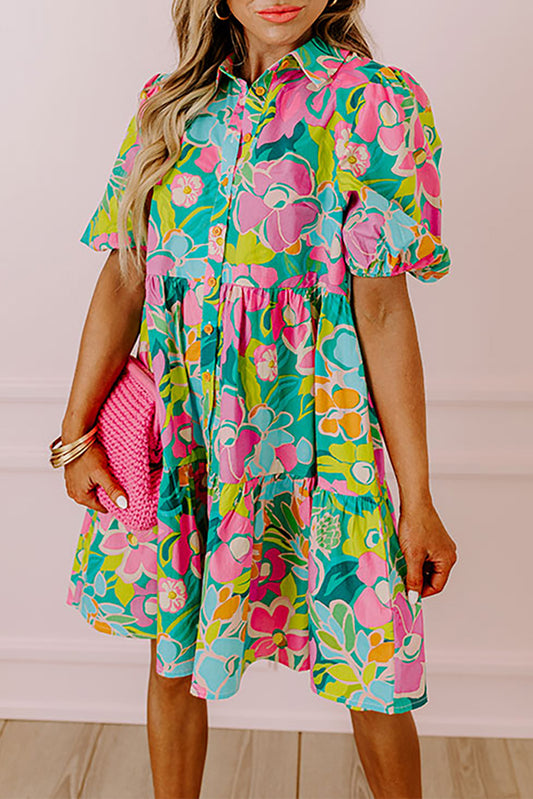
A floral babydoll dress worn exactly as intended can look romantic.
Wear that same dress with battered boots and deliberately imperfect styling and the meaning changes.
That is the power of contrast.
The garment doesn't need to become masculine to look rebellious. Instead, its femininity becomes part of the rebellion.
This distinction helps explain why the babydoll has lasted while countless other microtrends disappeared.
One silhouette can tell completely different stories
| Styling direction | What the babydoll communicates |
|---|---|
| Lace + sheer fabric | Sensual, romantic lingerie |
| Satin + delicate trim | Boudoir glamour |
| Pastels + bows + ruffles | Soft, hyper-feminine styling |
| Floral print + Mary Janes | Nostalgic, youthful fashion |
| Floral dress + chunky boots | 1990s grunge contrast |
| Dark lace + heavier styling | Alternative femininity |
| Opaque fabric + polished accessories | Contemporary mini-dress territory |
| Sheer layers + visible lingerie | Modern underwear-as-outerwear styling |
This flexibility is important.
The babydoll didn't survive because fashion kept repeating exactly the same garment.
It survived because each generation could project something different onto the shape.
From Rebellion to Nostalgia
Fast-forward again and the 1990s itself becomes vintage inspiration.
Fashion does this constantly.
One generation rebels against the previous generation's clothes. Another rediscovers them. Eventually, something that once looked aggressively contemporary becomes a reference point for nostalgic fashion.
The babydoll has now travelled through enough cycles that several eras can be referenced simultaneously.
A modern piece can evoke the softness of vintage lingerie, the abbreviated proportions of 1960s fashion, the deliberately imperfect femininity of the 1990s and the sheer, body-conscious experimentation of contemporary styling.
That makes the current lingerie revival difficult to pin to one decade.
It is less historical reenactment than collage.
A lace-trimmed mini dress might feel vaguely sixties.
Add chunky boots and it becomes nineties.
Swap those boots for ballet flats or Mary Janes and the mood changes again.
Make the fabric transparent and style it over visible underwear and suddenly you're firmly in contemporary lingerie as outerwear territory.
Fashion history hasn't returned in an orderly queue.
It has arrived all at once.
The New Babydoll Isn't Trying to Look Vintage
This is where the babydoll lingerie trend becomes more interesting than a straightforward retro revival.
Today's versions don't necessarily look like vintage nightwear.
Some do, certainly. Lace, satin, chiffon, mesh and decorative trims naturally lend themselves to a retro-lingerie aesthetic. But contemporary interpretations can be cleaner, sheerer, darker, brighter or far more minimal.
The basic silhouette matters more than rigid adherence to historical detail.
And that helps the babydoll connect with several aesthetics currently occupying the same fashion ecosystem.
Coquette, soft-girl and romantic dressing
The coquette aesthetic has helped make bows, lace, delicate details and conspicuously romantic femininity feel culturally visible again.
The soft-girl aesthetic overlaps through pastel shades, gentle textures and an intentionally feminine presentation.
Balletcore contributes ballet flats, ribbons, delicate layers and body-conscious contrasts.
Then there is the broader move towards hyper-femininity — clothing that doesn't merely accept traditionally feminine details but exaggerates and celebrates them.
A babydoll can participate in all of these trends without belonging exclusively to any of them.
That matters.
Microtrends can disappear almost as quickly as they emerge. A silhouette with decades of history has a better chance of surviving because it can be reinterpreted after one particular aesthetic loses momentum.
The babydoll was around before anyone called an outfit coquette.
It can be around afterwards.
And Then Lingerie Started Escaping the Bedroom Again
Perhaps the biggest reason the babydoll feels relevant now is that the boundary between underwear and outerwear has become increasingly porous.
This isn't new.
Fashion has repeatedly exposed garments that previous generations expected to remain hidden. But contemporary lingerie-inspired fashion has become remarkably comfortable borrowing the visual language of underwear without necessarily reproducing underwear itself.
Corset-inspired tops.
Slip dresses.
Sheer skirts.
Visible bras.
Lace-trimmed dresses.
Transparent layers.
Satin pieces that deliberately resemble nightwear.
The question is no longer simply, Is this underwear or clothing?
Sometimes the ambiguity is the point.
A babydoll chemise might remain firmly within lingerie. An opaque babydoll dress is clearly fashion. Between those two poles sits an enormous creative middle ground.
This is where nightwear as daywear, nightwear as outerwear and bedroom-to-street styling start to overlap.
The same floaty silhouette can be interpreted differently depending on fabrication, transparency, layering and context.
That also explains why sheer fabrics matter so much to the comeback.
Sheer Is Doing a Lot of the Work
Mesh, chiffon, georgette, lace and sheer organza all allow designers to play with the relationship between fabric and skin.
Opacity is no longer binary.
A garment can reveal one area, blur another and conceal something else entirely. Layering can turn transparency into part of the construction rather than simply a means of showing more skin.
Babydolls are unusually compatible with this approach because their volume gives sheer fabric somewhere to move.
Instead of stretching tightly against the body, chiffon can float. Mesh can layer. Lace can create areas of transparency and coverage. A fuller skirt can move independently of the body beneath it.
That combination creates a distinctly modern version of sensuality.
Not necessarily tighter.
Not necessarily smaller.
Just more deliberate about what is revealed and what isn't.
And this may be the most important clue to why modern babydoll lingerie has returned at this particular moment.
The current fashion conversation isn't only rediscovering femininity.
It's rediscovering how many different forms femininity can take.
Soft.
Sensual.
Exaggerated.
Romantic.
Nostalgic.
Subversive.
Sometimes all in the same outfit.
Which brings us to the part of the comeback that deserves closer attention: why women are actually responding to the babydoll again, how the modern versions differ from their predecessors, how to choose and style one, and whether this is really a passing 2026 lingerie trend — or a silhouette that never disappeared in the first place.
So Why Is the Babydoll Back Now?
Fashion revivals rarely happen because everybody wakes up on the same Tuesday and decides to resurrect one garment.
Usually, the conditions change first.
And right now, conditions are unusually favourable for the babydoll.
The wider lingerie trends of 2026 are colliding with several ideas that have been building for years: sheer dressing, romantic fashion, vintage-inspired lingerie, nostalgic dressing, hyper-femininity and the continuing fascination with lingerie as outerwear.
The babydoll happens to sit at the intersection of almost all of them.
It can be sheer without being skin-tight.
It can be feminine without being formal.
It can reference vintage lingerie without looking like a costume.
And it can be sensual while giving the body considerably more freedom than many traditionally figure-hugging lingerie silhouettes.
That's quite a résumé for one little nightdress.
It also offers something bodycon lingerie doesn't
For years, much of the visual language surrounding sexy lingerie has focused on contouring.
Straps trace the body. Corsetry shapes it. Stretch fabrics follow it. Structured cups lift it.
Those styles aren't disappearing, nor should they. But a babydoll offers a fundamentally different proposition.
Instead of asking the fabric to follow every line of the torso, it allows fabric to fall away from it.
That distinction can completely change how lingerie feels.
The bust may be defined while the stomach and hips remain beneath a looser layer. A sheer babydoll can reveal the outline of the body through transparency without requiring the garment itself to cling.
For some wearers, that's simply more comfortable.
For others, it's the movement that appeals.
And for others still, it is precisely the combination of concealment and revelation that makes the silhouette attractive.
There isn't one correct reason to wear one.
The Modern Babydoll Has Grown Up
The word babydoll can still conjure a very specific mental picture: something short, frothy and extremely sweet.
Modern versions are much broader than that.
A contemporary babydoll might be made from delicate lace, transparent mesh, satin or lightweight chiffon. It might be pastel and romantic, dark and dramatic, minimalist or elaborately decorated.
Some emphasise the bust and then flare dramatically.
Others fall more softly.
Some are unmistakably bedroom lingerie.
Others sit remarkably close to fashion.
That variety is one reason the babydoll lingerie revival feels less like the resurrection of a single garment and more like the return of a useful silhouette.
Today's babydoll can be:
- Romantic: lace, florals, ruffles and softer shades.
- Minimal: clean lines, restrained detailing and an uncluttered silhouette.
- Sheer: mesh, lace or chiffon used to play with transparency.
- Glamorous: satin finishes and more decorative detailing.
- Retro: details referencing vintage nightwear or 1960s lingerie.
- Alternative: darker fabrics and styling that nods towards the grunge aesthetic.
- Playful: bows, pastel colours and details associated with coquette or soft-girl fashion.
The shape survives because it isn't trapped inside any one of those categories.
How to Choose a Babydoll You'll Actually Want to Wear
Trends are interesting. Comfort is more useful.
If you're choosing babydoll lingerie, start with how you want the garment to feel rather than attempting to reproduce a particular aesthetic perfectly.
1. Decide how much transparency you want
Not every babydoll is completely sheer.
If you love the visual effect of transparent lingerie, mesh, chiffon and lace are obvious places to begin. If you prefer more coverage, look for designs using opaque or semi-opaque panels, satin or layered fabric.
There is a substantial difference between delicate and transparent, even though lingerie marketing sometimes treats them as synonyms.
Choose the level of coverage that makes sense to you.
2. Look at where the garment begins to flare
This detail has an enormous effect on the finished silhouette.
A style that falls away directly beneath the bust can create a more pronounced, traditional babydoll shape. A design that stays closer to the torso before widening may feel more streamlined.
Neither is inherently better.
The important question is whether you want dramatic volume or a subtler interpretation.
3. Pay attention to the bust construction
Babydolls may use soft cups, underwiring, seams, stretch fabrics or relatively unstructured bodices.
If support matters to you, don't assume that every loose-fitting babydoll will provide the same experience.
Look at the construction of the upper section separately from the skirt.
The floaty lower half might attract your attention first, but the bodice often determines whether you'll actually enjoy wearing it.
4. Think about fabric as much as appearance
Fabric changes everything.
Satin creates a smoother, more polished impression.
Lace introduces texture and detail.
Mesh can feel modern and visually light.
Chiffon creates movement.
Different fabrics can turn almost identical silhouettes into completely different garments.
5. Don't become obsessed with the label
Babydoll. Chemise. Nightdress. Nightie.
The boundaries between these categories aren't always precise.
If a garment has the coverage, construction and silhouette you want, the terminology on the product page matters considerably less than how it actually fits into your wardrobe.
Babydoll or Chemise?
This question deserves another look because the two categories often appear beside each other.
The easiest distinction is volume.
A chemise usually has a straighter line and tends to sit closer to the body. A babydoll generally creates more fullness beneath the bust or upper torso.
But lingerie design doesn't obey dictionary definitions.
Some chemises flare.
Some babydolls are relatively fitted.
Some designs deliberately combine elements of both.
So rather than asking only Which category am I supposed to buy?, compare the characteristics that will actually affect the experience:
| Consideration | Babydoll | Chemise |
|---|---|---|
| Typical silhouette | Loose or flared | Straighter or closer-fitting |
| Waist definition | Usually minimal | Often more visible |
| Movement | Typically floatier | Typically sleeker |
| Traditional length | Short | Short to mid-length |
| Common fabrics | Lace, mesh, chiffon, satin | Lace, mesh, satin, stretch fabrics |
| Overall impression | Airy, playful, romantic | Sleek, sensual, streamlined |
These are tendencies rather than hard rules.
The most useful distinction remains simple: babydolls generally create space around the body; chemises generally follow it more closely.
How to Style the Babydoll Trend
This is where things get fun.
A babydoll worn as lingerie doesn't require "styling" in the fashion-editor sense at all. Wear it because you like it.
But the wider babydoll fashion revival has opened several possibilities for lingerie-inspired dressing.
The key is understanding the difference between actual underwear and clothing designed to reference underwear.
Not every piece of lingerie is constructed or sufficiently opaque to be worn as a dress in public. Fabric transparency, garment length, movement and local context all matter.
With that caveat firmly in place, the babydoll silhouette offers plenty of inspiration.
For romantic dressing
Lean into softness rather than fighting it.
Think:
- floaty fabrics;
- delicate jewellery;
- ballet flats or Mary Janes;
- subtle floral details;
- lace;
- cardigans or soft knitwear;
- restrained pastel shades.
This approach brings the romantic femininity of the garment forward.
It can overlap naturally with coquette styling, balletcore and the soft-girl aesthetic without requiring every possible bow and ribbon to appear simultaneously.
For a 1990s contrast
Do almost the opposite.
Take the sweetness and interrupt it.
A babydoll-style dress can be contrasted with:
- chunky boots;
- oversized knitwear;
- darker accessories;
- deliberately imperfect layering;
- heavier outerwear.
That tension between the delicate dress and tougher styling is precisely what made the 90s babydoll dress so memorable.
You don't need to recreate Courtney Love's wardrobe piece by piece.
The useful idea is contrast.
For contemporary lingerie-inspired dressing
Treat transparency as a layer rather than the entire outfit.
Modern sheer dressing often works because multiple garments interact. A transparent piece can reveal another intentional layer underneath rather than functioning alone.
That principle is far more versatile than simply wearing something increasingly revealing.
It also reflects the broader evolution of underwear as outerwear: lingerie details become visible components of an outfit rather than accidental ones.
Is This Really About Nostalgia?
Partly.
But nostalgia alone doesn't explain it.
Fashion has access to an enormous archive of forgotten silhouettes. Most of them don't suddenly become relevant again.
A successful revival usually needs an old idea to solve a new desire.
The babydoll does.
At a moment when fashion is experimenting with soft maximalism, romantic dressing, sheer fabrics and hyper-femininity, the silhouette provides volume without stiffness and sensuality without requiring extreme bodycon construction.
At the same time, it carries cultural references stretching across generations.
Someone might see vintage nightwear.
Someone else sees the sixties.
Another person sees a floral grunge babydoll dress and thinks immediately of the 1990s.
Someone younger may simply see a garment that works beautifully with the aesthetics appearing in their wardrobe right now.
All of those interpretations can coexist.
What About the Controversy Around the Name and Aesthetic?
It would be strange to discuss the babydoll's history without acknowledging the discomfort surrounding some of its terminology and imagery.
The words baby doll, the historical association between youthful visual codes and sexuality, and later terminology such as kinderwhore inevitably raise questions about infantilisation, girlhood culture and fashion and sexuality.
Those debates aren't invented by the current revival.
They are embedded in the garment's cultural history.
But it is also too simplistic to assume that every bow, ruffle, pastel colour or loose mini dress communicates the same thing.
Fashion symbols change depending on who wears them, how they are styled and the cultural context around them.
For some, exaggerated femininity may feel nostalgic.
For others, playful.
For others, sensual.
And for some, reclaiming traditionally "girlish" details can itself feel like a rejection of the idea that adulthood requires women to abandon softness, decoration or romantic clothing.
That is where discussions of subversive femininity become useful.
Femininity doesn't have to mean passivity.
The 1990s demonstrated that particularly loudly.
A lace dress and chunky boots could communicate something entirely different from the same dress styled conventionally.
The garment doesn't dictate the wearer.
Is the Babydoll Flattering?
"Flattering" is one of fashion's slipperiest words.
It often quietly means makes the body appear closer to whatever silhouette happens to be fashionable.
That's not an especially useful standard.
A better question is:
Does the shape create the effect you want?
If you enjoy movement, softness and a garment that falls away from the waist, a babydoll can provide exactly that.
If you prefer strongly defined waists and close-fitting silhouettes, a chemise or another lingerie style may be more appealing.
Neither choice says anything meaningful about the body wearing it.
This is where body confidence becomes less about finding a supposedly magical garment that "fixes" something and more about having enough options to choose the silhouette you genuinely enjoy.
The babydoll's comeback adds another option.
That's reason enough to welcome it.
Is Babydoll Lingerie Just a 2026 Trend?
Probably the more useful question is whether the attention will last.
The garment itself clearly can.
The babydoll has already survived several cycles of reinterpretation. Its history stretches from mid-century nightwear through 1960s fashion, 1990s alternative culture and today's renewed interest in romantic lingerie and lingerie-inspired clothing.
Individual aesthetics around it will change.
Coquette won't dominate forever.
Balletcore will eventually make room for something else.
Today's version of the sheer fashion trend will evolve.
But the babydoll doesn't depend on any single one of them.
Its underlying formula — a short, loose, feminine silhouette that can move between nightwear, lingerie and fashion — is remarkably adaptable.
That gives it more staying power than the phrase babydoll trend 2026 might suggest.
Frequently Asked Questions
What is babydoll lingerie?
Babydoll lingerie is generally a short, loose or flared lingerie garment with fabric falling away from the upper torso or beneath the bust. Designs can include lace, satin, chiffon, mesh and other sheer or decorative fabrics. Some babydoll sets also include matching knickers.
What's the difference between a babydoll and a chemise?
A babydoll typically has a fuller, more flared lower section, while a chemise generally follows the body more closely. There is considerable overlap between modern designs, however, so fabric, bust construction, length and fit are often more useful considerations than the product name alone.
Why are babydolls coming back?
Their revival overlaps with several contemporary fashion movements, including sheer dressing, romantic fashion, hyper-femininity, vintage-inspired lingerie and renewed interest in lingerie as outerwear. The silhouette also connects naturally with nostalgic references to both 1960s and 1990s fashion.
Can a babydoll be worn as a dress?
A babydoll dress certainly can; lingerie requires more judgement. Some garments sold as lingerie may be too transparent, short or delicately constructed to function as ordinary outerwear. If you like the silhouette for daytime fashion, clothing specifically designed as a babydoll-style dress is generally the more straightforward option.
Are babydolls always sheer?
No. Although sheer babydolls are common, the silhouette can also be made using satin, layered fabrics or more opaque materials. Transparency is a design choice rather than a defining requirement.
Are babydolls only for sleeping?
No. Some are designed as nightwear, others as lingerie, and the same silhouette has a long history in mainstream fashion. What matters is the construction and intended purpose of the individual garment.
What do you wear with a babydoll lingerie set?
Many lingerie babydolls are sold with matching knickers or can be paired with underwear chosen for the desired level of coverage. If you're referring to a babydoll-style dress rather than lingerie, footwear and layering can dramatically change the aesthetic — from ballet flats and delicate accessories to chunky boots and heavier knitwear.
Is babydoll lingerie vintage?
The silhouette has strong historical associations, so vintage lingerie and retro nightwear are important parts of its story. Contemporary babydolls, however, can look distinctly modern depending on their fabric, construction and detailing.
The Comeback Nobody Really Saw Coming
Maybe the babydoll never needed a comeback.
Maybe we simply stopped noticing it.
It moved between categories while fashion's attention was elsewhere: from nightwear to lingerie, from lingerie to dresses, from romantic femininity to grunge rebellion and eventually back into a world of sheer fabrics, bows, lace and unapologetically feminine dressing.
Every era changed it.
The 1950s gave the name cultural weight.
The 1960s demonstrated how naturally its loose proportions could translate into fashion.
The 1990s took its innocence, roughed it up and turned sweetness into something confrontational.
Now another generation is discovering the silhouette without having to choose only one of those histories.
Today's babydoll can be satin or mesh, pastel or dark, romantic or alternative, nostalgic or startlingly modern.
It can be bedroom lingerie.
It can inspire a mini dress.
It can participate in the lingerie revival without surrendering its vintage roots.
And perhaps most importantly, it doesn't demand that femininity look only one way.
That is why this comeback feels bigger than another microtrend.
Fashion may eventually tire of the particular bows, ballet flats and aesthetic labels surrounding the current moment. It always does.
But the babydoll has already demonstrated something much more valuable than trendiness.
It knows how to change without becoming unrecognisable.
And after decades of moving between sensuality and softness, nightwear and outerwear, nostalgia and rebellion, perhaps the biggest surprise isn't that babydoll lingerie came back.
It's that we ever thought it had gone away.