
Activewear to Brunch: Pulling Off Athleisure Without Looking Lazy
The difference between “I just left the gym” and “this is an outfit” is surprisingly small. Usually, it comes down to fit, proportion, colour, layering and a few deliberate finishing touches.
For a gym-to-brunch look that feels comfortable and considered, start with activewear that fits well, keep the colour story cohesive, and add one element that belongs unmistakably to everyday fashion rather than your workout: a structured layer, a good bag, jewellery, sunglasses or clean trainers. Matching sets make the process particularly easy because the base of the outfit already looks coordinated.
The quick formula:
- Begin with well-fitting leggings, joggers or another streamlined activewear base.
- Choose a fitted tank top, sports bra or tee that balances the proportions of the outfit.
- Use a matching set or a tight neutral colour palette when you want instant cohesion.
- Add a non-gym layer such as an oversized blazer, tailored coat, cardigan or denim jacket.
- Swap obviously workout-focused footwear for clean sneakers, minimalist trainers or a more fashion-led pair.
- Finish with one or two everyday accessories rather than piling them on.
- Above all, make the outfit look intentional. Polished athleisure should still feel relaxed.
The goal isn't to disguise activewear. It's to style it deliberately enough that comfort looks like a choice.
Why Athleisure Works So Well Beyond the Gym
There was a time when workout clothes had a fairly strict itinerary: gym, run, home, wash, repeat.
That boundary has all but disappeared.
Modern athleisure occupies the space between performance wear and everyday fashion. Leggings can handle a workout in the morning and coffee afterwards. A fitted active top can become the foundation of a casual lunch outfit. A co-ord set can move from errands to an afternoon with friends without requiring a complete change of clothes.
That's the appeal of women's activewear as part of a versatile wardrobe: form and function no longer have to compete.
The strongest activewear outfits borrow from both sides.
From sportswear, they take stretch, movement, comfort, breathable fabrics and streamlined silhouettes. From everyday fashion, they borrow proportion, layering, accessories, tonal dressing and a sense of occasion.
Put those two halves together and you get everyday athleisure that doesn't look as though you've forgotten to change after your workout.
You get an outfit.
And that distinction matters.
The Difference Between Athleisure and Simply Wearing Gym Clothes
Here's where people sometimes get caught out.
Wearing gym clothes outside the gym does not automatically create an athleisure style.
A sports bra, sweat-wicking leggings, running shoes and a hoodie may be perfectly practical performance wear. Take that exact combination to brunch and it can still read as workout gear because every component is serving the same athletic purpose.
Polished athleisure introduces contrast.
Think:
High-waisted leggings + fitted tee + oversized blazer + clean trainers.
Or:
Matching activewear set + tailored coat + crossbody bag + sunglasses.
Or even:
Joggers + fitted tank top + structured jacket + minimal jewellery.
Each outfit retains the comfortable fit and freedom of activewear, but one or two pieces pull it decisively towards casual chic.
That is the underlying trick when you're figuring out how to wear athleisure without looking lazy.
You don't need to make every element smarter. In fact, doing so can defeat the point. You need enough contrast to make the casual pieces feel intentional.
Think in Terms of an Outfit, Not Individual Pieces
One of the easiest mistakes is choosing activewear one item at a time.
Nice leggings. Nice top. Nice trainers.
All good pieces individually — but do they create a cohesive outfit?
A better approach is to consider the complete silhouette before leaving the house:
- What is fitted? Leggings or a fitted tank can create a streamlined foundation.
- What is relaxed? An oversized hoodie, blazer or cardigan can provide balance.
- Where is the structure? This might come from outerwear, a bag or even the shape of your footwear.
- What connects the colours? Repeated neutrals and matching tones make separate pieces feel deliberate.
- What makes it suitable for where you're going? That's the detail that transforms workout clothes as everyday wear into an actual brunch outfit.
This is intentional styling in its simplest form.
Nothing needs to feel fussy. Quite the opposite: the best sporty chic outfits often look effortless precisely because there are only a few moving parts.
The Matching-Set Shortcut
If coordinating colours and proportions before your first coffee sounds ambitious, there is an easier route.
Wear a matching set.
A coordinated top and bottom immediately remove some of the visual noise that can make activewear look thrown together. Instead of asking several different pieces to cooperate, you're beginning with one uninterrupted idea.
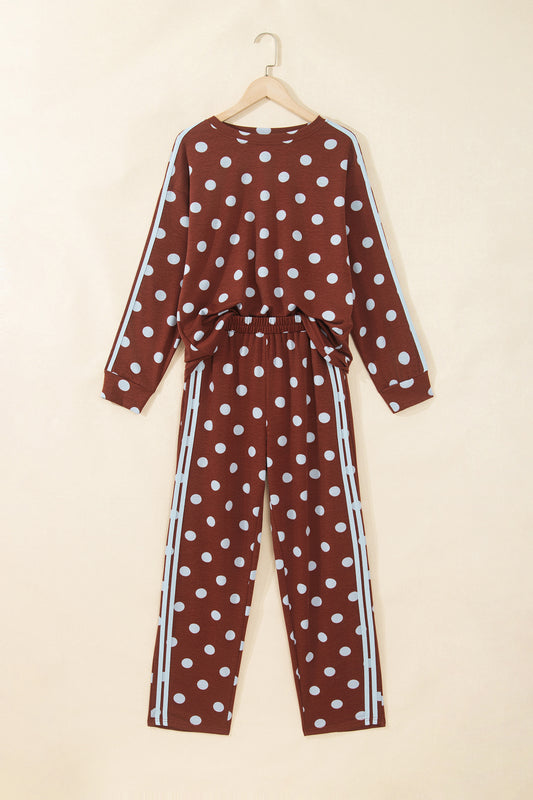
That is why activewear sets can be such useful athleisure essentials. They create the foundation; you only have to decide how polished you want the finished outfit to become.
For a relaxed gym-to-street look, that might mean adding an oversized hoodie and chunky trainers. For activewear for brunch, you could take the same base in a different direction with a structured blazer, tote bag and understated jewellery.
A monochrome set is especially effective.
Black-on-black feels streamlined. Creams, taupes and earth tones create a softer city-casual mood. Muted colours are easy to layer because the activewear isn't fighting the rest of the wardrobe for attention.
The result is monochrome athleisure without monotony.
Why Tonal Dressing Makes Activewear Look More Expensive
Colour has an outsized effect on whether an outfit feels coordinated.
Imagine black leggings, a bright sports bra, neon running shoes and a completely unrelated hoodie. Each item might be stylish, but together there are several competing focal points.
Now picture high-waisted leggings and a fitted top in matching tones, finished with a jacket from the same neutral colour palette.
Immediately calmer.
Tonal dressing works because the eye moves through the outfit rather than stopping at every garment. Even when the pieces aren't an exact colour match, neighbouring shades can produce the same cohesive effect.
For example:
- chocolate brown + camel + cream;
- charcoal + soft grey + black;
- navy + pale blue + white;
- olive + khaki + beige;
- black + black + a single contrasting neutral.
This doesn't mean colourful athleisure outfits are off limits. Far from it. The principle is simply to give colour a job rather than adding it randomly.
If your activewear is the statement, let the outer layers settle it down. If the base is neutral, your sneakers, bag or jacket can provide the personality.
That's how effortless style is usually built: not by adding more, but by knowing when you've added enough.
The Proportion Rule That Changes Everything
Colour helps. Fabric helps. Accessories help.
But if you want to know how to style activewear so it feels genuinely put together, pay attention to proportion.
Leggings are close-fitting by nature. Pairing them with something slightly looser or more structured on top creates visual balance. An oversized blazer is the obvious example, but the principle works just as well with a tailored coat, leather jacket, denim jacket, chunky knit cardigan or carefully chosen sweatshirt.
The reverse can work too.
Relaxed joggers paired with a fitted tank top or fitted tee give the upper half of the outfit definition. Add a cleaner outer layer and the silhouette begins to feel purposeful rather than purely practical.
Think of it as a simple equation:
Fitted + relaxed + structured detail = polished casual outfit.
Not an unbreakable fashion law, of course. But it's a very useful starting point.
And crucially, none of this requires sacrificing the reason people love activewear in the first place.
Comfort.
The Third Piece: How to Take Activewear Out of Workout Territory
Comfort is the foundation. The third piece is often the transformation.
If leggings and a fitted tank top form your base, the third piece is the item that tells the rest of the story. It could be an oversized blazer, a tailored coat, a denim jacket, a leather jacket or a cardigan. Even an oversized hoodie can work when the rest of the styling is controlled.
This is where layering activewear becomes less about warmth and more about intention.
A blazer over a sports bra and high-waisted leggings creates immediate style contrast. Neither half loses its identity: the activewear remains athletic, while the structured blazer brings sharper lines and a completely different fashion vocabulary.
That's high-low dressing at its most wearable.
The same principle applies to other combinations:
- Leggings + sports bra + oversized blazer for a clean, fashion-forward activewear look.
- Joggers + fitted tank top + leather jacket when you want more edge.
- Matching set + tailored coat for sleek, elevated athleisure.
- Leggings + fitted tee + chunky knit cardigan for a softer weekend outfit.
- Monochrome set + denim jacket for an easy gym-to-everyday combination.
- Activewear base + puffer vest for a sportier transitional look.
The layer doesn't need to dominate the outfit. It simply needs to give the eye something besides performance wear to register.
That one change can be enough to move an outfit from “heading to a class” to “heading to brunch.”
Structured Outerwear Does the Heavy Lifting
If there is one shortcut worth remembering, it's this:
The softer and sportier your base, the more impact a little structure can have.
An oversized blazer works particularly well because it creates a clean contrast against the close fit of sculpting leggings or a fitted active top. The sharper shoulder and longer line make the entire silhouette feel more considered.
A tailored coat achieves something similar in cooler weather. Suddenly, leggings that might otherwise feel extremely casual become part of a polished city-casual outfit.
Even a denim jacket introduces useful structure without making things feel formal.
The important word here is balance.
If every piece is oversized, the outfit can lose its shape. If everything is skin-tight, it can retain too much of a workout feel. Combining different proportions gives the look depth.
This is why an athleisure capsule wardrobe doesn't necessarily require dozens of specialised pieces. A few versatile activewear essentials plus outerwear you already enjoy wearing can create numerous combinations.
Your Trainers May Be Giving the Game Away
You can build a beautiful monochrome outfit, throw on a structured blazer, add a great bag — and then accidentally send the whole look back to the treadmill with your footwear.
Running shoes are designed to perform.
That's precisely what makes them excellent for running, but their technical shapes, cushioning and performance details can make them look distinctly gym-focused. If you're actually training before brunch, keeping them on is obviously practical. But when the aim is polished athleisure rather than a literal post-workout look, footwear offers an easy opportunity to shift the mood.
Clean sneakers or trainers usually create a more deliberate finish.
White sneakers are a classic because they work with almost every neutral colour palette. Minimalist trainers can make a monochrome set feel cleaner and quieter. Chunky trainers lean into street style and can provide useful weight beneath streamlined leggings.
The right choice depends on the outfit.
A good rule is to ask whether your footwear looks like it was chosen for the outfit or simply left on after exercising.
That tiny distinction makes a surprising difference.
Clean Matters More Than Expensive
You do not need pristine designer fashion sneakers to make athleisure look polished.
You do need footwear that looks cared for.
There is a natural tension at the heart of everyday activewear: we're taking clothing associated with movement, sweat and exercise and asking it to work in a social setting. Visible wear, mud or heavily battered trainers push the visual message back towards practicality.
Clean sneakers do the opposite.
They signal that the outfit was assembled intentionally.
And that word keeps appearing for a reason. Looking put together rarely depends on owning the most expensive clothes. More often, it's the cumulative effect of fit, condition, proportion and small styling decisions.
Accessories: The Fastest Route from Gym-to-Brunch
You don't need many.
In fact, athleisure accessories tend to work best when they're restrained.
A crossbody bag can replace the practical gym bag. A structured tote bag changes the silhouette without changing your clothes at all. Sunglasses add an unmistakably off-duty style note. Minimal jewellery introduces polish against performance fabrics.
A pair of gold hoops with a monochrome activewear outfit, for example, creates contrast without feeling overdressed.
That's enough.
The point isn't to accessorise activewear until nobody can tell you're wearing it. The appeal comes from retaining that sporty foundation while adding details associated with everyday fashion.
For a simple brunch-ready combination, try:
- Start with a matching set or tonal activewear base.
- Add clean trainers rather than highly technical running shoes.
- Choose one structured or relaxed outer layer.
- Swap a gym bag for a crossbody or tote bag.
- Add sunglasses or minimal jewellery.
- Stop.
That final step is important.
Effortless chic stops looking effortless when every possible accessory turns up at once.
Fabric Can Make or Break Polished Athleisure
Not all activewear behaves the same way outside the gym.
Performance fabrics are engineered around practical needs: stretch, breathability, moisture management, support and movement. Those qualities remain useful for all-day wear, but certain textures translate into everyday fashion more naturally than others.
Very shiny technical fabric can read as overtly athletic. Matte fabric often blends more easily with blazers, coats, knits and other everyday wardrobe staples.
Likewise, a substantial, high-quality fabric can give leggings a smoother, more structured appearance than something thin or overly sheer.
This doesn't mean choosing style over performance.
The sweet spot is performance and style working together.
For genuine workout-to-weekend versatility, look for pieces that offer the functional qualities you need while still having a clean enough silhouette to mix with non-athletic clothing.
That might mean:
- a comfortable compression fit without excessive technical detailing;
- moisture-wicking fabric that doesn't look overly shiny;
- breathable fabric with enough substance to retain its shape;
- sweat-wicking leggings with a smooth, streamlined finish;
- tops that can function alone or beneath structured outerwear;
- pieces with minimal detailing that are easy to mix and match.
Versatile activewear earns its place in a wardrobe by doing more than one job.
The “Could I Remove the Blazer?” Test
There's another side to this.
A great jacket cannot rescue activewear that you don't actually feel comfortable wearing.
Before layering anything over your outfit, look at the base on its own.
Would you still feel good if you had to remove the outer layer?
If the answer is no, the problem may be fit.
Leggings that constantly roll at the waist, a sports bra you're forever adjusting or a fitted tank top that never sits properly will make you self-conscious regardless of what goes over them. A put-together look starts with clothes you aren't fighting.
The best activewear for brunch should still satisfy the basic expectations of good activewear: it should move comfortably, sit securely and allow you to get on with your day.
This matters even more when you're genuinely moving from a workout into social plans.
A gym-to-brunch outfit shouldn't require a costume change in the café bathroom. The point is day-to-day versatility.
Choose the right foundation and the transition can be as simple as changing your layer, bag or footwear.
What Actually Makes an Outfit Look “Lazy”?
It isn't leggings.
It isn't a hoodie.
It isn't sneakers, joggers or a sports bra either.
No single garment makes an outfit lazy.
Usually, what creates that impression is a lack of visual connection between the pieces. Colours feel accidental. Proportions compete. Every item is purely functional. Nothing appears to have been chosen in relation to anything else.
That's an important distinction because it changes the question from:
“Are leggings smart enough for brunch?”
to:
“How can I make these leggings part of a complete outfit?”
That's a much easier problem to solve.
Take black high-waisted leggings. They can look completely different depending on what surrounds them.
With an old sweatshirt, technical running shoes and a gym bag, they're unmistakably workout-focused.
With a fitted tee, oversized blazer, clean sneakers, crossbody bag and sunglasses, those exact same leggings become the foundation of a polished casual outfit.
The leggings didn't change.
The context did.
The Five-Minute Gym-to-Brunch Switch
Sometimes, of course, “gym-to-brunch” is literal.
You've trained. You're hungry. Your friends are already asking where you are. Nobody is going home to construct a carefully layered editorial street-style moment.
This is where preparation beats complexity.
Rather than carrying an entirely separate brunch outfit, bring a few pieces that can alter the character of your activewear quickly.
A practical five-minute switch could look like this:
- Freshen the base. If necessary, swap your workout top for a clean fitted tee or tank while keeping your leggings or joggers.
- Add your everyday layer. A blazer, jacket, cardigan or coat immediately changes the context.
- Change the bag. If practical, leave the bulky sports bag behind and carry a smaller everyday option.
- Deal with the footwear. Change into clean trainers if your workout shoes are particularly technical or marked.
- Add one finishing detail. Sunglasses, jewellery or a baseball cap can make the outfit feel complete.
You don't need all five every time.
Sometimes throwing a tailored coat over a matching set is enough. Sometimes changing your shoes and adding a crossbody bag does it. Sometimes the activewear already looks so cohesive that very little intervention is necessary.
That is the beauty of activewear beyond the gym.
You're not building two separate wardrobes — one for exercising and another for living.
You're creating overlap.
Don't Hide the Sportiness — Use It
There is a temptation, when trying to make activewear look smarter, to eliminate every trace of athletic influence.
That misses the point.
Athleisure works because of the contrast.
The sleekness of leggings beneath a relaxed coat. A sports bra beneath structured outerwear. Chunky sneakers interrupting an otherwise minimalist outfit. A baseball cap with a tailored blazer. Performance fabrics sitting beside leather, denim, wool or knitwear.
These combinations have personality because the pieces don't all come from the same category.
That style contrast is what turns functional fashion into something interesting.
So rather than asking how to make activewear look less like activewear, think about how to make its athletic character feel deliberate.
Keep the sporty piece.
Then give it something unexpected to sit beside.
That's when athleisure starts to look like style rather than compromise.
Build an Athleisure Capsule Wardrobe That Actually Works Together
Once you've understood the styling principles, the next step is making them easier to repeat.
That's where an athleisure capsule wardrobe earns its keep.
The idea isn't to own as little as possible. It's to have enough compatible pieces that getting dressed doesn't require starting from scratch every morning.
Your most useful wardrobe staples are likely to be the ones capable of moving between different settings. Leggings that work for a morning class but also look good beneath a coat. A fitted tank top that feels athletic on its own and becomes an understated base layer beneath a blazer. Joggers that are comfortable enough for travel yet streamlined enough for lunch.
Think versatility before novelty.
A practical capsule might include:
- one or two pairs of high-waisted leggings;
- streamlined joggers;
- a supportive sports bra;
- a fitted tank top;
- a fitted tee;
- a matching set or co-ord set;
- an oversized hoodie or sweatshirt;
- a structured blazer or jacket;
- a longer coat or cardigan for cooler weather;
- clean everyday trainers;
- a tote or crossbody bag;
- simple jewellery and sunglasses.
You don't need every item on that list.
Your lifestyle should decide what earns wardrobe space.
If you spend weekends walking, grabbing coffee and running errands, comfortable layers and versatile footwear might matter most. If your routine genuinely involves Pilates followed by lunch, a coordinated activewear base and an easy outer layer could be more useful.
The aim is to make mix and match activewear feel almost automatic.
When your colours, silhouettes and layers already cooperate, you have more outfit possibilities without necessarily owning more clothes.
Five Brunch-Ready Outfit Formulas
Knowing the theory is useful. Having a formula to steal on a Saturday morning is better.
Here are five ways to translate the principles into actual athleisure outfits.
1. The Matching Set + Oversized Blazer
Start with a matching activewear set in black, navy, brown, grey or another shade you enjoy wearing. Add an oversized blazer and clean sneakers, then finish with a compact crossbody bag.
It's simple, but the contrast does almost all the work.
The matching set creates a continuous silhouette. The blazer introduces structure. The bag moves the outfit away from workout territory.
Best for: brunch, coffee dates, shopping and casual city days.
Why it works: the athletic base looks intentionally sporty rather than accidental.
2. High-Waisted Leggings + Fitted Tee + Tailored Coat
This is one of the easiest formulas for transitional weather.
The leggings create a streamlined lower half while the fitted tee keeps the base simple. A longer tailored coat then adds vertical structure, particularly when worn open.
Add minimalist trainers and a tote bag.
The result sits comfortably between sporty chic and city casual without trying too hard.
Best for: cooler mornings, errands followed by lunch, travel days.
Why it works: the long outer layer changes the proportions of familiar activewear pieces.
3. Joggers + Fitted Tank + Denim or Leather Jacket
Not every brunch outfit needs leggings.
A streamlined pair of joggers can provide a slightly more relaxed foundation, particularly when balanced by a fitted tank top. Add a denim jacket for something casual or a leather jacket when you want a sharper finish.
This formula is particularly useful if your personal style leans more towards street style than minimalist athleisure.
Best for: relaxed weekend plans and informal brunch spots.
Why it works: fitted and relaxed proportions balance one another.
4. Monochrome Activewear + Statement Trainers
When the clothing is deliberately quiet, footwear can speak louder.
Build a monochrome set around black, grey, cream, navy or earth tones, then introduce fashion sneakers or chunky trainers as the focal point.
Keep the remaining athleisure accessories minimal.
A pair of sunglasses and a simple bag may be all you need.
Best for: anyone who likes fashion-forward activewear without complicated layering.
Why it works: one statement element has more impact against a controlled colour palette.
5. Leggings + Sports Bra + Oversized Shirt or Blazer
A sports bra doesn't necessarily need to disappear beneath a sweatshirt as soon as the workout ends.
Paired with high-waisted leggings and a relaxed outer layer, it can become part of a balanced everyday athleisure look.
Coverage and comfort are personal, so adjust the formula to suit you. A fitted tank can perform exactly the same role if you prefer.
Best for: warm-weather brunches and genuinely going straight from a studio or gym.
Why it works: the outer layer provides movement and structure while keeping the athletic base visible.
What to Wear When Leggings Aren't the Answer
Leggings dominate conversations about athleisure, but they aren't compulsory.
Sometimes the easiest way to make active lifestyle fashion feel fresh is to change the silhouette entirely.
Joggers provide more volume and can work particularly well with fitted tops. An athletic dress can create a cleaner one-piece outfit for warmer days, while a tennis dress brings an unmistakably sporty character that can be pushed towards everyday fashion with the right outerwear and accessories.
Even sweatpants can work.
The caveat is that proportion and fabric become especially important. Very oversized sweatpants paired with an equally oversized sweatshirt can produce a deliberately relaxed streetwear silhouette, but if your goal is a more polished look, giving one half of the outfit greater definition usually helps.
Try a fitted top with relaxed bottoms.
Or introduce a structured jacket.
Again, balance rather than restriction is the useful principle.
Seasonal Athleisure: Same Formula, Different Layers
One of the strengths of athleisure is its ability to adapt.
The basic formula doesn't have to change dramatically throughout the year. The surrounding layers do.
Spring
Spring is made for light layering.
Leggings, a fitted tee, clean trainers and a denim jacket create an easy base. A lightweight blazer can make the same outfit feel slightly sharper.
This is also a good season for muted colours, softer neutrals and tonal dressing.
Summer
Strip the formula back.
A coordinated set, athletic dress or tennis dress can stand largely on its own, particularly when finished with a crossbody bag, sunglasses and clean sneakers.
Breathable fabric matters more here. If you're wearing performance pieces for all-day wear, comfort in warmer temperatures should remain part of the equation.
Autumn
This is where athleisure styling gets particularly interesting.
Layering becomes useful rather than decorative. Earth tones sit naturally beside black, cream and charcoal activewear, while leather jackets, cardigans and oversized blazers introduce texture.
A tonal brown or olive outfit can feel seasonal without relying on obvious trends.
Winter
Cold-weather athleisure needs warmth without losing shape.
A fitted base beneath a chunky knit cardigan, fleece jacket, puffer vest or tailored coat allows you to build insulation in layers. Chunky sneakers or practical trainers can add visual weight to the lower half of the outfit.
If every winter layer is oversized, however, consider keeping the base streamlined.
That little bit of definition prevents the silhouette from disappearing completely.
Common Athleisure Mistakes — and the Easy Fixes
There are no fashion police waiting outside the café.
Still, if your goal is elevated activewear, a few habits can make styling unnecessarily difficult.
Mistake 1: Everything Is Workout-Specific
Technical leggings, technical top, technical jacket, technical running shoes, sports bag.
It's functional, certainly.
But if you want the outfit to cross into everyday fashion, introduce something that isn't primarily designed for exercise.
The fix: swap one piece for a blazer, coat, everyday jacket, bag or fashion-led trainer.
Mistake 2: Every Piece Is Oversized
An oversized hoodie can look fantastic. So can wide joggers and a roomy coat.
All three together require more careful styling.
The fix: create a point of definition somewhere in the silhouette. That could be a fitted top, a visible waistband, a shorter layer or more streamlined bottoms.
Mistake 3: Too Many Competing Colours
Colour isn't the problem. Lack of connection is.
The fix: choose two or three shades that relate to one another, or build around a neutral base and introduce one stronger accent.
Mistake 4: Trying Too Hard to Make Activewear “Smart”
Adding a blazer, jewellery, statement bag, elaborate hair, bold sunglasses and dressier footwear all at once can make the outfit feel confused.
The fix: choose one or two elements to provide polish and allow the activewear to remain visible.
Mistake 5: Ignoring the Condition of Your Clothes
Pilling, stretched waistbands, worn fabric and stained trainers are difficult to style around.
The fix: treat your everyday activewear like the rest of your wardrobe. Wash it appropriately, store it properly and retire pieces when they've genuinely reached the end of their useful life.
Mistake 6: Copying a Formula That Doesn't Feel Like You
Perhaps you don't like blazers.
That's fine.
Wear a denim jacket. A cardigan. A leather jacket. A coat. A hoodie styled with a cleaner base.
Personal style matters more than following a prescribed athleisure uniform.
How to Make Activewear Look Chic Without Overthinking It
When you're standing in front of the mirror wondering whether the outfit works, run through a quick mental checklist.
Fit: Does everything sit comfortably and where it should?
Proportion: Is there a useful balance between fitted, relaxed and structured shapes?
Colour: Do the pieces look as though they belong in the same outfit?
Footwear: Does it suit where you're going?
Condition: Do the clothes and trainers look cared for?
Context: Is there at least one element that moves the outfit beyond pure performance wear?
Comfort: Can you actually spend several hours in it?
If the answer is yes across most of those categories, stop tinkering.
The purpose of athleisure isn't to create another complicated dress code.
It's to make getting dressed easier.
Polished Doesn't Mean Uncomfortable
This point deserves emphasis because fashion advice can sometimes turn “looking put together” into a long list of things you're supposedly not allowed to wear.
Athleisure should do the opposite.
It allows comfortable fashion to occupy everyday spaces without apology. Leggings don't need to pretend to be trousers. Sneakers don't need to pretend to be formal shoes. A sports bra doesn't stop being activewear because you put a blazer over it.
The magic comes from combining categories.
That's why the strongest outfits often include a little tension:
soft + structured
fitted + oversized
sporty + tailored
technical + tactile
practical + polished
Those contrasts make an outfit interesting while preserving the thing that made you reach for activewear in the first place.
Comfort.
From Workout to Weekend, Make It Look Intentional
Ultimately, pulling off Activewear to Brunch: Pulling Off Athleisure Without Looking Lazy isn't about buying an entirely new wardrobe or memorising fashion rules.
It's about intention.
Choose activewear that fits well. Build a cohesive colour story. Pay attention to outfit proportions. Add a layer when the base needs structure. Choose trainers that make sense beyond the treadmill. Use accessories selectively.
And then leave it alone.
A good athleisure outfit shouldn't look as though you spent forty minutes trying to make leggings acceptable for brunch. It should look easy because, when the pieces work together, it is easy.
That is the real advantage of elevated athleisure: day-to-day versatility without the wardrobe change.
Your morning can begin with a workout, move through coffee, errands, lunch and whatever comes next. The clothes move with you.
The gym-to-brunch transition becomes less about changing what you're wearing and more about changing its context.
A blazer here. Clean trainers there. A crossbody bag instead of your gym tote. Maybe sunglasses on the way out.
Small choices. Big difference.
Because the line between activewear and a genuinely polished brunch outfit isn't drawn by leggings, sports bras, joggers or sneakers.
It's drawn by how you put them together.
And when comfort and style are working in the same direction, there's no reason to choose between them.
Frequently Asked Questions About Wearing Activewear to Brunch
Can you wear activewear to brunch?
Yes. Activewear can work very well for brunch, particularly when the overall outfit looks intentional rather than purely functional. A coordinated set, streamlined joggers or leggings can provide the base, while everyday pieces such as a jacket, clean trainers, jewellery or a structured bag help shift the look away from workout territory.
The setting matters too. A relaxed café or casual weekend brunch naturally lends itself to everyday athleisure, while a smarter restaurant may call for more structured layers and understated accessories.
What colours make athleisure look more polished?
Neutrals are among the easiest colours to style because they naturally create a cohesive outfit. Black, cream, charcoal, navy, chocolate, beige and olive can all provide a versatile foundation.
You don't have to avoid brighter colours, though. If your activewear is bold, try allowing that colour to become the focal point and keeping the remaining pieces quieter. Alternatively, use tonal dressing by combining several shades from the same colour family.
The goal isn't necessarily to wear less colour. It's to make the colours look deliberately connected.
Should your activewear top and leggings match?
They don't have to match, although coordinated pieces can make athleisure outfits look instantly more considered.
A matching set creates a clean visual line and removes much of the guesswork from styling. Separates can be just as effective when they share a colour, tone or design detail.
For example, black leggings don't require a black top. They can work with cream, grey, camel, muted green or plenty of other shades. What's more important is that the combination feels like a deliberate outfit rather than two unrelated pieces.
Can you wear a sports bra to brunch?
A sports bra can form part of a brunch outfit if you're comfortable wearing one and it suits the setting. High-waisted leggings or joggers can balance the proportions, while an open blazer, shirt, cardigan or jacket adds another layer to the look.
For somewhere more casual, you may prefer to keep the styling distinctly sporty. For a smarter brunch setting, structured outerwear can create a more polished contrast.
If you'd rather have more coverage, a fitted tank top can achieve a similar silhouette.
How can you make black leggings more interesting?
Texture, proportion and contrast are particularly useful when working with an all-black or predominantly black base.
Instead of adding colour simply for the sake of it, consider mixing black leggings with a chunky knit, structured blazer, leather jacket or oversized shirt. Different materials prevent the outfit from looking flat even when the colour barely changes.
Footwear and accessories can provide another focal point. White sneakers, statement trainers, sunglasses, gold hoops or a contrasting bag can all break up the outfit without overwhelming it.
Black leggings are essentially a blank canvas. That's what makes them such useful wardrobe staples.
Is it acceptable to mix different activewear sets?
Absolutely. In fact, mixing pieces from different sets can give you far more outfit combinations.
The easiest approach is to find a common thread. That could be colour, silhouette or overall mood. A neutral sports bra, for instance, can work with several different pairs of leggings or joggers.
Building around a consistent palette also makes mix and match activewear easier over time. Rather than owning sets that only work as fixed pairs, you'll have individual pieces that can be rearranged into multiple activewear outfits.
What kind of bag works best with a gym-to-brunch outfit?
The right bag depends on what you need to carry, but an everyday bag can be one of the quickest ways to change the character of a gym-to-brunch outfit.
A crossbody bag keeps things compact and relaxed. A structured tote adds polish while still offering useful space. Smaller shoulder bags can create more of a fashion-led contrast against sporty clothing.
If you genuinely need your gym bag, there's no rule saying you can't carry it. The practical option is often the right one. But when you have the choice, switching to an everyday bag can make the outfit feel less like performance wear and more like an intentional weekend look.
Can athleisure work for brunch if you haven't actually been to the gym?
Of course. Athleisure is a style category, not proof of exercise.
You don't need to complete a workout before you're allowed to wear leggings, joggers, trainers or a matching activewear set. The appeal of activewear beyond the gym is precisely that pieces originally associated with sport and movement have become part of everyday fashion.
If the outfit is comfortable, appropriate for where you're going and feels like your style, that's enough.
How do you stop a matching activewear set from looking too gym-focused?
Think about what you place around it.
A matching set creates an excellent foundation because the colour and silhouette are already coordinated. From there, introducing something from outside the activewear category changes the context.
That might be a denim jacket, tailored coat, relaxed blazer, everyday bag, sunglasses or minimal jewellery. Even changing from technical running shoes to clean fashion sneakers can alter the overall impression.
You don't need to disguise the set. One or two contrasting elements are usually enough.
What is the easiest athleisure outfit for someone new to the style?
Keep your first outfit uncomplicated.
Start with well-fitting high-waisted leggings and a simple fitted top in coordinating colours. Add clean trainers and one everyday layer you already feel comfortable wearing, such as a denim jacket, cardigan, blazer or coat. Finish with your usual bag.
That's it.
Once you're comfortable with that formula, experiment with matching sets, joggers, monochrome athleisure, oversized layers, chunky trainers or stronger colour combinations.
The best introduction to polished athleisure isn't an outfit that feels like a costume. It's one that still feels like you — just comfortable, coordinated and ready for wherever the day goes next.