
What to Wear Under a Sweater Dress to Stay Warm (Without Bulk)
A sweater dress is one of winter's easiest outfits. It's cosy, flattering, and requires almost no styling effort. Until the temperature drops, that is. Suddenly, your favourite knitted dress doesn't feel quite warm enough, and adding more clothes underneath threatens to turn a beautifully streamlined outfit into a lumpy mess.
The secret? Wear thinner, smarter layers rather than simply more layers.
Whether you're dressing for a frosty morning commute, a weekend lunch, or an evening out, knowing what to wear under a sweater dress makes all the difference.
Here's what works best:
-
For your upper body: Choose a fitted thermal camisole, lightweight long-sleeve base layer, or seamless thermal bodysuit that sits smoothly beneath your dress.
-
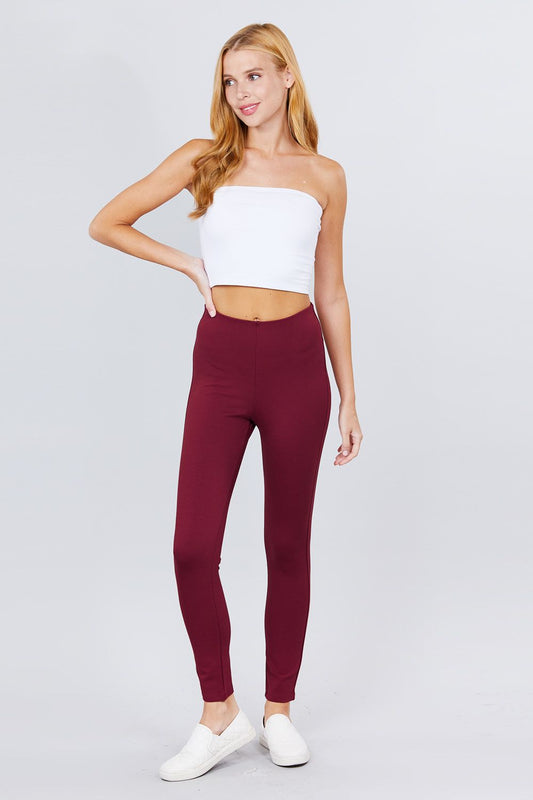
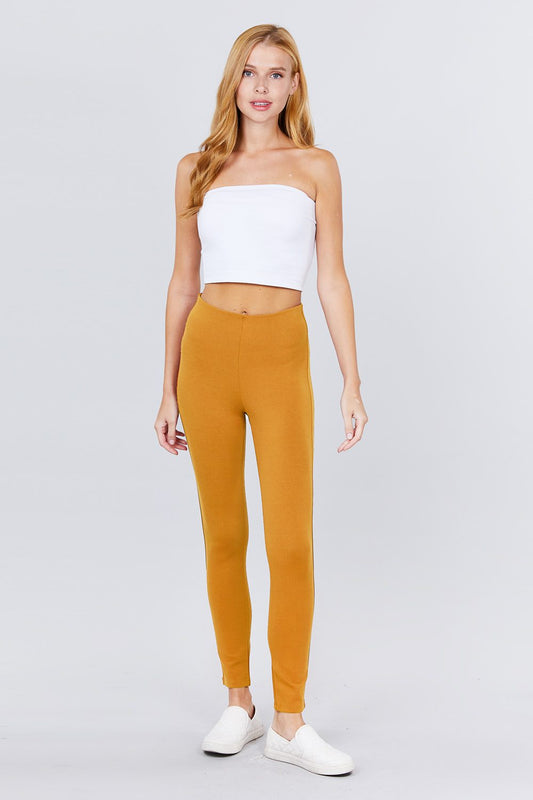
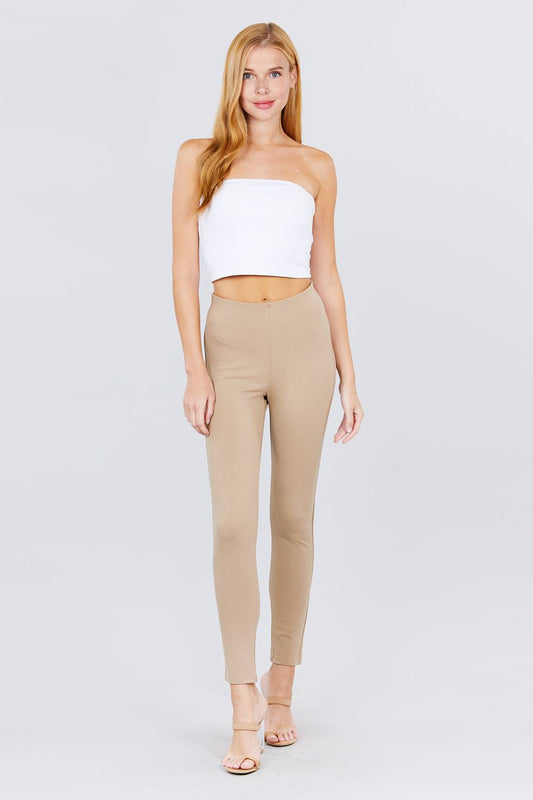
For your legs: Thermal tights, fleece-lined sheer-look tights, and fine-knit leggings provide warmth without unnecessary thickness.
-
For fitted dresses: Seamless underwear and second-skin thermal layers help prevent visible lines, bunching, and awkward bulges.
-
For extra comfort: A lightweight slip can reduce static cling and help knitted fabric glide over your underlayers.
-
For the best warmth-to-weight ratio: Look for merino wool, silk, and breathable thermal blends that retain heat without trapping too much moisture.
-
For a flattering silhouette: Keep your innermost layers close-fitting, avoid bulky seams, and match your underlayers to the cut of your dress.
The golden rule: Your sweater dress should skim comfortably over whatever you're wearing underneath. If you can see every waistband, hem, and wrinkle, your layers are probably working against you.
Let's explore how to stay genuinely warm without sacrificing the effortless appeal of a knitted dress.
Why the Right Base Layers Matter Under a Sweater Dress
There's a reason a chunky-looking sweater dress doesn't always feel as warm as you'd expect.
Knitted fabrics vary enormously. A thick cable-knit dress may provide substantial insulation, while a fine-gauge ribbed dress can allow cold air to reach your skin more easily. Even a cosy turtleneck sweater dress leaves your legs exposed unless you've planned your outfit accordingly.
And then there's the wind.
On a still autumn afternoon, your favourite dress might feel perfectly comfortable. Add a biting winter breeze, and suddenly those little gaps in the knit become much more noticeable.
That's where base layers for women come in.
A good base layer creates a thin insulating layer next to your skin, helping you stay comfortable without changing the overall shape of your outfit.
How to Stay Warm in a Sweater Dress Without Looking Bulky
Think of winter layering as a balance between three things:
-
Heat retention: Your underlayers should help reduce heat loss and maintain comfortable body warmth.
-
Breathability: Fabrics need to manage moisture, particularly when you're moving between freezing outdoor temperatures and heated indoor spaces.
-
Fit: Every layer should sit neatly beneath the next, without excessive fabric gathering around your waist, hips, or arms.
The biggest mistake is assuming thicker always means warmer.
A bulky cotton T-shirt underneath a fitted knitted dress, for example, might create uncomfortable wrinkles without delivering the insulation of a purpose-made thermal top.
A fine merino wool base layer, meanwhile, can provide useful warmth while remaining almost invisible.
Style tip: Before leaving the house, sit down, raise your arms, and walk around in your fully layered outfit. If your underlayers twist, ride up, or bunch around your middle, adjust them before heading out.
The Three-Layer Principle, Adapted for Sweater Dresses
Traditional cold-weather dressing often involves a base layer, an insulating middle layer, and a protective outer layer.
With a sweater dress, the formula becomes beautifully simple:
| Layer | What to wear | Why it works |
|---|---|---|
| Base layer | Thermal camisole, fitted thermal top, or bodysuit | Adds warmth directly against your skin |
| Main layer | Sweater dress or knitted dress | Provides additional insulation and defines your outfit |
| Outer layer | Wool coat or weather-appropriate jacket | Helps protect against wind and outdoor cold |
The clever part is that your sweater dress already serves as the main insulating garment.
You don't necessarily need another thick jumper underneath it.
Instead, concentrate on lightweight thermal layers that complement the dress rather than compete with it.
This approach also makes your winter wardrobe more versatile. The same fitted base layer can work beneath different styles from your favourite dress collection, provided the necklines, sleeve lengths, and fabrics are compatible.
The Best Thermal Tops to Wear Under a Sweater Dress
If your upper body gets cold easily, start here.
A well-chosen thermal top is often the most effective way to make a sweater dress warmer without adding noticeable volume.
But not every thermal top works with every dress.
A loose thermal shirt can create wrinkles beneath ribbed knitwear. A thick neckline might show beneath a delicate V-neck. And sleeves that are too long can bunch uncomfortably around your wrists.
The solution is choosing your underlayer according to your dress's shape.
1. Lightweight Long-Sleeve Thermal Tops
For chilly days, a lightweight long-sleeve thermal top is an excellent starting point.
Look for a close-fitting style with smooth fabric, minimal seams, and enough stretch to move comfortably with your body.
The ideal thermal top should feel like a second skin rather than an extra jumper.
What to look for:
-
A slim fit that follows your natural shape without feeling restrictive.
-
Flatlock seams or seamless construction to reduce visible ridges.
-
Thin, breathable fabric that offers insulation without excessive thickness.
-
A neckline that remains hidden beneath your sweater dress.
-
Sleeves that fit neatly without gathering beneath the dress's cuffs.
Long-sleeve thermals work particularly well under loose-fitting knitted dresses, relaxed midi styles, and sweater dresses with slightly thicker fabric.
For fitted ribbed dresses, choose the smoothest, thinnest option available.
Best for: Cold commutes, everyday winter outfits, and long days spent moving between indoor and outdoor temperatures.
2. Thermal Camisoles and Thin Thermal Vests
Sometimes, you need warmth around your torso without adding another pair of sleeves.
That's when a thermal camisole becomes particularly useful.
A thin thermal vest provides an extra layer across your chest, back, and stomach while leaving your arms relatively unrestricted.
It's an especially practical option beneath sweater dresses with fitted sleeves, where additional fabric around the arms might feel uncomfortable.
Choose a camisole with:
-
Smooth, flat straps.
-
A neckline that won't peek out unexpectedly.
-
A fitted but comfortable shape.
-
A hem long enough to stay tucked neatly in place.
-
Breathable, lightweight material.
For dresses with wider necklines, a scoop-neck camisole often works better than a high-neck thermal top.
And if you're wearing a sleeveless knitted dress? A camisole can add discreet insulation without changing the visible styling.
Best for: Mild winter days, fitted sleeves, and anyone who tends to overheat in full-length thermals.
3. Seamless Thermal Bodysuits
There's something wonderfully practical about a bodysuit beneath a sweater dress.
Unlike a regular thermal top, which may creep upwards as you walk or sit, a properly fitted bodysuit stays anchored in place.
That means less fabric gathering around your waist and fewer interruptions to the smooth silhouette of your dress.
For anyone wondering what to wear under a tight sweater dress, a seamless thermal bodysuit is worth considering.
The best designs combine:
-
Lightweight, flexible fabric.
-
Minimal seams around the torso.
-
A comfortable fastening or pull-on construction.
-
A smooth finish beneath knitted material.
-
A neckline that works with your dress.
However, fit matters enormously.
A bodysuit that's too short in the torso can pull uncomfortably, while one with thick fastenings or prominent seams may show through finer knits.
Choose comfort first. A sleek appearance isn't worth spending the day adjusting your underwear.
Best for: Bodycon sweater dresses, fitted midi dresses, and outfits where you want to minimise bunching around the waist.
4. Fine-Knit Turtlenecks for Extra-Cold Days
A thin turtleneck worn beneath a sweater dress can be both functional and stylish.
This is particularly effective with sleeveless sweater dresses, V-neck styles, and relaxed knitted dresses that leave enough room for an additional layer.
The trick is to avoid thick, chunky knitwear.
Instead, choose a fine-gauge turtleneck in merino wool, a soft modal blend, or another lightweight fabric.
A black turtleneck beneath a neutral sleeveless sweater dress creates a clean, understated winter outfit. Cream, charcoal, and chocolate brown can work beautifully too.
Unlike invisible thermal underwear, a turtleneck can become an intentional part of your outfit.
Best for: Sleeveless sweater dresses, deep necklines, and winter outfits where visible layering adds to the overall look.
Which Thermal Top Should You Choose?
Here's a quick comparison to make the decision easier.
| Underlayer | Warmth potential | Bulk level | Best sweater dress style |
|---|---|---|---|
| Thermal camisole | Light to moderate | Very low | Fitted or lightweight knits |
| Long-sleeve thermal top | Moderate to high, depending on fabric | Low | Relaxed or thicker knits |
| Seamless thermal bodysuit | Moderate, depending on fabric | Very low | Bodycon and ribbed dresses |
| Fine-knit turtleneck | Moderate to high, depending on fabric | Low to moderate | Sleeveless or V-neck dresses |
Remember, the warmest option isn't automatically the best option.
If you're spending most of the day indoors, a thermal camisole may be perfectly adequate. If you're walking outside in freezing temperatures, a long-sleeve thermal base layer could be far more comfortable.
The goal is to dress for the temperature you'll actually experience, not simply to wear as many layers as possible.
Thermal Tights vs Leggings: Which Keeps You Warmer?
You've sorted out your upper body. Now comes the part that can make or break a winter sweater dress outfit: keeping your legs warm.
A beautiful knitted dress might feel wonderfully cosy around your torso, but if your legs are freezing, the whole outfit becomes considerably less appealing.
Fortunately, you don't have to choose between warmth and style.
From barely noticeable thermal tights to soft, insulating leggings, there are several ways to keep your legs comfortable without making your outfit look heavy.
The best choice depends on three things: how cold it is, how long your dress is, and the look you're trying to achieve.
1. Fleece-Lined Tights for Maximum Warmth
If you've ever stepped outside wearing ordinary sheer tights on a freezing morning, you'll understand why fleece-lined tights have become such a winter wardrobe favourite.
They offer additional insulation while maintaining the streamlined appearance of traditional hosiery.
Some styles even feature a clever illusion: a warm, skin-toned lining beneath a darker outer layer, creating the appearance of sheer black tights.
These fleece-lined tights that look sheer can be particularly useful when you want to wear a shorter sweater dress without exposing your legs to the cold.
Look for:
-
A smooth outer finish that won't catch on your knitted dress.
-
A comfortable waistband that sits flat against your body.
-
Stretchy fabric that allows easy movement.
-
A fleece lining appropriate for your climate.
-
A colour that complements your dress and footwear.
One thing worth remembering: not all fleece-lined tights are equally thin.
Some have substantial insulation and may feel noticeably thicker than standard hosiery. That's usually less of an issue beneath a relaxed sweater dress, but it can matter with a close-fitting bodycon style.
Best for: Mini sweater dresses, particularly cold days, and outfits where you want the appearance of sheer tights with extra insulation.
2. Opaque Thermal Tights for Everyday Winter Outfits
For an easy, reliable option, it's hard to beat opaque thermal tights.
They're simple, versatile, and available in different thicknesses.
You may have noticed tights described using denier, which refers to the linear mass density of the yarn used to make them.
Generally, higher-denier tights provide greater opacity and often feel more substantial, although denier alone doesn't determine how warm they'll be.
Here's a useful guide:
| Tights | Typical appearance | Best use |
|---|---|---|
| 40–60 denier | Semi-opaque to opaque | Mild winter weather and indoor outfits |
| 80–100 denier | Opaque, with more coverage | Everyday cold-weather dressing |
| 120–200 denier | Usually very opaque and substantial | Colder conditions when additional coverage is needed |
| Fleece-lined thermal tights | Varies by construction | Extra insulation in particularly cold weather |
Black opaque tights are an especially versatile choice because they work with almost any sweater dress colour.
Try them with a cream knitted midi dress and black ankle boots for an understated look. Or pair chocolate brown tights with a beige sweater dress for something softer and more tonal.
For a streamlined silhouette, consider matching your tights to your boots. The continuous colour creates a visually elongated line without requiring extra styling tricks.
Best for: Everyday winter dressing, office outfits, and anyone who wants warmth without the thickness of leggings.
3. Thermal Leggings for Serious Cold
Sometimes, tights simply aren't enough.
If you're spending extended periods outdoors, walking in freezing temperatures, or dealing with biting winds, thermal leggings may offer more practical coverage.
Unlike traditional leggings, purpose-made thermal leggings are designed with insulation and cold-weather comfort in mind.
Some use brushed interiors, while others rely on merino wool or technical synthetic fabrics to help retain body heat.
The important distinction is between thin thermal leggings and bulky fleece leggings.
Both can be useful, but they create very different silhouettes.
For layering under a sweater dress, choose leggings that:
-
Fit closely without restricting movement.
-
Have a smooth waistband.
-
Don't bunch behind your knees.
-
Sit comfortably beneath boots.
-
Offer enough warmth for the conditions without excessive thickness.
Footless thermal tights are another option worth considering. They provide close-fitting leg coverage while allowing you to wear your preferred socks.
For a relaxed oversized sweater dress, leggings can look like a deliberate part of the outfit rather than something you're trying to conceal.
With a fitted knitted dress, however, tights usually create a smoother finish.
Best for: Oversized sweater dresses, casual winter outfits, outdoor activities, and colder climates.
4. Merino Wool Tights for Breathable Warmth
If you prefer natural fibres, merino wool tights deserve a place on your winter layering shortlist.
Merino wool has useful insulating and moisture-management properties, making it a practical choice for fluctuating temperatures.
It's particularly appealing when you're moving between cold outdoor conditions and heated buildings.
Fine merino wool tights can feel comfortable without requiring a heavily padded construction.
However, not all wool tights are equally smooth.
Some have a visible knitted texture, which can create friction beneath certain sweater dress fabrics. Others may feel too thick for a very fitted silhouette.
Choose a fine-knit pair with a comfortable waistband and a soft finish.
Best for: Everyday winter wear, breathable layering, and those who prefer wool-based clothing.
How to Keep Your Legs Warm Without Ruining Your Outfit
The secret is to consider your dress length before choosing your legwear.
-
Mini sweater dress: Fleece-lined tights or warm opaque tights provide coverage while keeping the outfit balanced.
-
Knee-length knitted dress: Thermal tights are often the easiest option, particularly with knee-high boots.
-
Midi sweater dress: Fine thermal tights or lightweight leggings can work, depending on the dress's shape.
-
Oversized sweater dress: Thermal leggings create a comfortable, casual combination.
-
Fitted bodycon sweater dress: Smooth, seamless tights are generally preferable to thick leggings.
Styling tip: If your tights have a thick waistband, position it where it feels comfortable and check that it doesn't create a visible ridge beneath your dress. A smooth waistband can make a surprising difference to the finished look.
And don't overlook your feet.
Warm socks tucked discreetly inside boots can help keep your toes comfortable, while knee-high boots provide additional coverage for your lower legs.
What Underwear to Wear Under a Fitted Sweater Dress
Here's something that doesn't get discussed nearly enough: the underwear you choose can completely change how a sweater dress looks and feels.
Knitted fabrics have a tendency to follow the body's contours.
That's part of their appeal, of course. But it also means waistbands, lace trims, bulky seams, and even the edges of certain undergarments can become more noticeable.
If you're wearing a fitted ribbed sweater dress, thoughtful underwear choices are just as important as your thermal layers.
The goal isn't to hide your natural shape.
It's simply to prevent unnecessary fabric lines and uncomfortable bunching from distracting from an otherwise lovely outfit.
Seamless Underwear for a Smooth Silhouette
Seamless underwear is one of the easiest solutions for fitted sweater dress layering.
Unlike underwear with prominent elastic edges or decorative seams, seamless designs aim to sit smoothly against your skin.
Look for styles with:
-
Flat or bonded edges.
-
Minimal decorative detailing.
-
Soft, stretchy fabric.
-
A waistband that doesn't dig in.
-
A comfortable fit that stays in place.
No-show underwear can be particularly helpful beneath fine-gauge knitwear and bodycon sweater dresses.
However, remember that seamless doesn't necessarily mean invisible.
Underwear that's too tight can still create lines, while a poorly fitting pair may roll or shift throughout the day.
Comfortable sizing matters more than the label.
Should You Wear High-Waisted Underwear?
High-waisted underwear can be a useful option beneath sweater dresses, especially if you prefer coverage around your stomach and waist.
A smooth, high-rise design may create fewer interruptions beneath the fabric than underwear with a prominent waistband sitting across your hips.
But there's a catch.
If the waistband is thick or heavily reinforced, it can create exactly the ridge you're trying to avoid.
Choose lightweight, flexible styles rather than assuming firmer fabric will automatically look smoother.
The best underwear is the kind you can forget you're wearing.
What About Shapewear Under a Sweater Dress?
Shapewear is entirely optional.
Some women enjoy the smooth finish of lightweight smoothing shorts or a soft bodysuit, while others find ordinary seamless underwear more comfortable.
If you prefer shapewear, avoid anything excessively restrictive.
A breathable, properly fitted design should allow you to sit, walk, and move naturally.
For winter, lightweight smoothing shorts can also provide an additional layer around the upper thighs, although they shouldn't be treated as a substitute for proper thermal clothing in very cold conditions.
Consider the following differences:
| Underwear option | Main advantage | Potential drawback |
|---|---|---|
| Seamless briefs | Minimal visible lines | May shift if poorly fitted |
| High-waisted underwear | Comfortable waist coverage | Thick waistbands may show |
| Smoothing shorts | Coverage across hips and upper thighs | Leg openings may create lines |
| Lightweight bodysuit | Continuous coverage across the torso | Fit and fastenings need careful consideration |
| Thermal shorts | Additional warmth around the hips and thighs | Can add thickness beneath fitted dresses |
For most everyday sweater dress outfits, comfortable seamless underwear is a perfectly good starting point.
You don't need complicated undergarments to achieve a polished appearance.
How to Prevent Visible Underwear Lines Beneath Knitwear
Sometimes, the problem isn't your underwear at all.
It's the combination of your underwear, thermal layers, and dress fabric.
A thin ribbed dress may reveal lines that a thicker cable-knit dress naturally disguises.
Similarly, layering thermal shorts over underwear and then adding tights can create multiple overlapping edges around your waist and hips.
To avoid this:
-
Choose one main insulating layer wherever possible. Avoid stacking several garments that all end in the same place.
-
Look for smooth edges. Flat seams and lightweight waistbands generally sit more discreetly beneath knitwear.
-
Check your outfit in natural light. Indoor lighting can make certain fabric lines less noticeable.
-
Move around before deciding. A combination that looks smooth while standing may bunch when you sit.
-
Prioritise the fit of your dress. Knitwear that stretches excessively across the body can make undergarment lines more noticeable.
A slightly more relaxed sweater dress can sometimes feel more flattering and comfortable than a tighter style that requires constant adjustment.
Should You Wear a Slip Under a Sweater Dress?
A slip might sound like something from another generation's wardrobe, but it can be surprisingly useful beneath modern knitted dresses.
Especially when static cling enters the picture.
You know the feeling: your sweater dress looks perfect when you leave the house, but after walking for a few minutes, the fabric starts sticking to your tights.
Suddenly, the skirt is creeping upwards, clinging around your thighs, or gathering in places it shouldn't.
A lightweight slip can help reduce friction between your dress and whatever you're wearing underneath.
And that can make your outfit considerably more comfortable.
Why Knitted Dresses Sometimes Cling to Tights
Static electricity can build up when certain fabrics rub against one another, particularly in dry conditions.
Synthetic tights combined with synthetic or blended knitwear can sometimes make the problem more noticeable.
The result?
Your dress may cling to your legs instead of falling naturally.
A smooth slip creates a separate layer between the two fabrics, helping the dress move more freely.
However, not every slip will solve every static problem. Fabric composition, humidity, and the materials involved all make a difference.
Full Slips vs Half Slips
There are two main options worth considering.
Full slips extend from the shoulders down beneath the dress, creating a smooth layer across the torso and skirt.
They're particularly useful when you want to reduce friction over a larger area.
Half slips sit at the waist and extend beneath the skirt portion of your dress.
These can work well when your upper body is already comfortably layered, but the lower half of your sweater dress keeps clinging to your tights.
| Slip style | Best suited to | What to consider |
|---|---|---|
| Full slip | Dresses that cling across the torso and skirt | Neckline and straps must remain discreet |
| Half slip | Dresses that cling mainly around the hips and thighs | Waistband should sit smoothly |
| Lightweight thermal slip | Extra coverage with some added insulation | Check fabric thickness and warmth claims |
| Anti-static slip | Reducing friction and static-related cling | Effectiveness varies with fabric combinations |
How to Choose a Slip That Won't Add Bulk
For winter layering without bulk, look for a slip made from lightweight, smooth material.
A slip should glide beneath your dress, not create another thick insulating layer unless that's specifically what you need.
Consider these details:
-
Length: The slip should be shorter than your dress so it doesn't show beneath the hem.
-
Fit: It should skim your body without excessive fabric gathering.
-
Fabric: Smooth materials can help reduce friction against knitwear.
-
Seams: Flat, unobtrusive seams are preferable beneath fitted dresses.
-
Waistband: For half slips, choose a comfortable waistband that won't create a visible ridge.
One important point: a slip doesn't automatically make an outfit significantly warmer.
Its main benefits are usually comfort, coverage, and improved fabric movement.
If warmth is your priority, combine an appropriate slip with thin thermal layers rather than relying on the slip alone.
When You Can Skip the Slip
Not every sweater dress needs one.
If your dress is made from a substantial knit, falls naturally over your tights, and doesn't cling or ride up, adding a slip may be unnecessary.
Similarly, an oversized knitted dress worn over leggings may already have enough room to move comfortably.
The simplest approach is to try the outfit without a slip first.
If the fabric catches, clings, or feels uncomfortable, introduce a lightweight slip and see whether it improves the fit.
Remember: The best invisible layers under dresses are the ones that solve an actual problem. You don't need to wear every possible undergarment just because it's winter.
The fewer unnecessary layers you add, the easier it becomes to maintain that relaxed, effortless sweater dress silhouette.
The Best Fabrics for Warmth Without Bulk
When it comes to staying warm in a sweater dress, fabric choice matters just as much as the number of layers you're wearing.
Two thermal tops can look almost identical on a hanger yet feel completely different once you're outside in the cold.
One might keep you comfortably warm throughout the day. The other could leave you overheating indoors, feeling damp after a brisk walk, or constantly adjusting fabric that doesn't sit properly beneath your dress.
The difference often comes down to insulation, breathability, moisture management, and fabric thickness.
Fortunately, some of the most practical winter layering fabrics are also wonderfully lightweight.
Merino Wool: Natural Warmth Without Heavy Layers
Merino wool is an excellent choice for anyone looking for thin, warm layers for winter.
Unlike the thick, sometimes scratchy wool jumpers you might remember from childhood, fine merino wool can feel surprisingly soft against the skin.
Its naturally crimped fibres help trap insulating air, while the material can absorb and release moisture vapour, contributing to comfortable temperature regulation.
This makes a lightweight merino wool base layer particularly useful when you're moving between cold outdoor air and heated indoor spaces.
Why merino wool works beneath sweater dresses:
-
Provides useful insulation without requiring a bulky construction.
-
Helps manage moisture during everyday activities.
-
Can feel comfortable across changing temperatures.
-
Works well in fine-knit, close-fitting garments.
-
Offers a natural-fibre alternative to synthetic thermals.
A thin merino wool top beneath a relaxed knitted midi dress can provide extra warmth without changing the outfit's overall silhouette.
Merino wool tights are another option, especially if you prefer breathable legwear.
Best for: Winter commuting, everyday cold-weather dressing, and fluctuating temperatures.
Silk Thermal Underwear: Lightweight and Almost Invisible
Silk might not be the first fabric that comes to mind when you think about winter clothing.
But it's surprisingly useful for discreet layering.
Fine silk thermal underwear can provide an additional insulating layer while remaining exceptionally lightweight.
Its smooth texture also makes it appealing beneath fitted knitwear, where thicker fabrics might create unwanted lines.
A silk camisole or long-sleeve thermal top can work particularly well beneath a ribbed sweater dress.
The fabric sits close to the body, helping preserve the natural shape of the dress.
However, silk thermals aren't necessarily the warmest option for prolonged exposure to freezing temperatures. Their performance depends on fabric weight, construction, and the conditions you're dressing for.
Best for: Fitted sweater dresses, lightweight winter layering, and outfits where minimal thickness is especially important.
Modal Blends: Softness and Everyday Comfort
If comfort is your priority, modal-based thermal layers are worth considering.
Modal is a regenerated cellulose fibre often used in soft, stretchy clothing.
When blended with elastane, wool, or other fibres, it can create comfortable, close-fitting underlayers that move naturally with your body.
A modal cashmere blend, for example, may offer a soft feel with additional warmth, depending on the proportion of cashmere and the fabric's construction.
Look for lightweight modal-blend camisoles, fitted tops, and bodysuits with smooth seams.
They're especially useful when you want an underlayer that feels comfortable throughout a long day.
Just remember that modal itself isn't automatically a high-performance insulating fabric. The warmth of a particular garment depends on its overall composition and thickness.
Best for: Everyday comfort, indoor winter outfits, and soft base layers beneath knitted dresses.
Synthetic Thermals: Practical and Moisture-Wicking
Synthetic thermal underwear for women often uses polyester, nylon, elastane, or combinations of these fibres.
These fabrics can be engineered to provide stretch, moisture management, and insulation in relatively thin garments.
They're particularly useful if you're active throughout the day.
For example, if your morning involves walking to work, catching public transport, and then sitting in a heated office, a breathable, moisture-wicking base layer can help you stay more comfortable.
Look for:
-
Lightweight technical fabric.
-
Moisture-wicking properties.
-
Flatlock seams.
-
Four-way stretch.
-
A smooth, close-fitting design.
-
An appropriate level of insulation for your activity.
Avoid assuming every synthetic thermal is equally breathable or warm. Construction and fabric technology vary considerably.
Best for: Active days, commuting, and practical everyday winter layering.
Which Fabric Is Best Under a Sweater Dress?
| Fabric | Main advantage | Potential drawback | Best use |
|---|---|---|---|
| Merino wool | Insulation and moisture management | Can require delicate care | Everyday winter warmth |
| Silk | Lightweight, smooth feel | Fine styles may offer limited insulation in extreme cold | Fitted knitted dresses |
| Modal blends | Softness and flexibility | Warmth varies by blend | Comfortable everyday layering |
| Synthetic thermals | Stretch and moisture-wicking options | Some fabrics may retain odours or feel less breathable | Active winter days |
| Cashmere blends | Softness and insulation | Often more expensive and may require careful washing | Lightweight luxury layering |
The takeaway? Don't choose a thermal layer based on fabric name alone.
Consider its thickness, fit, construction, and intended purpose.
A fine merino wool top might be perfect for a freezing commute, while a silk camisole could be all you need for an evening spent mostly indoors.
How to Layer Different Sweater Dress Styles
Not all sweater dresses behave the same way.
A fitted ribbed mini dress has very different layering requirements from a relaxed, oversized knitted midi.
The neckline matters. So does the sleeve shape, hem length, and thickness of the knit.
Understanding how to layer a sweater dress according to its design helps you stay warm without losing the look that made you love the dress in the first place.
Fitted and Bodycon Sweater Dresses
A bodycon sweater dress follows your natural curves, which means bulky underlayers can become particularly noticeable.
For these styles, simplicity is your friend.
Start with seamless underwear, then add one thin thermal layer if needed.
A fitted thermal bodysuit or silk camisole can work beautifully, especially beneath fine-gauge knitwear.
For your legs, choose smooth thermal tights rather than thick leggings that might create visible lines around the waist.
Try this combination:
-
Seamless underwear.
-
Lightweight thermal camisole or bodysuit.
-
Fitted ribbed sweater dress.
-
Smooth opaque thermal tights.
-
Knee-high boots.
The result is a streamlined winter outfit that feels considered rather than over-layered.
If your dress is particularly thin, avoid combining several undergarments with thick waistbands. They'll often create more visible lines than one carefully chosen thermal layer.
Oversized Sweater Dresses
Oversized sweater dresses are wonderfully forgiving when it comes to layering.
Their relaxed shape gives you more freedom to experiment with warmer undergarments.
A long-sleeve thermal top can sit comfortably beneath the dress, while thermal leggings provide additional coverage for your legs.
This combination is especially useful for casual winter days.
You can also wear a fine-knit turtleneck underneath an oversized sweater dress with a wider neckline.
Just be mindful of proportions.
If the dress is already voluminous, adding very thick leggings and bulky boots may make the entire outfit feel visually heavy.
Instead, balance the relaxed upper half with slim-fitting legwear.
Try this combination:
-
Lightweight long-sleeve thermal top.
-
Oversized knitted sweater dress.
-
Fine thermal leggings.
-
Ankle boots or streamlined knee-high boots.
-
A structured winter coat.
It's comfortable, practical, and easy to wear without feeling bundled up.
Sleeveless Sweater Dresses
Sleeveless sweater dresses are made for creative winter layering.
Because the arms are exposed, you can introduce a visible underlayer without creating the same problems that come with squeezing extra sleeves beneath a fitted dress.
A thin turtleneck is a particularly stylish option.
Black beneath cream creates a classic contrast, while tonal combinations such as beige and chocolate brown offer a softer appearance.
For additional warmth, choose a fine merino wool turtleneck rather than a thick cotton jumper.
You can also wear a fitted long-sleeve thermal top beneath a sleeveless knitted dress for a more understated outfit.
Try this combination:
-
Fine-knit turtleneck.
-
Sleeveless sweater dress.
-
Opaque thermal tights.
-
Knee-high boots.
-
Tailored wool coat.
The visible underlayer becomes part of the styling rather than something you're trying to hide.
Midi Sweater Dresses
Midi sweater dresses are especially practical during colder months because they provide more coverage around your thighs and knees.
However, that doesn't necessarily mean you can skip warm legwear.
Cold air can still reach your legs, particularly when you're walking outdoors.
Fine thermal tights are usually an easy choice beneath a fitted midi dress.
For a relaxed midi sweater dress, lightweight leggings may also work, although it's worth checking how the dress falls over them.
If the fabric clings, a smooth half slip can help create a more comfortable finish.
Try this combination:
-
Thermal camisole.
-
Knitted midi dress.
-
Fine merino wool or opaque thermal tights.
-
Knee-high boots.
-
Longline coat.
Matching your tights and boots can create a continuous line that makes the whole outfit feel beautifully balanced.
Turtleneck Sweater Dresses
A turtleneck sweater dress already provides coverage around your neck and upper chest.
That means you may not need another high-neck layer underneath.
In fact, adding a second turtleneck can sometimes create uncomfortable thickness around the collar.
Instead, choose a scoop-neck thermal top, fitted camisole, or low-profile bodysuit that remains hidden beneath the dress.
For extra warmth, focus on your legs and outerwear rather than crowding the neckline.
A turtleneck sweater dress paired with thermal tights and a well-insulated coat can be a simple, effective cold-weather outfit.
Common Winter Layering Mistakes to Avoid
Even the prettiest sweater dress can become uncomfortable when the wrong layers are involved.
And often, the problem isn't that you're wearing too little.
It's that your layers aren't working together.
Here are some common mistakes worth avoiding.
1. Wearing Too Many Thick Layers
It's tempting to pile on another T-shirt, then a thermal top, then a cardigan.
But multiple thick layers beneath a sweater dress can create bunching and restrict movement.
Instead, choose one effective thermal base layer that provides the warmth you need.
Add a suitable coat for outdoor protection rather than trying to fit your entire winter wardrobe beneath your dress.
2. Choosing Loose Underlayers
A loose T-shirt might feel comfortable on its own, but beneath fitted knitwear it can create wrinkles around the waist, arms, and shoulders.
Close-fitting thermal clothing generally works better because it follows your body's shape.
Your base layer should feel snug but never restrictive.
3. Ignoring Waistband Thickness
A thick thermal waistband, underwear waistband, and pair of tights can all overlap around your middle.
Under a fitted sweater dress, those layers may become noticeable.
Try choosing smooth waistbands and avoiding unnecessary overlap.
Sometimes, replacing two separate garments with a well-fitting bodysuit can help reduce bunching.
4. Forgetting About Breathability
Staying warm is important, but overheating isn't particularly comfortable either.
If you're travelling between cold streets, warm shops, and heated offices, overly insulating layers can leave you feeling hot and damp.
Breathable fabrics and moisture-wicking thermals can make a noticeable difference.
Dress for your actual activities, not just the outdoor temperature.
5. Wearing the Wrong Tights for the Weather
Thin sheer tights may look lovely, but they offer limited protection during freezing weather.
If you're planning to spend time outdoors, consider opaque thermal tights, fleece-lined tights, or wool-based hosiery instead.
You can still achieve a polished appearance without sacrificing warmth.
6. Overlooking Static Cling
If your sweater dress constantly sticks to your tights, don't automatically assume the dress is the wrong size.
Static electricity and friction between fabrics may be responsible.
A lightweight slip, different hosiery fabric, or appropriate anti-static clothing treatment may help.
Always check garment care instructions before applying fabric treatments.
7. Forgetting Your Feet and Lower Legs
A beautifully layered sweater dress won't feel especially cosy if your feet are freezing.
Consider warm socks, insulated footwear, and boots that provide additional coverage.
Knee-high boots can be particularly useful with shorter sweater dresses, while ankle boots work well with midi lengths and thermal tights.
For icy or wet conditions, footwear with appropriate grip and weather protection matters more than appearance alone.
How to Layer a Sweater Dress in Freezing Weather
When temperatures fall towards freezing, lightweight layering needs to be combined with practical outerwear.
A thin thermal top alone may not provide enough insulation for extended periods outdoors, even beneath a substantial knitted dress.
The aim is to build warmth strategically while keeping the layers beneath your dress relatively streamlined.
A Simple Cold-Weather Layering Formula
For a typical cold winter day, consider the following combination:
-
Start with seamless, comfortable underwear. Avoid thick seams that could create pressure points beneath additional layers.
-
Add a fitted thermal base layer. Choose merino wool or a suitable synthetic thermal depending on your comfort and activity level.
-
Wear insulated legwear. Thermal tights or fleece-lined tights can help protect your legs.
-
Put on your sweater dress. Choose a knit with enough room to sit comfortably over your underlayers.
-
Finish with appropriate outerwear. A warm coat, scarf, gloves, and weather-resistant footwear provide additional protection.
For particularly cold, windy, or wet conditions, choose outerwear designed for the weather rather than relying on your sweater dress to provide all the insulation.
If you're standing outside for a long time, you'll generally need more protection than someone walking briskly between heated buildings.
How to Stay Warm Without Overheating Indoors
One of winter's biggest clothing challenges is moving between completely different temperatures.
You might leave the house in freezing air, sit on a heated train, walk into a warm office, and then head outside again at lunchtime.
That's why removable outer layers are so useful.
Instead of wearing excessively thick thermals beneath your dress, choose a comfortable base layer and let your coat provide much of the additional outdoor warmth.
Once you're indoors, you can remove your coat without feeling trapped inside several heavy garments.
It's a simple approach, but one that makes winter sweater dress outfits far more wearable.
FAQs About Staying Warm in a Sweater Dress
What do you wear underneath a sweater dress?
The best options include a lightweight thermal camisole, fitted long-sleeve thermal top, seamless bodysuit, thermal tights, or leggings. Choose underlayers according to your dress's fit, fabric thickness, and the weather. For fitted dresses, smooth, close-fitting garments generally work best.
Can you wear thermals under a sweater dress?
Absolutely. Thin thermals under dresses can provide additional warmth without noticeably changing the silhouette. Look for lightweight, breathable fabrics with flat seams and a second-skin fit. Avoid thick, loose thermals beneath fitted knitwear.
What are the best tights to wear with a sweater dress in winter?
Opaque thermal tights, fleece-lined tights, and fine merino wool tights are all useful options. For particularly cold days, fleece-lined tights can provide additional insulation. For a smoother appearance beneath fitted dresses, fine thermal tights may be preferable.
Can you wear leggings under a sweater dress?
Yes. Leggings work especially well with oversized or relaxed sweater dresses. Choose fitted thermal leggings for extra warmth, and consider matching them to your boots for a streamlined appearance. Under tight bodycon dresses, thinner tights often create a smoother finish.
What should you wear under a tight sweater dress?
Start with seamless underwear and add a thin thermal camisole or fitted bodysuit if necessary. Avoid bulky seams, thick waistbands, and loose-fitting tops. Smooth thermal tights are generally a good choice for keeping your legs warm without creating unnecessary thickness.
Should you wear a slip under a knitted dress?
A slip can be helpful if your knitted dress clings to tights, rides up, or doesn't fall smoothly. A lightweight full slip or half slip creates a smooth layer between fabrics. However, if your dress already hangs comfortably, you may not need one.
How do you stop a sweater dress from clinging to tights?
Try wearing a lightweight slip between your dress and tights. You can also experiment with different hosiery materials, as certain fabric combinations generate more static than others. Keeping garments properly cared for and following suitable anti-static care instructions may also help.
Is merino wool or silk better for thermal layering?
Both can work well, but they offer different advantages. Merino wool is valued for its insulation and moisture-management properties, making it useful for everyday winter warmth. Silk is exceptionally lightweight and smooth, which can make it appealing beneath fitted dresses. The best choice depends on garment thickness, temperature, and personal comfort.
Are fleece-lined tights warmer than regular tights?
Fleece-lined tights are generally designed to provide more insulation than ordinary sheer tights. However, warmth varies according to fabric construction, thickness, fit, and environmental conditions. For very cold weather, choose tights specifically intended for thermal protection.
How do you layer a bodycon sweater dress without bulk?
Keep the layers minimal. Choose seamless underwear, one lightweight thermal top or bodysuit, and smooth thermal tights. Avoid stacking several waistbands or wearing loose garments beneath the dress. The closer your underlayers follow your body's natural shape, the less likely they are to create visible bunching.
What is the warmest thin base layer for women?
There's no single warmest option for every situation. Fine merino wool and technical synthetic thermals can both provide useful insulation in relatively lightweight garments. Look at fabric weight, construction, fit, and intended temperature range rather than relying on the material name alone.
How do you keep your legs warm while wearing a dress?
Thermal tights, fleece-lined tights, merino wool hosiery, and lightweight thermal leggings can all help. Pairing them with warm socks and knee-high boots provides additional coverage. For prolonged exposure to freezing conditions, suitable insulated outerwear is also important.
Final Thoughts: Stay Warm, Look Effortless
A sweater dress should make winter dressing easier, not leave you choosing between looking stylish and feeling comfortable.
And thankfully, you don't have to.
The trick is to think carefully about what goes underneath.
A thin thermal camisole can make a lightweight knitted dress more wearable. Seamless underwear can help a fitted silhouette look smoother. Fleece-lined tights can transform a short sweater dress into a more practical cold-weather outfit.
Sometimes, one thoughtfully chosen layer makes more difference than three bulky ones.
Start with the fit of your dress, consider the temperature, and choose underlayers that provide warmth without unnecessary thickness.
Whether you love a relaxed oversized knit, a figure-skimming ribbed midi, or a classic turtleneck sweater dress, the right combination of thermals, tights, and comfortable underwear can help you enjoy wearing it throughout the colder months.
Because winter style doesn't have to mean endless layers, awkward bunching, or sacrificing the outfits you love.
Just a little clever layering — and a sweater dress that feels every bit as good as it looks.