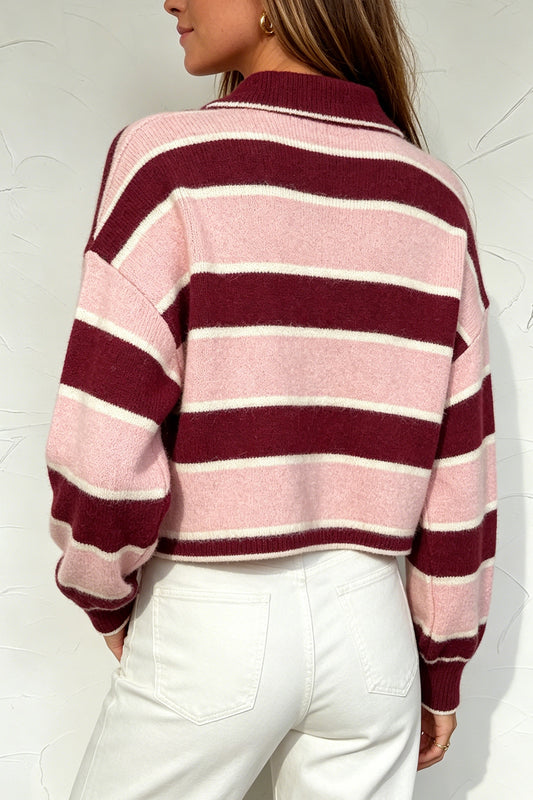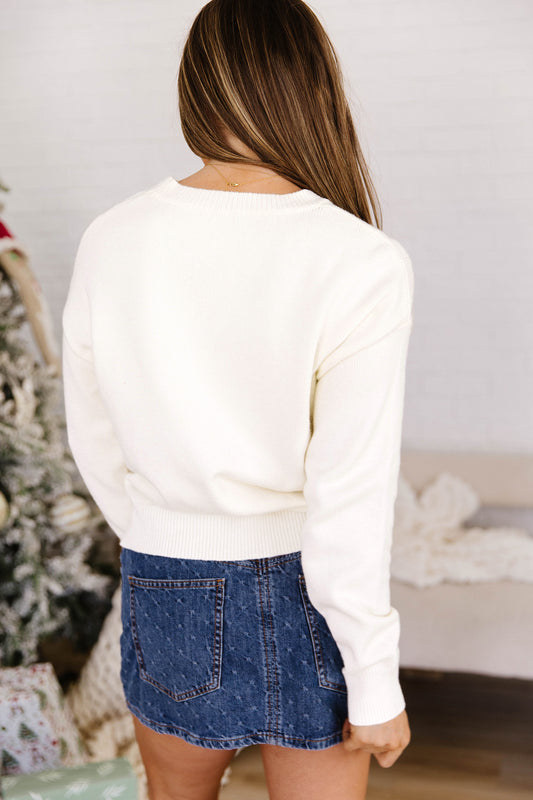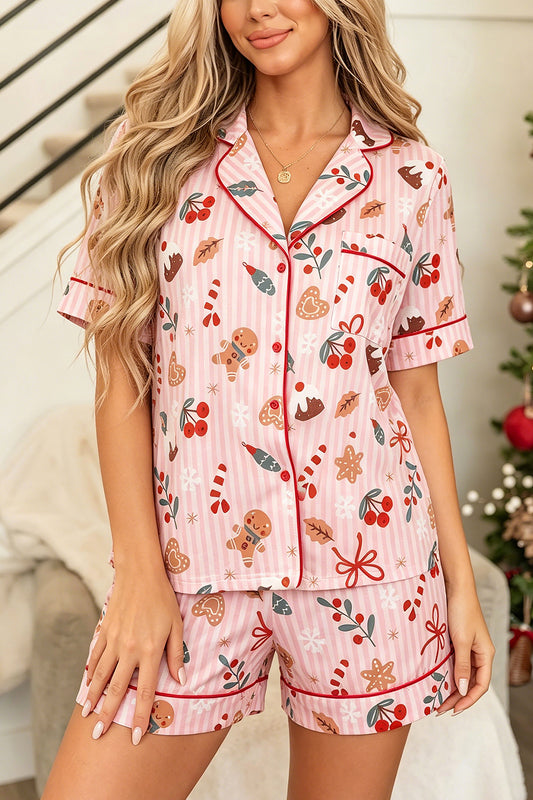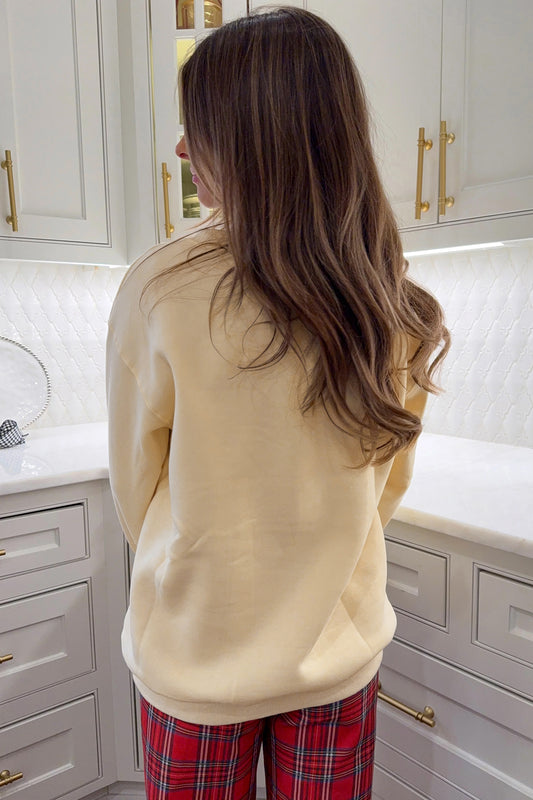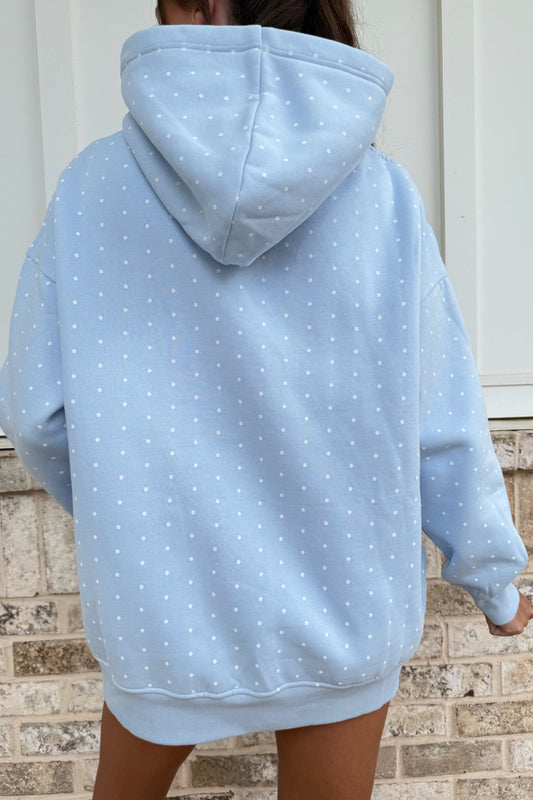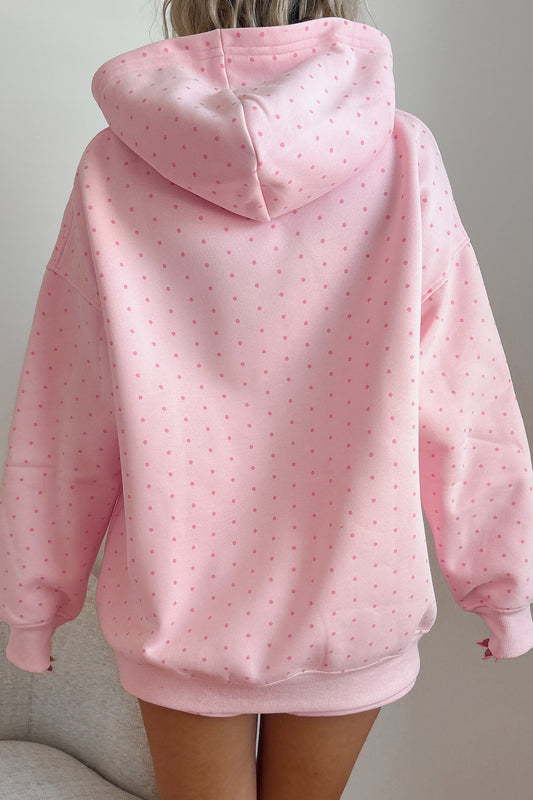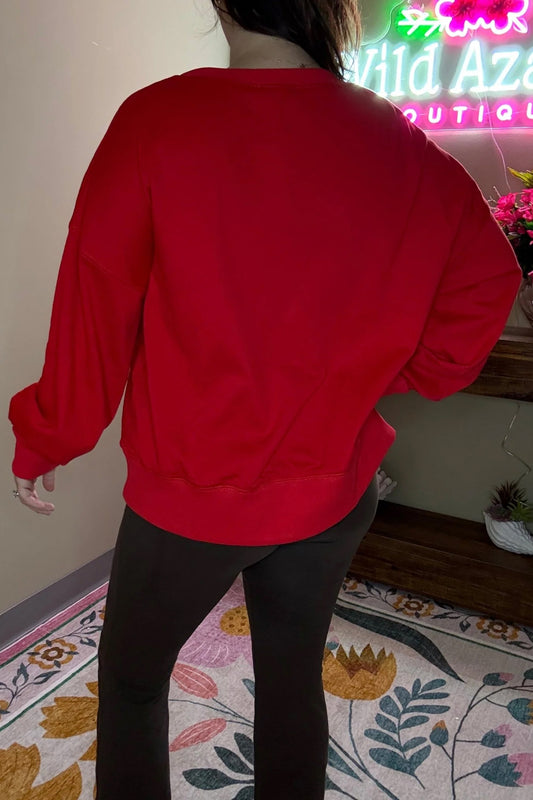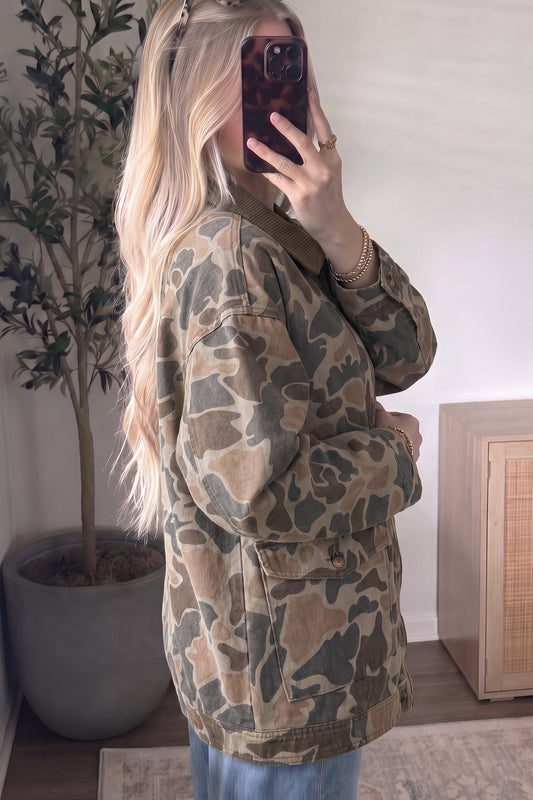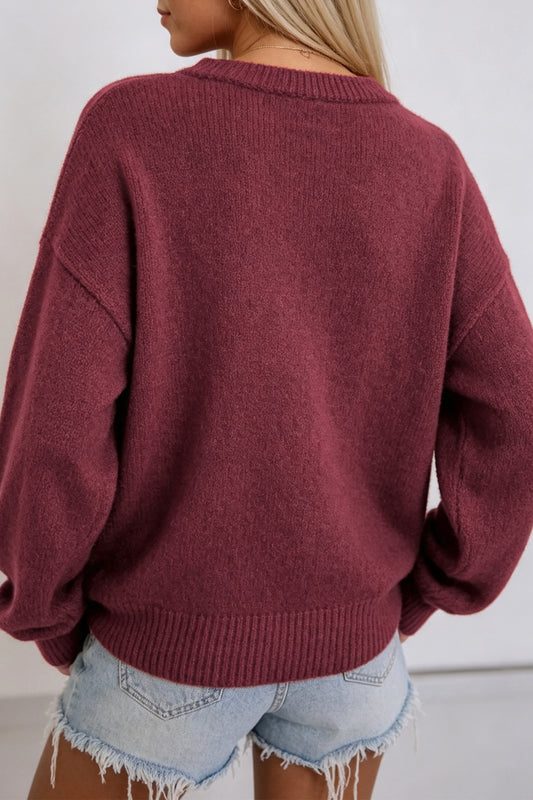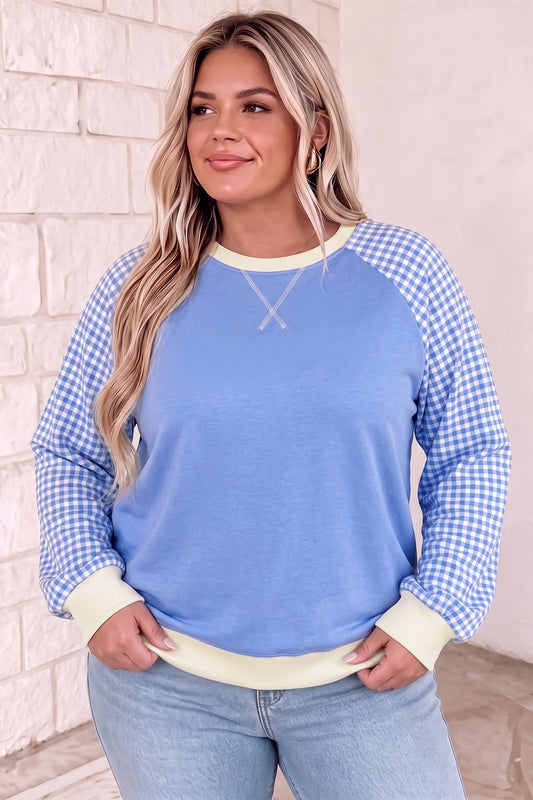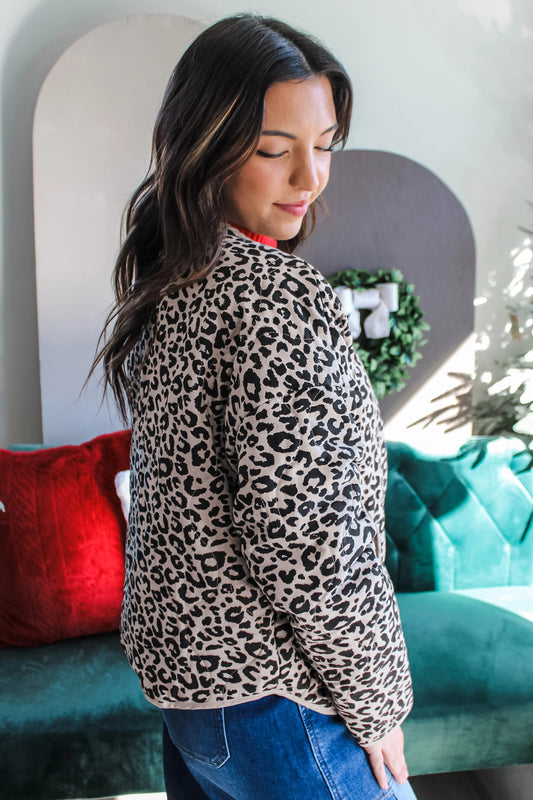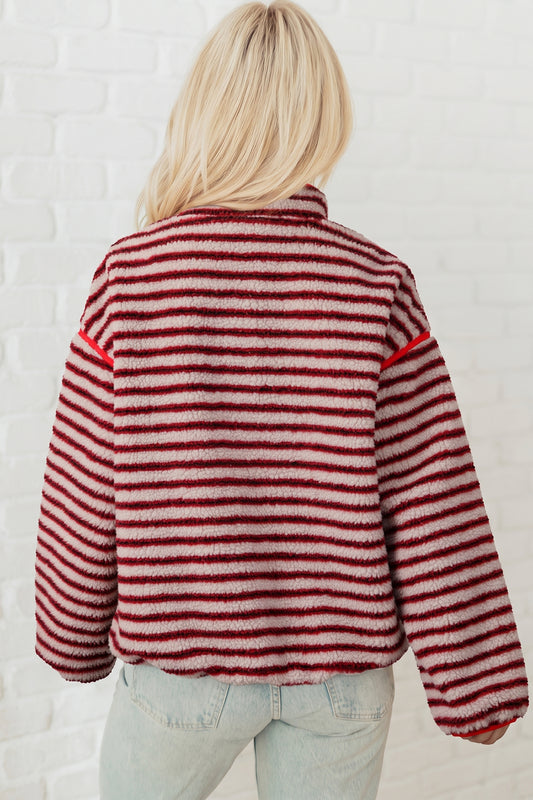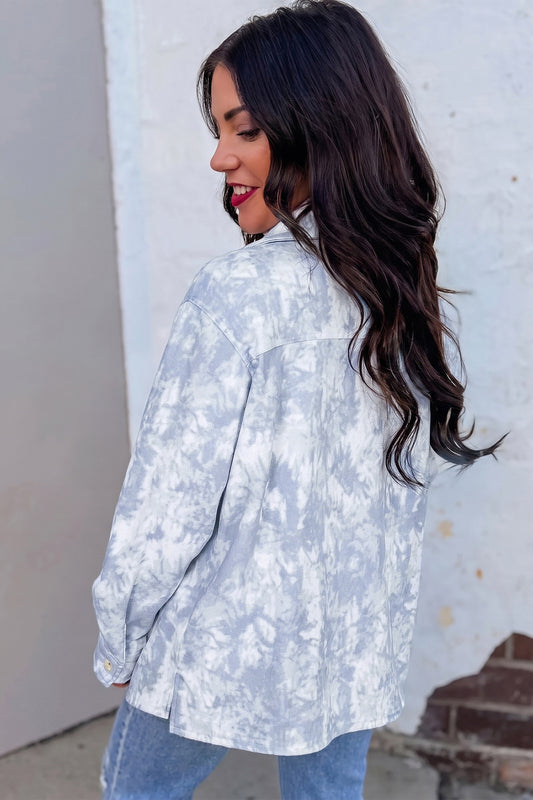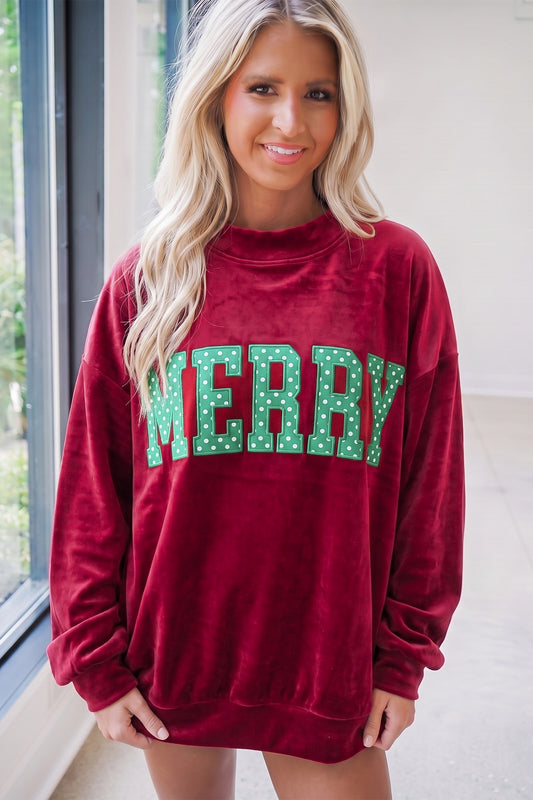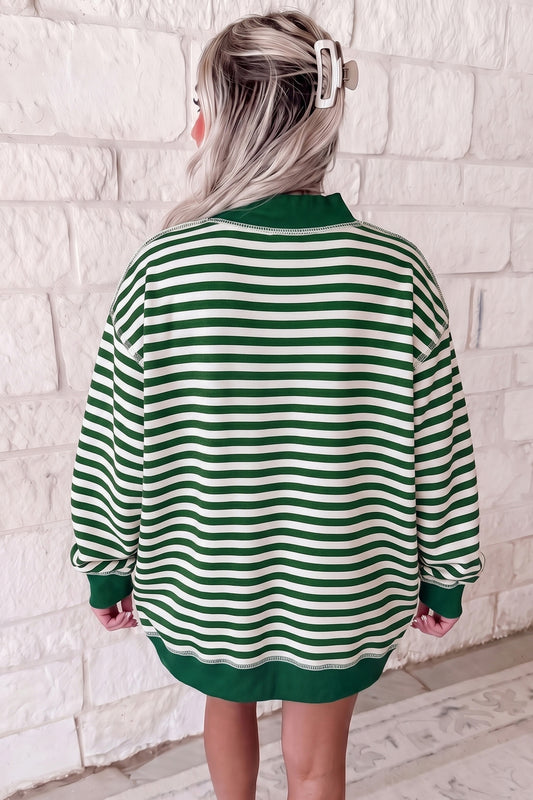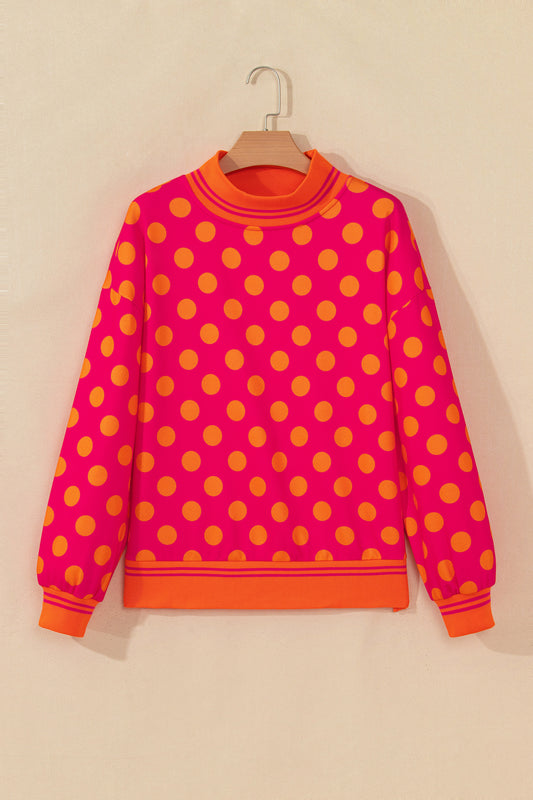

What Are Four Factors Which One Needs To Consider When Dressing?
Dressing well is about more than just putting on clothes — it’s a delicate balancing act between expression and intention. This guide breaks down the four most important factors to consider when choosing your outfit: occasion, weather, comfort, and personal style. We’ll explore why these are crucial, how to make confident fashion choices, and even how your wardrobe can support sustainability and functionality. Whether you’re heading to a wedding, a casual coffee catch-up, or just lounging at home, this article helps you make practical yet stylish decisions using real items from HannaBanna Clothing.
1. Dressing for the Occasion: Let Context Be Your Compass
Imagine walking into a candlelit dinner party in gym shorts or showing up to a networking event in your Sunday sweats. A mismatch like that doesn’t just turn heads — it turns conversations.
The occasion — whether it's a formal event, a laid-back gathering, or an active day — should always be the first lens through which you view your outfit choice. Your clothes communicate before you do, and aligning them with the setting creates a seamless narrative.
“When in doubt, overdress slightly — confidence follows coordination.”
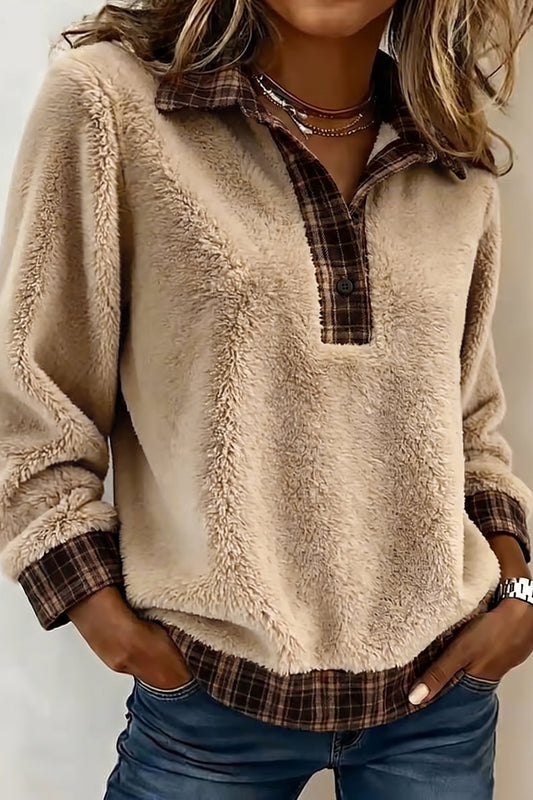
For example, a flowy piece from our dresses collection might serve you well at a gallery opening or a garden wedding, while a chic option from our tops line paired with tailored pants can take you from desk to drinks.
Some key considerations for dressing by occasion include:
-
Event type: Formal, semi-formal, casual, or business?
-
Venue vibe: Upscale hotel or cozy café?
-
Dress code cues: Black tie, cocktail, or come-as-you-are?
This initial filter saves you from last-minute wardrobe crises — and ensures you're always in sync with the moment.
2. Weather and Climate: Dress with the Forecast in Mind
Style shouldn't suffer under storm clouds — or under a scorching sun. Dressing for the weather is not just about practicality; it’s about predicting how your body will feel in what you're wearing.
We’ve all been there: a stiff breeze turns your fashion-forward blouse into a high-maintenance kite, or a humid afternoon leaves you wishing you’d worn linen.
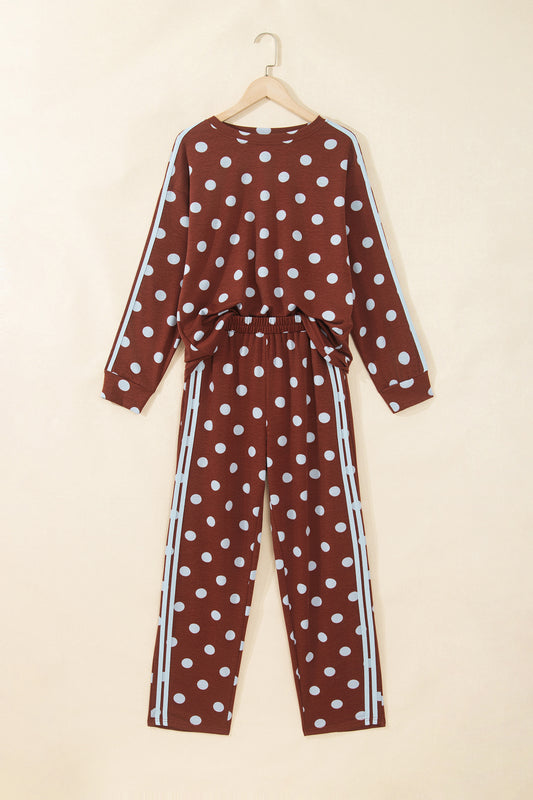
Take a functional-yet-fashionable approach by layering with pieces from our outerwear collection, or stay cozy indoors in breathable loungewear for that rainy Netflix day.
Questions to ask yourself:
-
Will I be indoors, outdoors, or both?
-
Is there a chance of rain or a sudden chill?
-
How long will I be wearing the outfit?
Pro Tip:
Lightweight fabrics and layers are your best friends in transitional seasons. And don’t forget accessories — a stylish scarf or weather-friendly hat from our accessories collection can be both a functional and fashionable finishing touch.
3. Comfort Is (Still) King: The Fit That Feels Like You
We’re living in the era of elevated comfort — and thank goodness. Gone are the days when “fashionable” meant stiff fabrics and restrictive silhouettes.
Today’s fashion-forward choices merge practicality and movement with timeless appeal. Your clothes should not just flatter your body type, they should move with you — whether you’re navigating errands or an impromptu dance floor.
Our activewear and bottoms collection feature pieces designed to provide both flexibility and finesse.
When choosing a fit that works, keep these in mind:
-
Mobility: Can you move, stretch, sit, and breathe easily?
-
Fabric: Is it breathable, soft, and suited to your skin sensitivity?
-
Cut and silhouette: Does it enhance your shape without restricting you?
“The right outfit should feel like a second skin — not a costume.”
There’s something powerful about stepping out the door and not thinking twice about adjusting your hem, your waistline, or your confidence.
4. Personal Style & Body Shape: Dress as an Extension of Self
Style isn't just about what’s trending — it’s a language. And the most fluent wardrobes are the ones that speak you.
Understanding your personal style means knowing what you gravitate toward, what feels natural, and what enhances your unique body shape. It’s the sweet spot where self-expression and self-awareness meet.
Are you drawn to structured silhouettes or breezy, bohemian cuts? Do you favor soft neutrals, or does your closet pulse with color?
"Personal style isn’t found in a magazine — it’s found in the mirror."
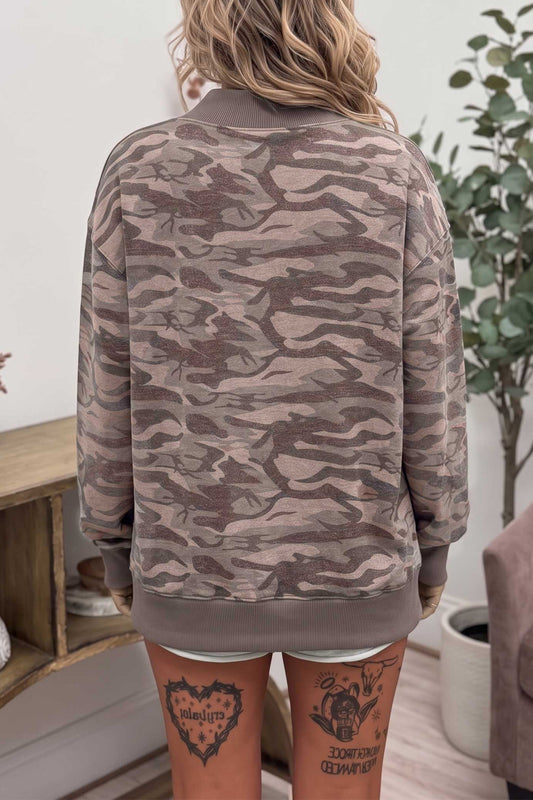
At HannaBanna, we believe that style should empower you. Explore our jewelry collection to add signature accents that feel unmistakably you, or try a new print from our curated tops line for a fresh twist on your existing wardrobe.
Tips for Finding Your Fit:
-
Know your lines: Some pieces flatter the waist, others elongate the legs or accentuate curves.
-
Define your go-to colors: Certain shades may harmonize with your skin tone and elevate your entire look.
-
Explore patterns: Floral, geometric, or minimal — pattern play can reflect mood and occasion beautifully.
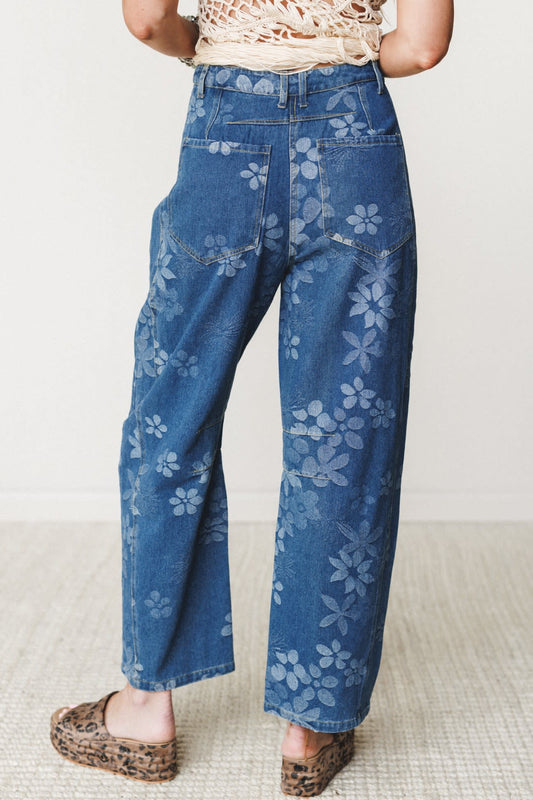
If you’re looking for a starting point, capsule wardrobes built around versatile pieces from our bottoms collection allow you to express multiple looks from a foundation of cohesion.
Material Matters: Choose Fabrics That Work With You
Let’s talk texture. The fabric of your clothes plays a huge role not only in comfort and aesthetics but also in sustainability and skin-friendliness.
Natural materials like cotton, TENCEL™, and bamboo blends offer breathability, reduced environmental impact, and a gentle feel against the skin. In contrast, synthetic materials may hold up well for activewear, but they can be hot, irritating, and environmentally taxing if chosen without intention.
“Wearing the right fabric is like choosing the right soundtrack — it sets the mood for the day.”
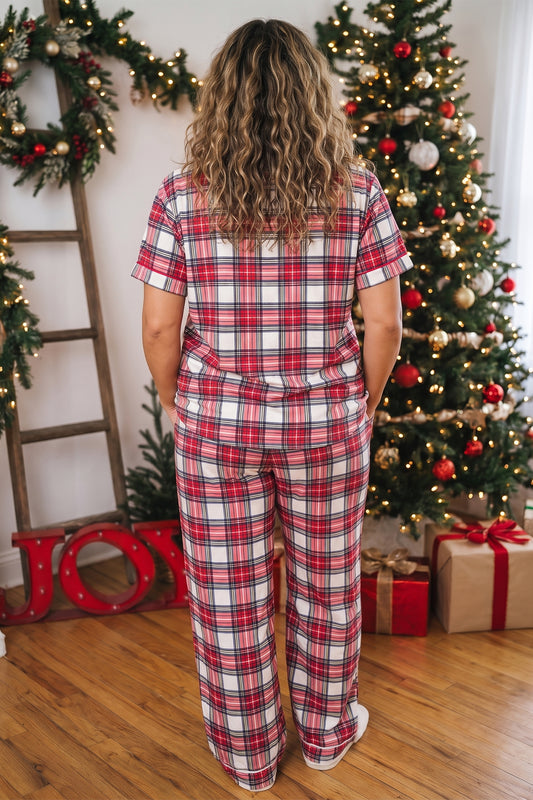
Our activewear collection is designed with movement and moisture-wicking in mind, while our loungewear range emphasizes softness and ease — ideal for rest days or low-key errands.
Fabric Factors to Keep in Mind:
-
Breathability: Crucial for all-day wear, especially in warmer seasons.
-
Weight: Light materials in summer, denser weaves for winter.
-
Eco-footprint: Look for sustainable labels and brands with transparent sourcing practices.
The fashion world is shifting toward slow, ethical production, and choosing clothing with sustainability in mind is a small step with a big impact — for your comfort and the planet.
Why Versatility is the Secret Ingredient in Style
Here’s a not-so-hidden truth: less can be more — when it’s well chosen. Building a wardrobe around versatile pieces that layer, transition, and complement each other creates a cohesive wardrobe with infinite possibilities.
The concept of wardrobe cohesion doesn’t just simplify decision-making; it builds identity. Pieces that can be styled across multiple seasons or events offer more value than one-off trend grabs.
Consider starting with a classic from our outerwear line, perfect for layering through shifting weather or elevating even a basic look.
Look for:
-
Timeless silhouettes: Think wrap dresses, fitted blazers, and tailored trousers.
-
Neutral palettes: Blacks, beiges, creams, and olives create endless coordination options.
-
Layering potential: Pieces that go from day to night with a quick change of accessories.
"True versatility means wearing something five different ways — and loving it every time."
Dressing with Purpose: Beyond Aesthetics
As fashion becomes more conscious, more personal, and more functional, what we wear reflects far more than style — it reflects values. Let’s take a look at the final three layers of thoughtful dressing: sustainability, coordination with others, and the often-overlooked emotional impact of what we choose to wear.
Sustainability & Ethics: Fashion That Feels Good and Does Good
Every clothing choice we make is a vote — for quality, for the planet, for the people behind the seams. The rise of sustainable fashion reflects a growing awareness that what’s stylish shouldn’t cost the Earth.
If you’re choosing breathable fabrics, minimizing microplastic-heavy materials, or investing in fewer, better pieces — you’re already part of the movement.
At HannaBanna, we’re proud to offer collections built around slow fashion principles. Our dresses collection, for example, features timeless cuts designed to be worn season after season — not just this year’s fleeting trend.
“Sustainability is the thread that ties ethical, practical, and personal fashion together.”
Tips for Sustainable Dressing:
-
Choose plant-based or biodegradable fabrics when possible.
-
Invest in timeless designs over fast fashion trends.
-
Support brands with transparent sourcing and ethical manufacturing.
Every wardrobe has the power to do good — one piece at a time.
Social Matching: Subtle Coordination, Powerful Impact
Whether it’s planning outfits for couples, matching vibes with your best friend, or simply not clashing at a group event, aesthetic alignment adds a unique dimension to dressing.
This isn’t about full-on matching — it’s about harmonizing. Think complementary color palettes, shared dress codes, or subtle accessories that create visual cohesion without overt repetition.
Our accessories can be an easy, elegant way to tie two styles together — a matching scarf or jewelry set might be all you need to bring a look into balance with your partner or group.
Ask yourself:
-
Is there a theme or shared vibe to follow?
-
Can we coordinate without compromising personal style?
-
Would a subtle color or fabric match create a stronger look?
“A well-coordinated couple is an unspoken statement — stylish synergy at its best.”
Emotional Connection & Confidence: Dress for Who You Are and Who You Want to Be
Sometimes the most powerful thing a piece of clothing can do is make you feel good.
That “yes” dress. Those confidence-boosting trousers. That cozy hoodie that wraps you in comfort on tough days. Clothing is emotional — it carries memories, boosts moods, and sometimes even changes your posture and presence.
Our loungewear line is designed with this very idea in mind — garments that support rest, recharge, and real life, without sacrificing your sense of identity.
“When you feel good in what you wear, the world notices.”
Clothing isn’t just about fabric — it’s about expression. It's self-love in wearable form.
Final Thoughts: Dressing as a Lifestyle
So, what are four factors which one needs to consider when dressing? It starts with the occasion, moves through the climate, centers on comfort, and is completed by your personal style — but that’s just the beginning.
By folding in ideas like sustainability, coordination, and emotional confidence, we build a wardrobe — and a mindset — rooted in mindfulness, meaning, and style.
Let your wardrobe be more than just outfits. Let it be a reflection of the world you want to live in.
Frequently Asked Questions (FAQ)
1. How do cultural norms influence outfit choices?
Cultural expectations often shape dress codes for events like weddings, holidays, or ceremonies. It's important to respect traditions and local customs — especially when traveling — by researching what's appropriate attire for different settings and communities.
2. What role does color psychology play in dressing?
Colors can evoke specific emotions and send subtle signals. For example, red often suggests confidence or passion, while blue conveys calm and professionalism. Choosing colors that align with your goals for the day can enhance both your look and mindset.
3. Should I follow fashion trends when considering what to wear?
Trends can offer inspiration but shouldn’t dictate your wardrobe. Instead, selectively integrate current styles that align with your personal aesthetic, body type, and comfort — always prioritizing timeless over temporary.
4. How does footwear affect the overall dressing decision?
Shoes can elevate or undermine an outfit. They should balance style with function — especially when considering walking distance, venue type, and weather. Always think about comfort, coordination, and occasion when choosing footwear.
5. How do I build a wardrobe that supports these four dressing factors?
Start with high-quality, versatile basics that reflect your style and fit your lifestyle. Add layers, textures, and seasonal accents over time. A capsule collection built around neutral pieces is a great way to maintain wardrobe cohesion.
6. What’s the difference between personal style and fashion sense?
Personal style is an internal compass — what you love and feel best in. Fashion sense is an awareness of what's current or socially resonant. They can intersect, but personal style is enduring while trends evolve.
7. How do accessories influence an outfit’s success?
Accessories are the finishing touch. They add depth, contrast, and personality to a look — and can even shift an outfit from casual to formal. Belts, jewelry, scarves, and bags also help balance proportions and draw the eye strategically.
Explore our accessories collection to upgrade your look effortlessly.
8. Can dressing well affect my mood or productivity?
Yes, and significantly. Research shows that clothing impacts self-perception and cognitive performance — known as “enclothed cognition.” Dressing with care can elevate confidence, improve focus, and influence how others perceive you.
9. How do I know if an outfit suits my body shape?
Fit is key. Look for pieces that accentuate your natural silhouette — whether that’s hourglass, pear, rectangle, or another shape. Structured lines, waist emphasis, and vertical detailing are universally flattering tactics.
10. Is it better to buy fewer expensive pieces or more affordable options?
Investing in fewer, well-made garments often yields better value long-term. High-quality items tend to last longer, fit better, and offer more versatility. They also support sustainability, especially when made by ethical brands like HannaBanna Clothing.