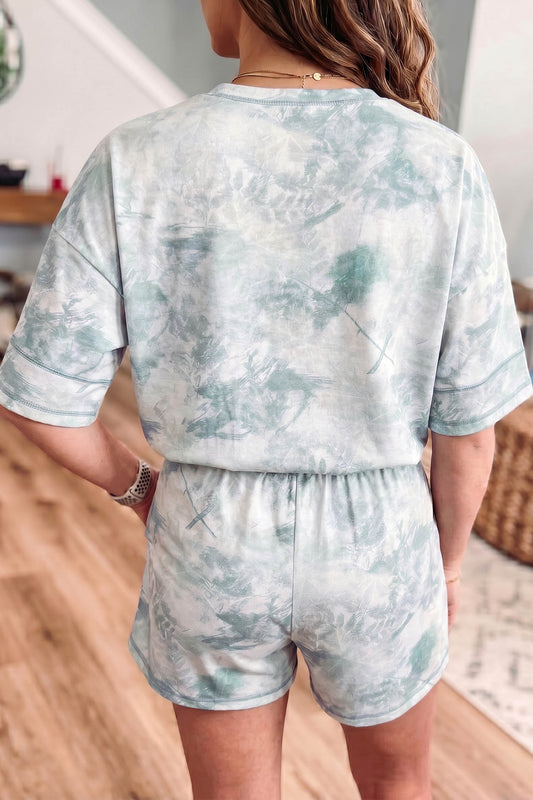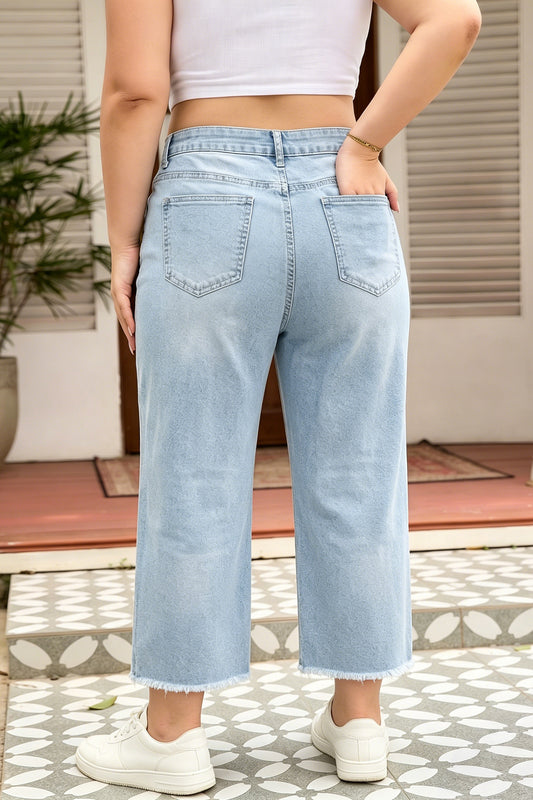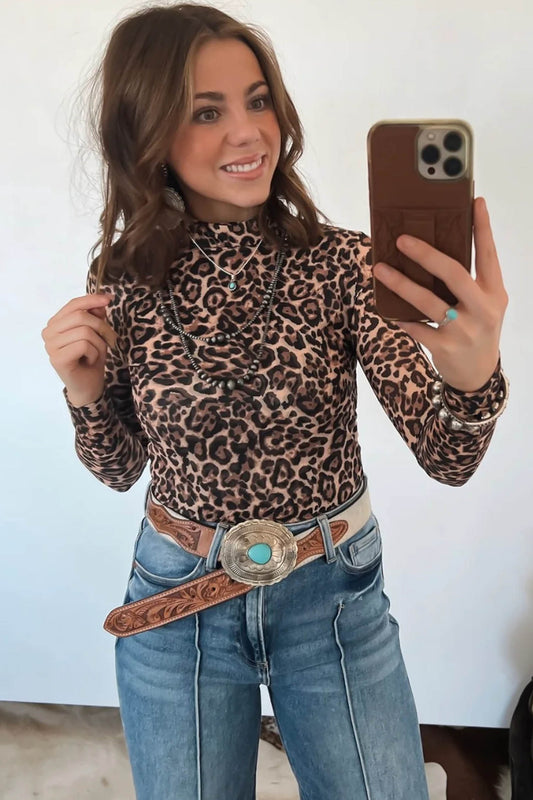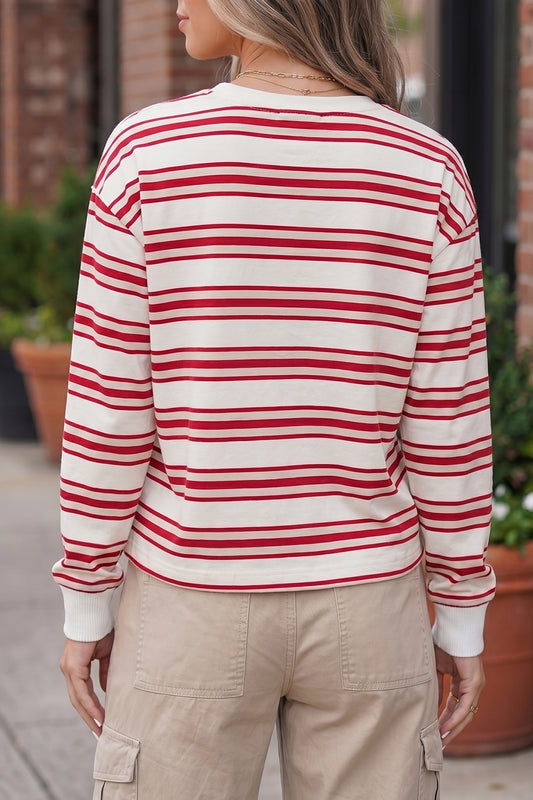

The 5 Pieces Every Woman in Her 30s Should Own
Your 30s are a good time to stop thinking of your wardrobe as an endless collection of clothes and start thinking about the pieces that genuinely earn their place in it. The most useful wardrobe essentials for women in their 30s aren't dictated by age rules. They're the clothes you can depend on: a great white shirt or tee, beautifully fitting trousers or jeans, a timeless dress, a quality everyday bag, and a jacket or blazer that pulls everything together.
The common thread is versatility. Look for timeless pieces with a flattering fit, colours and silhouettes you genuinely enjoy wearing, and enough flexibility to move between work, weekends, dinners, travel and ordinary days. A strong wardrobe foundation should make getting dressed easier, not give you another set of fashion rules to follow.
The five pieces at a glance:
- A white shirt or T-shirt — the uncomplicated top that works alone, layered or dressed up.
- Trousers or jeans that fit beautifully — dependable bottoms you don't have to think twice about wearing.
- A timeless dress — your answer to everything from dinner plans to occasions when you want to look instantly put together.
- A quality everyday bag — practical enough for real life, polished enough to go almost anywhere.
- A timeless jacket or blazer — the finishing layer that can change the character of an entire outfit.
The principle worth remembering: quality over quantity doesn't necessarily mean owning fewer clothes for the sake of minimalism. It means building a wardrobe around pieces that fit, work hard and still feel like you.
Your 30s Aren't About Dressing "Your Age"
There is something wonderfully clarifying about personal style in your 30s.
By now, you may have survived enough micro-trends to know that not every "must-have" actually deserves hanger space. You may know which silhouettes make you stand taller, which colours you reach for without thinking and which supposedly essential purchases spend most of their lives untouched.
That experience is useful.
Because learning how to dress in your 30s shouldn't involve swapping personality for a sensible uniform. Nor does women's fashion over 30 need to become conservative, restrained or predictable. Your wardrobe can still be playful, romantic, minimal, bold, relaxed—or several of those things before Friday.
What changes is often the standard you expect from your clothes.
Instead of asking:
Is this fashionable right now?
You start asking better questions:
- Does it fit me properly?
- Can I style it several different ways?
- Does it work with clothes I already own?
- Will I still want to wear it after this season?
- Do I actually feel good in it?
Those questions naturally lead towards a more versatile wardrobe. Not necessarily a strict minimalist wardrobe or tiny capsule wardrobe, but a closet with a dependable backbone.
Think of these five pieces as that backbone.
They are classic wardrobe staples, not commandments. You can interpret each one according to your personal style, lifestyle and climate. Your perfect white top might be oversized and crisp rather than fitted. Your essential trousers might actually be wide-leg jeans. Your signature dress might be vivid rather than black.
The point is usefulness—not conformity.
Why Five Great Pieces Can Change the Rest of Your Wardrobe
A wardrobe tends to become frustrating when it contains plenty of individual clothes but very few connections.
You have a beautiful skirt, but nothing quite works with it. A statement top only seems right with one pair of trousers. A jacket looks fantastic, provided you're wearing the exact outfit you had on when you bought it.
Suddenly, a full wardrobe creates the familiar feeling of having nothing to wear.
Well-chosen wardrobe basics do the opposite. They connect things.
A white shirt gives patterned bottoms somewhere to land. Good trousers make a casual top look considered. A simple dress can shift personality with a change of layer or accessories. The result is greater wardrobe versatility without endlessly buying more.
This is also why elevated basics deserve more attention than their name suggests. "Basic" doesn't have to mean boring. Fabric, cut, texture, proportion and styling can turn an apparently simple piece into the item holding ten outfits together.
If you're refreshing your wardrobe rather than rebuilding it from scratch, start by looking through what you already own. Separate the pieces you repeatedly wear from those you continually overlook. Then identify the gaps.
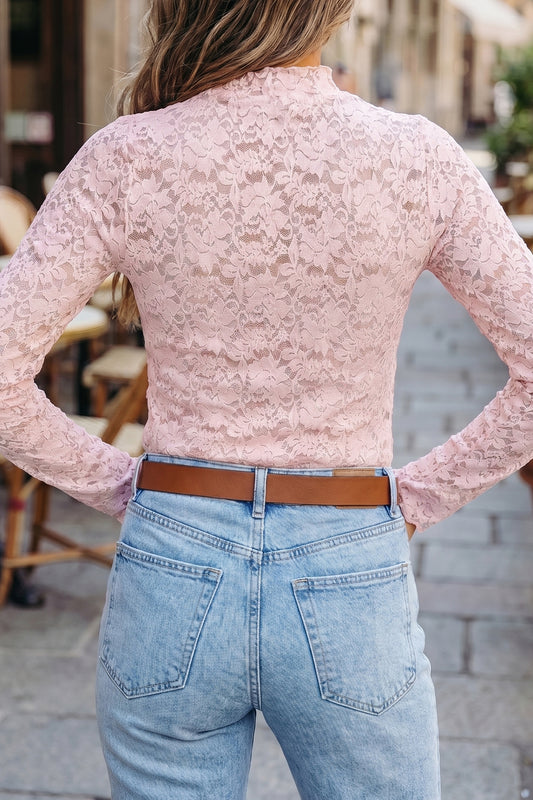
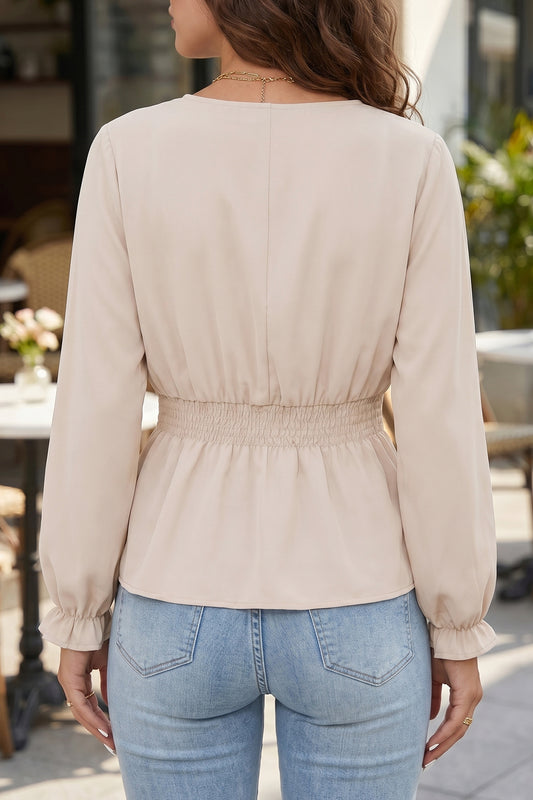
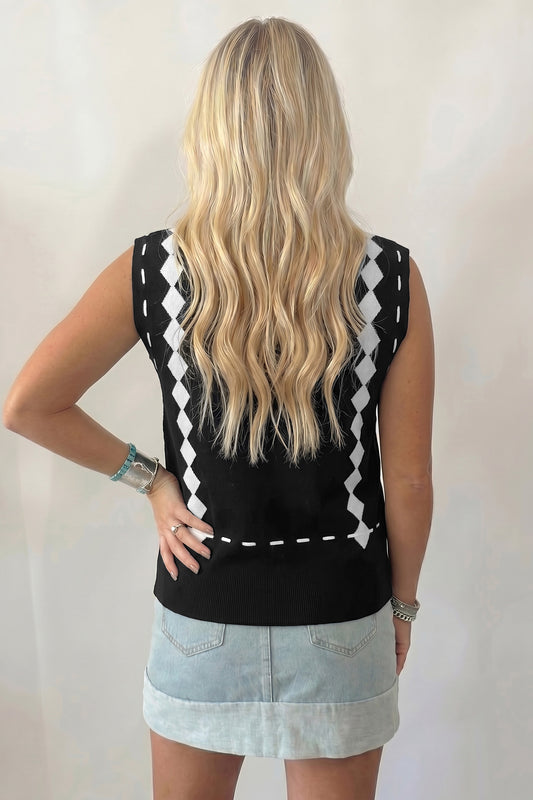
Browsing women's tops, for example, makes much more sense when you know you're searching for a versatile top that will work with three or four existing bottoms—not merely something new.
That distinction is small. Its effect on your closet isn't.
1. The White Shirt—or the White Tee You Actually Want to Wear
Few fashion essentials have survived as many changing aesthetics as the white top.
There is a reason.
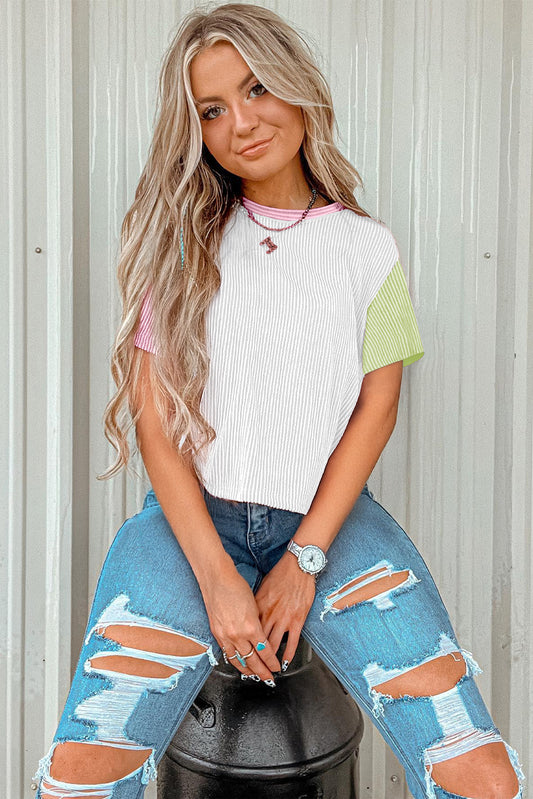
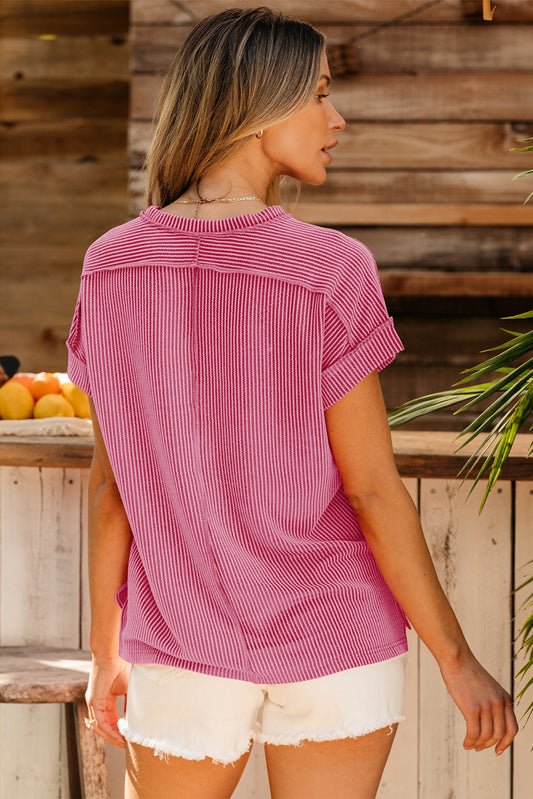
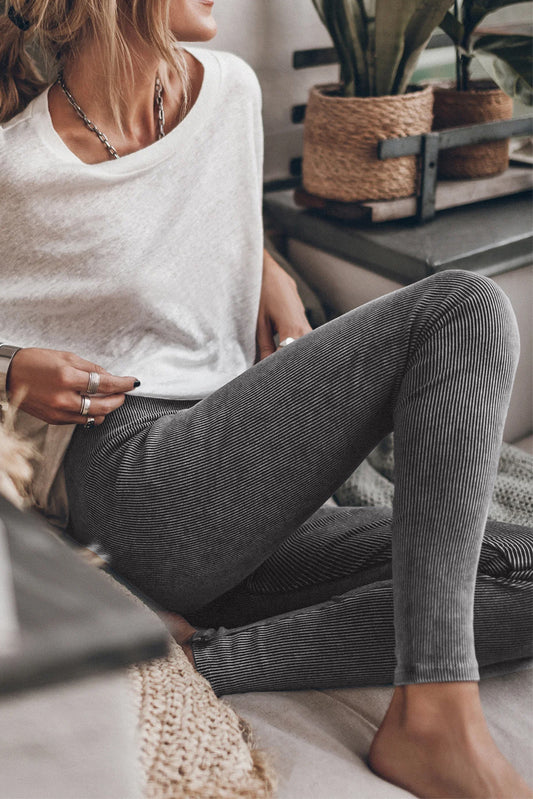
A crisp white shirt can look sharp beneath a blazer, relaxed with denim, elegant tucked into wide-leg trousers or deliberately undone over a simple top. A white T-shirt can perform much the same magic from the casual end of the spectrum: clean, uncomplicated and ready to support almost anything else you're wearing.
But "white shirt" is a category, not a prescription.
Choose the version that suits your life
If your style leans polished, try a structured button-up shirt with a collar that holds its shape. If you're more relaxed, an oversized cotton shirt can be worn buttoned, half-tucked, open as a lightweight layer or with the sleeves rolled.
And if shirts never feel quite like you? Choose the tee.
A really good white tee is one of the hardest-working closet basics around. Pay attention to:
- Neckline: crew, scoop and V-necks create noticeably different proportions.
- Sleeve length: even a few centimetres can change how a T-shirt sits on the body.
- Fabric weight: slightly heavier fabric can feel more substantial and less transparent.
- Length: consider whether you usually tuck your tops in or wear them loose.
- Fit: fitted, straight and oversized tees all create very different silhouettes.
This is where proper fit matters more than the label sewn into the neck.
A piece becomes an investment because of how often and how happily you wear it—not simply because it was expensive. If a £30 top becomes part of 60 outfits while a £150 one leaves the wardrobe twice, the supposedly modest purchase delivered the better cost per wear.
Four outfits from one white top
A useful wardrobe staple should be able to change jobs.
Try yours:
- With jeans and trainers for uncomplicated everyday style.
- Tucked into tailored trousers with a belt for a more polished look.
- Under a dress or lightweight layer when the temperature drops.
- With statement bottoms or accessories when you want the rest of the outfit to do the talking.
That's the appeal of a genuine elevated basic: it gives you options without demanding attention.
And white isn't mandatory. If cream, ivory, black, navy or another neutral suits you better, use that instead. The underlying principle is more important than the colour: choose a simple, versatile top that works across a large percentage of your wardrobe.
The best style essentials adapt to the woman wearing them.
2. Trousers or Jeans That Fit Beautifully
If the first piece gives your wardrobe flexibility, the second gives it structure.
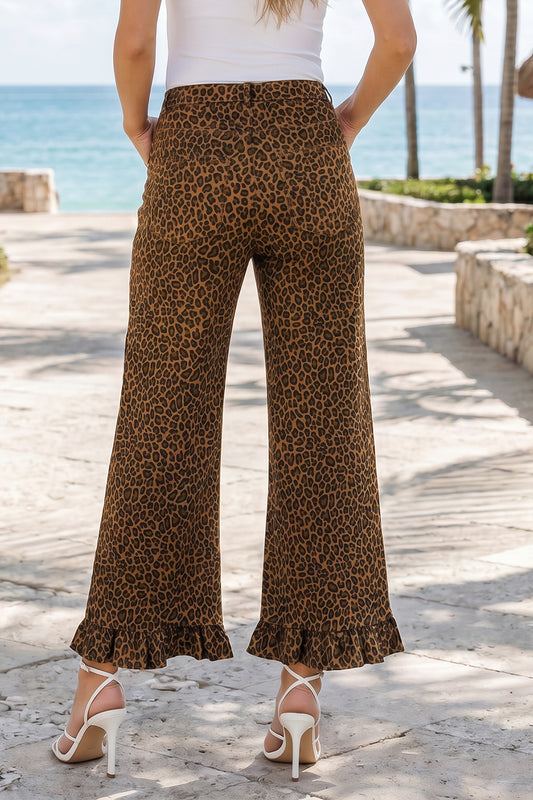
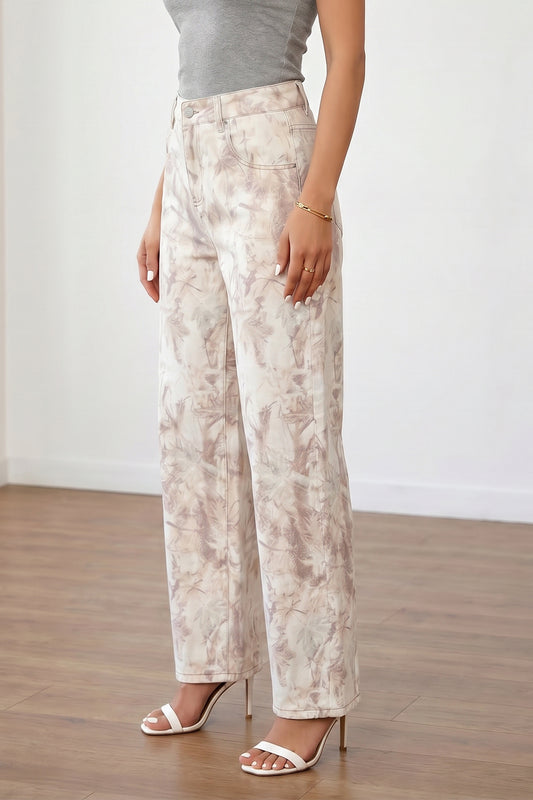
A pair of tailored trousers that sits exactly where you want it to at the waist and falls beautifully through the leg can solve an astonishing number of "what do I wear?" mornings. So can a pair of flattering jeans you know work with everything from tees to smarter tops.
Ideally, your wardrobe has room for both eventually.
But if you're choosing one foundational pair first, choose according to the life you actually live.
Someone who spends most of the week in relaxed environments may get far more mileage from classic jeans. Someone moving regularly between the office, dinners and smarter occasions might find black trousers or beautifully cut wide-leg trousers more useful.
Explore different bottoms with the rest of your wardrobe in mind. You're looking for the pair that makes your existing tops, knitwear and outer layers suddenly easier to wear.
Fit first. Trend second.
Rise, waistband, length and leg shape matter.
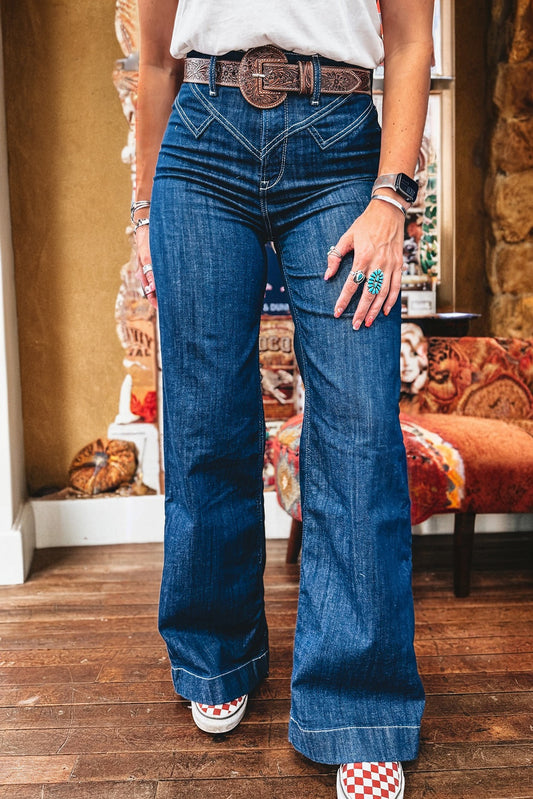
High-waisted trousers can create a long, defined silhouette, while a wide leg offers movement and works particularly well with more fitted tops. Straight-leg denim has enduring appeal precisely because it sits comfortably between very slim and dramatically oversized silhouettes.
But there isn't one universally "flattering" cut.
The useful definition of a flattering fit is the one that makes you feel comfortable, balanced and confident enough to stop adjusting your clothes every five minutes.
That's an important distinction when building a forever wardrobe. The pieces that survive aren't always the theoretically perfect ones. They're the ones you instinctively reach for.
And once you've found those trousers or jeans?
Wear them relentlessly.
With the white shirt. With knitwear. With a relaxed tee. With a smarter top and heels. With trainers and a jacket. With something unexpected.
A genuine wardrobe staple isn't precious.
It earns its status by being worn.
3. The Timeless Dress That Makes Getting Ready Easy
Some clothes require an outfit.
A great dress is the outfit.
That's exactly why a timeless dress deserves a place among the essential wardrobe pieces you build around in your 30s. On mornings when separates feel like a puzzle, or evenings when you need to get ready quickly, one dependable dress can remove most of the decision-making.
Slip it on. Choose shoes. Add a layer if you need one.
Done.
But the word "timeless" can be misleading. It doesn't mean your dress has to be plain, black or conservative. It means the piece has enough staying power to survive beyond one trend cycle—and enough versatility to deserve repeated wear.
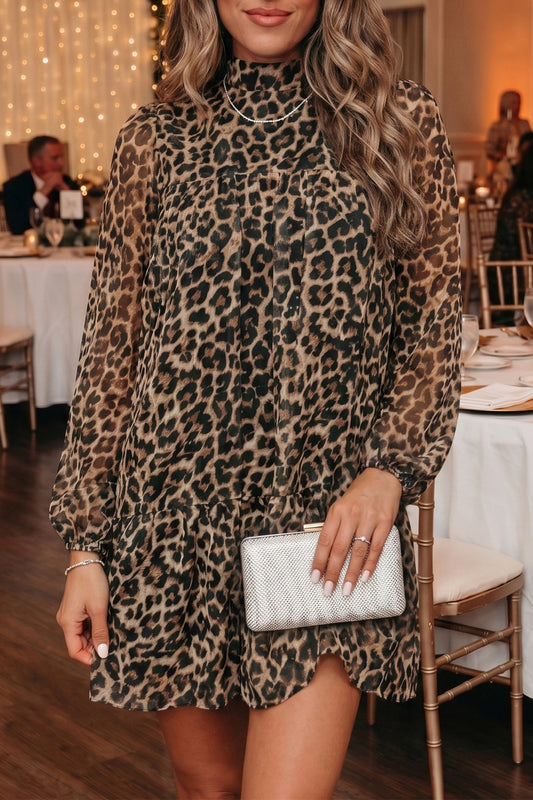
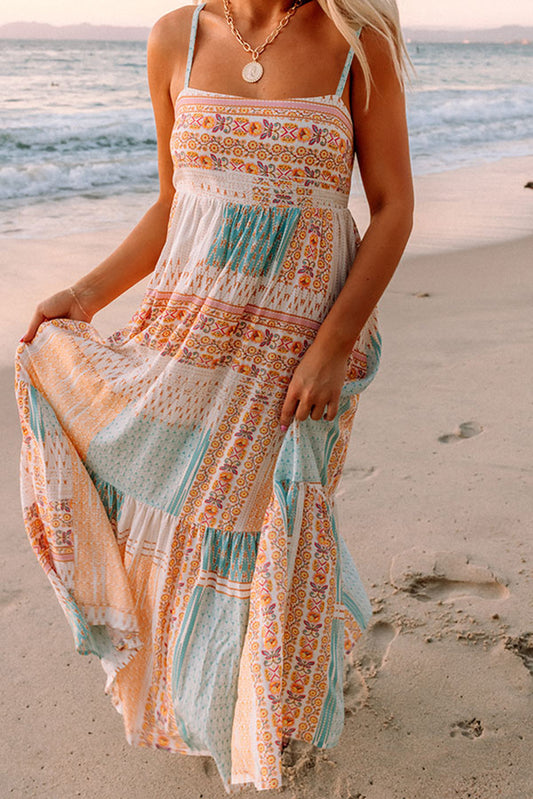
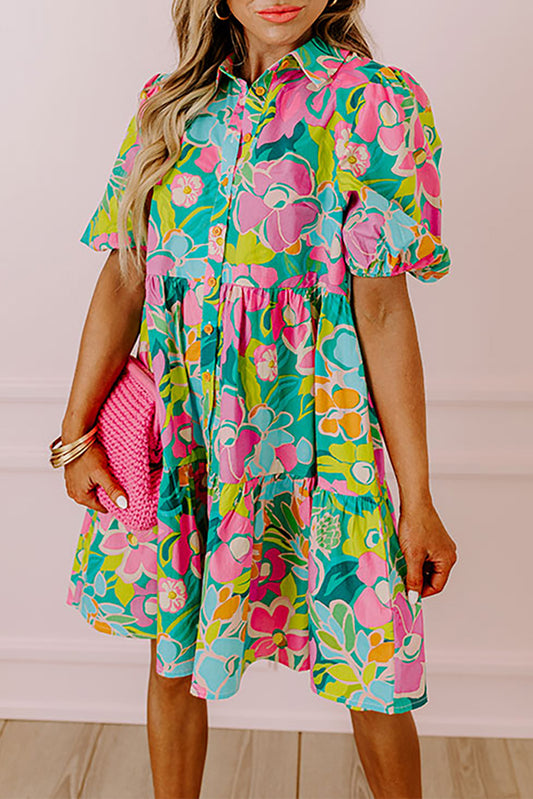
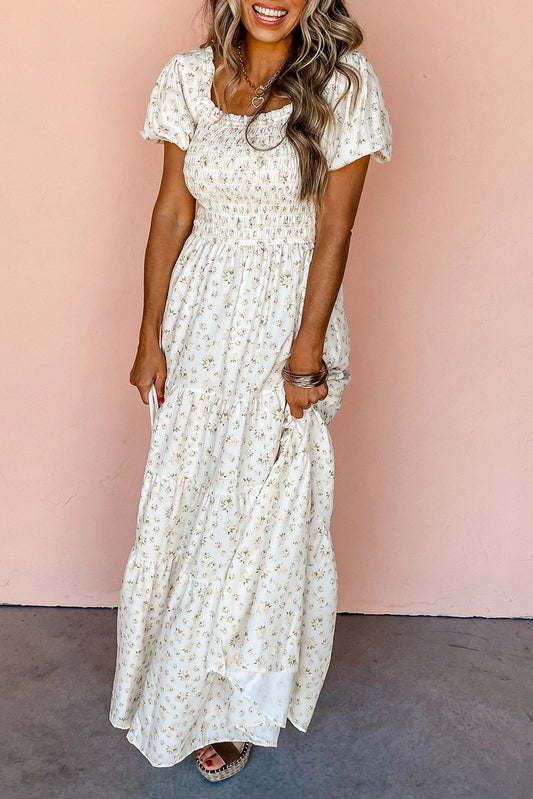
For one woman, that's the classic little black dress. For another, it's a flowing midi dress in a favourite colour. It could be a wrap dress, a simple knitted style, an understated cocktail dress or something printed that has become part of her signature style.
The best choice is the one that feels unmistakably yours.
What makes a dress a genuine wardrobe staple?
Start with versatility.
A good signature dress should ideally be able to exist in more than one version of your life. Perhaps it works with flats for lunch, boots and a jacket in cooler weather, and heels with jewellery for dinner. Perhaps it can go from work to evening with little more than a change of accessories.
That's day-to-night dressing at its most useful—not carrying half another outfit around with you, but choosing clothes capable of changing mood.
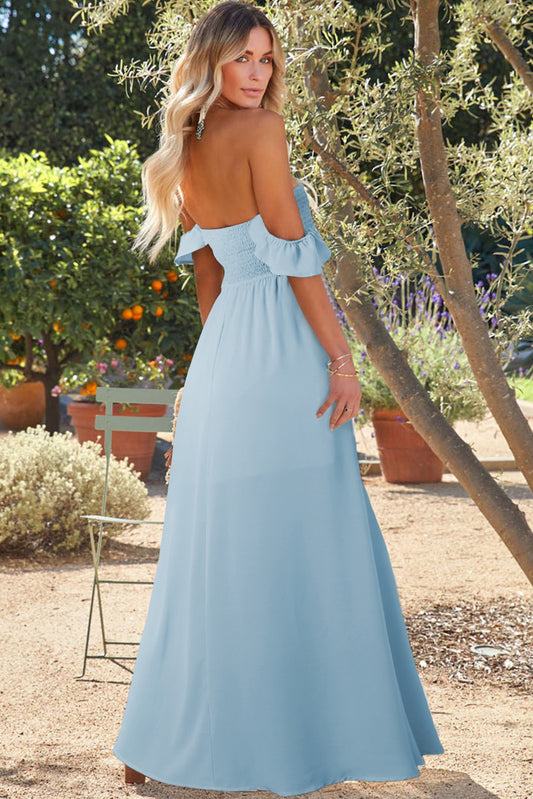
When browsing women's dresses, consider where a dress could realistically take you rather than imagining one perfect occasion.
Ask yourself:
- Can I wear it casually?
- Can I make it smarter?
- Does the silhouette feel comfortable for several hours?
- Can I layer over or underneath it?
- Does it work with shoes and jackets I already own?
- Would I still be drawn to it without the current trend surrounding it?
If most answers are yes, you've probably found something with staying power.
The little black dress is an idea, not an obligation
The LBD has become shorthand for the ultimate wardrobe must-have, and understandably so. Black is easy to accessorise, moves comfortably between dress codes and can make a relatively simple silhouette feel immediately polished.
But don't buy a black dress merely because someone declared that every woman should own one.
If you rarely wear black, your version might be navy, chocolate, burgundy, cream or a colour that consistently makes you feel fantastic.
Likewise, don't assume "timeless" means fitted.
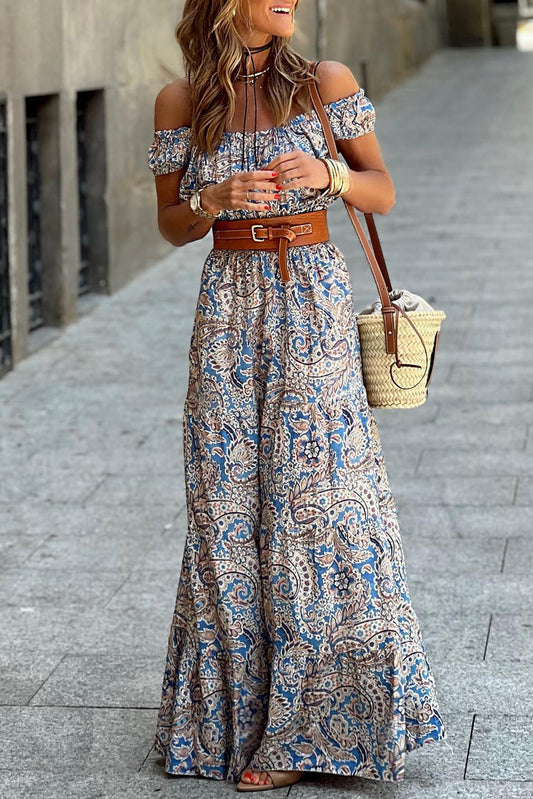
A relaxed midi dress can be every bit as enduring as a fitted cocktail dress. A wrap silhouette may give you the flexibility you want. A flowing maxi might make far more sense for your everyday style.
The objective isn't to own the correct dress.
It's to own your dress.
A signature piece becomes timeless when you keep finding reasons to wear it—not when somebody else puts it on a list of classics.
Think in outfits before you buy
One simple habit can transform wardrobe building: before buying a piece, mentally style it three different ways using clothes you already own.
Take a midi dress.
Look one: dress + trainers + relaxed jacket.
Look two: dress + boots + structured outer layer.
Look three: dress + heels + jewellery + evening bag.
One piece. Three different moods.
This approach also helps prevent the "beautiful but nowhere to wear it" problem. If you can't imagine a new dress interacting with anything already in your closet, it may be a standalone purchase rather than a useful addition to your wardrobe foundation.
That doesn't mean every garment needs to be practical. Fashion is allowed to be joyful, impulsive and occasionally extravagant.
But when you're choosing your core investment pieces, versatility deserves a seat at the table.
Style in Your 30s: Stop Saving Your Good Clothes
There's another wardrobe habit worth leaving behind: saving everything you love for "best."
The beautiful dress waits for an occasion.
The nicer blouse stays on its hanger.
The good jacket is apparently too good for an ordinary Tuesday.
Meanwhile, the clothes you don't particularly love are worn constantly because they're considered practical.
Reverse that logic.
Your most-loved pieces should participate in your actual life.
Wear the dress to dinner even if dinner isn't somewhere fancy. Wear the lovely top with denim. Put the blazer over a T-shirt. Pair something elegant with something deliberately relaxed.
This is where sophisticated style becomes far more interesting than simply dressing formally. It's the confidence to mix the polished with the everyday.
And it can dramatically improve cost per wear.
Imagine a dress costing £90.
Wear it three times and that's £30 per wear. Wear it 30 times over several years and you're down to £3 per wear. The exact maths isn't the important part; the change in mindset is.
"Investment dressing" should never become an excuse to spend beyond your means. An investment piece is useful because of the value it returns to your wardrobe, not because of a prestigious price tag.
Sometimes your hardest-working piece will also be one of your least expensive.
4. The Everyday Bag That Quietly Holds Everything Together
There are fashion purchases, and then there are the objects that accompany you almost everywhere.
Your everyday bag belongs firmly in the second category.
It gets placed under desks and restaurant tables. It goes to work, coffee shops, appointments, weekends away and last-minute dinners. It carries the useful, the important and the inexplicable collection of things that somehow accumulate at the bottom.
So while a bag contributes to an outfit, it has a job to do too.
That's why the ideal classic handbag sits at the intersection of appearance and practicality.
What should an everyday bag actually do?
Before thinking about trends, think about your routine.
Someone commuting with a laptop has very different requirements from someone who carries little more than a phone, keys and purse. A structured work bag may be invaluable for one lifestyle and unnecessarily cumbersome for another.
Your ideal option could be:
- a roomy tote bag;
- a structured shoulder bag;
- a practical crossbody;
- a classic handbag;
- a compact everyday bag; or
- a larger bag that moves easily between work and weekends.
Then think about what tends to irritate you.
Do shoulder straps constantly slip? Do you hate bags without secure closures? Do you need internal compartments? Are you forever trying to squeeze a water bottle into a bag that is approximately three centimetres too small?
Those details matter more than whether a particular silhouette happens to be trending.
The accessories collection is also where you can think beyond the bag itself. Everyday jewellery, scarves and other finishing touches can alter familiar outfits without requiring an entirely new wardrobe.
Neutral doesn't have to mean black
For maximum wardrobe versatility, a relatively adaptable colour usually makes sense.
Black is an obvious choice, but it isn't the only one. Tan, chocolate, cream, taupe, grey and other neutral colours can integrate beautifully into a wardrobe.
The best neutral is the one that works with your dominant palette.
If your closet contains lots of warm browns, creams, rusts and earthy colours, a warm-toned bag may prove considerably more versatile than black. If you live in monochrome, black might be effortless.
And if your clothes are largely neutral already?
Your everyday bag might be precisely where colour belongs.
This is why a capsule wardrobe should never be confused with a beige wardrobe. Capsule wardrobe essentials are about compatibility and repeated use. They don't require you to remove colour, pattern or character.
Think beyond the "investment bag"
The phrase investment bag often implies luxury, but longevity isn't exclusively attached to a designer label.
Look instead at construction, practicality and whether the style suits your life.
If you're assessing a bag for long-term use, consider:
- Capacity — does it actually hold what you carry most days?
- Comfort — does it remain comfortable when full?
- Closure — open tote, zip, flap or another fastening?
- Organisation — do you need pockets and compartments?
- Versatility — can it work with both relaxed and smarter outfits?
- Maintenance — does its material suit the amount of care you're realistically willing to give it?
This is quality over quantity in practical form.
One hardworking bag that you genuinely enjoy carrying can be more useful than five that are almost—but never quite—right.
The Secret Is Not Owning More. It's Making More Combinations.
By this point, a pattern should be emerging.
The white top works with the trousers.
The trousers work with other tops already in your closet.
The dress stands alone, but can be changed with accessories.
The everyday bag works with all three.
This is the real purpose of wardrobe building blocks.
They multiply.
A useful wardrobe isn't necessarily the wardrobe with the most individual pieces; it's the one with the greatest number of satisfying combinations.
Think of it almost like a network:
top + trousers + bag
top + jeans + jacket + bag
dress + bag
dress + jacket + bag
white tee + trousers + jacket
The fifth essential—the jacket or blazer—is especially important because it creates even more of those connections.
And that's where we're heading next.
5. The Jacket or Blazer That Finishes the Outfit
Sometimes the difference between wearing clothes and feeling properly dressed is one final layer.
A blazer over a white tee.
A trench coat thrown over a dress.
A leather jacket with jeans.
Nothing complicated happened, yet suddenly the outfit makes sense.
That's why a great piece of outerwear completes our five wardrobe must-haves. It isn't simply something you put on because it's cold. The right jacket introduces shape, texture and contrast—and can make the clothes underneath feel completely different.
Browse women's outerwear with that versatility in mind. Rather than searching for something that only works with one particular outfit, look for a layer capable of moving around your wardrobe.
If you choose a blazer
A blazer is arguably one of the easiest ways to create polished style without becoming overly formal.
The modern version doesn't need to resemble traditional office tailoring, either.
Try an oversized blazer with a white T-shirt and jeans. Wear a more structured version over a midi dress. Pair one with wide-leg trousers for a sharper silhouette, or push up the sleeves and add trainers when you want the whole thing to feel less serious.
The magic is in the contrast.
Tailoring can make casual clothes feel intentional, while relaxed styling can stop tailoring feeling stiff.
When you're looking for a blazer with longevity, pay attention to:
- shoulder fit and structure;
- whether you prefer fitted, straight or oversized proportions;
- sleeve length;
- fabric weight;
- how comfortably it layers over your usual tops;
- whether the colour works with your existing wardrobe.
Black, navy, grey, camel and cream can all function as versatile neutrals, but again, there is no compulsory colour.
The best blazer is the one that keeps finding its way into outfits.
If you choose a leather jacket
A leather jacket—or a similar jacket in the look and finish you prefer—does a different job.
Where a blazer can add polish, this kind of jacket adds edge.
Put it over a feminine dress and the contrast immediately changes the mood. Pair it with denim and a simple tee and you've got one of those combinations that seems immune to fashion's constant churn.
That's what makes certain classic wardrobe staples so valuable: they're flexible enough to absorb changing trends without being defined by them.
The jeans may become wider.
The dress silhouette may change.
The shoes may change completely.
The jacket still works.
If you choose a trench coat
Then there's the trench coat: perhaps the ultimate transitional piece.
It's particularly useful when the weather can't quite make up its mind. A trench can sit comfortably over tailoring, denim, dresses and casual separates while adding a little structure without the weight of a winter coat.
For anyone building a transitional wardrobe, that's valuable territory.
The broader lesson is simple: don't choose your fifth piece because somebody says every woman in her 30s needs a blazer, leather jacket or trench.
Choose the outer layer that works hardest for you.
Your Five-Piece Wardrobe Foundation
So, where does that leave us?
Not with five rigid fashion rules.
With five roles.
Your versions might look entirely different from another woman's, and that's exactly how it should be.
| Wardrobe role | Classic interpretation | Your version could be |
|---|---|---|
| The versatile top | White shirt or white T-shirt | Cream blouse, fitted tee, oversized button-up |
| The dependable bottom | Tailored trousers or classic jeans | Wide-leg trousers, dark denim, relaxed trousers |
| The signature one-piece | Little black dress | Midi dress, wrap dress, knitted dress |
| The everyday accessory | Classic handbag | Crossbody, tote, structured work bag |
| The finishing layer | Blazer | Trench coat, leather-style jacket, relaxed jacket |
That's the advantage of thinking in categories rather than commandments.
You're creating a wardrobe foundation around what clothes actually do.
The top connects.
The trousers anchor.
The dress simplifies.
The bag accompanies.
The jacket transforms.
Together, they're far more useful than five random fashionable purchases.
How to Turn Five Essentials Into a Capsule Wardrobe
You don't need to become a minimalist to borrow the best idea from the capsule wardrobe philosophy.
That idea is compatibility.
Your clothes should talk to one another.
Suppose your five foundational pieces are:
- an oversized white button-up;
- dark straight-leg jeans;
- a midi dress;
- an everyday shoulder bag; and
- a relaxed blazer.
Already, you can create several combinations.
Add another pair of trousers, two or three tops, knitwear, comfortable shoes and a handful of accessories, and the possibilities multiply quickly.
That's a much healthier way to approach capsule wardrobe essentials than obsessing over an arbitrary number of garments.
Thirty-seven pieces isn't magically better than 47.
A wardrobe of neutral colours isn't inherently more sophisticated than a colourful one.
And a minimalist wardrobe isn't successful if you're bored every time you open it.
Instead, aim for a mix-and-match wardrobe where most new purchases can connect with several things you already own.
Try the three-outfit rule
Before buying a potential wardrobe staple, imagine three complete outfits you could make with it today.
Not outfits that require another pair of shoes you're planning to buy.
Not outfits that work after you eventually find the right jacket.
Three outfits using clothes already hanging in your wardrobe.
If you can quickly imagine five or six, even better.
If you struggle to find one?
That doesn't automatically mean you shouldn't buy it. Statement pieces are allowed. But it does tell you that you're considering a special piece rather than a foundational one.
Knowing the difference helps.
Don't Forget the Clothes You Wear When Nobody Is Watching
There's a peculiar thing that happens when people talk about women's wardrobe essentials.
We discuss the office.
Dinner.
Brunch.
Parties.
Dates.
Events.
We rarely discuss Sunday afternoon on the sofa.
Yet your wardrobe isn't only for the public-facing parts of your life.
Comfortable clothing deserves thought too.
The pieces you wear at home, while travelling, during quiet weekends or on slow mornings can still reflect your personal style. A considered loungewear collection can sit alongside smarter wardrobe staples rather than existing as the forgotten category at the back of a drawer.
In fact, the same rules apply.
Comfort.
Fit.
Repeat wear.
Versatility.
Clothes you actually enjoy putting on.
A forever wardrobe should serve your whole life, not merely the occasions when somebody else might see it.
Quality Over Quantity—Without the Fashion Snobbery
"Buy better, buy less" sounds wonderfully simple until you examine what better means.
More expensive?
Not necessarily.
Natural fibres only?
Not always.
A designer label?
Definitely not a requirement.
When you're choosing high-quality basics or other investment pieces, quality is better assessed in context.
Look at stitching. Feel the fabric. Consider whether the garment keeps its shape. Check whether fastenings feel secure. Think about care requirements. Ask whether you'll realistically follow those care instructions.
Most importantly, look at fit.
An exquisitely made pair of trousers you dislike wearing isn't a sensible wardrobe investment.
A moderately priced pair you wear twice a week for years might be.
Cost per wear is imperfect, but it's a useful counterweight to impulse buying.
A £120 coat worn 120 times costs £1 per wear.
A £25 trend piece worn once costs £25 per wear.
That doesn't mean every purchase needs to survive a decade. Sometimes clothes are simply fun, and fun has value too.
It means your core wardrobe deserves a longer-term perspective.
How to Know Whether a Piece Is Truly Timeless
"Timeless" is one of fashion's favourite words.
It can also become meaningless remarkably quickly.
A genuinely timeless piece doesn't have to remain completely unchanged for 30 years. Even classic styles evolve in proportion, fabric and styling.
Instead, timeless style is often about adaptability.
Before adding something to your core wardrobe, ask:
Would I still like this if nobody told me it was fashionable?
Then ask:
Can I imagine wearing it differently three years from now?
Those questions separate personal style from trend pressure surprisingly effectively.
A garment has longevity when there's something about it that belongs to you rather than exclusively to the moment in which you bought it.
That's the foundation of signature style.
The Wardrobe Edit: What to Do Before Buying Anything
Before rushing out to acquire all five pieces, open your wardrobe.
You might already own them.
In fact, you may discover that the best white shirt you've ever bought is sitting behind six newer tops, or that a forgotten dress only needs different styling to become useful again.
Try a simple wardrobe edit.
Step 1: Pull out your repeat-wear pieces
Find the clothes you wear constantly.
Don't overthink it.
These garments tell you far more about your genuine style than a mood board ever could.
Look for patterns.
Are the silhouettes relaxed or structured? Are the colours neutral or vivid? Do you repeatedly choose high-waisted bottoms? Dresses? Oversized tops?
That's your real-life style data.
Step 2: Identify the almost-right pieces
These are the clothes you like but rarely wear.
Ask why.
Perhaps a pair of trousers needs altering. Maybe a dress requires shoes you don't own. Perhaps the jacket only works with one outfit.
Some can be rescued.
Others may reveal precisely what not to buy next time.
Step 3: Find the genuine gaps
Only now should you make a shopping list.
Perhaps you own five lovely dresses but no dependable trousers.
Perhaps your jeans are excellent, but every outfit falls apart when you need a smarter layer.
Maybe you don't need another handbag at all.
This turns a wardrobe refresh into something intentional rather than an excuse to accumulate more clothes.
A Few "Essentials" You Don't Actually Have to Own
This is worth saying clearly.
You do not need:
- a little black dress if you dislike wearing black;
- classic heels if you never wear heels;
- white sneakers if white shoes drive you mad;
- a blazer if tailoring makes you uncomfortable;
- a leather bag if it doesn't suit your preferences;
- skinny, straight, wide-leg or any other jeans simply because they're declared "in";
- neutral colours if colour is central to your style.
Lists of clothes every woman should own are useful starting points.
They're terrible laws.
The purpose of identifying wardrobe essentials isn't to make millions of women dress identically. It's to help you discover the small number of dependable clothing categories that make your larger wardrobe function.
What Changes About Style in Your 30s?
Perhaps nothing.
And that's fine.
There is no fashion switch that flips on your 30th birthday.
You don't suddenly need to abandon crop tops, shorten your list of acceptable colours or replace every trainer with a sensible shoe.
But for many women, their 30s do bring a clearer sense of what they want from clothes.
You may become less interested in buying something because everybody else has it.
More interested in fit.
More conscious of repeat wear.
More confident mixing inexpensive clothes with investment pieces.
More comfortable repeating outfits.
And perhaps most importantly, more willing to accept that personal style is supposed to be personal.
That's a far more useful definition of mature style than simply dressing older.
The Five Pieces, One More Time
If you're rebuilding your wardrobe, start here:
- A white shirt or versatile T-shirt that works across casual and smarter outfits.
- Perfectly fitting trousers or jeans that make getting dressed easier.
- A timeless dress you can style for several different occasions.
- A quality everyday bag that suits what you actually carry and where you actually go.
- A jacket or blazer that adds the finishing layer and connects the rest of your wardrobe.
Then make them yours.
Swap the white shirt for your favourite neutral.
Choose denim instead of tailoring.
Make your signature dress bright red.
Carry a crossbody instead of a traditional handbag.
Choose a trench rather than a blazer.
There is room for interpretation because these aren't really five specific garments.
They're five wardrobe building blocks.
Build a Wardrobe That Feels Like You
The most useful lesson behind The 5 Pieces Every Woman in Her 30s Should Own has very little to do with turning 30.
It's about reaching the point where you expect more from your clothes.
More wear.
More combinations.
Better fit.
More comfort.
More confidence.
And fewer purchases that leave you wondering what on earth you're supposed to wear them with.
Your 30s can be an excellent time to stop chasing the idea of the perfect wardrobe and start building a useful one: a wardrobe where timeless pieces coexist with trends, elevated basics sit beside statement clothes, and your favourite garments are worn rather than saved.
Start with five pieces if that helps.
Build slowly.
Repeat outfits.
Experiment.
Change your mind.
Ignore an "essential" that isn't essential to you.
Because ultimately, the best wardrobe isn't the one that follows every rule of women's fashion over 30.
It's the one that makes opening your wardrobe in the morning feel easy—and still leaves plenty of room to enjoy getting dressed.
Frequently Asked Questions
1. How many clothes should a woman in her 30s own?
There is no ideal number. A useful wardrobe is determined more by wardrobe versatility than by how many garments are hanging in it. Someone with 30 carefully chosen pieces might have more outfit combinations than someone with 100 pieces that don't work together.
Instead of aiming for a particular number, concentrate on having enough wardrobe staples to suit your lifestyle, climate and laundry routine. From there, add statement pieces and seasonal favourites that complement your personal style.
2. What colours are best for a timeless wardrobe?
There isn't a universal palette, although black, white, navy, grey, cream, camel and brown are popular because they're relatively easy to combine.
A better approach is to identify your neutrals. If you frequently wear earthy shades, chocolate and cream might form your wardrobe foundation. If you prefer cooler colours, black, navy and grey may be more useful.
Then add the colours you genuinely enjoy. A timeless wardrobe doesn't have to be colourless; it simply needs enough cohesion for individual pieces to work together.
3. How much should I spend on wardrobe essentials?
Spend according to your budget, how frequently you'll wear the garment and how important its construction is to you. An investment piece doesn't need to be expensive to provide excellent value.
For frequently worn items, thinking about cost per wear can be more useful than looking at the purchase price alone. A £100 garment worn 100 times ultimately represents better value than a £30 garment worn twice.
Price alone, however, doesn't guarantee quality. Fit, construction, comfort, fabric, care requirements and repeat wear all matter.
4. How often should I replace my wardrobe basics?
There is no reason to replace wardrobe basics according to a fixed schedule.
Keep wearing them while they fit comfortably, function properly and remain in a condition you're happy with. Some timeless pieces can remain useful for years, while heavily worn items such as T-shirts may naturally need replacing sooner.
Rather than conducting a complete annual wardrobe refresh, periodically check your most frequently worn pieces for stretching, fading, damaged seams, broken fastenings or other signs that they're no longer performing as well as you'd like.
5. Can I still follow fashion trends in my 30s?
Absolutely. Building a wardrobe around classic wardrobe staples doesn't mean giving up trends.
In fact, a dependable foundation can make experimenting with fashion easier. Your timeless pieces provide something familiar to pair with a more directional colour, print, silhouette or accessory.
Try thinking of trends as additions rather than instructions. Choose the ones you genuinely like, skip those you don't, and don't assume that reaching a particular age makes a trend automatically off-limits.
6. Do wardrobe essentials need to be neutral colours?
No. Neutral colours are popular for capsule wardrobe essentials because they can make mixing and matching straightforward, but versatility isn't limited to beige, black and white.
If you consistently wear cobalt blue, burgundy, forest green or bright pink, one of those shades may function almost like a neutral within your wardrobe.
The important question isn't "Is this colour neutral?" It's "How easily can I wear this with the clothes I already own?"
7. What shoes should a woman in her 30s have in her wardrobe?
Shoes should reflect your lifestyle rather than your age. A useful footwear rotation might include comfortable everyday trainers, boots, flats, loafers, sandals or classic heels, depending on where you go and what you normally wear.
Prioritise comfort and compatibility. Three pairs you can confidently wear with most of your wardrobe are generally more useful than ten pairs that only suit particular outfits.
And if you never wear heels, you don't suddenly need them because you're in your 30s. Your fashion essentials should serve your real life.
8. Can I build these wardrobe essentials on a small budget?
Yes. A strong wardrobe foundation can be built gradually.
Start by identifying which essential wardrobe pieces you already own before buying anything new. Then prioritise the genuine gaps and purchase one useful piece at a time.
Sales, outlet shopping and pre-owned clothing can also stretch a budget, but avoid buying something purely because the price has been reduced. A bargain you never wear is still money spent.
When your budget is limited, versatility becomes especially valuable. Look for pieces capable of producing multiple outfits rather than clothes that require several additional purchases before you can wear them.
9. How can I make basic wardrobe staples look more stylish?
Pay attention to proportion, texture, layering and accessories.
A white tee and jeans can look completely different depending on whether you add a structured blazer, oversized knit, belt, jewellery, scarf or statement bag. Rolling a sleeve, changing the tuck of a shirt or switching footwear can alter the balance of an outfit without adding more clothes.
This is where personal style becomes more important than simply owning the correct wardrobe must-haves. Your styling decisions are what turn familiar basics into an outfit that feels distinctly yours.
10. Should my wardrobe change between my early and late 30s?
Only if your life, preferences or body change in ways that make you want it to.
There isn't one wardrobe for 31 and another for 38. Your clothes may naturally evolve because your career changes, you move somewhere with a different climate, your daily routine shifts, your preferred fit changes or you simply discover new things you enjoy wearing.
Treat style in your 30s as an evolution rather than a deadline. Keep the timeless pieces that continue to work, replace what no longer serves you, experiment when you feel like it and allow your wardrobe to change alongside your life.
Ultimately, the best women's wardrobe essentials aren't determined by the number on a birthday cake. They're the pieces that make you feel comfortable, confident and recognisably yourself.