
Is Quiet Luxury Still in Style in 2026?
Quiet luxury hasn’t disappeared in 2026 — it has evolved. While the era of ultra-minimalist wardrobes, monochromatic interiors, and logo-free fashion still influences luxury style, consumers are beginning to reject overly curated aesthetics that feel impersonal or algorithm-driven. In its place, fashion is moving toward expressive luxury, individuality, warm minimalism, and personality-driven design. The modern approach blends timeless elegance with statement pieces, tactile materials, layered textures, and authentic self-expression. Rather than abandoning understated luxury entirely, people are redefining it through intentional fashion, elevated basics, and curated maximalism that feels personal instead of performative.
Is Quiet Luxury Still Defining Fashion in 2026?
Only a few years ago, quiet luxury dominated every corner of fashion and design culture. Social feeds became flooded with neutral palettes, beige aesthetic wardrobes, silent luxury styling, and carefully curated interiors inspired by the old money aesthetic. The rise of stealth wealth transformed luxury fashion trends into something less flashy and more restrained — favoring craftsmanship, timeless fashion, and luxury without logos over trend-heavy dressing.
But fashion never stands still for long.
In 2026, the conversation has shifted dramatically. Instead of asking how to achieve understated luxury, people are now questioning whether hyper-curated minimalism still feels relevant in an era increasingly focused on authenticity, personality, and emotional connection. The result is a fascinating style evolution where refined minimalism coexists beside loud luxury, expressive fashion, and collected interiors filled with individuality.
The answer is more nuanced than a simple yes or no.
Quiet luxury still exists, but the rigid rules surrounding it are beginning to soften. The obsession with monochromatic interiors, muted tones, and perfectly restrained dressing has started giving way to something warmer and more human. Consumers are increasingly gravitating toward intentional living and personalized luxury rather than aesthetics that feel copied from Pinterest boards or algorithm-driven design trends.
Why Quiet Luxury Became So Powerful
The original appeal of quiet luxury came from its rejection of obvious consumption. During a period where trends moved at exhausting speed, luxury minimalism offered a sense of calm. Instead of chasing viral fashion moments, people invested in elevated basics, tactile materials, and sophisticated style that could outlast seasonal hype.
Several core elements defined the movement:
- Neutral colour palettes
- Heritage fashion influences
- Tailored silhouettes
- Artisanal craftsmanship
- Timeless interiors
- Discreet wealth signalling
- Slow luxury purchasing habits
- Considered design choices
Rather than relying on visible branding, the quiet luxury trend 2026 still revolves around subtle quality and refined details. A perfectly cut blazer, premium knitwear, structured outerwear, or beautifully designed leather accessories communicate luxury differently than loud designer logos ever could.
That philosophy continues to resonate today — especially for consumers who are exhausted by fast fashion cycles and disposable aesthetics.
For many women, the appeal also lies in versatility. Pieces grounded in timeless elegance can move seamlessly between occasions while still feeling polished and modern. Relaxed tailoring paired with elevated essentials remains one of the easiest ways to create a wardrobe that feels sophisticated without appearing overly styled.
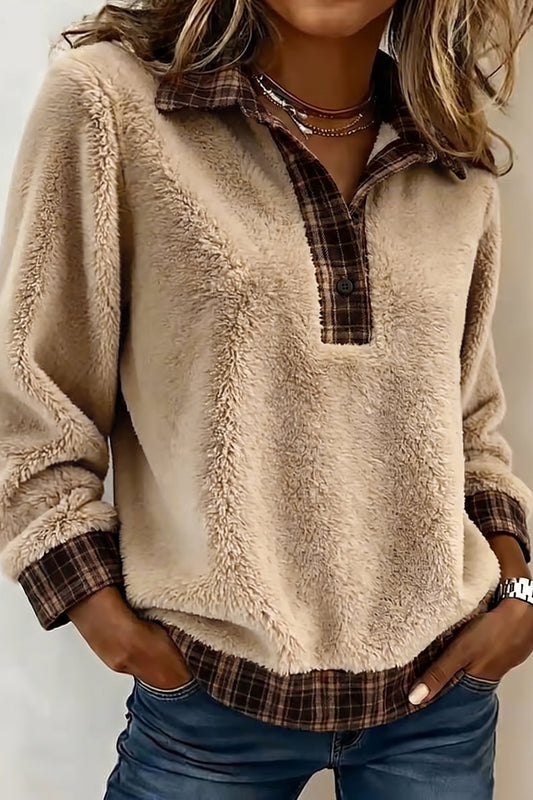
Soft layering has become especially important within this newer interpretation of quiet luxury. Relaxed silhouettes from curated collections like tops are increasingly being styled with tactile fabrics and understated accessories to create looks that feel effortless rather than overly calculated.
The Quiet Luxury Backlash Is Very Real
Despite its popularity, a growing quiet luxury backlash has emerged across both fashion and interior design.
One reason is simple: repetition.
When every influencer, celebrity, and brand adopts the same muted tones, minimalist silhouettes, and monochromatic styling, even timeless aesthetics can begin to feel formulaic. What originally appeared aspirational slowly became associated with aesthetic fatigue and cookie-cutter interiors that lacked emotional depth.
This is where the anti-beige movement started gaining momentum.
Consumers began craving spaces and wardrobes that reflected personal stories instead of trend templates. In fashion, this translated into statement pieces, richer textures, expressive decor influences, and bolder styling decisions that felt less restrained. In interiors, layered interiors and character-filled spaces replaced sterile minimalism.
The rise of anti-algorithm aesthetics has become one of the defining luxury lifestyle trends of 2026. People increasingly want their homes and wardrobes to feel collected rather than curated exclusively for social media approval.
Luxury in 2026 is no longer about looking expensive. It’s about looking individual.
This shift explains the growing popularity of modern maximalism and curated maximalism. Rather than rejecting minimalism entirely, consumers are blending refined simplicity with warmth, nostalgia, and self-expression in fashion.
Instead of wearing head-to-toe neutrals every day, people are incorporating:
- Rich textures
- Sculptural accessories
- Vintage-inspired tailoring
- Personalized jewellery
- Expressive colour accents
- Layered silhouettes
- Bold footwear
- Artistic statement bags
The result feels less performative and far more authentic.
Even categories once dominated by minimalist styling — like outerwear and bags — are seeing renewed interest in pieces that balance classic elegance with stronger personality.
From Stealth Wealth to Expressive Luxury
The biggest misconception about luxury evolution in 2026 is that quiet luxury has disappeared completely.
It hasn’t.
Instead, it has matured into something more emotionally intelligent.
The new version of luxury still values craftsmanship, considered design, and elevated quality, but it also embraces fashion individuality and emotional connection. Consumers want wardrobes that feel lived-in, expressive, and reflective of their identity rather than perfectly manufactured around trend reports.
This is where expressive luxury enters the conversation.
Unlike traditional maximalism, expressive luxury doesn’t necessarily mean chaotic styling or excessive branding. It simply allows room for personal style to coexist with sophistication. A tailored neutral outfit might now be paired with sculptural jewellery, vibrant shoes, or unexpected textures that create contrast and individuality.
This hybrid approach is becoming especially visible in categories like accessories and shoes, where consumers are more willing to experiment without abandoning timeless foundations entirely.
At the same time, intentional fashion is continuing to reshape buying habits. Consumers are becoming more selective about what they purchase, prioritising versatile pieces that align with sustainable luxury fashion values instead of fast-moving trends.
That balance between authenticity and elegance may ultimately explain why quiet luxury still survives — even as the culture surrounding it changes dramatically.
The Rise of Warm Minimalism and Personality-Driven Style
One of the most interesting developments in fashion trend predictions 2026 is the emergence of warm minimalism. Instead of the cold perfection that often defined earlier quiet luxury aesthetics, this newer approach introduces softness, comfort, and emotional depth into everyday dressing.
People still appreciate clean lines and elevated basics, but they no longer want wardrobes that feel detached from real life.
This shift is partly a response to trend fatigue. Years of hyper-curated social feeds created pressure to look perpetually polished, leading many consumers to reject aesthetics that felt inaccessible or overly controlled. The growing preference for authentic living has encouraged fashion to become more flexible, layered, and personal.
Rather than chasing perfection, consumers are now embracing:
- Relaxed tailoring
- Layered textures
- Mixed fabric styling
- Vintage-inspired details
- Soft colour contrasts
- Handcrafted accessories
- Quiet statement pieces
- Functional luxury
The result is a version of luxury minimalism that feels more approachable and human.
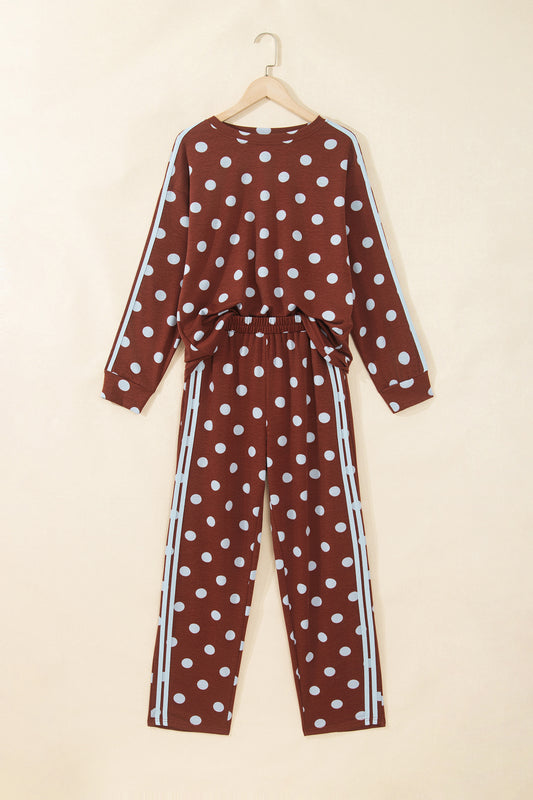
For example, relaxed silhouettes within loungewear are no longer viewed as separate from luxury dressing. Styled correctly, soft knit sets, oversized layers, and tactile fabrics can embody understated luxury while still prioritising comfort and practicality.
This reflects a broader cultural movement toward intentional living, where fashion choices are increasingly tied to wellbeing, sustainability, and personal identity rather than status signalling alone.
Why Maximalism Is Returning — But Differently
The maximalist revival happening in 2026 is not simply a return to excess for the sake of attention.
Today’s modern maximalism is far more curated.
Instead of chaotic layering or trend overload, curated maximalism combines expressive decor, rich textures, and statement styling with thoughtful restraint. It borrows elements from classic maximalism while maintaining the sophistication associated with quiet luxury.
This explains why loud luxury has become one of the most discussed quiet luxury alternatives this year.
Consumers still value quality and timeless elegance, but they are also becoming more confident about incorporating personality into their style choices. That confidence appears in everything from fashion to interiors.
We’re seeing increased interest in:
| Traditional Quiet Luxury | Emerging 2026 Style Direction |
|---|---|
| Monochromatic interiors | Emotional interiors |
| Muted tones | Strategic colour contrast |
| Logo-free fashion | Subtle statement pieces |
| Beige aesthetic | Character-filled spaces |
| Silent luxury | Expressive luxury |
| Minimal layering | Layered textures |
| Strict minimalism | Warm minimalism |
| Ultra-curated aesthetics | Authentic individuality |
The rise of dopamine decor and personalized interiors reflects the same emotional shift happening in fashion. Consumers want spaces and wardrobes that feel deeply connected to their lives, memories, and identities.
This cultural movement has also influenced how people approach occasion dressing and vacation wardrobes. Categories like swimwear are becoming less focused on rigid minimalist aesthetics and more centred around confident self-expression, sculptural silhouettes, and personality-driven styling.
Quiet Luxury Is Becoming More Inclusive
Another major criticism of early stealth wealth culture was its exclusivity.
The old money style 2026 aesthetic often promoted a very narrow image of luxury — one rooted in inherited wealth, muted styling, and highly specific body standards. As fashion becomes increasingly focused on inclusivity and authenticity, many consumers are redefining what sophisticated style actually means.
Luxury is no longer tied to appearing emotionally distant or socially elite.
Instead, personalized luxury is becoming far more inclusive, adaptable, and expressive. Consumers want fashion that supports individuality rather than forcing everyone into the same aesthetic formula.
This has created greater appreciation for:
- Size inclusivity
- Adaptive styling
- Personal tailoring
- Flexible silhouettes
- Cross-season layering
- Emotional comfort
- Functional elegance
- Human-centered design
Collections such as plus size clothing & apparel reflect this broader evolution toward fashion that prioritises both confidence and self-expression rather than rigid trend conformity.
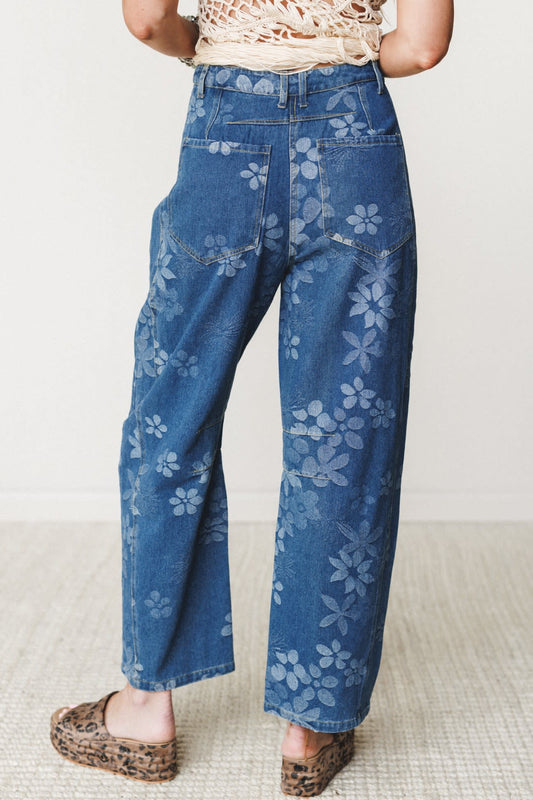
The same philosophy applies to everyday styling categories like bottoms, where versatility and wearability now matter just as much as aesthetics alone.
Consumers increasingly want clothing that integrates naturally into their lifestyle rather than demanding performative styling for social media.
The future of luxury isn’t about dressing like everyone else with money. It’s about dressing like yourself with intention.
The Role of Sustainability in Quiet Luxury Fashion 2026
One reason quiet luxury still maintains cultural relevance is its connection to sustainable luxury fashion and slow luxury principles.
While fast fashion relies on constant consumption and rapid trend turnover, quiet luxury originally encouraged fewer, better purchases. Investment dressing, timeless silhouettes, and durable craftsmanship remain highly attractive in a fashion landscape increasingly shaped by environmental concerns.
However, consumers are becoming more discerning about what sustainability actually means.
Minimalist branding alone is no longer enough to communicate authenticity. Shoppers now expect transparency, ethical production, long-term versatility, and genuine artisanal craftsmanship rather than aesthetics that merely appear sustainable.
This is why intentional fashion continues to outperform short-lived microtrends.
Consumers are building wardrobes around pieces that can transition across multiple settings and seasons, whether through tailored separates, adaptable layering, or elevated active essentials from collections like activewear.
The modern consumer doesn’t necessarily want more clothing.
They want smarter clothing.
Fashion that balances:
- Comfort with sophistication
- Function with elegance
- Versatility with personality
- Timelessness with individuality
- Minimalism with emotional warmth
That balance may ultimately define the next chapter of luxury trends 2026 far more than any single aesthetic movement ever could.
The Future of Quiet Luxury Beyond 2026
Fashion rarely moves in straight lines.
Every dominant aesthetic eventually creates its own opposite, and the quiet luxury backlash happening now is simply part of that natural cycle. Yet despite the growing appetite for expressive fashion, maximalist interiors 2026, and louder forms of self-expression, the foundations of quiet luxury still hold remarkable influence.
People are not abandoning timeless fashion.
They are simply redefining what timelessness looks and feels like in a more emotionally aware era.
The future of quiet luxury fashion 2026 will likely revolve around balance rather than strict minimalism. Consumers still appreciate elevated basics, considered design, and sophisticated style, but they no longer want wardrobes that feel detached from personality or real life.
Instead, fashion is entering a post-minimalism era where softness, individuality, and emotional storytelling matter just as much as refinement.
This evolution is already visible across both luxury fashion and interior design:
| Past Quiet Luxury Codes | Emerging Luxury Evolution |
|---|---|
| Restrained perfection | Relaxed sophistication |
| Uniform aesthetics | Fashion individuality |
| Beige-only palettes | Rich tonal layering |
| Minimal styling | Personalized styling |
| Silent luxury | Expressive luxury |
| Detached elegance | Emotional connection |
| Trend avoidance | Selective trend integration |
| Pure minimalism | Curated maximalism |
The most stylish wardrobes in 2026 are no longer the most sterile.
They are the ones that feel personal.
Why Authenticity Has Become the New Luxury
At the heart of this trend evolution in fashion lies one defining word: authenticity.
Consumers have become increasingly sceptical of aesthetics that appear manufactured for online validation. The rise of anti-algorithm aesthetics reflects a growing desire to reconnect with clothing, interiors, and lifestyles that feel genuinely individual rather than mass-produced through social trends.
This explains why emotional interiors, collected interiors, and expressive decor are becoming so influential alongside shifts in fashion.
People want environments and wardrobes that reflect memory, comfort, aspiration, and identity — not just aesthetic perfection.
In fashion, this has created renewed appreciation for pieces that feel adaptable and lived-in rather than overly styled. Relaxed tailoring, tactile materials, heritage-inspired silhouettes, and versatile layering all contribute to this softer interpretation of luxury.
Even practical categories like shoes and accessories are increasingly chosen for their ability to add individuality and texture to otherwise understated looks.
Consumers are becoming more intentional with styling choices, asking questions like:
- Does this reflect my personality?
- Will I still wear this in years to come?
- Does it feel authentic to my lifestyle?
- Can it adapt across occasions?
- Does it balance comfort and elegance?
These questions represent a significant shift away from fast-moving trend culture toward a slower, more considered relationship with fashion.
So, Is Quiet Luxury Still in Style in 2026?
Yes — but not in the same way it was before.
Quiet luxury is no longer about rigid minimalism, emotionally distant styling, or endlessly recreating the same Pinterest aesthetic. The culture surrounding the trend has evolved beyond monochromatic dressing and formulaic stealth wealth aesthetics.
In 2026, luxury feels more personal.
People still value craftsmanship, timeless elegance, luxury without logos, and elevated essentials. But they also want warmth, individuality, and self-expression in fashion. The new direction of style blends understated luxury with expressive details, creating wardrobes that feel polished without feeling predictable.
Rather than disappearing entirely, quiet luxury has merged with:
- Warm minimalism
- Expressive luxury
- Curated maximalism
- Intentional fashion
- Personalized luxury
- Human-centered design
- Sustainable luxury fashion
- Emotional storytelling
The result is a far more balanced and modern interpretation of elegance.
Today’s consumer no longer wants to look like everyone else who follows luxury trends 2026. They want clothing that supports confidence, comfort, and individuality while still feeling refined and sophisticated.
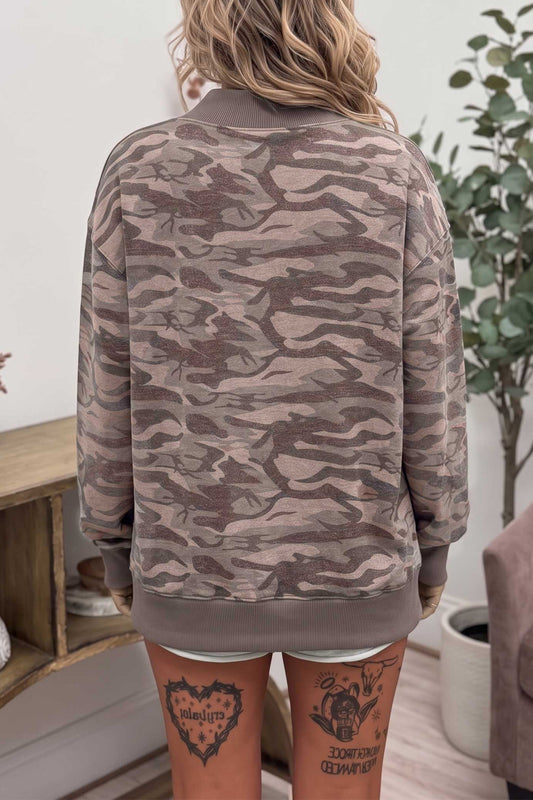
This explains why versatile wardrobe categories continue to matter so much. Pieces from collections like tops, outerwear, and bags are increasingly being styled in ways that combine timeless structure with personal expression.
The modern luxury wardrobe is no longer about perfection.
It’s about authenticity with intention.
Final Thoughts
The future of fashion will not belong entirely to maximalism or minimalism.
Instead, the next era of style will likely belong to people who know how to combine both worlds thoughtfully.
Quiet luxury still resonates because its core values — craftsmanship, intentional living, timeless design, and refined simplicity — remain deeply appealing in an overstimulated culture. But the future belongs to consumers who can blend those foundations with emotion, creativity, and individuality.
That is the true luxury evolution happening in 2026.
Fashion is becoming less about fitting into a prescribed aesthetic and more about building a wardrobe that genuinely reflects who you are.
And perhaps that is the most sophisticated style statement of all.
Frequently Asked Questions About Quiet Luxury in 2026
1. What colours define quiet luxury in 2026?
Quiet luxury colour palettes in 2026 still revolve around muted tones and refined neutrals, but the palette has become noticeably warmer and more expressive. Instead of relying exclusively on beige aesthetic styling, consumers are embracing earthy browns, soft olive tones, deep charcoal, cream, navy, chocolate, and layered tonal combinations that feel richer and more personal.
2. Is quiet luxury only associated with expensive fashion brands?
Not anymore. While quiet luxury originally became associated with elite heritage fashion houses and discreet wealth signalling, the modern interpretation focuses more on craftsmanship, intentional fashion, and sophisticated styling rather than price alone. Consumers are increasingly building elevated wardrobes through versatile essentials, quality fabrics, and timeless silhouettes instead of visible designer branding.
3. What is replacing the old money aesthetic in 2026?
The old money aesthetic is gradually evolving into a more personality-driven version of luxury. Instead of rigid minimalism and emotionally distant styling, fashion is shifting toward expressive luxury, warm minimalism, and curated maximalism that allows more room for individuality and self-expression.
4. Is maximalism completely replacing minimalism?
No. Fashion in 2026 is less about choosing one extreme over another. Many consumers are blending refined minimalism with selective statement pieces, layered textures, and expressive details. This balance creates a more modern and wearable version of luxury that feels intentional instead of trend-driven.
5. Why are people moving away from ultra-minimalist fashion?
A growing sense of trend fatigue and aesthetic fatigue has pushed consumers toward more authentic and emotionally connected styling. Many people became tired of algorithm-driven design trends that made wardrobes and interiors feel repetitive or impersonal. As a result, individuality and personalized luxury are becoming more important than perfectly curated aesthetics.
6. What fabrics are associated with quiet luxury fashion?
Quiet luxury fashion often prioritises tactile materials and artisanal craftsmanship. Common fabrics include cashmere, linen, wool blends, brushed cotton, silk, structured tailoring fabrics, soft knits, and textured materials that feel elevated without appearing overly flashy.
7. Can quiet luxury still include statement pieces?
Absolutely. The modern version of understated luxury often includes carefully selected statement pieces that add contrast and personality without overwhelming the overall look. Sculptural jewellery, textured handbags, tailored outerwear, or bold footwear can all work within a sophisticated style aesthetic.
8. How does sustainable luxury fashion connect to quiet luxury?
Quiet luxury naturally aligns with slow luxury and sustainable shopping habits because it encourages investment dressing over disposable fashion. Consumers are increasingly prioritising versatile clothing, timeless fashion, durability, and long-term wearability rather than constantly chasing microtrends.
9. Is social media changing the future of luxury fashion?
Yes. Social media played a major role in popularising stealth wealth and logo-free fashion, but it also accelerated the quiet luxury backlash. In 2026, many consumers are rejecting overly curated Pinterest aesthetic styling in favour of anti-algorithm aesthetics that feel more authentic, personal, and emotionally grounded.
10. What will luxury fashion look like after 2026?
The future of luxury fashion will likely focus on balance. Timeless elegance and considered design will remain important, but they will increasingly coexist with expressive fashion, emotional storytelling, and individuality in design. Rather than strict minimalism or extreme maximalism dominating completely, fashion is moving toward more flexible and personalized forms of sophistication.