
How to Layer Clothes Without Looking Bulky
When temperatures drop, mastering layering without sacrificing your silhouette is essential. In this guide, we break down the art of creating warmth without the weight. You’ll learn how to build outfits with lightweight layers that flatter your body shape, highlight your style, and transition seamlessly between settings. Discover which fabrics to prioritize, the styling rules that prevent bulk, and the must-have layering pieces to have on hand. Whether you're getting dressed for a crisp office commute or a cozy weekend, this article offers a smart layering strategy that keeps you looking sleek, polished, and put together.
Rethinking Layers: Warmth Without the Volume
If you’ve ever bundled up for a cold day and ended up looking more like a walking duvet than a stylish human, you’re not alone. The secret lies not in piling on thicker clothes, but in choosing the right clothes—and stacking them with purpose. The goal is strategic layering, not just wearing more. Think function, form, and fabric working together.
Start with the Foundation: Base Layers That Breathe
Every successful layered outfit begins with a solid base. Think breathable, close-fitting fabrics that trap warmth without bulk. This isn’t about sacrificing comfort; it’s about selecting light layers that hug your body and create a sleek starting point.
For example, one of the best base options is a fitted long-sleeve top, particularly those made from thin fabrics with moisture-wicking properties. These keep your internal temperature regulated while preventing overheating as your outer layers pile on. Our long sleeve tops → collection is a great place to start when curating your winter capsule.
Pro tip: Try layering a compression or thermal top under your shirt instead of a thick sweater—it adds heat retention with none of the visual weight.
The Mid-Layer: Where Form Meets Function
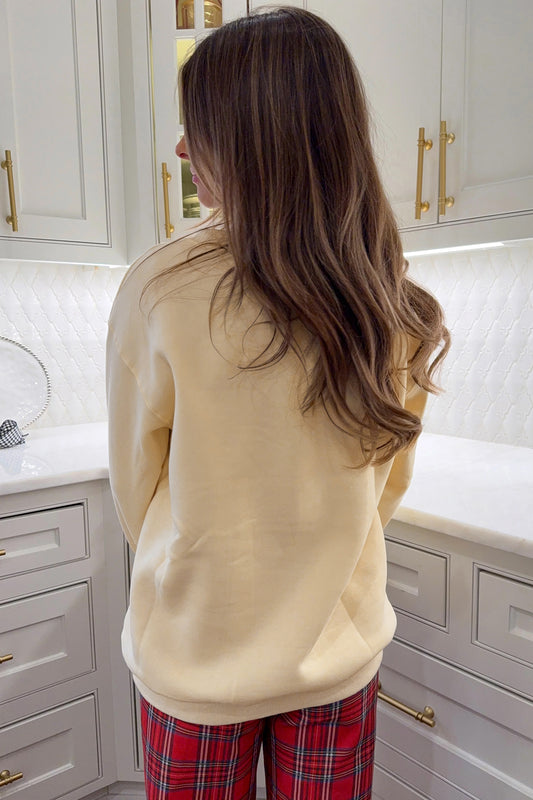
This is where most people go wrong. Chunky knits, oversized hoodies, or shapeless sweatshirts? They may be cozy, but they can also derail your entire silhouette.
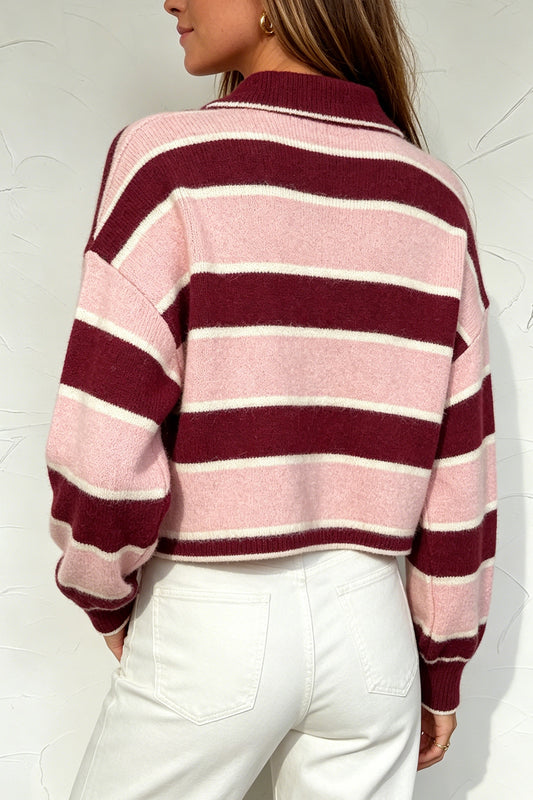
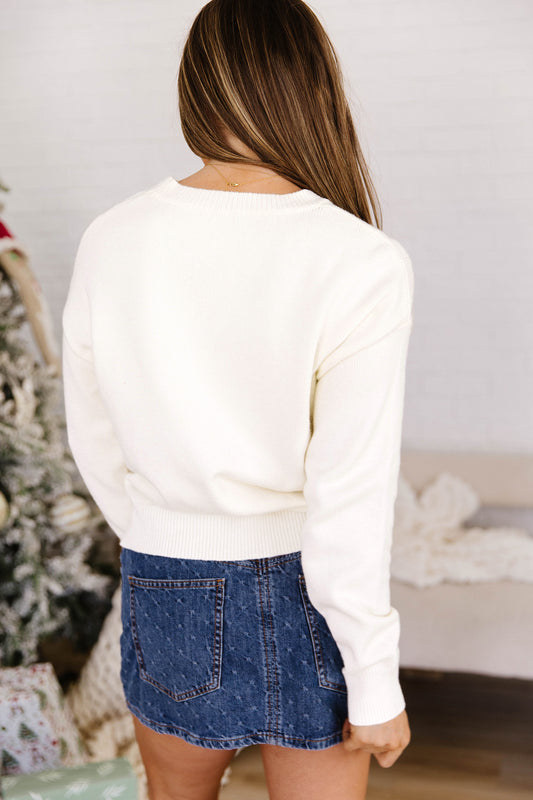
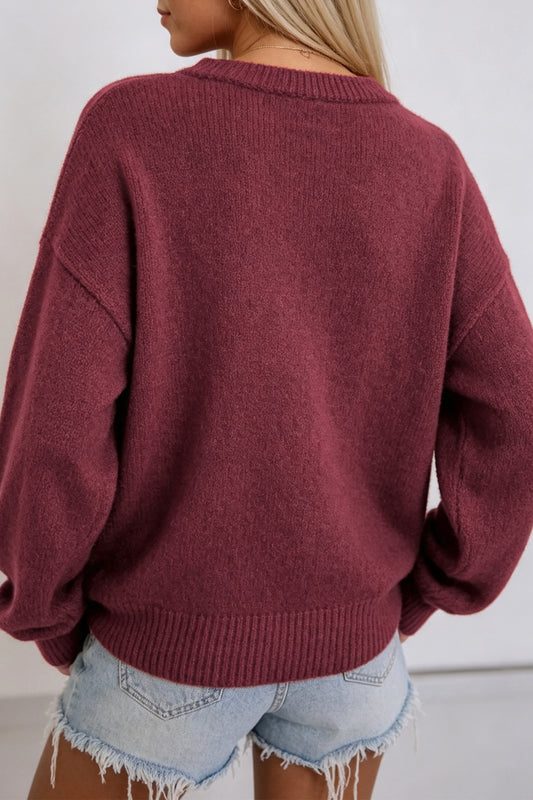
Instead, opt for flexible mid-layers—pieces that provide insulation while hugging the body. Look for fitted clothing made from fleece-lined materials or structured cotton. A soft, draped cardigan or a slim sweater can be surprisingly warm while maintaining that clean, tailored look.
Explore versatile layering pieces like those in our cardigans → and sweaters → ranges. These are great for office-appropriate layers that won’t bulk up your frame.
“Instead of asking, ‘Is this warm enough?’ start asking, ‘Does this add structure or softness—and where?’ That’s how layering becomes smart, not sloppy.”
Texture, Cut, and Color: The Balancing Act
Layering isn’t just about what you wear—it’s about how you wear it. To keep your outfit from looking overloaded, pay close attention to:
-
Proportion: If your top layer is long, balance it with slim bottoms like leggings. If your pants are wide, keep your upper half streamlined.
-
Silhouette-enhancing details: Try vertical lines, V-necks, and wrapped waists to draw the eye down and slim the frame.
-
Contrast in lengths: A cropped cardigan over a longer tunic creates shape; a longline coat over a fitted tee adds sophistication.
-
Textural layering: Mix soft knits with smooth cotton or delicate lace to create depth without adding thickness.
One key styling rule? Balance volume. If one item is oversized (like a long wool coat), everything else should slim down. Use belts to define your waist, and show some skin at the collarbone or wrists to break up heavier pieces.
Outer Layers That Frame, Not Hide
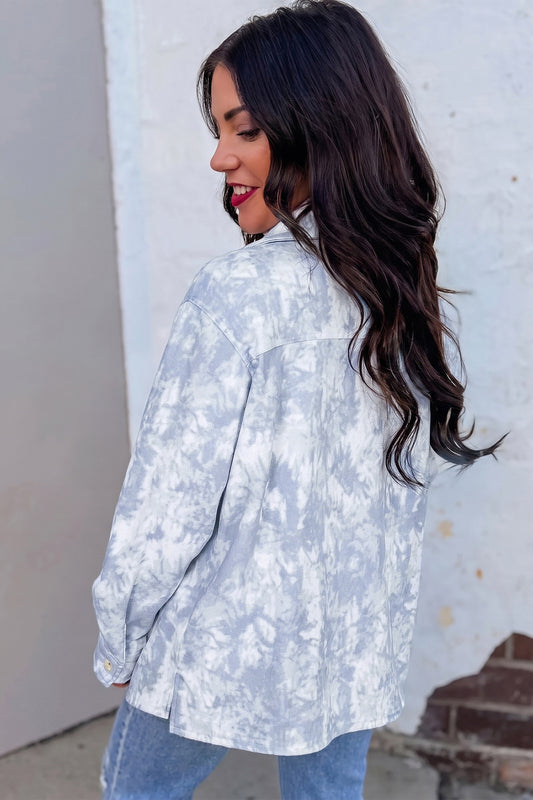
Outerwear should never feel like a blanket thrown on top. Choose structured outerwear—think trench coats, blazers, or sleek jackets that create clean lines and elevate the outfit beneath. Even a bold statement coat can work if it’s shaped well and balanced with slimmer layers underneath.
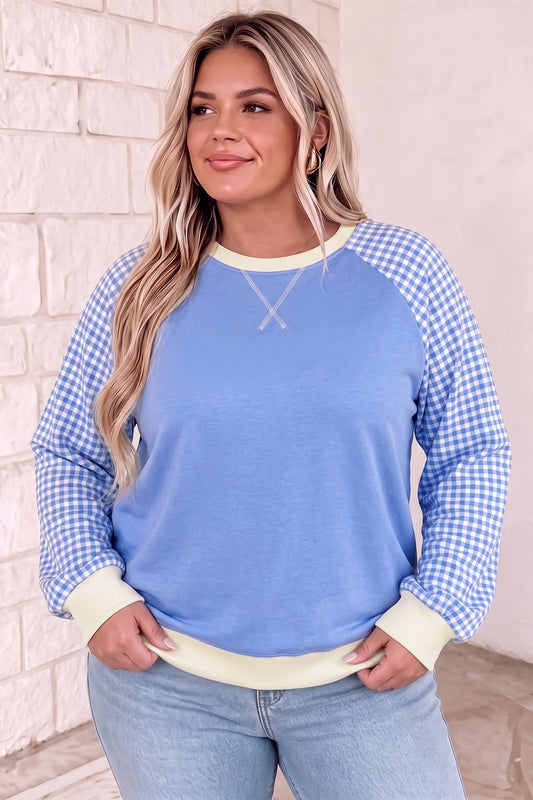
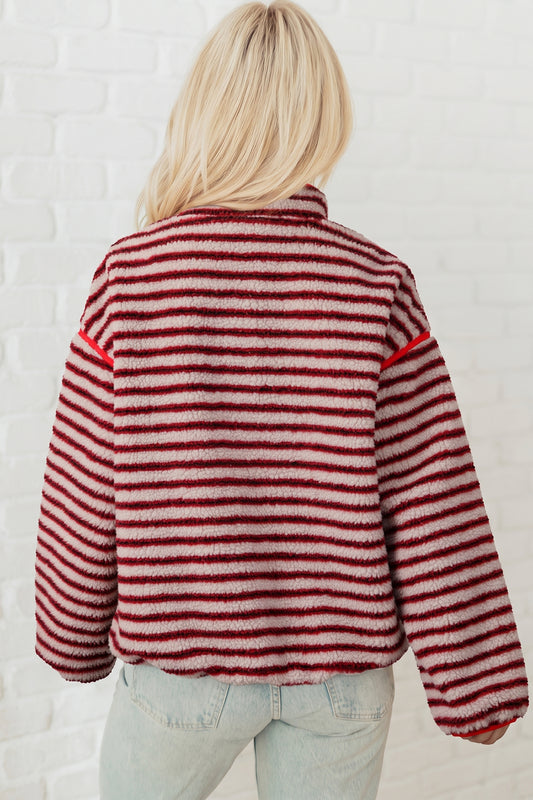
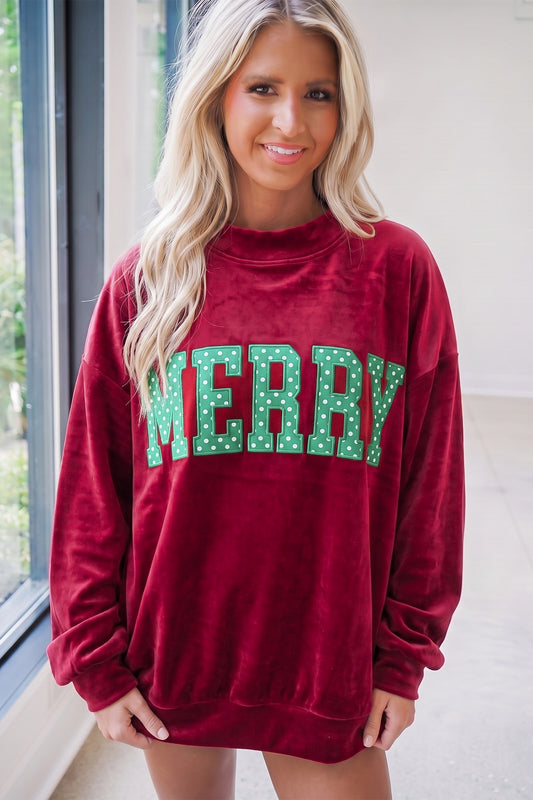
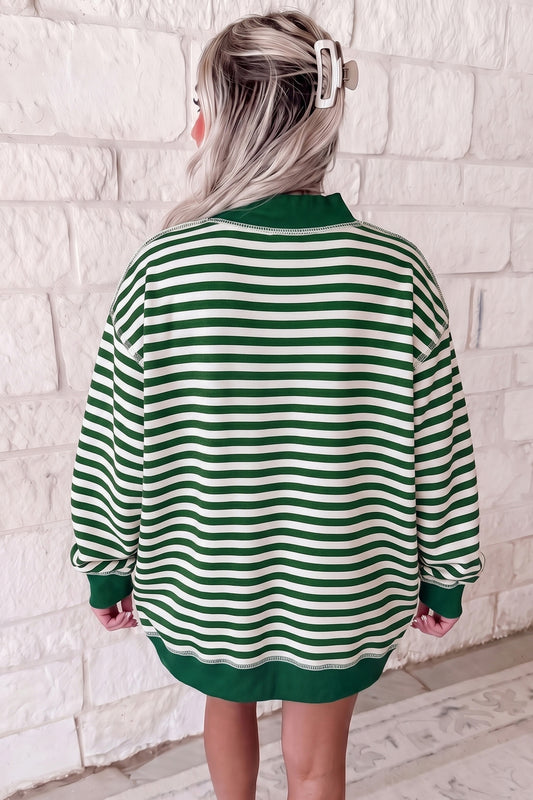
If you’re going for cozy casual, layer a sweatshirt or hoodie under a coat—but be mindful of sleeve bulk and overall shape. A fitted zip-up like the ones in our sweatshirts & hoodies → selection works beautifully under heavier pieces.
And when in doubt, cinch it. A belt over a coat isn’t just functional; it’s a silhouette-saving trick that can transform a boxy look into a flattering fit.
“A trench with a belt is always a winner. It does double-duty: keeps you warm and defines your waistline.”
Layering Tops and Dresses Without the Weight
Not all outfits are built around pants—and layering around dresses requires an even finer touch. Too many fabrics can quickly swallow your frame. The goal? Keep each layer purposeful and lightweight, with close attention to cut and shape.
The Underrated Hero: Layering Tops
One of the easiest ways to layer without bulk is by incorporating minimal but impactful layering tops. A fitted tee, mock neck, or a cropped layering piece like a Halftee allows you to add modesty or warmth without the volume of a full shirt.
Explore our tops collection → to find lightweight and breathable foundations that work seamlessly under sweaters, dresses, and jackets.
For extra layering versatility:
-
Try a fitted t-shirt under sleeveless dresses or jumpsuits for daytime wear (browse our t-shirts →).
-
Use a blouse under vests or blazers for a polished, office-ready combo (our blouses and shirts →).
A thin long-sleeve tee under a satin dress can take it from summer slip to winter staple—just add boots and outerwear.
Creating Visual Flow: Palette, Texture & Proportion
One of the keys to looking intentionally layered is maintaining visual weight balance. That means colors, fabrics, and silhouettes all need to complement one another.
Build Around a Color Story
Monochrome outfits or tightly coordinated palettes (like all neutrals, warm earth tones, or layered shades of blue) can instantly slim your appearance. It also lets the texture of each piece shine without overwhelming the eye.
Try this formula:
-
Base layer: Neutral fitted top (cream, taupe, charcoal)
-
Mid layer: Textured knit in a complementary tone
-
Outer layer: Structured coat or trench in a darker shade
-
Accessories: Contrast color or metallics for pop
Mixing texture within a tonal range—like soft ribbed knits with suede or wool—adds depth and polish. This is called textural layering, and it's a cornerstone of fashion-forward layering strategies.
Balance Top vs. Bottom
Proportions matter. If you’re wearing wide-leg trousers, keep the top layers streamlined. If your coat or jacket has volume, balance it out with slim-fit jeans, leggings, or a fitted dress underneath.
This creates movement and shape, avoiding the dreaded “bulk block” effect.
Accessorize with Intention
Your accessories can make or break your layered outfit—and they’re one of the easiest ways to manipulate silhouette and structure without adding any fabric.
Belts: Your Secret Weapon
A belt over a coat, cardigan, or oversized sweater instantly carves out a waist and transforms excess fabric into a flattering shape. Whether it's a wide cinch belt or a slim leather strap, it defines the middle and refines the look.
Scarves: Style + Warmth
Yes, scarves add warmth—but they’re also a chance to elongate your figure or create vertical interest. A long, draped scarf in a soft fabric draws the eye downward and helps frame the body. Avoid heavy, bulky scarves unless they’re the only statement in your outfit.
“A chunky scarf is fine—but pair it with clean lines and slim pants. Let one piece do the heavy lifting.”
Don’t Forget Footwear
Cold-weather layering doesn’t stop at the knees. Choosing the right footwear can visually elongate the leg and keep your outfit feeling structured, not weighed down.
-
Pointed shoes or boots sharpen the look and add length.
-
Knee-high boots over leggings or under midi dresses help maintain sleek lines.
-
Avoid bulky footwear with oversized trousers—it distorts the silhouette.
Looking to pull a layered look together? A simple dress with a long cardigan and tall boots is a timeless silhouette that never looks bulky, even with three layers in play.
Capsule Layering: Building a Non-Bulky Cold-Weather Wardrobe
Great style doesn’t require a closet overflowing with clothes. In fact, a thoughtfully built capsule wardrobe is the backbone of smart layering. The idea is simple: invest in fewer, high-quality layering pieces that work in multiple combinations, across various settings and temperatures.
Start with These Essentials
To build your winter layering capsule, make sure you have the following on hand:
-
Lightweight base layers (thin long-sleeve tops, tees, slim turtlenecks)
-
Flexible mid-layers (fleece-lined tops, cardigans, soft sweaters)
-
Structured outerwear (coats, trenches, fitted blazers)
-
Layering accessories (belts, scarves, thermal tights, boots)
Focus on neutral tones with a few accent colors to mix and match easily. This minimizes the chance of color clashes and helps reduce visual weight, making every outfit feel more polished.
Explore our wide range of sweaters built for layering without added volume in the sweaters collection →.
Rotating Outerwear: More Than One Coat
Yes, you can rotate coats the same way you do tops. Owning one perfect coat might sound efficient, but having outerwear with different cuts and shapes gives you options to suit your outfit—not just the weather.
For example:
-
A tailored coat works for office days and looks sharp over dresses.
-
A relaxed-fit jacket pairs well with denim or wide-leg pants.
-
A cropped coat complements longline tops and high-waisted trousers.
Each piece should add to your outfit—not hide it. You want to wear your coat, not let it wear you.
Mistakes to Avoid When Layering
To wrap up, here are a few common pitfalls that cause outfits to look bulky—and how to avoid them.
1. Ignoring Fabric Weight
Stick to breathable fabrics and thin knits whenever possible. Heavy cottons and stiff wool can stack up fast. Instead, layer thermal wear or moisture-wicking compression pieces underneath.
2. Layering Too Many Long Items
If every layer hits the same length (say, mid-thigh), your outfit will lack dimension. Play with contrast in lengths—short over long, or vice versa—for shape and movement.
3. Skipping Tailoring
Even winter clothing should fit well. Oversized pieces can look chic, but only when balanced with tailored fit elements. Consider tailoring long sleeves or hemming coats for a more flattering result.
4. Overlooking Accessories
Accessories are key to tying a layered look together. From a belt that defines your waist to boots that streamline your legs, the details matter.
Our range of layering-ready long sleeve tops gives you the perfect foundation for polished, cold-weather looks. Browse the full long sleeve tops collection →.
Final Thoughts: Layered Looks Without the Bulk
Layering well is a style superpower. When done with intention, it adds warmth, versatility, and visual interest—all without burying your shape. Focus on smart combinations of base, mid, and outer layers, maintain a thoughtful color palette, and prioritize fit and silhouette over thickness.
It’s not about wearing less—it’s about wearing smarter.
From fitted tees and blouses to flexible mid-layers and sleek outerwear, Hanna Banna Clothing offers a curated collection of pieces designed to keep you cozy and confident.
Frequently Asked Questions: Layering Without Looking Bulky
1. Can I layer clothes without wearing thermal underwear?
Yes, you can. While thermal underwear helps with warmth, it’s not essential if you’re strategic with lightweight base layers. Look for fleece-lined tops, slim-fitting long sleeves, or moisture-wicking fabrics that trap heat without adding visual volume.
2. How many layers are too many?
Generally, three layers (base, mid, and outer) are sufficient for most climates. If you need more warmth, prioritize thin fabrics and insulating materials rather than simply adding bulk. Smart layering is more effective than stacking multiple pieces.
3. Is it possible to layer in warmer climates without overheating?
Absolutely. Stick to breathable fabrics, like cotton or bamboo blends, and build your outfit using light layers. Even in mild weather, you can create dimension with layering pieces like vests or light cardigans without trapping heat.
4. What’s the best way to layer for a curvier or plus-size body type?
Focus on structured outerwear, defined waistlines, and vertical elements like open cardigans or V-necks. Use belts to highlight your shape, and choose mid-layers that skim the body rather than cling or balloon. Proportion and cut are everything.
5. Are there specific layering tricks for petite frames?
Yes. Opt for cropped jackets, shorter cardigans, and fitted tops to avoid overwhelming a smaller frame. Stick with monochrome palettes and pointed shoes to elongate your silhouette. Avoid layering too many long pieces at once.
6. How do I keep my layers from bunching at the sleeves?
Avoid stacking multiple thick sleeves. Choose fitted base layers with slim sleeves, and pair them with outerwear that offers enough shoulder and arm space without being oversized. Rolling or cuffing mid-layer sleeves can also help reduce bunching.
7. Can I still wear chunky knits if I want to avoid looking bulky?
Yes, but use them sparingly. Let a chunky knit sweater be your single statement piece and pair it with fitted bottoms like leggings or slim trousers. Avoid layering thick-on-thick—balance is key.
8. What kind of dresses work best for layering?
Straight-cut or A-line dresses made of thin or medium-weight fabric work best. Layer over them with long cardigans, cropped sweaters, or fitted blazers. Underneath, consider turtlenecks, bodysuits, or slim long-sleeve tops for warmth.
9. How can I layer clothes for an office setting without looking too casual?
Opt for structured layers like tailored blazers, sleek cardigans, and polished blouses. Stick with neutral tones, refined accessories, and avoid overly bulky pieces like oversized sweaters or casual hoodies. Layers should look intentional and clean.
10. How do I store or pack layered outfits when traveling?
Plan outfits in layered sets, starting with packable base layers and versatile mid-layers that can be reworn. Choose wrinkle-resistant fabrics, and roll rather than fold for efficient packing. A neutral capsule wardrobe built around layering ensures maximum outfits with minimal pieces.