
How to Handle a Body Change and Still Dress Stylishly
Body changes are inevitable, but losing your sense of style doesn’t have to be. Whether you're navigating weight gain, weight loss, or a shifting body shape, the key is to embrace a mindset shift, rebuild your wardrobe with intention, and focus on clothes that fit your body now—not the one you used to have. By prioritizing comfort, flattering silhouettes, and versatile pieces, you can create a transitional wardrobe that evolves with you. This guide walks you through how to rebuild your wardrobe after weight change, rediscover your personal style, and dress with confidence—without overspending or sacrificing self-expression.
When Your Body Changes, Your Style Doesn’t Have to Disappear
A changing body can feel like unfamiliar territory. One day your clothes fit perfectly, the next they don’t quite sit the same. Whether it’s weight gain fashion struggles, adjusting to weight loss style, or simply navigating an evolving body style, the experience is often more emotional than practical.
The hardest part isn’t the clothes—it’s the identity shift that comes with them.
There’s often a quiet grief of changing body, tied to an emotional attachment to clothes that no longer serve you. But style isn’t static. It evolves—just like you.
Instead of trying to force yourself into old outfits, the goal is to start dressing for the body you have now. This is where true style confidence begins.
Step 1: Shift Your Mindset Before Your Wardrobe
Before diving into a wardrobe reset, pause. The most important transformation happens internally.
Let Go of “Before”
Holding onto clothes that no longer fit can keep you stuck. Letting go of old clothes isn’t giving up—it’s making space for your next chapter.
- Accept your body shape as it is today
- Embrace body positivity clothing
- Focus on self-acceptance through style
Redefine Style Identity
Your personal style isn’t tied to a size. It’s tied to how you express yourself.
Ask yourself:
- What makes me feel confident right now?
- What silhouettes feel comfortable and empowering?
- How can I rediscover my personal style in this new phase?
This is your style identity evolution—not a loss, but a refinement.
Step 2: Start a Thoughtful Wardrobe Reset
Rebuilding doesn’t mean replacing everything overnight. A smart, intentional approach leads to a more sustainable and cost-effective wardrobe update.
Begin with a Closet Cleanout
A wardrobe edit helps you identify what still works.
Keep:
- Clothes that fit your current body
- Versatile clothing pieces
- Items that align with your authentic style
Remove:
- Anything that causes discomfort
- Pieces tied to past body expectations
Build a Transitional Wardrobe
An in-between wardrobe is your best ally during body changes. Think flexible, adaptable, and easy to style.
Key categories to focus on:
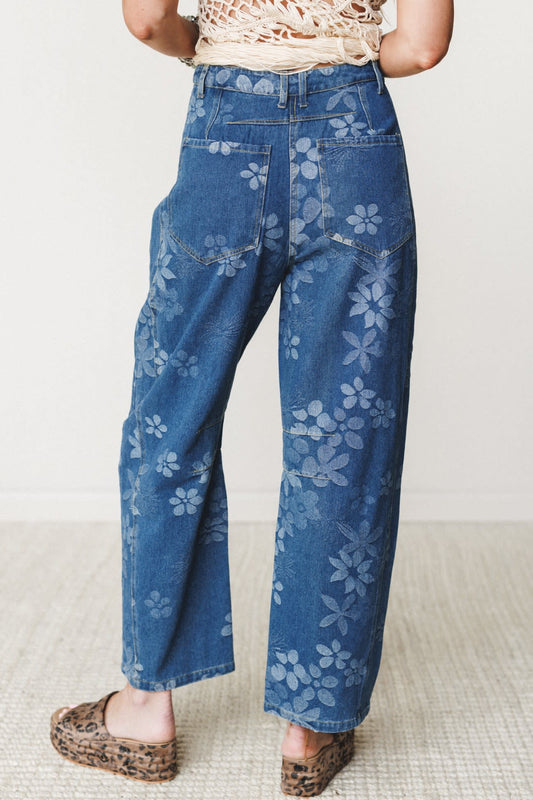
- Well-fitting jeans that offer structure without restriction
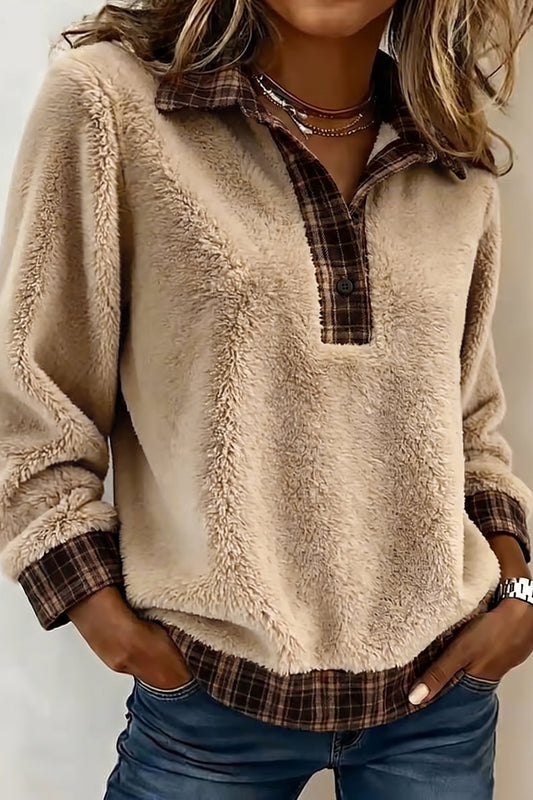
- Comfortable tops that layer easily
- Flowing dresses that adapt to your shape
These pieces form the foundation of a capsule wardrobe for weight change—simple, functional, and stylish.
Focus on Versatility Over Volume
Adopt the mindset: buy less, choose well.
Instead of chasing trends, invest in:
- Adjustable clothing (wrap styles, elastic waists)
- Neutral staples for mix and match wardrobe options
- Pieces that transition across seasons
This creates a minimalist wardrobe transition that reduces overwhelm and maximizes outfit potential.
Step 3: Prioritize Fit, Comfort, and Movement
No matter your size or shape, one principle remains constant: fit is everything.
Choose Clothes That Fit Your Body—Now
Wearing clothes that are too tight or too loose can impact both comfort and confidence. The goal is flattering fit clothing that works with your body, not against it.
Look for:
- Soft, breathable fabrics
- Structured vs unstructured clothing balance
- Designs that allow movement and flexibility
Explore relaxed yet polished options from the bottoms collection to anchor your everyday outfits.
Understand Your Body Silhouette
Dressing for your body shape doesn’t mean following rigid rules—it means understanding proportions.
Focus on:
- Creating balance through outfit proportions
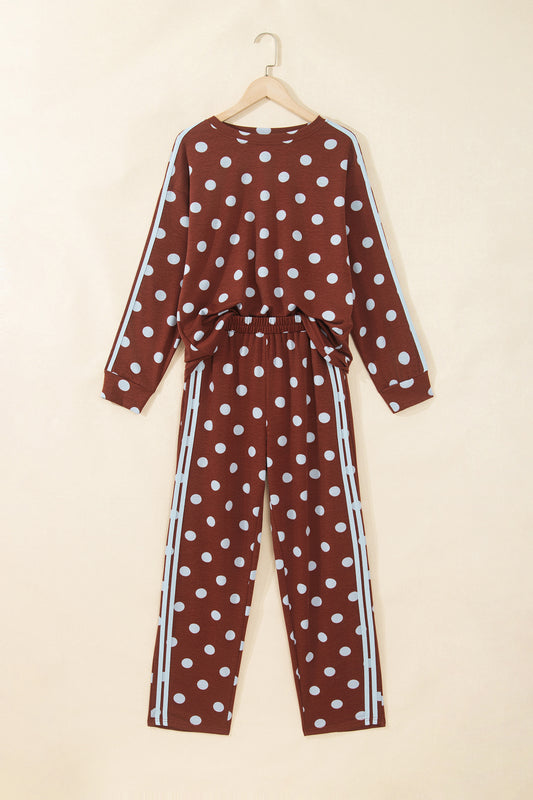
- Using vertical lines for a subtle elongating effect
- Choosing flattering silhouettes that enhance your natural shape
Whether you’re styling for curves or a straighter frame, small adjustments in clothing design details placement can make a significant difference.
Comfort Is Not the Opposite of Style
There’s a misconception that dressing for comfort and fit means sacrificing style. In reality, the two go hand in hand.
Modern adaptive fashion trends embrace:
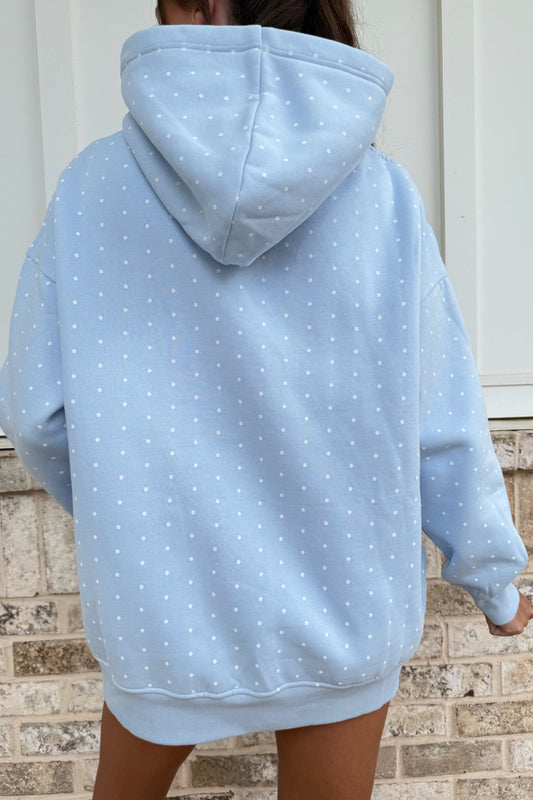
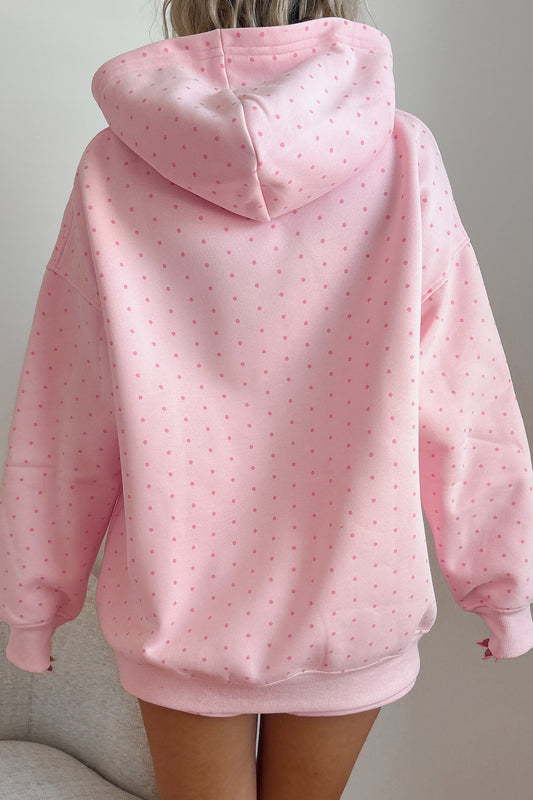
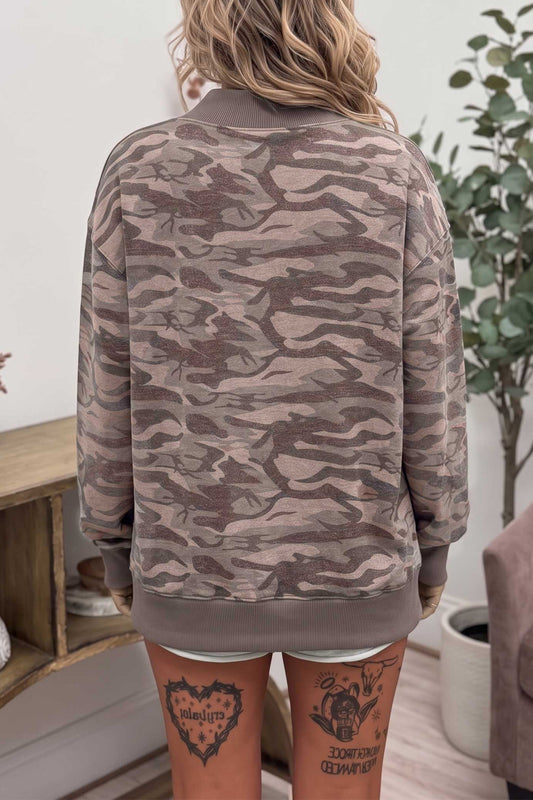
- Oversized fashion styling done intentionally
- Layering for body shape without bulk
- Clothes that grow with your body
This is where body-inclusive styling meets real-world practicality.
Step 4: Rebuild Confidence Through Everyday Styling
Confidence doesn’t come from a number on a label—it comes from how you feel in what you wear.
Start small:
- Create simple, repeatable outfits
- Focus on everyday outfits for changing body
- Prioritize pieces that make you feel like yourself
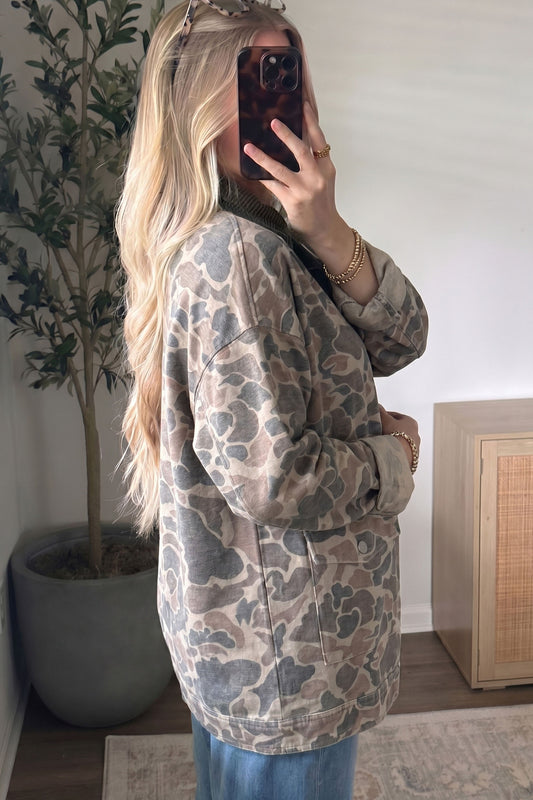
A lightweight jacket from the outerwear collection can instantly elevate a look while adding structure and comfort.
Step 5: Master Silhouettes, Proportions, and Styling Details
Once your wardrobe reset is underway, the next layer of style comes from understanding how clothes interact with your shape. This is where many people unlock a new level of style confidence—not by changing their body, but by refining how they dress it.
Learn the Power of Proportion
Great outfits are built on balance. When navigating body changes, proportions matter more than size labels.
Here are a few simple but effective principles:
- Pair looser pieces with more structured ones
- Use layering to create shape and dimension
- Highlight areas you feel most confident in
For example, flowing tops styled with more fitted bottoms can create a balanced, flattering silhouette without feeling restrictive.
Use Silhouettes to Your Advantage
Understanding your body silhouette allows you to make intentional styling choices.
Some universally effective approaches include:
- Fit and flare styling to define shape without clinging
- Elongating outfits using vertical lines or monochrome looks
- Strategic placement of seams, hems, and details
These small decisions influence how an outfit feels—and how you carry yourself in it.
Style isn’t about hiding your body. It’s about working with it.
Elevate Everyday Outfits
You don’t need a completely new wardrobe to feel put together. Often, it’s about styling what you already own in smarter ways.
Try:
- Layering lightweight pieces for structure
- Adding contrast through textures
- Choosing footwear that completes the look
A well-chosen pair from the shoes collection can ground an outfit and subtly enhance your proportions.
Step 6: Build a Capsule Wardrobe That Evolves With You
If your body is fluctuating or still changing, flexibility is key. This is where a capsule wardrobe for weight change becomes invaluable.
What Makes a Capsule Wardrobe Work?
It’s not about having fewer clothes—it’s about having the right clothes.
Focus on:
- Versatile clothing pieces that mix easily
- Neutral tones with a few statement items
- Pieces that adapt to multiple occasions
Your capsule wardrobe should support:
- Casual outfits for body changes
- Workwear after weight change
- Occasional or event dressing without stress
Choose Pieces That Adapt
The best clothes during a body transformation are the ones that move with you.
Look for:
- Stretch fabrics
- Adjustable waistlines
- Wrap silhouettes
- Relaxed tailoring
You’ll find that categories like dresses and even seasonal swimwear can offer surprisingly adaptable options when chosen thoughtfully.
Outfit Formula: Keep It Simple
When your body feels unpredictable, having go-to outfit formulas removes decision fatigue.
A few examples:
- Relaxed top + structured bottoms + outer layer
- Flowy dress + lightweight jacket
- Soft knit + jeans + minimal accessories
These combinations help you maintain fashion self-expression without overthinking every outfit.
Step 7: Shop Smarter, Not More
Rebuilding your wardrobe doesn’t mean overspending. In fact, body changes are the perfect opportunity to develop more intentional shopping habits.
Adopt a Strategic Approach
Instead of impulse buying, focus on:
- Investment pieces wardrobe staples
- Cost-effective wardrobe updates
- Items that integrate easily into your existing style
Before purchasing, ask:
- Can I style this at least three ways?
- Does this support my current lifestyle?
- Will this still work if my body changes slightly again?
Avoid the “Temporary Clothes” Trap
It’s tempting to buy pieces you see as short-term solutions—but these often lead to clutter and dissatisfaction.
Instead:
- Choose quality over quantity
- Prioritize comfort and versatility
- Build a wardrobe that evolves, not expires
This approach supports both sustainable fashion choices and long-term confidence.
Step 8: Reconnect With Your Style Confidence
At this stage, something shifts. Getting dressed no longer feels frustrating—it starts to feel empowering again.
Style Is Emotional, Not Just Visual
Your wardrobe plays a role in:
- Fashion and self-esteem
- Confidence after weight change
- How you present yourself to the world
When you begin dressing with confidence, others notice—but more importantly, you feel it.
Let Your Style Reflect Who You Are Now
Your style personality may have changed—and that’s a good thing.
This is your chance to:
- Experiment with new silhouettes
- Explore different textures or colours
- Define your style on your own terms
Whether you lean toward minimalism, bold statements, or something in between, your authentic style should feel natural—not forced.
Step 9: Practical Styling Hacks for a Changing Body
By now, your wardrobe is more aligned with your current shape and your mindset has shifted. The final layer is about making day-to-day dressing effortless—especially when your body still feels unpredictable.
Use Styling Tricks That Instantly Improve Fit
Even the best wardrobe needs small adjustments. These simple styling hacks can transform how clothes sit and feel:
- Half-tuck or front-tuck tops to define your waist subtly
- Roll sleeves or hems to adjust proportions without tailoring
- Layer strategically to create structure without bulk
- Use belts sparingly to add shape without restriction
These techniques are especially useful when working with clothes that grow with your body.
Master Layering Without Overwhelming Your Shape
Layering is one of the most powerful tools in body change fashion, but it needs intention.
Focus on:
- Lightweight base layers
- Mid-layers that add shape (like a structured jacket)
- Outer layers that elongate rather than widen
A versatile piece from the outerwear collection can help create clean lines while keeping your outfit cohesive.
Choose Fabrics That Work With You, Not Against You
Fabric choice is often overlooked, but it plays a major role in dressing for comfort and fit.
Look for:
- Stretch blends that adapt to fluctuations
- Draping fabrics that skim rather than cling
- Breathable materials for all-day wear
Avoid overly stiff materials unless balanced with softer elements—this is the essence of mastering structured vs unstructured clothing.
Step 10: Outfit Ideas for Real Life
When you’re figuring out how to dress during body transformation, having ready-to-go outfit inspiration makes everything easier.
Casual Everyday Outfits for Changing Body
- Relaxed top + high-rise jeans + trainers
- Flowy dress + lightweight layer + simple accessories
- Oversized knit + leggings or soft trousers
These combinations prioritize comfort, movement, and ease while still looking intentional.
Workwear After Weight Change
- Structured blazer + soft blouse + tailored trousers
- Midi dress + belt alternative (like a structured coat)
- Neutral separates that mix easily
The goal is polished, not restrictive—perfect for maintaining style confidence in professional settings.
Elevated Yet Comfortable Looks
- Monochrome outfit to create elongating outfits
- Wrap-style dress for adjustable fit
- Statement top from the tops collection paired with simple bottoms
These looks strike a balance between fashion self-expression and practicality.
Step 11: Build a Wardrobe That Evolves Long-Term
Body changes may slow down—or continue. Either way, your wardrobe should be able to keep up without constant overhauls.
Focus on Longevity
Instead of reacting to every shift, build a wardrobe that supports fluctuations.
Key strategies:
- Maintain a strong capsule wardrobe foundation
- Rotate seasonal pieces instead of replacing everything
- Revisit your wardrobe edit every few months
This ensures your transitional wardrobe remains functional and relevant.
Embrace Flexible Sizing and Fit
Sizing is not universal—and it’s certainly not fixed.
Let go of:
- Obsessing over numbers on labels
- Comparing sizes across brands
- Forcing consistency where it doesn’t exist
Instead, prioritize:
- How clothes feel
- How they move with your body
- How they support your confidence
This is the foundation of body-inclusive styling.
Step 12: Confidence Is the Final Layer
At the end of it all, the most important thing you wear isn’t visible—it’s how you feel.
Confidence Dressing Is Built, Not Bought
You build confidence by:
- Wearing clothes that fit your current body
- Letting go of unrealistic expectations
- Choosing pieces that reflect your personality
Over time, this creates a natural sense of ease in your style.
Your Style Is Allowed to Change
There is no fixed version of you that you need to return to.
Your:
- Body
- Preferences
- Lifestyle
…will continue to evolve. And your style should evolve with them.
This is what makes fashion personal.
You are not “starting over”—you are refining what works for you now.
Final Thoughts
Learning how to handle a body change and still dress stylishly is not about chasing perfection—it’s about adaptability, awareness, and self-respect.
When you:
- Dress for your body shape
- Build a wardrobe with intention
- Focus on comfort, fit, and versatility
- Embrace your evolving style identity
…you create a wardrobe that supports you—not one that limits you.
And that’s where true style confidence lives.
Frequently Asked Questions
1. How often should I update my wardrobe during body changes?
There’s no fixed timeline. Instead of frequent overhauls, focus on small, intentional updates. A wardrobe reset every few months—paired with mindful additions—helps you adapt without overspending.
2. What are the best clothes for fluctuating weight?
Look for versatile clothing pieces such as wrap dresses, elastic waist trousers, oversized tops, and stretch fabrics. These are ideal clothes that grow with your body and reduce the need for constant replacements.
3. How can I maintain my personal style during body changes?
Start by identifying your core preferences—colours, silhouettes, and textures you love. Then adapt them to your current shape. This allows you to maintain authentic style while embracing an evolving body style.
4. Should I tailor clothes or buy new ones?
A mix of both works best. Tailoring clothes for body changes can extend the life of quality items, while adding a few new pieces ensures you have clothes that fit your body comfortably right now.
5. How do I avoid feeling overwhelmed when getting dressed?
Simplify your choices. Create go-to outfit formulas and build a capsule wardrobe for weight change. This reduces decision fatigue and makes everyday styling more manageable.
6. What colours or patterns are most flattering during body changes?
There are no strict rules, but darker tones, vertical stripes, and monochrome outfits can create elongating outfits. Ultimately, wear what makes you feel confident—fashion and self-esteem go hand in hand.
7. How can I dress stylishly without spending too much money?
Focus on a budget wardrobe rebuild:
- Shop your existing wardrobe first
- Invest in key staples
- Avoid impulse purchases
This approach supports cost-effective wardrobe updates and more intentional shopping habits.
8. Is it better to size up or size down when my body is changing?
Always choose comfort and fit over the number on the label. Wearing the right size for your current body improves both appearance and confidence dressing.
9. How do I style outfits when I don’t feel confident in my body?
Start with pieces that feel physically comfortable. Then build simple outfits that reflect your personality. Confidence grows over time through self-acceptance through style, not overnight transformation.
10. Can I still follow fashion trends while my body is changing?
Yes—but selectively. Choose trends that align with your personal style identity and adapt well to your body. Prioritize inclusive fashion and pieces that can integrate into your existing wardrobe.