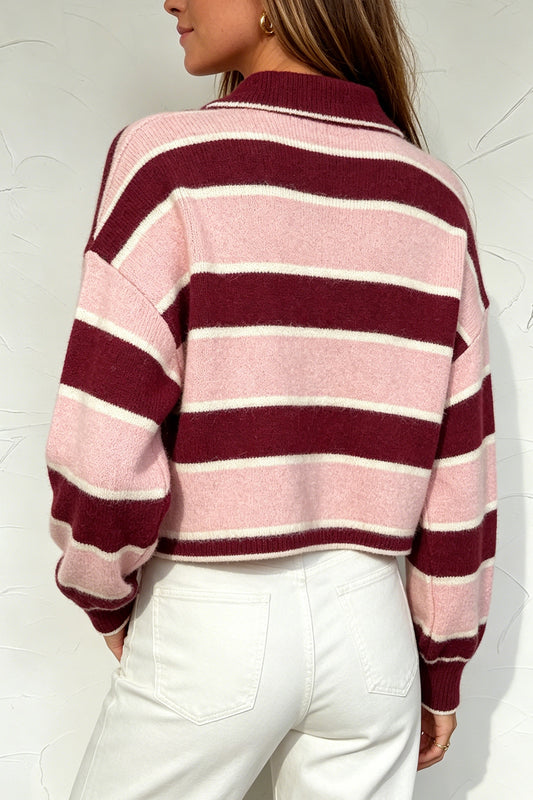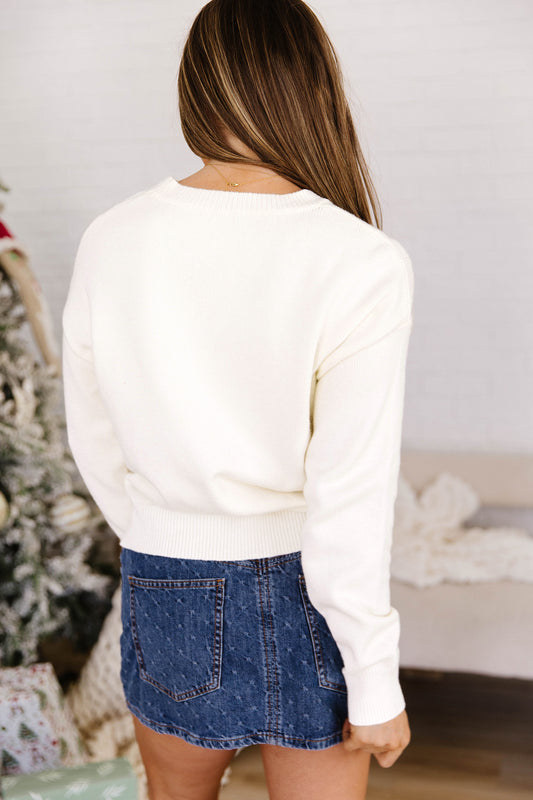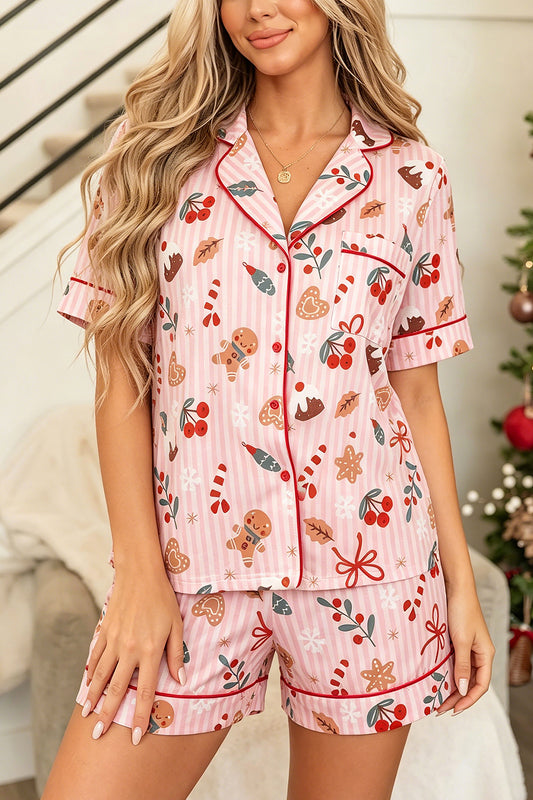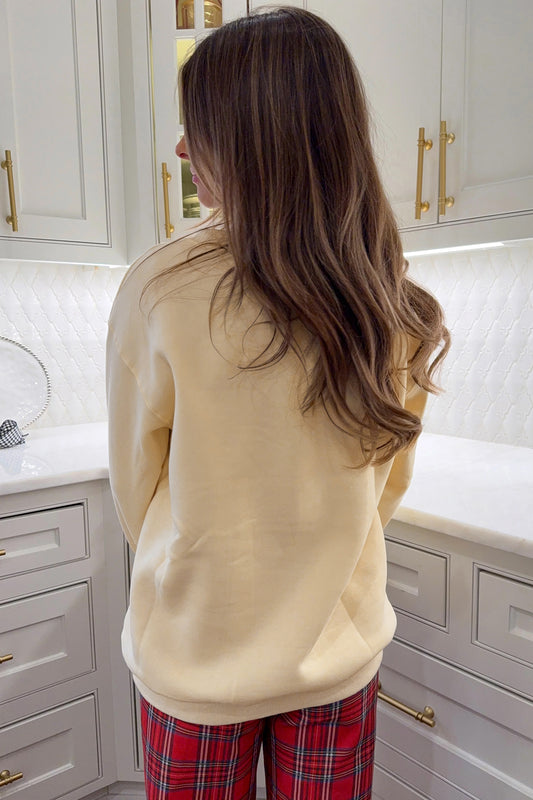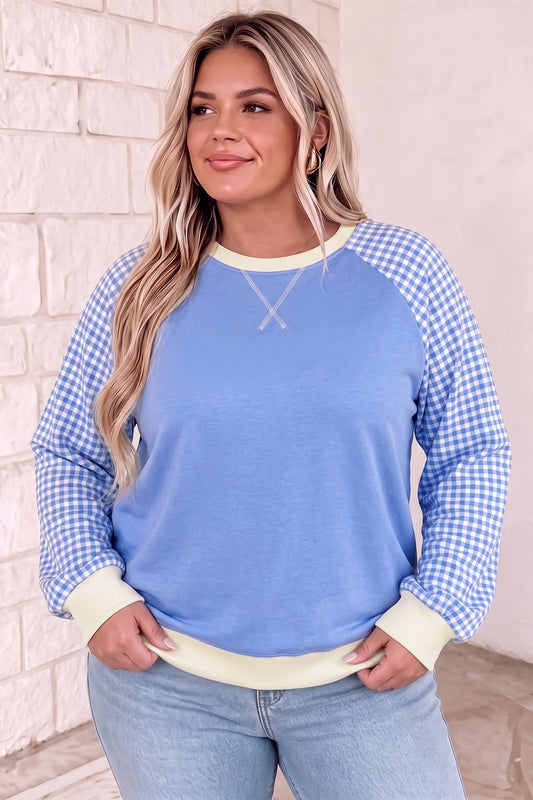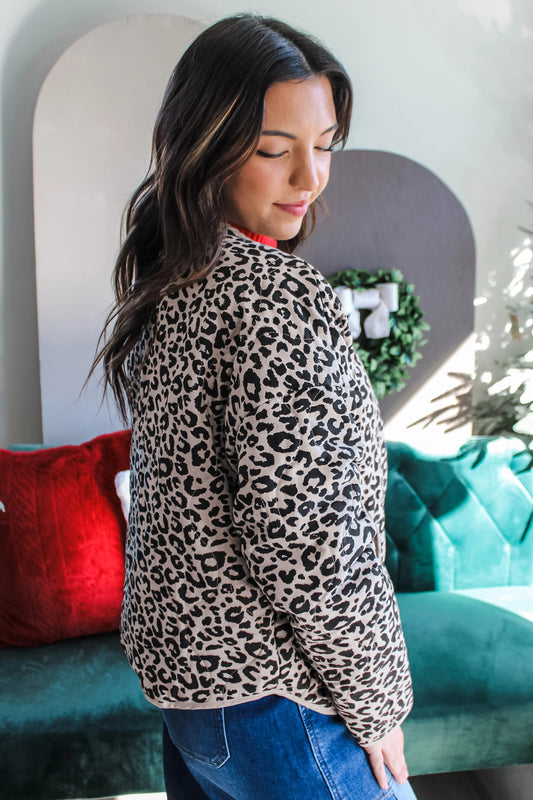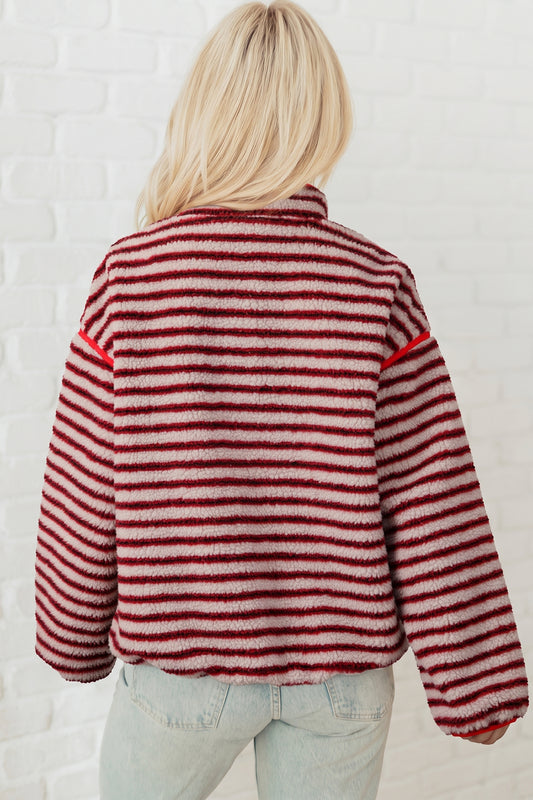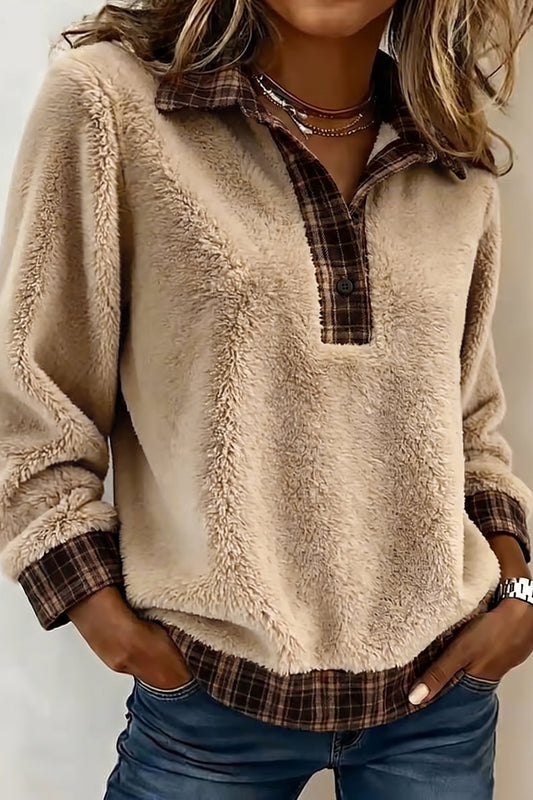

How to Dress Expensive Without Spending a Fortune
Looking expensive isn’t about price tags—it’s about perception. By focusing on fit, fabric, colour coordination, and smart styling, you can elevate your style cheaply and create a polished, high-end look for less. Think timeless wardrobe essentials, neutral colour palette outfits, and well-fitted clothes that flatter your silhouette. Add in proper grooming, wrinkle-free clothing, and intentional accessories, and you can look rich without being rich. This guide breaks down exactly how to build a luxury style on a budget using practical, wearable strategies that work every day.
The Illusion of Luxury: Why Looking Expensive Isn’t About Money
There’s a quiet shift happening in fashion. The loud logos and obvious branding are fading, replaced by something subtler—understated luxury style. The kind that whispers rather than shouts.
If you’ve ever wondered how some people manage to look expensive on a budget, the answer lies in understanding one key principle:
Expensive style is not about what you wear. It’s about how it looks, fits, and is presented.
This is where the idea of affordable luxury fashion comes into play. You’re not chasing designer labels—you’re mastering the visual cues of wealth.
These cues include:
- Clean lines
- Structured silhouettes
- Neutral tones
- Impeccable fit
- Thoughtful simplicity
This is the foundation of quiet luxury style, also known as the “old money aesthetic” or stealth wealth fashion. It’s timeless, refined, and—most importantly—achievable.
Build the Foundation: Timeless Wardrobe Essentials
Before trends, before styling tricks, before accessories—there’s your wardrobe foundation.
If your goal is to dress expensive for less, you need to start with capsule wardrobe basics that never go out of style.
What defines a timeless wardrobe?
- Pieces that work across seasons
- Neutral colour palette outfits
- Minimal patterns and clean cuts
- Versatility across multiple outfits
Think of items like:
- A structured blazer
- Well-fitted denim
- Simple, elegant tops
- Classic dresses
- Tailored trousers
You can explore versatile staples like these in collections such as
jeans and
tops,
which form the backbone of a polished everyday style.
Why this matters
Fast fashion often pushes quantity. But quality over quantity fashion is what creates that high-end look.
Owning fewer, better pieces allows you to:
- Maintain clothing properly
- Mix and match effortlessly
- Avoid cluttered, chaotic outfits
This is how you begin to elevate your style cheaply—by simplifying.
Fit is Everything: The Secret Behind Expensive Style
You can wear the most affordable outfit in the world—but if it fits perfectly, it instantly looks elevated.
On the flip side, even designer clothing looks cheap if the fit is off.
The power of tailored fit clothing
A key difference between cheap and expensive fashion is fit precision.
Focus on:
- Shoulder alignment in jackets
- Proper sleeve length
- Trousers that fall cleanly
- Defined waistlines
This is where tailoring clothes on a budget becomes a game changer.
A £10 alteration can make a £30 outfit look like £300.
Understanding proportions in fashion styling
Luxury style relies heavily on outfit symmetry and balance.
Some simple rules:
- Pair structured clothing pieces with softer items
- Balance oversized with fitted (never both oversized)
- Define your silhouette structure clothing
For example:
- A structured blazer outfit with slim-fit bottoms
- A flowing top with tailored trousers
You can experiment with proportion-focused looks using pieces from
bottoms,
which help anchor your outfit visually.
Fabric Speaks Louder Than Price Tags
One of the most overlooked aspects of how to look expensive without spending money is fabric.
People may not consciously identify fabric types—but they feel the difference instantly.
Expensive-looking fabrics vs cheap ones
Look for:
- Cotton, linen, wool (natural fabrics vs synthetic)
- Matte finishes over overly shiny materials
- Heavier fabric weight and luxury feel
Avoid:
- Thin, clingy materials
- Overly glossy synthetics
- Fabrics that wrinkle excessively
Why fabric quality clothing matters
High-end clothing tends to:
- Hold structure better
- Drape more naturally
- Maintain shape over time
This creates that effortless, polished appearance associated with minimalist luxury fashion.
Texture layering outfits
An easy way to add depth:
- Combine different textures (e.g., denim + knit + cotton)
- Stick to tonal dressing for a cohesive feel
This aligns with colour coordination psychology—where harmony signals sophistication.
Colour is a Status Signal
Colour is one of the fastest ways to communicate wealth visually.
Not through boldness—but through restraint.
Neutral colour palette outfits
The foundation of classic style outfits includes:
- Black
- White
- Beige
- Grey
- Navy
These colours:
- Pair effortlessly
- Look intentional
- Age well stylistically
Monochrome outfits
Wearing one colour head-to-toe instantly creates:
- Visual elongation
- Clean lines
- A refined, editorial feel
This is a key trick used in parisian style on a budget and scandinavian minimal style.
Contrast vs tonal dressing
- Tonal dressing (same colour family) = subtle luxury
- High contrast = more casual, less refined
Mastering this balance is one of the easiest budget-friendly style tips you can apply immediately.
The Details That Separate Cheap from Expensive
At a glance, two outfits might look similar.
But the difference is always in the details.
Garment construction quality
Check for:
- Clean stitching and finishing details
- Strong seams
- Proper lining
These are the hidden indicators of quality—and they matter more than branding.
Clothing maintenance tips
This is where many people fall short.
To look rich without being rich, your clothes must look cared for.
Focus on:
- Wrinkle-free outfits (always iron or steam)
- Lint-free clothing
- Clean shoes (huge visual impact)
- Proper storage
“Cheap vs expensive” is often maintenance, not price.
Even the best outfit will fall flat if it looks worn, creased, or neglected.
Accessories: The Subtle Power Behind a High-End Look
If clothing builds the foundation, accessories are what refine it.
The key to affordable luxury fashion isn’t piling things on—it’s editing carefully. The most expensive-looking outfits often use a minimal accessories style, where every piece has intention.
The goal is not to be noticed for what you wear—but how put-together you look.
Choose fewer, better accessories
Focus on pieces that elevate without overwhelming:
- Classic jewelry pieces (simple gold or silver tones)
- Structured bags vs slouchy bags
- Clean, modern belts to define shape
- Sunglasses that complement your face shape
Avoid overly trendy or loud items. Instead, lean into understated luxury style, where simplicity signals confidence.
Affordable pieces that look premium
You don’t need designer labels to achieve a high-end look for less. Instead, prioritise:
- Clean finishes (no visible glue, scratches, or tarnish)
- Neutral tones (black, tan, cream)
- Structured shapes
Pairing a polished outfit with the right footwear from the
shoes collection
can instantly upgrade your entire look.
The art of restraint
Accessories should complement, not compete.
A simple outfit—like a monochrome dress from the
dresses collection—
paired with minimal jewellery often looks far more expensive than an over-accessorised one.
This is the essence of the less is more fashion philosophy.
Grooming & Presentation: The Invisible Advantage
You can have the perfect outfit—but if the presentation is off, the illusion breaks.
This is where many people miss the mark when trying to look expensive on a budget.
How to look polished every day
True polish comes from consistency, not effort.
Focus on:
- Clean, wrinkle-free clothing
- Neat hair and simple styling
- Well-maintained shoes
- Subtle, fresh grooming
These small details create a polished everyday style that feels effortless.
The power of clothing maintenance
Luxury isn’t just how clothes look when you buy them—it’s how they look after ten wears.
Simple habits make a huge difference:
- Ironing clothes properly before wearing
- Using fabric shavers to remove pilling
- Keeping garments lint-free
- Storing items correctly
These wardrobe care tips ensure your outfits always look intentional.
Clean shoes, elevated outfit
Never underestimate this.
Shoes can either anchor your outfit—or completely undermine it.
Even a basic outfit becomes refined when paired with clean, well-kept footwear. This is one of the easiest ways to elevate your style cheaply.
The Psychology of Looking Expensive
Clothing is only part of the equation.
The rest? It’s how you carry yourself.
Confidence makes you look expensive
There’s a reason some people can wear the simplest outfits and still appear elevated.
It comes down to presence.
- Standing tall
- Moving with intention
- Speaking with calm confidence
This is the foundation of a rich aesthetic lifestyle—and it costs nothing.
Posture and elegance
Your posture directly affects how your outfit is perceived.
- Slouching makes clothes look ill-fitted
- Strong posture enhances silhouette structure clothing
- Good alignment reinforces clean lines
This ties directly into body language and style—a subtle but powerful signal.
The quiet luxury mindset
The idea behind quiet luxury style isn’t just visual—it’s behavioural.
It’s about:
- Not needing validation through branding
- Choosing quality over excess
- Embracing simplicity
This is why branding vs non-branded luxury is shifting. Logos are no longer the signal—taste is.
Smart Shopping: Building an Expensive Wardrobe on a Budget
You don’t need a bigger budget—you need a smarter strategy.
Learning how to shop smart for clothes is what allows you to consistently dress expensive for less.
Focus on investment pieces wardrobe
Start with items that:
- Work across multiple outfits
- Never go out of style
- Hold their structure over time
Think:
- A tailored coat
- Neutral-toned trousers
- Versatile tops
- Classic denim
Outer layers, in particular, define your look instantly. A refined piece from the
outerwear collection
can transform even the simplest outfit.
Cost per wear fashion
Instead of asking “How much does this cost?” ask:
“How many times will I wear this?”
A £60 item worn 60 times is more valuable than a £20 item worn twice.
This mindset is essential for mastering luxury style on a budget.
Where to find affordable luxury pieces
You don’t need designer stores to find quality.
Explore:
- High street brands that look expensive
- Seasonal sales shopping strategy
- Thrift store styling tips
- Second-hand designer fashion
These options make it easier to find cheap clothes that look expensive—without compromising on style.
Styling Tricks That Instantly Elevate Any Outfit
Sometimes, it’s not what you wear—but how you style it.
These are the small adjustments that create outfits that make you look rich instantly.
Define your silhouette
Loose clothing without structure can look unintentional.
Instead:
- Use belts to elevate outfit shape
- Tuck or half-tuck tops
- Choose pieces that define your waist
This enhances proportions in fashion styling and creates a more refined look.
Stick to simple, elegant outfits
Complexity often reads as clutter.
Refined outfits tend to be:
- Clean
- Balanced
- Minimal
You can build these combinations using versatile staples from the
tops collection,
paired with neutral bottoms.
Balance textures and tones
To avoid flat-looking outfits:
- Mix textures (e.g., denim + cotton + knit)
- Keep colours within a cohesive palette
This creates depth while maintaining that minimalist fashion aesthetic.
Seasonal Dressing Without Losing That Expensive Look
Dressing well isn’t limited to one season.
Even in summer, you can maintain a high-end look for less with the right approach.
Keep it structured, even when it’s light
Flowy doesn’t have to mean shapeless.
Look for:
- Clean cuts
- Defined straps
- Quality lightweight fabrics
You can achieve this effortlessly with pieces from the
swimwear collection,
styled with simple layers and neutral accessories.
Light colours, same principles
In warmer months:
- Swap dark neutrals for lighter tones (white, beige, soft grey)
- Maintain tonal dressing
- Avoid overly busy patterns
The same rules apply—just adapted.
Effortless Outfit Formulas That Always Look Expensive
By now, you understand the theory. This is where it becomes practical.
If you’ve ever wondered how to look expensive every day on a budget, the answer often lies in repeatable outfit formulas—simple combinations that consistently deliver a polished, high-end result.
Formula 1: Monochrome Minimalism
Why it works:
Monochrome outfits create visual elongation and remove unnecessary contrast, resulting in a clean, editorial finish.
How to build it:
- Choose one base colour (black, beige, white, grey)
- Layer similar tones within that palette
- Add subtle texture variation
Example:
- Cream top + beige trousers + neutral shoes
This approach is a cornerstone of minimalist luxury fashion and instantly helps you look rich without being rich.
Formula 2: Structured + Soft Balance
Why it works:
Luxury outfits rely on outfit symmetry and balance—too rigid feels harsh, too relaxed feels careless.
How to build it:
- Pair one structured clothing piece with one softer element
Examples:
- Structured blazer + relaxed denim
- Tailored trousers + soft knit top
You can easily recreate this using staples from
bottoms,
which help ground softer pieces with clean lines.
Formula 3: Elevated Basics
Why it works:
The foundation of classic style outfits is simplicity done well.
How to build it:
- Start with capsule wardrobe basics
- Focus on fit and fabric
- Keep colours neutral
Examples:
- White top + well-fitted jeans + clean shoes
- Black dress + minimal accessories
This is one of the most effective ways to make cheap clothes look designer.
Formula 4: The “Third Piece” Rule
Why it works:
Adding a third layer creates depth and intention.
How to build it:
- Base outfit (top + bottom)
- Add a third element (blazer, coat, or layer)
Examples:
- Top + trousers + structured blazer
- Dress + belt + outer layer
This small addition transforms basic outfits into polished everyday style.
Common Mistakes That Instantly Make Outfits Look Cheap
Even with the right pieces, certain mistakes can undo everything.
If your goal is to consistently dress expensive for less, these are non-negotiables.
1. Poor fit
Oversized without intention or overly tight clothing disrupts silhouette structure clothing.
Fit is the fastest way to signal quality—or the lack of it.
2. Too many trends at once
Chasing trends leads to cluttered outfits.
Instead:
- Focus on timeless wardrobe essentials
- Integrate trends sparingly
3. Neglecting fabric quality
Thin, shiny, or overly synthetic fabrics often look cheap.
Remember:
- Matte vs shiny fabrics perception matters
- Heavier fabrics tend to look more premium
4. Over-accessorising
Too many accessories can dilute the look.
Stick to:
- Minimal accessories style
- One or two standout elements
5. Ignoring grooming
Wrinkled clothing, scuffed shoes, or lint instantly reduce perceived value.
This is why clothing maintenance tips are just as important as styling.
A Simple System to Upgrade Your Wardrobe
If you’re starting from scratch—or refining your style—this system will help you upgrade your wardrobe cheaply without overwhelm.
Step 1: Edit ruthlessly
Remove items that:
- Don’t fit properly
- Look worn out
- Don’t align with your desired style
This creates clarity.
Step 2: Build a neutral base
Focus on:
- Neutral colour palette outfits
- Versatile, mix-and-match pieces
This forms the backbone of affordable luxury fashion.
Step 3: Prioritise quality upgrades
Instead of buying more, improve what you have:
- Tailor key items
- Replace low-quality staples gradually
- Invest in better fabrics
This aligns with cost per wear fashion.
Step 4: Refine styling habits
Small changes create big impact:
- Tuck, layer, and balance proportions
- Maintain wrinkle-free outfits
- Keep shoes and garments clean
Step 5: Adopt the mindset
This is what ties everything together.
The difference between someone who looks expensive and someone who doesn’t often comes down to:
- Confidence
- Restraint
- Attention to detail
This is the essence of the quiet luxury mindset.
Final Thoughts: The Real Secret to Looking Expensive
At its core, mastering How to Dress Expensive Without Spending a Fortune isn’t about fashion—it’s about perception.
It’s about understanding:
- Visual cues of wealth clothing
- The role of fit, fabric, and colour
- The importance of grooming and care
- The psychology behind confidence and presence
You don’t need designer logos to signal style.
In fact, the shift toward stealth wealth fashion proves the opposite:
- Subtlety beats excess
- Simplicity beats complexity
- Quality beats quantity
The most expensive-looking outfits are rarely the most expensive ones.
They’re the most intentional.
Frequently Asked Questions
1. Can you really look expensive without buying designer brands?
Yes. The appearance of luxury comes from fit, fabric, colour coordination, and presentation, not logos. Many designer items rely on the same visual principles you can recreate with affordable luxury fashion choices and well-curated outfits.
2. What colours make outfits look more expensive?
Neutral tones like black, white, beige, grey, and navy consistently look more refined. These shades create cohesion and simplicity, which are key elements in minimalist fashion aesthetic and high-end styling.
3. How do I make a simple outfit look more high-end?
Focus on small upgrades:
- Add a structured layer (like a blazer)
- Ensure clothes are wrinkle-free
- Stick to a cohesive colour palette
- Keep accessories minimal
These adjustments help elevate your style cheaply without changing your entire wardrobe.
4. Do logos make an outfit look more expensive?
Not necessarily. In fact, excessive branding can have the opposite effect. Modern luxury leans toward branding vs non-branded luxury, where subtlety and quality speak louder than visible logos.
5. What type of bags look the most expensive on a budget?
Structured bags in neutral colours tend to look the most premium. Avoid overly embellished or flimsy designs and instead opt for clean lines that align with understated luxury style.
6. How important is tailoring when trying to look expensive?
Tailoring is one of the most impactful changes you can make. Even inexpensive clothing can look high-end when adjusted to fit perfectly. This is essential for achieving well-fitted clothes vs cheap fit.
7. Can casual outfits still look expensive?
Absolutely. A simple combination like a fitted top, clean denim, and polished shoes can create a polished everyday style. The key is keeping everything neat, balanced, and intentional.
8. How do I avoid looking “cheap” in trendy outfits?
Limit trends to one piece per outfit and pair it with timeless wardrobe essentials. This keeps your look grounded and prevents it from feeling overly busy or disposable.
9. What fabrics should I avoid if I want to look more expensive?
Try to avoid:
- Thin, shiny synthetics
- Easily wrinkled materials
- Fabrics that lose shape quickly
Instead, prioritise fabric quality clothing with better structure and durability.
10. How long does it take to build an expensive-looking wardrobe?
It doesn’t happen overnight. Building a refined wardrobe is a gradual process of:
- Replacing lower-quality items
- Investing in versatile staples
- Improving styling habits
With consistency, you can create a luxury style on a budget over time without overspending.