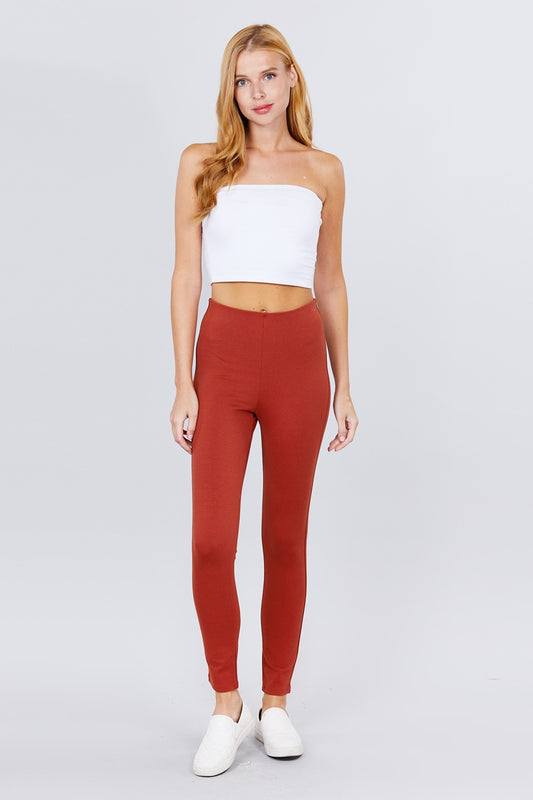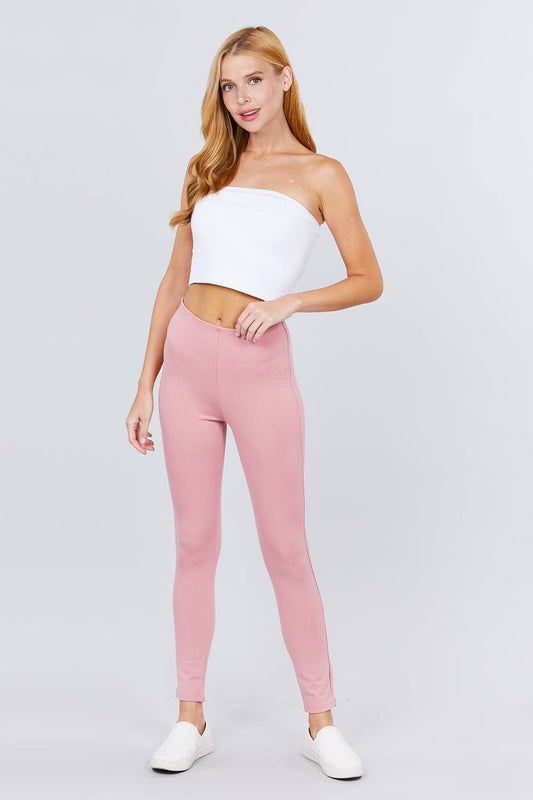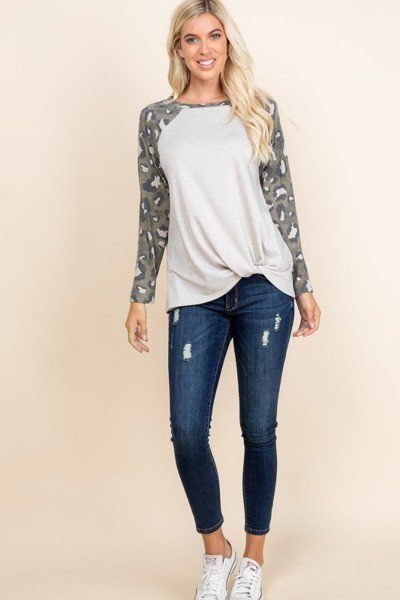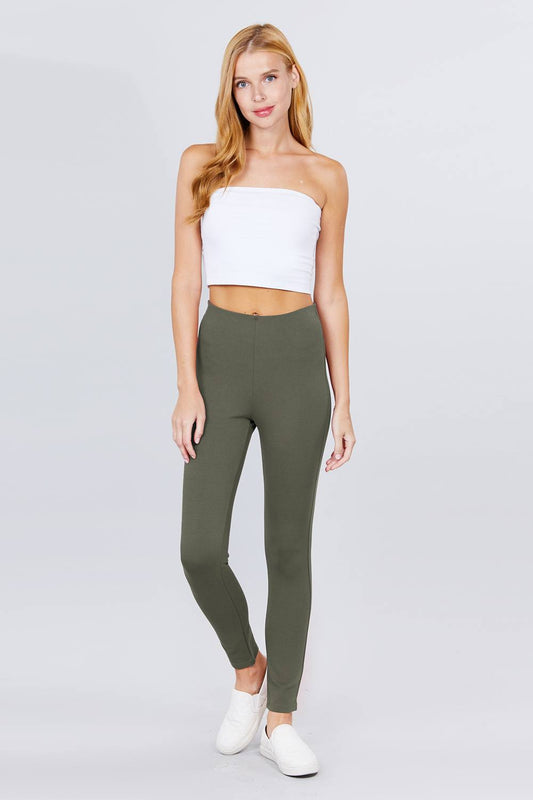

Burgundy, Rust, and Olive: How to Wear Fall's Richest Colors Together
Fall fashion has a way of making us fall in love with color all over again. And this season, three shades deserve a special place in your wardrobe: burgundy, rust, and olive green. Rich, earthy, and effortlessly sophisticated, they capture everything we love about autumn dressing.
But can you actually wear all three together without looking like you've borrowed your outfit from a pile of fallen leaves?
Absolutely. The secret is knowing which shade should take center stage, which should play a supporting role, and how to bring everything together with the right textures, neutrals, and accessories.
Here's what you need to know about styling these rich fall colors:
-
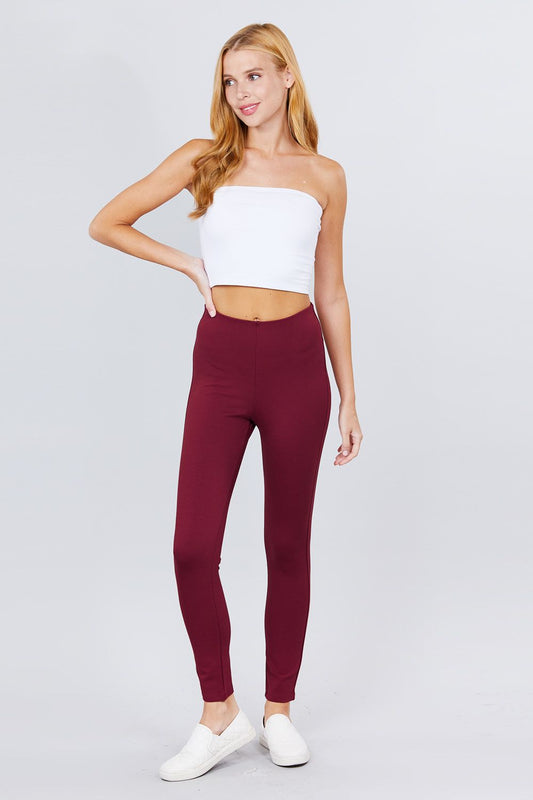
Burgundy brings depth and elegance. This wine-inspired shade works beautifully with olive green, warm rust, camel, cream, and chocolate brown.
-
Rust adds warmth and personality. Think burnt orange, terracotta, and cinnamon tones that make an outfit feel cozy without becoming overwhelming.
-
Olive green acts as a versatile neutral. Its muted, earthy character makes it an excellent foundation for bolder autumn colors.
-
The 60-30-10 rule makes combining all three easier. Choose one dominant color, one secondary shade, and one smaller accent.
-
Neutral pieces create breathing room. Cream, ivory, camel, dark denim, and chocolate brown help balance saturated colors.
-
Texture matters just as much as color. Chunky knits, soft cardigans, suede-inspired finishes, and corduroy can make simple combinations feel intentional.
-
You don't need an entirely new wardrobe. A few carefully chosen tops, sweaters, pants, and layering pieces can create multiple burgundy, rust, and olive outfits.
The best part? These colors are surprisingly wearable, whether you're putting together a casual weekend look, dressing for the office, or building a versatile autumn capsule wardrobe.
Let's explore why this trio works so beautifully and how to make it feel like your own personal style.
Why Burgundy, Rust, and Olive Are the Perfect Fall Color Combination
Picture an autumn afternoon. Deep red leaves scattered across the pavement. Copper-colored trees catching the late sunshine. Olive-green foliage lingering against a backdrop of warm browns.
Nature has been wearing this color palette forever.
And that's precisely why these shades look so harmonious together.
Unlike some high-contrast color combinations that compete for attention, burgundy, rust, and olive share an earthy, slightly muted quality. They have enough individuality to create visual interest, but enough in common to feel connected.
Burgundy: The Sophisticated Statement Shade
Burgundy is the color equivalent of a perfectly tailored coat: elegant, confident, and never trying too hard.
Sitting somewhere between deep red and purple, burgundy offers a richness that brighter reds sometimes lack. Depending on its undertones, it can lean toward wine, berry, maroon, oxblood, or even a deep claret.
That versatility makes it one of the most useful shades in an autumn color palette.
A burgundy sweater paired with dark denim feels effortlessly casual. The same shade worn with tailored trousers and understated jewelry suddenly looks polished enough for dinner.
And when burgundy meets olive green? Something wonderful happens.
The cool, wine-like depth of burgundy creates a beautiful contrast against olive's softer, yellow-green undertones. Neither shade needs to overpower the other.
Easy burgundy outfit ideas include:
-
A burgundy knit sweater with olive trousers and tan ankle boots.
-
A wine-colored blouse layered beneath a camel cardigan.
-
A burgundy top with dark-wash jeans and a rust-colored scarf.
-
A deep maroon sweater with cream pants and understated gold jewelry.
For an easy starting point, explore our women's tops collection and look for versatile silhouettes that can anchor several autumn outfits.
Style tip: If you're unsure how to style burgundy, begin with one burgundy garment and keep the rest of your outfit relatively neutral. Once you're comfortable, introduce olive or rust through a smaller accent.
Rust: The Warmth That Brings an Outfit to Life
Rust is autumn sunshine in clothing form.
Not quite orange. Not quite brown. Somewhere between terracotta, copper, cinnamon, and burnt sienna, rust has an inviting warmth that feels especially appropriate when the weather turns cooler.
It's also one of those colors that can completely transform an otherwise ordinary outfit.
Imagine olive-green pants and a cream top. Lovely, but fairly understated.
Now add a rust cardigan.
Suddenly, the outfit has warmth, dimension, and personality.
That's the beauty of rust color outfits. You don't need complicated styling or dramatic accessories to make an impression.
Rust works particularly well with:
-
Olive green: An earthy combination that feels relaxed and naturally coordinated.
-
Burgundy: A rich, warm-meets-cool pairing that creates depth.
-
Cream and ivory: Light neutrals that soften rust's intensity.
-
Chocolate brown: A tonal combination with a cozy, understated finish.
-
Dark denim: An easy everyday pairing that lets rust stand out.
A rust-colored knit is particularly useful during sweater weather because it adds warmth visually as well as providing a cozy layer.
Browse our women's sweaters for comfortable knitwear styles that can work as the foundation of your fall wardrobe.
One thing worth remembering: rust doesn't have to be intensely orange.
If brighter burnt orange shades feel overwhelming, look for muted terracotta, reddish-brown, or cinnamon tones. These softer variations are often easier to combine with burgundy and olive.
Olive Green: The Unexpected Neutral That Holds Everything Together
Here's a little styling secret: olive green can function almost like a neutral.
It isn't technically a neutral in the same way as beige, gray, or black, but its muted, earthy character makes it remarkably adaptable.
That's why olive green outfits are so easy to build.
Olive works with cream, camel, tan, charcoal, denim, chocolate brown, and, of course, burgundy and rust.
It provides a grounding effect that prevents richer colors from becoming visually overwhelming.
Think of olive as the quiet, dependable friend who somehow makes everyone else look better.
An olive blazer can soften a burgundy blouse. Olive trousers can balance a rust sweater. An olive cardigan can bring together a cream top and burgundy pants without making the outfit feel overly coordinated.
For everyday dressing, olive is especially practical in bottoms because it creates a versatile foundation for multiple color combinations.
Our women's pants collection is a useful place to explore different cuts and silhouettes when planning comfortable, mix-and-match fall outfits.
The easiest way to wear all three colors? Let olive be your foundation, burgundy your statement, and rust your finishing touch. You get the richness of the entire palette without making every piece compete for attention.
Choosing the Right Shades: Not All Burgundy, Rust, and Olive Are Created Equal
You've probably experienced this before.
Two garments look like they should match perfectly when you picture them together. But when you actually put them on, something feels slightly off.
The colors aren't necessarily wrong. Their undertones, brightness, or intensity may simply be pulling in different directions.
Understanding these differences is one of the most useful skills you can develop when experimenting with fall color combinations.
Start With Undertones, Not Just Color Names
Every color has subtle variations.
Burgundy might lean purple and cool, or red and warm. Rust might look like vibrant burnt orange or a muted reddish brown. Olive can range from golden khaki to a deeper, grayer green.
These differences matter when you're combining multiple rich shades.
For example:
| Color | Warmer variation | Cooler or more muted variation |
|---|---|---|
| Burgundy | Brownish wine red, warm maroon | Plum burgundy, berry wine |
| Rust | Burnt orange, copper, cinnamon | Muted terracotta, dusty brick |
| Olive | Golden olive, yellow-green khaki | Gray olive, muted moss |
You don't have to choose three colors with identical undertones. In fact, a little contrast can make an outfit more interesting.
The trick is to keep their overall intensity reasonably balanced.
A very bright, saturated rust sweater might overpower muted olive trousers and a dusty burgundy scarf. A softer terracotta sweater would create a more cohesive effect.
Similarly, deep oxblood and dark olive can look beautifully sophisticated together, especially when you add a slightly lighter rust accent to break up the darker shades.
Three Color Palettes That Always Feel Intentional
Rather than treating burgundy, rust, and olive as three fixed colors, think of them as families of shades.
That gives you much more freedom to experiment.
1. The Soft, Earthy Autumn Palette
-
Muted burgundy
-
Dusty terracotta
-
Soft olive green
-
Cream or warm beige
This combination is understated, relaxed, and particularly well suited to casual fall outfits.
Imagine a soft olive cardigan over a cream top, paired with burgundy bottoms and a subtle terracotta accessory.
Nothing feels too bold. Everything works together.
It's an excellent choice if you love minimalist fall outfits but want to introduce more personality than an entirely neutral wardrobe provides.
2. The Deep, Dramatic Autumn Palette
-
Oxblood burgundy
-
Dark rust
-
Deep olive
-
Chocolate brown or charcoal
This palette feels sophisticated, moody, and wonderfully suited to cooler weather.
Think rich knitwear, tailored silhouettes, dark denim, and leather-inspired accessories.
It's particularly effective for autumn office outfits, dinner dates, or any occasion when you want something polished without relying on black.
3. The Warm, Golden Autumn Palette
-
Warm wine red
-
Copper rust
-
Golden olive
-
Camel or ivory
This version feels inviting and slightly brighter.
The golden undertones in olive complement the warmth of copper and camel, while burgundy adds enough depth to keep the overall look from becoming too orange or yellow.
It's especially appealing for transitional weather outfits when you want autumn colors without dressing in heavy, dark layers.
Remember: These palettes are starting points, not strict rules. The most flattering combination is the one that works with your coloring, your existing wardrobe, and the way you enjoy dressing.
How to Balance Burgundy, Rust, and Olive in One Outfit
Now comes the interesting part.
Knowing that three colors complement each other is one thing. Actually wearing them together is another.
The mistake many people make is assuming that each shade deserves equal attention.
A burgundy sweater, bright rust trousers, and an equally bold olive jacket can work in some circumstances, but it's a challenging combination to balance.
For everyday styling, a more considered approach usually feels easier and more natural.
Try the 60-30-10 Color Rule
The 60-30-10 rule is a familiar principle in interior design, but it also provides a helpful framework for building three-color outfits.
The idea is simple:
-
60% dominant color: The shade that forms the main visual foundation of your outfit.
-
30% secondary color: A complementary shade that adds depth and contrast.
-
10% accent color: A smaller touch that ties the overall look together.
You don't need to measure the exact proportions. Think of it as a visual guideline rather than a mathematical requirement.
Here's how it might work with burgundy, rust, and olive.
Outfit formula: Olive + Burgundy + Rust
-
Start with olive-green trousers and an olive outer layer as the dominant color.
-
Add a burgundy top or sweater as your secondary shade.
-
Finish with a rust-colored scarf, handbag, or other small accessory.
The result feels coordinated rather than overly matched.
And the formula is wonderfully flexible.
Swap the proportions, and you get a completely different look.
Outfit formula: Burgundy + Olive + Rust
-
Choose a burgundy dress or a coordinated burgundy outfit as your foundation.
-
Layer an olive cardigan or jacket over it.
-
Introduce rust through a small accessory.
For versatile layering options, take a look at our women's cardigans collection. A cardigan is an easy way to introduce a secondary color without committing to an entirely new outfit.
The important lesson isn't that every outfit must follow the same proportions.
It's that one color should usually lead while the others support it.
That simple distinction makes even adventurous fall color coordination feel approachable.
Use Neutral Colors to Give Your Outfit Breathing Room
Here's something worth remembering: just because burgundy, rust, and olive look beautiful together doesn't mean you have to wear them without any other colors.
In fact, adding a neutral can make the entire combination look more sophisticated.
Cream, ivory, camel, chocolate brown, and dark denim all provide visual breathing room between richer autumn shades.
Imagine you're wearing olive trousers, a burgundy sweater, and a rust cardigan. It's a lovely combination, but depending on the intensity of each color, the outfit might feel a little heavy.
Now replace the burgundy sweater with a cream top and introduce burgundy through a scarf or handbag.
Suddenly, everything feels lighter.
The colors still work together, but there's more balance.
Some particularly effective neutral pairings include:
-
Cream and burgundy: Softens the richness of wine red while keeping the outfit elegant.
-
Camel and rust: Creates a warm, tonal look that feels naturally autumnal.
-
Ivory and olive: Adds freshness to muted green without creating harsh contrast.
-
Chocolate brown and burgundy: Produces a deep, luxurious combination that's ideal for cooler weather.
-
Dark denim and rust: Makes burnt orange feel relaxed and wearable.
-
Charcoal and olive: Offers a slightly cooler alternative to traditional earthy neutrals.
Don't overlook denim, either.
A well-fitting pair of dark jeans can anchor almost any autumn color palette, making it easier to experiment with bolder tops and layering pieces.
Styling secret: When an outfit feels too colorful, you don't always need to remove a shade. Sometimes, introducing a neutral between two stronger colors is enough to make everything work.
7 Burgundy, Rust, and Olive Outfit Ideas You'll Actually Want to Wear
Color theory is helpful, but let's be practical.
Most mornings, you're not standing in front of your closet thinking about complementary colors or visual proportions.
You're thinking, "What can I wear today that looks good, feels comfortable, and doesn't take twenty minutes to put together?"
That's where these outfit formulas come in.
Each one combines the richness of autumn colors with comfortable, wearable pieces. Some use all three shades prominently, while others introduce the third color through a subtle accessory.
1. The Casual Weekend Look: Olive Pants, Burgundy Sweater, and Rust Accessories
There's something effortlessly stylish about olive-green pants paired with a cozy burgundy sweater.
The combination feels relaxed without looking careless, making it perfect for coffee dates, weekend errands, or a leisurely autumn afternoon.
Build the outfit:
-
Olive-green straight-leg or relaxed-fit pants.
-
A soft burgundy knit sweater.
-
A rust-colored scarf or crossbody bag.
-
Tan ankle boots or cream sneakers.
-
Simple gold earrings.
The olive trousers provide an earthy foundation, while burgundy adds richness around your face. Rust works as a small accent, bringing warmth to the entire outfit.
If you prefer a more relaxed silhouette, try a slightly oversized sweater with slim or straight-leg pants.
For a more polished appearance, tuck the front of your sweater into the waistband and add a simple belt.
Why it works: Burgundy and olive create a balanced contrast, while rust connects their warmer undertones without dominating the look.
2. The Effortlessly Polished Office Outfit: Burgundy, Olive, and Camel
Who says fall workwear has to revolve around black, gray, and navy?
Burgundy and olive can look wonderfully professional when paired with structured silhouettes and understated accessories.
Start with burgundy tailored trousers and a cream blouse. Add an olive blazer or lightweight jacket, then finish with camel loafers or ankle boots.
A small rust accessory, such as a patterned scarf, can bring the entire autumn palette together.
The outfit formula:
-
Burgundy tailored trousers.
-
Cream or ivory blouse.
-
Olive-green blazer.
-
Camel or chocolate-brown shoes.
-
A subtle rust-colored accessory.
The cream blouse prevents the deeper colors from feeling too heavy, while the tailored shapes keep everything refined.
This is also a great example of how to style burgundy without relying on a burgundy sweater or coat.
Make it your own: Prefer a softer office look? Swap the blazer for a fine-knit olive cardigan and choose comfortable flats.
The result is professional, approachable, and easy to wear throughout the day.
3. The Cozy Sweater Weather Outfit: Rust Knitwear and Olive Bottoms
Some fall outfits practically invite you to curl up with a warm drink.
This is one of them.
A rust-colored sweater paired with olive bottoms captures the warmth of the season without feeling overly coordinated.
The combination works particularly well because rust and olive both have earthy undertones, making them natural companions.
Try pairing:
-
A chunky rust sweater.
-
Olive-green trousers or a midi skirt.
-
A burgundy handbag or scarf.
-
Brown ankle boots.
-
Delicate gold jewelry.
For a more casual approach, choose relaxed trousers and slightly oversized knitwear.
If you prefer a more defined silhouette, try a fitted rust sweater tucked into high-waisted olive pants.
The burgundy accent adds just enough depth to prevent the outfit from becoming a simple two-color combination.
Texture tip: A ribbed rust sweater against smooth olive trousers creates visual interest even when both colors are muted.
4. The Relaxed Everyday Outfit: Burgundy Sweatshirt, Olive Joggers, and Rust Accents
Not every stylish autumn outfit needs tailored trousers, structured coats, or heeled boots.
Sometimes, comfort is the priority.
And thankfully, rich fall colors look just as good in relaxed clothing.
Imagine an oversized burgundy sweatshirt paired with olive-green joggers or comfortable casual pants. Add cream sneakers, a rust-colored cap or bag, and you're ready for a laid-back day.
It's simple, comfortable, and far more interesting than an all-gray loungewear outfit.
What makes this combination work?
The burgundy sweatshirt adds a rich focal point, while olive bottoms keep the look grounded. Cream sneakers lighten the outfit, and a small rust accent introduces another layer of warmth.
You can explore our women's sweatshirts and hoodies for relaxed layering styles that fit naturally into an everyday autumn wardrobe.
For a slightly more put-together finish, choose a sweatshirt with a clean neckline and pair it with straight-leg casual trousers rather than oversized bottoms.
Comfortable doesn't have to mean shapeless.
5. The Feminine Fall Outfit: Rust Midi Skirt, Burgundy Top, and Olive Layer
If you love softer silhouettes, flowing fabrics, and a touch of romance, this combination deserves a place in your fall outfit inspiration folder.
Start with a rust-colored midi skirt.
Add a fitted burgundy top, then layer an olive cardigan or lightweight jacket over the outfit.
Finish with chocolate-brown ankle boots and a simple handbag.
The contrast between the warm rust skirt and deep burgundy top feels rich without becoming overly dramatic.
Meanwhile, the olive layer introduces a softer, grounding element.
To make this look especially flattering:
-
Choose a high-waisted skirt to create a defined waistline.
-
Tuck in your top to balance the proportions.
-
Keep the olive layer open to create a vertical line.
-
Choose ankle boots with a streamlined shape.
-
Add understated accessories rather than competing statement pieces.
A pleated skirt adds movement, while a satin or softly draped finish creates a dressier appearance.
For a more casual version, replace the fitted top with a slightly cropped burgundy sweater.
This outfit works beautifully for brunch, casual dinners, and autumn gatherings.
6. The Elevated Date Night Look: Deep Burgundy and Dark Olive With a Hint of Copper
Want something a little more dramatic?
Lean into the deeper side of the autumn color palette.
A rich burgundy blouse paired with dark olive trousers creates a sophisticated foundation. Add chocolate-brown boots, gold jewelry, and a copper or rust-colored accessory.
The key here is restraint.
Instead of choosing three equally prominent colors, let burgundy and olive do most of the work.
Rust becomes the finishing touch.
The outfit formula:
-
Deep wine or oxblood blouse.
-
Dark olive tailored trousers.
-
Chocolate-brown heeled boots.
-
Gold earrings or a delicate necklace.
-
A small copper-rust bag or scarf.
For evening styling, fabric choice makes a noticeable difference.
A satin-finish blouse, soft knit, or subtly textured top can elevate the outfit without requiring extra embellishments.
And because the colors already have so much personality, there's no need for excessive jewelry.
Why it works: The deep burgundy and olive create a luxurious, low-contrast foundation, while copper introduces a touch of brightness.
7. The Transitional Weather Outfit: Cream Base With Burgundy, Rust, and Olive Layers
Early fall can be unpredictable.
One moment, the sun is shining. The next, there's a chilly breeze that makes you wish you'd brought another layer.
That's when a flexible, layered outfit becomes your best friend.
Start with a cream long-sleeve top and dark denim jeans. Add a rust cardigan, then introduce olive through a lightweight jacket or accessory.
Finish with burgundy shoes, a scarf, or a handbag.
The result is a wearable combination that incorporates the entire palette without feeling overly busy.
Your layering formula:
-
Cream or ivory base layer.
-
Dark-wash denim jeans.
-
Rust-colored cardigan.
-
Olive jacket or outer layer.
-
Burgundy accessory.
The neutral foundation keeps the stronger colors separated, allowing each shade to stand out without competing.
This is particularly useful when you're experimenting with burgundy rust and olive outfits for the first time.
You can remove the cardigan or jacket as temperatures change, and the remaining pieces will still look coordinated.
Styling tip: When layering several colors, vary the lengths and textures of your garments. A shorter cardigan beneath a longer jacket, for example, creates more visual structure than two layers ending at exactly the same point.
The Best Neutral Colors to Pair With Burgundy, Rust, and Olive
While these three shades create a beautiful autumn palette on their own, the right neutrals make them significantly more versatile.
Think of neutrals as the connecting pieces that allow you to create several outfits from a relatively small wardrobe.
Instead of purchasing completely different clothing for every color combination, you can use the same cream top, camel jacket, or dark denim jeans repeatedly.
That's the foundation of a practical fall capsule wardrobe.
Cream and Ivory: Lighten the Entire Palette
Cream is one of the easiest colors to introduce when burgundy, rust, and olive begin to feel too dark.
It creates contrast without the sharpness of bright white.
A cream turtleneck beneath an olive jacket looks fresh and polished. Add burgundy trousers or a rust scarf, and you've created a complete autumn outfit with very little effort.
Ivory works similarly, especially with muted or slightly warmer shades.
Best combinations:
-
Cream + burgundy + olive.
-
Ivory + rust + camel.
-
Cream + olive + rust accessories.
These combinations are particularly effective for daytime dressing.
Camel and Tan: Emphasize Autumn's Warmth
Camel has a natural affinity with rust and olive.
All three share earthy characteristics, which makes them easy to coordinate.
A camel coat over a burgundy sweater and olive trousers is a classic example of how to bring several rich colors together without creating visual clutter.
Tan boots, belts, and handbags offer a similar effect on a smaller scale.
If your outfit feels slightly disconnected, a warm tan accessory can sometimes provide the missing link.
Chocolate Brown: Create a Rich, Tonal Look
Chocolate brown has become a favorite alternative to black in autumn styling, and it's easy to understand why.
It's deep, versatile, and particularly beautiful alongside wine red, copper, and muted green.
Pair chocolate-brown boots with olive trousers and a burgundy sweater for a grounded, sophisticated look.
Or combine a rust top with chocolate-brown bottoms and a burgundy accessory for a warm, tonal outfit.
The result feels luxurious without being overly formal.
Dark Denim: Make Rich Colors Feel Effortless
Dark denim deserves special attention because it makes almost every fall color combination more approachable.
Burgundy with dark jeans? Classic.
Rust with dark jeans? Warm and relaxed.
Olive with dark jeans? Understated and easy.
Add all three colors through a top, cardigan, and accessory, and denim keeps the outfit grounded.
For additional everyday outfit combinations, browse our women's bottoms collection to explore different silhouettes that can serve as the foundation for seasonal styling.
Which Neutral Should You Choose?
| Neutral | Best paired with | Overall effect |
|---|---|---|
| Cream | Burgundy, olive, rust | Fresh, soft, balanced |
| Ivory | Rust, golden olive | Warm, delicate, refined |
| Camel | Burgundy, rust, olive | Classic, cozy, sophisticated |
| Chocolate brown | Burgundy, rust | Deep, rich, luxurious |
| Dark denim | All three colors | Casual, versatile, effortless |
| Charcoal | Burgundy, cooler olive | Modern, understated, polished |
| Tan | Rust, olive, burgundy | Natural, warm, relaxed |
The beauty of these combinations is that you can adjust them to suit your personal style.
Prefer lighter, softer outfits? Lean toward cream and ivory.
Love dramatic autumn dressing? Choose chocolate brown and charcoal.
Want something you can wear every day? Dark denim and camel are dependable choices.
The goal isn't to wear every fall color at once. It's to create a wardrobe where your favorite colors work together naturally, giving you more outfits with fewer pieces.
How to Accessorize Burgundy, Rust, and Olive Outfits
Sometimes, the smallest details make the biggest difference.
You might have the perfect burgundy sweater and olive trousers, but something still feels unfinished. The colors work, the fit is right, and the outfit is comfortable. Yet it needs that final touch.
That's where accessories come in.
The right shoes, handbag, scarf, or jewelry can connect your autumn color palette without making your outfit feel overly coordinated.
And here's the good news: you don't need accessories in all three colors.
Often, one carefully chosen accent is enough.
Shoes That Complement Rich Fall Colors
Footwear can either ground your outfit or introduce an unexpected pop of color.
For burgundy, rust, and olive outfits, earthy footwear is usually the easiest place to start.
Some of the most versatile choices include:
-
Chocolate-brown ankle boots: Beautiful with burgundy, olive, and rust, particularly when you're wearing darker autumn shades.
-
Tan suede boots: Add softness and warmth to olive green outfits and rust color combinations.
-
Burgundy loafers: Introduce a sophisticated accent to olive trousers and cream knitwear.
-
Cream sneakers: Keep casual fall outfits looking fresh and relaxed.
-
Camel knee-high boots: Work beautifully with rust midi skirts, burgundy dresses, and oversized sweaters.
-
Dark brown flats: Offer a polished alternative to black without creating harsh contrast.
If you're wearing a particularly colorful outfit, neutral footwear helps everything feel balanced.
For example, olive pants, a burgundy sweater, and a rust cardigan already create plenty of visual interest. Chocolate-brown boots would complete the look without introducing another competing shade.
On the other hand, if your clothing is mostly neutral, burgundy shoes can become the statement.
Styling tip: Try matching the depth of your shoes to the overall mood of your outfit. Darker boots often complement deep, dramatic colors, while tan or cream footwear can lighten softer autumn combinations.
Handbags That Pull the Palette Together
A handbag is one of the easiest ways to introduce a third color into an outfit.
Imagine you're wearing a cream sweater with olive trousers and brown ankle boots.
It's a lovely combination.
Now add a burgundy handbag.
Instantly, the outfit feels richer and more intentional.
The same principle works with rust.
A small terracotta or copper-colored bag can warm up a burgundy-and-olive outfit without requiring you to wear another brightly colored garment.
Consider these combinations:
| Main outfit | Handbag color | Styling effect |
|---|---|---|
| Burgundy sweater + olive trousers | Rust | Warm, coordinated, autumnal |
| Rust cardigan + cream top + denim | Burgundy | Rich contrast |
| Olive dress + camel jacket | Burgundy | Elegant and sophisticated |
| Burgundy blouse + dark jeans | Chocolate brown | Understated and polished |
| Rust sweater + olive pants | Tan | Soft and balanced |
You don't need your handbag and shoes to match perfectly.
In fact, slightly different but complementary shades often make an outfit feel more natural.
A chocolate-brown handbag with tan boots, for example, creates subtle tonal variation while remaining cohesive.
Scarves: The Secret to Connecting Three Colors
If you're wondering how to wear burgundy, rust, and olive together without looking overly colorful, a patterned scarf might be your new favorite accessory.
Why?
Because a print containing two or three of your chosen colors acts as a visual bridge.
Imagine an olive jacket layered over a burgundy sweater.
Add a scarf featuring muted rust, burgundy, and cream.
The scarf connects the outfit's colors, making the combination appear deliberate rather than accidental.
Look for scarves featuring:
-
Autumn florals in wine red, olive, and burnt orange.
-
Plaid patterns with burgundy, camel, and rust.
-
Abstract prints combining olive, terracotta, and ivory.
-
Paisley patterns in deep red, copper, and muted green.
-
Simple stripes featuring two autumn shades and a neutral.
A scarf doesn't need to contain every color in your outfit. Even two shared shades can create a sense of harmony.
A useful styling trick: When you're unsure whether two colors belong together, look for a patterned accessory that includes both. It can help you visualize how the shades complement each other.
Gold, Bronze, or Silver Jewelry?
Jewelry is another subtle way to influence the overall warmth of an outfit.
Gold jewelry is particularly beautiful with rust and olive because it echoes their golden, earthy undertones.
A delicate gold necklace against a burgundy sweater can add warmth without competing with the rich fabric color.
Bronze and antique-gold finishes create an even softer effect, especially with muted autumn shades.
Silver jewelry can work beautifully, too, particularly when your burgundy leans toward plum or your olive has cooler, gray-green undertones.
There's no need to follow rigid rules.
Instead, consider the overall feeling you're trying to create.
-
Gold: Warm, classic, and softly luxurious.
-
Bronze: Earthy, understated, and slightly vintage-inspired.
-
Silver: Cool, modern, and refined.
-
Mixed metals: Relaxed, contemporary, and versatile.
For everyday styling, simple jewelry often works best because the colors themselves already provide plenty of personality.
Fabrics and Textures That Make Fall Colors Look Even Richer
Color is only half the story.
The texture of your clothing can completely change how burgundy, rust, and olive look together.
A burgundy satin blouse feels elegant and dressy.
A burgundy chunky-knit sweater feels cozy and relaxed.
An olive cotton jacket looks practical and casual, while an olive velvet blazer creates a much more dramatic impression.
Same colors. Completely different moods.
That's why mixing textures is such an effective way to make earth tone outfits feel interesting.
Chunky Knits and Soft Sweaters
Few things capture the feeling of autumn quite like comfortable knitwear.
Burgundy, rust, and olive all look particularly beautiful in knitted fabrics because the texture softens their intensity.
A chunky rust sweater paired with smooth olive trousers creates contrast without relying on additional colors.
Likewise, a fine-knit burgundy top beneath a textured olive cardigan adds depth while keeping the outfit comfortable.
For balanced proportions, try combining:
-
An oversized knit with slim or straight-leg bottoms.
-
A fitted sweater with relaxed trousers.
-
A cropped cardigan with a high-waisted skirt.
-
A long, open-front knit with a simple fitted base layer.
The goal is to balance volume as well as color.
If every garment is oversized and heavily textured, the outfit can lose its shape.
Suede and Leather: Autumn's Natural Companions
Suede and leather-inspired textures are particularly effective with warm autumn colors.
Tan suede boots can soften a dark burgundy outfit, while chocolate-brown leather accessories add structure to relaxed olive-green clothing.
Rust also looks beautiful alongside these materials because its coppery warmth complements earthy brown finishes.
You don't need to wear several leather pieces together.
A simple belt, pair of boots, or structured handbag can provide enough contrast against soft knitwear.
For a classic autumn combination, try:
Burgundy knit + olive trousers + tan suede boots + rust scarf.
It's comfortable, visually balanced, and easy to adapt for different occasions.
Corduroy and Tweed for Extra Depth
Corduroy is practically made for autumn dressing.
Its raised texture adds dimension to earthy shades, particularly olive, rust, and chocolate brown.
Olive corduroy trousers paired with a cream sweater and burgundy accessories create a relaxed, vintage-inspired outfit.
Rust corduroy bottoms work beautifully with burgundy knitwear, especially when balanced with a neutral jacket.
Tweed offers a slightly more structured alternative.
A muted olive or brown tweed jacket can introduce several subtle tones into an outfit without requiring bold color blocking.
Satin and Velvet for Dressier Occasions
When you're dressing for an evening out, rich autumn colors become especially striking in smoother or more luxurious-looking fabrics.
A burgundy satin blouse paired with olive tailored trousers creates an elegant contrast between fluid and structured materials.
Rust satin can look beautiful with chocolate brown or cream, while deep olive velvet adds richness to an otherwise simple outfit.
The key is not to overdo it.
One statement texture is usually enough.
| Fabric or texture | Best autumn colors | Styling mood |
|---|---|---|
| Chunky knit | Burgundy, rust, olive | Cozy and casual |
| Fine ribbed knit | Burgundy, olive | Refined and versatile |
| Suede | Tan, rust, chocolate brown | Soft and earthy |
| Leather | Burgundy, dark brown | Structured and polished |
| Corduroy | Olive, rust, camel | Relaxed and vintage-inspired |
| Tweed | Olive, brown, burgundy | Classic and sophisticated |
| Satin | Burgundy, rust | Elegant and feminine |
| Velvet | Burgundy, deep olive | Rich and dramatic |
Remember: When your outfit features several strong colors, varying the textures can make the combination feel more sophisticated without adding unnecessary accessories.
Common Mistakes to Avoid When Mixing Burgundy, Rust, and Olive
Even beautiful fall color combinations can feel awkward when the proportions, undertones, or styling details aren't quite right.
Fortunately, most mistakes are easy to fix.
Mistake 1: Giving Every Color Equal Attention
Wearing a bright burgundy top, equally saturated rust trousers, and a bold olive jacket can create a visually crowded outfit.
There's nothing inherently wrong with strong color blocking, but it requires careful balance.
The fix: Choose one dominant color and let the others support it.
An olive outfit with a burgundy sweater and a small rust accessory often feels more effortless than three equally prominent garments.
Mistake 2: Mixing Too Many Different Undertones
A very cool, purple-toned burgundy combined with bright orange rust and yellow-heavy olive can sometimes feel disconnected.
The issue isn't necessarily the colors themselves. It's the difference in their saturation and undertones.
The fix: Look for shades with similar softness or intensity.
Muted terracotta, dusty burgundy, and soft olive usually blend more gently than three highly saturated variations.
Alternatively, introduce cream or camel between contrasting colors to create separation.
Mistake 3: Forgetting About Neutrals
It's tempting to wear every favorite autumn shade in one outfit.
But too many rich colors without any visual breathing room can make the overall look feel heavy.
The fix: Introduce a neutral base.
Cream, ivory, camel, chocolate brown, and dark denim are especially useful.
Even something as simple as a cream neckline peeking out beneath a burgundy sweater can lighten an outfit.
Mistake 4: Wearing Too Many Heavy Textures Together
Chunky knitwear, thick corduroy, oversized outerwear, and heavy boots can create a lot of visual volume.
Add three deep colors, and the outfit may feel overwhelming.
The fix: Balance heavy fabrics with smoother or lighter materials.
For example, pair a chunky rust sweater with streamlined olive trousers rather than extremely bulky bottoms.
Or wear a structured burgundy jacket over a simple, fine-knit cream top.
Mistake 5: Matching Everything Too Perfectly
Your shoes don't need to be the exact same burgundy as your sweater.
Your scarf doesn't need to match your rust cardigan precisely.
And your handbag certainly doesn't have to coordinate with every other accessory.
The fix: Embrace tonal variation.
A deep wine sweater, muted burgundy bag, and chocolate-brown boots can look more interesting than perfectly matched accessories.
The slight differences create dimension.
Mistake 6: Ignoring Your Personal Style
Perhaps the biggest mistake is trying to recreate an outfit that doesn't feel like you.
If you love minimalist clothing, three large blocks of color might feel uncomfortable.
If you prefer expressive, artistic outfits, a tiny burgundy accessory might feel too restrained.
The fix: Adapt the palette to your preferences.
You can wear burgundy, rust, and olive through subtle accents, bold statement pieces, tonal layering, or a carefully planned capsule wardrobe.
There isn't one correct way to combine them.
Building a Burgundy, Rust, and Olive Fall Capsule Wardrobe
One of the best things about this autumn color palette is how easily it lends itself to a capsule wardrobe.
Instead of purchasing lots of unrelated seasonal pieces, you can choose a small collection of garments that work together in different combinations.
The result?
Less time wondering what to wear and more opportunities to create outfits you genuinely enjoy.
Start With These 10 Versatile Pieces
Consider building your wardrobe around the following essentials:
-
Burgundy sweater: A rich, versatile top that works with denim, olive trousers, and neutral skirts.
-
Olive-green pants: An earthy foundation for casual and polished outfits.
-
Rust cardigan: A warm layering piece that adds personality to neutral basics.
-
Cream long-sleeve top: A light base layer that balances deeper shades.
-
Dark denim jeans: A dependable option for everyday dressing.
-
Camel or tan jacket: A neutral outer layer that complements all three colors.
-
Burgundy blouse: A slightly dressier alternative to knitwear.
-
Chocolate-brown ankle boots: Practical footwear that works across the palette.
-
Neutral midi skirt or relaxed trousers: An additional bottom for varied silhouettes.
-
Printed autumn scarf: An accessory that ties burgundy, rust, and olive together.
These pieces don't need to be purchased all at once.
In fact, you may already own several of them.
Start by looking through your wardrobe and identifying what you have before deciding what to add.
Create Multiple Outfits From the Same Pieces
A small capsule wardrobe becomes especially useful when the garments can be mixed and matched.
Here's how the same pieces can create different looks:
| Occasion | Outfit combination |
|---|---|
| Casual weekend | Burgundy sweater + olive pants + brown boots |
| Relaxed weekday | Cream top + dark denim + rust cardigan |
| Office day | Burgundy blouse + neutral trousers + camel jacket |
| Coffee date | Rust cardigan + cream top + olive pants |
| Autumn dinner | Burgundy blouse + dark denim + chocolate-brown boots |
| Weekend outing | Olive pants + cream top + camel jacket + burgundy scarf |
| Transitional weather | Burgundy sweater + dark denim + rust cardigan |
| Casual gathering | Cream top + neutral skirt + olive layer + rust accessory |
The beauty of a capsule wardrobe isn't about owning as few clothes as possible.
It's about choosing pieces that genuinely work together.
A well-planned wardrobe gives you more outfit possibilities without requiring more clothing.
How to Transition These Colors From Early Fall Into Winter
Another advantage of burgundy, rust, and olive is their seasonal versatility.
You don't need to stop wearing them when autumn ends.
During early fall, choose lightweight tops, breathable cardigans, and relaxed trousers.
As temperatures drop, introduce heavier knitwear, wool-blend outerwear, scarves, and boots.
In winter, the same colors look beautiful alongside charcoal, chocolate brown, and cream.
Try these seasonal adjustments:
-
Early fall: Rust top, olive trousers, cream sneakers.
-
Mid-fall: Burgundy sweater, olive pants, tan ankle boots.
-
Late fall: Rust knitwear, dark denim, camel coat.
-
Winter: Deep burgundy sweater, chocolate-brown trousers, olive outerwear.
By changing your layers and textures, you can continue wearing the same rich colors well beyond the autumn months.
Frequently Asked Questions About Wearing Burgundy, Rust, and Olive
Do burgundy, rust, and olive go together?
Yes. Burgundy, rust, and olive create a beautiful autumn color combination because they share rich, earthy qualities.
Burgundy provides depth, rust adds warmth, and olive acts as a grounding shade.
For the easiest combination, use one color as your main focus and introduce the other two through layering pieces or accessories.
What colors go with burgundy and olive green?
Burgundy and olive green pair particularly well with cream, ivory, camel, tan, chocolate brown, charcoal, and dark denim.
Rust and terracotta can also work as accent colors, adding warmth to the combination.
For a softer outfit, choose cream. For a deeper, more dramatic look, try chocolate brown.
Can you wear rust and burgundy together?
Absolutely.
The burgundy and rust color combination creates a warm, sophisticated look that's especially appropriate for fall.
Try a muted rust sweater with burgundy trousers, or pair a burgundy blouse with a terracotta cardigan.
If the colors feel too intense together, introduce cream, camel, or dark denim to create balance.
How do you style olive green for fall?
Olive green is one of the most versatile colors in an autumn wardrobe.
Pair olive trousers with burgundy knitwear, wear an olive cardigan over a cream top, or combine an olive jacket with rust accessories.
Because olive behaves like a muted neutral, it works beautifully with both warm earth tones and deeper jewel-inspired shades.
What shoes go with burgundy and olive outfits?
Chocolate-brown ankle boots, tan suede boots, cream sneakers, burgundy loafers, and camel-colored footwear are all excellent choices.
For casual outfits, cream sneakers or brown flats work well.
For dressier occasions, consider chocolate-brown heeled boots or burgundy loafers.
How can I wear three fall colors without looking too colorful?
Use the 60-30-10 color rule as a starting point.
Choose one dominant shade, one secondary color, and one smaller accent.
For example, wear olive trousers and an olive jacket with a burgundy sweater, then add a rust-colored scarf.
Neutral pieces can also help separate stronger colors and make the overall outfit feel more balanced.
Are burgundy, rust, and olive flattering on everyone?
These colors come in a wide range of undertones and intensities, so there's plenty of room to find variations that suit your preferences.
If warm, earthy colors complement your complexion, golden olive and copper rust may be particularly appealing.
If you prefer cooler shades, consider plum-toned burgundy and muted gray-green olive.
You can also wear less-preferred shades away from your face, such as in trousers, skirts, shoes, or handbags.
Personal preference matters just as much as traditional color analysis.
Can I wear burgundy, rust, and olive in a minimalist wardrobe?
Definitely.
A minimalist approach doesn't require wearing only black, white, and beige.
You can incorporate rich fall colors through simple silhouettes, understated accessories, and carefully coordinated layers.
For example, olive straight-leg trousers, a burgundy knit sweater, and brown boots create a clean, minimalist outfit.
Add a small rust accessory when you want a little extra warmth.
Is rust the same as burnt orange?
Rust and burnt orange are closely related, but they're not always identical.
Rust generally has a deeper, earthier, reddish-brown quality, while burnt orange may appear brighter or more distinctly orange.
Terracotta, copper, cinnamon, and brick red are related shades that can work beautifully in similar fall outfits.
What is the easiest burgundy, rust, and olive outfit for beginners?
Start with olive-green trousers, a burgundy sweater, and neutral brown or tan shoes.
Then introduce rust through a small accessory, such as a scarf or handbag.
This combination is easy to wear, requires minimal styling, and allows you to experiment with all three colors without feeling overwhelmed.
Final Thoughts: Make Fall's Richest Colors Your Own
There's something undeniably beautiful about the way burgundy, rust, and olive come together.
Burgundy brings elegance. Rust adds warmth. Olive provides balance.
Together, they create an autumn color palette that feels sophisticated without being overly formal, colorful without being chaotic, and timeless without becoming predictable.
But the real magic isn't simply in the colors themselves.
It's in how you wear them.
A burgundy sweater and olive trousers can feel relaxed and effortless. Add a rust scarf, and the outfit suddenly has another layer of personality.
A rust cardigan over a cream top can feel cozy and casual. Pair it with dark olive pants, and you've created a look that feels thoughtfully coordinated.
And when you introduce different textures, flattering silhouettes, and carefully chosen accessories, these rich fall colors become even more versatile.
You don't need to follow every fashion trend or completely rebuild your wardrobe to enjoy them.
Start with one piece you love.
Experiment with a second shade.
Add the third when you're ready.
Most importantly, choose combinations that make you feel comfortable, confident, and completely yourself.
At HannaBanna Clothing, we believe getting dressed should feel enjoyable, not complicated. Our approach to everyday style is about finding versatile, comfortable pieces that help you express your personality through the seasons.
Whether you're drawn to cozy sweaters, relaxed layering pieces, feminine tops, or easy-to-style bottoms, the right wardrobe essentials can make experimenting with autumn colors feel effortless.
So the next time you're deciding what to wear on a crisp fall morning, don't automatically reach for the same familiar neutrals.
Try burgundy with olive.
Add a little rust.
Mix in some cream, camel, or chocolate brown.
And discover just how beautiful autumn dressing can be when you let its richest colors work together.
Because the best fall outfits don't just reflect the season. They reflect you.