
Are Women's Swimsuits Supposed to be Very Tight?
When it comes to women's swimsuits, there is often a debate about how tight they should be. Some argue that a tight fit is necessary for comfort and support, while others prefer a looser fit for freedom of movement. In this article, we will explore the topic of women's swimsuits and discuss whether they are supposed to be very tight or not. We will address common misconceptions, provide expert insights, and answer frequently asked questions to help you make an informed decision when choosing a swimsuit.
Understanding Women's Swimsuits
Women's swimsuits come in various styles, designs, and sizes to suit different body types and preferences. From bikinis to one-pieces, there is a wide range of options available in the market. Swimsuits are typically made from stretchy and durable fabrics that can withstand exposure to water and sunlight. They are designed to provide comfort, support, and enhance the overall appearance of the wearer.
Importance of Finding the Right Fit
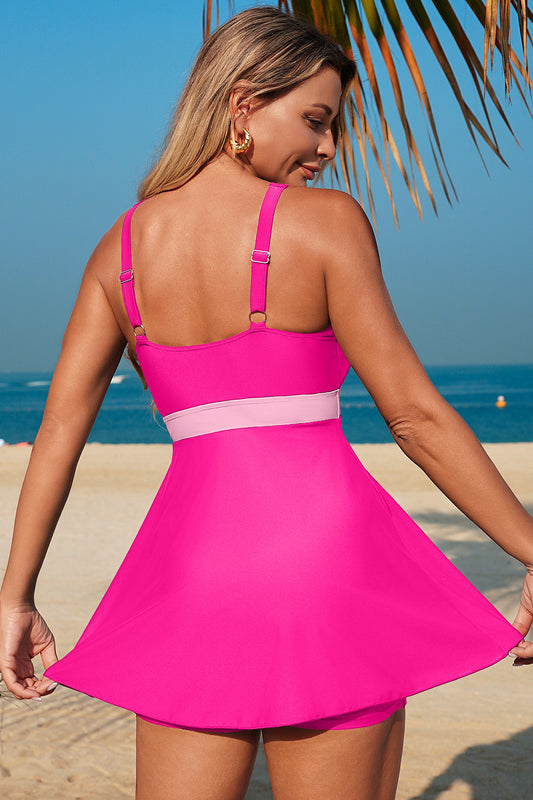
Finding the right fit is crucial when it comes to women's swimsuits. A well-fitting swimsuit not only enhances your comfort but also boosts your confidence while you enjoy your time at the beach or pool. If a swimsuit is too tight, it may restrict movement, cause discomfort, and leave marks on your skin. On the other hand, a swimsuit that is too loose may not provide adequate support and could lead to wardrobe malfunctions.
Common Misconceptions
There are several misconceptions surrounding the tightness of women's swimsuits. One common misconception is that swimsuits should be extremely tight to appear flattering. While a snug fit can provide a streamlined look, excessively tight swimsuits can be uncomfortable and restrict movement.
Another misconception is that only slim individuals should wear tight swimsuits. In reality, women of all body types can find well-fitting swimsuits that flatter their curves and provide the desired level of comfort and support.
Factors to Consider
When deciding whether a swimsuit should be very tight, it's essential to consider a few factors:
- Body Type: Different body types have different preferences and requirements when it comes to swimsuit fit. Some individuals may feel more comfortable in a tighter fit, while others may prefer a looser style.
- Activity Level: The intended activities while wearing a swimsuit play a role in determining the desired tightness. For high-intensity water sports or competitive swimming, a tighter fit may be preferable to minimize drag and provide better performance.
- Comfort: Comfort should always be a priority when choosing a swimsuit. It's crucial to find a balance between a snug fit and freedom of movement to ensure optimal comfort.
Finding the Perfect Swimsuit
Finding the perfect swimsuit involves considering various factors, including personal style, body type, and desired level of tightness. Here are some tips to help you find a swimsuit that fits well and makes you feel confident:
- Know Your Body Type: Understanding your body type can help you narrow down the options and find styles that flatter your figure.
- Measurements: Take accurate measurements of your bust, waist, and hips to determine the appropriate size.
- Try Different Styles: Experiment with different styles and cuts to find the one that suits your body type and provides the desired level of support.
- Consult Size Charts: Refer to size charts provided by swimwear brands to ensure you select the right size based on your measurements.
- Read Reviews: Look for reviews of swimsuits you are interested in to get insights from other customers regarding fit, comfort, and quality.
- Consider Mix and Match: If you have different sizes for the top and bottom, consider purchasing separates to ensure the best fit for each part of your body.
Frequently Asked Questions
FAQ 1: Should women's swimsuits be tight?
While there is no one-size-fits-all answer, women's swimsuits do not necessarily have to be very tight. The tightness of a swimsuit depends on personal preference, body type, and the intended use. Some individuals may prefer a tighter fit for better support and enhanced performance, while others may opt for a looser fit for comfort and freedom of movement.
FAQ 2: What are the benefits of a tight swimsuit?
A tight swimsuit can offer several benefits, such as:
- Streamlined Look: A snug fit can provide a streamlined appearance and enhance your body's natural contours.
- Support: A tight swimsuit can offer better support, especially during high-impact water activities.
- Performance: Competitive swimmers often opt for tight swimsuits to reduce drag and improve performance in the water.
FAQ 3: Can a loose swimsuit provide enough support?
While a loose swimsuit may not provide the same level of support as a tight one, there are loose-fitting swimsuits designed with built-in support features such as underwire or adjustable straps. These features can offer support and comfort without compromising on the overall fit.
FAQ 4: How can I find the right size swimsuit?
To find the right size swimsuit, it is important to measure your bust, waist, and hips accurately. Refer to size charts provided by swimwear brands and consider reviews from other customers to determine the best size for your body type. If you have different sizes for the top and bottom, consider purchasing separates for a better fit.
FAQ 5: Are there different types of swimsuit fabrics?
Yes, there are different types of swimsuit fabrics available in the market. Common fabrics include nylon, spandex, polyester, and blends of these materials. Each fabric has its own characteristics, such as stretch, durability, and resistance to fading or chlorine. It's essential to choose a fabric that suits your needs and preferences.
FAQ 6: How often should I replace my swimsuit?
The lifespan of a swimsuit depends on various factors, including the quality of the fabric, frequency of use, and proper care. On average, swimsuits can last anywhere from 6 months to 2 years. Signs that indicate it's time to replace your swimsuit include fabric deterioration, loss of shape, sagging, or fading.
Conclusion
In conclusion, the tightness of women's swimsuits is a matter of personal preference and depends on various factors such as body type, activity level, and comfort. While some individuals may prefer a tight fit for support and performance, others may opt for a looser fit for comfort and freedom of movement. It's crucial to find the right balance between tightness and comfort to ensure an enjoyable swimming experience. Remember to consider factors like body type, measurements, and the intended use of the swimsuit when making your selection. By finding the perfect swimsuit, you can feel confident and comfortable while enjoying your time in the water.