
5 Mistakes Women Make When Buying Jeans (And How to Avoid Them)
Jeans are one of the hardest-working pieces in a woman's wardrobe. They’re your go-to for brunch, travel, casual Fridays, and nights out. But despite their everyday presence, buying the right pair can feel like decoding a fashion enigma. This guide breaks down five of the most common mistakes women make when buying jeans—mistakes that can leave you feeling frustrated in the fitting room or stuck with a pair you never reach for.
Here’s what you’ll discover:
- Why fit and rise matter more than size labels
- The real reason your jeans gap at the waist (and how to fix it)
- How to match jean styles with your body shape
- What not to overlook when it comes to fabric and hardware
- Smart shopping strategies to make every purchase count
Whether you're shopping for your everyday go-to, exploring bottoms that blend fashion and function, or building a capsule wardrobe, this article will help you make confident denim choices that actually fit your body—and your life.
Mistake #1: Obsessing Over Size Instead of Fit
Let’s start with the myth we all need to ditch: size equals fit.
The truth is, sizes vary dramatically between brands—and even between different styles in the same brand. That’s why relying solely on a generic size is one of the fastest ways to end up with jeans that look great on the hanger, but never leave your drawer.
“Fit isn’t just about waist measurement—it’s about how the jeans work with your natural curves, proportions, and posture.”
When selecting jeans, always consider these key fit & sizing elements:
- Rise measurement: A 9” rise might sit perfectly on one body and feel awkward on another. Mid-rise jeans tend to offer the safest bet for most women, sitting just below the belly button and avoiding both muffin top and “mom jeans” syndrome.
- Waist-to-hip ratio: A high-rise pair with a contoured waistband works beautifully for women with curvy hips, preventing the dreaded waistband gap.
- Stretch level: Look for jeans made with a cotton blend or elastic content for comfort stretch, but don’t forget—stretch denim loosens up. If you're between sizes, consider sizing down for that perfect tight fit after a few wears.
Solution: Focus on how the jeans feel and move, not the tag. Custom-sized jeans or those tailored for your proportions are worth the investment—and can save you hours of returns and regrets.
Mistake #2: Choosing the Wrong Cut for Your Body Shape
Just because skinny jeans or mom jeans are trending doesn’t mean they’re your personal denim soulmate.
The leg shape of your jeans should balance your body’s natural lines and highlight your favorite features. Here’s how some popular cuts play with proportions:
- Bootcut jeans: These are ideal for balancing out wider hips or full thighs. The subtle flare adds harmony and creates a longer-looking leg line.
- Straight leg jeans: A timeless style that offers versatility and a sleek silhouette—great for those seeking something classic for everyday wear.
- Slim flare: A fashion-forward cousin of the bootcut that’s flattering on most body types when worn with heeled boots or platforms.
- Pull-on jeans: These aren’t your 90s elastic-waist nightmares. Modern pull-on styles deliver comfort and a clean front with no zipper bulge, perfect for layering under fitted tops.
“If your jeans feel like a compromise, they’re the wrong cut.”
Tip: If you’ve got longer legs or a shorter torso, try flared or trouser jeans with a floor-grazing hem to elongate your silhouette. Women with a curvy fit or full thighs often benefit from a high-rise cut and more structured fabric.
Explore different styles with intention. Our jeans collection offers modern silhouettes that suit real bodies—not just runway models.
Mistake #3: Ignoring Fabric and Wash Details
You know the feeling: You try on a pair that looks amazing in the mirror, only for them to sag and stretch out by the end of the day. The culprit? Fabric blend and wash.
Understanding the makeup of your denim helps you predict how it’ll wear, stretch, and age.
Key fabric terms to know:
- Stretch denim: Usually a mix of cotton and elastane or spandex. It moves with you but can lose shape quickly.
- Raw denim: Unwashed and ultra-durable. These jeans will mold to your body over time, but they do take breaking in.
- Washed denim: Softer and pre-shrunk, these offer instant comfort but might fade faster.
Color and wash also affect how your jeans flatter you:
- Dark wash: Slimming, dressier, and perfect for office-appropriate jeans or dressing up.
- Light wash: Casual and summery, best worn with minimal distressing.
- Distressed denim and whiskering: Trendy, yes—but they highlight areas like the hips and thighs. If that’s not your goal, stick with a color-consistent pair.
Watch for: Low-quality fasteners, contrast stitching, or poorly placed back pockets, which can throw off the whole aesthetic (and shorten the lifespan of your jeans).
Jeans should be as hardworking as your lifestyle. Fabric matters.
Mistake #4: Overlooking the Importance of Details and Construction
Most women zero in on the cut and color, but it’s often the little details that make or break your denim experience. Let’s talk about construction—the behind-the-scenes elements that affect both the look and longevity of your jeans.
Pockets: Placement, Size, and Style Matter
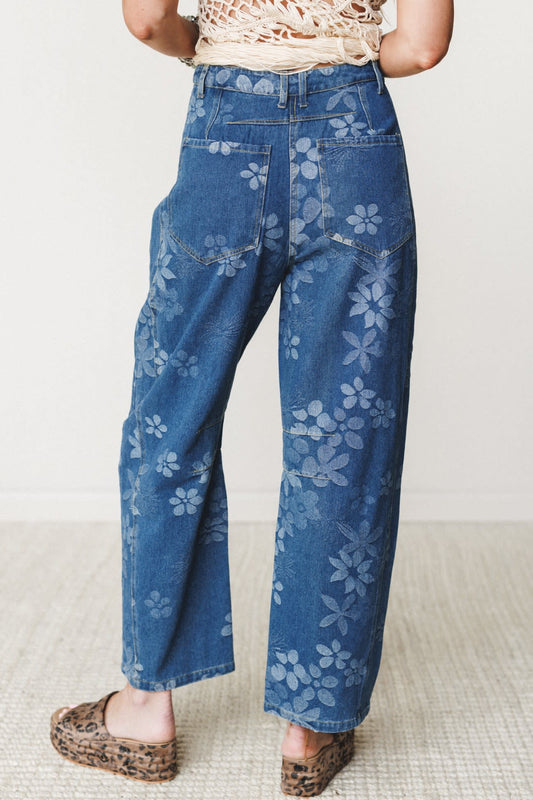
Ever wonder why some jeans make your butt look amazing and others… don’t?
- Back pockets that are too small or placed too high can make your flat butt appear even flatter.
- If you have a fuller rear, go for mid-sized pockets placed slightly wider and lower to balance your shape.
- Avoid jeans with no pockets (unless you’re styling a legging look under a tunic). Without them, your backside can look unflatteringly exaggerated.
- Love the statement? Flap pockets or embellished pockets can add dimension—just be mindful of overdoing it if you're looking for a sleek profile.
Think of pockets like contouring for your jeans: a little can lift, shape, and flatter.
Hardware and Stitching
Quality hardware and thoughtful stitching signal a well-made pair. Cheap fasteners can break or tarnish, and poorly done contrast stitching can draw attention to the wrong places. It’s not just about durability—it’s about aesthetic harmony.
One key feature to look out for is a contoured waistband. This isn’t just a buzzword—it’s a must for women who struggle with gapping at the waist. The waistband curves with your body, providing a snug fit at the waist without pinching the hips.
Pro tip: If the jeans almost fit perfectly but are just a tad long or loose at the back, don’t hesitate to invest in a little tailoring. It’s a small cost for a huge payoff in confidence.
Mistake #5: Not Shopping Strategically
Buying jeans isn’t just a style decision—it’s a strategy. You can save time, money, and emotional energy by adjusting your approach to how (and where) you shop.
Smart Shopping Tips to Avoid Denim Disasters
-
Don’t panic buy: Shopping in a rush or on a bad body image day almost guarantees a mistake. Plan your shopping when you're feeling your best.
-
Try multiple pairs: Never settle after trying on just one or two styles. Jeans are a numbers game.
-
Know your rise and inseam: Keep a note on your phone with your favorite rise measurement (e.g., 10” high-rise) and inseam length so you can compare across styles and brands.
-
Use the return policy wisely: If you're shopping online, always check if free returns are available. At HannaBanna, we understand that fit is everything, especially for denim.
You’ll also want to consider what purpose your jeans are serving in your wardrobe. Are they meant to be part of your capsule wardrobe? Worn on repeat as travel jeans or for everyday wear? Or are you after an investment piece—that perfect pair that makes you feel like a million bucks?
The best jeans aren’t just trendy—they work for your real life.
We recommend checking out our curated bottoms collection for options designed with style, versatility, and durability in mind.
And a Note on Sustainability...
As you refine your shopping habits, consider the sustainability of your choices. Opting for ethical denim, eco-friendly fabric, or simply buying fewer, better-fitting pairs supports both your wallet and the planet. Many of our pieces are crafted with quality cotton blends designed to last through seasons of wear.
Putting It All Together: Your Jean-Buying Cheat Sheet
Now that we’ve explored the biggest pitfalls and how to avoid them, you’re ready to shop with clarity and confidence. Whether you're aiming for a denim refresh or building a curated, timeless style, your best jeans should serve both your body and your lifestyle.
Here’s a quick-reference cheat sheet to simplify your next try-on session or online scroll:
✅ Before You Buy: Ask Yourself These Questions
-
What rise works best for me?
Mid-rise jeans are a solid starting point, but high-rise or low-rise can be flattering depending on your torso length and comfort. -
Am I dressing for my proportions or a trend?
Match jean style to your body shape, not the moment. For example:- Bootcut for wider hips
- Straight leg for a lean, clean line
- Trouser jeans for elegance and versatility
- Pull-on jeans for seamless layering
-
Does the fabric support my daily life?
Look for cotton blends with enough elastic content for comfort, but not so much that the jeans lose structure after a few hours. -
Are the pockets flattering?
Use pocket size and placement to enhance or balance your silhouette. -
Do I need tailoring to make it perfect?
Small tweaks—like adjusting the hem length or tapering the waist—can transform “pretty good” into “absolutely perfect.”
What to Look for Based on Your Body Type
| Body Shape | Recommended Styles |
|---|---|
| Curvy body | High-rise jeans, contoured waistband, dark wash, straight or slim flare |
| Flat butt | Lower or angled back pockets, light whiskering, skinny jeans |
| Wider hips | Bootcut jeans, mid-rise, darker colors, minimal distressing |
| Full thighs | Trouser jeans, dark wash, minimal embellishments |
| Long legs | Flared or floor-grazing hems, wide-leg styles, vintage-inspired straight cuts |
| Shorter torso | Mid-rise, slim fits, avoid high-rise extremes |
How to Keep Your Jeans Looking (and Fitting) Their Best
Once you’ve found your perfect pair, care is everything.
“Jeans should work for you, not wear out on you.”
Care Tips for Denim Longevity
- Avoid overwashing. Spot clean when possible and wash inside-out in cold water.
- Skip the dryer. Heat breaks down elasticity and fades your wash prematurely. Hang dry to maintain shape and color.
- Store flat or folded, not hung by the waistband, to avoid stretching and sagging.
If you’re still on the hunt for jeans that check every box—from comfort stretch to color consistency—you’ll want to explore our newest additions in the HannaBanna denim lineup. Designed with real women’s bodies in mind, these styles blend form, function, and a whole lot of fashion sense.
Final Thoughts
Buying jeans doesn’t have to be a frustrating gamble.
When you understand your body, pay attention to the details that matter, and shop with intention, you’ll land on jeans that feel like they were made for you. And sometimes, they actually were—especially when you find a brand that prioritizes fit over fashion fads.
Avoiding these five mistakes means no more closet clutter, no more waist gaps, no more jeans that stretch out by noon. Just confidence, comfort, and denim you’ll reach for on repeat.
Your next great pair is waiting—and it might just be one click away.
Frequently Asked Questions (FAQ)
1. How do I know if my jeans actually fit properly?
A proper fit means:
- The waistband sits comfortably without digging in or gaping.
- You don’t have to constantly pull them up or adjust throughout the day.
- The rise flatters your body shape without causing a muffin top or pinching.
- The jeans don’t bunch at the crotch or pull across the thighs.
- You feel confident moving, sitting, and walking in them.
A well-fitting pair should feel snug (but not tight) in all the right places, with no awkward tugging or sagging.
2. Why do my jeans always stretch out after one wear?
This is usually due to high elastic content in the denim fabric or low-quality blends. While stretch denim offers comfort, it can lose shape quickly if it lacks recovery. Look for jeans with a balance—around 1–2% elastane or spandex blended with cotton. Also, avoid overwashing or using heat, which can break down the stretch fibers.
3. What’s the best style of jeans if I have a short torso?
Opt for mid-rise jeans or slightly lower-rise styles to create the illusion of a longer upper body. High-rise styles can visually shorten your torso further. Pair with tucked-in or cropped tops to maintain balance.
4. Can back pocket placement really change how my butt looks?
Absolutely. Smaller pockets placed high and close together can make your butt appear rounder and more lifted. Wider-set or low-hanging pockets can elongate or flatten your silhouette. If in doubt, check how the back view looks in the mirror—and snap a photo to get an objective look.
5. Are boyfriend jeans flattering on curvy women?
Yes—if chosen wisely. Look for a slim-cut boyfriend style that doesn’t overwhelm your frame. Avoid ultra-baggy fits and low rises that create unnecessary bulk around the hips. Roll the hem and pair with a fitted top to highlight your waist.
6. What’s the difference between jean rises (low, mid, high)?
- Low-rise sits about 2–3 inches below the belly button.
- Mid-rise sits just below or at the belly button (usually 8–10” rise).
- High-rise sits above the belly button, often at the natural waistline.
Each rise suits different body types and style preferences. Try on multiple rises to see which flatters your torso length and comfort best.
7. Should I buy jeans tight or comfortable from the start?
Most jeans relax slightly with wear, especially those with stretch. Aim for a slightly snug fit (especially in the waistband and hips) when first trying them on. If they feel loose in the fitting room, they’ll likely be too baggy after one wear. However, raw denim or 100% cotton will require breaking in and may feel stiff at first.
8. Is tailoring jeans really worth it?
Yes. A small alteration—like adjusting the inseam length, fixing a waistband gap, or tapering the legs—can turn “decent” jeans into the perfect fit. It’s often more cost-effective than buying multiple pairs that almost work.
9. What’s the ideal hem length for jeans with heels vs. flats?
- For heels or wedges: Your hem should graze the top of your shoe, about ½” off the ground in back.
- For flats or sneakers: Aim for a hem that hits at the ankle bone or slightly above.
This ensures a long, flattering line without tripping over fabric or making your legs look cut off.
10. Are expensive jeans really better than affordable ones?
Not always—but often, you get what you pay for in fabric quality, stitching, and cut consistency. Premium jeans usually use better denim weave, last longer, and offer more thoughtful design features (like contoured waistbands or reinforced fasteners). However, plenty of mid-range options—like those in our jeans collection—offer high quality without the luxury price tag.