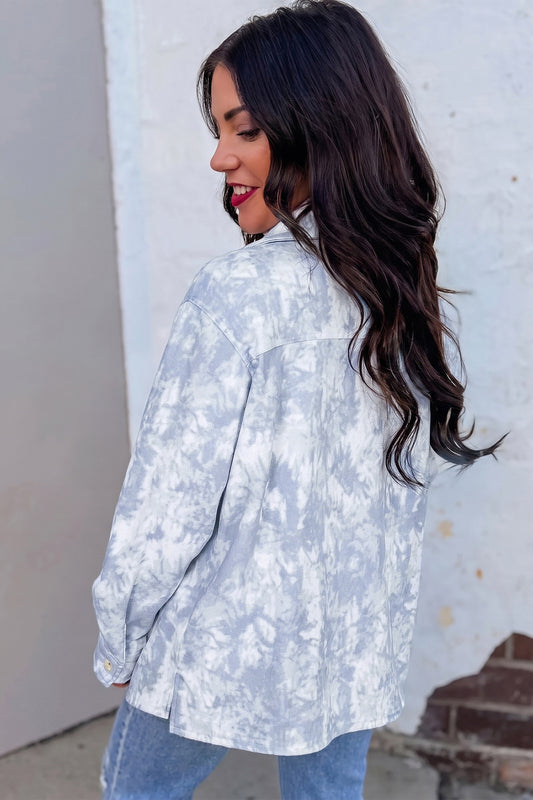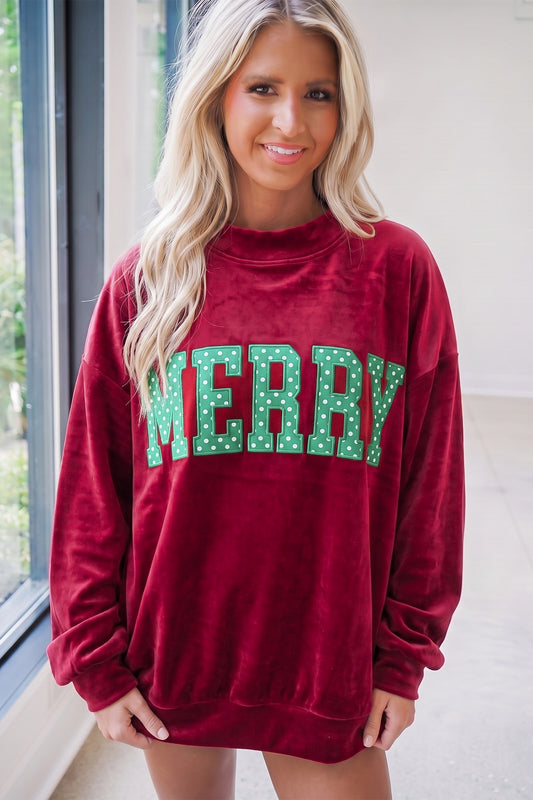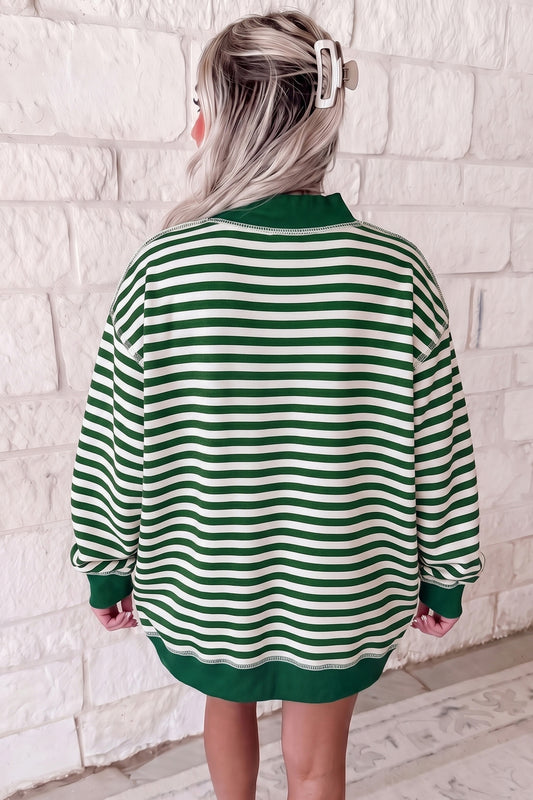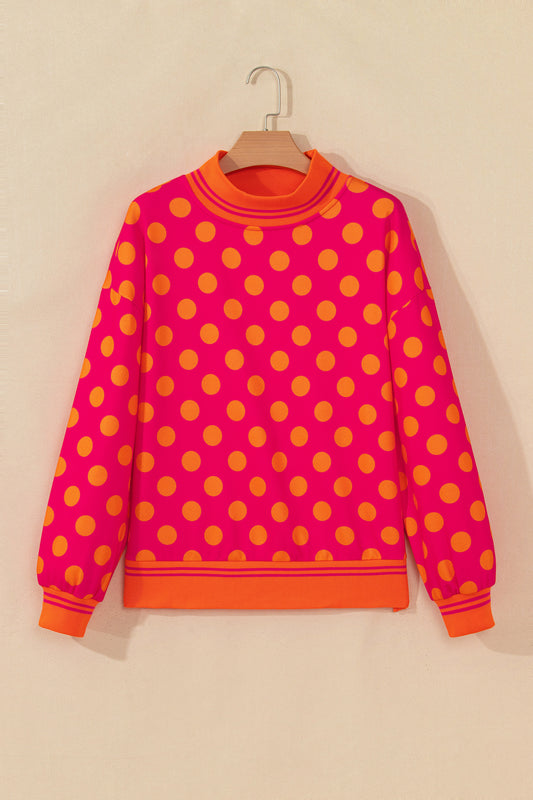

Teacher Outfits That Don't Look Like Teacher Outfits
The best teacher outfits don't need to announce teacher before you've even reached the classroom. Think modern workwear with personality: an easy midi dress and ankle boots, wide-leg trousers with a simple knit, a printed dress under a relaxed jacket, or smart separates grounded by comfortable trainers.
The sweet spot is clothing that feels polished but comfortable, professional without being corporate, and practical without becoming predictable. Pieces should let you stand, sit, bend, walk between classrooms and get through a long school day comfortably — while still looking like something you'd happily wear for coffee, lunch or a weekend outing.
The short version: build your teaching wardrobe around clothes you genuinely like rather than clothes you think a teacher is supposed to wear. Start with versatile dresses, comfortable trousers, modern tops and practical layers. Add personality through colour, print, texture, shoes and accessories. If an outfit works in the classroom and somewhere completely unrelated to school, you're probably getting it right.
Why Does the Stereotypical "Teacher Outfit" Feel So Dated?
Mention teacher fashion and a very particular wardrobe can spring to mind: sensible cardigan, conservative blouse, pencil skirt, practical flats. Perhaps a novelty necklace if we're feeling adventurous.
There's nothing inherently wrong with any of those pieces. A great cardigan is useful. Flats can be brilliant. Pencil skirts have their place.
It's the formula that can make an outfit feel like a costume.
Modern teacher style is much closer to contemporary everyday workwear. Teachers are wearing relaxed tailoring, printed midi dresses, wide-leg trousers, denim, trainers, interesting knitwear and pieces that would look equally at home in a creative office or out for brunch.
That's the distinction worth making.
You're not trying to avoid looking professional. You're trying to avoid looking professionally predictable.
A classroom appropriate outfit can have colour. It can follow trends. It can be minimalist, feminine, preppy, artsy, boho or slightly edgy. Most importantly, it can look like you.
What Should a Modern Teacher Outfit Actually Do?
Before thinking about individual teacher outfit ideas, think about what the clothes have to survive.
Teaching isn't a desk job in the conventional sense. You might be standing for a lesson, crouching beside a pupil's desk, carrying books, reaching for displays, walking across a large school and heading outside for duty — sometimes all before lunch.
That gives good teacher clothing a fairly demanding job description.
The five things worth prioritising
- Comfort: You need to be able to move naturally and wear the outfit for an entire working day.
- Practicality: Clothes shouldn't require constant adjusting, smoothing or worrying.
- Professionalism: The outfit still needs to suit your particular school's environment and dress code.
- Versatility: The best pieces shouldn't exist solely for work.
- Personality: Colour, silhouette, print and styling should still feel recognisably yours.
Notice what's missing?
There's no rule saying a teaching wardrobe must be boring.
In fact, browsing women's tops with the mindset of "Would I wear this outside school?" rather than "Does this look like a teacher top?" is a surprisingly effective way to build more contemporary outfits.
The same principle applies throughout your wardrobe.
The "Would I Wear This on Saturday?" Test
Here's perhaps the easiest test for creating teacher outfits that don't look stereotypically teacher-ish:
If school disappeared from your calendar tomorrow, would you still want to wear the outfit?
If the answer is yes, you're onto something.
Imagine a printed midi dress with ankle boots and a denim jacket. It works for school, but nothing about it belongs exclusively to school.
Or wide-leg trousers, a tucked-in T-shirt and loafers. Professional enough for many classrooms; completely normal for lunch afterwards.
That crossover is what makes modern teacher outfits feel modern.
Rather than maintaining two completely separate identities — work wardrobe and actual wardrobe — look for overlap. A good dress can become a classroom dress on Monday, a dinner outfit on Friday and an easy weekend piece with different shoes.
That versatility also makes wardrobe building far more sensible. You're buying clothing, not a uniform.
Start With an Outfit Formula, Not a "Teacher Look"
Getting dressed at 6:30 in the morning isn't the ideal time for an existential fashion crisis.
Outfit formulas solve that.
Instead of pre-planning dozens of individual school outfits, establish a handful of combinations you know work. You can swap colours, prints and accessories without reinventing the entire thing every morning.
| Outfit formula | Why it works |
|---|---|
| Wide-leg trousers + fitted top + loafers | Relaxed tailoring feels polished without looking corporate |
| Midi dress + ankle boots | One-piece simplicity with plenty of personality |
| Straight-leg trousers + knit + trainers | Comfortable, modern and easy to repeat |
| Printed dress + simple jacket | Colour and pattern do the styling for you |
| Midi skirt + basic tee + cardigan | Familiar pieces, but with a more contemporary silhouette |
| Smart trousers + striped top + flats | Classic without slipping into "school uniform for adults" territory |
These combinations are intentionally simple.
The trick isn't piling on more fashion. It's choosing better silhouettes and combinations.
For example, switching very formal fitted trousers for a fluid wide-leg shape immediately changes the mood of an outfit. Pairing them with a basic tee rather than a traditional blouse makes them feel more relaxed again. A collection of versatile bottoms can therefore do much of the heavy lifting in a teacher capsule wardrobe.
Relaxed tailoring is your friend
"Tailoring" can sound terribly corporate, but contemporary tailoring is much softer.
Think:
- wide-leg trousers with a little movement;
- straight-leg trousers with a fine knit;
- an oversized or relaxed blazer;
- simple tops rather than formal shirts;
- loafers or trainers instead of heels.
This is smart casual teacher dressing at its most useful. It looks intentional, but not stiff.
And because those pieces aren't teacher-specific, you can wear them elsewhere.
The One-Piece Shortcut: Dresses That Don't Feel "Teachery"
There is a reason dresses remain such useful workwear.
One piece. Shoes. Done.
For busy mornings, it's difficult to beat.
The difference between a dated teacher dress and a contemporary one often comes down to shape, print and styling rather than modesty or hemline.
Midi dresses
A midi dress is one of the easiest wardrobe staples for school because the length naturally lends itself to movement and layering. But "midi" describes a length, not an aesthetic.
A midi can be:
- minimalist and monochromatic;
- bright and printed;
- floral and feminine;
- loose and bohemian;
- structured and polished;
- casual with trainers;
- sharper with loafers or boots.
That's why midi dresses work so well in a mix-and-match teacher wardrobe. Change the footwear and outer layer and the same dress can have a completely different personality.
Printed dresses
Print is also one of the quickest ways to move away from anonymous professional workwear.
Florals are an obvious option, but don't stop there. Stripes, geometric patterns, abstract prints, polka dots and playful motifs can all make classroom outfits more interesting.
The important bit is balance.
If the dress is doing the talking, everything else can whisper.
Printed dress + simple shoes + uncomplicated layer = an outfit with personality that still feels put together.
That is considerably easier than trying to make five separate statement pieces cooperate before the first coffee of the day.
Stop Saving Your "Real Clothes" for the Weekend
This is one of the habits that can accidentally create a frumpy teacher wardrobe.
You buy something you love.
Then you decide it's "too nice for school."
So Monday to Friday gets the safe clothes. The clothes you're not particularly excited about. The cardigan you've owned forever. The trousers that technically fit. The shoes selected entirely because they cause no trouble.
Your actual personal style gets Saturday.
Why?
Of course, delicate, impractical or genuinely occasion-specific clothing may not belong in a classroom. But there's a huge difference between impractical and stylish.
A colourful knit isn't impractical. Neither is a great maxi dress, an interesting blouse or a pair of contemporary trousers. These can all become comfortable teacher outfits with sensible styling.
Rather than having "good clothes" and "work clothes", try building a versatile wardrobe of good clothes that work.
Make Layers Look Intentional
Layers are practically unavoidable in schools.
One classroom feels tropical. The corridor feels like November. Another room appears to have developed its own microclimate.
So yes, you probably need a layer.
It just doesn't automatically have to be that cardigan.
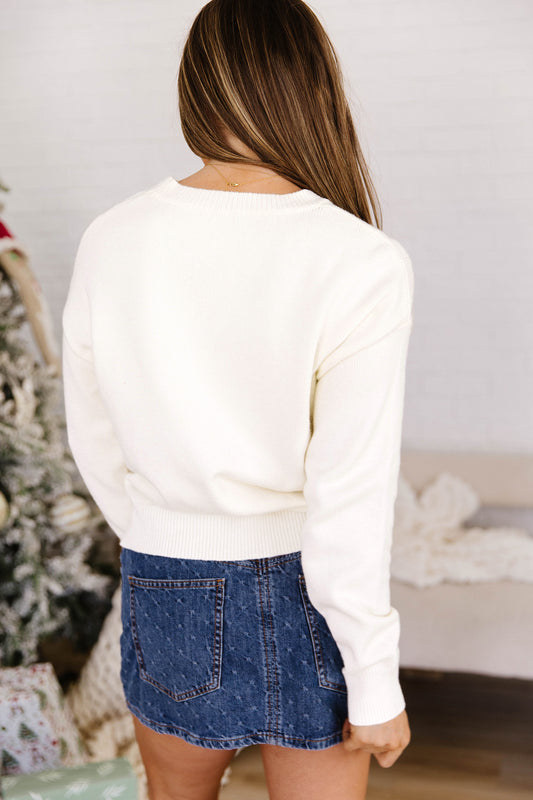
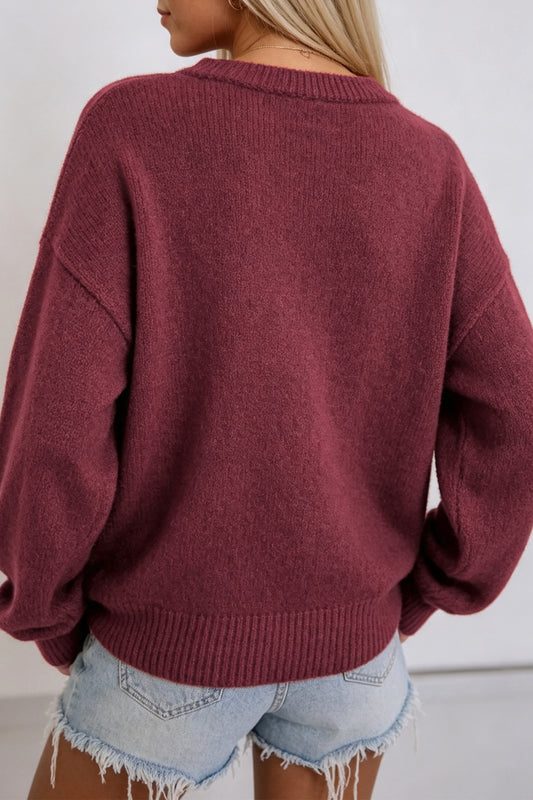
A modern outerwear layer can completely alter a basic outfit. Depending on your school's level of formality, consider a denim jacket, relaxed blazer, lightweight jacket, knit layer or structured coat.
The contrast can be particularly effective:
Feminine dress + denim jacket
Wide-leg trousers + relaxed blazer
Simple tee + interesting jacket
Printed skirt + plain knit layer
These are everyday fashion combinations first and teaching outfits second.
Yes, you can still wear cardigans
The cardigan isn't responsible for decades of teacher stereotypes. It has simply been an enthusiastic accomplice.
Keep wearing yours.
Just reconsider how you style it.
Try a cardigan with wide-leg trousers instead of a pencil skirt. Wear a slightly oversized shape over a fitted base. Pair one with contemporary trainers. Use a bold cardigan as the statement piece over otherwise neutral clothes.
It's often the combination, rather than the garment itself, that makes something feel dated.
Comfortable Shoes Don't Have to Look Like "Comfortable Shoes"
There is perhaps no profession more capable of making you regret an ambitious footwear decision by 10:15 a.m.
Comfort matters.
But comfort and style stopped being enemies quite some time ago.
Modern shoes can make practical teacher outfits feel much more current. Depending on your dress code and the outfit, that might mean loafers, ankle boots, ballet flats, flat sandals or clean trainers.
Trainers can change the whole mood
Consider:
Midi dress + traditional work flats = classic workwear
The same midi dress + clean trainers = relaxed contemporary workwear
It's a small change with a surprisingly large effect.
Trainers can also soften tailored trousers, making them feel less corporate. Likewise, ankle boots can give a floral dress a little more edge, while loafers can sharpen a casual trouser-and-knit combination.
The goal is not simply finding comfortable shoes for teachers.
It's finding shoes you'd want to own even if you weren't a teacher.
That principle — would I choose this anyway? — is going to become rather important as we start building a complete teacher wardrobe.
Colour Is Not Unprofessional
Somewhere along the way, "professional" became suspiciously beige.
Neutral colours are useful, of course. Black trousers, cream knitwear, navy outerwear and a good white shirt can form the backbone of a versatile wardrobe. But professionalism isn't determined by how closely your outfit resembles an oat-milk latte.
Colour can make teacher style feel more personal, energetic and contemporary.
The easiest approach is to decide where you want the colour to live.
If you love bright clothing, let one piece lead:
- colourful wide-leg trousers with a neutral top;
- a bright midi dress with simple boots;
- a statement knit with dark trousers;
- a printed skirt with a plain tee;
- a vivid jacket over an otherwise tonal outfit.
If you're less confident with colour, start smaller. A patterned bag, scarf, earrings, belt or shoes can lift neutral workwear without changing its overall character.
The result doesn't need to be loud.
It just needs to look intentional.
Try tonal dressing when prints aren't your thing
Colourful teacher outfits don't necessarily mean contrasting shades and bold patterns.
Tonal dressing — wearing different shades from roughly the same colour family — can feel remarkably polished.
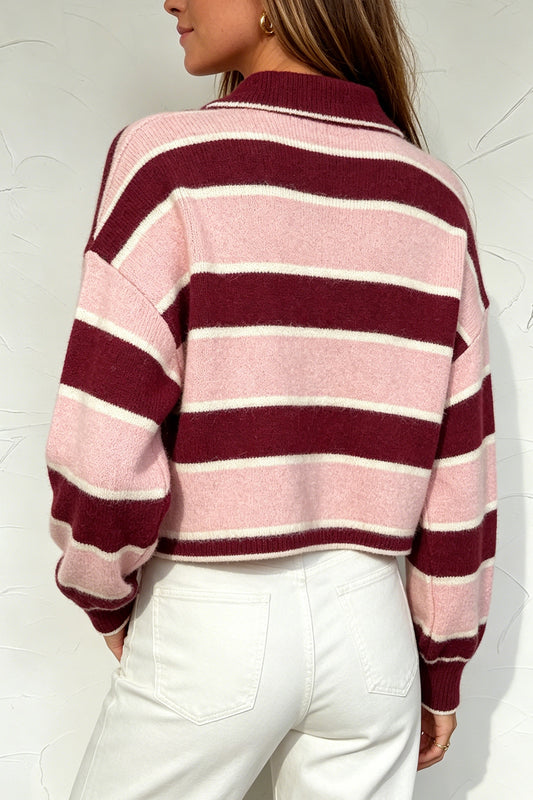
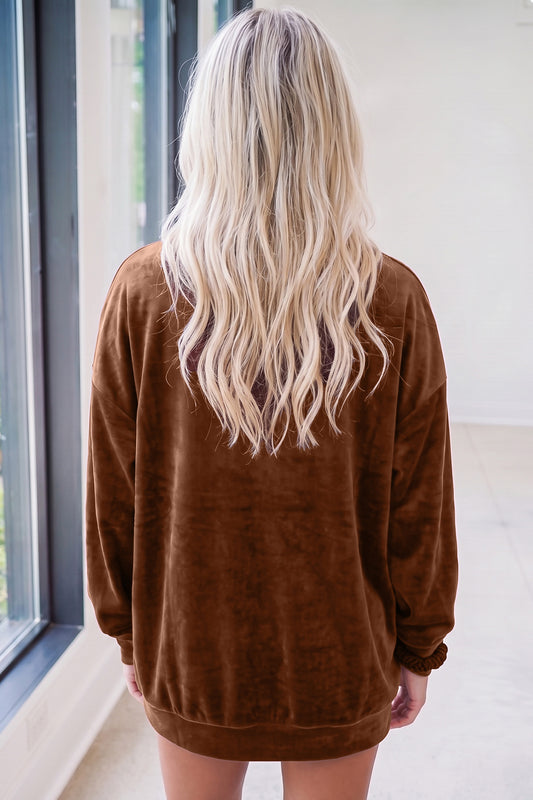
Think chocolate with camel. Navy with pale blue. Burgundy with blush. Olive with softer greens. Cream with beige and warm brown.
It's a useful middle ground between minimalist teacher outfits and statement dressing: visually interesting, but incredibly easy to put together.
And when you do want print, let it earn its place.
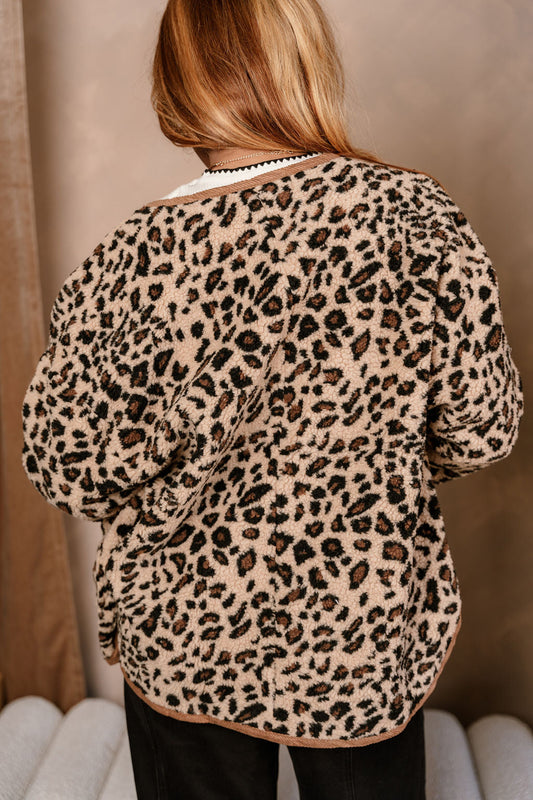
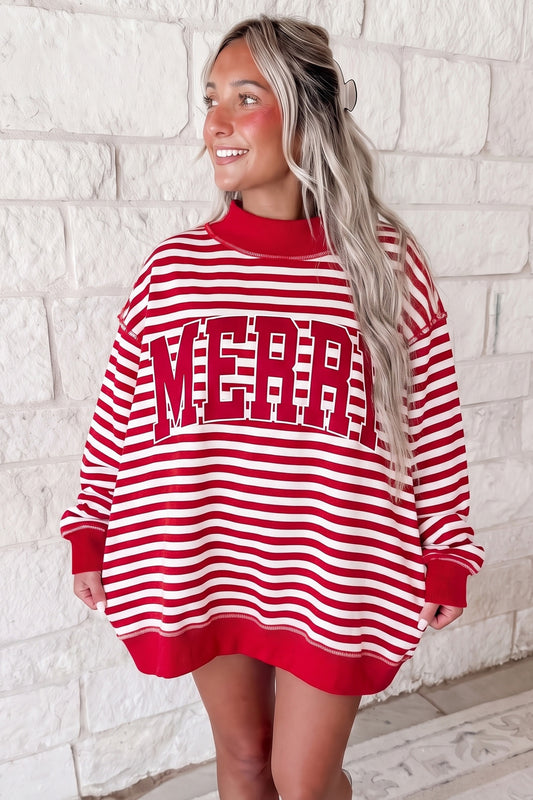
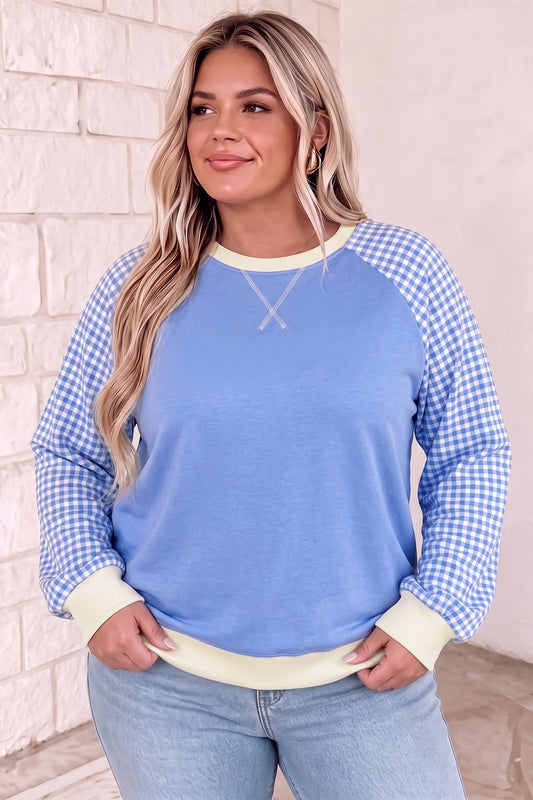
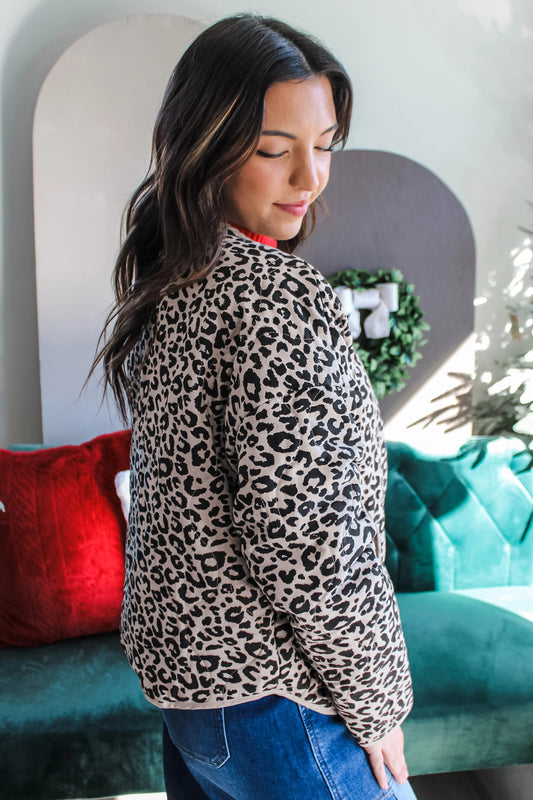
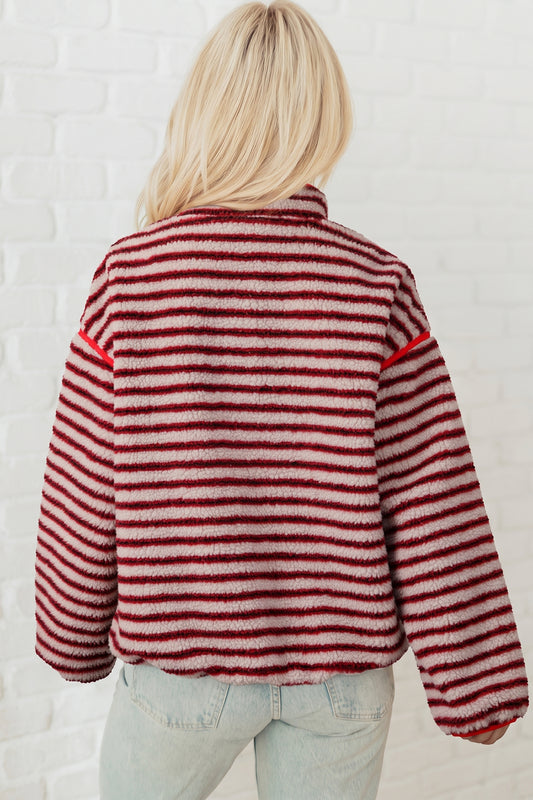
Stripes are almost impossible to get wrong. Florals can make a simple silhouette feel more expressive. Checks and geometric patterns work beautifully with uncomplicated separates. Even animal print can function almost like a neutral when the rest of the outfit is restrained.
You don't need a classroom covered in primary colours translated onto your body.
You just need personality.
Build Around Hero Pieces, Not Novelty Pieces
There is a difference between a hero piece and a novelty piece.
A novelty piece gets attention because of what it depicts.
A hero piece gets attention because it looks fantastic.
That distinction can be particularly useful when developing a teaching wardrobe.
You don't need clothing covered in pencils, apples, rulers or the alphabet for pupils to know you're their teacher. Unless you genuinely love novelty clothing — in which case, wear it because you like it — there's no requirement to dress according to your occupation's visual shorthand.
Instead, a hero piece could be:
a brilliant printed dress,
a beautifully shaped pair of trousers,
a dramatic maxi skirt,
a colourful jacket,
an unusual knit,
or a really good pair of boots.
Then build the rest of the outfit quietly around it.
This is one of the easiest ways to create teacher outfits with personality without making them busy.
The one-interest-point rule
When an outfit isn't quite working, ask what your eye is supposed to notice first.
If the answer is everything, simplify.
For example:
| Hero piece | Keep the rest simple with |
|---|---|
| Bright printed midi dress | Neutral boots and minimal jewellery |
| Colourful trousers | Plain tee or fine knit |
| Statement jacket | Simple trousers and top |
| Patterned midi skirt | Block-colour top and uncomplicated shoes |
| Bold knitwear | Straight-leg trousers or jeans |
| Interesting shoes | Clean, relatively minimal separates |
This isn't a hard fashion rule. Fashion becomes terribly dull when every suggestion is treated as legislation.
It's simply a useful shortcut for busy mornings.
The Teacher Capsule Wardrobe Without the Boring Bits
A teacher capsule wardrobe sounds sensible in theory.
Then you search for inspiration and discover seventeen beige garments hanging beside one navy blazer.
A capsule wardrobe does not have to mean a neutral wardrobe.
It simply means that your clothes cooperate.
That's it.
A colourful dress that works with two jackets and three pairs of shoes can be an excellent capsule piece. So can burgundy trousers, a striped knit or a floral midi skirt.
The real question is:
How many outfits can this piece create with things I already own?
That's much more useful than asking whether something is sufficiently "basic."
A realistic foundation for a teaching wardrobe
For someone building from scratch, a compact wardrobe might include:
- Two or three comfortable pairs of trousers in different silhouettes.
- Several tops that work tucked, untucked or layered.
- Two easy dresses — perhaps one plain and one printed.
- A midi or maxi skirt.
- Two pieces of knitwear.
- A smart layer such as a relaxed blazer or jacket.
- A more casual layer such as denim.
- Comfortable trainers.
- Loafers, flats or another smarter shoe.
- Ankle boots for cooler months.
- A practical everyday bag.
- A small selection of accessories that actually feel like you.
Those pieces can produce far more outfit combinations than their number suggests.
And that's where outfit repeating becomes a feature rather than a failure.
Outfit Repeating Is Exactly What a Good Wardrobe Is For
Nobody needs 190 completely different outfits for 190 school days.
If you've found trousers that fit beautifully, wear them again.
If Tuesday's dress made you feel great, it doesn't need to enter witness protection until next term.
The smartest teacher wardrobe is usually built around repeatable outfit formulas rather than endless newness.
For example, imagine one pair of wide-leg trousers:
- Monday: striped top + trousers + loafers;
- next week: fine knit + trousers + trainers;
- later: blouse + trousers + ankle boots;
- spring: tee + trousers + lightweight jacket;
- autumn: turtleneck + trousers + blazer.
Same trousers.
Completely different outfit.
This is where cost per wear becomes far more meaningful than the initial price of an item. Something inexpensive that you never feel good in isn't necessarily a bargain. Something you repeatedly reach for — and can style five different ways — earns its wardrobe space.
A useful rule when considering something new is:
Can I immediately picture three outfits using clothes I already own?
If yes, you've probably found a versatile separate.
If the garment requires a new top, new shoes, a different coat and possibly an entirely new personality before you can wear it, perhaps leave it behind.
What About Jeans in the Classroom?
This depends entirely on your school's teacher dress code.
Some schools are perfectly happy with denim. Others reserve it for particular days. Some expect considerably more formal professional workwear.
Where jeans are appropriate, they can be one of the simplest ways to create casual teacher outfits that don't feel sloppy.
The key is contrast.
Rather than combining every casual element at once, give denim something slightly smarter to work against.
Try:
straight-leg jeans + blouse + loafers
or:
dark jeans + fine knit + ankle boots
or:
jeans + simple tee + relaxed blazer + trainers
The denim relaxes the outfit. The smarter element pulls it back together.
Dark washes and simple silhouettes tend to be easier to integrate into business casual teacher outfits, but there's no universal formula. Your school's expectations come first.
And that brings us to an important point.
"School Appropriate" Is Not a Universal Dress Code
There isn't one definitive answer to what teachers should wear.
A primary school teacher who spends time sitting on the floor with younger children has different practical needs from a sixth-form teacher. An art teacher's working day isn't identical to a headteacher's. A PE teacher isn't dressing for the same environment as someone teaching English.
Schools differ, too.
One may happily embrace trainers, denim and relaxed dresses. Another may expect smart trousers, formal shoes and structured layers.
So any list of professional teacher outfits needs an asterisk:
professional means appropriate for your workplace, not adherence to one imaginary teacher uniform.
Before rebuilding your wardrobe, understand your school's written policy and — just as importantly — its everyday culture.
Then find room for your own style within it.
Primary school teacher outfits
For primary settings, movement can become the deciding factor.
You may be crouching, bending, sitting at small tables, going outside and moving around constantly. That makes breathable fabrics, comfortable trousers, longer skirts, easy dresses, secure necklines and practical footwear particularly useful.
The best primary school teacher outfits can still be stylish; they simply need to survive the reality of the day.
Secondary school teacher outfits
Secondary school teacher outfits may offer slightly more scope for tailored separates, midi skirts, dresses, blazers and contemporary workwear, depending on the school.
Here, polished casual outfits can work particularly well: enough structure to feel authoritative and professional, without drifting into traditional corporate wear.
Teaching assistant and school staff outfits
The same logic applies to teaching assistant outfits and clothing for other school staff.
Job title matters less than the actual movement, environment and dress expectations involved.
Start with function.
Then make it stylish.
Comfortable Doesn't Have to Mean Oversized Everything
There's a peculiar fashion trap where "comfortable" gradually becomes "everything is loose."
Wide trousers. Oversized knit. Long cardigan. Chunky shoes. Large bag.
Every individual piece may be lovely, yet together the outfit can lose its shape.
Comfortable workwear doesn't require hiding inside fabric.
Instead, think about proportion.
If your trousers are particularly wide, a neater top can create balance. If you're wearing an oversized blazer, try it over a relatively streamlined base. A full midi skirt can look great with a more fitted knit. A flowing maxi dress might need nothing more than a defined jacket or intentional footwear.
You don't need to "dress for your body type" according to some rigid internet chart.
You simply want the different volumes in the outfit to communicate with one another.
Try the loose + neat formula
It's incredibly easy:
loose bottom + neater top
or
neater bottom + relaxed top
Not always. Not as a rule. Just as a reliable starting point.
That might give you:
- wide-leg trousers + fitted knit;
- midi skirt + tucked tee;
- straight-leg trousers + oversized shirt;
- jeans + relaxed sweater;
- flowing dress + structured jacket.
These combinations create comfortable chic without sacrificing movement.
Make Your Accessories Feel Like You, Not Your Job
Accessories are where a practical wardrobe can become unmistakably personal.
Statement earrings, a colourful scarf, an interesting belt, layered jewellery, a headband or a distinctive bag can transform wardrobe basics without making the outfit less functional.
The important distinction again is between dressing for your personality and dressing for the idea of your profession.
You don't need earrings shaped like crayons.
You can absolutely wear earrings shaped like crayons if they bring you joy.
But you don't have to.
A practical bag can be part of the outfit rather than merely the object hauling half the classroom around. Look for something that works with the colours and silhouettes you already wear while still handling whatever your working day requires.
Accessories also make outfit repeating easier.
The same black dress can feel different with a belt and boots, colourful jewellery and trainers, or a jacket and understated accessories.
Same garment. Different emphasis.
That's a capsule wardrobe doing its job.
The Difference Between "Cute" and Childlike
Search for cute teacher outfits and you'll encounter two quite different interpretations.
One means stylish, playful, colourful clothing.
The other can drift towards dressing according to a classroom theme.
Again, neither is inherently wrong. Some teachers genuinely love whimsical teacher style and enjoy novelty prints, colourful earrings and playful accessories. Personal style should be personal.
But if your goal is a wardrobe that doesn't immediately read as teacher clothing, borrow the energy rather than the theme.
Instead of an explicitly school-themed print, try an abstract one.
Instead of matching novelty accessories, use an unexpected colour.
Instead of dressing around a classroom motif, choose a statement piece you'd happily wear somewhere else.
You can be playful without becoming themed.
That difference is particularly useful for young teacher outfits and anyone who wants to establish professional presence without dressing ten years older than they actually are.
You Don't Need to Dress Older to Look Professional
This deserves saying plainly.
Professionalism is not an age aesthetic.
A young teacher doesn't need to adopt clothes they would never ordinarily choose simply to look authoritative. Nor does an experienced teacher have to avoid contemporary trends because somebody has arbitrarily decided they're "too young."
Clothes can communicate intention without pretending you're someone else.
Clean silhouettes, thoughtful combinations, good proportions and appropriate coverage often do far more for a put-together appearance than dressing conservatively for its own sake.
A trendy teacher outfit can still be professional.
A colourful outfit can still command a room.
Trainers can still look polished.
A floral dress doesn't make you less authoritative.
And a blazer isn't magical armour that suddenly turns its wearer into a responsible adult.
The most convincing teacher style tends to happen when professional expectations and personal style overlap, rather than when one completely suppresses the other.
How to Make an Outfit Look More Polished in About 30 Seconds
Sometimes the outfit doesn't need changing.
It needs finishing.
Before deciding something looks too casual, try one small adjustment:
- tuck or half-tuck the top;
- roll or push up the sleeves;
- add a belt;
- change trainers for loafers;
- swap a casual layer for a structured one;
- add simple jewellery;
- repeat one colour elsewhere in the outfit;
- straighten the trouser or skirt line;
- choose a more intentional bag;
- remove one competing accessory.
Tiny changes can move an outfit from clothes I put on to put-together outfit surprisingly quickly.
And "put together" is arguably a much more useful goal than "formal."
Formal can become restrictive.
Put together simply looks intentional.
That's the territory where the best contemporary teacher outfits live.
Dressing for the School Year Without Buying a New Wardrobe Every Term
Teacher outfits are unusually seasonal.
The outfit that works beautifully during a mild September can become wildly optimistic by November. Then spring arrives, the heating apparently remains set for midwinter, and you're simultaneously dressing for sunshine, rain and a classroom that feels like a greenhouse.
The answer isn't four separate wardrobes.
It's transitional dressing.
A versatile teacher wardrobe should contain pieces that move through much of the school year simply by changing what goes underneath, over the top and on your feet.
Take a midi dress.
In warmer weather:
midi dress + trainers
When autumn arrives:
midi dress + lightweight jacket + ankle boots
In winter:
midi dress + knitwear + tights + boots
And when spring eventually remembers what it's supposed to be doing:
midi dress + light layer + loafers
One dress. Four moods.
That's considerably more useful than buying clothing that works for six weeks of the year.
Back-to-School Outfits: Don't Peak on Day One
The first day of school can create unnecessary wardrobe pressure.
You want to look polished. Perhaps you're meeting a new class, new colleagues or an entirely new school. It's understandable to give the outfit more thought than you would on a random Wednesday in February.
But the best back-to-school teacher outfits still resemble something you could realistically wear throughout the term.
This isn't the Met Gala with whiteboards.
For a first day of school outfit, try something familiar that you already know feels good:
- wide-leg trousers, a simple top and loafers;
- a midi dress with comfortable boots;
- smart trousers, knitwear and clean trainers;
- a printed dress with a lightweight layer;
- a midi skirt, tucked tee and relaxed blazer.
The first week is also a useful opportunity to observe the school's everyday dress culture if you're starting somewhere new.
What does smart casual actually mean there?
Are trainers commonplace?
How formal are senior staff?
Is denim normal?
Do classrooms run warm or cold?
The answers will tell you far more about building a useful teacher work wardrobe than an abstract list of supposed rules.
Autumn Teacher Outfits: This Is Where Layering Gets Good
Autumn might be the easiest season for stylish teacher outfits.
You have texture. Knitwear. Boots. Jackets. Richer colours. Enough chill for layers, without yet reaching the point where getting dressed feels like preparing an expedition.
Build autumn teacher outfits around combinations such as:
midi dress + ankle boots + jacket
wide-leg trousers + fine knit + loafers
midi skirt + sweater + boots
straight-leg trousers + striped top + blazer
dark jeans + knit + trainers, where denim is permitted.
This is also an excellent time for deeper colour palettes: burgundy, forest green, rust, chocolate, navy and mustard can sit beautifully alongside cream, black, grey and denim.
You don't have to abandon bright colours because summer has ended, either.
A cobalt knit against dark trousers or a colourful printed dress under a neutral jacket can stop autumn workwear becoming a sea of brown.
Winter teacher outfits need strategic warmth
Winter presents a slightly different problem.
You need warmth outside without roasting through period three.
Rather than relying entirely on one enormous jumper, use removable layers.
A base top, knit and outer layer gives you options. So does a dress with tights, boots and a cardigan or jacket that can come off once the classroom warms up.
Winter is also when fabric and texture can provide interest without relying heavily on print.
Think:
- soft knitwear;
- ribbed tops;
- structured trousers;
- heavier midi skirts;
- layered dresses;
- tights;
- ankle boots;
- long coats.
The outfit can be visually rich even when the colour palette is simple.
Spring Teacher Outfits: Lighten, Don't Start Again
Spring does not require a ceremonial wardrobe reset.
Start removing layers.
Heavy knitwear gives way to lighter knits. Boots can become loafers or trainers. Darker trousers can work with brighter tops. Dresses previously worn with tights can stand alone.
This is the advantage of building around versatile separates and modern classics rather than highly seasonal outfits.
A striped shirt works in October and April.
So do wide-leg trousers.
So does a midi skirt.
So does a denim jacket.
The styling changes around them.
Summer teacher outfits should breathe
When classrooms get warm, the priorities become straightforward: breathable fabrics, movement and simplicity.
Depending on your school's dress code, summer teacher outfits might include midi and maxi dresses, loose trousers, lightweight shirts, skirts, short-sleeved tops and flat sandals.
A loose dress can be particularly useful because it creates an entire outfit without requiring multiple layers of fabric.
Just remember that loose and enormous aren't synonyms.
A garment can have airflow while still maintaining an intentional silhouette.
Create a Sunday-Night Outfit Bank
Here's a practical habit that can make weekday mornings significantly easier.
Don't plan five outfits every Sunday.
Instead, create an outfit bank once.
Spend an hour trying combinations from your existing wardrobe and photograph the ones that work. Keep them in a folder on your phone.
Aim for perhaps:
- five trouser outfits;
- five dress outfits;
- three skirt outfits;
- several layering combinations;
- a few warm-weather options;
- several cold-weather options.
Suddenly you have your own teacher outfit inspiration library made entirely from clothes you actually own.
No influencer shopping list required.
When you're tired on Wednesday morning, choose one.
Better still, photograph variations.
If a trouser-and-knit outfit works with loafers, see whether it also works with trainers. Try a different jacket. Change the accessories.
You're effectively creating a personal catalogue of outfit formulas.
That is much more valuable than saving hundreds of pictures of other people's wardrobes.
The Three-Outfit Rule for Buying New Clothes
Before adding something to your wardrobe, mentally style it three ways.
Not imaginary ways requiring future purchases.
Three ways using what you own right now.
For example, before buying a midi skirt:
- Can I wear it with my white tee and trainers?
- Can I wear it with my black knit and ankle boots?
- Can I wear it with my striped top and loafers?
Three yeses?
Excellent.
One hesitant yes and two outfits requiring purchases?
That skirt may be auditioning for a much more expensive role than its price tag suggests.
This little test is particularly helpful when building affordable teacher outfits. Shopping on a budget isn't solely about finding the lowest individual price. It's about buying fewer pieces that produce more useful combinations.
Think cost per wear, not just cost at checkout
Imagine one dress costs £25 and another costs £55.
You wear the £25 dress twice because it never quite feels right.
You wear the £55 dress twenty times across school, weekends and dinners.
The rough cost per wear is:
£25 ÷ 2 = £12.50
versus:
£55 ÷ 20 = £2.75
That doesn't mean expensive clothing is automatically better. Far from it.
It means wearability has value.
An affordable teacher wardrobe is one where the clothes earn their place.
How to Avoid the "I Have Loads of Clothes and Nothing to Wear" Problem
Usually, this isn't really a quantity problem.
It's a compatibility problem.
You might have twelve tops, six skirts, seven pairs of trousers and numerous dresses, yet very few of them cooperate.
That's why a mix-and-match wardrobe is so powerful.
Instead of buying isolated outfits, build relationships between garments.
Ideally, a new top should work with several bottoms.
A jacket should work over several dresses and separates.
Shoes should finish multiple outfit formulas.
The wardrobe becomes a network rather than a collection of individual islands.
Find your wardrobe's difficult pieces
Try this:
Take out the pieces you rarely wear and ask why.
Is the fit wrong?
Is the fabric uncomfortable?
Does the garment need constant adjusting?
Does it only work with one other thing?
Do you lack appropriate shoes for it?
Does it reflect a version of your personal style you've moved away from?
Or do you simply not feel good wearing it?
That final reason is enough.
Clothing doesn't have to commit a serious offence before you're allowed to stop wearing it.
A smaller wardrobe full of pieces you actively choose is more useful than a packed wardrobe containing dozens of reluctant compromises.
The Best Teacher Wardrobe Essentials Aren't the Same for Everyone
Lists of teacher wardrobe essentials often become strangely absolute.
"You NEED a white button-down."
Do you?
What if you hate white shirts?
"You NEED black trousers."
What if you never wear black?
"You NEED a blazer."
What if your school is extremely casual and you're happiest in dresses?
A wardrobe essential is only essential if you use it.
Instead of prescribing exact garments, it's more helpful to think in categories.
You probably need:
something easy for rushed mornings;
something polished for meetings, parents' evenings or more formal school occasions;
something extremely comfortable for demanding days;
something warm for winter;
something breathable for warmer weather;
something with personality that makes getting dressed enjoyable;
and shoes you can actually stand in.
What those things look like is entirely up to you.
For one teacher, the easy outfit might be a black midi dress.
For another, it's wide-leg trousers and trainers.
For somebody else, it's a colourful maxi dress that requires precisely zero styling decisions.
That flexibility is what separates a genuinely useful capsule wardrobe from somebody else's checklist.
What to Wear for Parents' Evening and More Formal School Days
Some school days call for a slightly sharper version of your everyday style.
Parents' evenings, interviews, presentations, important meetings and certain school events may justify moving one notch towards formal.
The key phrase is one notch.
You don't necessarily need to transform into a corporate executive at 3:30 p.m.
If you normally wear:
trainers + trousers + knit
you might choose:
loafers + tailored trousers + knit + blazer
If you normally wear:
casual midi dress + denim jacket
try:
midi dress + structured jacket + ankle boots
The underlying personal style remains.
You're simply adjusting the level of polish.
This is why owning a few slightly smarter hero pieces can be so useful. They extend your existing wardrobe rather than creating a separate collection of "formal teacher clothes" that spends most of the year untouched.
Can Teacher Outfits Be Trendy?
Of course.
The more useful question is: which trends deserve wardrobe space?
Wearable trends can refresh teacher fashion without making your wardrobe feel disposable.
Silhouette trends are particularly easy to borrow. Wide-leg trousers, relaxed tailoring, oversized blazers, midi lengths and contemporary trainers can change the overall impression of familiar pieces.
Colour trends are even easier.
You can introduce a fashionable shade through knitwear, a top, a dress or accessories without rebuilding everything around it.
The trick is not treating every trend as compulsory.
Ask:
- Would I wear this if it weren't currently fashionable?
- Does it work with my existing wardrobe?
- Can I move comfortably in it?
- Is it appropriate for my workplace?
- Can I imagine wearing it next year?
If most answers are yes, great.
If you're trying to convince yourself by question two, the trend can probably continue without you.
Professional but Stylish: The Balance Is Easier Than It Sounds
"Professional but stylish" sometimes gets treated as though these are opposing forces requiring delicate negotiation.
They aren't.
Professionalism is about suitability for the setting.
Style is about how you express yourself within that setting.
You can therefore have professional teacher outfits that are minimalist, colourful, classic, feminine, preppy, artsy or contemporary.
The practical boundaries might remain the same — appropriate coverage, suitable footwear, freedom of movement and compliance with school policy — but there is enormous creative room inside them.
This is where accessories, proportion, colour and styling become so useful.
Two teachers might own the same navy trousers.
One wears them with a white shirt, loafers and structured blazer.
Another chooses a striped knit, colourful trainers and statement earrings.
Neither outfit is inherently more "teacher."
They're simply two people with different personal styles.
And that's exactly how it should be.
Don't Underestimate Grooming and Clothing Care
There is another reason some extremely simple outfits look polished.
The clothes are looked after.
A £200 blouse that's creased beyond recognition won't automatically look more put together than a £20 top that fits well and is cared for.
For low-maintenance workwear, pay attention to what garments demand from you.
If you hate ironing, don't build a wardrobe entirely around fabrics that look offended by being folded.
If you know something will sit in the laundry basket because it requires special treatment, factor that into the purchase.
Useful classroom-friendly clothes tend to be pieces you can wear, wash and return to circulation without ceremony.
Check care labels. Deal with stains quickly. Remove bobbling from knitwear. Keep shoes clean. Hang garments that crease easily.
These are mundane details.
They're also often the difference between basic and polished.
Your Teacher Wardrobe Should Survive Real Life
This might be the most important principle in the entire article.
Clothes for teachers need to work on actual Tuesdays.
Not just beautifully photographed ones.
An outfit should survive the commute, the classroom, carrying things, sitting down, standing up, lunch duty, unpredictable temperatures and whatever else the day throws at you.
That means functional teacher outfits aren't the enemy of style.
Function is part of good style.
A beautiful dress you spend all day pulling into position isn't a successful work dress.
Shoes that look incredible for forty minutes and hurt for the remaining seven hours aren't good teacher shoes.
Trousers that crease if you look at a chair aren't necessarily your most useful classroom companion.
Practicality doesn't mean settling.
It means being more demanding about what earns a place in your wardrobe.
So, What Makes an Outfit Look Modern Rather Than "Teacher-ish"?
It usually isn't one specific garment.
It's the overall styling.
Modern teacher outfits tend to share a few characteristics:
- silhouettes feel current rather than overly formal;
- comfortable footwear looks deliberate;
- layers contribute to the outfit instead of merely providing warmth;
- colour and print are used confidently;
- proportions feel considered;
- professional pieces are mixed with more relaxed ones;
- accessories express personal style;
- garments can be worn outside school;
- comfort is built in rather than added as an afterthought.
Most importantly, the outfit looks as though a person chose it, rather than a profession.
That's the real idea behind Teacher Outfits That Don't Look Like Teacher Outfits.
It isn't about disguising the fact that you're a teacher.
It's about rejecting the idea that teaching comes with one prescribed aesthetic.
A Final Outfit Cheat Sheet
When inspiration disappears before breakfast, choose one item from each column mentally:
| Start with | Add | Finish with |
|---|---|---|
| Wide-leg trousers | Fine knit | Loafers |
| Straight-leg trousers | Striped top | Trainers |
| Midi skirt | Basic tee | Ankle boots |
| Maxi skirt | Fitted knit | Flats |
| Midi dress | Denim jacket | Trainers |
| Printed dress | Simple layer | Boots |
| Jeans, if permitted | Blouse or knit | Loafers |
| Tailored trousers | Tee | Relaxed blazer |
Then add an accessory if the outfit needs something else.
That's it.
You don't need a complicated styling system.
You need reliable combinations that leave enough room for personality.
Frequently Asked Questions About Teacher Outfits
What should a teacher wear to work?
Start with your school's dress code, then aim for clothing that is professional, comfortable and practical for your particular role. Smart trousers, midi or maxi dresses, skirts, knitwear, shirts, blouses, trainers, loafers and ankle boots can all form part of a teacher wardrobe depending on the school's expectations.
The important thing is that your outfit supports the work you're actually doing.
How can I dress like a teacher without looking stereotypically "teacher"?
Don't build outfits around the stereotype in the first place.
Use contemporary workwear and everyday fashion as your starting point: relaxed tailoring, wide-leg trousers, midi dresses, interesting knitwear, trainers, loafers, modern jackets and accessories you genuinely like.
The outfit should make sense outside the classroom too.
How can teachers look stylish but professional?
Focus on fit, proportion and intentional combinations rather than simply making everything formal. Pair relaxed pieces with polished ones, introduce colour or print selectively, choose practical contemporary footwear and use layers and accessories to create personality.
Stylish clothes for teachers are simply stylish clothes that also happen to work for teaching.
What are good casual teacher outfits?
Depending on your school's dress code, try straight-leg trousers with knitwear and trainers, a midi dress with a denim jacket, wide-leg trousers with a simple tee, or jeans with a blouse and loafers where denim is allowed.
Mixing one smarter element with more relaxed pieces is an easy way to keep casual work outfits polished.
What shoes are best for teachers who stand all day?
Comfort should come first. Trainers, loafers, supportive flats and comfortable ankle boots can all work depending on your personal needs and workplace dress code.
Rather than keeping a separate category of unattractive "work shoes", look for comfortable footwear that also works with your everyday wardrobe.
Are trainers appropriate for teachers?
That depends on school policy.
Where trainers are permitted, clean and relatively simple styles can work particularly well with dresses, skirts and tailored trousers. They can make traditional workwear feel more contemporary while providing the comfort needed for a day spent standing and walking.
Can teachers wear bright colours and prints?
Absolutely, provided the garments themselves comply with workplace requirements.
Colour, florals, stripes, geometric patterns, polka dots and other prints can make school outfits more personal. If you're unsure, use one statement garment and keep the rest of the outfit relatively simple.
How many clothes does a teacher capsule wardrobe need?
There is no ideal number.
A useful capsule wardrobe contains enough interchangeable garments to cover your working week, weather changes and laundry cycle without unnecessary duplication.
Prioritise outfit combinations over garment count. Ten pieces that work together can be more useful than thirty pieces that don't.
How can I make my teacher wardrobe more affordable?
Wear what you already own in new combinations before shopping for more.
When buying something new, use the three-outfit test: make sure you can style it at least three ways with existing pieces. Prioritise versatility and cost per wear rather than buying an entirely new outfit for every occasion or season.
What should a new teacher buy for their work wardrobe?
Wait until you understand the school's dress culture before buying too much.
Start with a few comfortable bottoms, interchangeable tops, one or two easy dresses, practical layers and shoes you know you can comfortably wear for hours. Once you've spent time in the school, you'll have a much clearer idea of what you actually need.
The Best Teacher Style Looks Like Your Style
A good teaching wardrobe shouldn't feel like changing into a character every morning.
It should feel like your existing personal style has been adapted intelligently for the classroom.
Maybe that means colourful dresses and boots.
Maybe it's minimalist trousers, knitwear and trainers.
Perhaps you're happiest in florals and midi skirts, relaxed tailoring, monochromatic outfits or bright prints.
There's no prize for looking the most stereotypically professional.
The goal is much simpler: clothes that let you do your job comfortably, meet your school's expectations and still recognise yourself when you catch your reflection.
Build around versatile pieces. Repeat good outfits. Choose comfort without surrendering style. Wear colour if you love colour. Ignore trends you don't like. Keep the trends you do. Buy things that cooperate with the clothes already hanging in your wardrobe.
And whenever you're unsure about a potential new "teacher outfit", return to the question that started all of this:
Would I still want to wear this if I weren't going to school?
If the answer is yes, you've probably found exactly what you're looking for.