
Sweat-Proof Outfit Formulas for Humid Days
When temperatures climb and humidity levels soar, the wrong outfit can leave you feeling uncomfortable within minutes. The secret isn't simply wearing less clothing—it's choosing the right combination of breathable fabrics, relaxed silhouettes, moisture-wicking materials, and smart layering techniques that encourage airflow and support sweat evaporation. From linen shirts and flowy dresses to wide-leg trousers and humidity-friendly shoes, the best hot weather outfits balance stylish comfort with practical fashion. This guide explores exactly what to wear in humid weather, the best fabrics for hot weather, and foolproof outfit formulas that help you stay cool in humidity while looking effortlessly put together.
Sweat-Proof Outfit Formulas for Humid Days
Humidity changes everything.
A sunny 28°C day can feel manageable until the air becomes thick with moisture. Suddenly, fabrics cling to your skin, perspiration has nowhere to evaporate, and even your favourite summer fashion pieces start working against you.
The challenge isn't simply dressing for heat. It's dressing for heat and moisture.
That distinction matters.
The most effective humid weather outfits are designed around one simple principle:
Create space between your body and your clothing while choosing fabrics that actively support airflow, moisture management, and temperature regulation.
Once you understand that principle, building a sweat-friendly wardrobe becomes significantly easier.
Why Humidity Makes Dressing So Difficult
On dry summer days, sweat naturally evaporates from the skin, creating a cooling effect that helps regulate body temperature.
Humidity disrupts this process.
When the air already contains high levels of moisture, sweat evaporation slows dramatically. As a result:
- Clothing sticks to the skin
- Heat retention increases
- Perspiration becomes more noticeable
- Sweat stains appear more easily
- Comfort levels drop throughout the day
This is why many people find themselves searching for clothes that don't show sweat or wondering how to stay stylish in the heat without sacrificing comfort.
The solution starts with fabric selection.
The Best Fabrics for Hot Weather and High Humidity
Not all summer fabrics are created equal.
Some materials trap heat and moisture against the body, while others encourage ventilation and breathability.
When creating humidity-proof outfits, prioritise fabrics that allow air circulation and moisture transport.
1. Linen: The Gold Standard for Humid Weather Clothing
Few materials perform better than linen during sticky weather.
Its naturally loose weave promotes exceptional airflow while helping moisture disperse quickly across the fabric surface.
Benefits of linen include:
- Superior breathability
- Lightweight construction
- Quick-drying performance
- Natural cooling effect
- Relaxed aesthetic perfect for effortless dressing
Whether you're wearing linen shirts, linen trousers, or linen dresses, this natural fiber remains one of the strongest foundations for a hot weather wardrobe.
For versatile styling options that pair perfectly with linen pieces, explore the collection of tops designed for everyday comfort and seasonal dressing.
2. Cotton Blends That Don't Trap Moisture
Pure cotton often receives praise as a summer staple, but certain cotton blends can outperform traditional cotton in humid environments.
The key lies in fabric weight and construction.
Lightweight fabrics featuring breathable cotton blends tend to:
- Dry faster
- Reduce clinginess
- Improve airflow
- Enhance overall comfort
Look for woven fabrics with slightly textured finishes, as these naturally sit away from the skin and improve ventilation.
3. Moisture-Wicking and Performance Fabrics
Modern performance apparel has evolved far beyond the gym.
Today's moisture-wicking fabrics are designed to move sweat away from the body while maintaining comfort throughout the day.
Common options include:
- Polyester blends
- Nylon blends
- Technical fabrics
- Moisture-control textiles
- Sweat-wicking activewear
These fabrics excel at perspiration control and often provide additional benefits such as wrinkle resistance and odor resistance.
For active days when temperatures are relentless, investing in quality activewear can make a remarkable difference.
4. Emerging Cooling Fabrics Worth Knowing About
Several newer materials are becoming increasingly popular for anti-sweat fashion.
These include:
- Bamboo fabric
- Tencel fabric
- Lyocell clothing
- Rayon blends
- Thermoregulating fabrics
These materials are engineered to improve moisture management while remaining soft against the skin.
Many also offer excellent drape, making them ideal for loose-fitting clothing and relaxed summer silhouettes.
The Silhouette Rule: Why Fit Matters More Than You Think
Even the best fabric can become uncomfortable if the fit is wrong.
One of the biggest mistakes people make during humid weather is choosing garments that sit too close to the body.
Tight clothing reduces airflow and increases friction, creating a warmer microclimate around the skin.
Instead, focus on airy silhouettes that encourage movement.
Prioritise Loose-Fitting Clothing
The best humidity dressing guide always starts here.
Loose-fitting clothing allows:
- Better air circulation
- Faster sweat evaporation
- Reduced fabric cling
- Improved all-day comfort
Think:
- Relaxed cuts
- Oversized shirts
- Oversized T-shirts
- Wide-leg trousers
- Baggy pants
- Flowy dresses
These silhouettes not only feel cooler but also align perfectly with modern summer fashion trends.
For those building a versatile seasonal wardrobe, comfortable bottoms with relaxed fits can become the foundation of countless humidity-friendly outfits.
Why Non-Clingy Clothing Looks Better in Heat
Style and comfort don't have to compete.
In fact, many of today's chic summer looks are built around volume and movement.
A relaxed fit naturally creates visual ease while helping maintain comfort during long days spent outdoors.
The result is a look that feels intentional rather than overheated.
Some of the most effective cooling outfit formulas combine:
- Breathable fabric
- Relaxed silhouette
- Minimal layering
- Strategic colour choices
Sweat-Proof Outfit Formulas That Actually Work
Knowing which fabrics to wear is only half the battle.
The real magic happens when you combine breathable materials with silhouettes that maximise airflow and minimise discomfort. These outfit combinations strike the perfect balance between functional style and polished summer dressing, helping you stay dry in hot weather without looking like you're headed straight to the gym.
Formula #1: Oversized Shirt + Linen Shorts
This combination has become a staple of modern hot weather style for good reason.
An oversized shirt creates natural ventilation around the torso while linen shorts keep the lower half cool and unrestricted. Together, they create a relaxed, effortless look that works for everything from weekend brunches to holiday sightseeing.
Why it works:
- Encourages airflow across the body
- Reduces fabric cling
- Promotes sweat evaporation
- Creates a polished but casual appearance
For even greater comfort, choose lighter shades and woven fabrics with visible texture, as these tend to sit away from the skin more effectively.
Formula #2: Tank Top + Wide-Leg Pants
Many people assume shorts are always the coolest option.
In reality, wide-leg trousers can sometimes feel more comfortable than fitted shorts because they allow continuous air movement around the legs.
Pairing a lightweight tank top with wide-leg trousers creates a sleek silhouette while maintaining excellent breathability.
This outfit formula is particularly useful for:
- Summer commuting outfits
- Travel outfits for humid climates
- Outdoor dining
- Casual office environments
Look for linen trousers, Lyocell clothing, or rayon blends that offer movement without adding unnecessary weight.
Formula #3: Sleeveless Dress + Sandals
When humidity reaches its peak, simplicity wins.
A sleeveless dress eliminates excess layers while allowing maximum airflow across the body. The best options are flowy dresses with relaxed cuts that move naturally as you walk.
A flowy midi dress is especially versatile because it combines stylish comfort with practicality.
Benefits include:
- Minimal skin contact
- Increased ventilation
- Easy movement
- Elegant appearance with minimal effort
For even more warm-weather versatility, browse lightweight dresses designed for comfort and confidence throughout the season.
Pair with:
- Leather sandals
- Strappy sandals
- Open-toe footwear
- Humidity-friendly shoes
These choices help prevent heat buildup around the feet while supporting all-day wear.
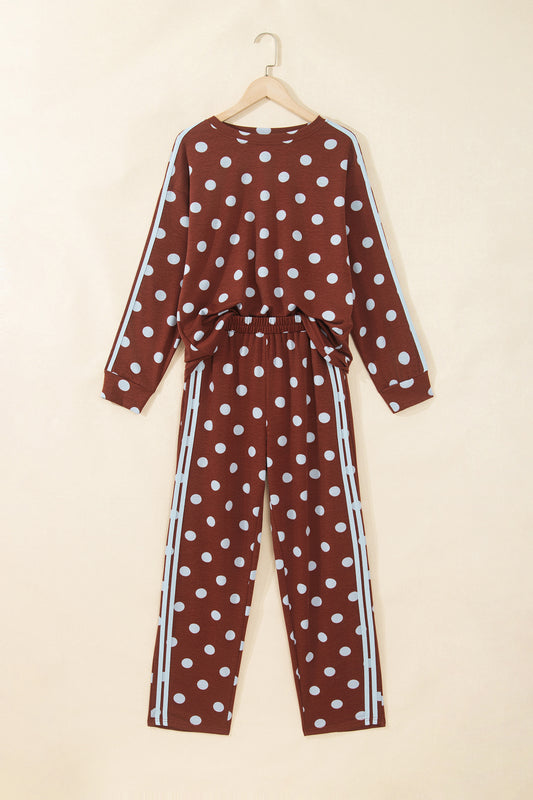
Formula #4: Breathable Co-Ord Set
Matching summer sets have become increasingly popular because they remove the guesswork from getting dressed.
A breathable co-ord set made from lightweight fabrics offers a cohesive look while maintaining excellent comfort levels.
This formula works particularly well for:
- Vacation outfits for humidity
- Resort wear outfits
- Weekend outfits
- Casual summer outfits
Because both pieces are made from the same fabric, airflow and moisture management remain consistent throughout the outfit.
Formula #5: Loose Blouse + Relaxed Trousers
For those wondering what to wear in humid weather while maintaining a polished appearance, this combination rarely disappoints.
A loose blouse paired with relaxed trousers creates elegant proportions without sacrificing comfort.
Focus on:
- Natural fibers
- Cooling fabrics
- Relaxed silhouettes
- Lightweight construction
This outfit transitions effortlessly from daytime meetings to evening plans, making it a smart addition to any minimalist summer wardrobe.
Choosing Colours That Help Hide Sweat Stains
Fabric matters.
Fit matters.
Colour matters too.
One of the most overlooked aspects of sweat-proof styling is choosing shades and patterns that make perspiration less noticeable.
Best Colours for Sweat Stain Prevention
Certain colours naturally conceal moisture better than others.
Consider:
- Navy
- Charcoal
- Deep green
- Dark brown
- Black
These sweat-resistant colors tend to camouflage damp areas more effectively than pale tones.
The Power of Patterned Clothing
Patterns break up visual uniformity, making moisture marks significantly harder to spot.
Good options include:
- Floral prints
- Geometric patterns
- Abstract prints
- Stripes
- Textured fabrics
Patterned clothing and printed tops can be particularly useful during extremely humid days when perspiration is unavoidable.
Strategic Layering Without Overheating
At first glance, layering and humidity seem incompatible.
However, strategic layering can actually support sweat-concealing outfits when done correctly.
The key is choosing lightweight layers rather than bulky additions.
Examples include:
- Lightweight overshirts
- Open linen button-downs
- Breathable kimonos
- Relaxed sleeveless outer layers
These pieces provide visual coverage while maintaining airflow.
Building a Sweat-Friendly Wardrobe for Everyday Life
Instead of relying on a handful of summer pieces, it helps to think in terms of a complete capsule wardrobe designed specifically for humid conditions.
Your sweat-friendly wardrobe should include:
Essential Tops
- Oversized shirts
- Oversized T-shirts
- Tank tops
- Linen button-downs
- Breathable blouses
Essential Bottoms
- Linen shorts
- Relaxed trousers
- Wide-leg trousers
- Flowy skirts
- Lightweight culottes
Essential One-Piece Options
- Sleeveless dresses
- Linen dresses
- Lightweight jumpsuits
- Flowy midi dresses
Essential Comfort Pieces
Even downtime deserves attention.
Soft, breathable loungewear can help maintain comfort during particularly sticky afternoons while supporting the same principles of airflow and temperature regulation used throughout your daytime wardrobe.
The best hot weather wardrobe isn't necessarily the smallest or the largest. It's the one where every piece contributes to comfort, breathability, and versatility.
The Importance of Footwear During Humid Weather
Many discussions about sweat-proof fashion focus entirely on clothing.
Footwear deserves equal attention.
Feet contain thousands of sweat glands, making shoe selection crucial for overall comfort.
Look for Maximum Ventilation
The best options include:
- Breathable sneakers
- Mesh sneakers
- Leather sandals
- Open-toe footwear
- Strappy sandals
These styles encourage airflow while reducing moisture buildup.
Don't Overlook Socks
A quality pair of moisture-wicking socks can dramatically improve comfort levels.
Look for:
- Merino wool blends
- Technical fabrics
- Moisture-wicking construction
- Quick-drying fabrics
Contrary to popular belief, lightweight merino wool performs exceptionally well during warm weather due to its natural moisture-management properties.
Advanced Heatwave Dressing Strategies for Extreme Humidity
Some summer days are manageable.
Others feel like walking through a warm cloud.
When temperatures soar and humidity levels become relentless, even well-planned outfits can be put to the test. This is where advanced heatwave dressing techniques become invaluable.
The goal shifts from simply looking stylish to actively supporting thermoregulation, moisture management, and long-term comfort.
Dress for Airflow, Not Just Temperature
Many people instinctively reach for the smallest, lightest garments they own.
While less fabric can help, airflow-friendly clothing often performs even better.
Think in terms of:
- Air circulation
- Fabric movement
- Loose garment fit
- Reduced skin contact
A slightly oversized shirt made from breathable fabrics will often feel cooler than a tight tank top made from the wrong material.
The same principle applies throughout your wardrobe.
When evaluating potential purchases, ask yourself:
Does this garment allow air to move freely around my body?
If the answer is yes, you're already moving in the right direction.
Choose Fabrics That Work With Your Body
The best clothes for sweating aren't necessarily the thinnest.
They're the ones that actively support perspiration control and moisture transport.
Prioritise:
- Linen
- Cotton blends
- Bamboo fabric
- Tencel fabric
- Lyocell clothing
- Moisture-wicking fabrics
- Technical fabrics
These materials help reduce the uncomfortable feeling of damp fabric clinging to the skin.
Avoid heavy synthetic fabrics with poor ventilation whenever possible, especially during prolonged outdoor activities.
Office Outfits for Hot Weather That Still Look Professional
Dressing professionally during humid weather presents a unique challenge.
You want to remain comfortable without sacrificing polish.
Fortunately, several outfit formulas work exceptionally well in professional settings.
Formula: Relaxed Blouse + Wide-Leg Trousers
This remains one of the most reliable options for office environments.
Benefits include:
- Professional appearance
- Excellent breathability
- Easy movement
- Reduced fabric cling
Choose neutral tones and lightweight woven fabrics for a refined finish.
Formula: Linen Shirt + Relaxed Tailored Trousers
A linen button-down paired with relaxed trousers offers a sophisticated alternative to heavier office attire.
The combination feels structured while maintaining the ventilation necessary for humid conditions.
Look for:
- Linen shirts
- Linen-blend tailoring
- Relaxed cuts
- Lightweight construction
Formula: Midi Dress + Minimal Accessories
For many professionals, a flowy midi dress simplifies warm-weather dressing.
The one-piece silhouette minimises layers while delivering effortless elegance.
This option works particularly well for:
- Client meetings
- Office environments
- Business lunches
- Summer networking events
Travel Outfits for Humid Climates
Travelling in tropical destinations often means dealing with both heat and constant humidity.
Packing strategically becomes essential.
The best travel-friendly clothing focuses on versatility, comfort, and quick-drying performance.
What to Prioritise
Pack pieces that are:
- Lightweight
- Wrinkle-resistant
- Quick-drying
- Easy to mix and match
- Comfortable for extended wear
Excellent examples include:
- Linen dresses
- Matching summer sets
- Breathable co-ord sets
- Lightweight jumpsuits
- Relaxed-fit separates
A thoughtfully planned collection of pieces allows you to create multiple humidity-proof outfits without overpacking.
The Three-Outfit Travel Formula
For most humid destinations, build around:
- A daytime sightseeing outfit
- A versatile evening outfit
- A comfortable travel-day outfit
This approach reduces wardrobe stress while maximising practicality.
Don't Ignore Anti-Chafing Strategies
Humidity doesn't just create sweat.
It can also increase friction.
This makes anti-chafing clothing an important consideration, particularly during long walks or active days outdoors.
Look for:
- Friction-free fabrics
- Smooth seams
- Relaxed silhouettes
- Performance wear designed for movement
Additional solutions may include:
- Sweat guards
- Sweat pads
- Anti-chafing shorts
- Moisture-management underlayers
When comfort is prioritised from the start, the entire outfit performs better.
Common Mistakes That Make Humidity Feel Worse
Even a strong seasonal wardrobe can be undermined by a few common errors.
Mistake #1: Wearing Tight Clothing
Restrictive garments limit airflow and increase heat retention.
Instead, embrace:
- Relaxed fit styles
- Airy silhouettes
- Non-clingy clothing
Mistake #2: Choosing Fashion Over Function
Style matters.
Comfort matters too.
The best sweat-proof fashion combines both.
Focus on functional fashion that supports real-world wearability.
Mistake #3: Ignoring Fabric Construction
Many shoppers focus exclusively on fabric type.
Construction is equally important.
Pay attention to:
- Fabric weight
- Fabric construction
- Weave density
- Ventilation features
Even cotton can feel oppressive if the weave is too dense.
Mistake #4: Over-Layering
Layering has its place, but excessive layers can trap heat and moisture.
Opt for lightweight layering only when it serves a specific purpose.
Mistake #5: Wearing the Wrong Footwear
Heavy, enclosed shoes often contribute significantly to discomfort.
Humidity-friendly shoes can dramatically improve overall comfort during warm weather.
Your Ultimate Humidity Dressing Checklist
Before leaving the house on a hot, humid day, run through this simple checklist.
Fabric Checklist
- Breathable fabrics
- Lightweight fabrics
- Moisture-wicking clothing
- Cooling fabrics
- Quick-drying fabrics
Fit Checklist
- Loose-fitting clothing
- Relaxed cuts
- Airflow-friendly clothing
- Comfortable movement
- Non-clingy silhouettes
Styling Checklist
- Sweat-resistant colors
- Patterned clothing
- Minimal layering
- Practical accessories
- Comfortable footwear
Comfort Checklist
- Moisture-wicking socks
- Breathable sneakers or sandals
- Anti-chafing solutions
- Lightweight construction
- All-day comfort outfits
Final Thoughts
Learning how to dress for humidity isn't about abandoning personal style.
It's about understanding how fabric, fit, and function work together.
The most successful hot weather outfits prioritise breathability, airflow, moisture management, and comfort without sacrificing aesthetics. Whether you're putting together summer commuting outfits, tropical climate outfits, vacation looks, or everyday casual summer outfits, the same principles apply: choose lightweight fabrics, embrace relaxed silhouettes, and build outfit formulas that encourage sweat evaporation rather than trapping heat.
The result is a wardrobe filled with humidity-friendly outfits that help you stay cool, stay confident, and stay comfortable no matter how high the temperature climbs.
From linen shirts and flowy dresses to moisture-wicking fabrics and wide-leg trousers, the smartest summer wardrobe essentials prove that practical fashion and chic summer looks can absolutely coexist.
When your clothing works with the climate instead of against it, even the stickiest days become far easier to navigate.
Frequently Asked Questions About Sweat-Proof Outfit Formulas for Humid Days
1. Are certain clothing colours cooler to wear in humid weather?
Yes. Lighter colours such as white, beige, pale blue, and soft pastels reflect more sunlight than darker shades, helping reduce heat absorption. However, while lighter colours can feel cooler, darker colours often do a better job of concealing sweat marks. The best approach is to choose lightweight, breathable fabrics first and then select colours based on your comfort and sweat visibility preferences.
2. Is it better to wear natural fibers or synthetic fabrics in humidity?
Both can work well depending on the situation. Natural fibers such as linen and cotton are highly breathable and excellent for everyday wear. Modern synthetic performance fabrics, including polyester and nylon blends, are specifically engineered for moisture-wicking and quick-drying performance. For casual outfits, natural fibers are often preferred, while performance fabrics excel during active days.
3. Can accessories make a difference in hot and humid weather?
Absolutely. Heavy bags, chunky jewellery, and thick scarves can add unnecessary warmth and discomfort. Lightweight accessories, breathable hats, and sunglasses are often better choices for maintaining comfort while complementing your outfit.
4. What type of underwear works best under humid weather clothing?
Moisture-wicking underwear made from breathable technical fabrics or lightweight natural fibers can significantly improve comfort. Look for seamless designs and quick-drying materials that reduce friction and help manage perspiration throughout the day.
5. How can I keep my clothes smelling fresh during humid weather?
Odour can become more noticeable when sweat combines with heat and humidity. Choosing odor-resistant fabrics, allowing garments to dry completely between wears, and washing clothing with appropriate fabric care products can help keep your wardrobe feeling fresher for longer.
6. Are sleeveless outfits always the coolest option?
Not necessarily. While sleeveless garments can improve airflow, loose long-sleeve shirts made from breathable fabrics often provide excellent ventilation while also protecting your skin from direct sunlight. Fabric choice and garment fit usually matter more than sleeve length alone.
7. What should I wear for outdoor events in humid weather?
For outdoor gatherings, choose lightweight fabrics with relaxed silhouettes. Flowy dresses, linen shirts, breathable co-ord sets, and wide-leg trousers are excellent options. Comfortable footwear and minimal layering can also help you stay comfortable throughout the event.
8. How do I prevent my clothes from sticking to my skin?
The best strategy is to choose fabrics and silhouettes that encourage airflow. Loose-fitting clothing, textured fabrics, woven materials, and moisture-wicking garments all help reduce clinginess. Avoid overly tight styles that trap moisture against the body.
9. Can I wear denim in high humidity?
Traditional heavyweight denim can feel uncomfortable during extremely humid conditions because it tends to retain heat and moisture. If you enjoy denim, look for lightweight denim, chambray, or blended fabrics that offer a similar appearance with improved breathability and comfort.
10. How often should I rotate outfits during a humid-weather season?
Rotating outfits regularly helps extend garment life and improves hygiene. Giving clothing time to air out between wears reduces moisture buildup and helps fabrics maintain their shape and performance. Building a versatile summer wardrobe with multiple outfit combinations can make frequent rotation much easier.