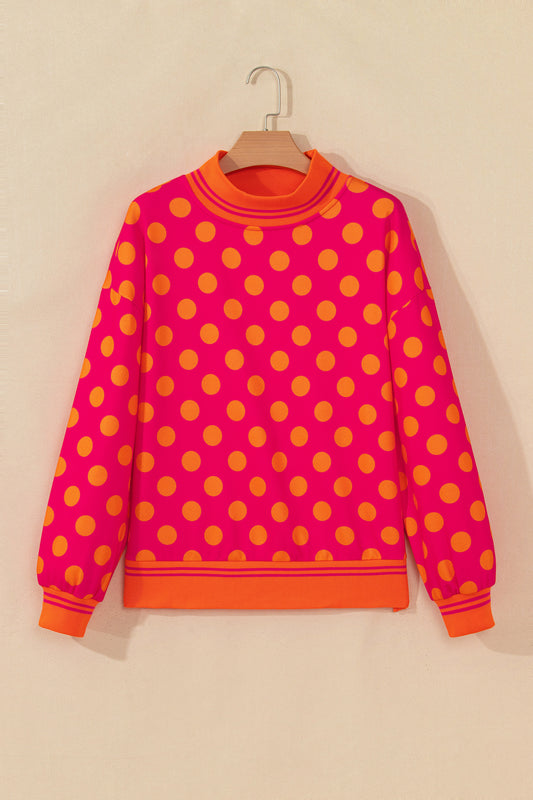

Should Your Shoes Be Lighter Or Darker Than Your Dress?
Fashion is as much about personal expression as it is about balance, proportion, and color harmony. In this article, we're diving deep into the nuanced world of shoe and dress coordination—specifically tackling the age-old style question: Should your shoes be lighter or darker than your dress?
Here’s what you’ll walk away with:
-
How to use color contrast or tone-on-tone dressing depending on the occasion or mood.
-
When to use neutral colors like black, nude, or white—and when to go bold with metallics or vibrant shades.
-
A breakdown of how seasonal tones, textural contrast, and shoe-dress color harmony affect your overall look.
-
Tips for matching shoes with everything from mini dresses to maxi silhouettes, and styling advice for formal vs. casual events.
-
Internal links to curated collections like shoes, dresses, and more.
Let’s explore how your footwear can elevate or quietly support your entire outfit with expert styling techniques and an eye for detail.
Color Matters More Than You Think
Whether you’re pulling a look together for a spring wedding or throwing something chic on for brunch, the color palette balance between your dress and shoes can make or break the outfit. It’s not simply about choosing between a lighter or darker shoe—it's about understanding visual weight, saturation, and color theory in fashion.
In general, lighter shoes tend to elongate the leg and offer a breezy, relaxed vibe—perfect for summer outfits and daytime events. Darker shoes, on the other hand, ground a look, giving it structure and sophistication, especially for evening wear or cooler months.
But the real magic is in mastering contrast, complementary colors, and accent color footwear.
“Think of your outfit like a painting. The dress is your canvas, the shoes are your brushstrokes. Both work together to create a complete picture.”
1. Start with Neutrals: The Underrated Heroes
When in doubt, neutral colors are your most versatile friends. Shades like black, beige, tan, nude, and white can pair beautifully with just about any dress.
-
Pair a black midi dress with nude pumps for an elegant, understated silhouette that keeps the focus on your accessories.
-
Combine a white mini dress with black heels for a dramatic monochrome effect—classic and always in style.
-
For casual dresses, white sneakers offer a clean, polished look without sacrificing comfort.
Neutrals also offer the flexibility to play with texture and material mix. A pair of black suede ankle boots with a satin dress, for example, introduces a subtle textural contrast that makes your look richer and more intentional.
2. Contrast Creates Intentional Drama
One of the easiest ways to make a fashion-forward impact is by using color contrast to your advantage. Pairing light dresses with darker shoes—or vice versa—builds styling symmetry and enhances the focal point of your outfit.
Examples:
-
A soft blush pink maxi dress with burgundy heeled boots adds depth and chromatic layering while remaining cohesive.
-
Bright colors like royal blue or sunset orange can be elevated with metallics—think silver with purple or gold with emerald for rich contrast.
For a curated collection that plays well with bold styling, our maxi dresses offer vibrant colors that look especially chic when paired with darker or metallic shoes.
Remember, visual elongation with dark shoes can be especially helpful when you're styling midi or longer hemlines.
3. Tone-on-Tone: The Art of Subtlety
If you prefer a refined, polished look, tone-on-tone dressing might be your best style strategy. Instead of opting for stark contrasts, choose shoes in a slightly darker or lighter hue from the same color family as your dress.
This technique:
-
Enhances style cohesion.
-
Provides dress color dominance without interruption.
-
Adds subtle complexity to your outfit using hue depth.
Let’s say you're styling a sage green mini dress—pair it with olive green or moss-colored sandals to create an elegant visual gradient. This works exceptionally well with feminine silhouettes like those found in our mini dresses collection, where shorter hemlines allow your shoes to share the spotlight.
4. Let the Season Lead Your Color Choices
One of the most overlooked but powerful styling cues is seasonal color choice. Just as nature changes its palette, so too should your wardrobe.
Spring & Summer lean into:
-
Lighter shades, breathable fabrics, and pastels.
-
White sneakers, nude sandals, or soft metallics that echo the brightness of the season.
-
Style tip: A butter yellow casual dress paired with ivory or tan heels channels sunshine without veering into costume territory. Our casual dresses offer beautiful seasonal shades to experiment with.
Fall & Winter are the seasons of:
-
Deeper tones—burgundy, navy, forest green, and chocolate.
-
Richer materials like suede and leather that bring texture into play.
-
Pairings like brown boots with rust dresses or black heels with navy show mastery of color palette balance and visual weight.
“Let your shoes echo the season’s mood—light and airy in summer, grounded and bold in winter.”
5. Celebrity Style Clues: Modern Matchy-Matchy
Take a cue from the fashion-savvy set. Celebrities like Kate Middleton and Meghan Markle often embrace matching shoes with their dresses, but with a modern twist: same color, different material or slightly varied shade.
-
A navy sheath dress with navy velvet heels.
-
A red cocktail dress with red patent leather pumps for a glossy, directional look.
This approach lends itself well to polished looks that feel cohesive without appearing rigid. The key? Let texture or finish break the uniformity.
Our curated dresses collection includes versatile pieces that work beautifully with this tonal styling technique—especially when paired with standout shoes in contrasting or matching materials.
6. The Power of Bold Color Pairings
While neutrals are timeless, bold colors have their own rules—and rewards. When done right, they create fashion statements that feel confident and creative.
Here are a few iconic combos that work consistently:
-
Red heels with red dress – A continuous color stream that oozes glamour. Ideal for events or evenings where you're the main character.
-
Silver with purple or royal blue – The coolness of metallics elevates jewel tones, making them pop under both natural and artificial light.
-
Gold with emerald or orange – Gold enhances warm undertones, perfect for autumnal or evening looks.
Explore metallic and bold options within our shoes collection, where accent colors meet trend-forward shapes.
A pro tip? When wearing bold dresses, color-block with shoes that are intentionally striking—think color-clashing red shoes with pink dresses or blue shoes with yellow.
7. Material and Texture: The Unspoken Style Layer
Color alone doesn’t carry a look—textural contrast is just as crucial. Mixing materials between your dress and shoes helps you avoid looking overly "matchy-matchy" while still maintaining styling hierarchy.
For example:
-
A ribbed knit dress with smooth leather combat boots gives a balance of softness and edge.
-
A flowy maxi dress with structured heeled boots adds definition and grounding.
If you’re dressing down a more elevated piece—like pairing a silk dress with chunky ankle boots—you introduce a high-low effect that’s right at home in current street style trends.
Find pieces like these in our standout maxi dresses collection, which provide the perfect foundation for playing with textures and footwear contrast.
8. Accessories: The Final Balancing Act
Don’t forget your accessories—they complete the style cohesion. When deciding on your shoes, consider your bag, belt, or jewelry as part of the overall palette.
-
Wearing silver shoes? Tie it together with silver earrings or a clutch.
-
Using a tone-on-tone strategy? Echo the same color family in your handbag.
-
Trying bold styling? Keep accessories subtle to avoid overpowering your look.
Matching accessories can be the bridge between understated elegance and statement footwear. They offer an opportunity to reinforce or soften the contrast between your shoes and dress.
9. Outfit Scenarios: What to Wear, When
Understanding theory is one thing—but applying it in real life is where the style magic happens. Here's how to confidently choose whether your shoes should be lighter or darker depending on the dress type, occasion, and style goal.
A. Casual Day Out
Look: Casual dress + Light sneakers or sandals
-
For relaxed, daytime styling, lighter shoes like beige sandals or white sneakers support a light-to-dark gradient that feels breezy and effortless.
-
If you're wearing a pastel or floral mini dress, go with nude or off-white footwear to maintain a soft, approachable feel.
B. Formal Evening Event
Look: Dark maxi dress + Darker or metallic heels
-
With darker tones like navy, burgundy, or black, opt for heels in a similar or slightly darker hue. It’s all about creating visual elongation and anchoring the outfit.
-
Silver or gold heels can inject glam without distracting from the dress—especially if echoed in your jewelry or bag.
“Darker shoes paired with a long, structured dress can create vertical flow, giving the illusion of added height and elegance.”
C. Statement Styling for Social Events
Look: Bold-colored mini dress + Contrasting heels
-
Perfect time for color blocking or color-clashing: a cobalt blue mini with orange heels, or a red dress with matching red heels for that fashion statement moment.
-
If your dress already commands attention, balance the look with black or nude shoes to bring it back to earth.
10. Length Matters: Dress Hemlines vs. Shoe Visibility
Another factor that influences whether your shoes should be lighter or darker is how much of your footwear is actually visible.
-
Mini Dresses: Your shoes become part of the main act. Choose footwear that complements or purposefully contrasts your look. Consider textural contrast or accent color footwear to add interest.
-
Midi Dresses: Shoes peek out, making them part of the visual rhythm. This is where tone-on-tone styling works beautifully.
-
Maxi Dresses: Shoes mostly hide—choose them for comfort or cohesion. Opt for neutral colors or metallics that won’t disrupt your flow if they flash during movement.
If you’re unsure where to start, check out our versatile range of dresses, designed with silhouettes that work across these categories.
11. Should Your Shoes Be Lighter or Darker Than Your Dress?
Let’s finally answer the question.
There’s no one-size-fits-all rule—but there are styling principles that can guide you.
Choose lighter shoes when:
-
You’re styling soft or pastel shades.
-
You want to create a longer leg line or light visual weight.
-
It’s spring/summer, or you’re dressing for daytime.
Choose darker shoes when:
-
Your dress is bold, patterned, or jewel-toned.
-
You’re dressing for evening or fall/winter.
-
You need structure, contrast, or a polished finish.
Ultimately, shoe-dress color harmony comes down to intention. Do you want your shoes to whisper, support, or shout?
Final Thought: Dress with Intention, Not Hesitation
The best part about fashion is its flexibility. Don’t feel boxed in by rules—let color theory be your canvas, but paint outside the lines when it feels right.
Whether you’re pairing combat boots with a mini, or silver heels with a burgundy gown, let your shoes echo your energy.
Need inspiration? Explore our collections for curated looks:
Because whether your shoes are lighter, darker, or boldly unmatched, the right pair always steps in style.
FAQ: Choosing Between Lighter or Darker Shoes for Your Dress
1. Can shoes and dress be the exact same color, or does that look outdated?
Yes, matching your shoes exactly to your dress color can look sophisticated when done right. To avoid appearing dated, play with material mix—pair a cotton dress with leather or patent shoes—or add contrast through accessories and texture.
2. Is it okay to wear light shoes with a dark dress?
Absolutely. A light-to-dark gradient can be chic and modern. Try nude pumps with a navy or black dress to soften the look and add visual elongation to your legs.
3. Should your shoes be darker for evening events?
Generally, yes. Darker shoes (like black, deep burgundy, or metallics) are associated with more formal styling and tend to pair well with richer fabrics and evening color palettes.
4. What’s the best shoe color for patterned dresses?
Choose a shoe that picks up a secondary or accent color from the pattern. If the print is bold, a neutral shoe (black, nude, or white) creates balance. For pattern matching, subtle repetition of color without clashing is key.
5. How do I style metallic shoes with colored dresses?
Metallics like silver and gold act as elevated neutrals. Silver works beautifully with cool tones (blue, purple, grey), while gold complements warm tones (orange, red, emerald). They're perfect for weddings and formal occasions.
6. Do white shoes go with everything?
Almost. White shoes pair best with light or mid-toned dresses, and they shine in spring/summer. With dark or jewel-toned dresses, white can sometimes feel stark—opt for off-white or ivory instead for better color harmony.
7. What shoes go with multicolored or rainbow dresses?
Stick with neutral or clear shoes to avoid visual overload. Nude, white, or black heels act as a foundation that lets the dress be the focal point. If you’re adventurous, pick one color from the dress and match it in a tone-on-tone way.
8. Are there rules for matching shoes with accessories?
While your shoes and bag don’t have to match exactly, coordinating metal tones, textures, or color families can enhance style cohesion. For example, silver shoes + silver earrings work well even with a different bag color.
9. Do light or dark shoes make you look taller?
Lighter shoes (especially in nude tones that match your skin) create an unbroken line and visually elongate the legs. This is especially effective with shorter hemlines like mini dresses.
10. Is it okay to mix bold shoes with bold dresses?
Yes, but it requires careful balance. Use color theory: opposite shades on the color wheel can create striking color contrast (like yellow dress + purple heels). Keep accessories minimal to avoid clashing.