
Is It Considered Bad Taste To Wear Pink On Pink?
In the world of fashion, the color pink has a storied history, intertwined with gender norms, cultural perceptions, and evolving fashion tastes. The question of whether it's considered bad taste to wear pink on pink is not just about color coordination but touches on deeper themes such as femininity, masculinity, and personal identity. In this article, we'll explore the complexities surrounding the color pink, its psychological impact, and how to successfully pull off a pink-on-pink outfit with confidence.
Table of Contents
- The Evolution of Pink in Fashion
- Pink on Pink: A Bold Fashion Statement
- Breaking Gender Norms with Pink
- Cultural Perceptions and Pink’s Place in Fashion
- The Fine Line Between Tasteful and Tacky
- Marketing and the Pink Phenomenon
- Pink as a Statement of Identity
- The Impact of Pink in Modern Fashion
- FAQ: Common Questions About Wearing Pink on Pink
- Key Takeaway
The Evolution of Pink in Fashion
The perception of pink has undergone significant changes over the centuries. Originally, pink was associated with masculinity, especially in the 18th century, when men of noble birth frequently donned pink suits and garments. Over time, however, marketing and societal shifts began to tie pink more closely to femininity, particularly in Western cultures. This evolution has led to the common stereotype that pink is a "girl's color," a notion perpetuated by decades of marketing strategies aimed at young girls.
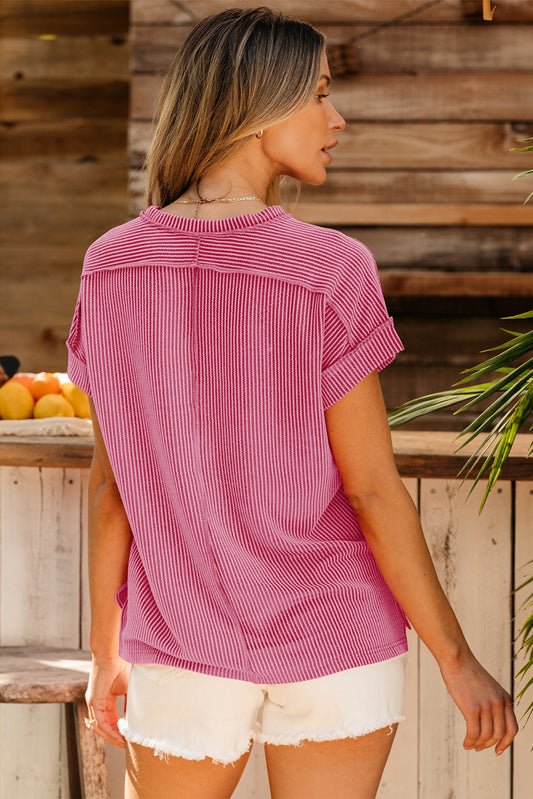
In recent years, there has been a resurgence of pink in various forms, from pink tops to pink accessories, as fashion icons challenge these outdated stereotypes and reclaim the color as a powerful statement of identity. This cultural evolution of pink reflects a broader shift in societal norms, where color is increasingly seen as a means of self-expression rather than a strict indicator of gender or identity.
Pink on Pink: A Bold Fashion Statement
Wearing pink on pink is often viewed as a bold and risky fashion choice. This monochromatic approach can be seen as a powerful statement, a way to embrace the visual impact of the color in its full glory. However, it also raises concerns about whether this look can come off as too showy or overwhelming. The key to successfully pulling off a pink-on-pink outfit lies in the balance between subtlety and boldness.
When pairing different shades of pink, it’s essential to consider the psychology of color. Light pinks, often associated with softness and tranquility, can be paired with bolder, deeper pinks for a dynamic yet harmonious look. The combination of these shades can create a sense of depth and interest, avoiding the pitfalls of pink fatigue—a phenomenon where overexposure to pink leads to a visual overload.
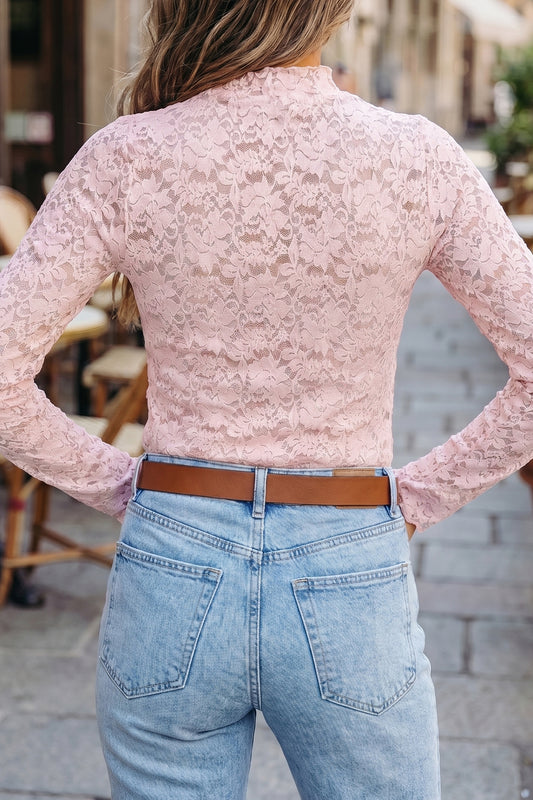
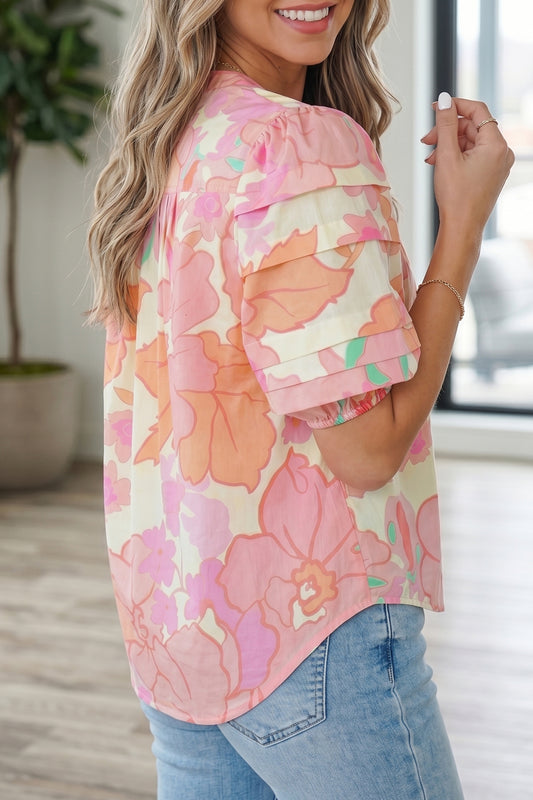
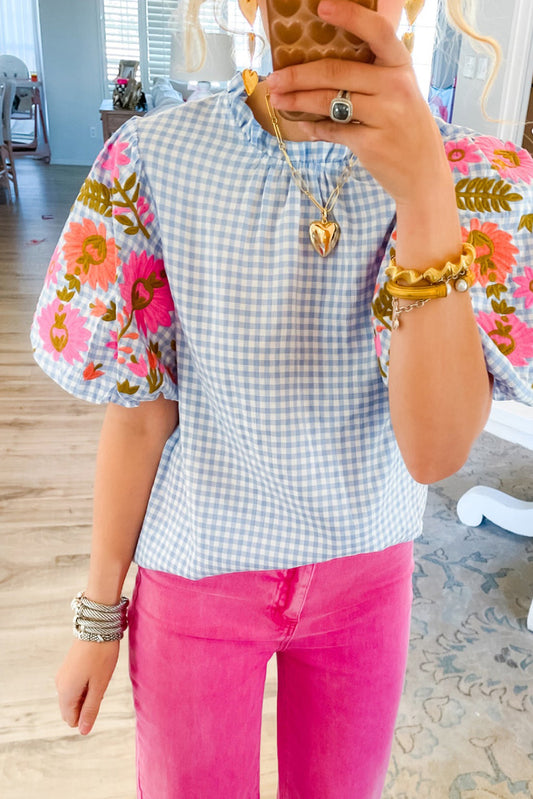
Subtle vs. Showy: It's not just about the shades but also about the textures and the overall composition of the outfit. A pink dress with delicate lace details, for instance, paired with a simple pink accessory, can convey elegance and sophistication. On the other hand, combining bold pink bottoms with a statement pink top may cater to those who prefer making a striking visual statement.
Breaking Gender Norms with Pink
Pink's association with femininity has long been a subject of debate. However, the modern fashion landscape is increasingly embracing pink as a color that transcends traditional gender norms. This shift is evident in the rising popularity of pink suits among men—a trend that challenges the old stereotypes and redefines masculinity.
In recent years, high-profile fashion influencers and celebrities have been instrumental in normalizing pink for all genders. These trailblazers highlight that wearing pink, whether as a pink suit or a casual pink top, is less about conforming to societal expectations and more about personal expression.
Cultural Perceptions and Pink’s Place in Fashion
The cultural perception of pink varies widely across the globe. In some cultures, pink is associated with youthfulness and innocence, while in others, it may carry connotations of luxury or exclusivity. In Japan, for example, pink is often linked to the fleeting nature of life, symbolized by the cherry blossoms (sakura). This cultural nuance reflects how the meaning of pink can shift dramatically based on context and geography.
In Western societies, pink has often been seen as a gendered color, typically assigned to girls from a young age. This has led to a reinforcement of gender norms, where boys and men may avoid pink due to its feminine connotations. However, in recent decades, there has been a growing movement to break free from these rigid associations, with fashion playing a key role in challenging these stereotypes.
Color Combinations and Visual Impact: When it comes to pairing pink with other colors, the options are vast and varied. For those hesitant to go full pink-on-pink, incorporating complementary colors can be a stylish alternative. Pink pairs beautifully with neutral tones like white, black, and grey, creating a balanced and sophisticated look. On the other hand, combining pink with bold colors like green or blue can make a statement and draw attention in a playful yet elegant manner.
The visual impact of pink, especially in a monochromatic outfit, is undeniable. Pink has the power to catch the eye, evoke emotions, and even influence the mood of both the wearer and the observer. This is where the concept of color psychology comes into play—understanding how different shades of pink affect perception can be key to mastering this look.
The Fine Line Between Tasteful and Tacky
So, is it considered bad taste to wear pink on pink? The answer is not as straightforward as a simple yes or no. The success of this look depends on several factors, including the shades of pink used, the occasion, and the wearer's confidence. The line between tasteful and tacky can be thin, but with careful consideration, a pink-on-pink outfit can be a striking and sophisticated choice.
Fashion Risks and Rewards: Embracing pink in a full outfit is undoubtedly a fashion risk, but it is one that can pay off when done correctly. For example, a well-tailored pink bottom paired with a complementary pink top can create a cohesive and polished look. On the other hand, overdoing it with clashing shades or too many accessories can lead to a fashion faux pas.
It's also important to consider the occasion. While a pink-on-pink ensemble might be perfect for a creative industry event or a fashion-forward social gathering, it might not be the best choice for more conservative settings. Understanding the context in which you plan to wear pink on pink can help guide your fashion choices towards success.
Cultural Evolution of Pink: As we’ve seen, pink’s place in fashion is not static. It has evolved from a color strictly associated with femininity to one that challenges and redefines traditional gender roles. This evolution reflects broader changes in society, where individuals are increasingly using fashion as a tool to express their identities and challenge norms.
Pink’s role in fashion continues to evolve, with each generation finding new ways to interpret and wear this versatile color. Whether through a subtle hint of pink or a bold, head-to-toe ensemble, the key is to wear it with confidence and a sense of personal style.
Marketing and the Pink Phenomenon
Marketing has played a significant role in shaping the perception of pink. For decades, pink has been marketed almost exclusively to women and young girls, reinforcing gender stereotypes and limiting the color's appeal to a broader audience. However, savvy marketers and fashion brands have started to shift this narrative, promoting pink as a color that transcends gender boundaries.
The "pink phenomenon" in marketing is a prime example of how powerful color can be in branding and consumer psychology. From baby products to fashion items, pink has been strategically used to attract specific demographics. However, as society moves towards a more inclusive understanding of gender and identity, the marketing of pink is also evolving.
Pink as a Statement of Identity
In today's fashion world, pink is increasingly being used to make powerful statements about identity. Whether it's a deliberate choice to embrace femininity, challenge masculinity, or simply to stand out in a crowd, pink has become a tool for self-expression. The rise of pink in men's fashion, in particular, signals a broader acceptance of fluidity in gender norms and an embrace of individuality.
Color Identity and Pink Fatigue: As pink becomes more ubiquitous, some have started to experience what could be termed "pink fatigue." This overexposure can lead to a backlash, where the once-bold choice of wearing pink starts to feel clichéd or overdone. However, for many, pink remains a color of empowerment, a way to assert one’s identity in a world that often tries to box people into traditional categories.
Despite this, the way pink is used in fashion can still convey a strong sense of personal style and identity. For instance, a carefully curated pink apparel collection can be a reflection of one's boldness and willingness to take fashion risks, while simultaneously challenging societal norms.
Masculinity and Pink: The resurgence of pink in men's fashion, particularly through items like pink suits, speaks volumes about the evolving perceptions of masculinity. Once considered off-limits, pink is now embraced by men who wish to break free from the constraints of traditional gender roles. This shift is a testament to how fashion can serve as a vehicle for social change, challenging stereotypes and encouraging a more inclusive view of identity.
In popular culture, we’ve seen influential figures and celebrities donning pink with pride, further pushing the boundaries of what this color can represent. These fashion choices not only influence public perceptions but also empower others to explore and express their own identities through fashion.
The Impact of Pink in Modern Fashion
The use of pink in modern fashion is a reflection of broader societal trends towards inclusivity and self-expression. No longer confined to specific gender roles, pink is being redefined by designers and consumers alike. This shift is not just about color but about breaking down the barriers that have long dictated what is considered acceptable or fashionable.
Cultural Evolution and Visual Impact: As we've explored, the cultural evolution of pink has transformed it from a simple color into a complex symbol of identity, rebellion, and acceptance. Its visual impact cannot be understated—whether as a subtle accent or the focal point of an outfit, pink commands attention and provokes thought.
Fashion Influence and Risks: The influence of pink in fashion is undeniable. From runways to street style, pink continues to be a color that challenges the status quo and encourages individuals to take risks in their fashion choices. Whether it's through the boldness of a pink-on-pink outfit or the nuanced combination of pink with other colors, the key to wearing pink lies in the confidence it takes to pull it off.
In conclusion, the question of whether it’s considered bad taste to wear pink on pink ultimately depends on how it’s styled and the message it conveys. When done thoughtfully, with attention to detail and a sense of personal style, pink on pink can be a striking and fashionable choice that challenges traditional norms and celebrates individuality.
FAQ: Common Questions About Wearing Pink on Pink
1. Can pink on pink be appropriate for formal occasions?
Yes, pink on pink can be appropriate for formal occasions if styled thoughtfully. Choosing the right shades and pairing them with elegant accessories can create a sophisticated and polished look suitable for events like weddings, galas, or business meetings.
2. How can I avoid looking too flashy when wearing pink on pink?
To avoid looking too flashy, focus on subtle variations in shades and textures. Pair softer, pastel pinks with muted or neutral accessories. Keeping the overall look balanced with minimalistic jewelry and understated footwear can also help tone down the outfit.
3. Is pink on pink a good choice for professional settings?
Pink on pink can work in professional settings, particularly if the shades are muted and the outfit is tailored. Opt for lighter pinks or blush tones, which are less bold, and ensure the ensemble is well-fitted to convey professionalism.
4. How do I choose the right accessories for a pink-on-pink outfit?
When accessorizing a pink-on-pink outfit, consider using neutral tones like beige, white, or metallics to complement the pink without overwhelming it. Simple, elegant accessories such as a nude handbag, silver jewelry, or white heels can enhance the outfit without competing with the color.
5. Can men wear pink on pink without it looking overly feminine?
Absolutely! Men can confidently wear pink on pink by choosing tailored pieces in more neutral or darker pink shades. Pairing these with classic accessories like a leather belt, watch, or neutral shoes can add a masculine touch while still embracing the color.
6. How do I layer pink on pink without clashing?
To layer pink on pink effectively, start with a base layer in a lighter shade and add layers in gradually deeper shades. Consider mixing textures—like pairing a silky pink blouse with a knit pink cardigan—to create visual interest without clashing.
7. Is it better to wear the same shade of pink or mix different shades?
Mixing different shades of pink can add depth and interest to your outfit, whereas wearing the same shade from head to toe can create a more cohesive, monochromatic look. Both approaches can work, depending on the effect you want to achieve.
8. Are there any skin tones that should avoid wearing pink on pink?
Pink can be flattering on a variety of skin tones. The key is to find the right shade of pink that complements your complexion. For cooler skin tones, soft pastels and blush pinks work well, while warmer skin tones may suit brighter or deeper pinks.
9. Can I wear pink on pink during any season?
Yes, pink on pink can be worn year-round. In spring and summer, opt for lighter, breezier shades and fabrics. In fall and winter, deeper shades like rose or magenta in thicker, warmer materials are ideal for staying stylish and seasonally appropriate.
10. What’s the best way to introduce pink on pink into my wardrobe if I’m hesitant?
If you’re hesitant, start by incorporating pink-on-pink in smaller doses. Try a pink top with a subtle pink accessory like a scarf or handbag. As you grow more comfortable, you can experiment with bolder combinations and more prominent pieces.
Key Takeaway
Wearing pink on pink is not inherently bad taste; it is a fashion choice that can be as subtle or as bold as you make it. The key lies in understanding the cultural and psychological implications of the color, balancing different shades and textures, and most importantly, wearing it with confidence. As pink continues to evolve in the fashion world, it offers endless possibilities for self-expression and breaking down outdated stereotypes.