
What Is The Difference Between Pants, Trousers And Jeans?
Confused about what to call your bottomwear—pants, trousers, or jeans? You’re not alone. In this article, we untangle these often interchangeable terms by diving into their origins, cultural distinctions, materials, and practical uses. From understanding why jeans aren’t just another type of trousers, to figuring out when a five-pocket design is more appropriate than pleated dresswear, this guide walks you through the nuances that affect both your wardrobe and style identity. Plus, we’ll point you toward curated styles from our HannaBanna Bottoms Collection, whether you're dressing up, going casual, or somewhere in between.
Cultural Confusion: Why Names Matter
One of the most fascinating—and admittedly frustrating—things about fashion terminology is how much it depends on geography.
“In the UK, pants refer to undergarments, while trousers cover your legs. In the US, pants and trousers are usually one and the same. And jeans? That’s universal, mostly.”
This kind of regional variance isn't just linguistic trivia—it actually influences product labeling, online search habits, and how people shop across borders.
Let’s say you’re browsing HannaBanna’s trousers collection. If you're a UK shopper, you're probably expecting tailored legwear, often in wool, linen, or blended fabrics, perfect for the office or a semi-formal dinner. But if you're American, you might just call them pants, especially if you're pairing them with loafers for a business casual look.
Understanding the bottomwear lexicon is the first step to dressing with intention, wherever you are.
Material Matters: Fabric as a Defining Factor
Much of the differentiation between these categories comes down to fabric and construction.
Trousers and Pants: The Tailoring Spectrum
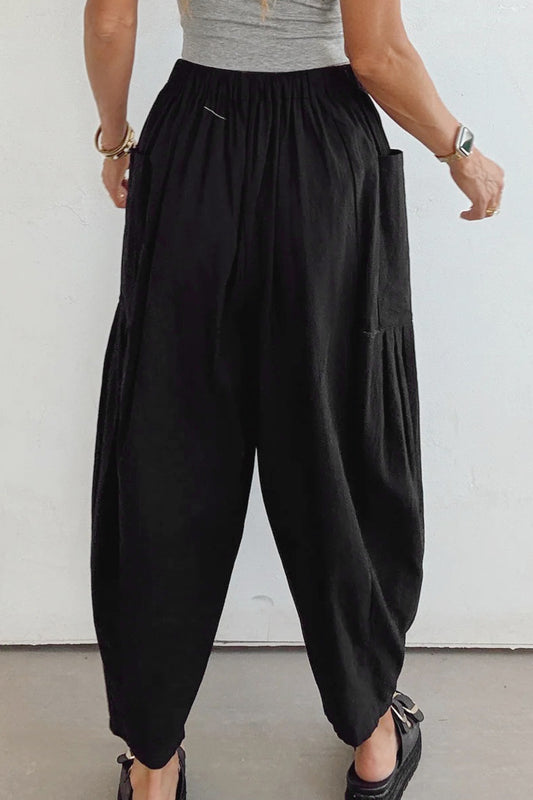
Whether you say trousers or pants, you're generally talking about garments made from:
-
Natural fibers like cotton, wool, or linen
-
Or synthetic fibers such as polyester and rayon
-
Often used in tailored forms like pleated or flat-front
These materials lend themselves to more structured silhouettes. Think high-rise waistbands, clean lines, and versatile finishes ideal for formal wear or semi-formal situations. They also offer breathability and softness, especially when made from premium natural fibers.
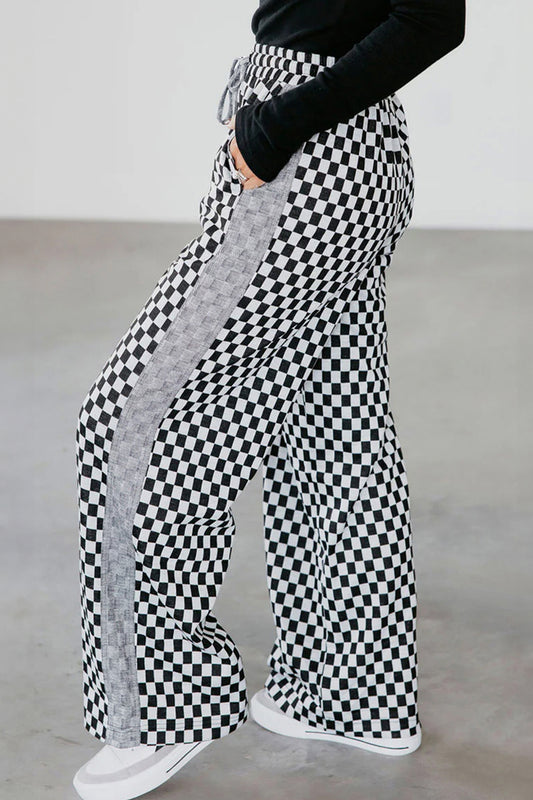
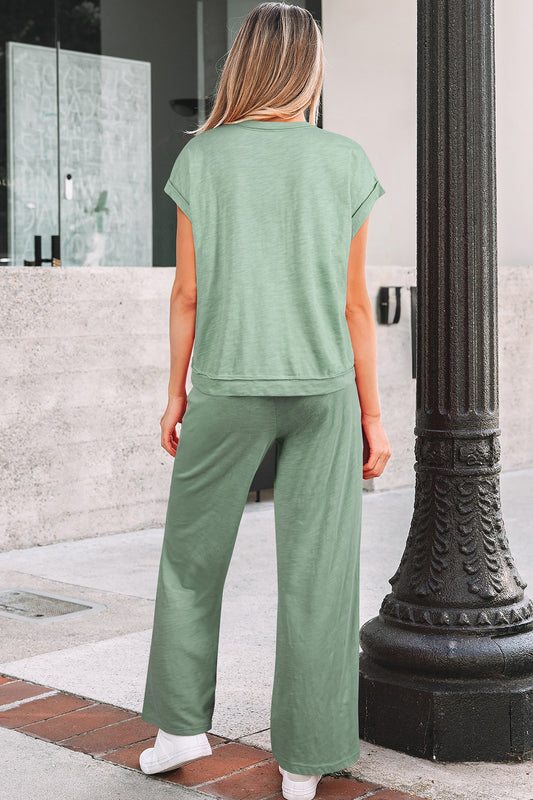
You’ll find examples of these well-constructed essentials in the HannaBanna Pants Collection, including breathable cotton blends suited for everyday wear.
Jeans: Built for Durability, Styled for Life
On the other hand, jeans—a specific kind of pants—are crafted from denim fabric, known for its:
-
Twill weave structure
-
Long-lasting durability
-
Casual, rugged aesthetic
Modern denim has evolved beyond the classic raw denim look. Today, many styles feature stretch fabric, providing flexibility and comfort without compromising that iconic texture. Explore these variations in our curated HannaBanna Jeans Collection.
Some jeans are so refined they blur the lines between casual and tailored—especially denim trousers, which often ditch the five-pocket design for a cleaner silhouette. This makes them appropriate even in some business casual environments.
Style & Fit: Cuts, Closures, and Comfort
Now that we’ve looked at material differences, let’s break down how style and fit play into it.
Common Cuts Across Categories
From skinny to bootcut, both jeans and trousers now offer a wide spectrum of fits. But here’s where they typically diverge:
| Style Feature | Trousers/Pants | Jeans |
|---|---|---|
| Waistband | Often hidden, tailored | Defined waistband with loops |
| Closure | Buttons/hooks with zip | Metal button & fly or zipper |
| Pockets | Slanted/flat, minimal | Iconic five-pocket design |
| Yoke (rear tailoring) | Rare | Common for shaping fit |
If you’re unsure where to start, our versatile bottoms collection includes transitional pieces that balance classic structure with modern comfort.
Climate, Activity & Context: When Function Leads Fashion
Choosing between jeans, trousers, or pants isn’t just about style—it’s often dictated by your daily environment, body comfort, and expected activity. One of the most overlooked—but essential—distinctions lies in weather suitability.
Warm vs. Cold Climates
In hotter climates, lightweight trousers made of linen, cotton, or even blended fabrics reign supreme. These materials are breathable and soft on the skin—making them ideal for spring and summer.
If you live somewhere that routinely hits 30°C, reaching for heavyweight denim might not be your best move—unless it's part of a stretch fabric blend designed to breathe better.
During colder months, raw denim, wool trousers, and heavyweight cotton twill offer warmth and wind resistance. And the tight twill weave of denim fabric makes it naturally more insulative than most trouser materials.
For adaptable options that work across climates, check out our trousers collection, where modern cuts meet seasonally appropriate textiles.
Situational Style: Workwear, Casual, or In Between
Beyond fabric and fit, it's essential to consider where you'll be wearing your bottoms.
Workwear & Business Casual
For offices, client meetings, or semi-formal dinners, structured trousers or dress pants provide the right tone. Think flat-front, tailored, and possibly pleated versions in classic colors.
Some denim trousers can toe the line between formal and relaxed if styled correctly. For example, pairing them with a blazer and loafers instantly adds polish without the stiffness of a full suit.
Our selection of elevated everyday wear in the pants collection bridges that gap beautifully.
Casual & Everyday Wear
When it comes to relaxed weekends, spontaneous travel, or even a laid-back office Friday, jeans are often the go-to choice. Their durability, five-pocket design, and rugged aesthetic make them perfect for on-the-move lifestyles.
There’s also cultural weight here—jeans have become synonymous with youthful rebellion, working-class grit, and effortless cool. Whether you’re into skinny, straight, or bootcut, the HannaBanna jeans collection has a cut that works for you.
Fashion Meets Function: Sustainability & Innovation in Bottomwear
Today’s consumers are increasingly aware of how their clothes are made—and bottomwear is no exception.
Eco-Friendly Denim & Beyond
The fashion industry has responded with options like:
-
Recycled fabric alternatives
-
Sustainable fashion certifications
-
Slow fashion production models
-
Eco-friendly denim using reduced water and non-toxic dyes
These efforts go far beyond trend. They speak to a future where jeans aren’t just durable, but ethically made too.
Tailoring vs. Mass Production
While jeans are often associated with mass production, many modern brands are bringing craftsmanship back through cut and construction details like:
-
Reinforced seams
-
Custom waistbands
-
Balanced yoke shaping at the back
On the trousers side, features like bespoke pleating, fine blended fabrics, and high-rise fits are making a comeback for style-conscious buyers who want more than cookie-cutter fits.
For ready-to-wear options that reflect this care in design, browse the full bottoms lineup, where style, comfort, and mindful production meet.
A Brief History of Legwear: From Workwear to Wardrobe Staple
Understanding today’s legwear starts with knowing where it came from. And no, pants weren’t always just about comfort and convenience.
The Origins of Trousers
Trousers have ancient roots—archaeological finds trace them back to Central Asia over 3,000 years ago. Designed for functionality, especially for horseback riders, trousers evolved into symbols of formality in the Western world, particularly in Europe.
By the 19th century, tailored trousers became the gold standard for professional and aristocratic menswear. Eventually, these styles trickled down into everyday fashion for both men and women.
Today, trousers still dominate the business casual scene with their polished construction and wide fabric variety—whether you prefer a breathable blended fabric or a classic wool drape.
Enter: The Rise of Jeans
In contrast, jeans are relatively young. Born out of necessity in 19th-century America, denim trousers were originally created for miners and laborers who needed hard-wearing, durable pants that could withstand punishing conditions.
The signature twill weave, copper rivets, and deep indigo color gave rise to what we now know as denim jeans—a timeless, utilitarian garment that has since become a global fashion icon.
As denim transitioned from workwear to cultural symbol—from Marlon Brando to 90s grunge—it retained its ruggedness while gaining cool cred. If you’re after that balance of edge and comfort, our latest jeans edit reflects that legacy with fits for every mood.
British vs. American Lexicon: Why the Confusion?
So why does it sometimes feel like pants, trousers, and jeans are interchangeable—or worse, contradictory?
The answer lies in British slang and American English divergence:
| Word | UK English | US English |
|---|---|---|
| Pants | Underwear | General term for legwear |
| Trousers | Legwear (formal or casual) | Less commonly used |
| Jeans | Denim pants | Denim pants |
This linguistic divide can throw you off—especially when online shopping. That's why we clearly organize styles into categories like trousers, pants, and bottoms to help you shop by both function and style, regardless of where you’re from.
Choosing the Right Bottoms for Your Wardrobe
Armed with all this history and terminology, you’re better equipped to choose the right bottomwear for your lifestyle. Here’s a quick breakdown to guide you:
When to Choose Trousers
-
Setting: Formal events, client meetings, weddings
-
Look for: Pleated or flat-front styles, blended or natural fabrics
-
Try: A tapered trouser with a relaxed tee for smart-casual energy
When to Wear Pants
-
Setting: Everyday errands, travel, relaxed workspaces
-
Look for: Comfortable waistbands, soft fabrics, breathable textures
-
Try: High-rise pants with sneakers for effortless mobility
When to Rock Jeans
-
Setting: Off-duty weekends, casual workdays, nights out
-
Look for: Unique washes, raw denim or stretch fabric blends
-
Try: A slim-fit jean with a boxy jacket for contrast
And if you want denim trousers—that sweet spot where polish meets denim edge—explore the subtle designs in our curated bottoms collection to get the best of both worlds.
Final Thoughts: Clarity = Confidence
In the end, knowing the difference isn’t just semantics—it’s about confidence in your style decisions and understanding how each piece fits into your life.
Whether you're slipping into a pair of tailored trousers for a business pitch, pulling on jeans for a rugged weekend vibe, or reaching for pants that give you all-day stretch and structure, the real power lies in making that choice intentionally.
At HannaBanna, every piece is designed with versatility, comfort, and style in mind—so whatever you call them, you’ll wear them well.
Ready to upgrade your legwear game? Browse our full collection of bottoms to discover what suits your style best—jeans, trousers, pants, or something in between.
Frequently Asked Questions (FAQ)
About Pants, Trousers, and Jeans
1. Are trousers and slacks the same thing?
Not exactly. While both are types of formal or semi-formal bottomwear, slacks typically refer to looser-fitting trousers made of lightweight fabric like wool, polyester, or blended fabric. Trousers can be more tailored and structured, making slacks the more relaxed cousin of trousers.
2. Can women wear trousers and pants interchangeably?
Yes—especially in modern fashion. The terms are largely interchangeable for women’s clothing in most English-speaking countries. However, trousers may refer to more structured, tailored options, while pants may encompass a broader range including stretch, flowy, or casual wear styles.
3. What are dungarees, and how are they different from jeans?
Dungarees refer to garments originally made from a coarse cotton fabric, and in modern use, they often describe overalls (jeans with a bib and straps). While both are made from denim, jeans are stand-alone pants, whereas dungarees are more utilitarian in design.
4. Are chinos considered pants or trousers?
Chinos fall under both categories—they're a type of pant and a casual version of trousers. Made from lightweight cotton twill, they’re ideal for business casual dress codes and come in a wide variety of colors and fits.
5. Why do jeans fade over time while trousers usually don’t?
The denim fabric in jeans is dyed with indigo, which fades naturally with wear and washing. This creates a patina or aged look. Trousers, often dyed differently and made from smoother, more colorfast fabrics, resist fading and are designed to maintain a consistent appearance.
6. Are jeans acceptable for formal occasions now?
It depends. Dark-wash, slim-fit jeans with minimal distressing can sometimes work in semi-formal or business casual settings when styled correctly. However, they’re still not suitable for traditional formal events like weddings or boardroom meetings where tailored trousers are expected.
7. What does the term “raw denim” mean?
Raw denim refers to jeans made from denim that hasn’t been washed or treated after dyeing. They are typically stiffer, darker, and will fade according to the wearer’s body and habits over time—creating a custom wear pattern.
8. What is the difference between skinny jeans and slim trousers?
Skinny jeans hug the legs tightly from hip to ankle, often made from stretch fabric for comfort. Slim trousers have a narrow cut but offer more room in the thighs and calves, and are typically made from non-stretch woven fabrics, making them more formal.
9. Are there sustainable alternatives to regular jeans and pants?
Yes. Many brands, including HannaBanna, are exploring sustainable fashion options like:
-
Recycled fabric
-
Organic cotton
-
Eco-friendly denim
-
Slow fashion production methods
These offer a more ethical and environmentally conscious way to build your wardrobe.
10. How can I tell if pants are more suitable for hot or cold weather?
Check the fabric type and weave. For warm weather, look for lightweight cotton, linen, or blended fabric with breathable properties. For colder months, go with wool, raw denim, or lined trousers with twill weave for added warmth.