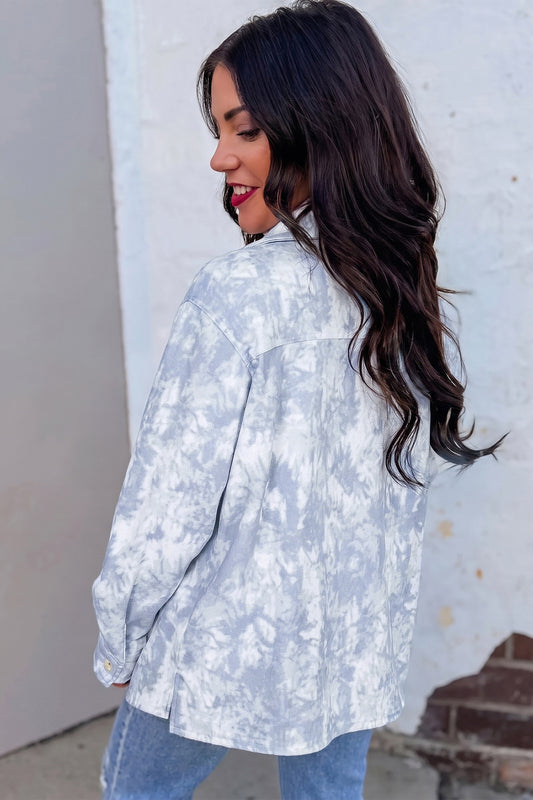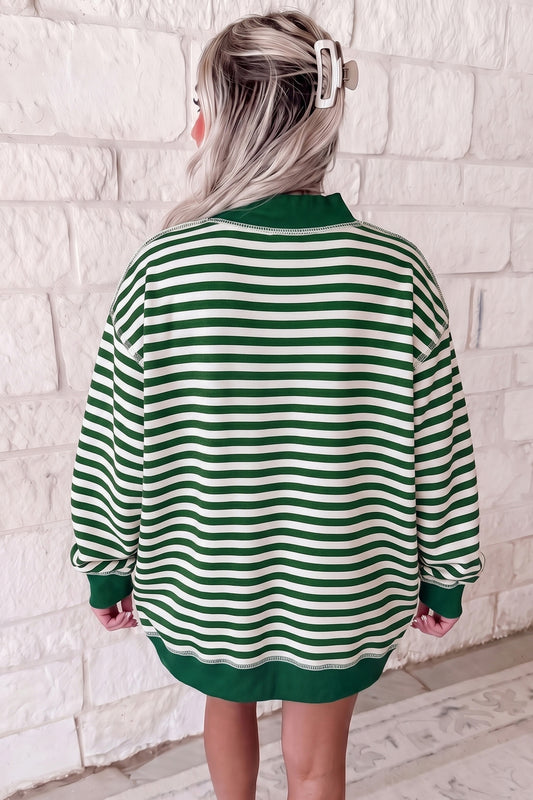

What Are Common Layering Mistakes?
Layering your outfits can transform a basic look into a polished, fashion-forward statement. But doing it wrong? That can throw off your entire silhouette, add bulk, or leave you freezing at the worst moment. In this guide, we break down the most common layering mistakes, how to fix them, and what principles you can follow to create chic, functional outfits for any season. You’ll learn about base layers, color harmony, fabric choice, and how to avoid the dreaded bulky look. We’ll also point you to key pieces in the Hanna Banna Clothing lineup that will help you layer smart and stylishly.
The Art of Layering: Done Right, It’s Effortless
There’s a fine line between stylishly layered and, well, just plain overdone. When layering is executed with intention, it becomes one of the most powerful tools in your wardrobe. You stay warm, adapt to changing weather, and create rich depth and movement in your outfit. But get the layers wrong, and suddenly your look goes from modern to messy.
At its core, layering isn’t about stacking as many garments as possible—it’s about creating balance, using texture, and thinking about proportions. Let’s break down where people go wrong and how you can stay firmly in the stylish camp.
Mistake #1: Overcomplicating the Look
“Simplicity is the ultimate sophistication.” – Leonardo da Vinci
One of the most common mistakes people make is trying to incorporate too many layers, colors, or statement pieces in a single outfit. The result? A busy, overwhelming ensemble that lacks cohesion.
Instead, try this:
-
Start with a clean base, like a fitted tee or tank.
-
Add one statement layer, like a cropped knit or tailored jacket.
-
Top it with an outerwear piece that defines the silhouette.
Keep your color palette to two or three tones to make outfit coordination easier and more elegant. You can explore beautifully streamlined layering pieces in our curated tops collection to build that clean foundation.
Mistake #2: Ignoring Base Layer Quality
The base layer is where it all begins—but it’s often overlooked. Whether you’re building a chic fall outfit or prepping for a winter chill, starting with the wrong base (like heavy cotton or worn-out fabrics) is a mistake that can ruin the whole look. Poor-quality base layers can trap moisture, lose shape, and cling in all the wrong places.
What works better:
-
Choose moisture-wicking fabrics like synthetic fibers or merino wool.
-
Prioritize fit and breathability—you want a base layer that supports mobility, not restricts it.
For ultimate comfort and temperature control, check out our loungewear collection for ultra-soft, breathable base options that don’t sacrifice style.
Mistake #3: Losing Your Shape in the Layers
When every layer is loose or oversized, the result is an undefined, boxy frame. This is one of the most visually common layering mistakes—it swallows your figure whole.
You don't have to go full bodycon to look put-together, but maintaining some waist definition is key. Think belts, fitted base pieces, or proportion tricks.
Blocky silhouettes happen when layering ignores the natural shape of the body.
How to maintain proportions:
-
Add a belt over cardigans or coats.
-
Pair longer tops with fitted bottoms, like high-rise leggings or yoga pants.
-
Mix up your lengths—cropped jackets over longer tees or dresses can do wonders for your silhouette.
Keep in mind the "Rule of Thirds": avoid cutting your body in half visually. Break it into three parts for more flattering proportions.
Mistake #4: Overdressing for the Wrong Weather
You might think more layers = more warmth. But especially in transitional seasons or active settings, overdressing backfires. As your body heats up, sweat builds, and if your clothes don’t ventilate, you get cold the moment you stop moving.
This is where temperature regulation meets style. Being prepared doesn’t mean dressing like a marshmallow.
Pro tip:
-
Use breathable outer layers.
-
Wear pieces that can be easily removed or added throughout the day.
A modern outerwear piece with structured design and ventilation details can help you stay warm and stylish without overheating.
Mistake #5: Neglecting the Role of Fabrics
Texture is your friend—when used intentionally. But when people pile on fabrics without thinking about how they interact (visually and functionally), it can throw off the entire outfit.
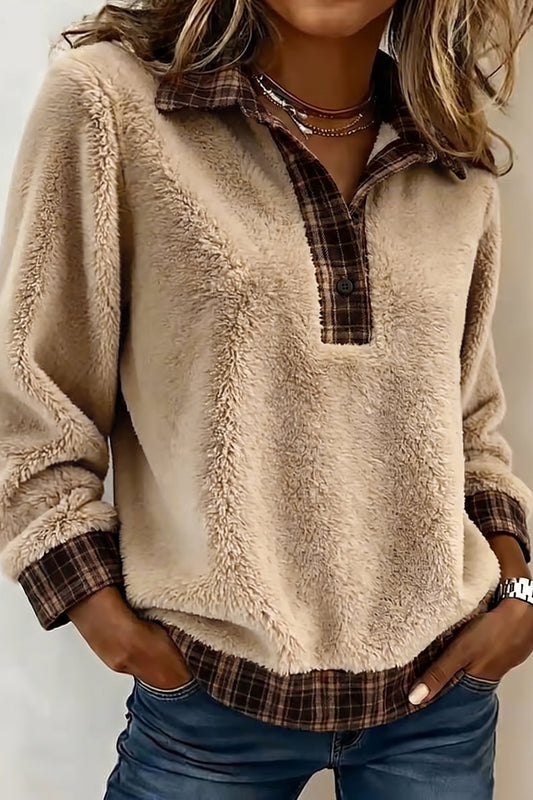
For instance, wearing chunky wool under a stiff blazer creates a compressed, bulky look. Or mixing heavy corduroy with fleece and leather without a balancing element leads to visual chaos.
Think of your layers like a conversation—each fabric should complement the others, not compete.
Smart layering strategies include:
-
Mixing textures like silk, cotton, and wool with intention.
-
Keeping heavier textures on the outside.
-
Prioritizing fabric breathability and moisture management.
Try layering a relaxed lightweight dress with a textured cardigan from our dresses collection and a structured coat. The result? An elevated look that’s both warm and dimensional.
Mistake #6: Clinging to Outdated Outerwear
Outerwear isn’t just the final piece of your outfit—it’s the first thing everyone sees. And if it looks dated, so does your entire look. Even if everything underneath is styled beautifully, a coat with oversized lapels or a tired silhouette instantly drags your outfit back a decade.
Think of outerwear as the punctuation mark to your style sentence—it needs to be current, clean, and intentional.
The Fix:
-
Look for modern cuts: think cropped puffers, belted wrap coats, or minimalist trenches.
-
Swap overly ornate or boxy shapes for sleeker, tailored fits.
-
Neutral tones like camel, navy, or black always feel fresh and versatile.
We recommend browsing our outerwear collection for jackets and coats designed to align with contemporary fashion while being layer-friendly.
Mistake #7: Wearing Bulky Sweaters Under Slim Jackets
This is a layering classic—but not in a good way. Trying to squeeze a chunky knit into a slim-fit blazer or moto jacket never works. It leads to restricted movement, uncomfortable compression, and a bulky look around the arms and shoulders.
Smart Layering Strategy:
-
Use a lightweight knit or fitted turtleneck under tailored pieces.
-
Save heavier knits for outermost layers or wear them under oversized coats.
-
Consider sleeveless sweater styles or cropped knits to reduce bulk.
For an outfit that keeps you warm and structured, try pairing a fitted knit with a relaxed jacket and tapered bottoms to maintain clean proportions.
Mistake #8: Neglecting the Power of Accessories
Belts. Scarves. Bags. They’re not afterthoughts—they’re structure, personality, and polish all in one. A common mistake is thinking accessories are purely decorative, when in fact they play a huge role in waist definition, shape control, and outfit coordination.
A belt can define your silhouette. A scarf can tie your color palette together. A bag can make or break seasonal cohesion.
Chic Layering Tips with Accessories:
-
Belt a long cardigan to add shape.
-
Use scarves to introduce a pop of texture or contrast.
-
Choose structured bags that complement your palette (e.g., no summer straw bags with winter coats).
Need style-neutral footwear to complement your layered look? Our shoes collection includes versatile options that finish your outfit with intention.
Mistake #9: Ignoring Climate and Functionality
It’s easy to get caught up in styling layers for the aesthetic—oversized scarves, thick vests, multiple longlines—but forget that functional layering is about adapting to your climate and activity level. Layering should allow for temperature regulation, especially in fluctuating conditions.
Layer-Friendly Clothing Features to Look For:
-
Breathable materials like cotton-modal blends or merino wool
-
Outerwear with vents or zippered slits
-
Easy-to-remove mid-layers for quick adjustment
Seasonal fabrics also matter. That fuzzy mohair might look great, but if you’re sweating 10 minutes into wearing it, you’ve missed the mark. Build your look with pieces from our loungewear collection, which works beautifully as functional layering pieces while remaining breathable and stylish.
Mistake #10: Lack of Layer Order Planning
This one sneaks up on you. Even when all your individual pieces are great, layering them in the wrong order—say, thick under light, or short over long—breaks the natural flow of an outfit. It can also create layer compression issues, where garments wrinkle or bunch underneath, creating awkward bulges and disrupting your silhouette.
Visual & Functional Layering Order:
-
Base layer: Moisture-wicking and fitted
-
Mid-layer: Texture or structure (e.g., cardigan or sweater)
-
Top layer: Statement coat or weatherproof jacket
To build this clean vertical layering logic, start with core garments that hold their shape, like those found in our streamlined leggings and yoga pants, which pair well with longline cardigans, knits, or tunics.
Smart Layering Strategies: Dos and Don’ts
Whether you’re dressing for a chilly autumn afternoon or a freezing winter morning, layering well comes down to intentionality. These quick tips will keep you grounded:
✅ Layering Dos:
-
Do start with a fitted base layer for moisture control and shape retention.
-
Do mix textures (e.g., knit, denim, jersey) to add dimension and visual interest.
-
Do maintain a clear silhouette, using belts or strategic tailoring.
-
Do keep a focused color palette (2-3 colors max) for harmony.
-
Do consider breathability and climate adaptability.
❌ Layering Don’ts:
-
Don’t wear heavy knits under tight outerwear—it creates tension and limits movement.
-
Don’t stack oversized layers—they’ll hide your shape.
-
Don’t mismatch seasonal accessories (e.g., a straw bag with a wool coat).
-
Don’t overlook the importance of proportion—cropped over long, fitted over loose.
-
Don’t forget to check your outfit from all angles—bulges and bunching can ruin the look.
These layering dos and don’ts are the foundation of a confident wardrobe that adapts to both your lifestyle and the weather.
Building a Transitional Wardrobe That Layers Like a Dream
If you’ve ever stood in front of your closet during a season shift wondering what to wear, you’re not alone. The secret isn’t buying more clothes—it’s buying smarter. A transitional wardrobe built for layering should include:
-
Base staples: breathable, fitted tops and leggings
-
Mid-layers: soft knits, cardigans, button-downs
-
Outer layers: trench coats, puffers, or tailored jackets
-
Seasonal dresses: that pair easily with tights or boots
-
Layer-friendly shoes: sleek sneakers, ankle boots, or minimalist flats
Need somewhere to start? Our bottoms collection offers the perfect pairings for layered looks—from streamlined joggers to cozy knit pants that complement any top layer.
Essentials for a Layer-Savvy Capsule Wardrobe:
-
Neutral-toned tops for mixing and matching
-
Lightweight dresses that can be layered under sweaters or jackets
-
A go-to outerwear piece that fits comfortably over multiple layers
-
Breathable loungewear you can style up or down
These basics, when combined thoughtfully, allow you to create dozens of layered combinations without adding bulk or complexity.
Layered Outfit Ideas Using Hanna Banna Clothing
Here are a few layered outfit formulas using real pieces from our store to inspire your next cold-weather or transitional look:
1. The Elevated Everyday Look
Foundation: A fitted long-sleeve from our tops collection
Layer 2: A button-up cardigan or relaxed knit
Top layer: Tailored wrap coat from our outerwear collection
Bottom: Slim-fit joggers or knit pants from loungewear
Shoes: Clean sneakers or sleek ankle boots from shoes
2. Cozy Weekend Layers
Foundation: Soft leggings from our leggings & yoga pants
Layer 2: Chunky knit sweater
Top layer: Oversized puffer or bomber
Accessories: Knit scarf and structured crossbody
Function: Great for morning markets, brunches, or travel
3. Chic Office-to-Evening Layers
Foundation: Neutral knit top
Layer 2: Midi dress from the dresses collection (styled like a long tunic)
Top layer: Cropped blazer
Shoes: Sleek loafers or minimalist heels
This look plays with texture mixing while maintaining a strong silhouette—ideal for professional settings or evening transitions.
Final Thoughts: Style is in the Details
To wrap it up, layering isn’t just a cold-weather skill—it’s a styling philosophy. It’s the dance between form and function, between chic and comfortable, between fabric and fit.
When done right, your layers move with you, adapt to your day, and make your outfit more than the sum of its parts. Whether you’re dressing for warmth or style (or both), remember that every layer has a job—to flatter, function, and feel like you.
Before your next outing, take a fresh look at your closet. If any layer feels like it’s adding bulk instead of beauty, it might be time to rethink—or refresh.
Explore new layering staples in our full Hanna Banna Clothing collection and make every outfit a lesson in effortless layering.
Frequently Asked Questions: Common Layering Mistakes
1. Can you layer clothes in warm weather without overheating?
Yes, layering isn't just for cold weather. In warmer climates, opt for lightweight, breathable fabrics like cotton, bamboo, or linen. Focus on breathability and ventilation—think flowy tops over tanks, open button-downs over camis, or sheer layers that add dimension without heat.
2. How do I layer without looking frumpy or older than I am?
Avoid shapeless or overly long layers that hide your natural silhouette. Instead, emphasize waist definition with belts, cropped outerwear, or tucking your base layer. Stick to modern cuts and current trends like oversized outerwear balanced with slim-fit pants.
3. What layering mistakes make petite figures look shorter?
Wearing too many long or oversized layers can overwhelm a petite frame. To elongate your silhouette:
-
Avoid breaking the body in half horizontally.
-
Choose cropped jackets or high-waisted bottoms.
-
Keep layers fitted and proportionate.
-
Opt for monochromatic color palettes to create vertical flow.
4. How can layering go wrong with accessories like scarves or hats?
Accessories are great for layering but can become overpowering. The mistake comes from using too many at once or clashing styles (e.g., a chunky knit hat with a silky trench). Choose one statement piece and keep the rest minimal for balance and outfit cohesion.
5. What are the best layering tips for curvy body types?
Curvier figures benefit from strategic layering that enhances curves without adding volume. Try:
-
Fitted base layers with open cardigans or wrap coats.
-
Belts at the waist to emphasize shape.
-
Avoiding bulky fabrics in areas where you want less volume.
The key is layering for shape, not coverage.
6. Are there common layering mistakes with prints and patterns?
Absolutely. Layering multiple bold prints without a neutral base can lead to visual overload. Stick to:
-
One standout print
-
Neutral or solid-colored layers to anchor the look
-
Consider pattern scale balance—small prints under larger ones tend to look more harmonious
7. Is it okay to mix different seasonal items when layering?
Yes, but it has to be done intentionally. A common mistake is pairing heavy winter fabrics (like wool) with distinctly summer items (like linen shorts or sandals). If you're mixing seasons, keep color harmony and fabric weight compatibility in mind.
8. How can I layer while traveling without packing too much?
Layering while traveling is all about versatility. Many overpack by bringing individual outfits instead of multi-use layers. Instead, focus on:
-
1–2 base layers (tees, tanks)
-
1 mid-layer (cardigan or hoodie)
-
1 versatile outer layer
-
Items that mix and match easily
Stick to a neutral capsule wardrobe to layer without bulk.
9. Why do some layered outfits feel restrictive or uncomfortable?
This usually comes down to ignoring layer compression issues or poor fit and mobility. Each layer should allow for movement—tight under tight restricts circulation and flexibility. Opt for ergonomic cuts, especially in your mid and outer layers.
10. What’s the biggest layering mistake beginners make?
Trying to follow every trend at once. Beginners often overdo it—too many textures, colors, accessories, and pieces. The best place to start is mastering the Rule of Three: base, mid, outer. Stick with neutral tones, clean lines, and pieces that fit well. Simplicity first—style second.