
Vintage Dresses: A Journey Through Time
The Romance of Vintage Dresses
Why Vintage?
There's something incredibly enchanting about vintage dresses, wouldn't you agree? It's more than just a love for old clothing. It's a yearning for the timeless elegance and sophistication of bygone eras, the stories woven into every seam, and the ability to express one's unique style through historical fashions. It's a tangible connection to our past that allows us to appreciate the evolution of fashion throughout time.
Elements of Vintage Fashion
When we think of vintage fashion, what comes to mind? Is it the ruffles and lace, the hand-embroidered motifs, or perhaps the exquisite tailoring? There are several elements that define vintage fashion, but it primarily boils down to quality craftsmanship, enduring style, and an attention to detail that is often lacking in modern fast fashion. Vintage clothing captures the essence of an era, reflecting its social, economic, and cultural nuances.
The Early 1900s: Edwardian Elegance
Fashion of the Time
The early 1900s, also known as the Edwardian era, heralded a period of lavish elegance. This was a time of swan-bill corsets, hourglass silhouettes, and high collars adorned with lace. Vintage dresses from this era exuded a delicate femininity, with large hats, intricate embroidery, and voluminous skirts adding to their allure.
Iconic Vintage Dresses
During the Edwardian era, the Gibson Girl look was all the rage. Named after artist Charles Dana Gibson's illustrations, the Gibson Girl represented the ideal woman of the era. The vintage dresses associated with this look often had high collars, wide-brimmed hats, and were worn with s-shaped corsets to create the coveted hourglass figure. Such dresses are treasured by vintage enthusiasts for their timeless elegance and rich historical context.
The journey continues through different eras, from the flapper style of the 1920s, the Hollywood glamour of the 1930s, wartime chic of the 1940s, the revolutionary 'New Look' of the 1950s, the mod and mini trends of the 1960s, disco and hippie vibes of the 1970s, power dressing of the 1980s, to the minimalist movement of the 1990s. Each era brought along its unique fashion trends and iconic vintage dresses. We end our journey by discussing how to embrace vintage fashion today and how to care for these treasures to keep their charm alive.
The Roaring 1920s: Flappers and Fringes
Fashion of the Time
Swing into the 1920s, an era characterized by jazz music, economic prosperity, and significant cultural shifts. This period saw a dramatic change in women's fashion. Traditional restrictive clothing gave way to more comfortable, loose-fitting dresses that allowed for more movement and freedom. The flapper dress, characterized by its straight cut, low waistline, and abundance of fringes, became the emblem of the roaring twenties. The 1920s woman was bold, daring, and ready to challenge societal norms, and their clothing choices reflected this newfound liberation.
Iconic Vintage Dresses
The quintessential 1920s vintage dress is the flapper dress. With its sequins, beading, and fringes, the flapper dress was a declaration of the wearer's desire for fun and freedom. Combined with bobbed hair, cloche hats, and long strands of pearls, it was a head-turning look that continues to captivate fashion lovers to this day.
The 1930s: Hollywood Glamour
Fashion of the Time
The 1930s were defined by Hollywood glamour. The economic hardships of the Great Depression saw a move towards simpler, yet elegant silhouettes. Bias-cut gowns that accentuated a woman's curves, puff sleeves, and broad-shouldered looks dominated the fashion scene. Evening wear was particularly glamorous, with satin gowns, fur trims, and art deco designs taking center stage.
Iconic Vintage Dresses
The epitome of 1930s vintage fashion is the bias-cut gown. This style, popularized by French designer Madeleine Vionnet, clung to the body, highlighting the natural curves of the female form. Bias-cut gowns, often made from silk or satin, exuded an understated elegance that perfectly captured the essence of the 1930s.
The 1940s: Wartime Chic
Fashion of the Time
The 1940s fashion was heavily influenced by World War II. Due to fabric rationing, dresses became simpler and more practical. The silhouette was broad-shouldered, with nipped-in waists and knee-length skirts, creating what is often referred to as a 'military look'. Women wore trousers more than ever before, and functional details like pockets became a key feature. Despite the restrictions, there was still an element of chic in 1940s fashion.
Iconic Vintage Dresses
The shirtwaist dress is a classic example of 1940s vintage fashion. It was simple, practical, and could be worn for various activities, from working in factories to running errands. With its collared neckline, button-down front, and A-line skirt, the shirtwaist dress remains a beloved style among vintage fashion enthusiasts.
Our journey continues through the revolutionary fashion trends of the subsequent decades, culminating in the current vintage revival, where styles of yesteryears are being embraced with modern twists. The article also provides practical advice on how to incorporate vintage pieces into your wardrobe and how to preserve these timeless treasures.
The 1950s: New Look Revolution
Fashion of the Time
The 1950s marked the birth of the "New Look," a fashion revolution initiated by the iconic designer Christian Dior. The decade saw a move away from the austere fashion of the war years to more feminine and extravagant styles. The "New Look" silhouette, characterized by its cinched waist, full skirt, and accentuated bust, became the standard. There was a return to glamour, with an emphasis on luxury fabrics, intricate details, and dramatic shapes.
Iconic Vintage Dresses
The most emblematic 1950s vintage dress is the "New Look" dress. With its hourglass shape and voluminous skirt, it exuded femininity and elegance. Another popular style was the pencil dress, also known as the wiggle dress, which fitted closely to the body, emphasizing a woman's curves. These dresses, often accessorized with pearls and high heels, encapsulated the sophisticated glamour of the 1950s.
The 1960s: Mod and Mini
Fashion of the Time
The 1960s was a decade of youth and rebellion. This was reflected in the radical changes in fashion. The "mod" look, characterized by its geometric patterns, bright colors, and slim-fitting styles, dominated the early part of the decade. As the 1960s progressed, the mini dress, with its daringly short hemline, became the fashion statement of the era. The 1960s was all about breaking rules and pushing boundaries, and its fashion certainly reflected this.
Iconic Vintage Dresses
The mini dress is undoubtedly the most iconic 1960s vintage dress. Whether it was in bold prints or bright solids, the mini dress was a symbol of the youth and liberation movement of the 1960s. The A-line shift dress, often adorned with geometric or psychedelic prints, was another popular style, representing the "mod" look of the era.
We continue our journey through the bohemian styles of the 1970s, the power suits of the 1980s, and the grunge and minimalist trends of the 1990s. The article also provides practical tips on how to style vintage dresses and how to care for these precious pieces to ensure their longevity.
The 1970s: Bohemian Rhapsody
Fashion of the Time
The 1970s was a decade of diversity and self-expression. The fashion of this era was eclectic and free-spirited, reflecting the influence of various countercultural movements. The "hippie" look, with its bell-bottoms, tie-dye prints, and flowing maxi dresses, was particularly popular. The decade also saw the rise of the disco style, characterized by its glittery outfits and platform shoes.
Iconic Vintage Dresses
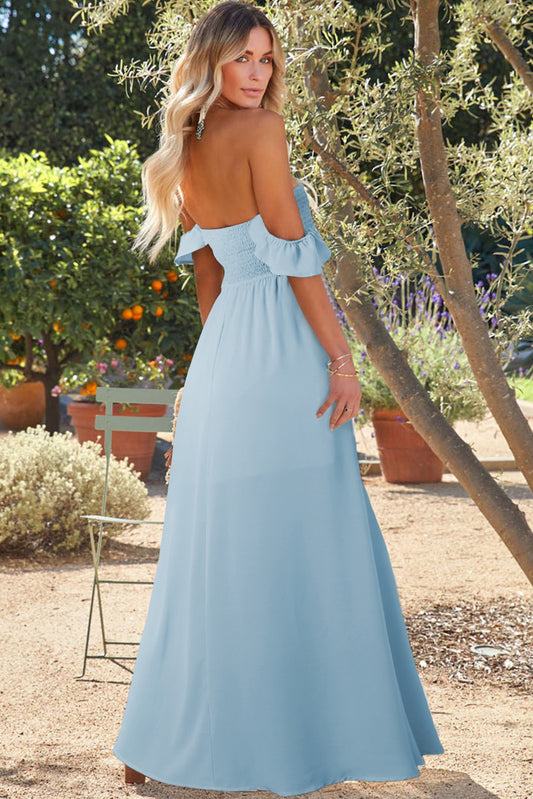
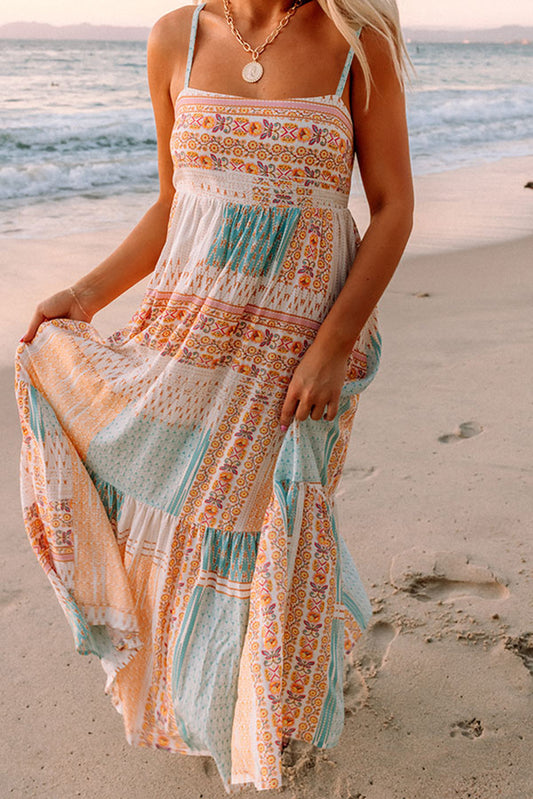
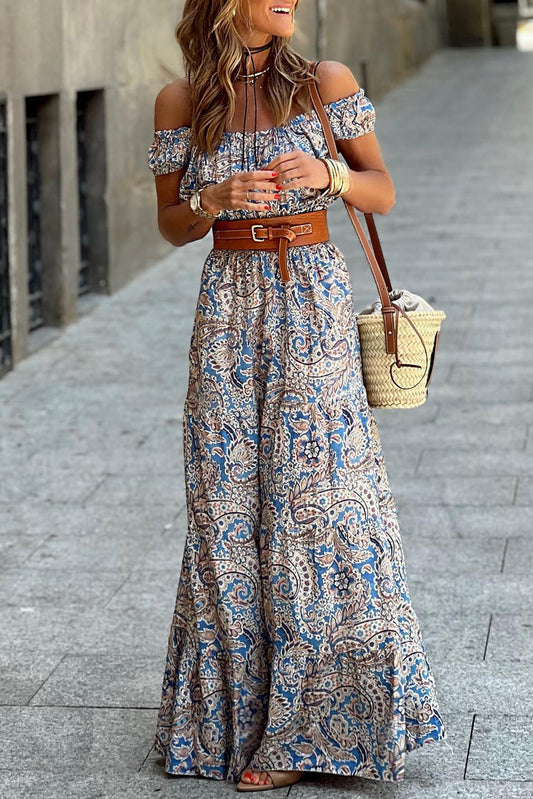
The maxi dress is the quintessential 1970s vintage dress. With its long length, often in floral or psychedelic prints, the maxi dress was a key part of the hippie look. The wrap dress, invented by Diane von Furstenberg, is another iconic style from this era. This flattering dress, with its V-neck and tie waist, was a symbol of women's liberation and remains a staple in many women's wardrobes today.
The 1980s: Power Dressing
Fashion of the Time
The 1980s was a decade of extravagance and boldness. This was the era of power dressing, where clothing was used to express status and confidence. Women's fashion was influenced by the fitness craze, the punk rock movement, and the glam of pop music. The 1980s saw the rise of oversized silhouettes, neon colors, and an abundance of sequins and shoulder pads.
Iconic Vintage Dresses
The power dress is an iconic 1980s vintage dress. This style, often in bold colors or large prints, featured shoulder pads, peplums, and wide belts to create a strong, authoritative look. Another popular style was the bodycon dress, a tight-fitting dress that emphasized the body's shape, often worn in neon colors or with bold patterns.
Our journey ends with the grunge and minimalist trends of the 1990s and early 2000s, before looping back to the current vintage revival, where styles of the past are embraced with contemporary twists. The article further provides practical tips on how to source and style vintage dresses and how to care for these priceless pieces.
The 1990s: Minimalism and Grunge
Fashion of the Time
In contrast to the flamboyance of the 1980s, the 1990s saw a return to minimalism. Clean lines, neutral colors, and pared-back styles dominated the fashion landscape. The grunge look, characterized by its laid-back and nonchalant aesthetic, was a significant trend of this era. Flannel shirts, oversized sweaters, and ripped jeans were key components of the grunge style.
Iconic Vintage Dresses
The slip dress is an iconic vintage dress from the 1990s. Initially considered an undergarment, the slip dress was brought into mainstream fashion by designers like Calvin Klein and Kate Moss. Often made of satin or silk, these dresses were simple yet sexy. Another iconic 90s dress is the babydoll dress. With its high waistline and short length, it was a staple in any grunge wardrobe.
The 2000s: Eclectic Styles
Fashion of the Time
The 2000s was a decade of fashion experimentation. Influences ranged from the pop-punk aesthetic to the boho-chic style. The decade also saw a surge in logo-centric clothing and the popularity of denim in all forms. However, the most significant fashion trend was the revival and reinterpretation of styles from previous decades.
Iconic Vintage Dresses
The bandage dress is an iconic vintage dress of the 2000s. Introduced by Hervé Léger, these form-fitting dresses were a fixture on red carpets and in nightclubs. Another notable style was the maxi dress, which, inspired by the bohemian aesthetic of the 1970s, made a comeback in a variety of colors, patterns, and materials.
FAQs
-
What is considered a vintage dress? A vintage dress generally refers to a garment that is at least 20-30 years old. It's a piece of clothing that reflects the styles and trends of the era it was made.
-
Why are vintage dresses popular? Vintage dresses have a unique charm and character that can't be found in contemporary fashion. They offer high quality, uniqueness, and a sense of nostalgia. Additionally, buying vintage is a sustainable choice, as it promotes reuse and reduces the demand for new production.
-
How to style a vintage dress? Styling a vintage dress can be a lot of fun! You can go full-on retro by pairing it with accessories from the same era or mix it up with modern pieces for a more contemporary look. The key is to make the outfit feel cohesive and reflective of your personal style.
-
Where to buy vintage dresses? Vintage dresses can be found in various places, including vintage shops, thrift stores, online marketplaces like Etsy and eBay, and even flea markets. Some contemporary brands also offer vintage-inspired collections.
-
How to care for vintage dresses? Proper care for vintage dresses can vary based on the material and age of the garment. Generally, it's best to hand wash or dry clean vintage clothing. Always store them in a cool, dry place and away from direct sunlight.
-
Are vintage dresses a good investment? Absolutely! Not only do vintage dresses have historical and aesthetic value, but they can also increase in value over time. Especially rare or designer pieces can be quite valuable.
With this detailed journey through time, "Vintage Dresses: A Journey Through Time" presents a rich exploration of vintage fashion history. It's a must-read for any fashion enthusiast or vintage lover.