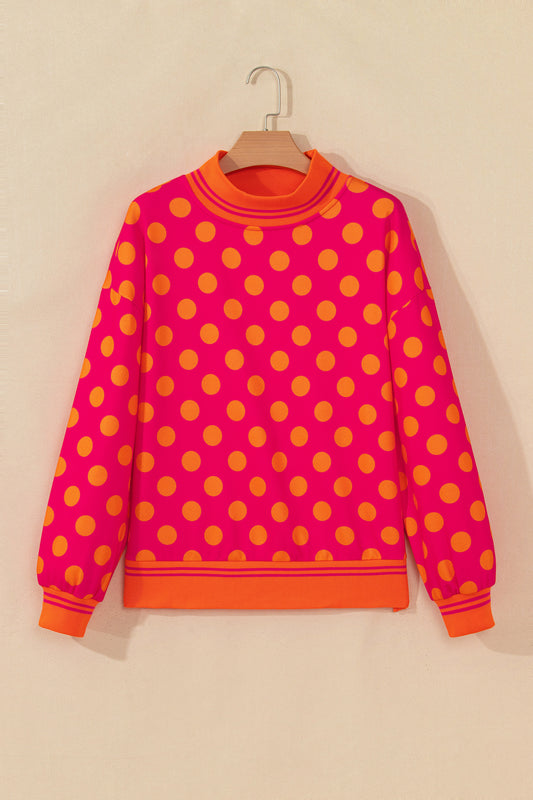

Silk Dresses: The Epitome of Elegance
Silk dresses have long been celebrated as the epitome of elegance. From their luxurious feel against the skin to their ethereal draping, silk dresses exude sophistication and grace. This comprehensive guide will take you on a journey into the world of silk dresses, exploring their timeless appeal, styling options, care tips, and more. Whether you're a fashion enthusiast, a bride-to-be, or simply someone who appreciates the beauty of fine fabrics, this article is your ultimate resource for all things silk dresses.
Silk Dresses: The Epitome of Elegance
Silk dresses hold a special place in the world of fashion, known for their unmatched elegance and allure. The epitome of sophistication, these dresses have captured the hearts of women for centuries. Their lustrous sheen, smooth texture, and delicate drape make them a coveted choice for various occasions. From red carpet events to weddings, silk dresses never fail to make a statement.
The History of Silk Dresses
Silk dresses have a rich history that dates back thousands of years. Originating in ancient China, silk was initially reserved for royalty due to its rarity and luxurious nature. Over time, silk production spread to other parts of the world, including Europe and the Middle East. The popularity of silk dresses grew during the Renaissance era, and they became a symbol of wealth and status. Today, silk dresses continue to captivate fashion enthusiasts worldwide, carrying the legacy of elegance and refinement.
Types of Silk Used in Dresses
Silk dresses are crafted from various types of silk, each with its unique characteristics. Some of the most commonly used silks in dressmaking include:
-
Mulberry Silk: Known for its exceptional quality, mulberry silk is prized for its smooth texture, natural sheen, and durability. It is the most sought-after silk for creating luxurious silk dresses.
-
Charmeuse Silk: Charmeuse silk is renowned for its satin-like finish and fluid drape. It has a glossy surface on one side and a matte finish on the other, making it a versatile choice for different dress styles.
-
Organza Silk: Organza silk is a lightweight and sheer fabric often used for creating ethereal and romantic silk dresses. It has a crisp texture and adds volume and structure to garments.
-
Dupioni Silk: Dupioni silk is characterized by its slubbed texture, created by irregularities in the silk threads. It is commonly used for creating elegant, structured silk dresses, especially for formal events.
Choosing the Perfect Silk Dress
When it comes to selecting a silk dress, several factors come into play. Consider the following tips to find the perfect silk dress that complements your style and body shape:
-
Body Shape: Different dress silhouettes flatter different body types. A-line dresses are ideal for pear-shaped figures, while sheath dresses accentuate hourglass shapes.
-
Color and Print: Choose colors and prints that suit your skin tone and personal style. Classic neutrals, vibrant jewel tones, and timeless floral prints are popular choices for silk dresses.
-
Occasion: Consider the event or occasion for which you're purchasing the dress. Opt for a cocktail dress for semi-formal gatherings or a long, flowing gown for black-tie events.
-
Neckline and Sleeves: Neckline and sleeve styles can enhance your overall look. From strapless and off-the-shoulder designs to cap sleeves and long sleeves, choose what suits you best.
-
Accessories: Complete your silk dress ensemble with carefully chosen accessories such as statement jewelry, elegant heels, and a complementary handbag.
Styling Silk Dresses
Silk dresses offer endless possibilities for styling, allowing you to create a look that is both timeless and trendy. Here are some styling ideas to help you make a statement with your silk dress:
-
Layering: Pair your silk dress with a tailored blazer or a lightweight cardigan for a chic and polished look.
-
Belts and Waist Cinchers: Define your waist and add visual interest by accessorizing your silk dress with a belt or waist cincher.
-
Statement Jewelry: Elevate your ensemble with statement jewelry pieces such as chandelier earrings, a bold cocktail ring, or a layered necklace.
-
Footwear: Choose footwear that complements your dress and the occasion. Opt for strappy sandals, classic pumps, or ankle boots, depending on the dress style and season.
-
Outerwear: When the temperature drops, layer your silk dress with a stylish coat, a leather jacket, or a cozy wrap for added warmth and style.
Silk Dresses for Different Occasions
Silk dresses are versatile and can be worn for a variety of occasions. Here are some ideas for incorporating silk dresses into different events:
-
Weddings: Silk dresses are a popular choice for wedding guests and bridesmaids. Opt for soft pastel shades or rich jewel tones to complement the wedding theme.
-
Cocktail Parties: Make a statement at cocktail parties with a knee-length silk dress in a vibrant color or an eye-catching print. Pair it with strappy heels and minimal accessories for a sophisticated look.
-
Formal Galas: For formal galas and black-tie events, opt for a floor-length silk gown in a classic silhouette. Consider embellishments like beading or lace for an added touch of elegance.
-
Summer Soirées: Embrace the summer season with a flowing silk maxi dress in a breezy silhouette. Choose light, pastel colors and pair it with strappy sandals for a fresh and elegant look.
Silk Dress Care and Maintenance
To ensure your silk dress retains its beauty and lasts for years to come, proper care and maintenance are essential. Follow these tips to keep your silk dress in pristine condition:
-
Dry Cleaning: Silk dresses should be dry cleaned to maintain their luster and prevent damage. Choose a reputable dry cleaner experienced in handling delicate fabrics.
-
Storage: Store your silk dress in a cool, dry place away from direct sunlight. Avoid hanging silk dresses as they may stretch. Instead, fold them carefully and store them in a breathable garment bag.
-
Ironing: Iron silk dresses on a low heat setting or use a steamer to remove wrinkles. Always iron the dress inside out and place a pressing cloth between the iron and the fabric to prevent damage.
-
Avoid Stains: Be cautious while wearing silk dresses to avoid stains. If a spill occurs, blot the stain gently with a clean cloth and seek professional help for stubborn stains.
How to Remove Stains from Silk
Silk is a delicate fabric, and removing stains requires gentle care. Here's a step-by-step guide to removing common stains from silk dresses:
-
Oil-Based Stains: Gently blot the stain with a clean, dry cloth to absorb excess oil. Then, sprinkle talcum powder or cornstarch on the stain to absorb the oil. Leave it for a few hours or overnight. Brush off the powder and launder as per the care instructions.
-
Water-Based Stains: For water-based stains like coffee or wine, immediately blot the stain with a clean, damp cloth. Avoid rubbing, as it can spread the stain. Use a mild detergent or stain remover specifically formulated for silk and follow the instructions carefully.
-
Ink Stains: Place a clean cloth or paper towel under the stain to absorb the ink. Dampen a cotton swab or cloth with rubbing alcohol and gently dab the stain, starting from the outer edges and moving inward. Blot with a clean cloth and repeat until the stain is gone.
-
Makeup Stains: For makeup stains, use a gentle makeup remover or pre-treatment solution. Apply it to a clean cloth and blot the stain. Rinse the area with cold water and launder as per the care instructions.
Frequently Asked Questions
Q: Are silk dresses suitable for all body types?
A: Yes, silk dresses are versatile and can flatter various body types. Choose dress silhouettes that highlight your best features and create a balanced look.
Q: How should I store my silk dress?
A: Store your silk dress in a cool, dry place away from direct sunlight. Folding the dress carefully and storing it in a breathable garment bag is recommended.
Q: Can I wash silk dresses at home?
A: It's best to dry clean silk dresses to maintain their quality. If the care label indicates that handwashing is possible, follow the instructions carefully.
Q: Are silk dresses suitable for summer wear?
A: Absolutely! Silk dresses are lightweight and breathable, making them an excellent choice for summer. Opt for flowing silhouettes and lighter colors for a fresh and elegant look.
Q: How do I remove wrinkles from a silk dress?
A: Use a steamer or iron your silk dress on a low heat setting. Always iron the dress inside out and place a pressing cloth between the iron and the fabric to prevent damage.
Q: Can I wear silk dresses in colder seasons?
A: Yes, silk dresses can be styled for colder seasons by layering them with outerwear such as coats, jackets, or wraps. Add tights or leggings and pair with boots for a cozy and stylish ensemble.
Conclusion
Silk dresses are more than just garments; they are symbols of timeless elegance and refinement. From their illustrious history to their versatile styling options, silk dresses continue to captivate fashion enthusiasts around the world. By following proper care and maintenance practices, you can ensure that your silk dress remains a cherished wardrobe piece for years to come. Embrace the allure of silk dresses and experience the epitome of elegance.