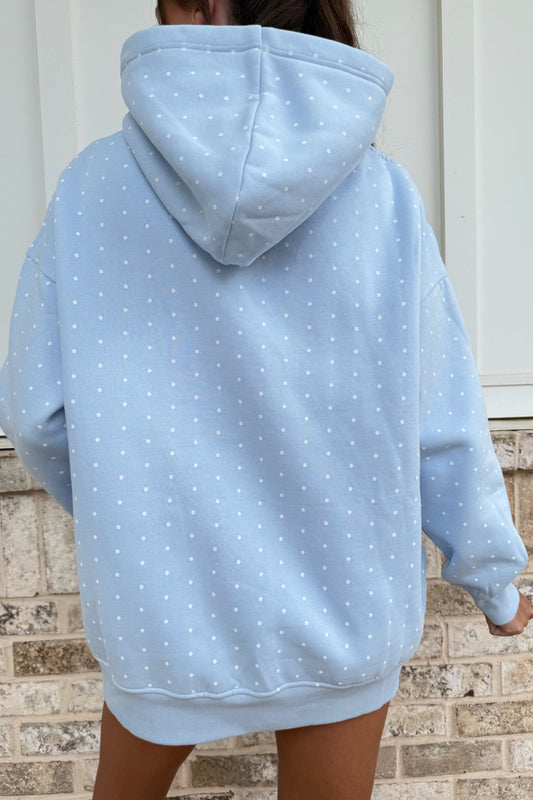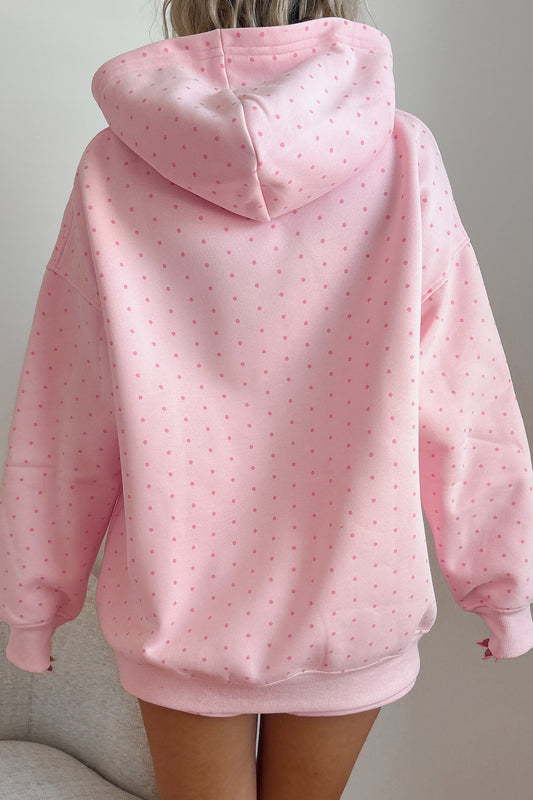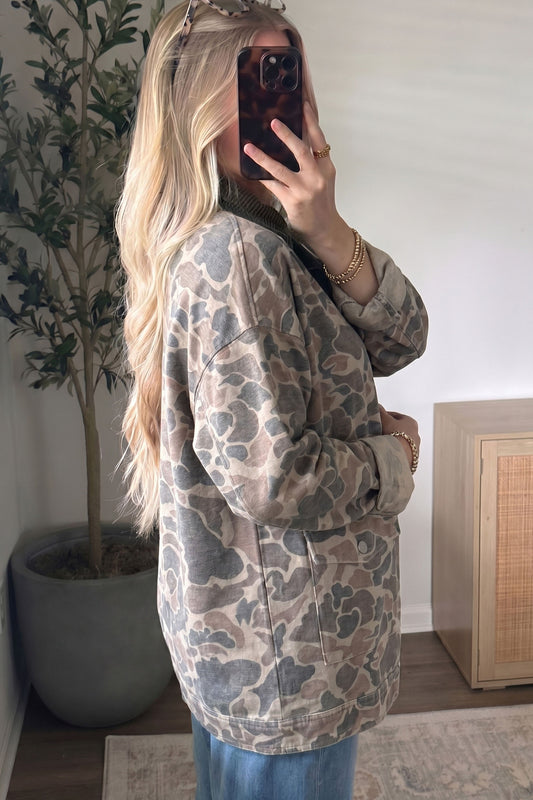
Is It Worth Buying Trendy Pieces A Smart Guide to Fast Fashion

Is It Worth Buying Trendy Pieces? A Smart Guide to Fast Fashion

Trendy pieces can be fun, expressive, and affordable—but they often come with a hidden cost: low longevity, impulse purchases, and wasted money. This guide explores fast fashion vs investment pieces, helping you understand when trends are worth it and when timeless staples win. By focusing on cost-per-wear analysis, smart wardrobe spending, and a balanced wardrobe investment strategy, you can build a closet that feels current and lasts longer—without falling into the trap of constant buying.

The Truth About Trends: Why We’re Drawn to Fast Fashion

Walk into any store or scroll through social media, and it’s impossible to ignore the pull of micro-trends fashion. One week it’s oversized blazers, the next it’s minimal neutrals, and suddenly your wardrobe feels… outdated.

But here’s the real question:
Is fast fashion worth it, or are we just caught in a cycle of short-term satisfaction?

At its core, fast fashion thrives on speed and accessibility. It taps into fashion buyer behavior and emotional triggers:

  • The excitement of something new
  • The fear of missing out
  • The pressure of social media fashion trends
  • The dopamine hit from quick purchases

This is where emotional buying fashion takes over. You’re not just buying clothes—you’re buying a feeling, a moment, or even an identity.

The problem? That feeling rarely lasts longer than the trend itself.

Fast Fashion vs Investment Pieces: What’s the Real Difference?

Understanding fast fashion vs investment pieces is the foundation of making better choices.

Fast Fashion

  • Designed for short-term trends
  • Lower upfront cost
  • Often made with less durable clothing materials
  • Encourages frequent buying

Investment Pieces

  • Built for longevity
  • Higher quality and craftsmanship
  • Designed as timeless wardrobe staples
  • Offer better clothing value over time

Let’s simplify it:

Fast fashion is about now. Investment pieces are about later.

And while trendy clothing can feel like a bargain, the reality of price vs value fashion often tells a different story.

The Hidden Cost: Cost-Per-Wear and Wardrobe ROI

A £20 trendy top might feel like a win—until you only wear it twice.

Now compare that to a £80 staple you wear 40 times.

This is where cost-per-wear fashion changes everything.

  • Trendy top: £20 ÷ 2 wears = £10 per wear
  • Timeless piece: £80 ÷ 40 wears = £2 per wear

That’s a huge difference in wardrobe ROI (return on investment).

Smart wardrobe spending isn’t about spending less—it’s about spending better.

This concept of cost-per-wear analysis helps shift your mindset from impulse to intention.

Trendy Clothing vs Timeless Fashion: Finding the Balance

It’s easy to fall into extremes—either chasing every trend or rejecting them completely.

But the smartest approach lies somewhere in between.

A Balanced Wardrobe Looks Like:

  • 70% timeless wardrobe staples
  • 30% trend-driven pieces

This allows you to:

  • Stay current without overconsumption
  • Reduce wardrobe regret purchases
  • Build versatile outfits that evolve with trends

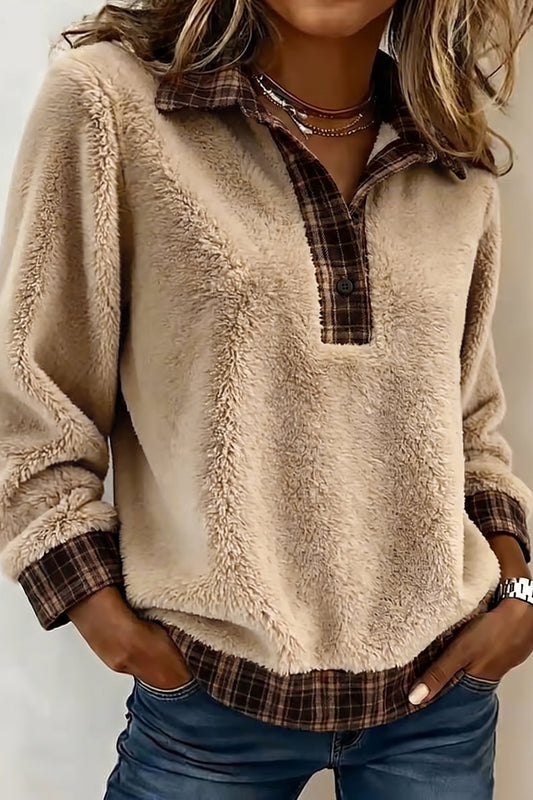
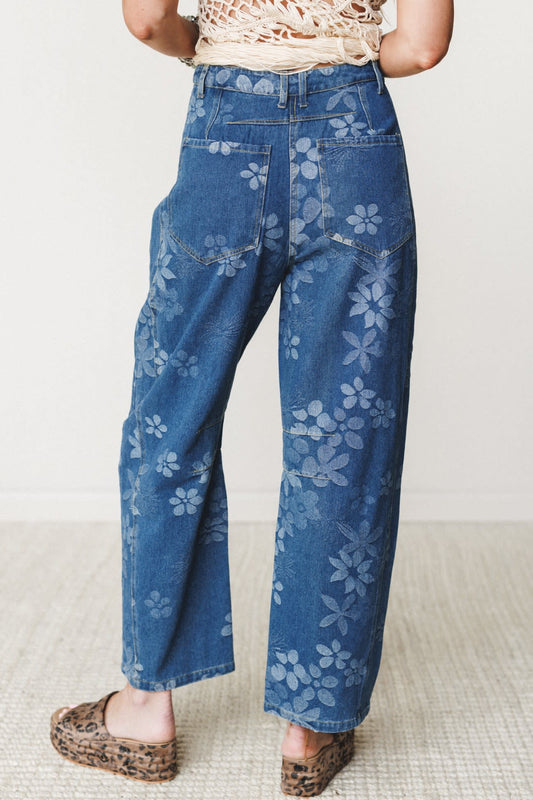
For example, pairing a trend-led top with classic bottoms creates a look that feels fresh but grounded. Explore options like well-fitted staples from the tops collection or versatile pieces in the bottoms collection to anchor trendier additions.

Why Trend Cycles Keep You Spending

Fashion isn’t random—it’s cyclical and strategic.

Trend cycles fashion are intentionally designed to:

  • Move quickly
  • Create urgency
  • Encourage repeat purchases

This feeds into fast fashion consumption habits, where clothes are worn briefly and discarded.

Ask yourself:

  • How long should clothes last in my wardrobe?
  • Am I buying this for longevity or just for now?

Because when trends fade (and they always do), what’s left is often clutter—and regret.

The Psychology Behind Impulse Clothing Purchases

Impulse buying is one of the biggest drivers of fast fashion.

It often stems from:

  • Sales pressure
  • Influencer marketing
  • Emotional states (stress, boredom, excitement)

This leads to a cycle:

  1. See trend
  2. Buy quickly
  3. Wear rarely
  4. Feel dissatisfied
  5. Repeat

This is where intentional shopping habits begin to matter.

If you’ve ever asked yourself, “Are trendy clothes a waste of money?”—the answer depends less on the clothes and more on the decision behind buying them.

Building Awareness: Your First Step Toward Smarter Choices

Before changing how you shop, you need to understand how you currently shop.

Start with a simple wardrobe audit:

  • What do you wear most often?
  • What sits untouched?
  • Which items felt exciting—but didn’t last?

You’ll likely notice a pattern:

  • Trend-driven pieces = rarely worn
  • Basics and staples = constantly used

This insight is the foundation of a smarter wardrobe investment strategy.

Where Fast Fashion Can Make Sense

Let’s be realistic—fast fashion isn’t always the villain.

There are moments when buying trendy clothes vs classic pieces actually works in your favor:

  • Testing a new style before committing
  • Occasion-specific outfits
  • Seasonal trends you won’t wear long-term

For example, a statement dress from the dresses collection can be a fun, trend-forward choice without overhauling your entire wardrobe.

The key is awareness—not elimination.

Building a Wardrobe That Actually Works: Capsule Thinking Without the Boredom

If fast fashion thrives on chaos, a capsule wardrobe thrives on clarity.

But let’s get one thing straight—building a capsule wardrobe doesn’t mean limiting your style. It means refining it.

At its core, a capsule wardrobe is built on:

  • timeless wardrobe staples
  • neutral, versatile pieces
  • items that mix and match effortlessly

This is where wardrobe basics vs statement pieces come into play.

The Formula for a Smart Wardrobe

Think of your wardrobe like a foundation:

Core Staples (Your Base)

  • Structured tops
  • Tailored bottoms
  • Neutral outerwear

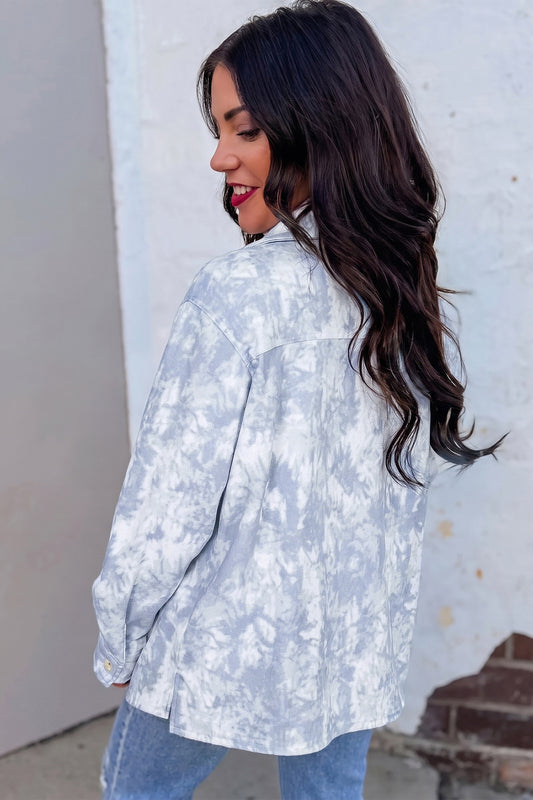
These are the pieces you’ll reach for daily. Investing in quality items—like those found in the outerwear collection—ensures durability and long-term wear.

Elevated Essentials

  • Dresses that transition from day to night
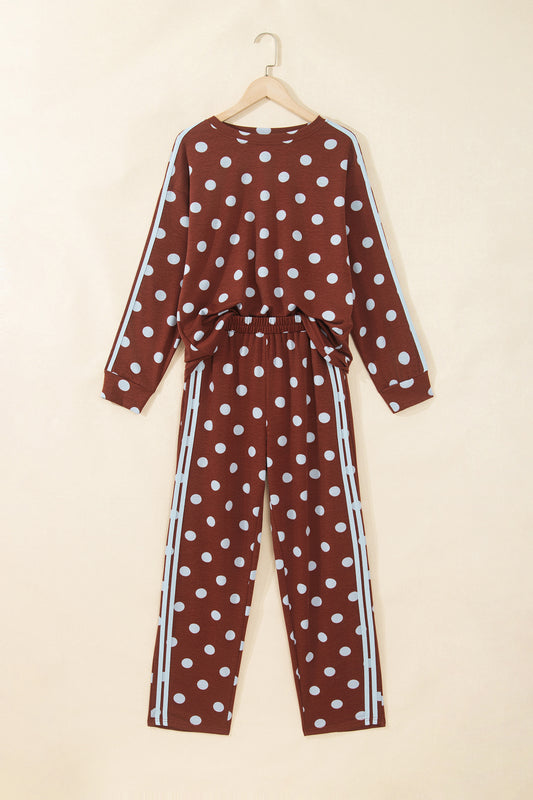
  • Comfortable yet stylish sets like those in the loungewear collection

Trend-Led Additions

  • Seasonal colors
  • Statement silhouettes
  • Micro-trend items

The goal isn’t to eliminate trends—it’s to support them with structure.

How to Balance Trendy Pieces and Basics (Without Overbuying)

One of the most searched questions right now is:
“How to balance trendy pieces and basics?”

The answer lies in control—not restriction.

Use the 1-in, 2-out Rule

For every trendy item you buy:

  • Remove or donate two items you no longer wear

This supports closet decluttering strategy while reducing waste.

Anchor Trends with Classics

A bold, trend-driven piece should never stand alone.

Instead:

  • Pair a trendy top with classic trousers
  • Style statement shoes with a neutral outfit

Explore grounding pieces like those in the shoes collection to balance out more experimental looks.

Ask These Questions Before Buying

  • Will I wear this at least 10 times?
  • Does it pair with 3+ items I already own?
  • Is this trend aligned with my personal style?

If the answer is no, it’s likely an impulse clothing purchase.

Cheap vs Quality Clothing: Why the Price Tag Can Be Misleading

We often associate “cheap” with saving money—but in fashion, that’s not always true.

The Real Cost of Cheap Clothing

  • Wears out faster
  • Loses shape after washing
  • Requires frequent replacement

This creates a cycle of long-term vs short-term fashion decisions that ultimately cost more.

What Defines Quality?

When evaluating quality craftsmanship clothing, look for:

  • Strong stitching
  • Durable fabrics
  • Timeless cuts
  • Versatility

Accessories also play a role here. A well-made bag, like those found in the bags collection, can elevate multiple outfits and last for years.

In the debate of cheap vs quality clothing, quality almost always wins over time.

Sustainable Fashion vs Fast Fashion: What’s the Real Impact?

Beyond personal style and budget, there’s a bigger conversation happening—sustainability.

The environmental impact of fast fashion is significant:

  • Overproduction
  • Textile waste
  • Short garment lifespans

This is where the slow fashion movement offers an alternative.

What Is Slow Fashion?

Slow fashion focuses on:

  • Fewer, better-quality purchases
  • Ethical production
  • Long-lasting materials

It aligns closely with:

  • responsible consumerism
  • eco-friendly clothing
  • clothing waste reduction

You Don’t Have to Be Perfect

Switching entirely to sustainable fashion isn’t always realistic.

But small changes matter:

  • Buy fewer, better pieces
  • Avoid trend-driven overconsumption
  • Explore alternatives like secondhand fashion or the resale fashion market

Sustainability isn’t about perfection—it’s about intention.

Budget Fashion Strategy: How to Spend Smarter, Not More

You don’t need a luxury budget to build a strong wardrobe.

A good budget fashion strategy focuses on allocation.

The 60–30–10 Rule
  • 60% on staples and essentials
  • 30% on versatile fashion investment pieces
  • 10% on trends

This ensures:

  • Stability in your wardrobe
  • Room for creativity
  • Controlled spending

Prioritize Versatility

The more ways you can wear something, the higher its value.

Look for:

  • Neutral tones
  • Layer-friendly pieces
  • Items that transition across seasons

Even categories like the activewear collection can double as casual wear when styled intentionally.

Minimalism Meets Style: A Smarter Fashion Mindset

Adopting a minimalism fashion approach doesn’t mean sacrificing style—it means refining it.

It’s about:

  • Fewer choices, better outcomes
  • Eliminating clutter
  • Reducing decision fatigue

This shift also improves fashion decision making, helping you avoid unnecessary purchases.

From Overwhelm to Clarity

Instead of asking:

  • “Do I like this?”

Start asking:

  • “Does this fit into my wardrobe investment strategy?”

That single shift can completely change how you shop.

When Is Fast Fashion Actually Worth Buying?

By now, it’s clear that blindly following trends leads to clutter, wasted money, and frustration. But that doesn’t mean fast fashion has no place in your wardrobe.

The real question isn’t “Is fast fashion worth it?”—it’s when is fast fashion worth buying.

Situations Where Trendy Pieces Make Sense

There are moments where trend clothing value is actually high:

  • Testing a new style before committing to higher-quality versions
  • One-off occasions (events, holidays, specific dress codes)
  • Short-lived trends you enjoy but don’t expect to wear long-term

For example, adding a trend-led accessory from the accessories collection or a statement piece from the bags collection can refresh your look without overcommitting.

The key is treating trends as add-ons, not foundations.

How to Avoid Wardrobe Regret Purchases

Most people don’t regret buying clothes—they regret buying the wrong clothes.

These are known as wardrobe regret purchases, and they usually come from:

  • Impulse clothing purchases
  • Poor fit or quality
  • Items that don’t integrate into your existing wardrobe

A Simple Filter Before You Buy

Use this quick checklist to guide your fashion decision making:

Longevity Check

  • Will I still want this in 6 months?

Versatility Check

  • Can I style this at least 3 different ways?

Cost-Per-Wear Check

  • Does the price justify how often I’ll wear it?

Identity Check

  • Does this reflect my personal style—or just a trend?

If an item fails two or more of these, it’s likely not worth it.

Should You Follow Fashion Trends at All?

This is where things get nuanced.

Following trends isn’t inherently bad. In fact, trends can:

  • Inspire creativity
  • Help you evolve your style
  • Keep your wardrobe feeling current

But blindly following them leads to fast fashion consumption habits that feel exciting in the moment—and disappointing later.

The Smarter Approach to Trends

Instead of asking:

  • “Should you follow fashion trends?”

Ask:

  • “Which trends actually work for me?”

This shifts you from reactive to intentional.

Build a Personal Trend Filter

Not every trend deserves your attention.

Focus on trends that:

  • Align with your existing wardrobe
  • Complement your body shape and lifestyle
  • Can be worn across multiple seasons

This is how you balance trendy clothing vs timeless fashion without losing yourself in the cycle.

How to Build a Smart Wardrobe on a Budget (That Still Feels Stylish)

A strong wardrobe isn’t about how much you spend—it’s about how well you spend it.

Step-by-Step Wardrobe Investment Strategy

1. Start With Staples

Build your foundation with:

  • Neutral tops
  • Well-fitted bottoms
  • Layering pieces

These form the backbone of your capsule wardrobe essentials.

2. Add Versatile Statement Pieces

Choose items that:

  • Elevate simple outfits
  • Work across multiple settings
  • Reflect your personality

3. Introduce Trends Intentionally

Limit trend purchases to:

  • 1–2 pieces per season
  • Items that complement your staples

4. Maintain With a Wardrobe Audit

Revisit your wardrobe regularly:

  • Remove unworn items
  • Identify gaps
  • Refine your style direction

This supports intentional shopping habits and prevents overconsumption.

The Bigger Picture: Fashion, Responsibility, and You

Fashion doesn’t exist in isolation. Every purchase contributes to a larger system.

The rise of sustainable fashion vs fast fashion highlights the need for more conscious choices.

By shifting toward:

  • ethical fashion choices
  • fewer, higher-quality purchases
  • thoughtful consumption

You naturally support:

  • clothing waste reduction
  • the slow fashion movement
  • a more sustainable future

You don’t need to overhaul your wardrobe overnight. Small, consistent changes create the biggest impact.

Final Thoughts: A Smarter Way to Approach Fashion

So, are trendy clothes a waste of money?

Not always. But without intention, they often become exactly that.

The real takeaway from Is It Worth Buying Trendy Pieces? A Smart Guide to Fast Fashion is this:

  • Trends are tools—not rules
  • Value matters more than price
  • Longevity beats impulse
  • Style should serve you, not pressure you

When you focus on:

  • cost-per-wear fashion
  • smart wardrobe spending
  • and a clear wardrobe investment strategy

You stop chasing trends—and start building a wardrobe that actually works.

Frequently Asked Questions

1. How do I know if a trend will last or fade quickly?

Trends tied to extreme silhouettes, bold prints, or viral moments tend to fade faster. Look for trends that subtly evolve from timeless wardrobe staples—these usually have longer staying power. If it feels overly specific or everywhere at once, it’s likely short-lived.

2. What is the biggest mistake people make with fast fashion?

The most common mistake is overbuying without intention. This leads to clutter, low clothing value over time, and pieces that rarely get worn. A lack of cost-per-wear analysis often results in spending more overall.

3. Can trendy clothes ever become timeless?

Occasionally, yes. Some trends transition into classics over time—think neutral tailoring or minimal basics. The key is choosing trend pieces that align with classic fashion pieces rather than overly niche styles.

4. How often should I update my wardrobe?

There’s no fixed rule, but instead of frequent overhauls, aim for seasonal check-ins. A simple wardrobe audit every few months helps you adjust without falling into constant buying cycles.

5. Is it better to invest in fewer expensive items or more affordable ones?

In most cases, fewer high-quality items provide better wardrobe ROI (return on investment). However, a mix works best—invest in staples and be selective with affordable trend pieces.

6. How can I stop impulse buying when shopping for clothes?

Create a pause between desire and purchase. Try waiting 24–48 hours before buying. This helps reduce emotional buying fashion decisions and encourages more intentional choices.

7. Are online fashion trends influencing how we overspend?

Yes. Social media fashion trends accelerate trend cycles fashion, making styles feel outdated faster. This can lead to unnecessary purchases and increased fast fashion consumption habits.

8. What’s the difference between style and trends?

Trends are temporary and externally driven, while personal style is consistent and individual. Building your style reduces reliance on trends and supports a more minimalism fashion approach.

9. How do I make trendy pieces look more expensive?

Pair them with structured, high-quality basics. Styling plays a huge role—combining trends with versatile outfits and neutral staples instantly elevates the overall look.

10. Is fast fashion always unsustainable?

Not always—but it often depends on how you consume it. Buying occasionally and wearing items frequently can reduce impact. The real issue lies in overconsumption, not just the category itself.

Back to blog
{ "@context": "https://schema.org", "@type": "FAQPage", "mainEntity": [ { "@type": "Question", "name": "How do I know if a trend will last or fade quickly?", "acceptedAnswer": { "@type": "Answer", "text": "Trends tied to extreme silhouettes, bold prints, or viral moments tend to fade faster. Trends that evolve from timeless wardrobe staples usually last longer. If a trend feels overly specific or suddenly everywhere, it is more likely to be short-lived." } }, { "@type": "Question", "name": "What is the biggest mistake people make with fast fashion?", "acceptedAnswer": { "@type": "Answer", "text": "The most common mistake is overbuying without intention, leading to clutter and low clothing value over time. Skipping cost-per-wear analysis often results in spending more money overall." } }, { "@type": "Question", "name": "Can trendy clothes ever become timeless?", "acceptedAnswer": { "@type": "Answer", "text": "Yes, some trends evolve into timeless pieces, especially those rooted in classic design like neutral tailoring or minimal basics. Choosing trends that align with classic fashion increases longevity." } }, { "@type": "Question", "name": "How often should I update my wardrobe?", "acceptedAnswer": { "@type": "Answer", "text": "Instead of frequent overhauls, aim for seasonal wardrobe audits every few months. This helps you refine your wardrobe without falling into constant buying cycles." } }, { "@type": "Question", "name": "Is it better to invest in fewer expensive items or more affordable ones?", "acceptedAnswer": { "@type": "Answer", "text": "Fewer high-quality items generally provide better wardrobe return on investment. A balanced approach works best by investing in staples while selectively buying affordable trend pieces." } }, { "@type": "Question", "name": "How can I stop impulse buying when shopping for clothes?", "acceptedAnswer": { "@type": "Answer", "text": "Introduce a waiting period of 24 to 48 hours before making a purchase. This reduces emotional buying and encourages more intentional shopping decisions." } }, { "@type": "Question", "name": "Are online fashion trends influencing how we overspend?", "acceptedAnswer": { "@type": "Answer", "text": "Yes, social media accelerates trend cycles, making styles feel outdated faster. This increases fast fashion consumption habits and encourages unnecessary purchases." } }, { "@type": "Question", "name": "What’s the difference between style and trends?", "acceptedAnswer": { "@type": "Answer", "text": "Trends are temporary and driven by external influences, while personal style is consistent and individual. Developing personal style reduces reliance on trends." } }, { "@type": "Question", "name": "How do I make trendy pieces look more expensive?", "acceptedAnswer": { "@type": "Answer", "text": "Pair trendy items with structured, high-quality basics and focus on styling. Combining trends with versatile, neutral pieces helps elevate the overall look." } }, { "@type": "Question", "name": "Is fast fashion always unsustainable?", "acceptedAnswer": { "@type": "Answer", "text": "Not always. The impact depends on consumption habits. Buying less and wearing items more frequently reduces environmental impact. Overconsumption is the main issue." } } ] }