
Fabrics for the Future: Sustainable Choices for Women's Jeans!
Sustainable Fabrics for Women's Jeans: A New Era in Fashion
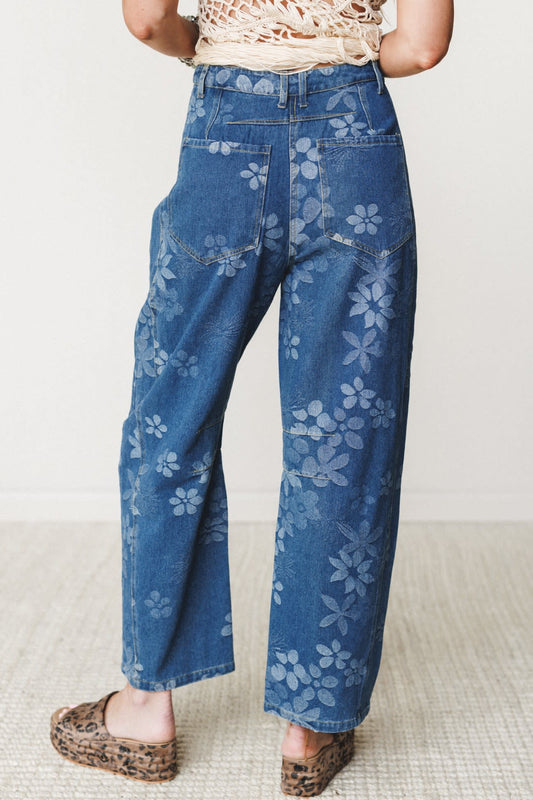
The fashion industry has been under scrutiny for its environmental impact. With the rise of fast fashion, the need for sustainable alternatives has never been more pressing. Enter sustainable fabrics for women's jeans. These eco-friendly options not only reduce the carbon footprint but also offer a stylish and comfortable choice for the conscious consumer.
The Importance of Sustainable Fabrics
The textile industry is one of the major contributors to environmental degradation. From water pollution to excessive water usage and waste, the impact is profound. Sustainable fabrics aim to mitigate these effects by:
-
Reducing Water Usage: Traditional denim production can consume vast amounts of water. Sustainable fabrics often use less water in their production processes.
-
Minimizing Chemical Use: Harmful chemicals used in dyeing and treating traditional fabrics can be detrimental to the environment. Sustainable options often employ natural dyes and treatments.
-
Promoting Ethical Practices: Beyond environmental concerns, sustainable fabrics often align with ethical labor practices, ensuring fair wages and working conditions.
Top Sustainable Fabrics Choices for Women's Jeans
-
Organic Cotton: Unlike conventional cotton, organic cotton is grown without harmful pesticides and fertilizers. It promotes soil health and reduces water consumption.
-
Recycled Denim: Made from post-consumer denim waste, recycled denim gives old jeans a new life, reducing the need for virgin materials.
-
Tencel/Lyocell: Derived from wood pulp, this biodegradable fabric is soft, breathable, and requires less water and energy in production.
-
Hemp: An age-old fabric, hemp is durable, requires minimal pesticides, and consumes less water.
-
Bamboo: Bamboo grows rapidly, requires no pesticides, and its fabric is soft and breathable.
Benefits of Choosing Sustainable Fabrics
-
Eco-friendly: Reduce your carbon footprint and contribute to a healthier planet.
-
Skin-friendly: Natural and organic materials are often gentler on the skin.
-
Durability: Sustainable jeans tend to last longer, offering better value for money.
-
Ethical Consumption: Support brands and practices that prioritize the environment and ethical labor practices.
The Future of Sustainable Jeans
With increasing awareness and technological advancements, the future looks bright for sustainable fabrics in women's jeans. Brands are innovating, consumers are demanding, and the industry is shifting towards a more sustainable future.
How to Care for Your Sustainable Jeans
To ensure longevity and maintain their eco-friendly properties:
-
Wash Less Often: This preserves the fabric and reduces water usage.
-
Use Cold Water: It consumes less energy and is gentler on the fabric.
-
Air Dry: Avoid using the dryer to save energy and prevent fabric wear.
Making the Switch
Transitioning to sustainable jeans might seem daunting, but it's a step worth taking. Start by researching brands that prioritize sustainability, read product labels, and make informed choices.
FAQs
Why are sustainable fabrics important?
Sustainable fabrics reduce environmental impact, promote ethical labor practices, and offer health benefits to the wearer.
Are sustainable jeans more expensive?
While they might have a higher upfront cost, their durability often provides better value in the long run.
How can I verify if my jeans are sustainable?
Look for certifications like GOTS (Global Organic Textile Standard) or research the brand's sustainability practices.
Do sustainable jeans compromise on style?
Absolutely not! Many brands offer stylish and trendy options in sustainable fabrics.
What's the difference between organic cotton and regular cotton?
Organic cotton is grown without harmful chemicals, making it more eco-friendly and gentle on the skin.
Can I recycle my old jeans?
Yes, many brands and organizations accept old jeans for recycling or repurposing.
Conclusion
Sustainable fabrics for women's jeans represent a significant step towards a greener and more ethical fashion industry. By making informed choices, consumers can drive change, promote sustainability, and enjoy stylish, comfortable, and durable jeans.