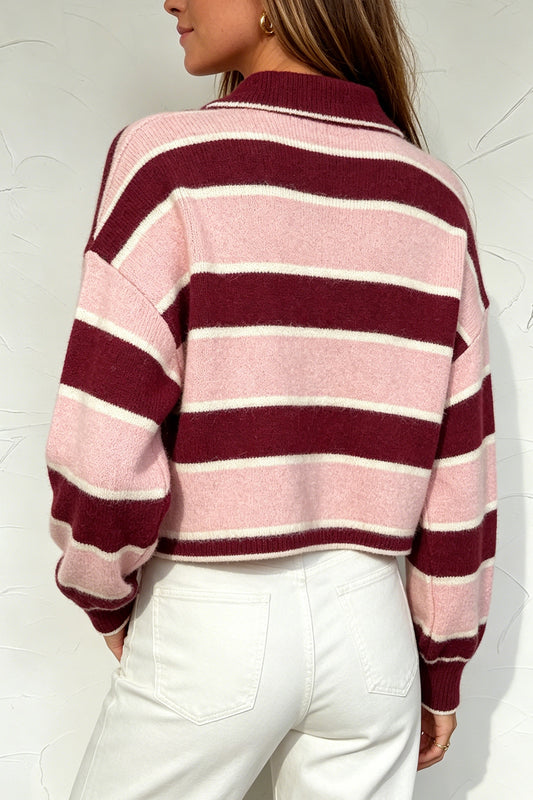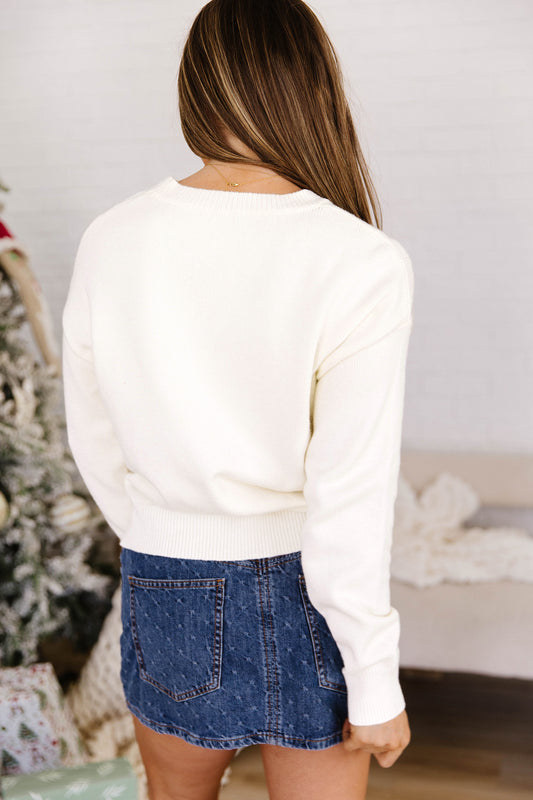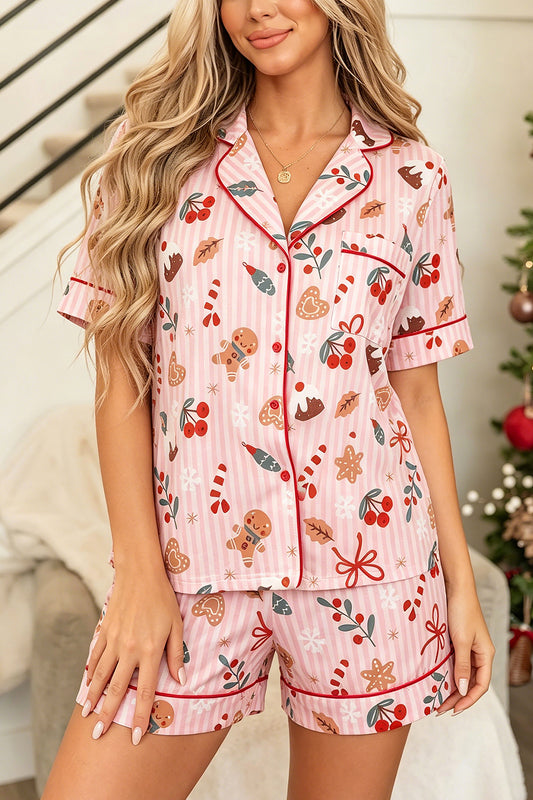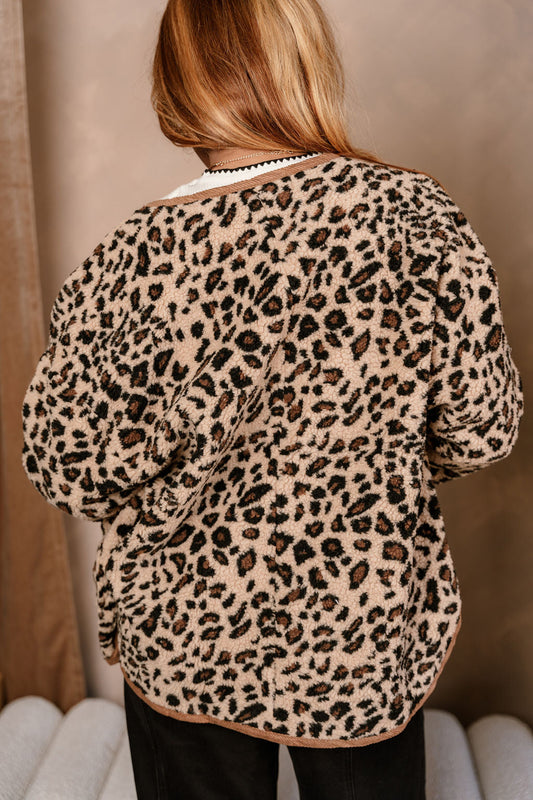

Eco-friendly Dresses: Leading the Fashion Revolution
Eco-friendly dresses are redefining the norms of fashion. Combining sustainability with style, these dresses are spearheading a new era of conscious fashion, making you not just look good, but feel good about your choices too.
Understanding the Fashion Revolution
As the saying goes, "Fashion is not something that exists in dresses only. Fashion is in the sky, in the street, fashion has to do with ideas, the way we live, what is happening." However, what is happening is a shift towards a more sustainable way of living. And, leading the charge in this sustainability revolution is none other than Eco-friendly Dresses.
The Shift Towards Sustainable Fashion
We're becoming more aware, more responsible, and more conscious of our choices. We're starting to question the environmental impact and the ethical implications of our purchases, particularly in the realm of fashion. The shift towards sustainable fashion is gaining momentum, and eco-friendly dresses are playing a vital role in this transition.
High Fashion vs. Eco-Friendly Fashion
High fashion, characterized by exorbitant prices and limited accessibility, has long been a cornerstone of the fashion industry. However, its heavy reliance on resource-intensive materials and exploitative labor practices have sparked a new discussion on its environmental and social consequences. In contrast, eco-friendly fashion embodies the principles of affordability, inclusivity, and sustainability.
The Impact of Fast Fashion
Fast fashion, the mass production of cheap and disposable clothing, has had a devastating impact on the environment and labor rights. It's estimated that the fashion industry is responsible for 10% of the global carbon emissions and is the second-largest consumer of the world's water supply. However, eco-friendly dresses are proving that fashion can be both stylish and sustainable, challenging the fast fashion narrative.
The Birth of Eco-Friendly Dresses
The concept of eco-friendly dresses is not as new as you might think. In fact, it's deeply rooted in our past when our ancestors wore clothing made from natural materials. However, the commercialization of eco-friendly dresses is a relatively recent phenomenon.
History and Evolution
The eco-fashion movement gained traction in the late 1980s and early 1990s, spurred by increased environmental awareness and activism. Initially, eco-friendly dresses were seen as bland and boring, lacking the glamour and allure of conventional fashion. But over time, as technology advanced and designers got more creative, eco-friendly dresses started to become more fashionable and desirable.
Key Influencers and Brands
Prominent figures like Emma Watson and Stella McCartney have used their platforms to promote eco-friendly fashion. Brands like Patagonia, People Tree, and Eileen Fisher have also made significant contributions, producing eco-friendly dresses that are stylish, comfortable, and durable.
Fabric of Change: Materials Used in Eco-Friendly Dresses
The key to eco-friendly dresses lies in the choice of materials. These dresses are made from natural or recycled materials, which have a lower environmental impact compared to conventional fabrics.
Organic Cotton
Cotton is a primary material for many eco-friendly dresses. However, not all cotton is created equal. Organic cotton is grown without the use of harmful pesticides and synthetic fertilizers, making it a more sustainable choice.
Recycled Polyester
Recycled polyester, made from recycled plastic bottles, is another common material in eco-friendly dresses. It helps to reduce plastic waste and lower carbon emissions.
Hemp and Linen
Other popular materials include hemp and linen, both of which are environmentally friendly and biodegradable. Hemp is a particularly resilient crop that requires little water and no pesticides, while linen, derived from the flax plant, is durable, absorbent, and known for its coolness and freshness in hot weather.
The Making of Eco-friendly Dresses
The production process of eco-friendly dresses also sets them apart from conventional fashion. From ethical manufacturing practices to low-impact dyeing techniques, every step is carefully designed to minimize environmental impact.
Ethical Manufacturing Practices
Most eco-friendly dress brands adhere to fair trade practices, ensuring fair wages and good working conditions for their workers. They also prioritize transparency, allowing consumers to trace the journey of their dress from the field to their wardrobe.
Low-Impact Dyeing Techniques
Conventional dyeing methods are notoriously toxic, polluting waterways with harmful chemicals. However, eco-friendly dresses often use low-impact dyes, which require less water and produce fewer pollutants.
Eco-friendly Dresses: Leading the Fashion Revolution
Eco-friendly dresses are more than just a trend; they represent a paradigm shift in the way we perceive and consume fashion. They challenge the status quo and pave the way for a more sustainable and ethical fashion industry.
Contribution to Sustainability
By using sustainable materials and ethical manufacturing practices, eco-friendly dresses significantly reduce the environmental footprint of fashion. They conserve resources, reduce waste, and help to combat climate change.
Changing Consumer Perceptions
Eco-friendly dresses are reshaping consumer perceptions of what fashion should be. They are proof that style and sustainability can coexist, encouraging consumers to make more conscious choices.
The Role of Technology
Technology plays a crucial role in the eco-friendly dress revolution. From innovations in fabric production to digital platforms for selling and buying second-hand dresses, technology is facilitating a more sustainable and inclusive fashion industry.
Popular Styles and Trends in Eco-Friendly Dresses
Eco-friendly dresses come in a variety of styles and trends, catering to diverse tastes and preferences. Whether you're a fan of minimalist chic or bohemian vibes, there's an eco-friendly dress for you.
Shift Dresses
Simple and elegant, shift dresses are a classic style in eco-friendly fashion. They're easy to wear and versatile, perfect for both casual and formal occasions.
Wrap Dresses
Wrap dresses, characterized by a front closure formed by wrapping one side across the other, are a staple in eco-friendly fashion. They're flattering for all body types and can be dressed up or down depending on the occasion.
Maxi Dresses
For those who prefer a more bohemian look, maxi dresses are a popular choice. With their flowing silhouettes and comfortable fit, they're perfect for those warm summer days.
Caring for Your Eco-Friendly Dress
Proper care can significantly extend the lifespan of your eco-friendly dress, further enhancing its sustainability. Here's how you can take care of your eco-friendly dress.
Washing and Drying
Always check the care label before washing your eco-friendly dress. Most eco-friendly materials are best washed in cold water and air-dried to preserve their quality and reduce energy consumption.
Mending and Repairing
Instead of throwing away your dress at the first sign of damage, consider mending or repairing it. There are plenty of online tutorials that can guide you through the process, or you can take it to a professional tailor.
Responsible Disposal
When your dress has reached the end of its life, dispose of it responsibly. Consider donating it to a local charity, selling it on a second-hand platform, or recycling it if your city offers textile recycling facilities.
Why Choose Eco-friendly Dresses?
Choosing eco-friendly dresses is not just about following a trend; it's about making a difference. Here's why you should consider making the switch to eco-friendly dresses.
Environmental Impact
By choosing eco-friendly dresses, you're reducing your environmental impact. You're conserving resources, reducing waste, and contributing to the fight against climate change.
Social Impact
When you choose an eco-friendly dress, you're supporting fair trade practices and contributing to better working conditions for workers in the fashion industry.
Health and Well-being
Eco-friendly dresses, made from natural or organic materials, are often softer and gentler on the skin, reducing the risk of allergies and skin irritations. Plus, the knowledge that you're making a sustainable choice can contribute to your overall well-being.
How to Buy Eco-Friendly Dresses?
Ready to join the eco-friendly dress revolution? Here's how you can get started.
Checking Labels
When buying an eco-friendly dress, always check the label. Look for certifications like GOTS (Global Organic Textile Standard) or Fair Trade Certified to ensure the dress meets certain environmental and social standards.
Online Stores and Brands
There are many online stores and brands that specialize in eco-friendly dresses. Some popular ones include People Tree, Eileen Fisher, and Patagonia. Always do your research and read reviews before making a purchase.
Offline Stores and Brands
If you prefer to try on a dress before buying, look for local stores that sell eco-friendly dresses. Some larger cities may also have second-hand or vintage stores where you can find pre-loved eco-friendly dresses.
The Future of Eco-Friendly Dresses
The future of eco-friendly dresses looks promising. As consumer demand grows and technology advances, we can expect to see even more innovations and improvements in the eco-friendly dress industry.
Innovations on the Horizon
From lab-grown leather to 3D-printed dresses, the future of eco-friendly dresses is exciting. These innovations promise to further reduce the environmental impact of fashion and provide more sustainable options for consumers.
Impact on the Global Fashion Industry
As eco-friendly dresses become more mainstream, they have the potential to transform the global fashion industry. They can drive the industry towards more sustainable and ethical practices, influencing not just how clothes are made, but also how they are consumed and disposed of.
Influence on Policy and Regulation
The rise of eco-friendly dresses can also influence policy and regulation. As governments around the world become more aware of the environmental and social impact of fashion, they can implement policies that promote the production and consumption of eco-friendly dresses.
FAQ's
What are eco-friendly dresses made of? Eco-friendly dresses are typically made from natural or recycled materials, such as organic cotton, hemp, linen, and recycled polyester. These materials are more sustainable compared to conventional fabrics, as they require fewer resources and produce less pollution.
How can I care for my eco-friendly dress? To care for your eco-friendly dress, always check the care label first. Most eco-friendly dresses can be washed in cold water and air-dried. If the dress is damaged, consider mending or repairing it instead of throwing it away. When the dress has reached the end of its life, dispose of it responsibly by donating, selling, or recycling.
Why should I choose an eco-friendly dress? Choosing an eco-friendly dress reduces your environmental impact and supports fair trade practices. Plus, eco-friendly dresses are often more comfortable and healthier to wear, as they're made from natural or organic materials that are gentle on the skin.
Where can I buy eco-friendly dresses? Eco-friendly dresses can be bought online or offline. Online stores like People Tree, Eileen Fisher, and Patagonia offer a wide range of eco-friendly dresses. If you prefer to shop offline, look for local stores that sell eco-friendly dresses or visit second-hand or vintage stores.
What's the future of eco-friendly dresses? The future of eco-friendly dresses looks bright. With growing consumer demand and technological innovations, we can expect to see more sustainable and fashionable options in the eco-friendly dress industry. Eco-friendly dresses also have the potential to transform the global fashion industry, driving it towards more sustainable and ethical practices.
Are eco-friendly dresses more expensive? While some eco-friendly dresses may be more expensive upfront, they often prove to be more cost-effective in the long run. Eco-friendly dresses are typically more durable and timeless, meaning you can wear them for many years. Plus, the environmental and social benefits of eco-friendly dresses are priceless.
Conclusion
Eco-friendly dresses are not just a fashion statement; they're a statement of intent, a commitment to a more sustainable and ethical way of life. They embody the fashion revolution, leading the charge towards a future where fashion and sustainability go hand in hand. So next time you need a new dress, consider going eco-friendly. After all, it's not just about looking good; it's about doing good too.