
Does The Dress Require Additional Accessories?
You’ve found the dress—but something’s missing. This guide explores the role accessories play in outfit transformation, from subtle statements to full-scale style enhancement. We’ll unpack when accessorising is essential, how to elevate your look with function and flair, and which accessories work best across styles, from the romantic boho dress to a sleek formal outfit. Whether you're styling for everyday wear or dressing up for the spotlight, this is your go-to resource for making your outfit feel complete. Expect thoughtful recommendations, expert layering strategies, and smart links to curated pieces from HannaBanna Clothing—your one-stop brand for confident, contemporary fashion.
Unlocking the Potential of the Dress
There’s a moment, after slipping on a dress, when you pause in front of the mirror and ask yourself: Is this enough?
Sometimes the answer is yes—the fabric drapes just right, the color sings, and you’re out the door. But often, the answer lies in the finer details: a necklace that draws the eye, a belt that defines your waist, a textured layer that adds dimension.
The real question isn’t just Does the dress require additional accessories?, but What story do you want your outfit to tell?
When done right, accessorising isn't about excess. It’s a styling strategy—functional, expressive, and deeply personal.
Accessorising with Intention: Function Meets Flair
Accessories are the punctuation marks of your outfit. They're how you finish a sentence, define your mood, or switch a look from casual to occasion-appropriate with minimal effort.
"The right accessory doesn’t just complete the outfit—it transforms it."
Before diving into categories, ask yourself these quick check-ins:
-
What’s the occasion?
-
Does the dress feel too plain, or does it hold presence on its own?
-
Am I expressing my style, or following a formula?
-
Do I want to highlight a feature—my waist, neckline, wrists?
These questions form your styling routine, shaping whether you go minimal or layered, edgy or romantic.
The Core: Start with the Dress
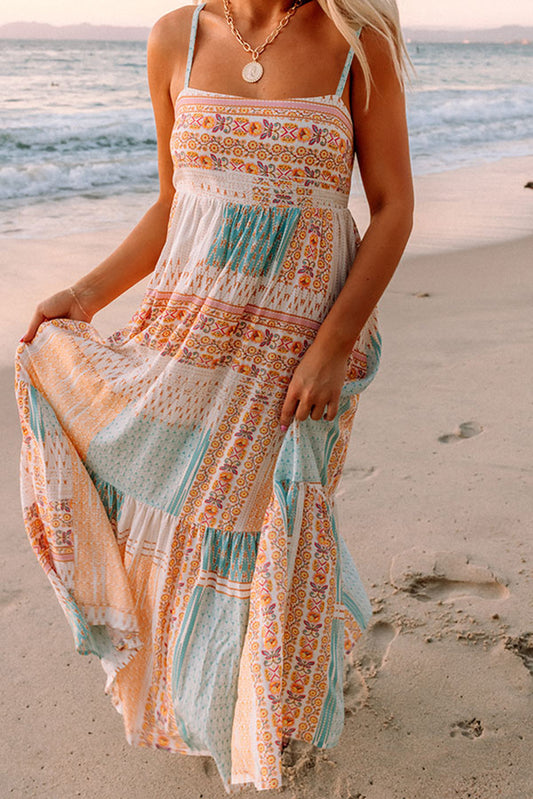
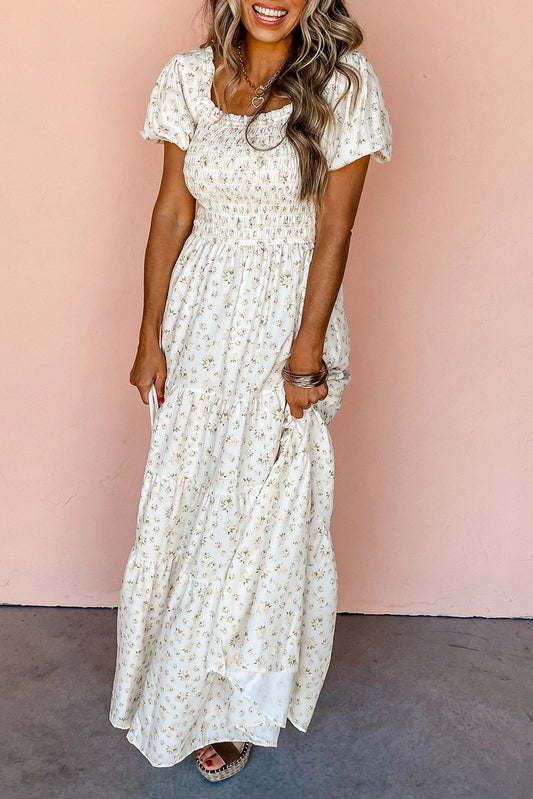
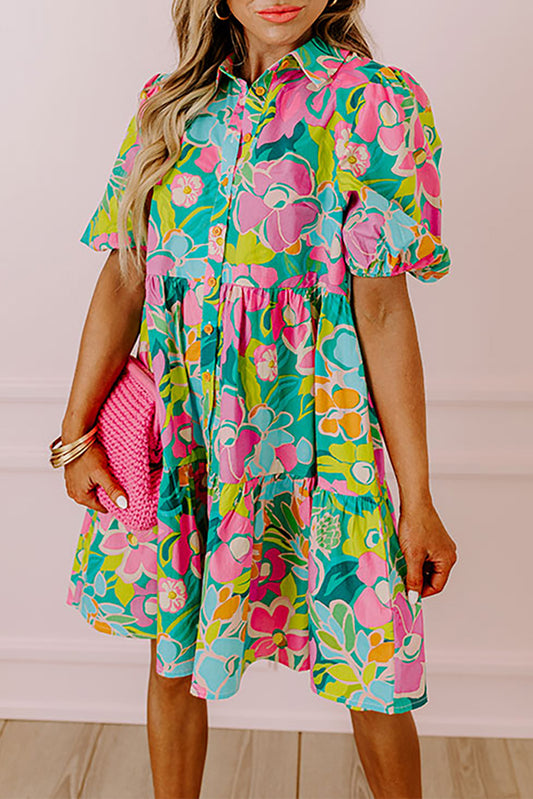
To accessorise well, you need a strong foundation. Whether it’s a breezy floral dress for a daytime brunch or a sweeping maxi dress for evening elegance, the base determines the possibilities.
Certain dresses demand less; others invite adornment. A printed piece with bold color blocking might only need a pair of understated earrings. But a minimalist cut with solid tones? That's a canvas.
Rule of thumb: balance proportions. A voluminous skirt might call for subtle accessories. A streamlined silhouette? That’s where you add interest—texture, layers, contrast.
If you're starting fresh, the HannaBanna dress collection offers versatile options made to be styled up or down.
Jewelry: The Art of Subtle Statements
Jewelry is perhaps the most instinctive way to accessorise—and also the most powerful. It can instantly update your outfit, lend a polished look, or inject a dose of personal flair.
Try this:
-
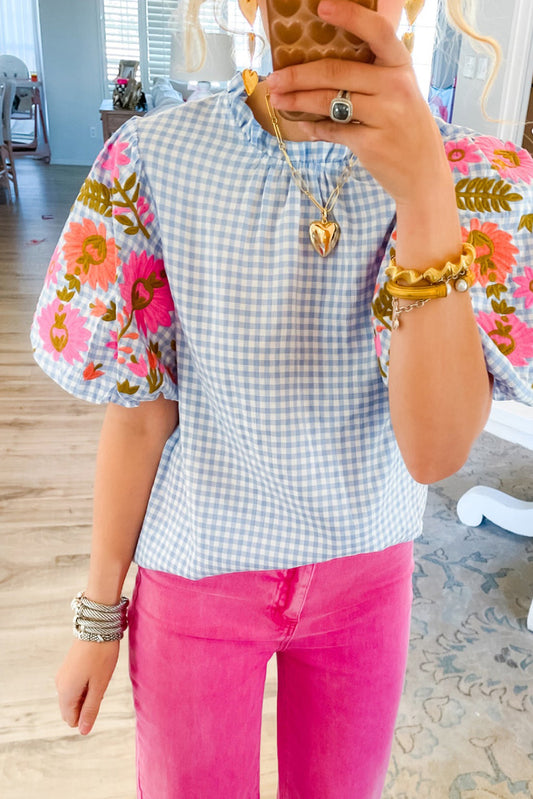
Necklaces: Use to frame the neckline or add a focal point. A pendant with a plunging V or a choker for high-neck cuts.
-
Bracelets & Rings: Ideal for drawing attention to the hands. Try stacking, mixing metals, or wearing just one bold piece.
-
Earrings: Play off hair length and occasion. Statement earrings for updos, delicate studs for everyday.
Not sure where to begin? HannaBanna’s curated accessories collection includes pieces that bring both elegance and edge without overwhelming your look.
Belts: Defining the Silhouette
A belt isn’t just functional—it’s transformational. Cinch a flowing mini dress at the waist, add structure to loose fabrics, or incorporate texture and metalwork for visual intrigue.
Key benefits:
-
Highlight your waist and bring definition to boxier shapes.
-
Create an hourglass illusion, especially with a-line or tiered silhouettes.
-
Add a pop of color or shine to neutral-toned dresses.
When in doubt, a neutral leather belt or minimalist gold buckle never fails.
Footwear: Grounding the Look (Literally)
Your shoes are more than a finishing touch—they can anchor the tone of your outfit.
Think about it this way: swap a strappy heel for a chunky boot and you’ve instantly gone from garden party to downtown edge.
Popular dress pairings:
-
Heels for polish and height—perfect for formal outfits or elongating the line of a maxi dress.
-
Sneakers for effortless chic, especially when paired with minimal or street-style inspired dresses.
-
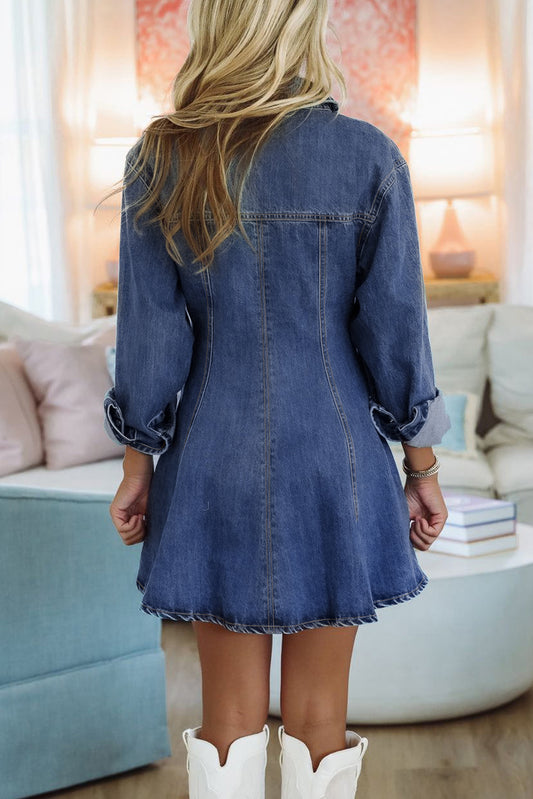
Ankle boots for transitional seasons—they add structure and are ideal with short or midi hemlines.
-
Slides or sandals for laid-back, sun-soaked moments—keep the vibe boho, feminine, or coastal.
The goal? Balance proportions. Let the shoe echo the energy of the dress while still adding interest or contrast.
Bags: Function Meets Fashion
While handbags are often thought of in terms of practicality, they’re just as much about style enhancement.
From slouchy totes to sleek crossbodies, your bag can reflect your mood, match your dress aesthetic, or even be the statement piece that ties everything together.
Options to experiment with:
-
Clutch: refined, elegant, and ideal for events where you're keeping it light.
-
Crossbody: offers structure and ease—great for a high-low mix with a flowing or floral dress.
-
Tote: stylish and functional, especially for casual days when you’re on the go.
-
Mini bag: trendy and playful, offering just enough space for essentials and personality.
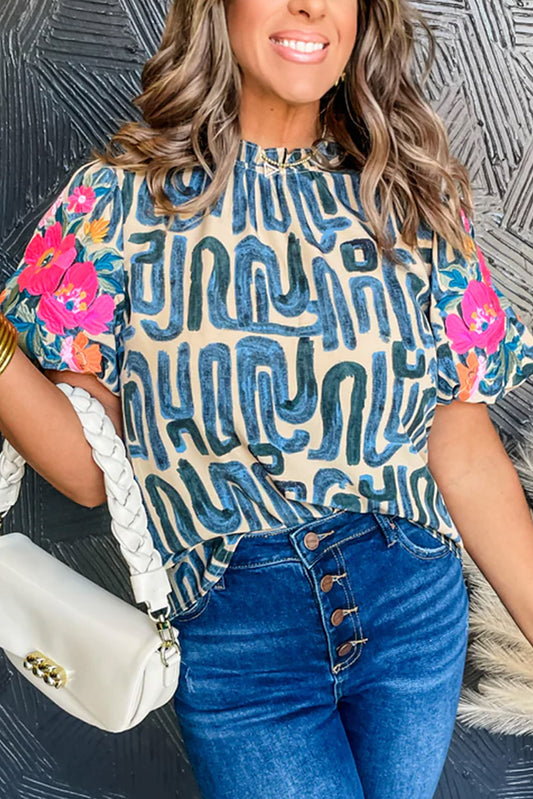
If your dress is bold or patterned, opt for a simple leather bag. But if you’re wearing a more muted or solid dress, that’s your chance to play with color, embellishment, or unexpected textures.
Layers: Dimension & Practical Elegance
Layering is a styling superpower—especially when it comes to dresses.
"Layers are more than seasonal protection—they add personality, shape, and texture."
Whether you're dressing for the weather or just want to create a polished look, here’s how to work layers into your outfit:
-
Cardigans: ideal for toning down bolder pieces or softening a structured dress.
-
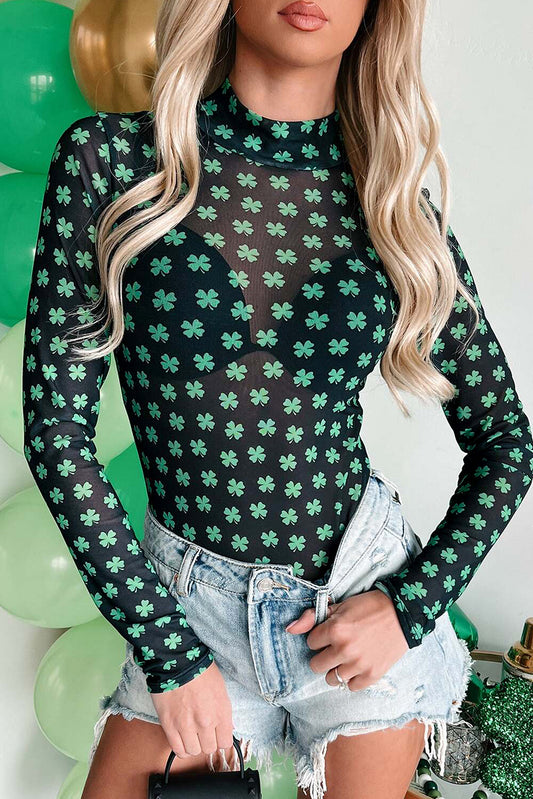
Mesh tops: wear underneath a sleeveless dress for edgier styling.
-
Oversized blazers: instantly add confidence and are perfect for evening or office styling.
-
Scarves: worn loosely or tied at the neck, they introduce texture and contrast.
-
Socks: yes—chunky or patterned socks with boots can completely refresh a more classic dress silhouette.
Remember to keep your dress pairing in mind. You want your layer to feel intentional, not like an afterthought.
Headwear & Hair Accessories: The Unexpected Uplift
Often overlooked, headwear can do everything from tying your outfit together to salvaging a bad hair day.
-
Hats like a wide-brim or fedora bring instant style elevation, especially when worn with more relaxed or boho-inspired dresses.
-
Headbands and clips allow you to highlight your face, add structure to your hairstyle, or simply inject a bit of personality.
-
For minimalist outfits, a bold headband or silk scarf can serve as a low-effort way to add a pop of color or pattern.
When considering accessories for the head, factor in face shape styling and hair length—this helps ensure balance and harmony with the overall silhouette.
Final Thoughts: Minimal vs Maximal
You don’t always need to go full glam. Sometimes, all it takes is one unexpected piece—a pair of sculptural earrings, a metallic belt, or a structured mini bag—to complete the outfit and express self-confidence.
Here’s a go-to checklist for styling a dress with accessories:
-
Start with the occasion (casual, formal, transitional).
-
Define the focal point: Will it be the dress or the accessory?
-
Balance the silhouette with layers or shape-defining pieces.
-
Add one standout accessory (bag, shoe, or jewelry).
-
Check for proportion and practicality—can you move, sit, dance?
As a rule? Dress dependency is about understanding what each outfit calls for. Some dresses don’t just welcome accessories—they need them to unlock their full potential.
Seasonal Accessorising: Timing is Style
Just as your wardrobe changes with the seasons, so should your accessories. Functional accessories aren’t just about looking good—they’re about adapting to changing environments without compromising your look.
Spring/Summer
-
Embrace light textures: Think raffia bags, woven belts, sheer scarves.
-
Color coordination with floral or pastel dresses brings freshness and energy.
-
Opt for natural stones or minimal jewelry that catches light but doesn’t overwhelm.
-
Use headbands and hair clips to add a playful or polished tone without adding warmth.
Fall/Winter
-
This is where layering thrives. Go bold with structured outerwear, oversized scarves, and boots that contrast floaty dresses.
-
Incorporate metallic accessories like gold belts or statement jewelry to offset darker fabrics.
-
Don’t shy away from texture play—leather gloves, felt hats, suede bags.
-
Add socks or tights with detail to transform a simple look into something runway-ready.
Each season offers its own opportunity to explore new dimensions of style without needing to overhaul your wardrobe.
Build a Capsule of Finishing Touches
One of the most powerful strategies in styling is having a rotating set of go-to accessories—pieces that work across dress styles, occasions, and moods.
Here’s a blueprint to start your accessories capsule:
Core Items:
-
A neutral crossbody bag and a bold statement clutch
-
One structured belt and one soft/fabric style for layering
-
Stud earrings for daily polish and drop earrings for drama
-
Two necklaces (a short layer-friendly chain and one standout pendant)
-
A classic watch
-
One pair of ankle boots, and a versatile pair of sneakers
-
Silk scarf for year-round versatility
-
One wide-brim hat or seasonal headwear
-
At least one pair of layering-friendly socks or tights
Pro tip: Choose metals, materials, and colors that work with most of your wardrobe. This makes styling instinctive and seamless.
These pieces are ideal to mix and match with everything from a mini dress to a flowing boho number, creating looks that evolve with mood and moment.
Styling Through Self-Expression
Fashion, at its core, is a form of storytelling. Accessories let you write the footnotes, the asides, the plot twists.
Here’s how to keep your accessorising process aligned with your personal flair:
-
Feeling bold? Reach for a contrasting belt or statement necklace to challenge the tone of your dress.
-
Craving minimalism? Let the dress speak—maybe just a watch and a structured bag to finish.
-
Stuck in a rut? Try an unexpected combo—a floral dress with combat boots and sleek gold hoops, for instance.
Confidence isn’t always about maximalism. Sometimes, knowing when not to add more is the highest form of styling intuition.
“Effortless chic” isn’t about skipping accessories—it’s about selecting the right ones with clarity.
Final Words: Accessorising as a Lifestyle
So—does the dress require additional accessories?
Sometimes. But the better question is: What story do I want to tell today?
Whether you’re curating your look for a big event or pulling together a quick everyday outfit, remember this:
-
Accessories are your allies.
-
They offer comfort, versatility, and self-expression in one stylish package.
-
They can balance proportions, change the tone of a look, or amplify your energy.
Explore the full accessories collection at HannaBanna Clothing to find those finishing touches that don’t just complete your outfit—they make it your own.
Frequently Asked Questions
1. How do I know when I've added too many accessories to a dress?
A good rule is the “one focal point” principle. If your earrings, necklace, bag, shoes, and scarf are all demanding attention, it may feel overwhelming. Instead, choose one standout piece (like a belt or bold earrings) and support it with subtler accents. If your eye doesn’t know where to rest—scale back.
2. Can I mix metals (gold, silver, rose gold) in one outfit?
Yes—mixing metals is now a modern styling strategy. The key is intentionality. Try layering mixed-metal necklaces or stacking rings with different finishes. Just make sure the mix is repeated at least twice in your outfit to look balanced, not random.
3. Are accessories necessary if the dress already has embellishments?
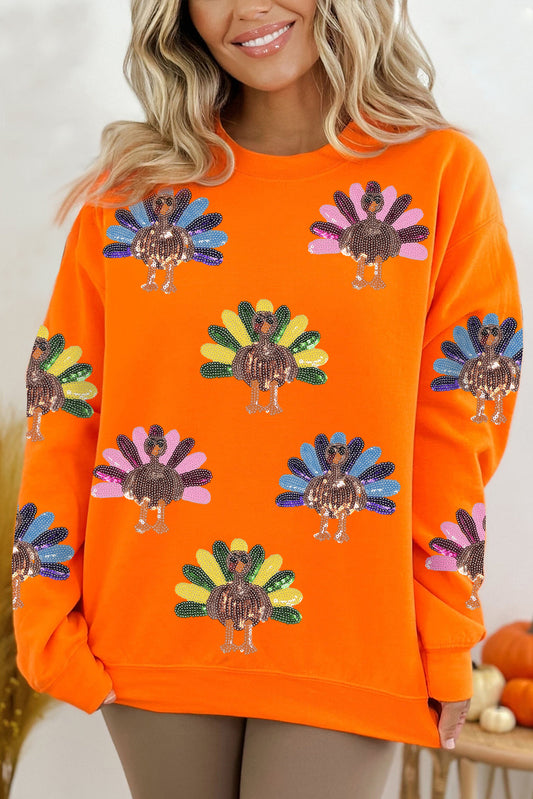
Not always. Dresses with sequins, embroidery, ruffles, or bold prints often don’t need much else. But you can complement them with accessories that don’t compete—like neutral shoes, a solid-colored clutch, or minimalist jewelry.
4. Do accessories make a casual dress look too dressed up?
Only if the accessories are formal. If you're pairing a casual dress with accessories, go for materials like canvas, leather, cotton, or simple metals. Even sneakers and a crossbody bag can elevate your look without overdoing it.
5. Should I match accessories to my shoes or bag?
Not necessarily. Matching accessories to each other used to be standard, but today’s style leans more toward coordinated contrast. Choose one or two items to connect through color, texture, or shape—but avoid going full “matchy-matchy” unless that’s the aesthetic you’re aiming for.
6. How do accessories change the silhouette of a dress?
Accessories like belts, layers, or structured bags can shift your dress’s silhouette significantly. A belt cinches your waist, a blazer sharpens your shape, and certain shoes (like platforms or pointy toes) elongate the line of your outfit.
7. Can I wear statement accessories with a short dress?
Absolutely. Short dresses (especially neutral or monochrome ones) are a great canvas for standout jewelry, bold bags, or shoes with personality. Just ensure the accessories are proportionate so they enhance, not overwhelm, the shorter hemline.
8. How can I accessorise a dress for day-to-night wear?
Start with simple, clean accessories for daytime (like a watch and flats). To transition to evening, swap in a bold lipstick, add heels or boots, switch to a clutch, and layer on statement jewelry. You don’t need to change the dress—just the accents.
9. Is it okay to accessorise a patterned dress, or will it clash?
You can absolutely accessorise a patterned dress—just keep it complementary, not competitive. Choose accessories that pull from one of the colors in the print, or go for neutrals and metallics. Texture can also enhance without clashing—think suede, leather, or woven materials.
10. What’s the best way to choose accessories if I’m unsure of my style?
Start small and build your accessorising confidence over time. Begin with classic, versatile pieces like gold hoops, a slim black belt, or a tan leather bag. Notice what makes you feel most “you”—that’s your style foundation. You can explore more statement items once you're comfortable with the basics.