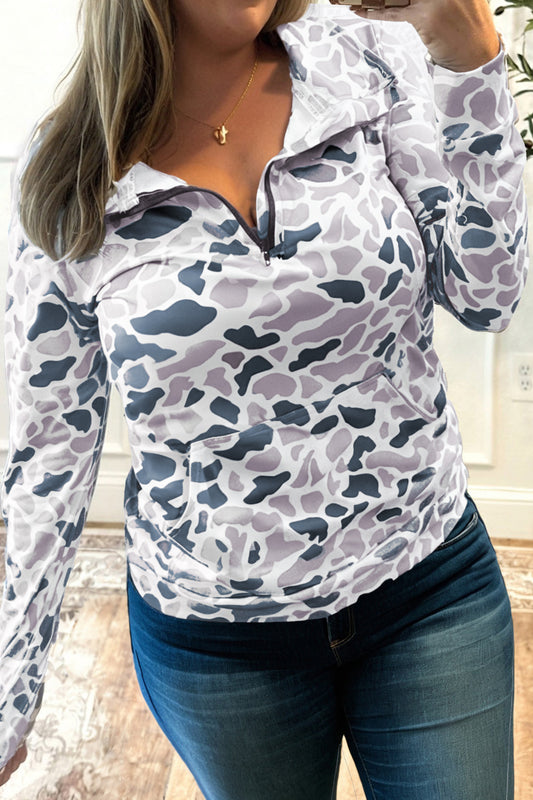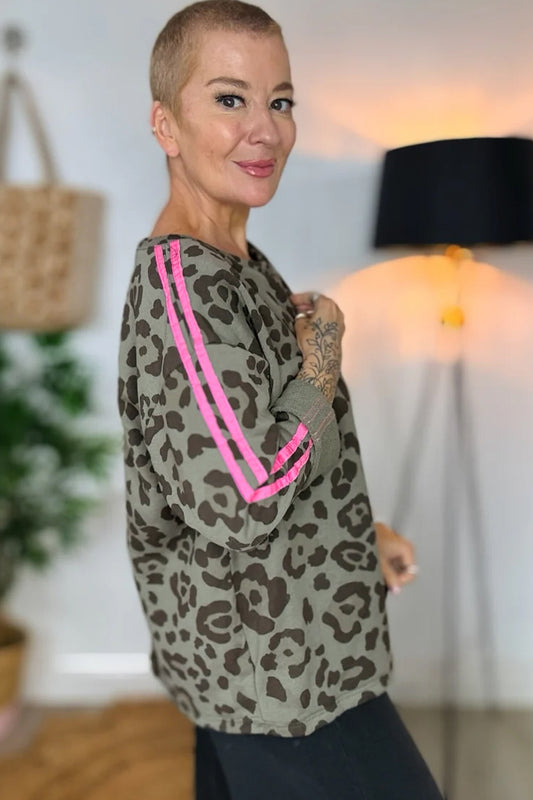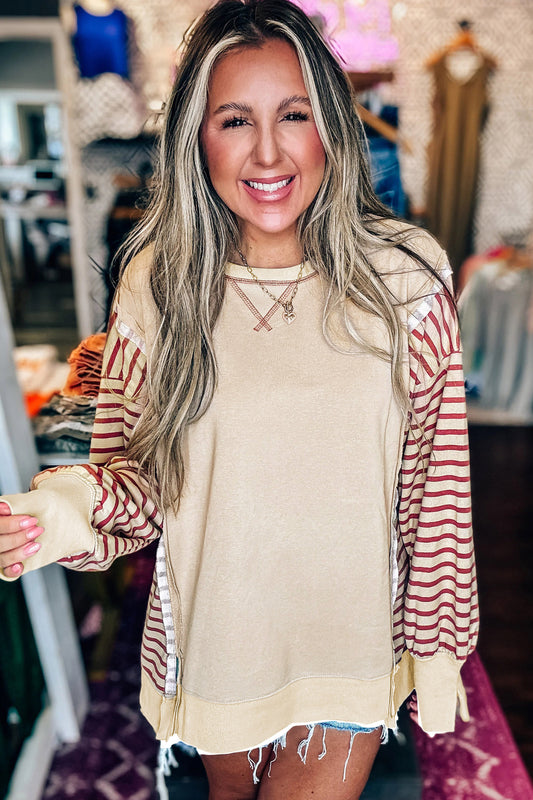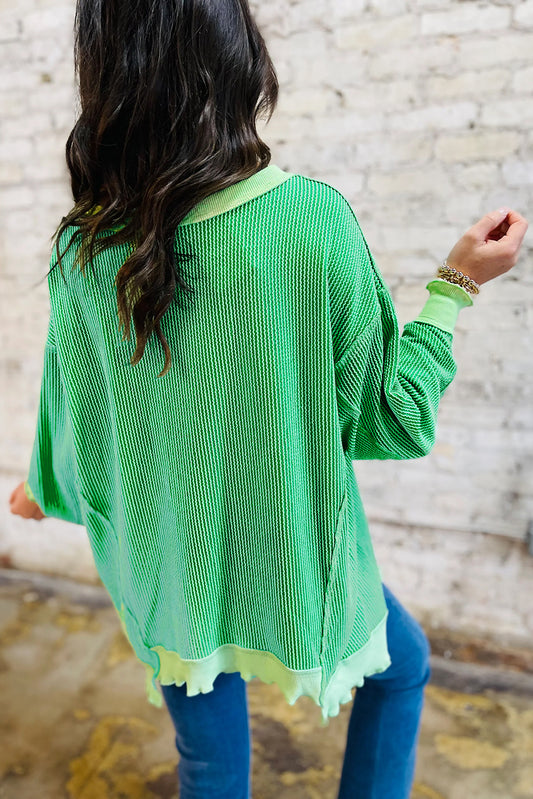

Do Women Enjoy Restrictive Clothing? A Dive into Fashion, Comfort, and Societal Norms
This article delves into the intriguing topic of restrictive clothing for women. We'll explore the historical context, societal pressures, and the health implications of such choices. While fashion trends like corsets and skinny jeans have been popularized by societal norms, they come with their own set of challenges. The fashion industry, societal expectations, and personal agency all play a role in these choices. Read on to understand the balance between comfort, self-expression, and the pressure to conform.
Table of Contents
- The Historical Context of Restrictive Clothing
- Societal Expectations and Beauty Standards
- Health Implications of Restrictive Clothing
- Men's Perspective on Women's Fashion
- Personal Agency in Fashion Choices
- The Modern Shift: Empowerment, Self-Expression, and Restrictive Clothing
- Beyond the Fabric: The Future of Women's Fashion and Restrictive Clothing
- FAQ: Do Women Enjoy Restrictive Clothing?
The Historical Context of Restrictive Clothing
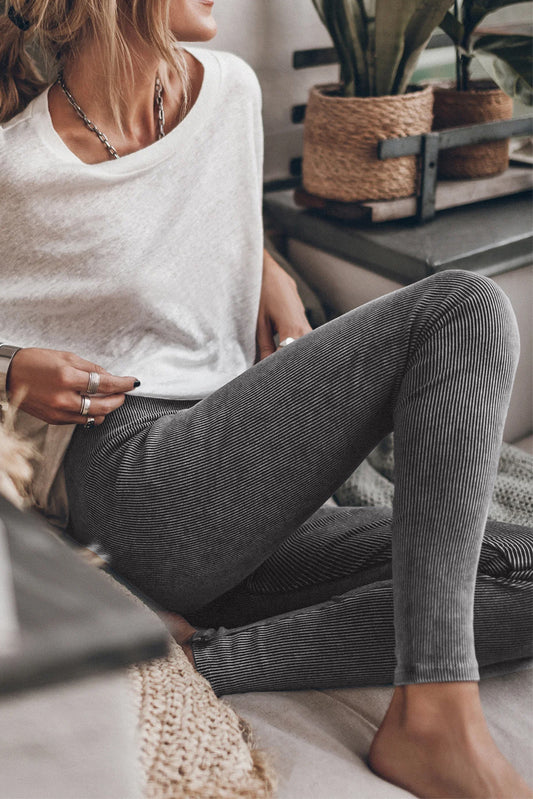
Historically, restrictive clothing such as corsets were not just a fashion statement but a symbol of societal norms and beauty standards. The Victorian era, for instance, saw women tightly lacing themselves into corsets to achieve the coveted hourglass figure. This trend, while considered the epitome of beauty, posed significant health risks. Similarly, skinny jeans, a more modern trend, have been associated with issues like Compartment Syndrome, affecting circulation and nerves.
"Fashion is not something that exists in dresses only. Fashion is in the sky, in the street, fashion has to do with ideas, the way we live, what is happening." - Coco Chanel
Societal Expectations and Beauty Standards
The pressure to conform to certain beauty standards is not new. As highlighted by Psychology Today, many women wear uncomfortable clothing due to societal expectations. This discomfort can be directly linked to the discomfort women feel about their bodies, leading to issues with body image and self-worth. Fashion choices for women are often a blend of personal preferences influenced by societal norms. The fashion industry, with its ever-changing trends, plays a significant role in shaping these norms.
Health Implications of Restrictive Clothing
While fashion might dictate certain trends, the health implications of these choices cannot be ignored. Wearing tight clothing can lead to a range of health issues. From minor discomforts like indigestion to more severe conditions like nerve compression, the risks are real. For instance, tight jumpsuits or ill-fitting tops can restrict circulation, leading to potential health concerns.
Men's Perspective on Women's Fashion
Interestingly, while the focus is often on women's fashion, men's perspectives on the topic are worth noting. Real Men Real Style emphasizes the importance of comfort and fit in clothing choices for both genders. Articles like "Do men like seeing women in pretty dresses?" shed light on the universal significance of comfort in fashion.
Personal Agency in Fashion Choices
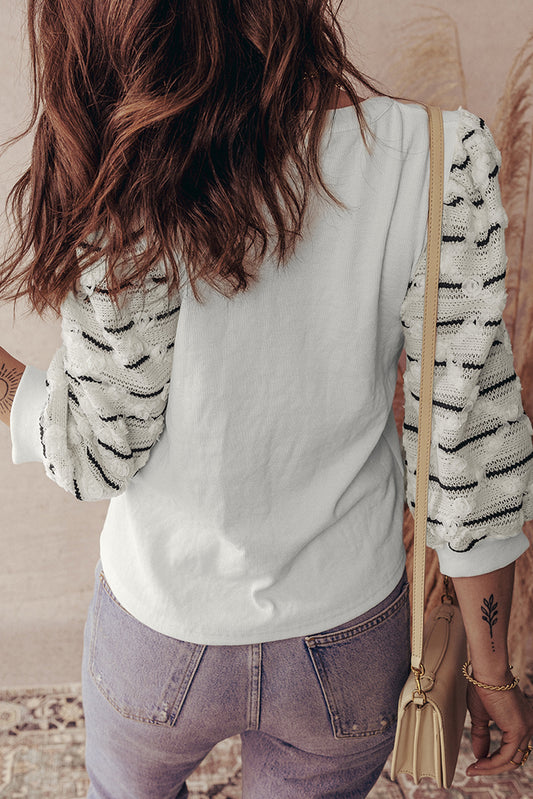
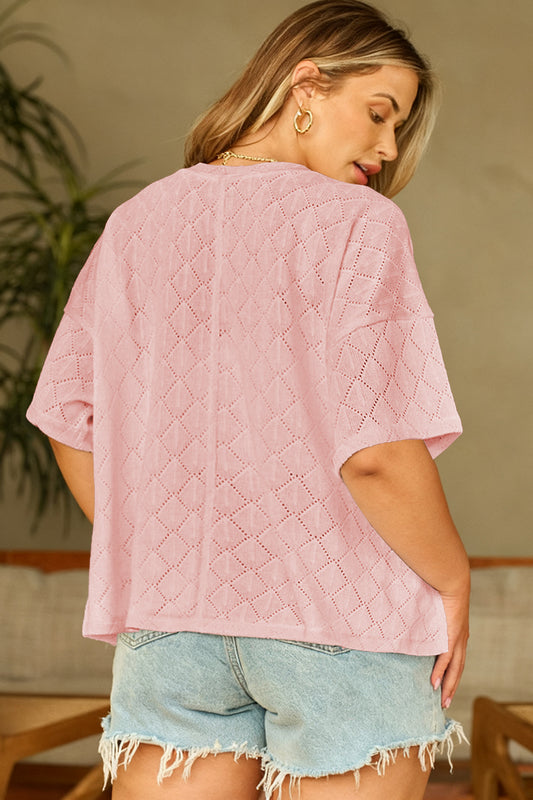
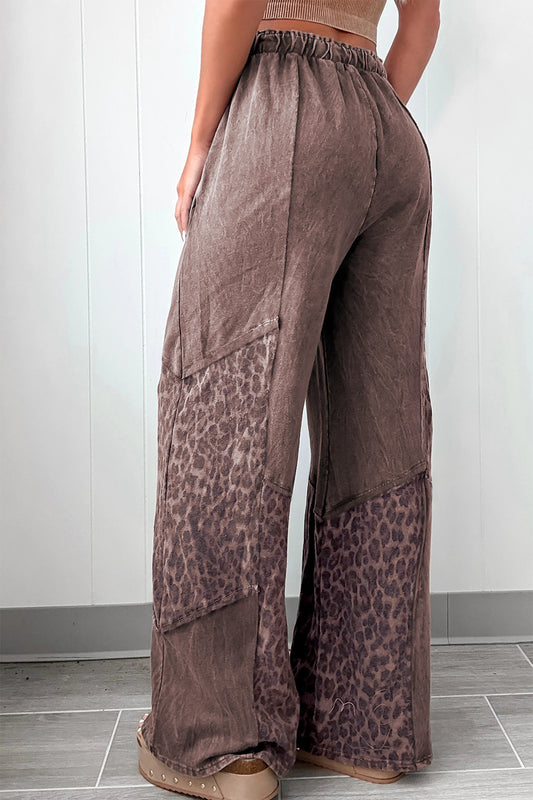
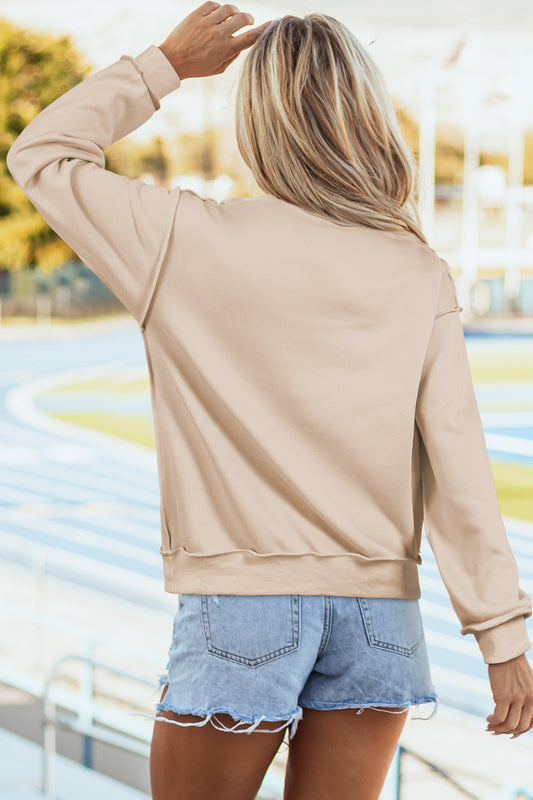
Despite the societal pressures and potential health risks, the power of personal agency in fashion choices cannot be understated. Women today have a plethora of options, from plus-size clothing to varied footwear, allowing them to express themselves while prioritizing comfort.
The Modern Shift: Empowerment, Self-Expression, and Restrictive Clothing
As we journey further into the 21st century, the narrative around women's clothing is undergoing a significant transformation. The age of the internet and social media has amplified voices advocating for comfort, body positivity, and personal agency in fashion choices. Let's delve deeper into this modern shift.
The Role of Social Media
In today's digital age, social media plays a pivotal role in shaping perceptions about body image and fashion. Platforms like Instagram and TikTok are rife with influencers promoting body positivity, challenging societal expectations, and redefining beauty standards. This shift is empowering women to prioritize comfort over societal pressures, leading to a surge in demand for comfortable yet stylish clothing options.
"Style is a way to say who you are without having to speak." - Rachel Zoe
Feminism and Fashion
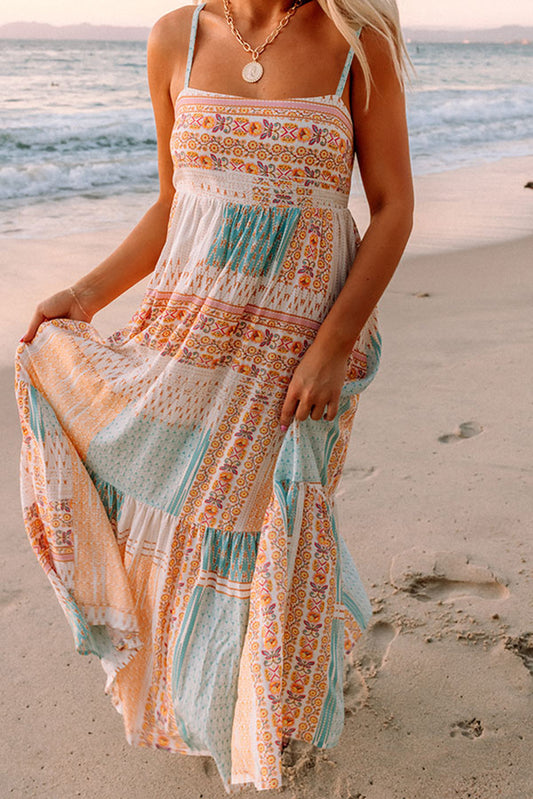
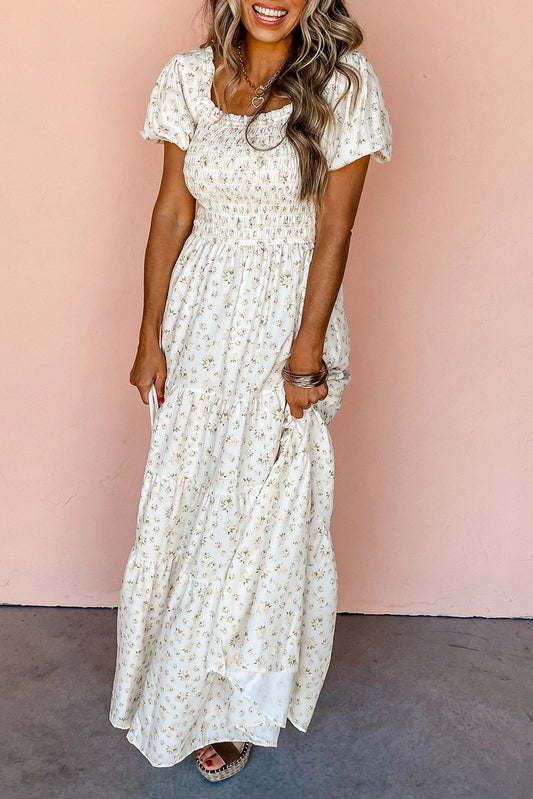
Feminism has always been at the forefront of challenging societal norms, and its influence on fashion is undeniable. The movement advocates for women's right to choose how they want to present themselves, free from societal constraints. This sentiment resonates with many, leading to a rise in clothing options that are both empowering and comfortable. For instance, dresses and jumpsuits that are stylish yet non-restrictive are becoming increasingly popular.
Cultural Influences on Fashion Choices
Different cultures have diverse perspectives on fashion, beauty standards, and what's considered "restrictive." While Western cultures might view corsets as restrictive, other cultures have their own versions of beauty standards and clothing norms. Understanding these cultural influences is crucial in the global conversation about women's fashion.
The Fashion Industry's Response
Recognizing the growing demand for comfort, the fashion industry is adapting. Brands, including Zorian of New York, are focusing on creating clothing that marries style with comfort. The rise of athleisure, for instance, is a testament to this shift. Women no longer have to choose between looking good and feeling good.
The Power of Personal Agency
At the heart of the modern shift in women's fashion is the power of personal agency. Women are increasingly recognizing the importance of self-expression and are making fashion choices that reflect their personalities, values, and comfort levels. Articles like "As a woman, how can I dress in formal wear?" emphasize the myriad ways women can express themselves without compromising on comfort.
Beyond the Fabric: The Future of Women's Fashion and Restrictive Clothing
As we gaze into the horizon of women's fashion, it's evident that the tides are changing. The conversation has shifted from merely aesthetics to encompassing comfort, health, and personal choice. Let's explore what the future might hold for women's fashion and the concept of restrictive clothing.
Sustainable Fashion: Comfort and Consciousness
One of the most significant shifts in the fashion industry is the move towards sustainability. Brands are now focusing on creating clothing that's not only comfortable but also environmentally friendly. This trend is a reflection of a broader societal shift towards sustainability and conscious consumerism. Eco-friendly dresses and recycled fabric tops are just the tip of the iceberg.
"Fashion should be a form of escapism, and not a form of imprisonment." - Alexander McQueen
Tech-Infused Fashion
The integration of technology into fashion is revolutionizing the industry. From smart fabrics that adapt to body temperature to clothing that offers posture support, the future promises garments that prioritize health and comfort. Imagine a jumpsuit that adjusts its fit based on the wearer's comfort or shoes that provide real-time feedback on foot health.
Personalized Fashion Experiences
With advancements in AI and machine learning, personalized fashion experiences are becoming a reality. Brands can now offer clothing recommendations based on individual body types, preferences, and comfort levels. This shift ensures that women have access to fashion choices that are tailored to their unique needs, reducing the allure of traditionally restrictive clothing.
The Decline of One-Size-Fits-All
The era of "one-size-fits-all" is waning. Recognizing the diversity of women's bodies and preferences, brands are expanding their size ranges and offering more inclusive options. Plus-size fashion is no longer an afterthought but a significant segment of the industry, emphasizing comfort and style for all.
A Global Conversation
Fashion is a global language, and the conversation about restrictive clothing is not limited to one culture or region. As the world becomes more interconnected, we're witnessing a fusion of styles, preferences, and ideals. This global conversation ensures that the future of women's fashion is diverse, inclusive, and comfort-centric.
In wrapping up our exploration of women's fashion and restrictive clothing, it's clear that the future is bright. The industry is evolving, with a keen focus on comfort, health, and personal choice. As Coco Chanel once said, "Fashion has two purposes: comfort and love. Beauty comes when fashion succeeds." The journey ahead promises a harmonious blend of style, comfort, and empowerment for all women.
FAQ: Do Women Enjoy Restrictive Clothing?
-
1. Why do some women choose to wear restrictive clothing?
Many women opt for restrictive clothing due to societal norms, beauty standards, or personal preferences. Sometimes, fashion trends can influence these choices, even if they might not be the most comfortable.2. Are there any health benefits to wearing restrictive clothing?
While some might argue that certain restrictive garments, like shapewear, can offer temporary posture support or body shaping, prolonged use can lead to health issues. It's essential to balance wear time and ensure the clothing doesn't cause discomfort.3. How has the perception of restrictive clothing changed over the years?
Historically, restrictive clothing was often seen as a symbol of beauty and status. However, with changing societal norms and a greater emphasis on comfort and health, perceptions are shifting towards more comfortable and inclusive fashion choices.4. Are there cultures where restrictive clothing is more prevalent?
Yes, certain cultures have traditional garments that might be considered restrictive by Western standards. However, these garments often carry significant cultural and symbolic meanings.5. How does the fashion industry influence the popularity of restrictive clothing?
The fashion industry plays a significant role in setting trends. If a particular style becomes popular on runways or among celebrities, it can influence everyday fashion choices, even if the trend leans towards more restrictive garments.6. Are there any psychological implications of wearing restrictive clothing?
Yes, continuously wearing restrictive clothing, especially if done to conform to societal standards, can impact self-esteem and body image. It can also lead to feelings of discomfort or self-consciousness.7. How can one balance style and comfort when choosing clothing?
It's essential to prioritize personal comfort and health over trends. Look for clothing that fits well, suits your body type, and doesn't cause discomfort. Remember, fashion is a form of self-expression, and you should feel good in what you wear.8. Are men subjected to similar pressures regarding restrictive clothing?
While the focus is often on women, men too face societal pressures regarding their clothing choices. However, historically, women have faced more stringent standards when it comes to fashion and body image.9. How can I transition from restrictive clothing to more comfortable options without compromising on style?
Start by incorporating versatile and comfortable pieces into your wardrobe. Look for stretchable fabrics, adjustable fittings, and designs that flatter your body type. Over time, you can phase out overly restrictive items in favor of more comfortable, yet stylish alternatives.10. Are there any brands or designers leading the way in comfortable fashion?
Yes, many brands and designers are now emphasizing comfort and sustainability. Brands like Zorian of New York and others offer stylish yet comfortable options for modern consumers.